WHOLE-BRAIN LEARNING FOR THE CHILD
This text was machine-transcribed from the printed book and may contain errors. Select the words and choose “Report a mistake”.
THROUGH THE BLISS CURRICULUM
BODILY KINAESTHETIC - Develop competence in using large and small muscles, taking care of and respecting our body, being aware of and practicing good nutrition habits, thereby develop overall physical fitness.
LINGUISTIC – Develop deep understanding of words and a sensitivity to the literal and figurative meaning of words. Added focus on oral and written communication skills, grammar rules, sensitivity to musical qualities and rhythms of words, uses for language such as persuasion, information or pleasure.
Develop the thinking mind(observing, recalling, comparing, patterning, classifying, generalizing, integrating and evaluating), constructing knowledge, developing memory skills, acquiring facts, and responding and communicating through (listening, speaking, writing and reading).
INTUITIVE - Develop sensory awareness, imagine and visualize, explore, create, respond and interpret; develop critical awareness, express and represent through a variety of forms.
SOCIAL & EMOTIONAL - Develop internal behaviour control, help, cooperate, respect and accept others, develop friendship, appreciate the culture and heritage of others, develop a positive realistic concept of self, accept and express emotions in socially appropriate ways, cope with change, develop decision-making skills, accept challenges, and develop independence.
SPIRITUAL – The Spiritual Quotient, SQ is based on the third neural system in the brain, the synchronous neural oscillations that unify and integrate the data across the brain. This process facilitates interactions between emotions and logic. It thus provides a meaning giving centre to the individual. It helps develop Self-awareness, Flexibility and adaptability, Ability and capacity to face, use and transcend pain and suffering, Vision, Values, Wisdom, not to harm or hurt others and self, Holistic approach and views, Appetite for seeking answers to fundamental questions by using "why" and "what if", Courage to work against conventions if necessary.
Trace the following alphabets


Blow painting
Trace the patterns


Finger painting
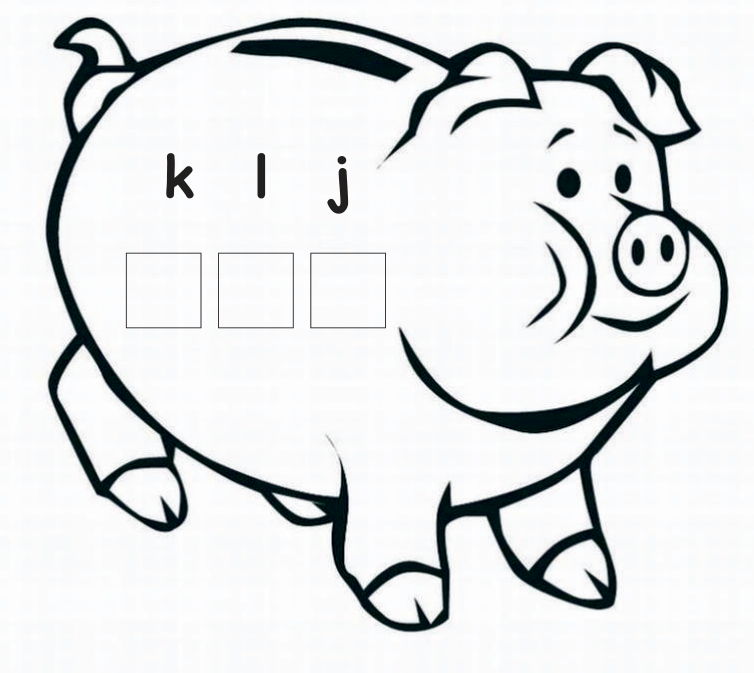
Arrange the alphabets in order
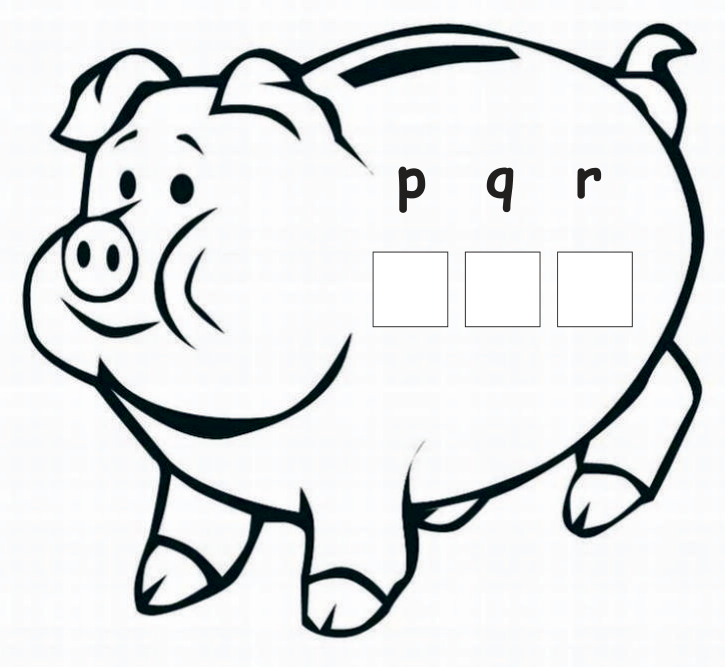
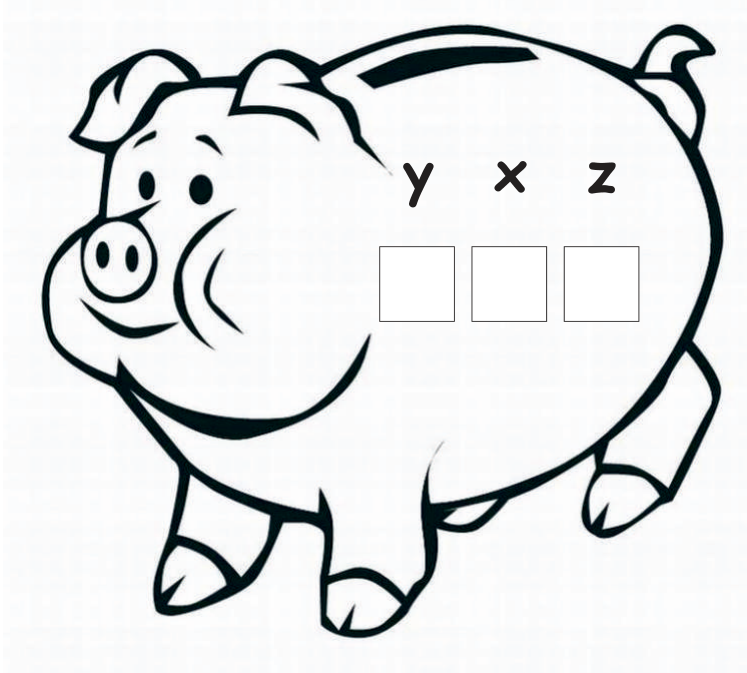
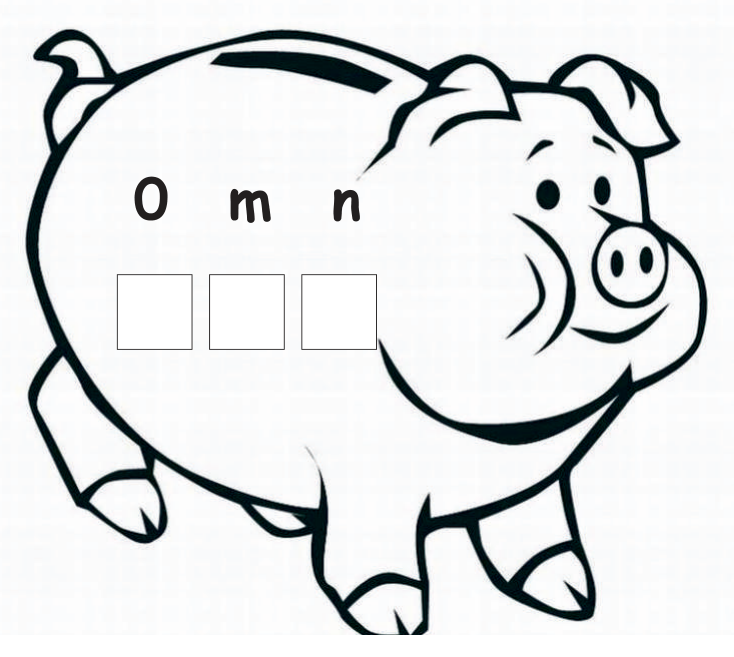
Create a cotton collage
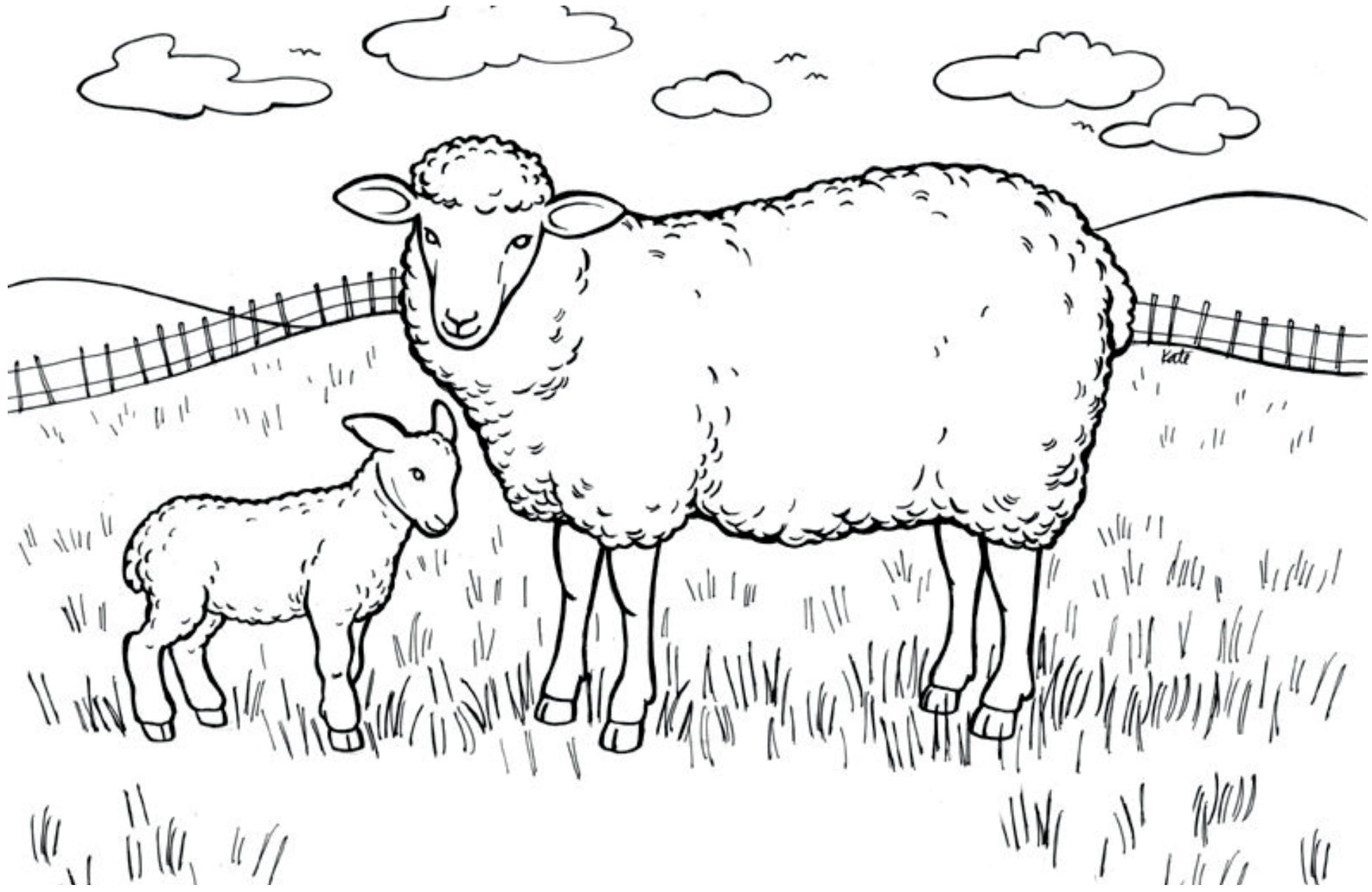
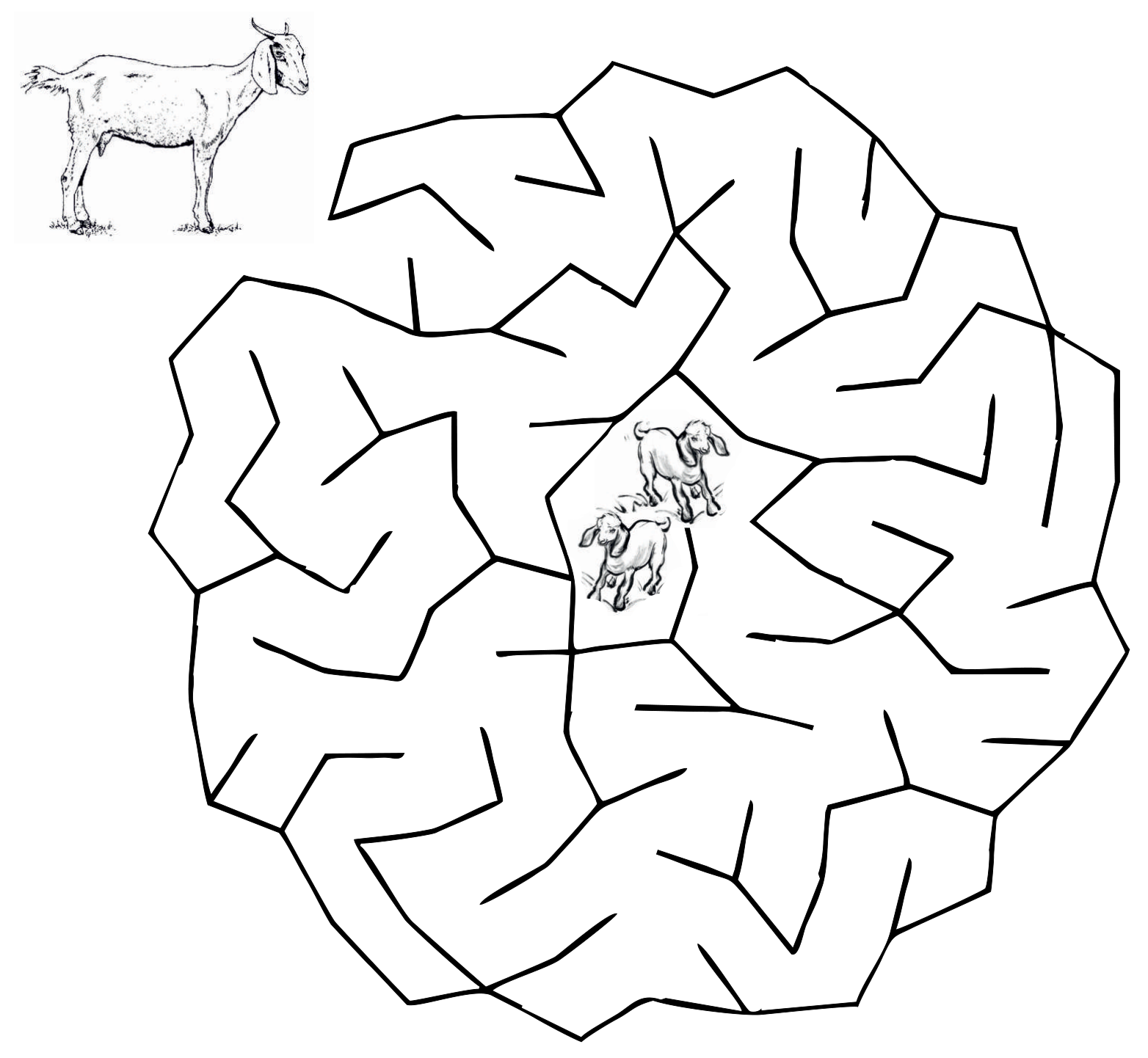
Help the goat reach its kids
Stamp printing
Draw the other half and colour it
Pencil colouring
Follow the patterning

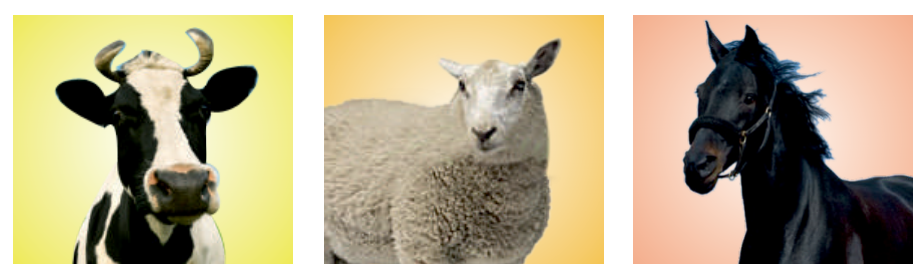

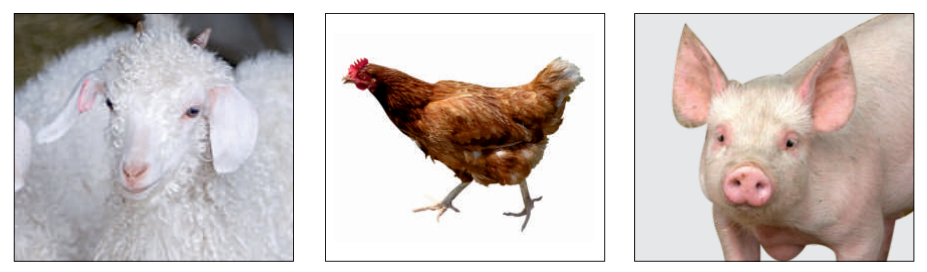
Group the pictures
[Figure: Sheep 1]
draw a rectangle for group of 2
[Figure: Calf 1]
draw a rectangle for group of 3
[Figure: Horse 1]
draw rectangle for group of 4
[Figure: Donkey 1]
draw rectangle for group of 5
Write alphabet f for the farm animal & w for the wild animal in the given boxes
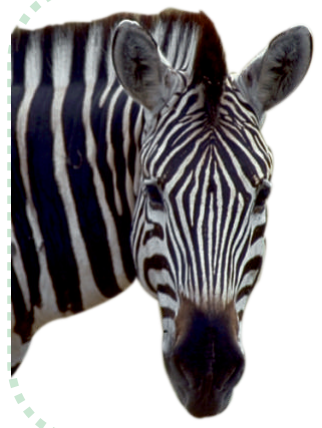
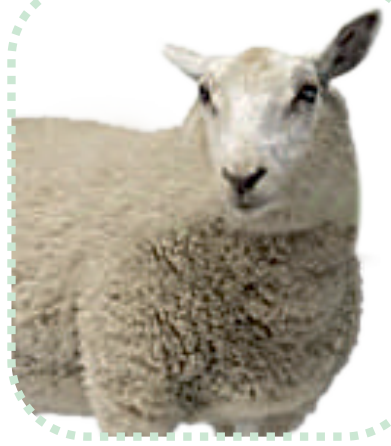
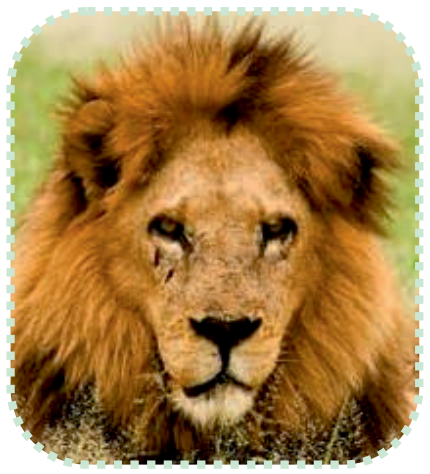
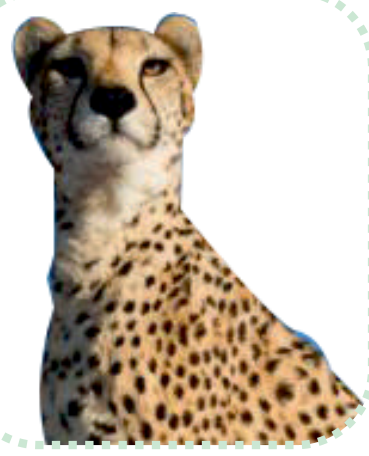
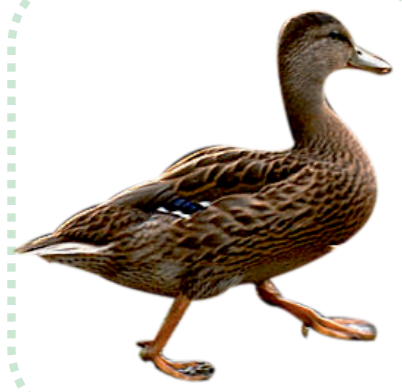
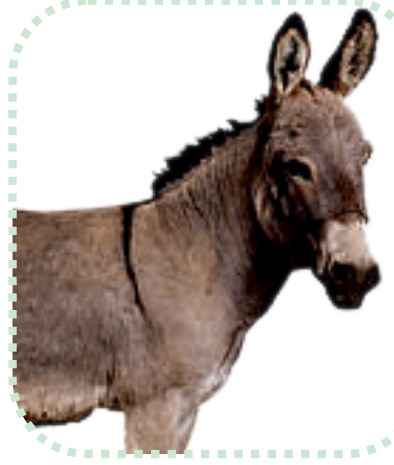
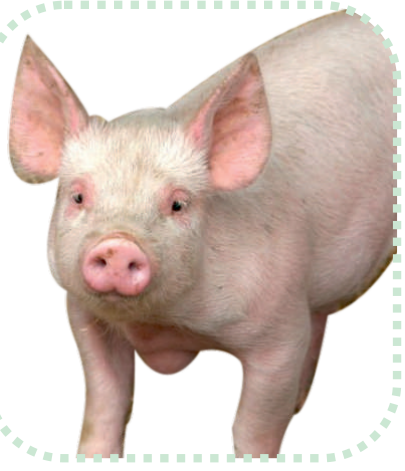
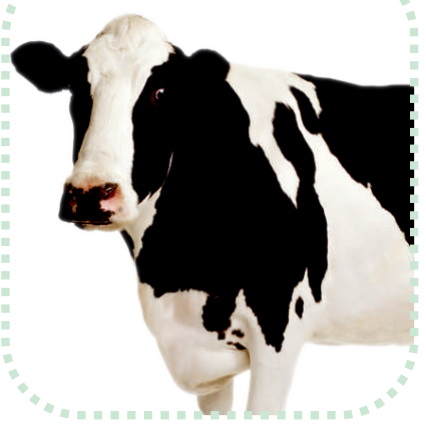
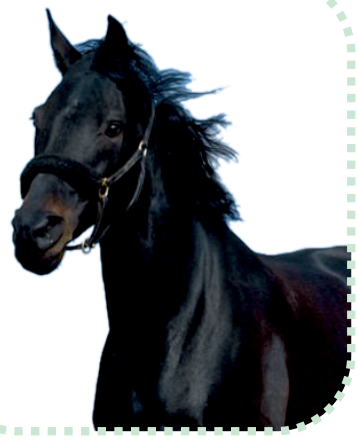

Match the farm animals to their group
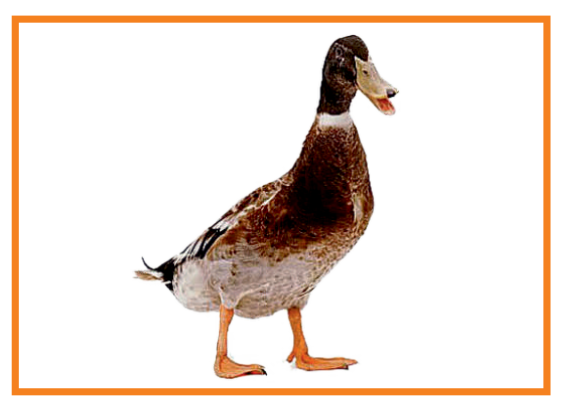
| Duck | Clutch |
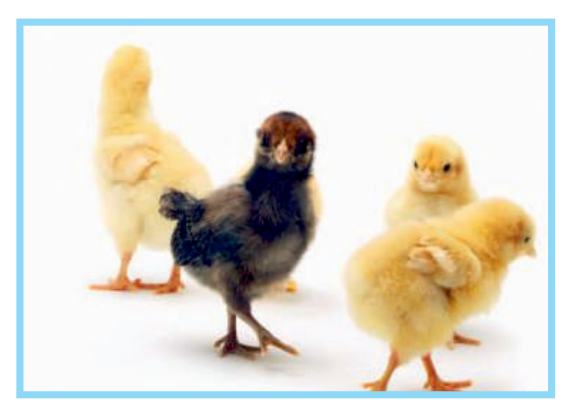
| |
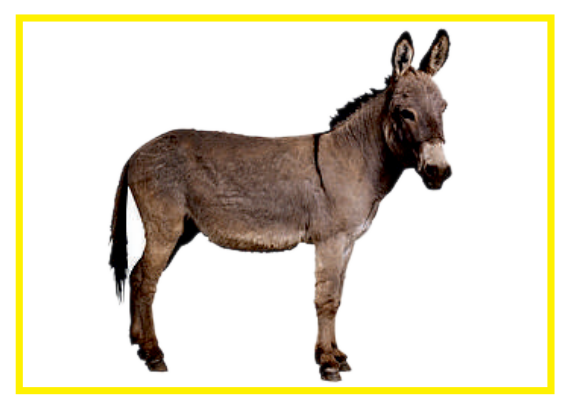
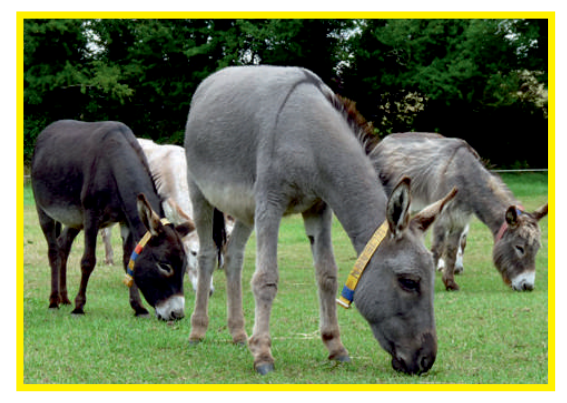
| Donkey | Bunch |
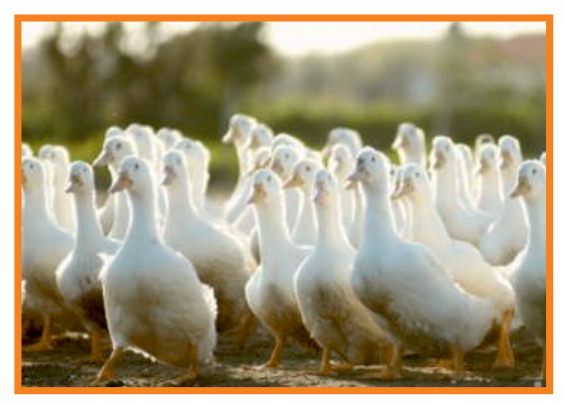
| |
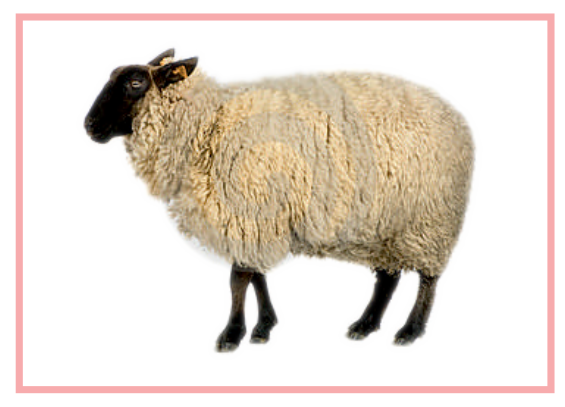
| Sheep | Mob |
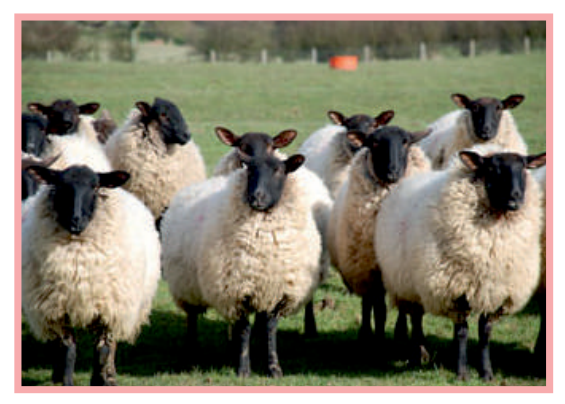
| |
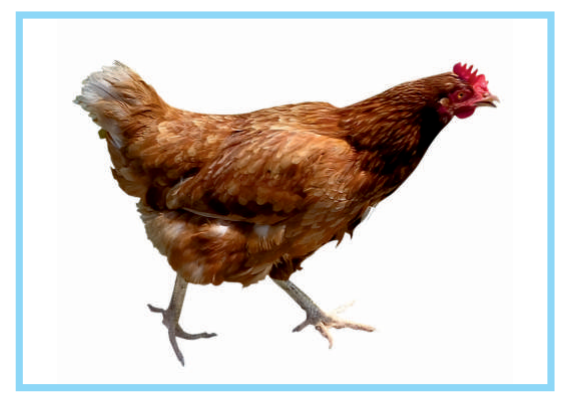
| Hen | Drove |
|
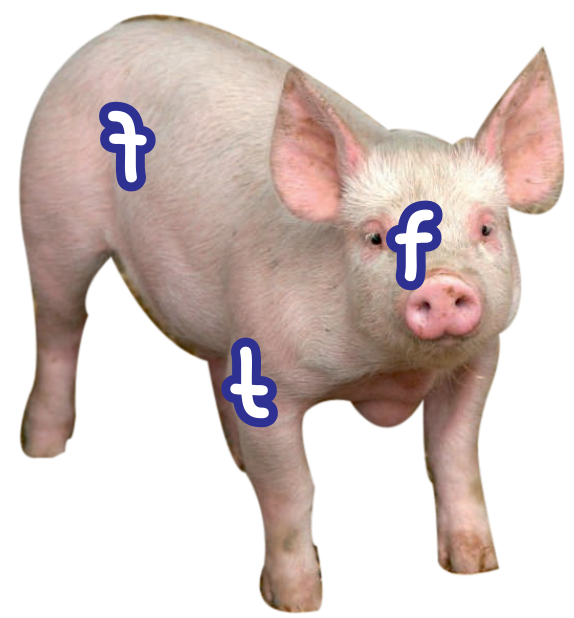
Identify the farm animals in the picture and write the first letters of each animals in the given circle next to it
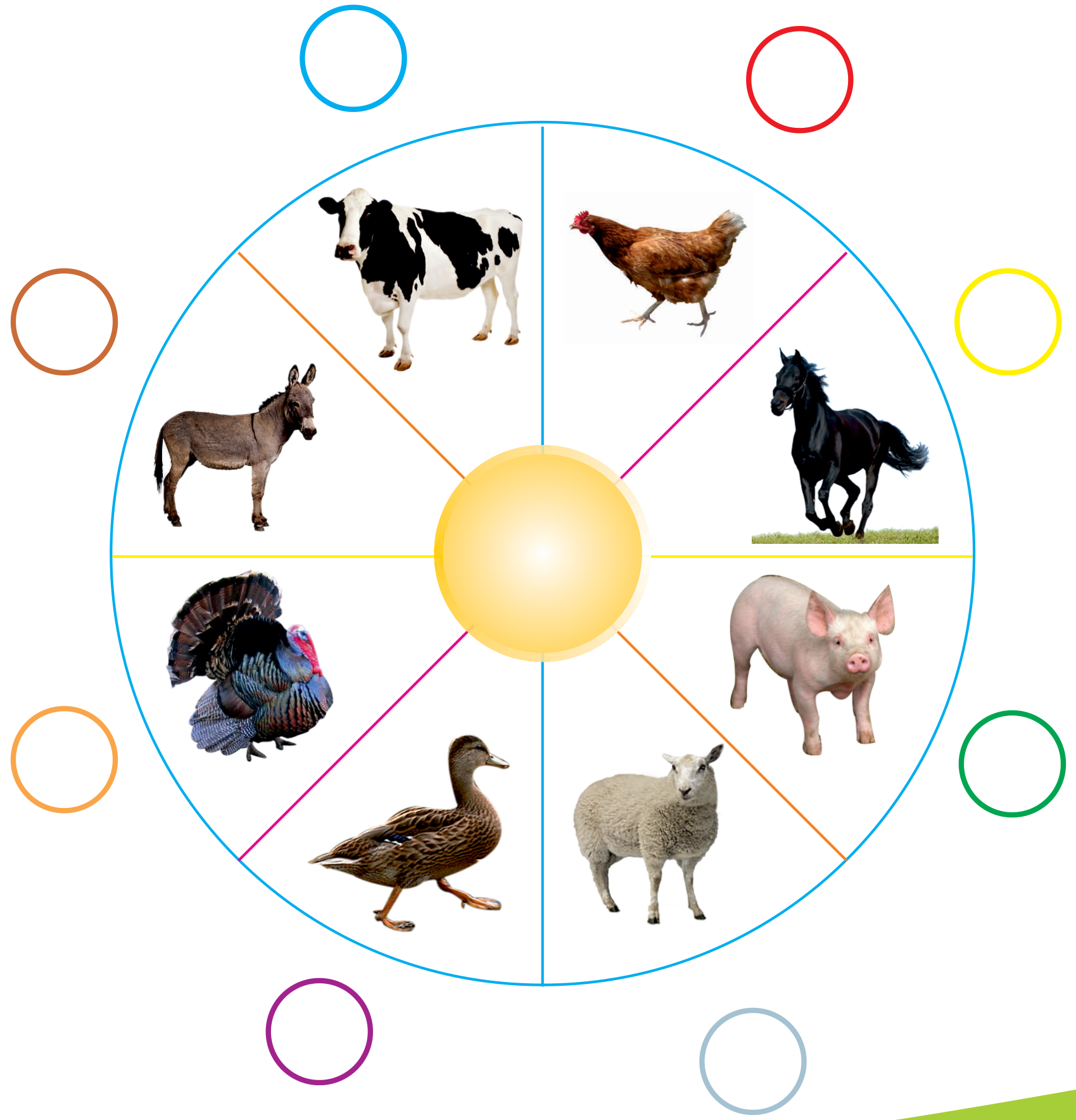
[Figure: FARM ANIMALS SMART WORKSHEETS]
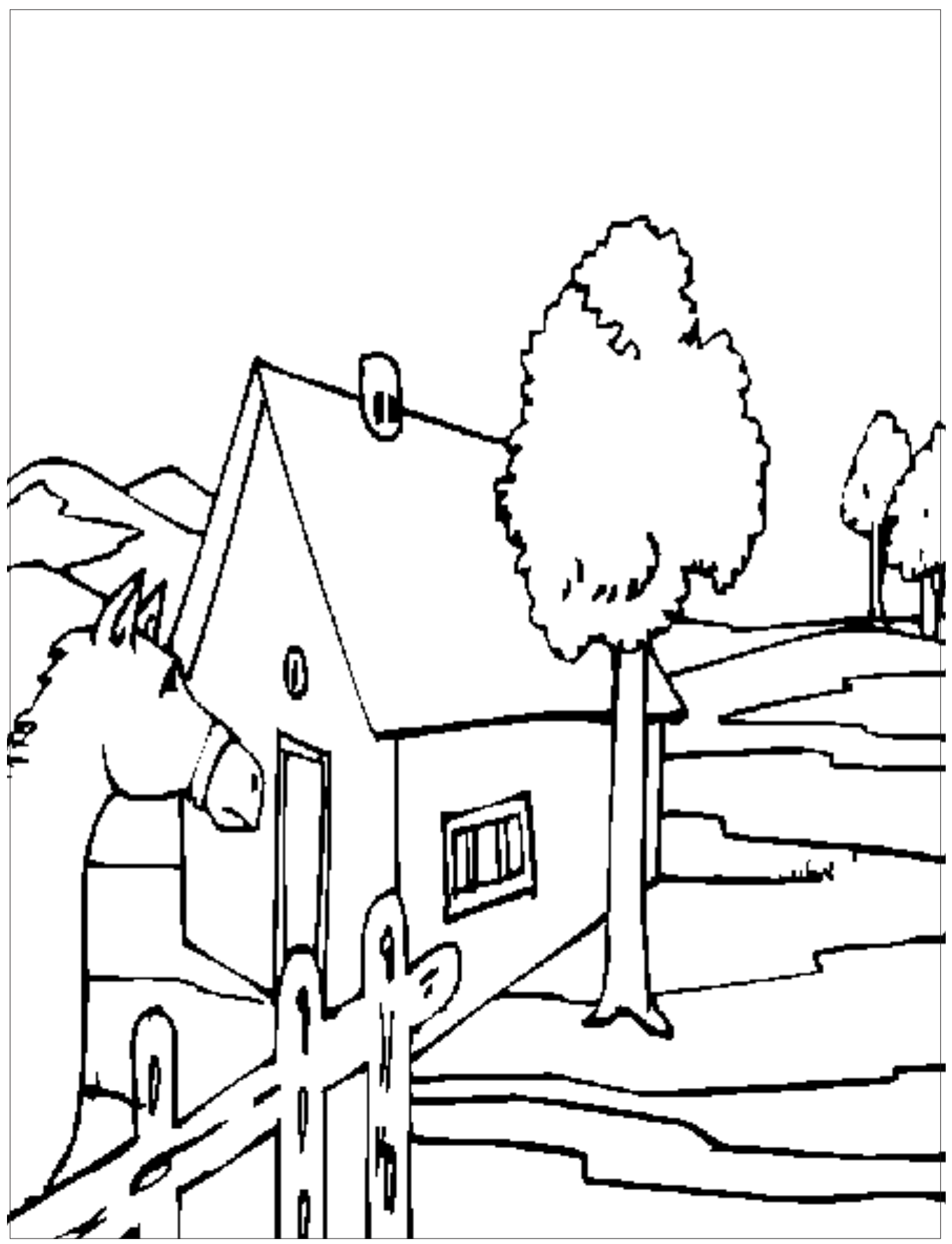
✓ the picture which explains the correct positions
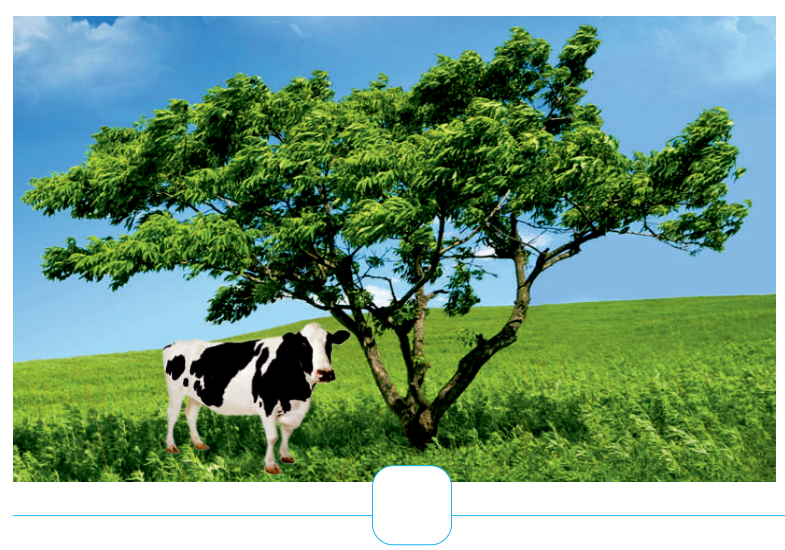
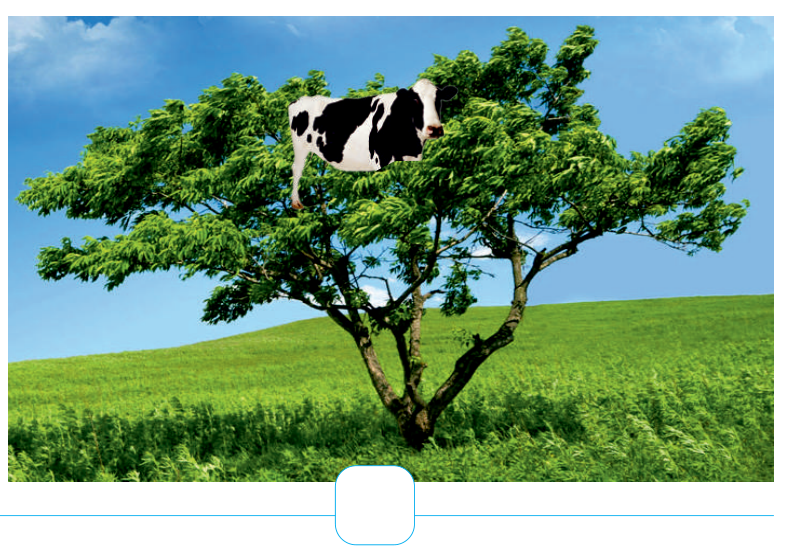
The cow is standing under the tree
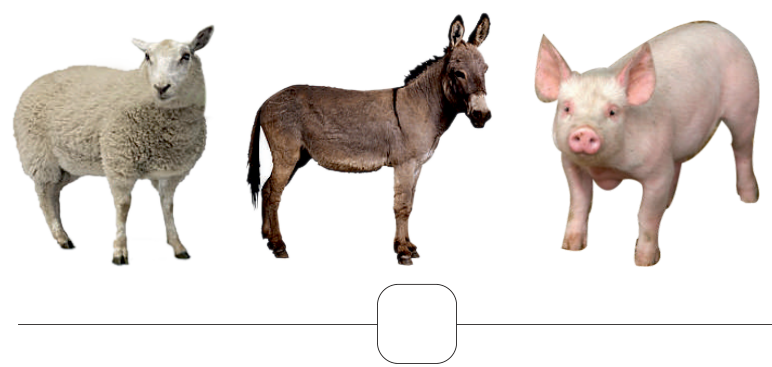
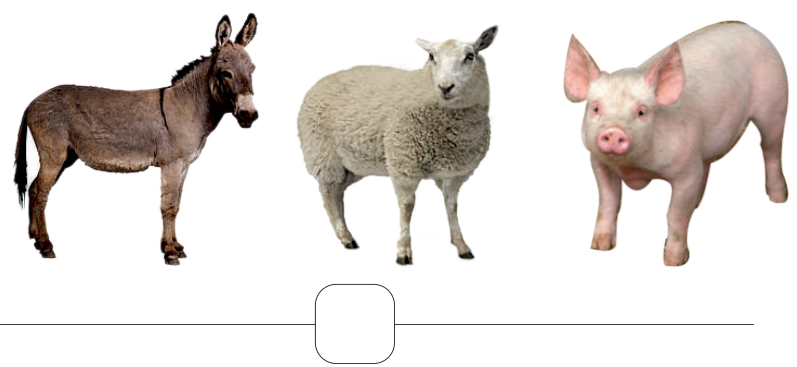
The sheep is between the pig and the donkey
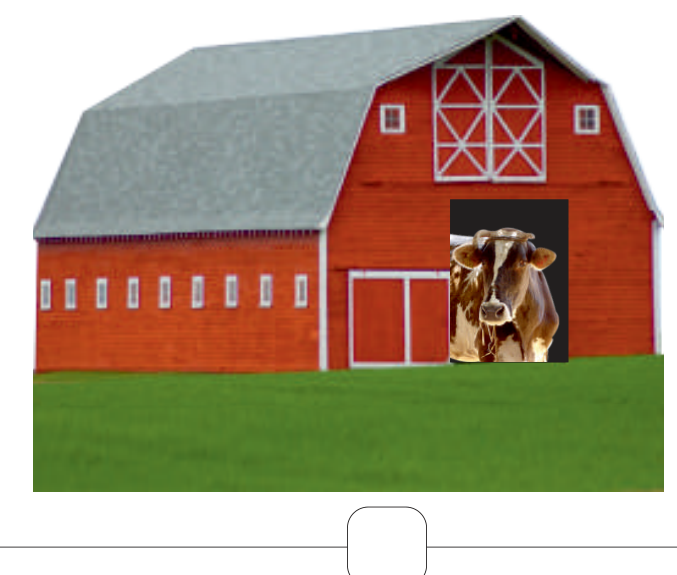
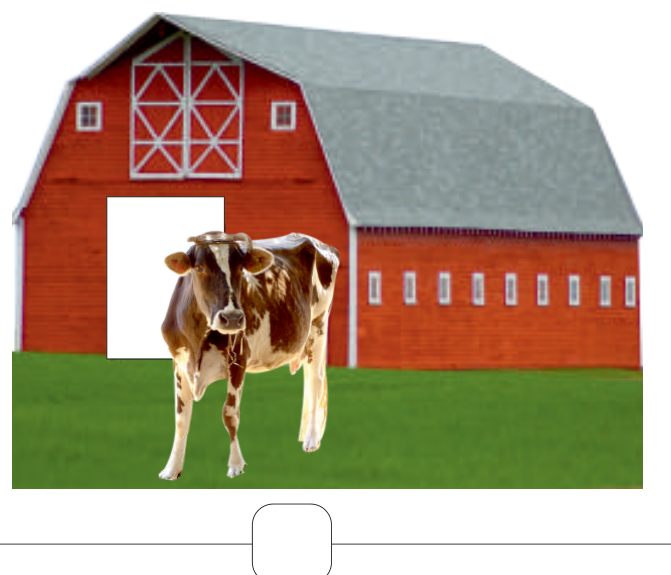
The cow is out side the barn

Join the letters from column A to column B to form the word
| A | B | A | B | |
|---|---|---|---|---|
| Fa | se | Sta | al | |
| Pi | ep | He | y | |
| She | rn | St | ol | |
| Co | rm | Ca | n | |
| Don | g | Fo | ble | |
| Hor | w | Wo | lf | |
| Ani | mal | K | ay | |
| Ba | key | H | id |

Look and write the names of the following picture in the boxes given below
Letter bank | o | s | e | g | P | i | b | a | r | n | c | w | h | o | k | u | d |
|---|---|---|---|---|---|---|---|---|---|---|---|---|---|---|---|---|
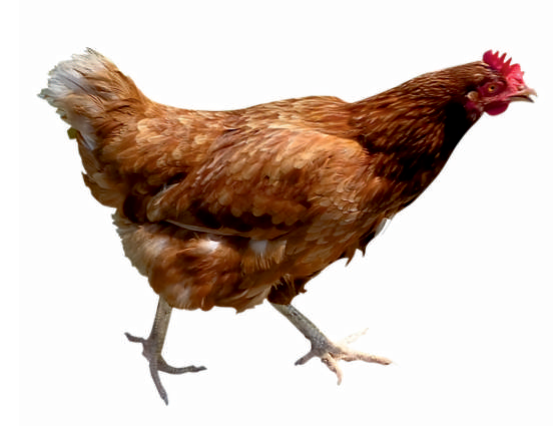
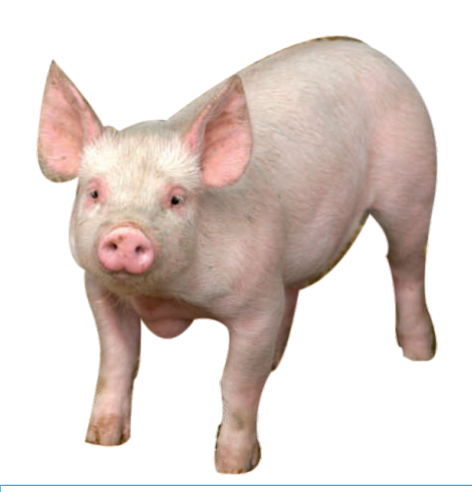
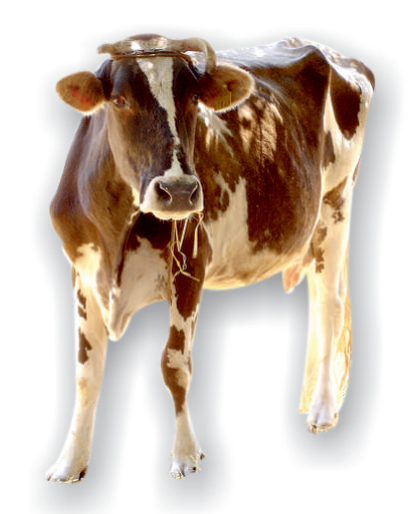

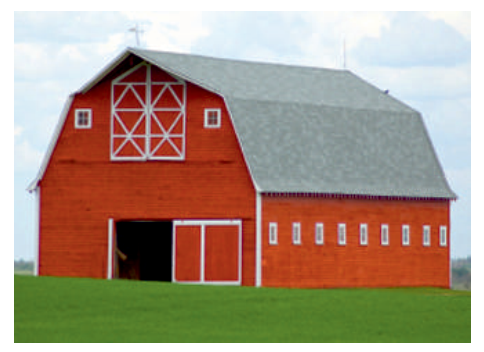
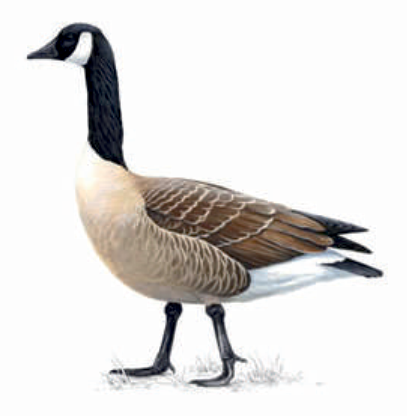
Complete the words with the missing vowels
Letter bank a e i o u
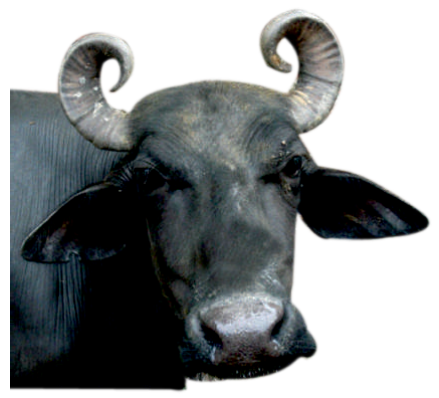
B ☐ f f a l o
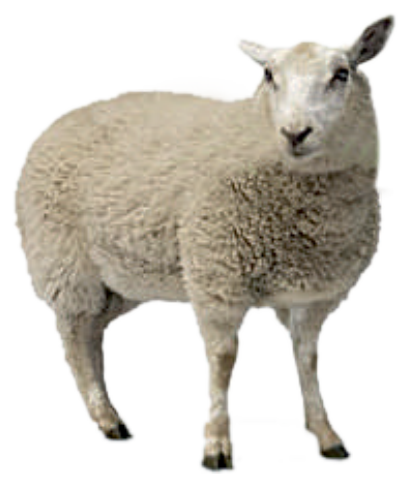
S h ☐ ☐ p
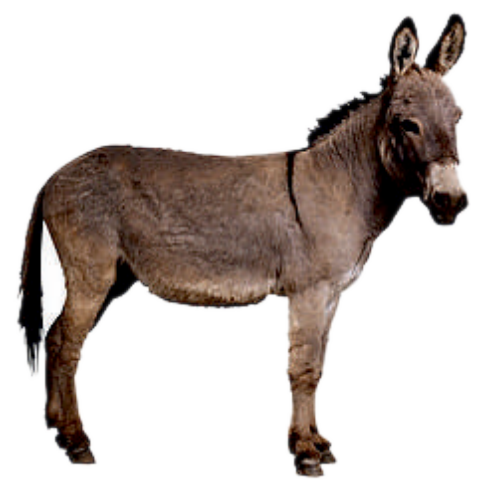
D ☐ n k ☐ y
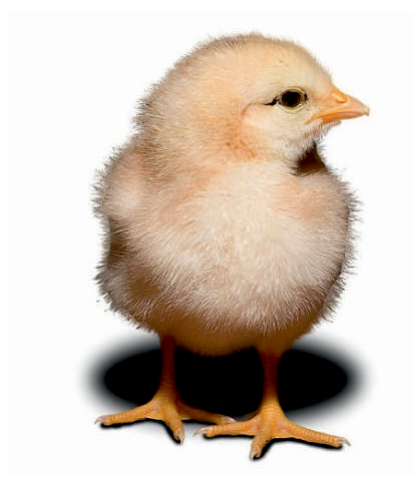
C h ☐ c k

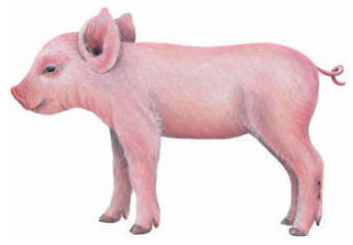
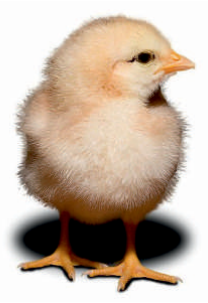
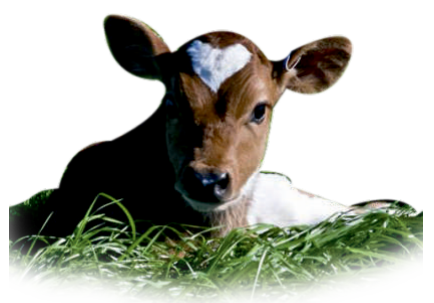
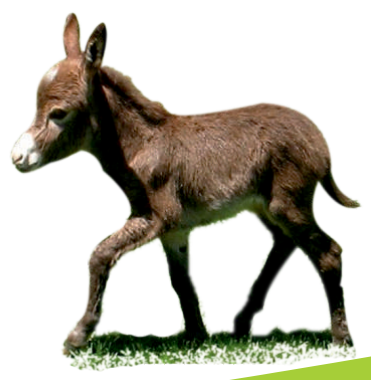
Match the farm animals to their young ones
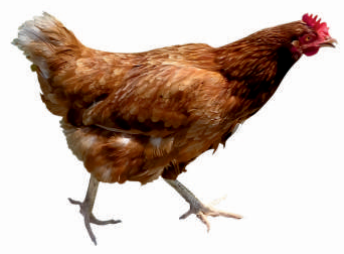
Hen
Lamb
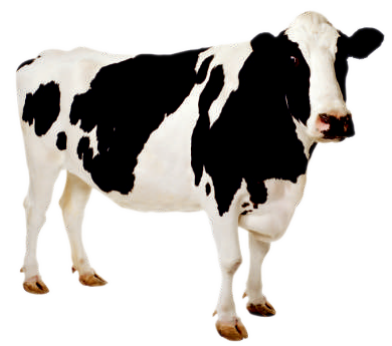
Cow
Piglet
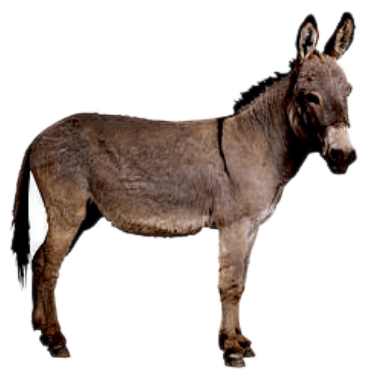
Donkey
Chicks
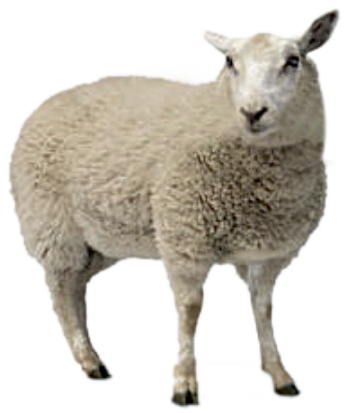
Sheep
Calf
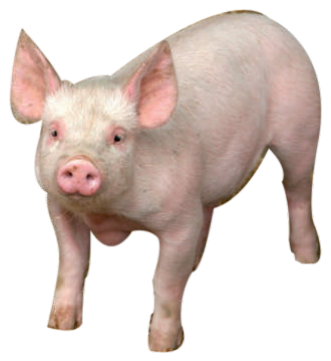
Pig
Foal
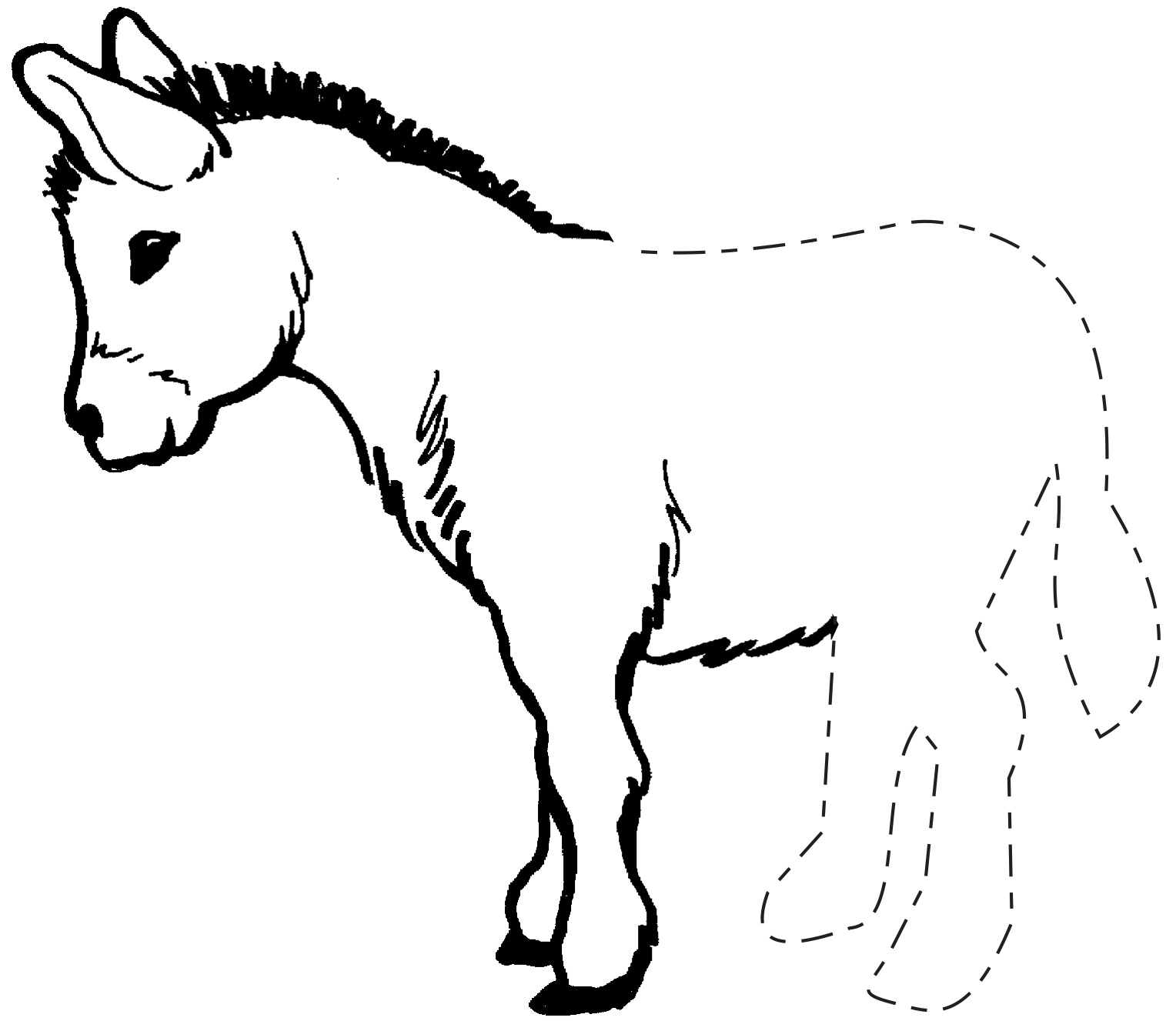
Look at the picture and find the missing parts and draw appropriately
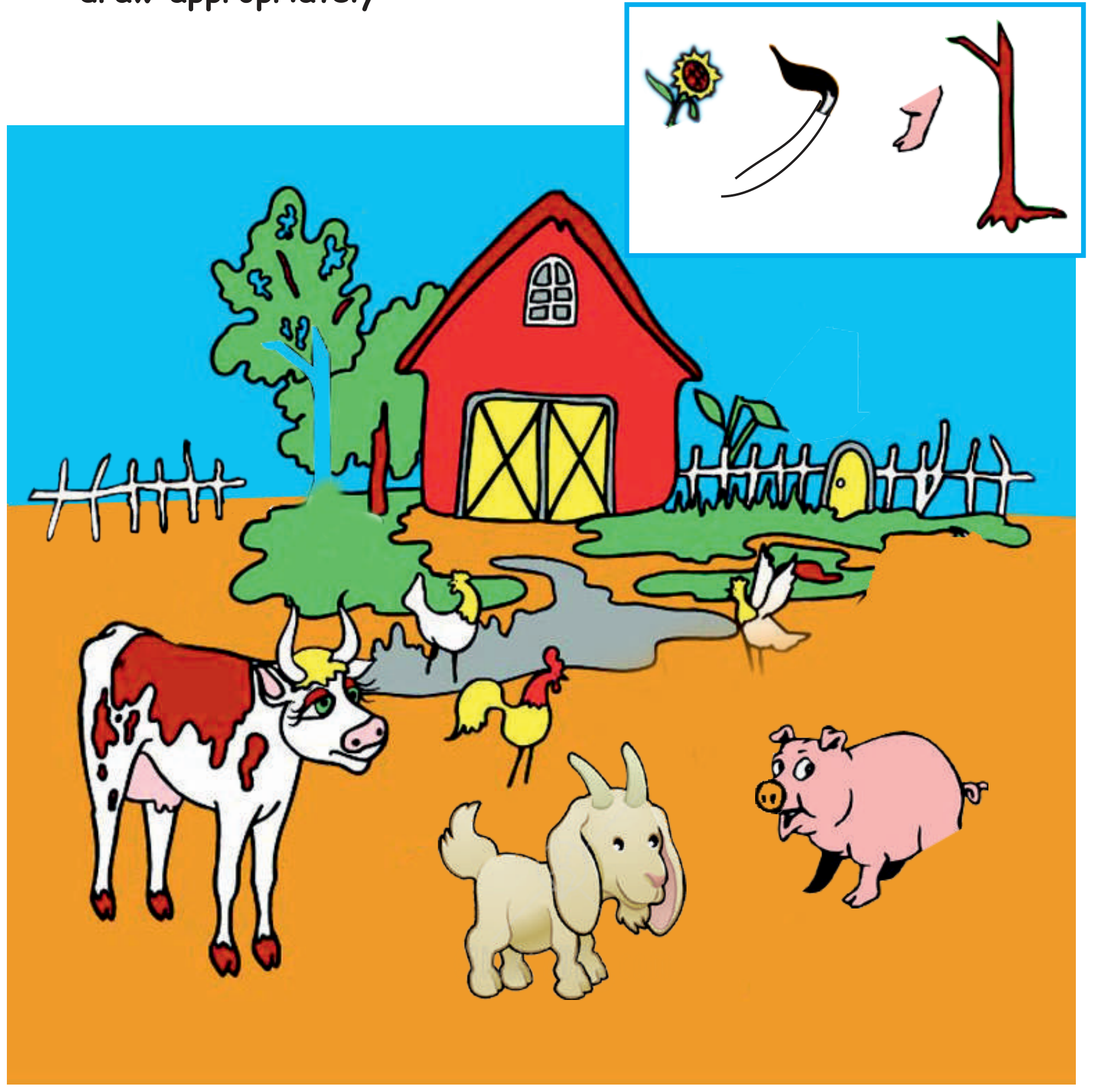
FARM ANIMALS SMART WORKSHEETS
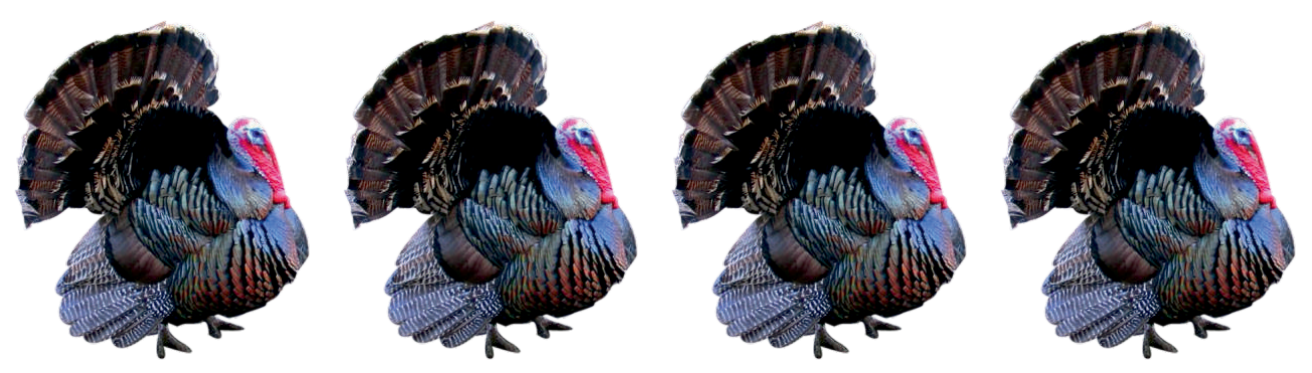
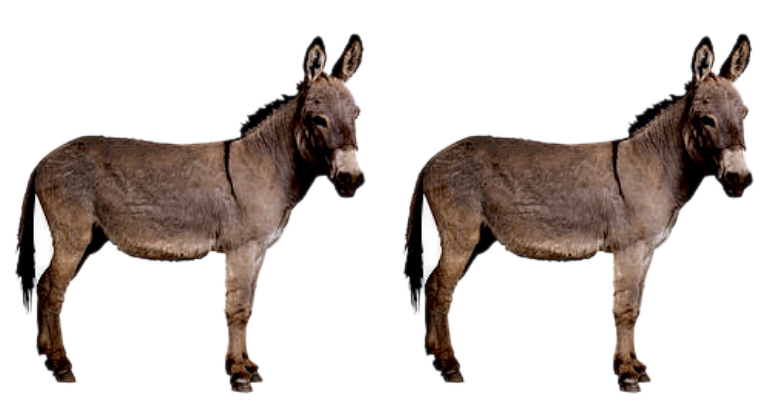
Match the set with correct number names

three
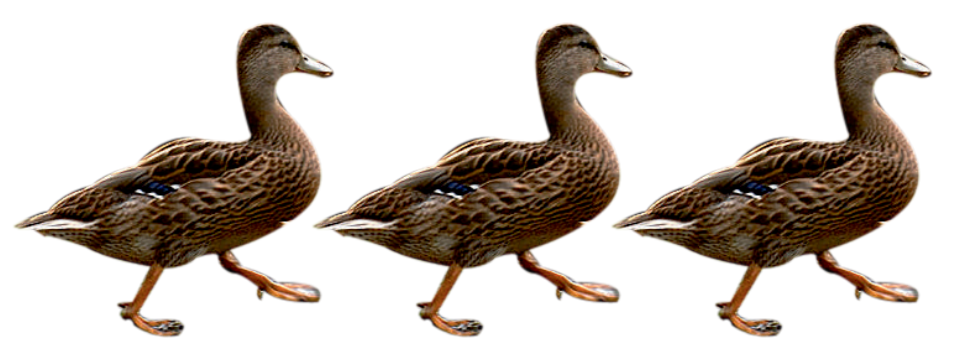
four
two

six
five
Arrange the numbers from smallest to greatest
| 11 | 8 | 14 | 20 | 13 | 9 |
|---|---|---|---|---|---|
| 12 | 16 | 18 | 28 | 26 | 20 |
|---|---|---|---|---|---|
| 3 | 9 | 6 | 1 | 5 | 2 |
|---|---|---|---|---|---|
| 16 | 14 | 5 | 3 | 10 | 20 |
|---|---|---|---|---|---|
Trace the number names

6 SIX

7 SEVEN

9 NINE

8 EIGHT

Compare the number of pictures of the following farm animals and put the correct sign < , > , =
[Figure: One horse]
[Figure: Two hens]
[Figure: Four donkeys]
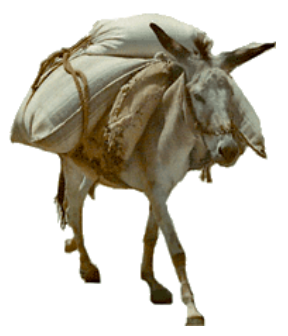
Draw zig-zag lines from farm animals to their uses
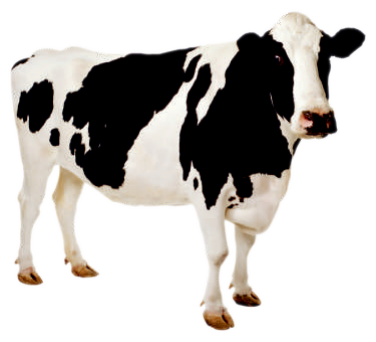
cow
carrying goods
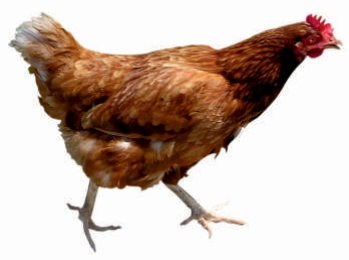
hen
milk

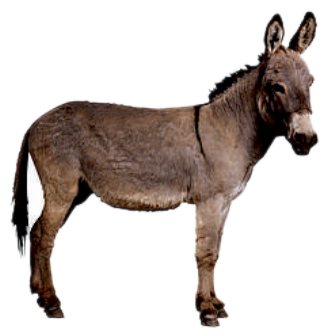
donkey
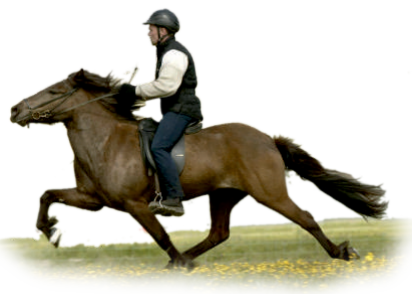
riding
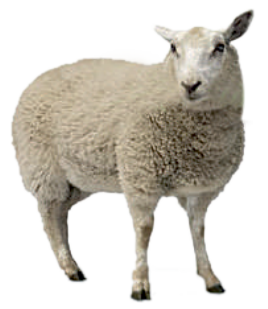
sheep
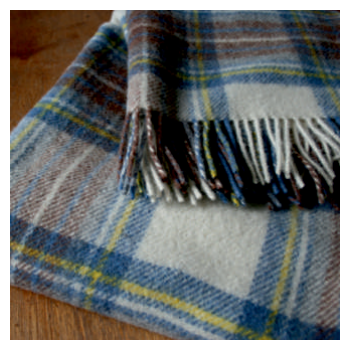
wool
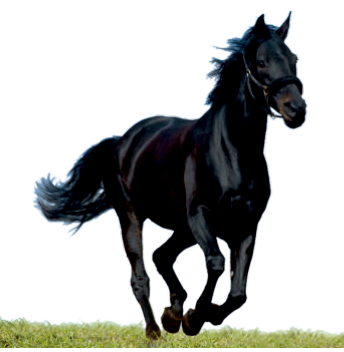
horse
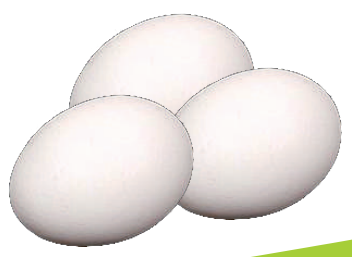
egg

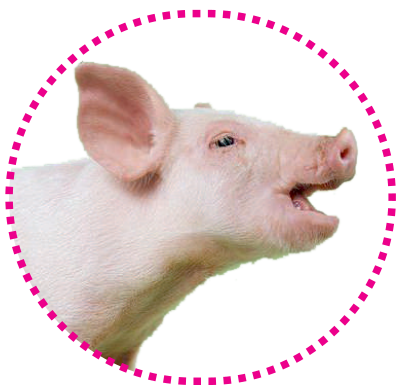
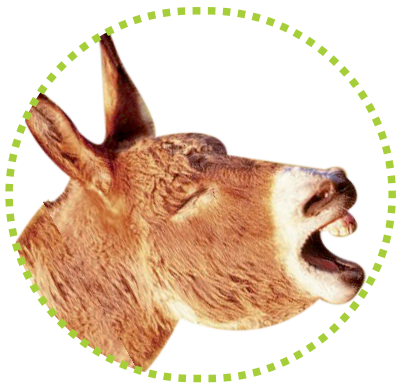
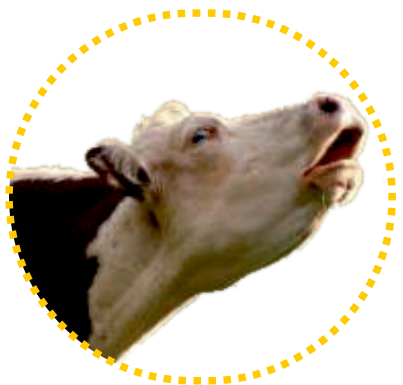
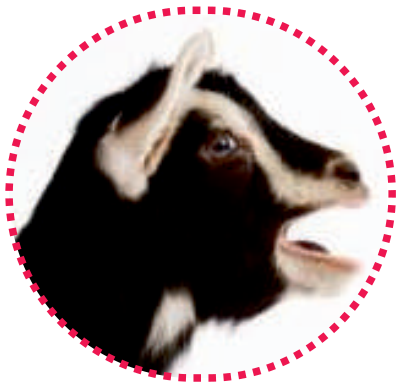
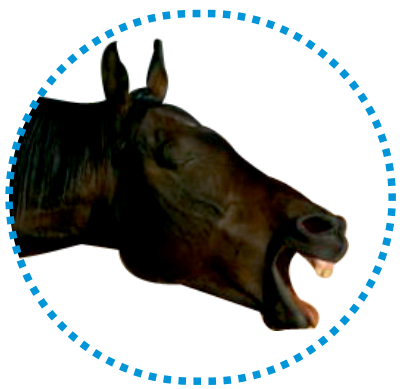
Match the following farm animals with their sound
Bleat Bleat Bleat Bleat
Moos Moos Moos Moos
Bray Bray Bray Bray
Neighs Neighs Neighs Neighs
Oinks Oinks Oinks Oinks
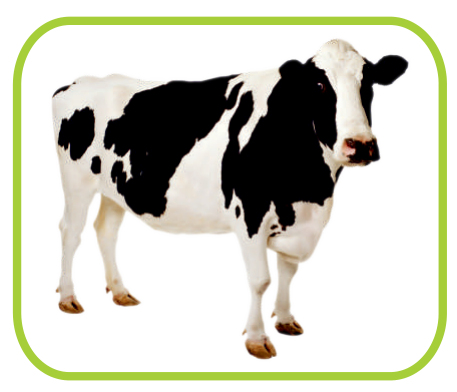
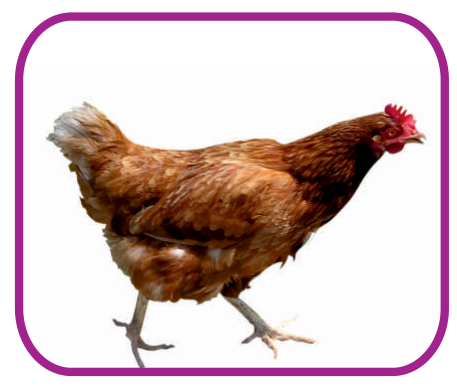
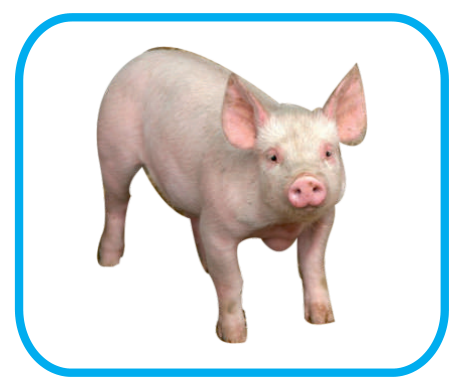
Loop the farm animal with their home
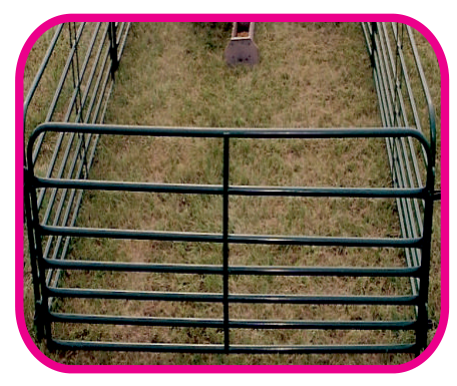
pen
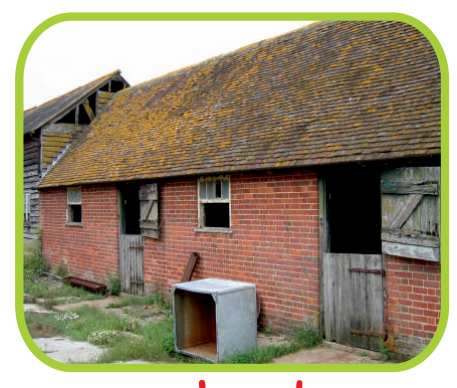
shed
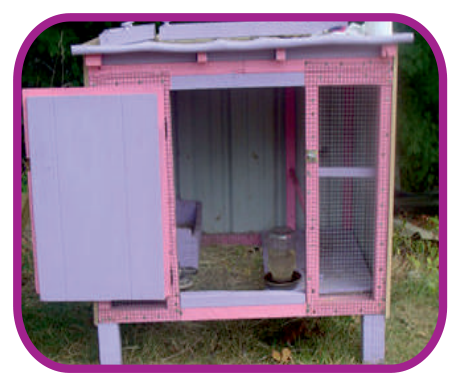
coop
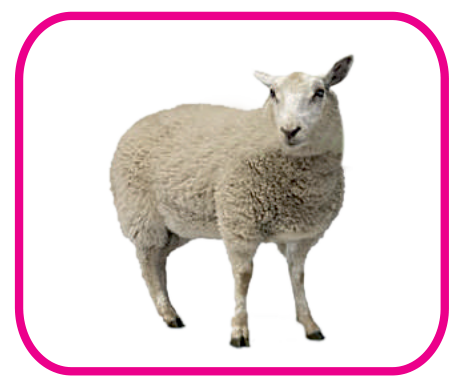
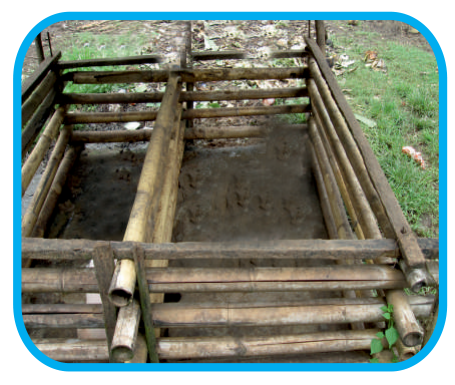
sty
Circle the correct alphabet pattern
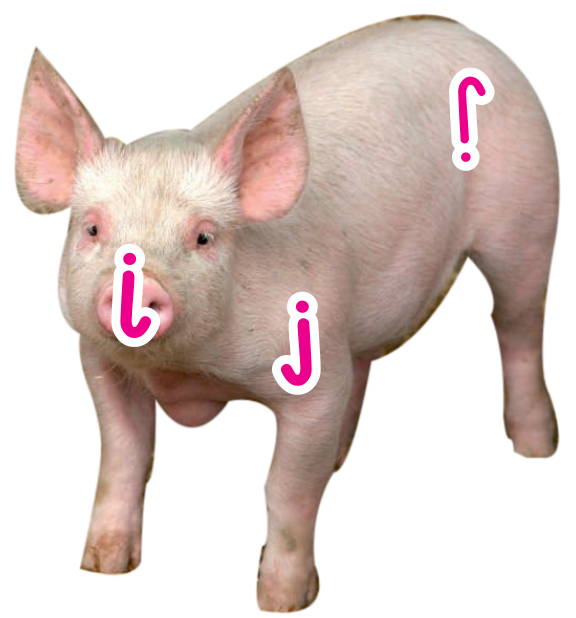
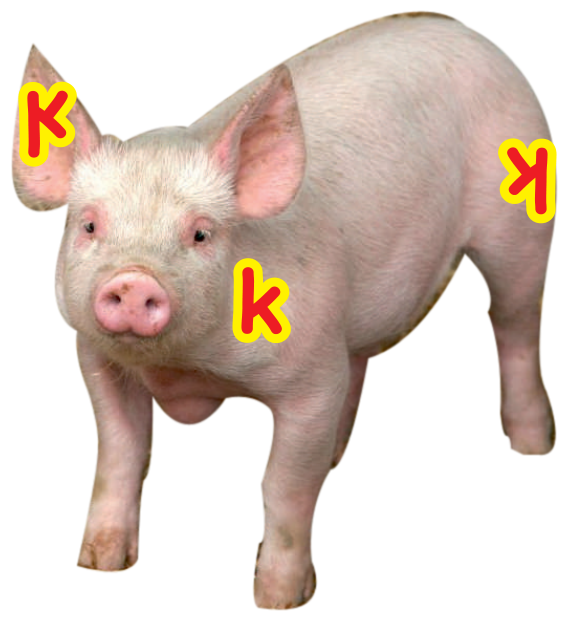
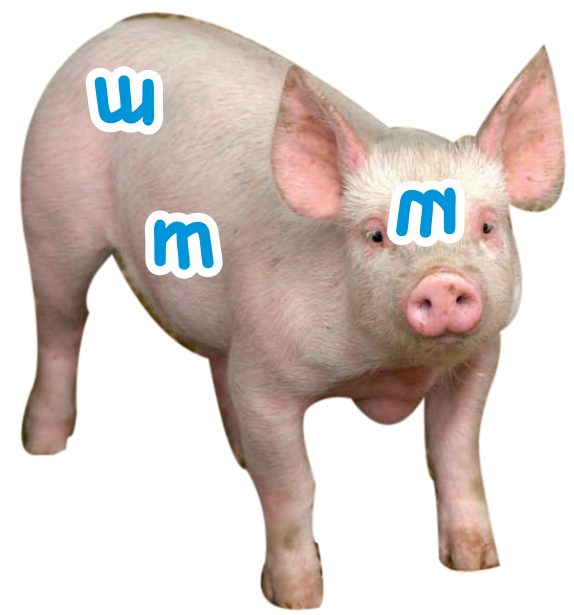
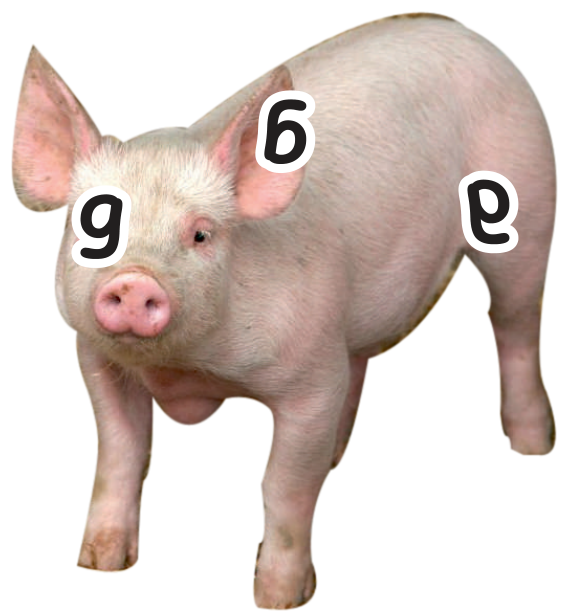
[Figure: FARM ANIMALS SMART WORKSHEETS]
✓ the three letter words and ✕ the four letter words
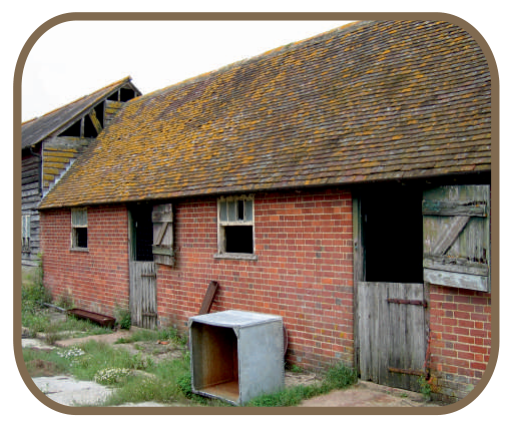
shed
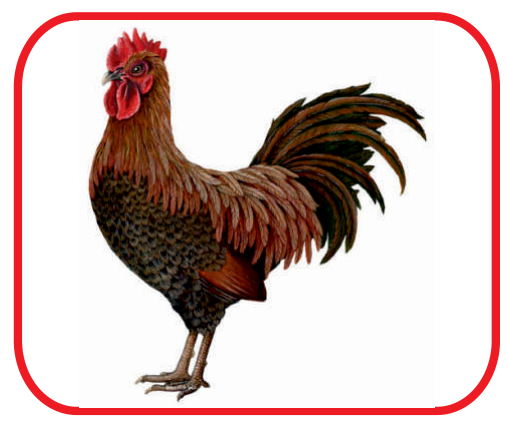
cock
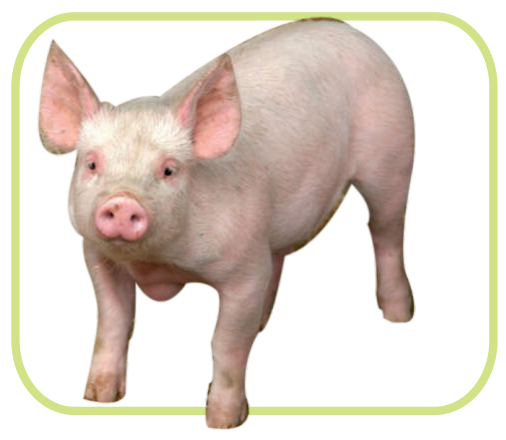
pig
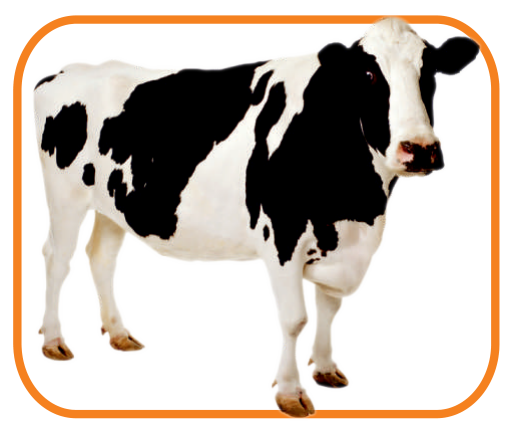
cow
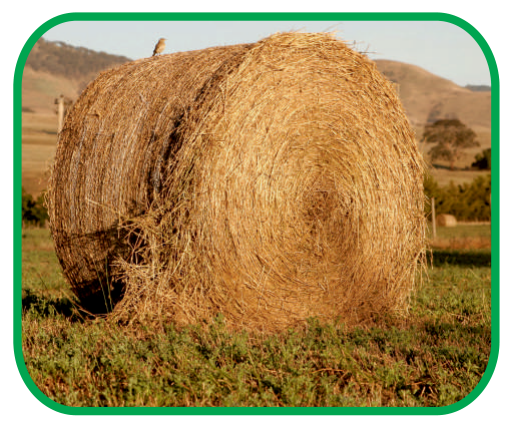
hay
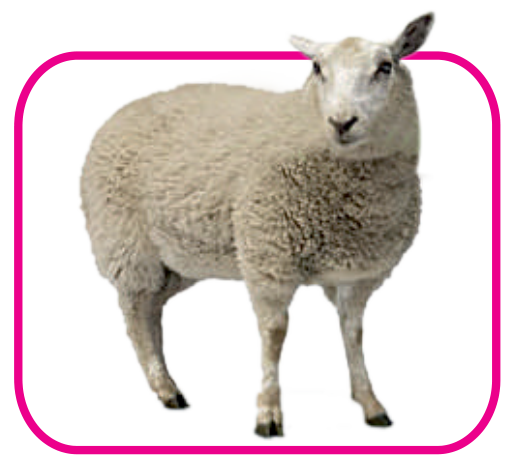
goat
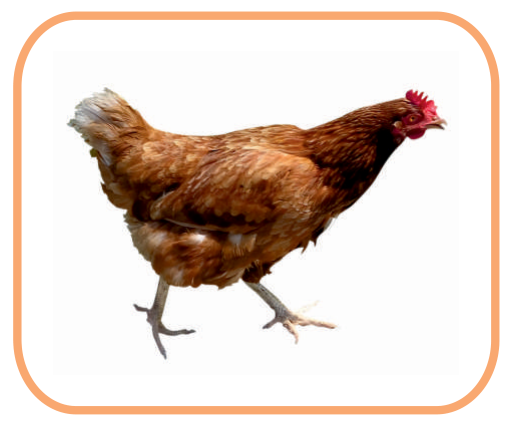
hen
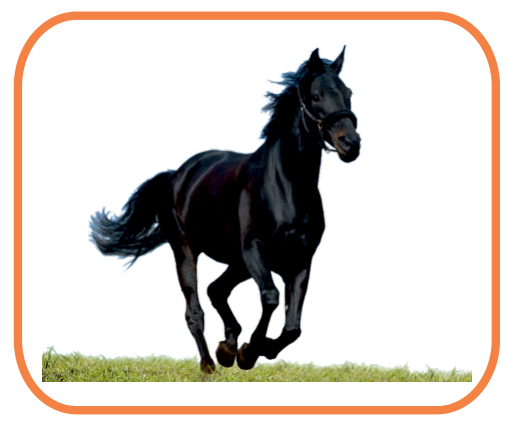
horse
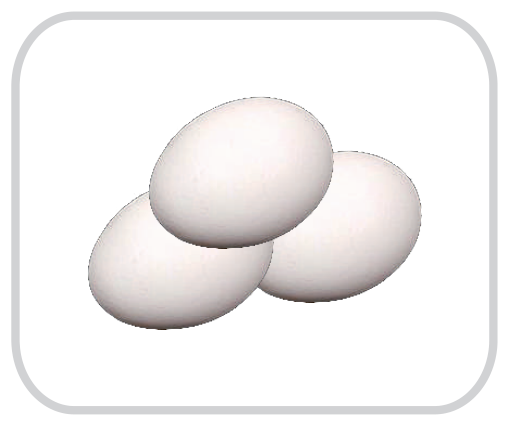
egg

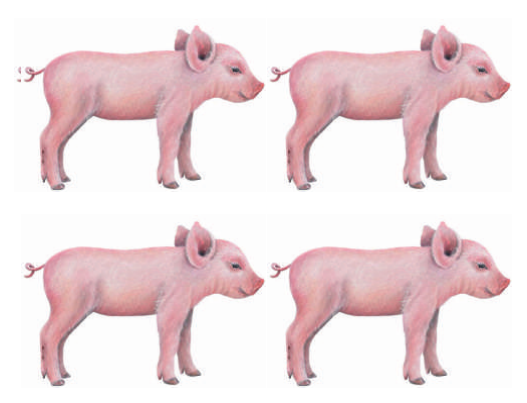
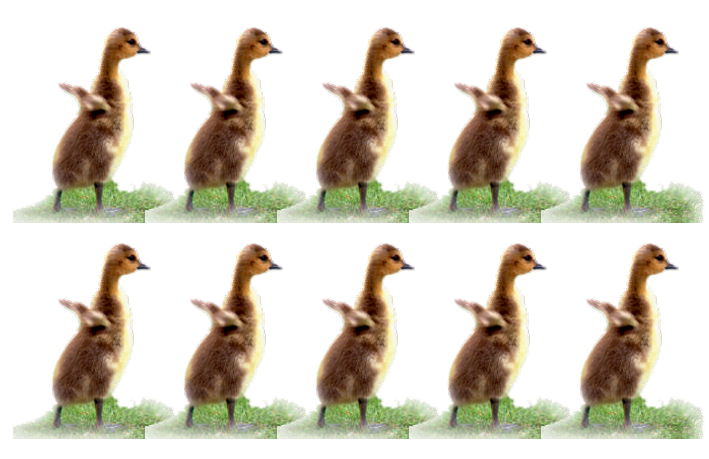
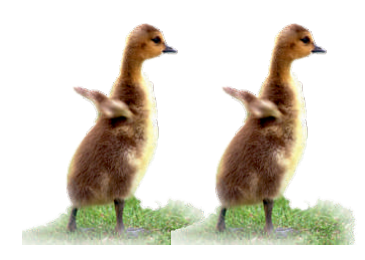
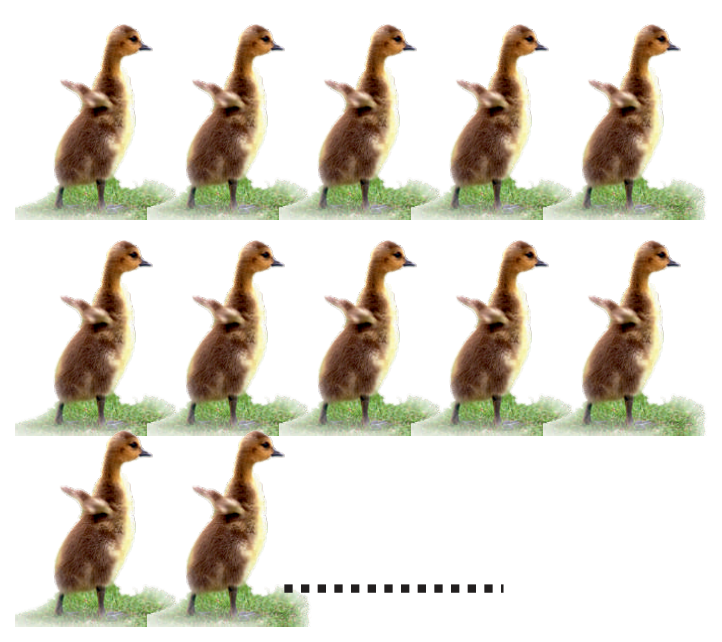
How many ? 5 6 7 8 9 10 11 12
=
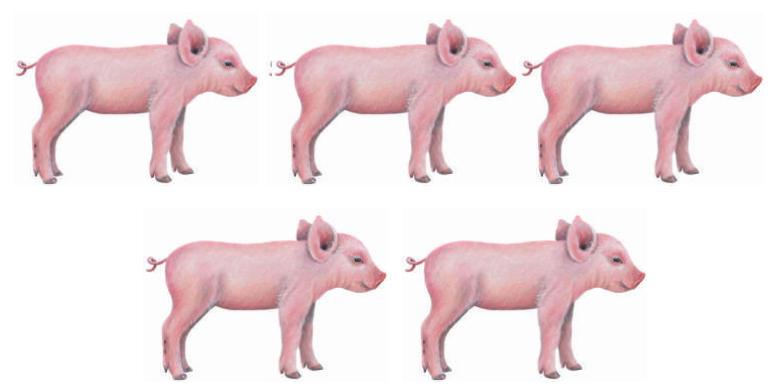
................
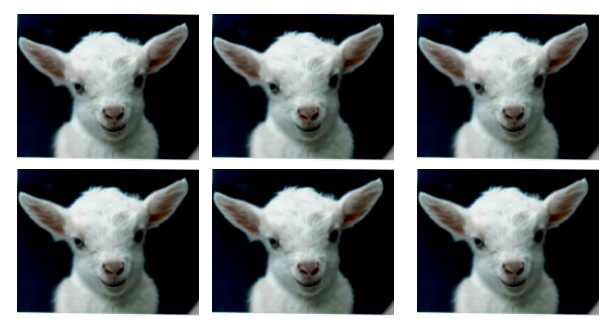
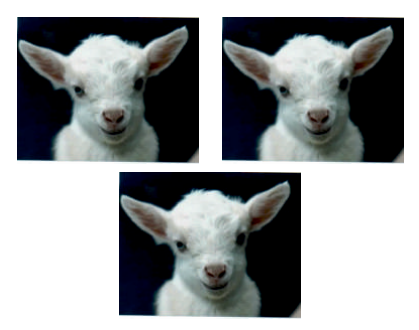
=
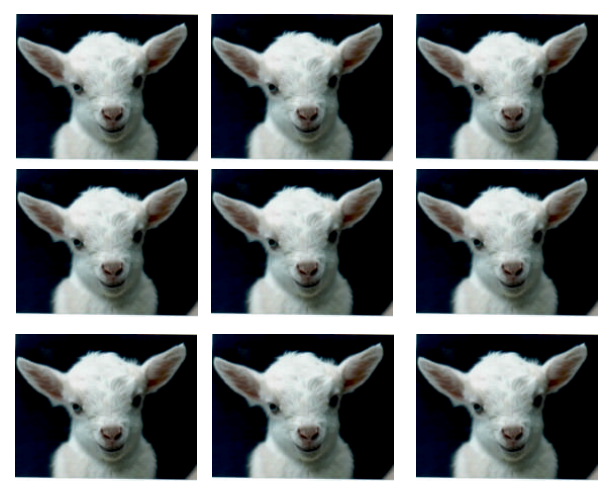
................
=
................
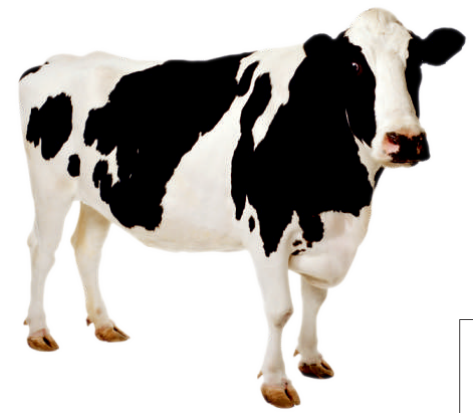
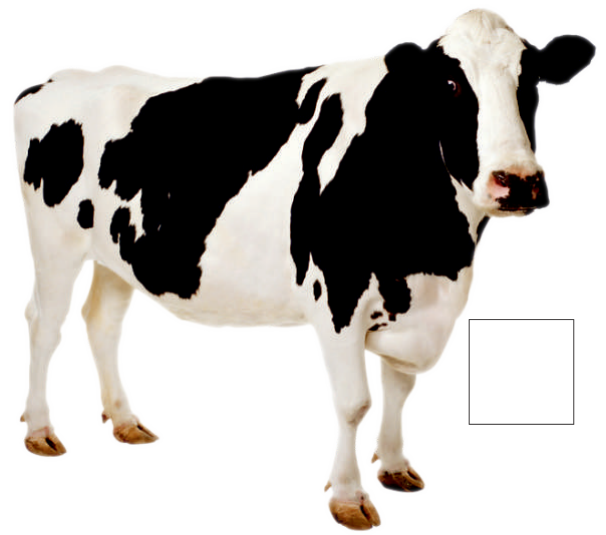
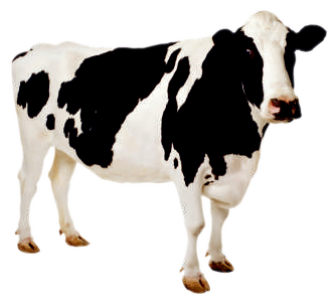
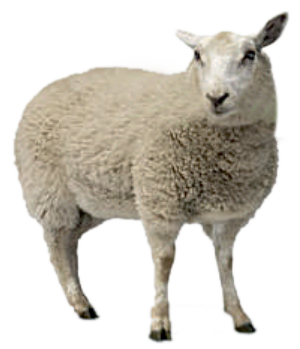
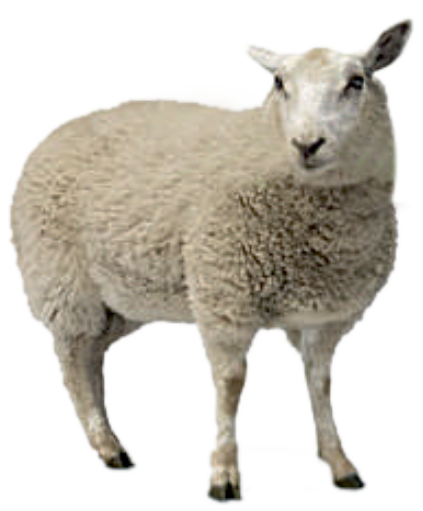
Order the farm animals according to the size and write the number in the boxes
▢
▢
▢
▢
▢
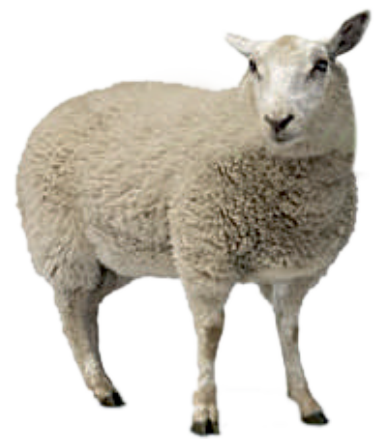
▢
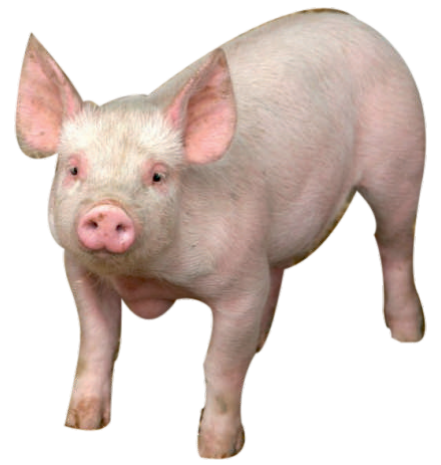
▢
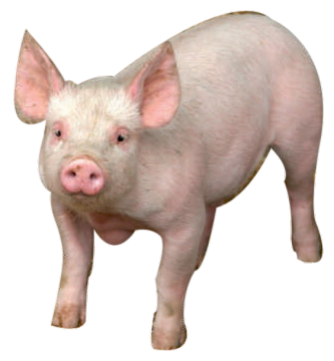
▢
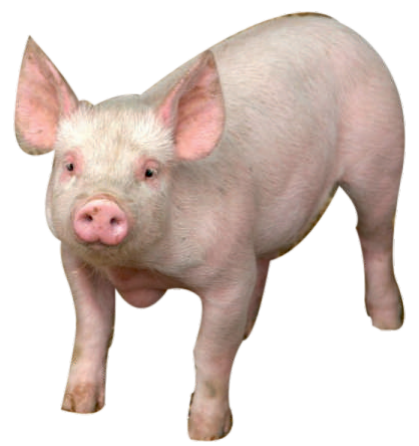
▢
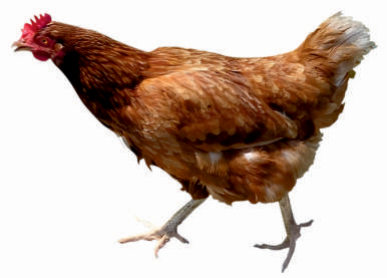
▢
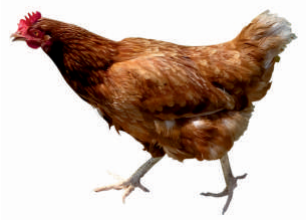
▢
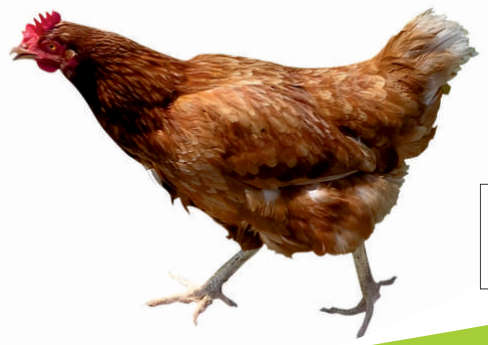
▢
Join the cow pictures which has same sight words
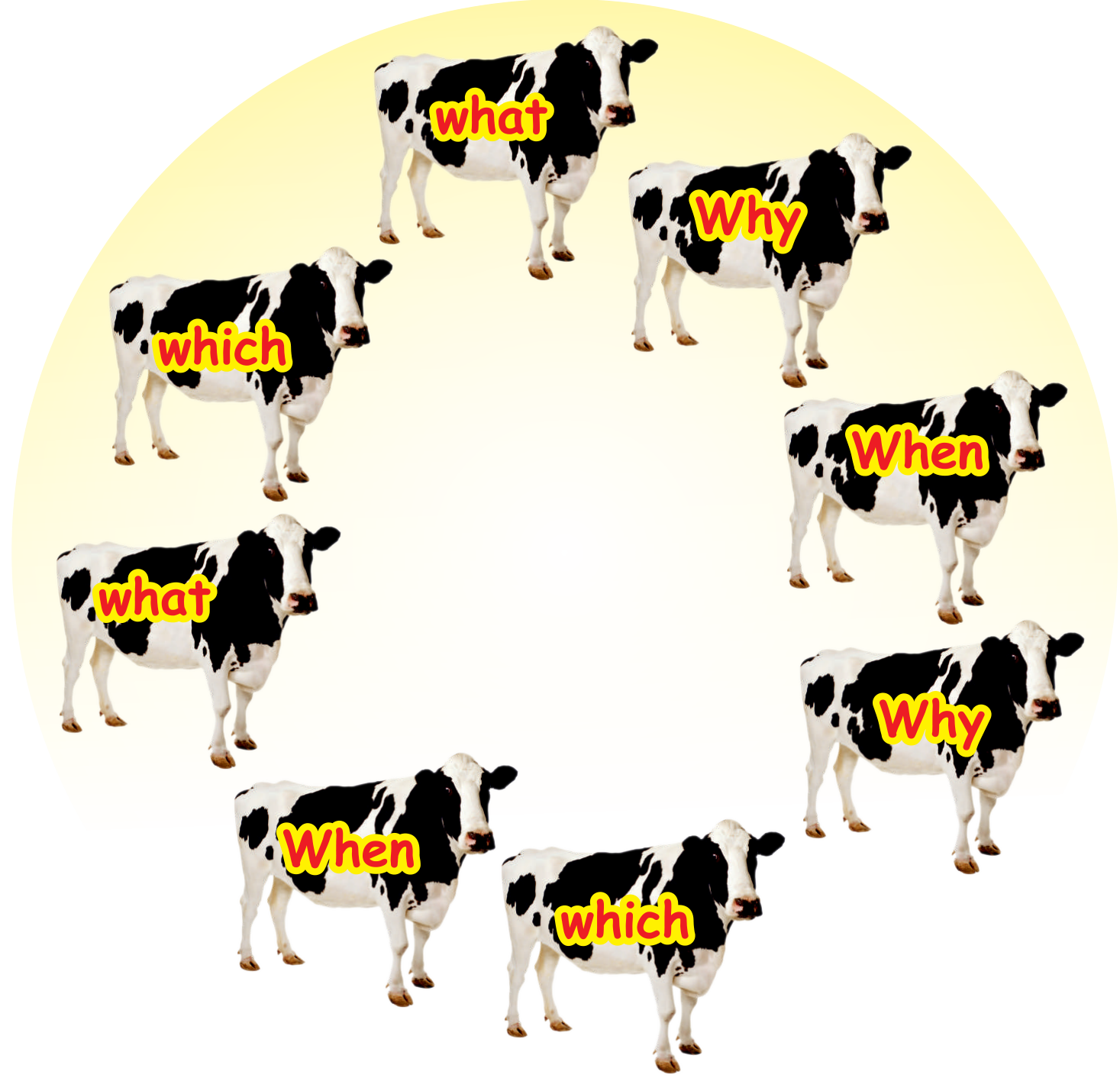
FARM ANIMALS
SMART WORKSHEETS
EN EDUCATION CREATING ENLIGHTENED CIVILIZATION
Cut and paste the pictures of the dairy products on the basket
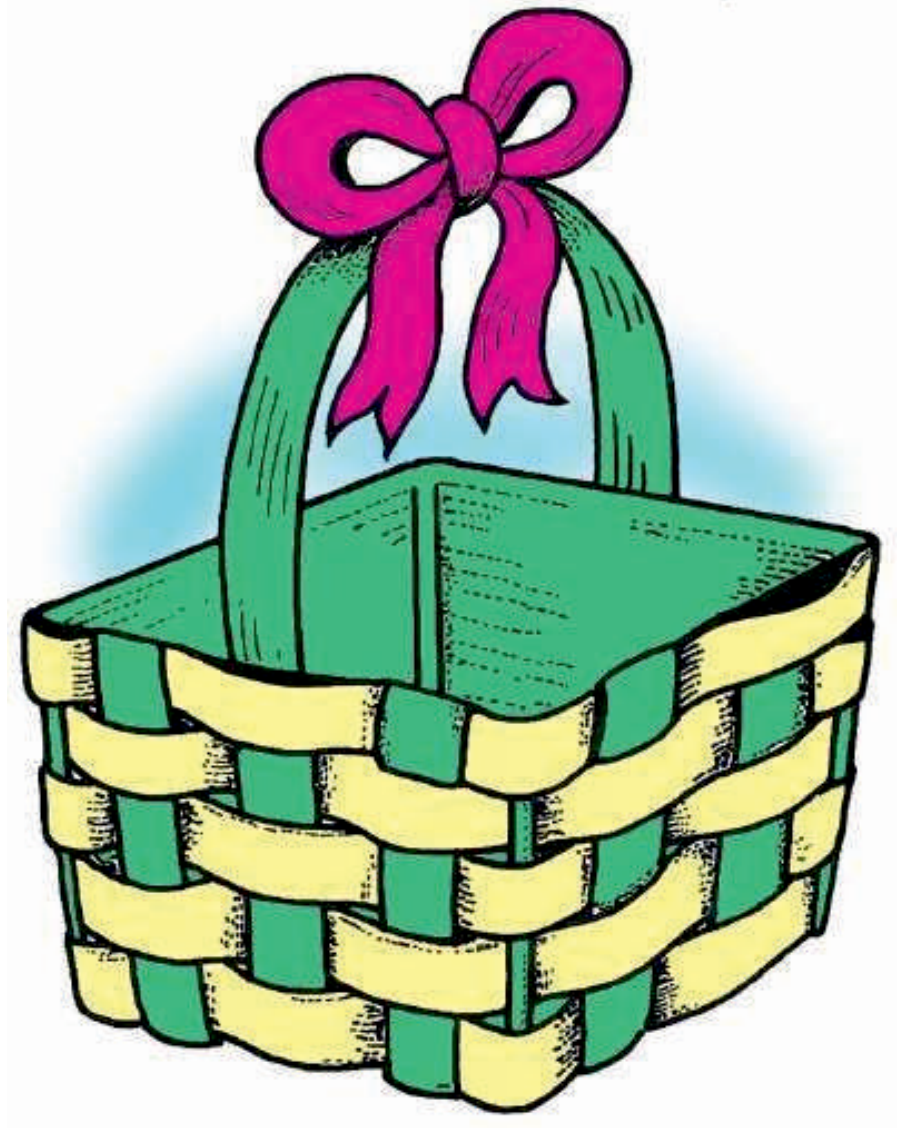
----------------------------------------------------------------------------------------------------
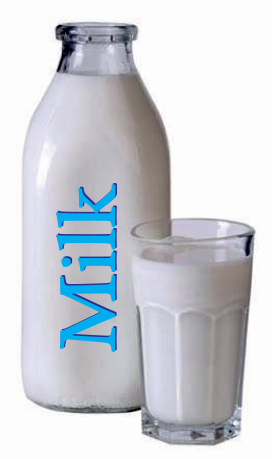
Milk
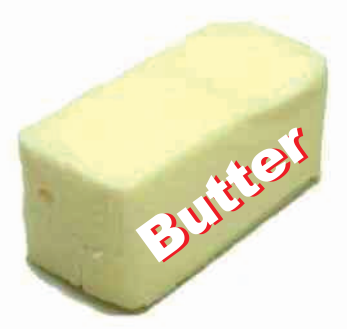
Butter
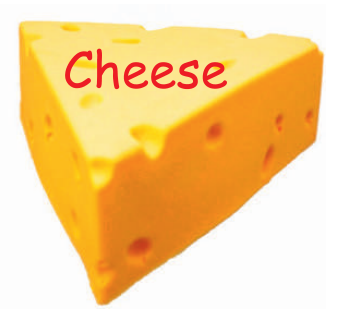
Cheese
yoghurt

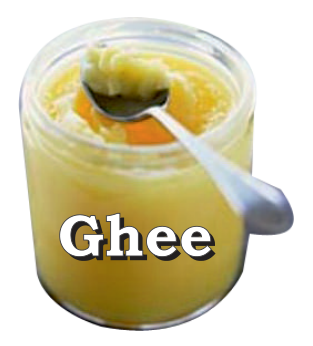
Ghee