WHY COMPARE? YOU ARE UNIQUE
This text was machine-transcribed from the printed book and may contain errors. Select the words and choose “Report a mistake”.
VOLUME 1
THE SPH NITHYANANDA PARAMASHIVAM
WHY
COMPARE?
YOU ARE
UNIQUE!
© 2020 Sri Nithyananda Paramashivam. All Rights Reserved
INTRODUCTION
Emotions of fear, desire and guilt are subjective emotions. Subjective emotions-you do not need another person or even an object to create these emotions. But to compare yourself with another person and to feel jealous of him, you need the presence of another person.
Jealousy is therefore an objective emotion. It needs an object to be activated. Jealously starts from comparison.
We compare ourselves with others in various areas like looks, wealth, knowledge, fame, friends etc. When we compare ourselves with others we feel that somebody else has something more than what we have and we get caught in jealously. Comparison is the seed and jealously is the fruit. When we are not able to beat other's excellence, we get jealous Comparison and Jealousy are both actually non- existent we create them ourselves. Comparison is purely a fragment of our imagination. We are so busy comparing all the time that we never see things as they are.
© 2020 Sri Nithyananda Paramashivam. All Rights Reserved
Comparison has a purely negative existence. Comparison is pure illusion. We all function around the three axes of doing, having and using. Doing for having without enjoying being, is the sole cause of all our misery.
Reason for comparing: We compare ourselves because we have never understood ourselves. We are not aware of who we are and what we have. The society has conditioned us from our birth to evaluate ourselves based on others. Every judgment you make about yourself is based on some comparison.

Imagine you are the only person on a
new planet, how could you compare
yourself with any one?
When there is no one to compare our self, we just are happy with our self. Each individual is unique. We need to understand that truth. But that is a very bitter fruit.

© 2020 Sri Nithyananda Paramashivam. All Rights Reserved
GOALS
Make the children aware of
comparison, and the reasons for
comparing.
© 2020 Sri Nithyananda Paramashivam. All Rights Reserved
ASSESSMENT
- What are subjective emotions?
- Why do we call them subjective emotions?
- What is an objective emotion?
- What is jealousy?
- When you are alone can you compare?
- Can you compare a lion and a horse?
- Do we compare ourselves with flowers or birds?
ASSESSMENT
🌸 What are the special features you think you have?
🌸 In which way are you similar to others?
🌸 In which way you are different from others?
🌸 Why do we compare ourselves with others? •
🌸 Do plants and trees compare themselves?

© 2020 Sri Nithyananda Paramashivam. All Rights Reserved
CONCLUSION
The moment you stop comparing
all jealousy disappears, instead you
will start feeling contentment in
yourself and grateful to existence
for having given you so much and
for making you unique
ART OF THE DAY
© 2020 Sri Nithyananda Paramashivam. All Rights Reserved
ART OF THE DAY
DRAW MOVING THE PAPER INSTEAD OF THE PENCIL
MATERIALS NEEDED
- Paper
- Pencil or sketch pen.

PROCEDURE
Instruct the children to place the pencil in the middle of the paper and move the
paper in different directions instead of moving the pencil.
CONCLUSION
Even though the usual paper, pencil or sketch pen is used, changing the method
of application changes the drawing. Similarly when we change our view we can
stop comparing.
© 2020 Sri Nithyananda Paramashivam. All Rights Reserved
ACTIVITY
OF
THE DAY
© 2020 Sri Nithyananda Paramashivam. All Rights Reserved
ACTIVITY OF THE DAY
CONCEPT OF DISPLACEMENT USING STICKS
AND CUPS OF WATER
MATERIALS NEEDED:
- Sticks or ice cream sticks
- 2 large cups,
- Water
- Tub
- Scissors

PRESENTATION:
Gather the class and reiterate the subject of comparison.
Explain that we are going to do an experiment on
comparison.
On the table, lay two sticks side by side. They look identical in shape and size. Ask the children which stick is longer. They may say both are equal. Break one stick into two equal halves and lay them back to look like a full stick. Ask the children which stick is longer
They may say both are equal. Now push up the broken stick further up than the other. Ask the class which row is taller and see if they understand that both sticks are equal. This will help them understand displacement.
Next take two cups and fill them all the way to the top so that they are exactly equal. Put them both side by side. Ask the class which container has more quantity of water? Now pour one cup of water in a tub and remove the empty cup.
Now ask again which container has more quantity of water? (They are both still equal, only the containers which hold them are different but the quantity is the same)

CONCLUSION
There are different types of comparisons. This one which is more scientific teaches about quantity and the concept of displacement and hence, about our common misconceptions
© 2020 Sri Nithyananda Paramashivam. All Rights Reserved
KAILASA's NITHYANANDA RAJAVIDYA GURUKUL Presents

COMPARISON IS PURE ILLUSION
VOLUME 2
THE SPH NITHYANANDA PARAMASHIVAM
INTRODUCTION
When we see others we see the best things about them and want to be like them. The very nature of the mind is to be unsatisfied, not to be happy, and not to be in the present moment. The mind can exist only in the past or future. It cannot exist in the present because you cannot have thoughts in the present moment. Ask the children to name their special features, the features they love a lot. The other extreme of comparison is we feel very proud that we are the best and start discouraging others.
Everyone is unique and special; no one is inferior to anybody in any way. Discuss the major areas where we normally compare-wealth, name and fame, power and prestige, knowledge and health.
We can group these under four major categories. Money, knowledge and beauty; which includes health and status. Comparison is pure illusion.
© 2020 Sri Nithyananda Paramashivam. All Rights Reserved
Contentment will flower when you understand the negative existence of comparison and jealousy. Borrowed desires happen very subtly in our mind; that is why although they happen continuously, we continue to state that we are not bothered by others
GOALS
To make them understand
borrowed desires, what are the
needs and what are the wants of
an individual.
ASSESSMENT
🌸 Name some of your special features?
🌸 Which feature of yours do you like a lot?
🌸 What happens when you compare with others?
🌸 How do your friends feel when you discourage them?
🌸 How will you feel when you encourage your friend to achieve something?

ASSESSMENT
🌸 What happens when you always say I am the best and I know everything?
🌸 How do our friends feel when we are too proud?
🌸 Can we have a huge friend circle if we are very egoistic?
🌸 What is the best way to live happily?

© 2020 Sri Nithyananda Paramashivam. All Rights Reserved
CONCLUSION
We will not compare with others
when we are happy with ourselves
and satisfied with what we have. It
is only when you don't respect
your uniqueness that you start
comparing yourself with others.
© 2020 Sri Nithyananda Paramashivam. All Rights Reserved
ART OF THE DAY
© 2020 Sri Nithyananda Paramashivam. All Rights Reserved
ART OF THE DAY
CHAKRA DRAWING
MATERIALS NEEDED
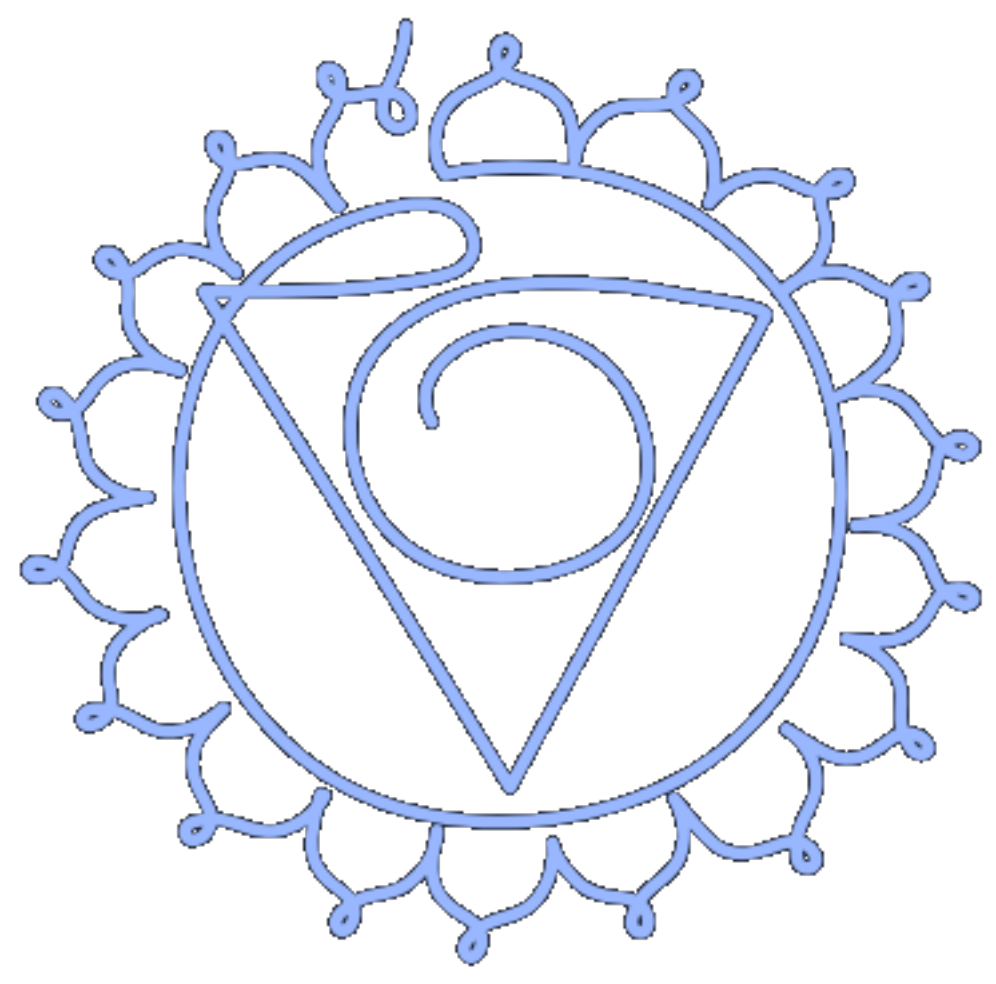
- Picture of Vishuddhi chakra
- Paper
- Pencil or sketch pen.
PROCEDURE
Talk to the children about the Vishuddhi chakra and show the picture of the Vishuddhi chakra to the children. Encourage the children to see the picture of Vishuddhi chakra and draw the chakra.
The Vishuddhi chakra is located in the throat area. In Sanskrit, Vishuddhi means 'beyond purity and impurity'. This chakra is locked by comparison and jealousy and it can be made to flower, when we exhibit our individuality without worrying about others, and express fully our capacity, uniqueness and creativity. This Vishuddhi chakra is all about winning yourself.
© 2020 Sri Nithyananda Paramashivam. All Rights Reserved

ACTIVITY
OF
THE DAY
© 2020 Sri Nithyananda Paramashivam. All Rights Reserved
ACTIVITY OF THE DAY
LIST OF QUALITIES
Each of us is perfect- why compare? This activity illustrates and reminds us of the qualities we possess and make us thankful for what we are.
MATERIALS NEEDED:
- Paper
- Pencil
PROCEDURE: Making a list of qualities that make us special.

PRESENTATION:
Discuss the activity and what they have learned about the topic of comparison, Talk about how each of us is different and unique. Give some examples such as Susan is very sweet and thoughtful, she is very sharing and loves her friends. Have them think about their own special qualities, and give them each a paper and pencil and make them write their list of qualities.
VARIATION:
With paper and a pencil, they can all draw a picture and instead of comparing their pictures, they can each admire and compliment each other on the beauty of the different pictures

CONCLUSION
If we had no one to compare with, we would not compare! Comparing leads to jealousy and hurt feelings, so we should be content and happy with who we are.
© 2020 Sri Nithyananda Paramashivam. All Rights Reserved

WORKSHOP
OF
THE DAY
© 2020 Sri Nithyananda Paramashivam. All Rights Reserved
WORKSHOP OF THE DAY
LIST OF QUALITIES
TOPIC OF DISCUSSION:
Ask them to narrate where they picked
up the various ice cream sticks from.
EXPLANATION:
Ask each child to discuss their habits and
give each child a turn to explain where
exactly they picked it up FOR EXAMPLE:
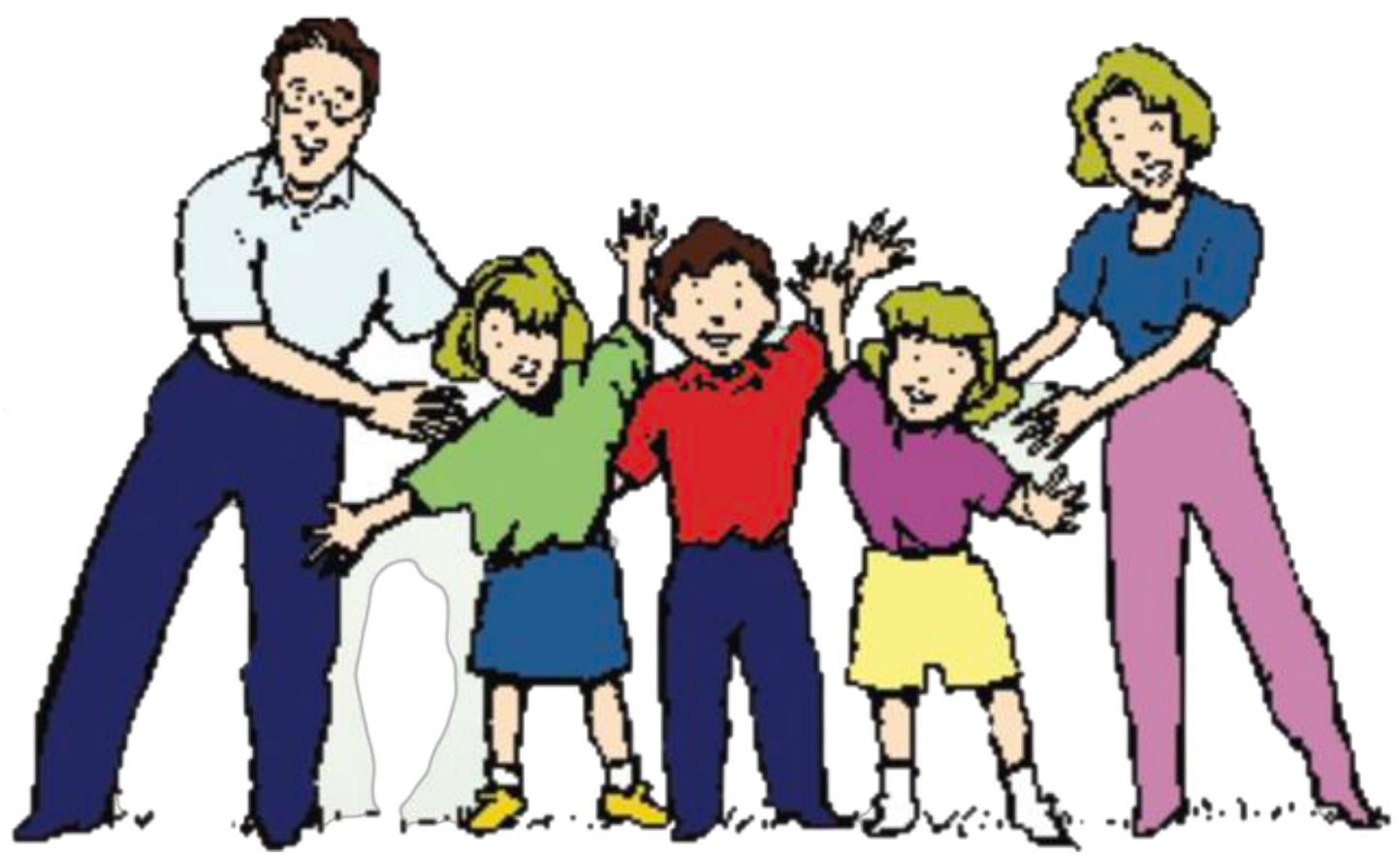
One child might say 'I like green colors, because from my young age I have seen my mother's fondness for green colors. I do not like cockroaches because my brother always hates cockroaches and so on. Ask each child to pick up an ice cream stick and write on it, where they picked up each of their habits from.
INFERENCE:
All our desires and habits are actually not
our original desires. We have mainly picked
them up from parents, relatives and friends.
KAILASA's NITHYANANDA RAJAVIDYA GURUKUL Presents