How To Be Unattached ?
This text was machine-transcribed from the printed book and may contain errors. Select the words and choose “Report a mistake”.
Authored by
THE SPH NITHYANANDA PARAMASHIVAM

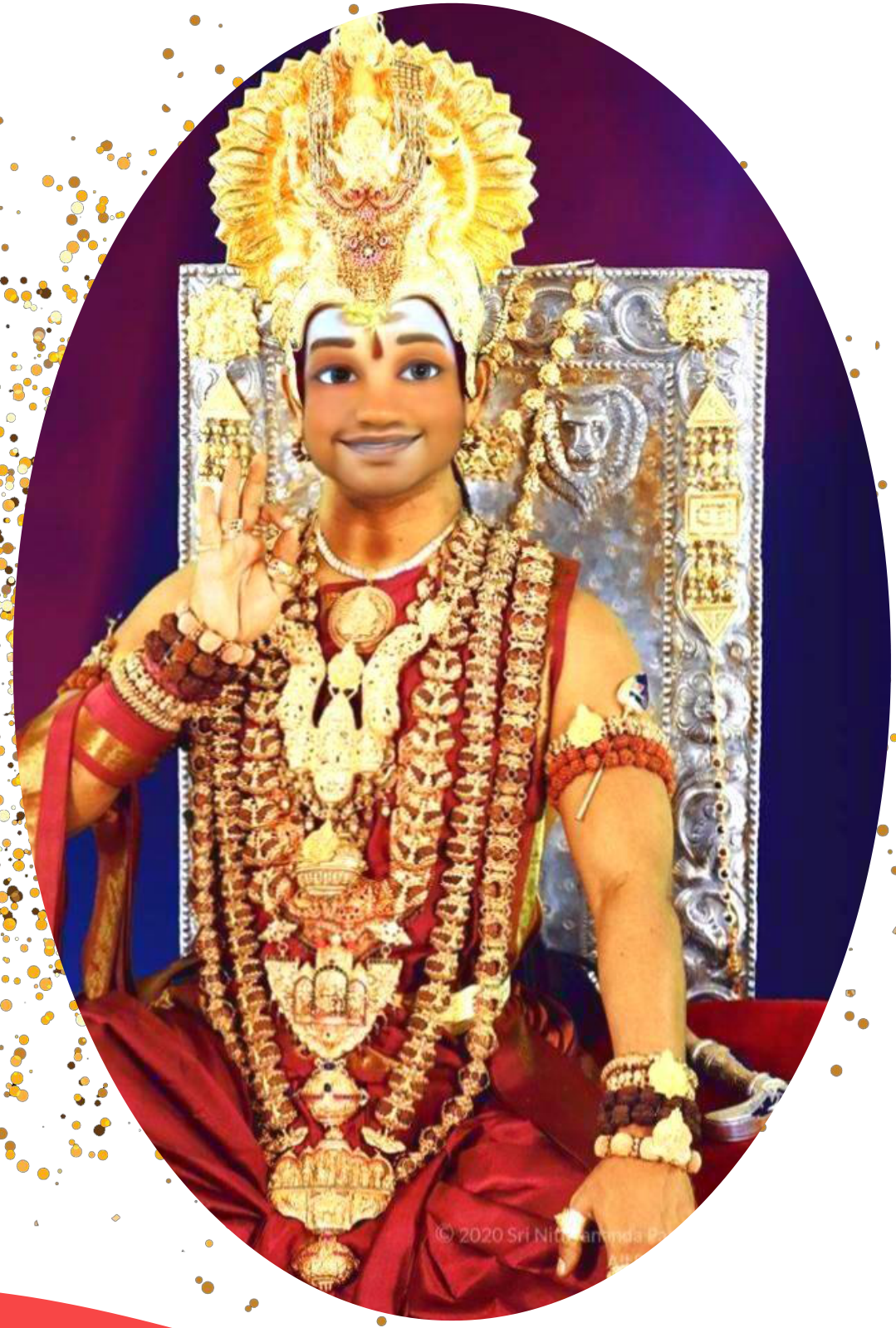
न च मां तानि कर्माणि निबध्नन्ति धनञ्जय ।
उदासीनवदासीनमसक्तं तेषु कर्मसु
॥ ९-९॥
na ca māṁ tāni karmāṇi
nibadhnanti dhanañjaya
udāsīna-vad āsīnam asaktaṁ
teṣu karmasu
O Dhanañjaya, all this work does not bind Me. I am ever unattached from these activities, seated as though neutral.
POWERFUL COGNITION
The whole universe is being born out of Him and it is getting destroyed. Even then He is not affected, because He is not bound to the universe. It is because He is a mere spectator.
मयाध्यक्षेण प्रकृतिः सूयते सचराचरम् |
हेतुनानेन कौन्तेय जगद्विपरिवर्तते
॥ ९-१०॥
mayādhyakṣeṇa prakṛtiḥ sūyate
sacarācaram hetunānena kaunteya
jagad viparivartate
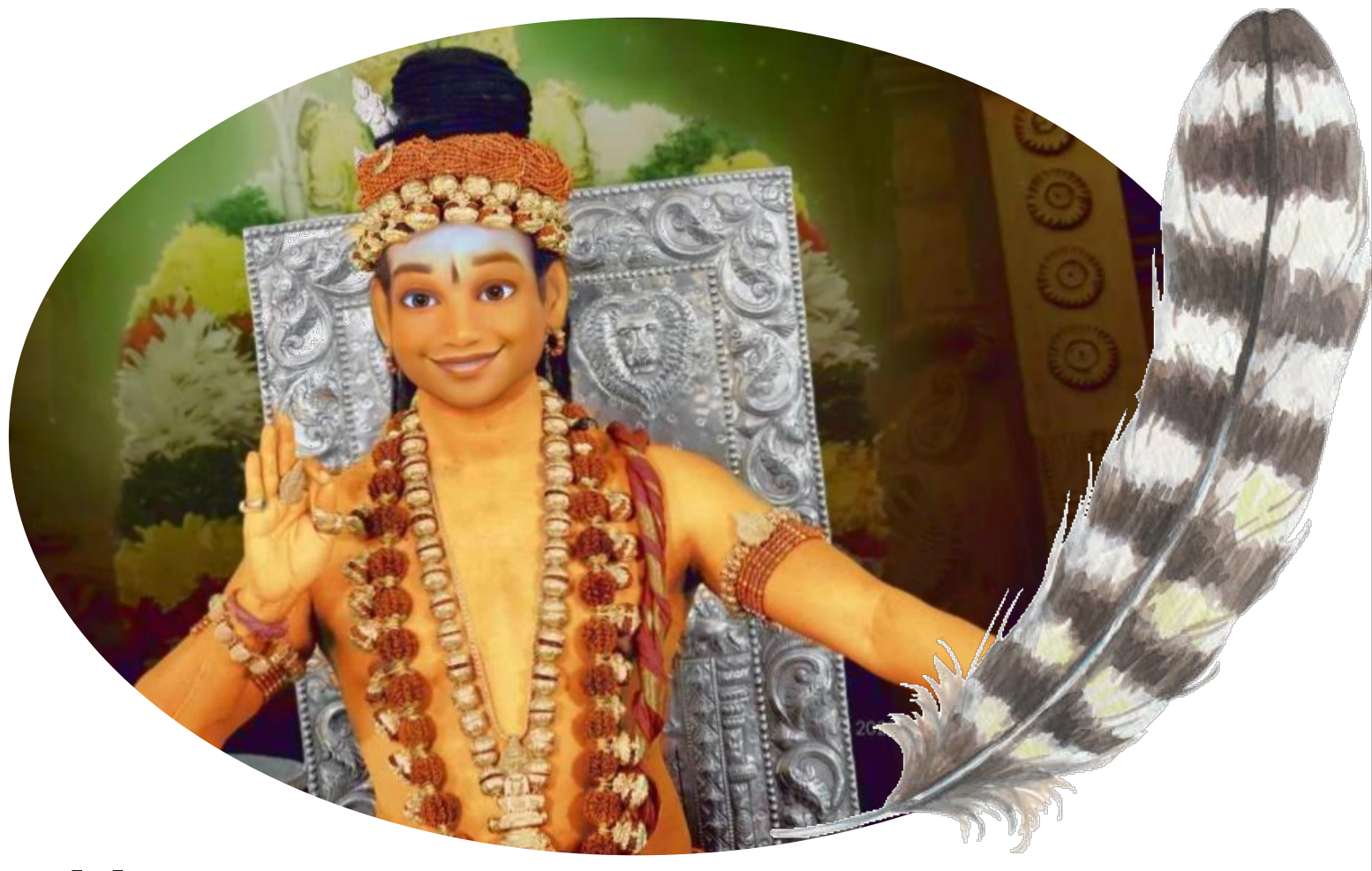
The material nature or prakṛti works under My direction, O Kaunteya, and creates all moving and unmoving beings through My energies. By its cause, this manifestation is created and annihilated again and again.
POWERFUL COGNITION
Krsna says, ‘I am the supreme power.’ Everything happens under His supervision. Whatever happens is a drama of creation and annihilation, through Nature and Illusion.
अवजानन्ति मां मूढा मानुषीं तनुमाश्रितम्।
परं भावमजानन्तो मम भूतमहेश्वरम्
॥९-११॥
avajānanti māṁ mūḍhā
mānuṣīṁ tanumāśritam paraṁ
bhāvam ajānanto mama bhūta-
maheśvaram
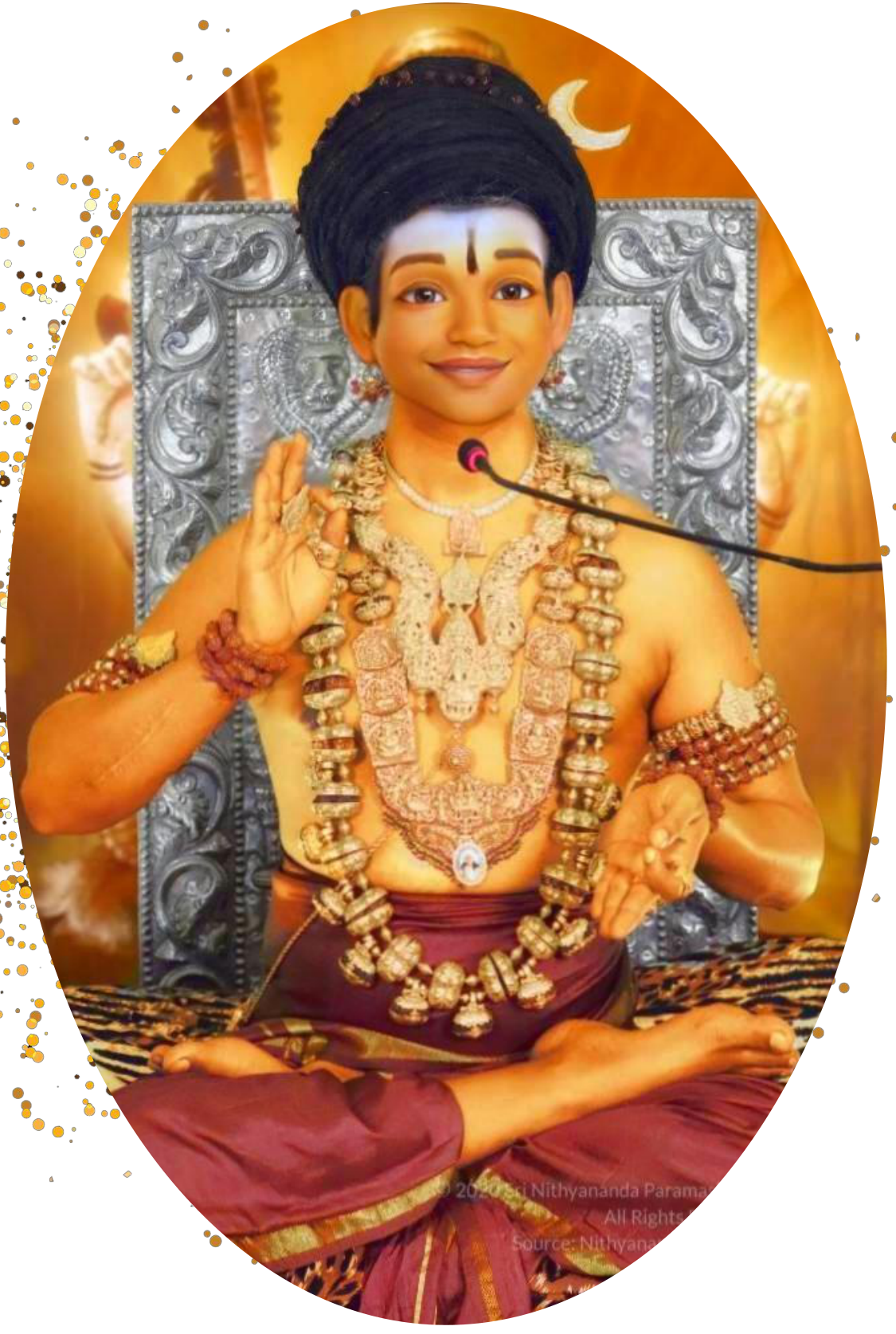
Fools deride Me when I descend in the human form. They do not know My transcendental nature as the Supreme Lord [maheśavara] of the entire creation.
POWERFUL COGNITION
If we meet an enlightened master that is the best thing that can happen to us.

मोघाशा मोघकर्माणो मोघज्ञाना विचेतसः ।
राक्षसीमासुरीं चैव प्रकृतिं मोहिनीं श्रिताः
॥ ९-१२॥
moghāśā moghakarmāṇo moghajñānā
vicetasaḥ rākṣasīmāsurīṁ caiva
prakṛtiṁ mohinīṁ śritāḥ
Those who are thus deluded are demonic and atheistic. In their deluded condition, their hopes for liberation, their result oriented actions and their culture of knowledge become false and useless.
POWERFUL COGNITION
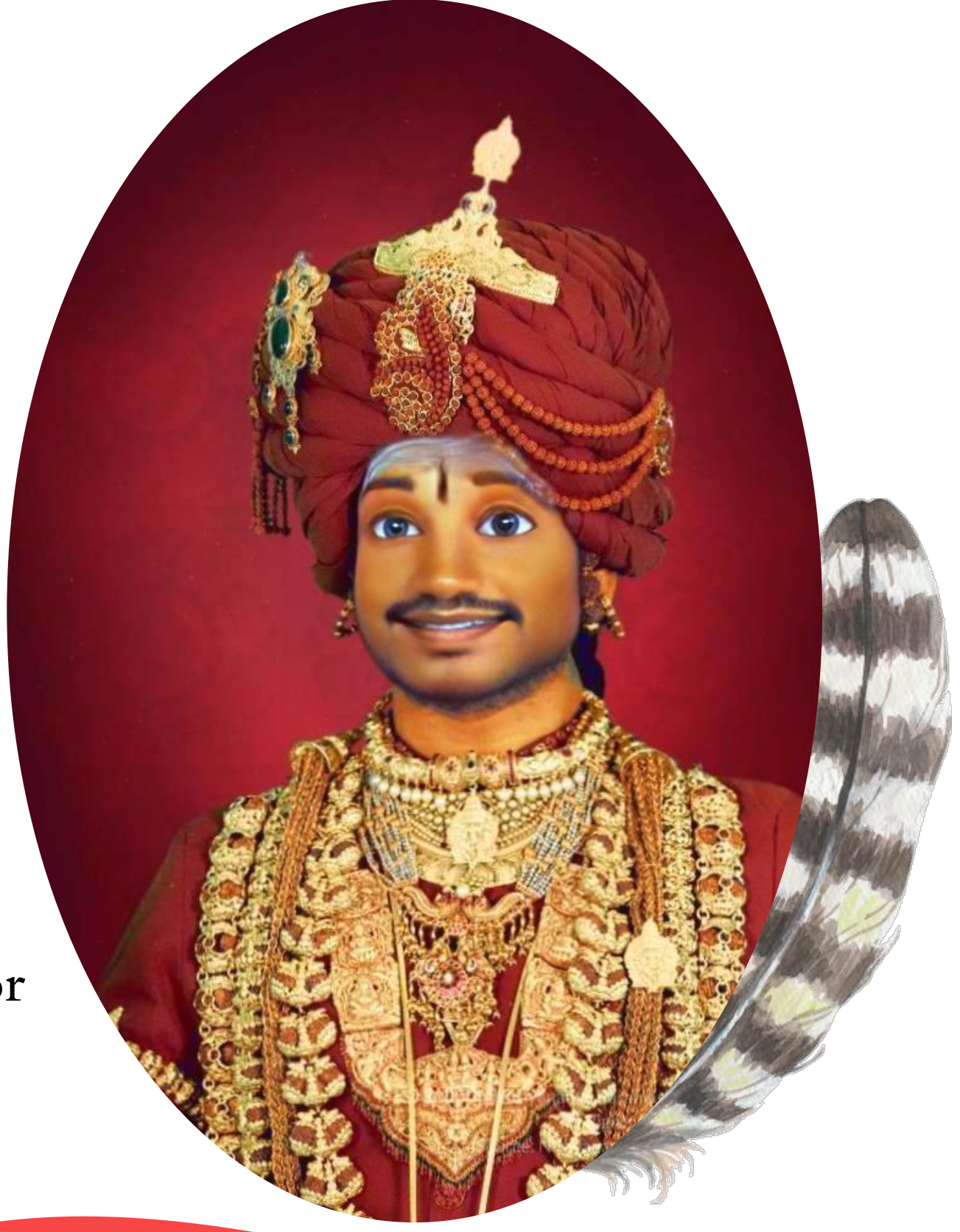
The cosmic consciousness responds to our thoughts. What we think and how we think affects what happens around us
INTRODUCTION
Being attached or bound to what we do or what we have is a major hurdle in realizing our Self. Krsna is not bound to this universe. This is the reason, He says, that keeps Him unaffected when the universe is created and when it is destroyed. The whole universe is being born out of Him and it is getting destroyed. Even then He is not affected, because He is not bound to the universe. It is because He is a mere spectator.
Let us understand this in the context of daily life. When we start to internalize these great truths in small things that we do, a great change happens in us. Krsna speaks in terms of the universe being created and destroyed from universal consciousness. We can apply having them to day-today activities.
When we understand this truth, we feel a great sense of liberation. You see, we become attached or bound to what we have. We think that all we have is ours. When we create that attachment, we create a strong bond. Then the problem has started. Drop your attachment. Our material possessions create greed and fear in us. We attach somuch importance to them that getting more and more of them becomes our only goal. Naturally when we have so much, we create a fear of losing them. The problem is we associate ourselves with material possessions. Again and again, we run after them and forget who we are.
Being a spectator to thoughts does not mean that we suppress or destroy thoughts. By being a spectator we remain unaffected and unattached to what happens in and around us. This is the truth. If we can internalize this completely, we will be enlightened this very minute!Krsna says that, although He is a mere spectator, everything happens under His supervision. Here He shows His authority. He says the material world is created and annihilated according to His will through the power of prakrti, Nature, and the energy of maya, Illusion. Krsna wants to clearly get this idea across to Arjuna. The whole material manifestation is a projection of the energy of universal consciousness. This is what is reflected within us in our individual consciousness. We create what we see and what we wish to see.

Krsna says, ‘I am the supreme power.’ Everything happens under His supervision. Whatever happens is a drama of creation and annihilation, through Nature and Illusion. Krsna, the director and producer of this cosmic drama, stands unmoved as a spectator. This truth is reflected within us, too. We create and destroy ourselves. Everything, our happiness, our pains, our fantasies, our sorrows, our relationships are created by us. If we see from a higher level, we influencethe whole universe. Krsna shows how powerful our inner Self is. Whether we believe it or not, it is the truth. We create everything that we see, feel and hear. That is the power of our inner Self. Yet we do not stay detached the way Krina does. Our thoughts and inner chatter have a tremendous impact. The cosmic consciousness responds to our thoughts. What we think and how we think affects what happens around us.

One more important thing: there is
a difference between being happy
and being blissful. Happiness
happens inside because of external
factors. If suddenly the external
source disappears, our happiness
also disappears. So our internal
state is affected by an external
source. The outer world is
affecting our inner world. Being
blissful does not depend on
external sources. If we are at peace
internally, we express that bliss. No
external event affects this state.
Bliss is eternal; happiness is
temporary. When we are blissful
inside, we project the same bliss
outside. When we are in that state,
we enjoy everything that happens
outside us.

Krsna says, ‘Fools lose Me when I come in human form.’ He calls them fools. This is the truth. When an enlightened master is in human form, we do not accept him as a master. Only after the master leaves the body do we pay our respects to the master. Why do people again and again do this? You see, when the master is still in human form, our mind sees him as another human being. We see him like another person. Then our ego comes between him and us. It reasons, ‘He is another human like me. Why should I listen to him?’ All these questions come. We decide we don’t have to follow another human being and go back.
See, a simple act of ego makes us
miss a living enlightened master.
Our mind always boosts our ego
and keeps us away from an
enlightened master. Our being
wants it, however, our mind and
ego create a strong wall of
questions between the master
and us. If there is a continuous
inner chatter in us when we
approach a master, our mind and
ego take over our being. We miss
the opportunity. And one more
thing, some people know that a
person is a master. They know
what he says is good for them,
however, they escape. This is
because they know that the
enlightened master can see
through them. They do not want
anybody to know what a mess
they have created in themselves.
They want to escape that
transformation.

The master can help only if we allow the master to take
charge. As long as we hold onto our ego, we remain a fool.
If we meet an enlightened master that is the best thing
that can happen to us. Now it is up to us to take
advantage of it or miss it. Krsna tells everyone: if you miss
an enlightened master, you are a fool. If we think out of
ego that an enlightened master is like any other human,
we lose the chance of knowing the truth: we lose the
chance for enlightenment. Powerful Cognition:Our
thoughts and inner chatter have a tremendous impact. The
cosmic consciousness responds to our thoughts. What we
think and how we think affects what happens around us.

GOALS:
To help the child understand in
daily life how our thoughts
impact our reality.
ASSESSMENTS
1. Explain what you understand by Krsna not being "bound to this universe".
2. What is the difference between happiness and bliss?
3. Do you think it is important to have an enlightened master in your life? Why?
ART OF
THE DAY
ART OF THE DAY:
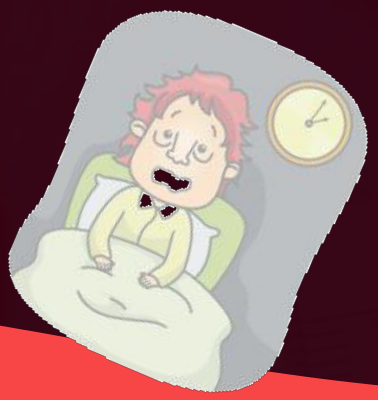
CAN YOU DRAW YOUR AGITATION?
MATERIALS NEEDED:
- Paper
- Pencils
- Sketch pens
PROCEDURE:
Encourage the children to draw agitation in a pictorial format. Ask them to tell about what they have drawn.
INFERENCE:
Our agitation is a reflection of the inner chatter and negativities within us. Review how this exercise helps us to identify where we are stuck in getting rid of our own ego and inner chatter.
ACTIVITY OF
THE DAY

ACTIVITY OF THE DAY:
GLASS PAPER / CELLOPHANE
Materials Needed:
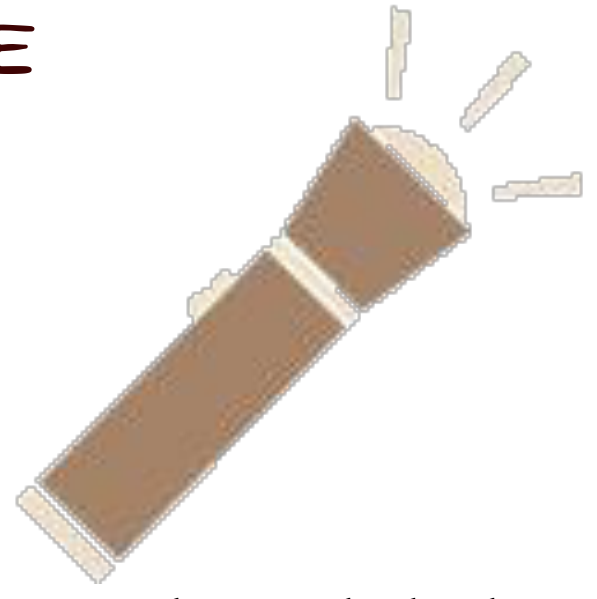
- Torch light (flash light)
- Colored glass paper or cellophane
INFERENCE:
Review the activity and
how it relates to our
thoughts affecting our
daily reality and
consciousness on the
whole.
Note: Have enough pieces of glass paper and torch lights for everyone, or form groups so all can share the Activity.
Procedure:
Inform the children: The flashlight is like our mind. The glass paper is our thoughts. Our vision is distorted by the thoughts we project. If we remove the glass paper/ thoughts, our vision and outlook is clear. But everyone has preconceived ideas and different thoughts and ways of looking at things; this is what brings in confusion. Remove the thoughts, and be clear. Take the torch light and demonstrate how to turn it on. Show how thoughts change colors as per the moods in our mind. If the colour paper is removed, the light is clear. Every one should take a turn shining through the colours then removing them, removing the thoughts. Discuss with the children: What does the glass paper represent? Why do we see in different colors? What happens when we feel that we are very clear about an idea? "We use our intuition."
WORKSHOP OF THE DAY

WORKSHOP OF THE DAY:
PLAYING WITH EMOTIONS
All of us have emotions, good and bad. First thing we need to understand is that all emotions in us are due to chemical changes in our body. All the emotions like happiness, sad, depressed, crying, gratitude, anger, fear, greed, etc everything is an emotion. But in this we shall look at the emotions in a negative way. So now, the emotions are negative like anger , fear , depression , sad , crying ,fear , jealousy , irritation , etc. now let us get into the process. Whenever you experience any emotion, like anger or crying, these 2 are the best things with which you can play. So when you start crying for something , cry for some time and then stop crying for some time and again start , the emotions should be under your control , do the same thing for anger as well. Increase the anger and decrease anger as per your wish. When you do this you will master your mind and your mind will be your slave. Encourage the children to discuss how they will apply this technique in their day-to-day life.


WORKSHOP OF THE DAY:
VAAKYARTHA SADHAS
CONCLUSION:
Review how this lesson was able to help you gain better control of your emotions and consciously reduce the negativity within you. When we take action to heal this in ourselves, we will be in a better capability to project positive vibrations into creating the reality we desire.

- BHAGAVAD GITA -
BOOK IX, VOLUME IV