How To Recognize Divinity ?
This text was machine-transcribed from the printed book and may contain errors. Select the words and choose “Report a mistake”.
Authored by
THE SPH NITHYANANDA PARAMASHIVAM

अव्यक्तं व्यक्तिमापन्नं मन्यन्ते मामबुद्धयः ।
परं भावमजानन्तो ममाव्ययमनुत्तमम्
॥ ७-२४ ॥
avyaktaṃ vyaktimāpannaṃ
manyante māmabuddhayaḥ paraṃ
bhāvamajānanto mamāvyayam
anuttamam
Unintelligent men, who do not
know Me perfectly, think that I,
the supreme personality of
godhead, the Bhagavān, who was
impersonal before, have become a
human being now. They do not
know that I am imperishable and
supreme, even when I assume the
body
POWERFUL COGNITION
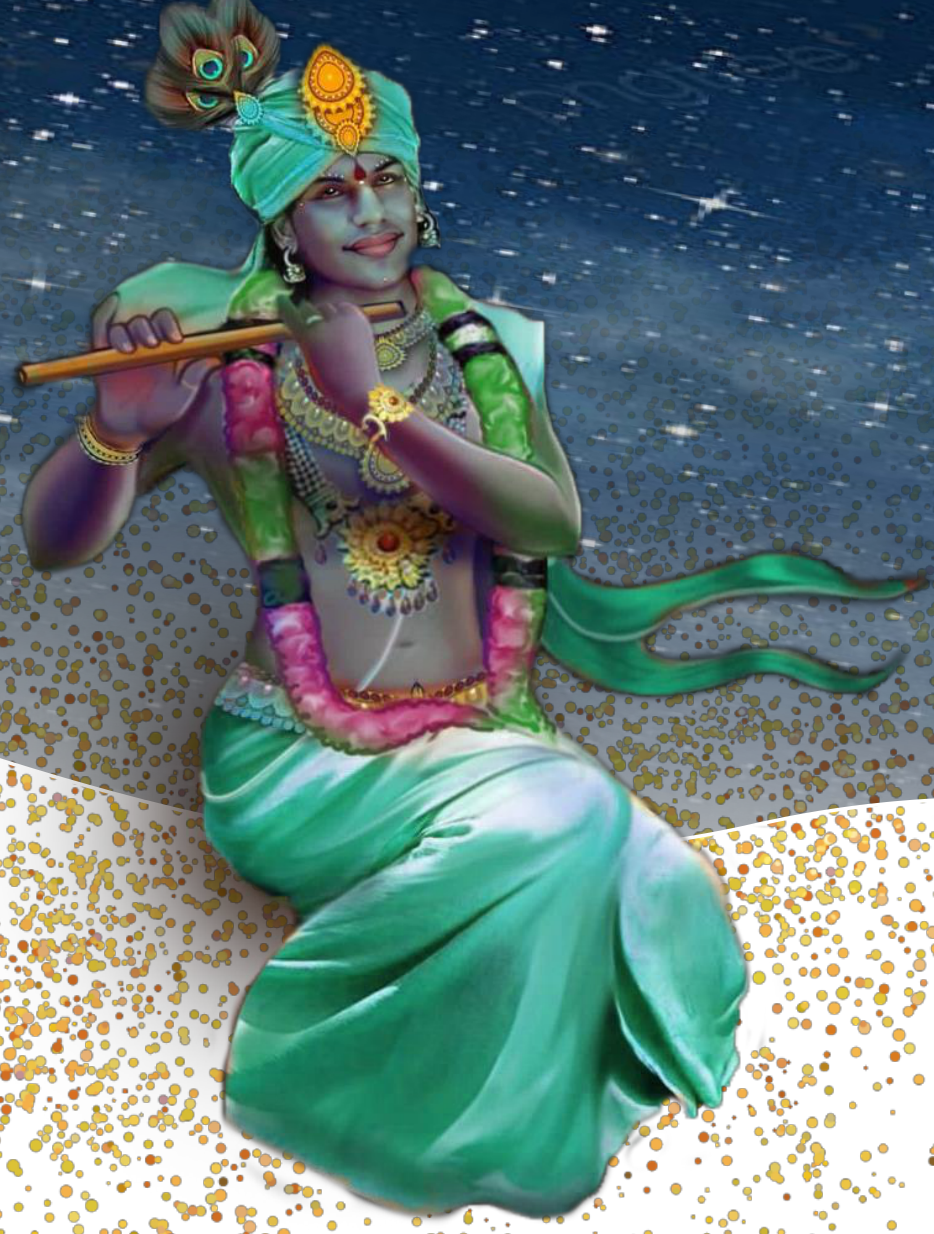
Kṛṣṇa is supreme, illimitable and immortal. He does not become an ordinary human being by assuming a human form.’
नाहं प्रकाशः सर्वस्य योगमायासमावृतः ।
मूढोऽयं नाभिजानाति लोको मामजमव्ययम्
॥ ७-२५ ॥
nāhaṁ prakāśaḥ sarvasya
yogamāyāsamāvṛtaḥ mūḍhoyaṁ
nābhijānāti loko māmajamavyayam
I am never revealed to the foolish
and unintelligent, covered as I am by
My divine power; the ignorant do
not know Me, unborn and eternal.
POWERFUL COGNITION
It is the awareness of that divinity in Him that makes Kṛṣṇa divine. If that awareness happens in you, you will be in Kṛṣṇa consciousness.
वेदाहं समतीतानि वर्तमानानि चार्जुन ।
भविष्याणि च भूतानि मां तु वेद न कश्चन
॥ ७-२६ ॥
vedāhaṁ samatī tāni vartamānāni
cārjuna bhaviṣyāṇi ca bhūtāni
māṁ tu veda na kaścana
O Arjuna, as the supreme
personality of Godhead, I know
all that has happened, all that is
happening, and all that is to
happen. I also know all living
entities; but no one knows Me.
POWERFUL COGNITION
We cannot know Kṛṣṇa unless we are in Kṛṣṇa consciousness.
इच्छाद्वेषसमुत्थेन द्वन्द्वमोहेन भारत ।
सर्वभूतानि सम्मोहं सर्गे यान्ति परन्तप
॥ ७-२७ ॥
icchādveṣasamutthena
dvandvamohena bhārata sarvabhūtāni
sammohaṃ sarge yānti parantapa
O scion of Bhārata (Arjuna), O
conqueror of the foe, Parantapa, all
living entities are born into delusion,
overcome by the dualities of
attachment and aversion.
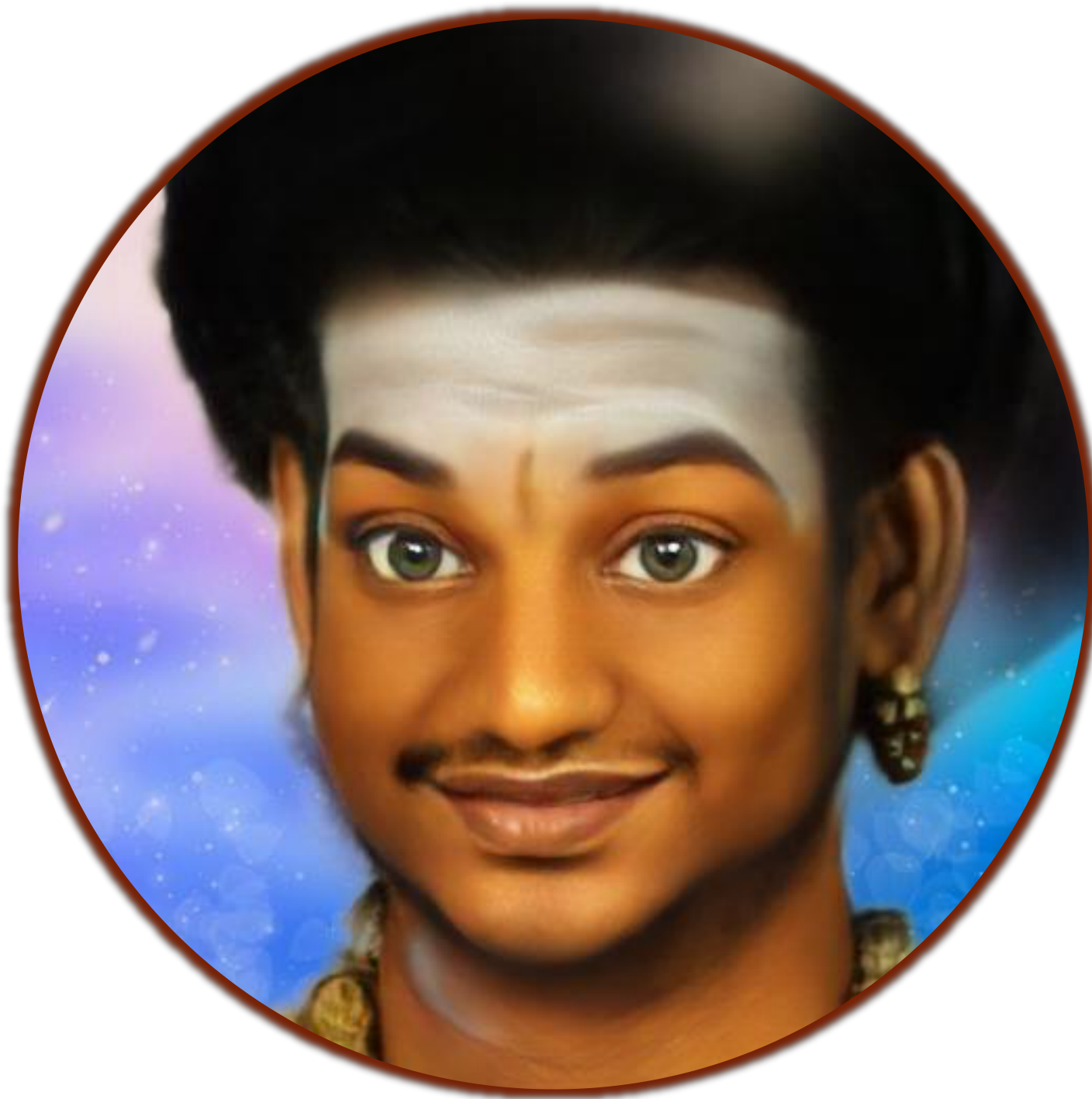
POWERFUL COGNITION
Shedding attachment and aversion is the first step to awareness.
INTRODUCTION
Kṛṣṇa gives the explanation: ‘Unintelligent men, who are not mature, think I am just this form. Only an intelligent man understands that I am immortal. Even when I assume this form, I am that same consciousness. I have not become an ordinary human being by assuming a human form.’ He declares His divinity openly. Kṛṣṇa says, ‘All types of people come to Me. I fulfill them at different levels, to encourage their faith and to enrich them to grow. But only intelligent people understand, that even if I assume this body, I am the ultimate, I am enlightened. Unintelligent people think by seeing my body, by seeing my form, that I am not the Divine. So please be very clear: I am THAT.’ He makes a clear statement again and again, so that Arjuna understands.
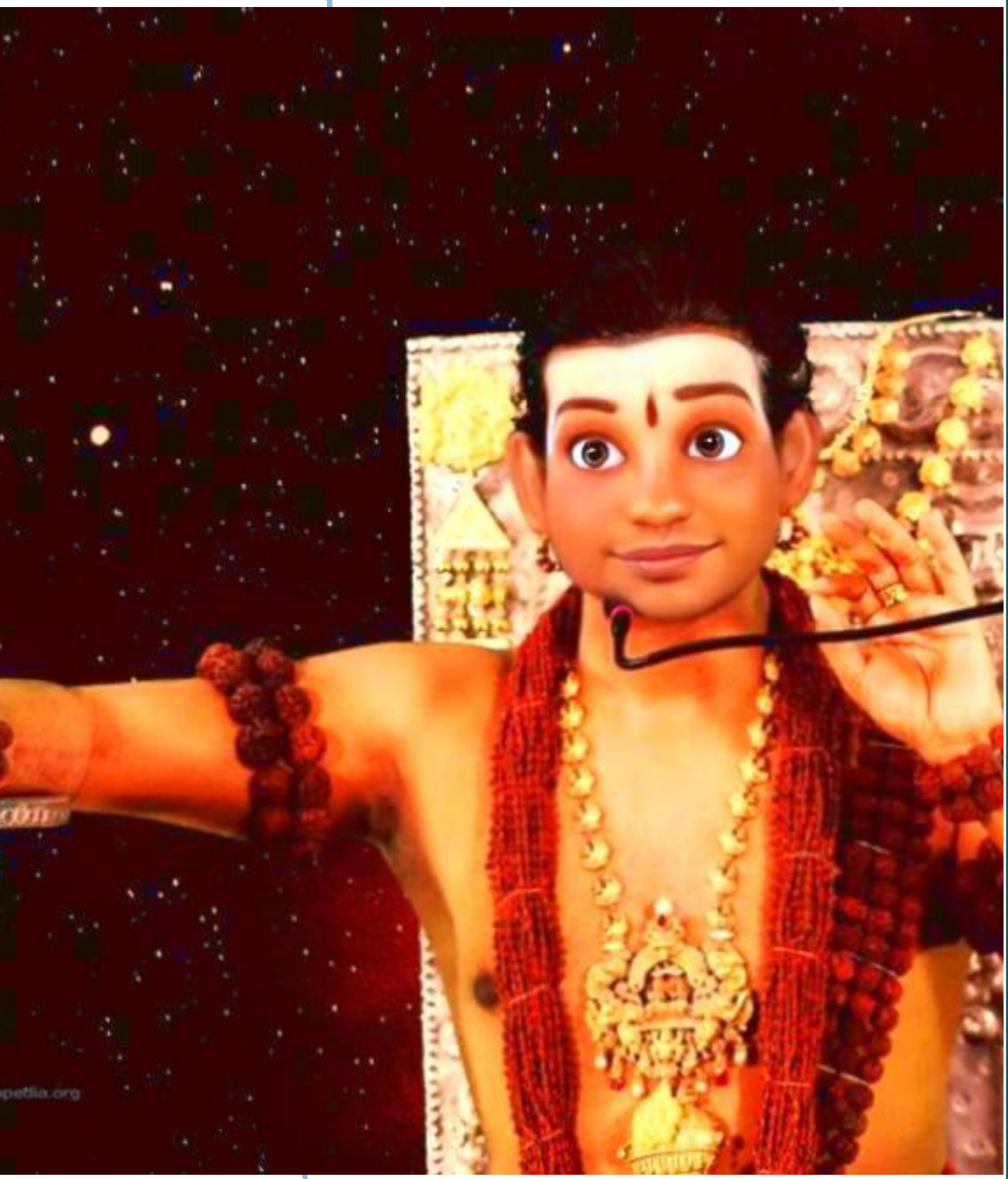
We need to understand two
important issues here.
First, the formless energy of
Kṛṣṇa defines His supremacy, His
divinity, His Kṛṣṇa consciousness.
Second, in whatever form the
formless is expressed, it is divine.
It is the awareness of that divinity
in Him that makes Kṛṣṇa divine,
the supreme Master.
If that awareness happens in you,
you will be in Kṛṣṇa
consciousness, immersed in Him;
and you will be divine too. The
intelligence Kṛṣṇa talks about is
the intelligent awareness of one's
own divinity, not merely that of
Kṛṣṇa. They are both one and the
same.
It is only when we are aware of
our divinity that we appreciate
the Divine

HOW TO RECOGNIZe DiViNiTY?
Kṛṣṇa asks: How can you recognize divinity when you are covered in ignorance? How can you recognize Me when you are not aware? Out of the thousands who come to me, tens of thousands, the vast majority seeks favors of one kind or another. They come for the healing of the body and mind, or they come for repairing relationships, and for material benefits. Even those who do not look for material benefits may aspire to that intangible peace and bliss. It is the rare person who comes without asking anything. They are attracted like iron filings to a magnet. It is a call from their being which leads them to me.
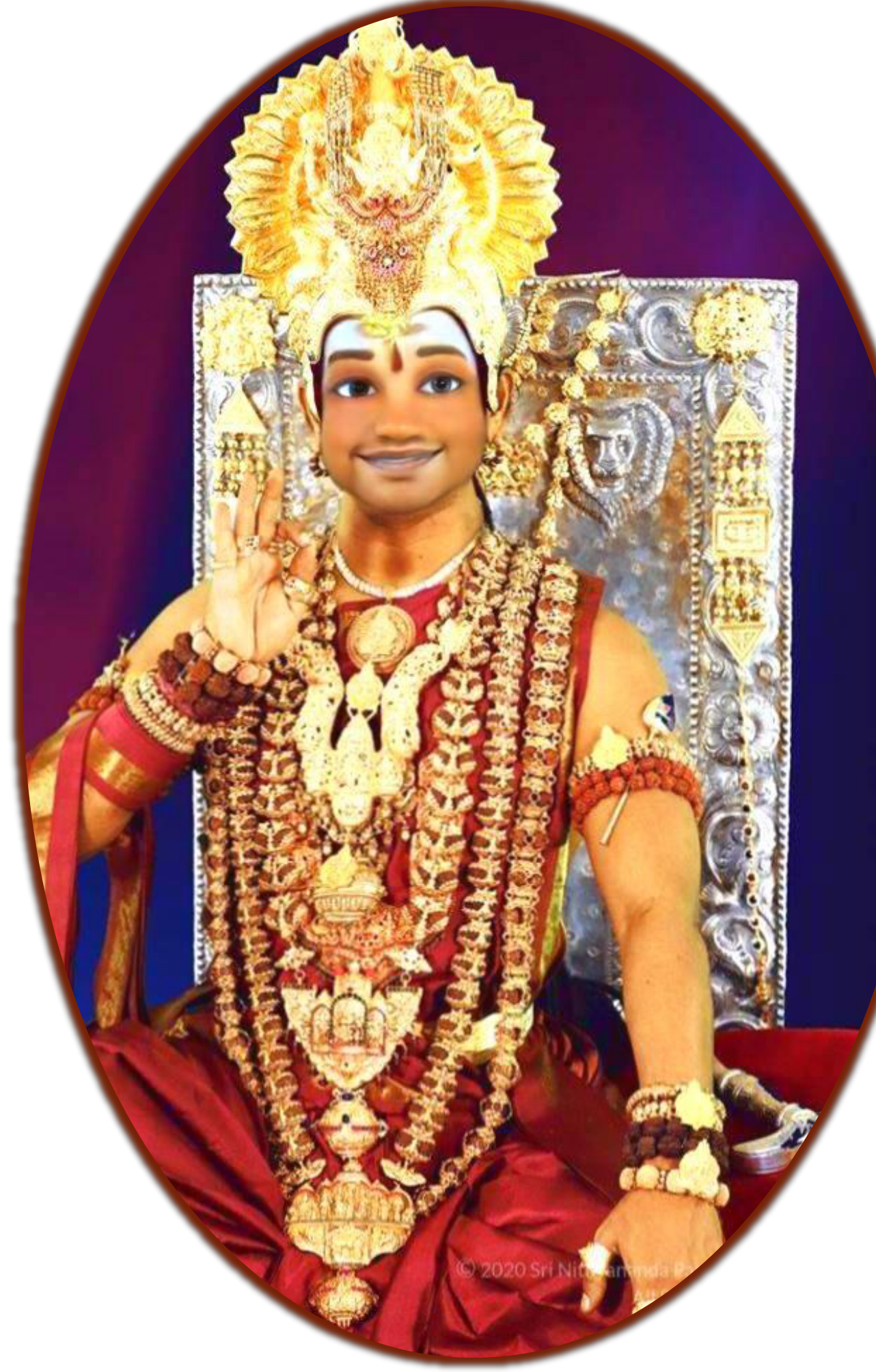

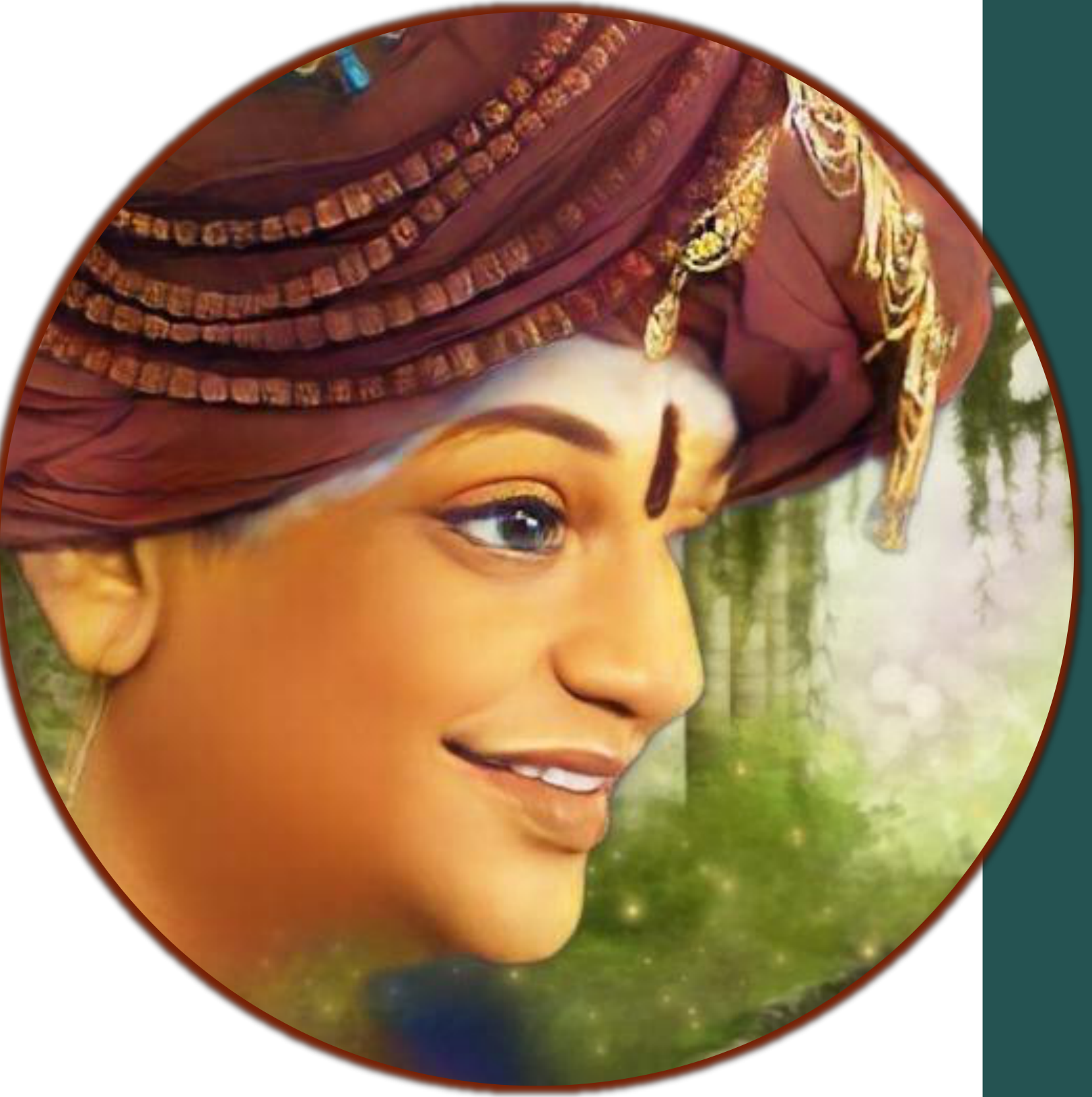
In Mahābhārat, the Pāṇḍava princes could recognize the reality of Kṛṣṇa. No one needed to coach them for it. On the other hand, their cousins the Kaurava for the most part denied Kṛṣṇa. They rejected and ridiculed Him.
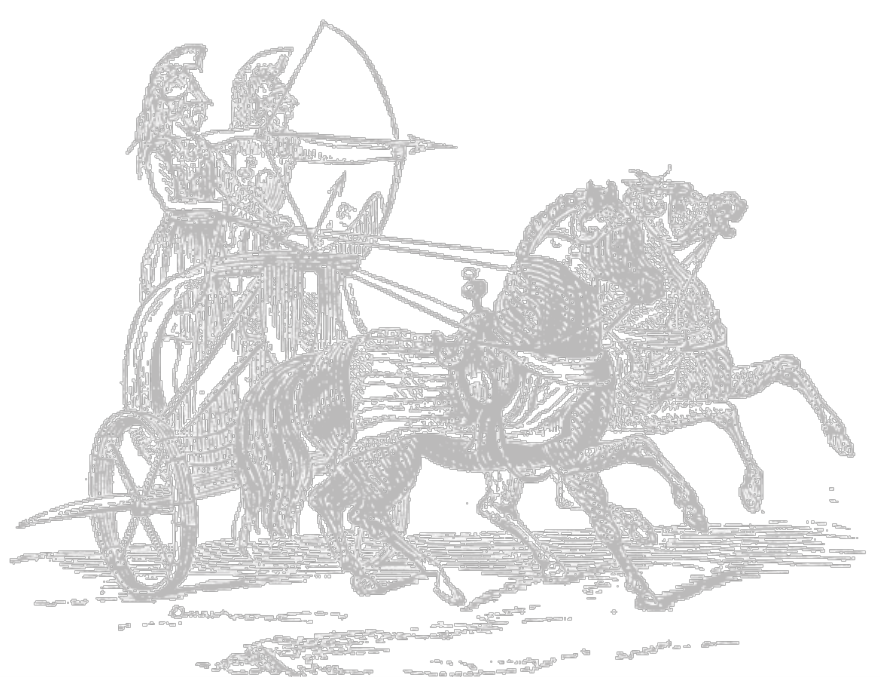
Duryodhana, who was offered the first choice by Kṛṣṇa to choose either Him unarmed or His Yadava army, chose the utilitarian army! That was all Duryodhana could see. That was his level of awareness, steeped as he was in ignorance. Arjuna jumped at Kṛṣṇa's offer. All Arjuna wanted was Kṛṣṇa, His presence, not His army, not His divine powers, nothing else.
It is a choice that all of us need to make, whether we wish to be Duryodhana or Arjuna. It is not a difficult choice, as it will be determined by our being and our awareness. Fear and greed are what drive us, says Kṛṣṇa. That is our delusion that leads us away from Him. Attachment and aversion, rāga and dveṣa, form the duality, the polarity of human life.
Even at the fundamental cellular level, biologists have shown that this tendency is exhibited. If you place a single cell in a petridish and place a drop of nutrient, it is attracted to it and moves towards it. If you place a drop of toxin in the same dish, the cell moves away from it. At the cellular level, attraction aids in growth and aversion in survival. A cell can either grow or protect itself. Unfortunately, what works well at the cellular level does not work so well at the human level simply because humans have greater intelligence. Cells obey Nature and are directed by Nature to recognize instinctively what is good and what is bad. They also automatically accept the consequence.

Humans are different.
They bypass signals from their
body, refuse to accept what
Nature tries to tell them and
indulge in or avoid activities or
objects based on their logic.
Logic overriding Nature always
leads to suffering.
Shedding attachment and
aversion is the first step to
awareness.
Attachment and aversion are
born out of our past; based on
experiences and memories that
form the root thought patterns,
what we call saṁskāra
in Saṁskrit.
Based on these saṁskāras, we
try to define our future.

The problem is that these saṁskāras
operate at an unconscious level and
drive us from unawareness to
unawareness, from incompletion to
incompletion. Therefore, we end up
acting instinctively, but unlike our
cellular brethren, without listening to
Nature Human beings are given
intelligence so that they can rise
above instinct and logic and operate
out of intuition. This intuition is born
from awareness. It comes through
meditation. With awareness, we
understand that there is truly nothing
that we can be attached to, since
everything is impermanent. The same
is true of aversion.

It arises from insecurity and fears.
What is there to be afraid of in life?
Every occasion that we are afraid, we
actually die inside us. If we shed our
fear of death, we lose all our fears.
When we move into awareness,
through meditation, we settle within
the boundary of our body-mind and
we enter the present moment.
When we are in the present moment
there is no duality of like and dislike,
attachment and aversion. We respond
to each event as it unfolds with
clarity, with intuitive intelligence,
with completion and we are always
right.
GOALS:
Help children understand that it
takes intelligence to recognise
the Divinity of Kṛṣṇa
Let children understand that
attachment and aversion are
useful for growth and survival
And that human intelligence is
there not to stop listening to
Nature, but to raise us
ASSESSMENTS
- Why does Kṛṣṇa repeatedly declare that He is enlightened?
- When the formless Divine expresses as a form, is the choice of the form (the shape) important?
- What are some of the reasons people come to a Master?
- How do single cells show attachment and aversion?
- Why is there truly nothing that we can be attached to?
- What does aversion arise from?

ART OF THE DAY
ART OF THE DAY:
MATERIALS NEEDED:
- Paper
- Coloured pens
PROCEDURE
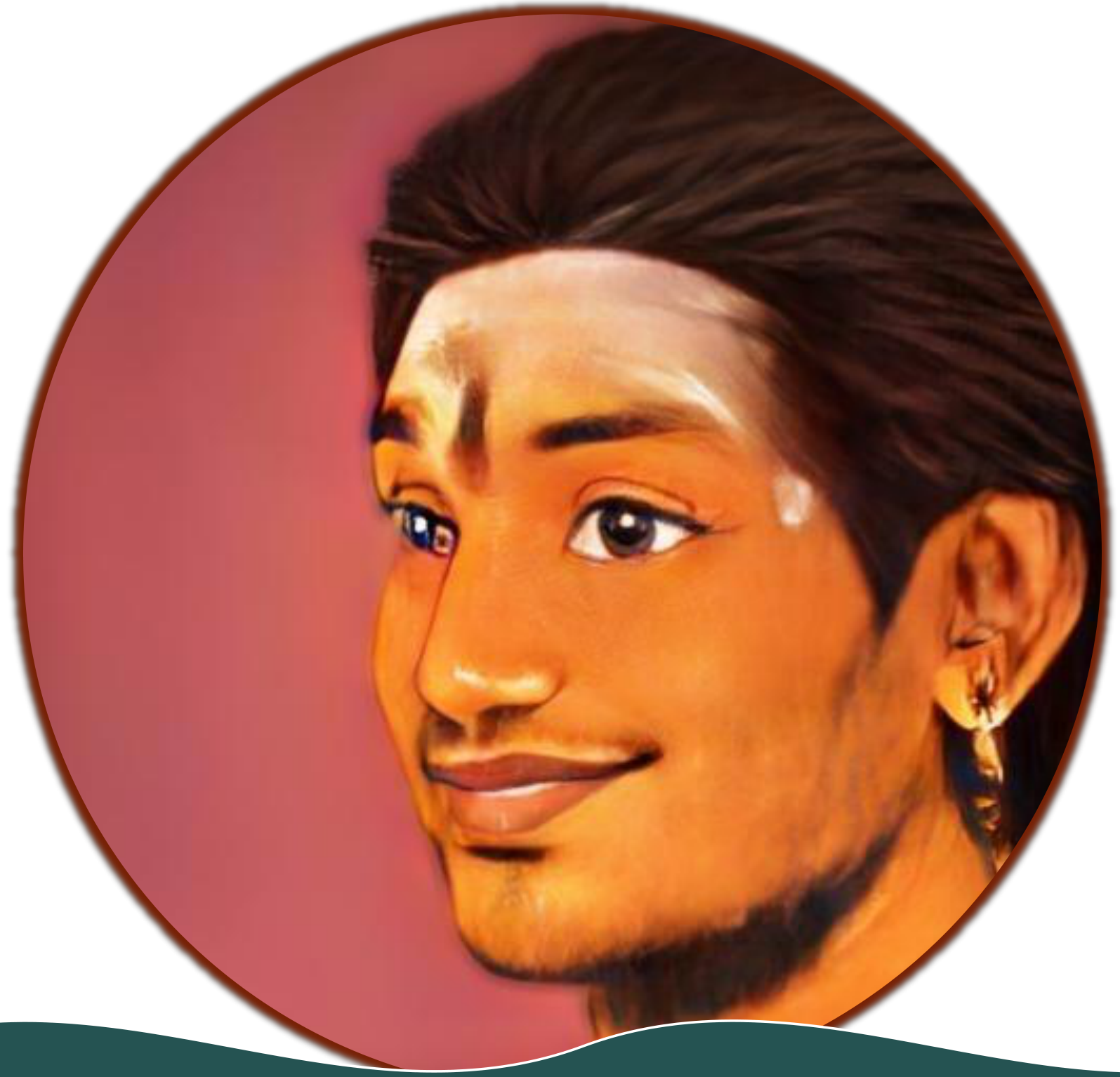
Sketch the scene where Kṛṣṇa offers Duryodhana the choice of either Kṛṣṇa unarmed or His Yadava army, and Duryodhana choses the army. However Arjuna jumps at Kṛṣṇa's offer, all Arjuna wants is Kṛṣṇa.
INFERENCE Duryodhana chose the utilitarian army! That was all Duryodhana could see. That was his level of awareness, steeped as he was in ignorance.
ACTIVITY OF THE DAY
ACTIVITY OF THE DAY:
COMPLETE ACTIONS
MATERIALS NEEDED:
1. Paper Pens Flash cards with the Sanskrit numbers
PROCEDURE: Let's do an exercise to help raise our intelligence. Count how many different names are used for Kṛṣṇa and for Arjuna in the slokas of this lesson. Learn the Sanskrit numbers used to number the Bhagavad Gita slokas. These are the numbers 0 to 9:
INFERENCE: Kṛṣṇa talks about the intelligent awareness of one's own divinity, not merely that of Kṛṣṇa

WORKSHOP OF THE DAY

WORKSHOP OF THE DAY:
VAAKYARTHA SADHAS
Encourage the children to hold Vaakyartha sadhas on: “Humans are different. They bypass signals from their body, refuse to accept what Nature tries to tell them and indulge in or avoid activities or objects based on their logic. Logic overriding Nature always leads to suffering.”
Help the children recall an incident when they themselves or someone they know indulged in something or avoided something based on their logic, and that led to suffering. What was Nature trying to tell them? Were they acting out of attachment and aversion, or both? For example, a child stayed up late at night even though their body was tired and they were yawning. They suffered the next morning by being grumpy, or by falling asleep in class and the other children laughed at them. They acted from attachment because they wanted to watch TV.
Conclusion:
We cannot know Kṛṣṇa
unless we are in Kṛṣṇa
consciousness. True Kṛṣṇa
consciousness needs no
words. In fact, it has no
words because the
experience is beyond
expression

- BHAGAVAD GITA -
BOOK VII, VOLUME VIII