INTRODUCTION
This text was machine-transcribed from the printed book and may contain errors. Select the words and choose “Report a mistake”.
Kṛṣṇa talks about the guṇas, the natural attributes in these verses.
Prakṛti, the energy that manifests in the Universe, has three elements called guṇas. When prakṛti is in equilibrium, it is pure potential energy.
When it is disturbed, the guṇas come into operation. Like building blocks, they combine in many ways and create, sustain and destroy. Rarely is only a single element or guṇa present in a person.

The three guṇas that Kṛṣṇa refers to are satva, rajas and tamas, commonly translated as goodness or calmness, passion or aggression and ignorance or inaction.
The interplay of these guṇas creates the functioning of the mind and through the operation of the mind, activity.
Guṇa does not refer to the state a person is in. Guṇa causes that state to happen.
Satva by itself is not goodness or calmness. It is the building block that leads to calmness.
No living being influenced by the mind is beyond the influence of the guṇas. When one transcends the guṇas, as Kṛṣṇa says about Himself, one becomes a triguṇa rahita, one who has transcended the three guṇas.
Such a person is no longer influenced by the mind and its actions. Listen. Even an incarnation, an enlightened energy being reborn into this planet on a mission, needs to initially be born with some guṇa infused into that being. It is like this:
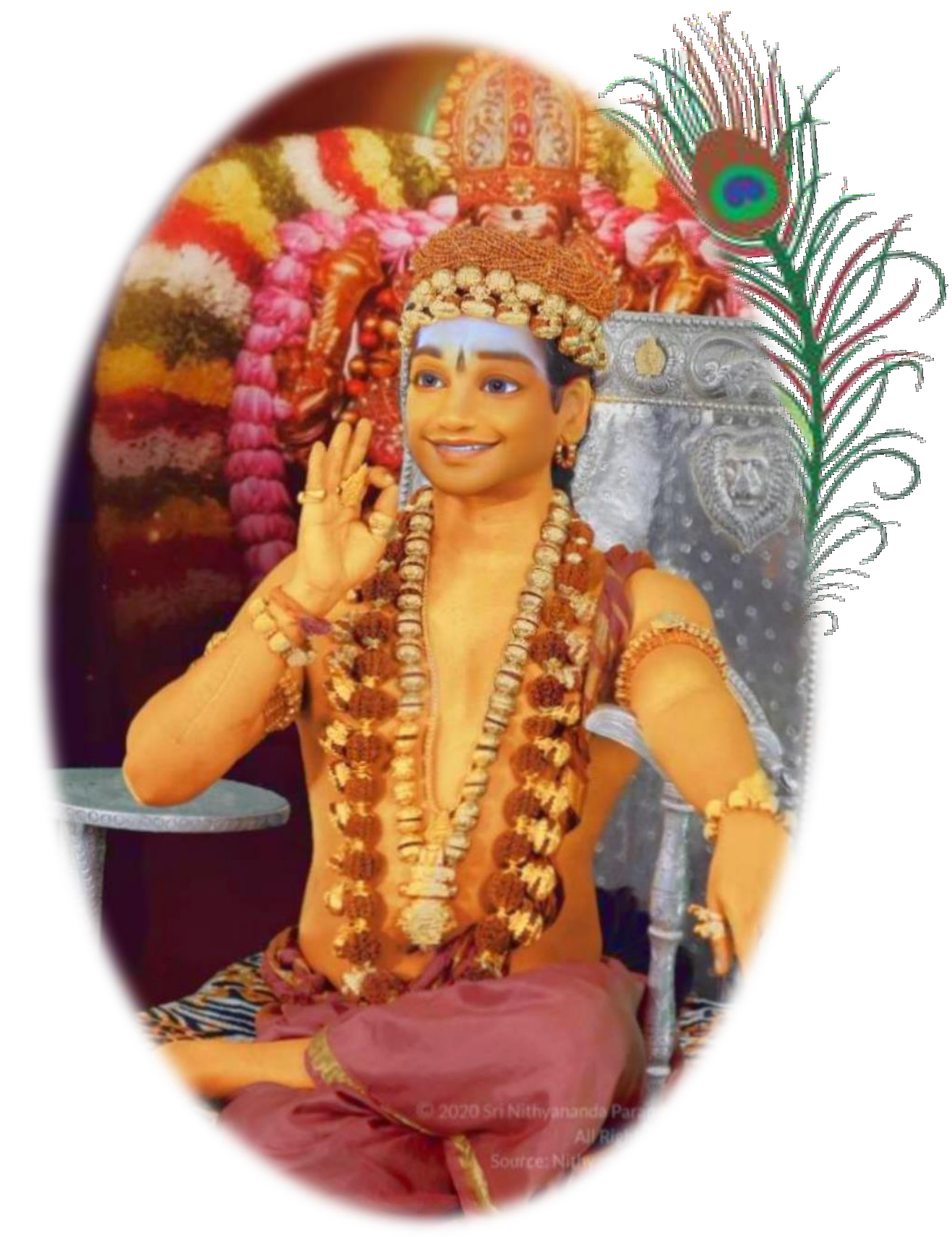
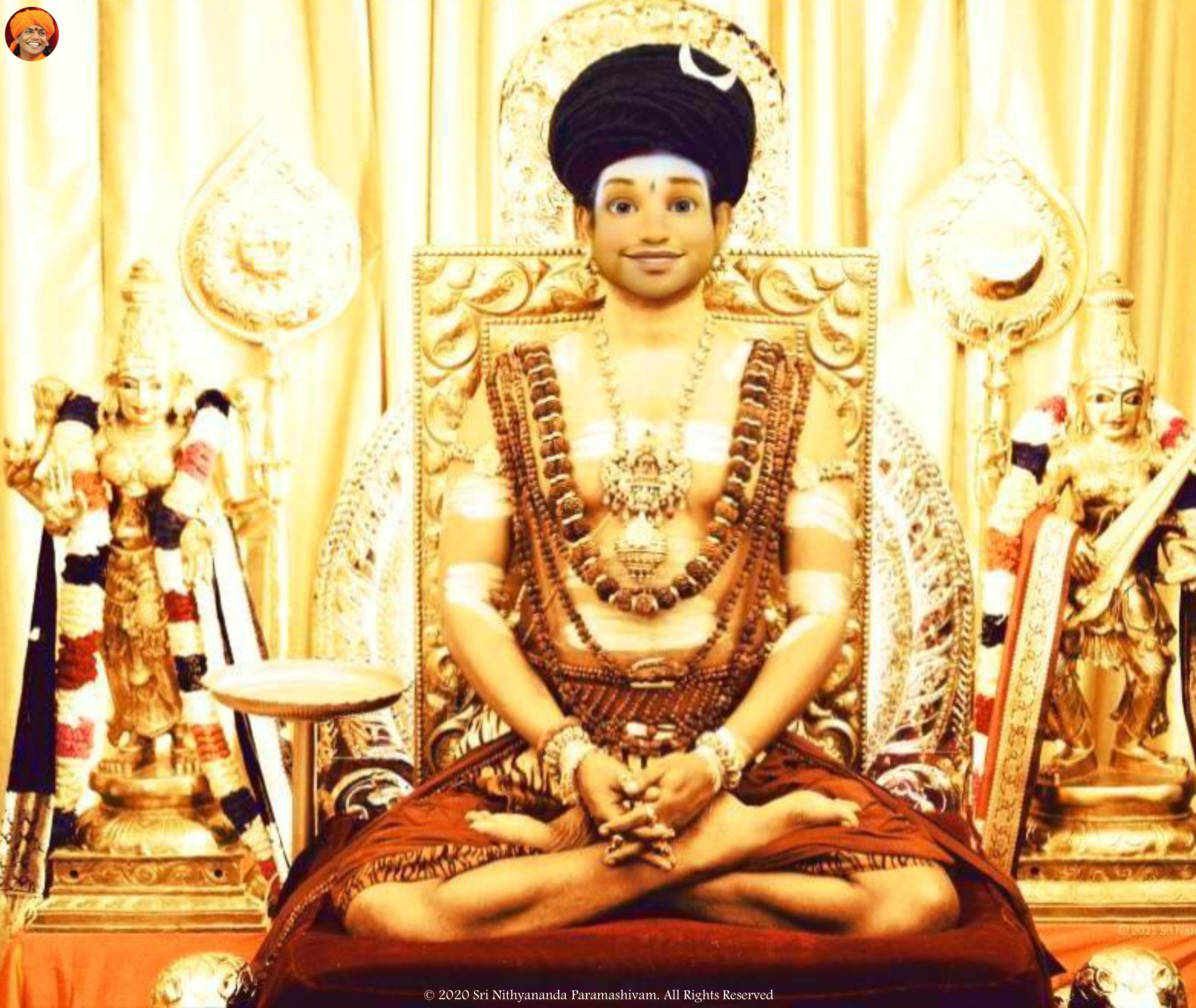
We cannot make jewelry out of pure gold. We must alloy it with copper. In the same way, even an energy source that has transcended the three guṇas needs to have some satva guṇa infused in it to be born into this planet. The same is true of Kṛṣṇa.
© 2020 Sri Nithyananda Paramashivam. All Rights Reserved
As Vāsudeva Kṛṣṇa, the son of Vāsudeva, He has some guṇa at play in Him. Unfortunately, a human being can distort his perceptions to such a point that he can deny his rightful nature. Māyā, illusion, is also the interplay of the guṇas.
It is a collection of our fantasies. Just as darkness needs light to destroy it, we need awareness to destroy māyā. Otherwise māyā destroys us.
In Bhagāvatam (Hindu epic that describes Lord Viṣṇu's incarnations, especially His incarnation as Kṛṣṇa), there is this history. Nārada is the greatest devotee of Viṣṇu. He forever sings His praise and has nothing else on his mind. Over time Nārada became conceited about being the most celebrated devotee. This happens to all devotees at some point in time.
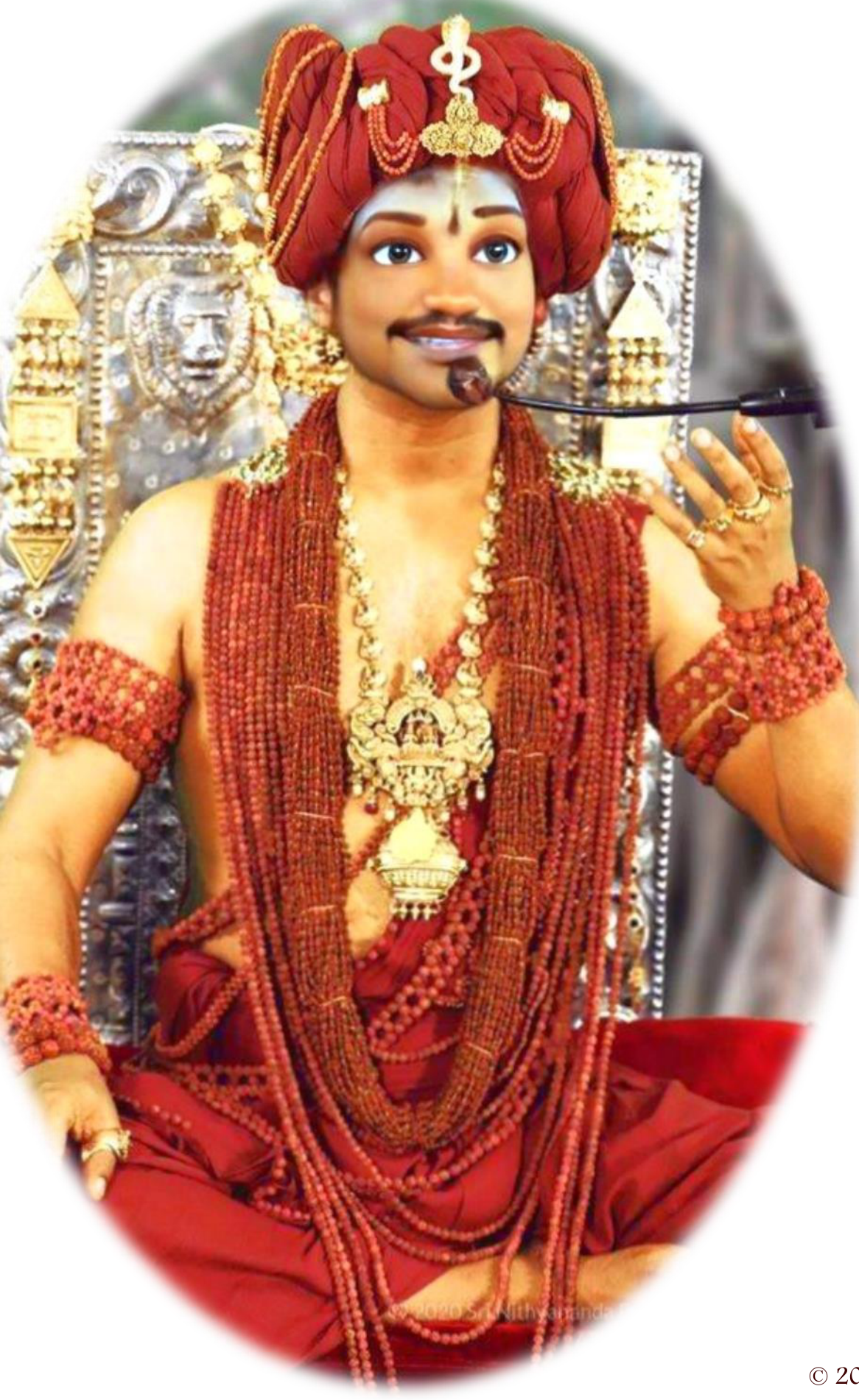
© 2020 Sri Nithyananda Paramashivam. All Rights Reserved As a true master, Viṣṇu took action. He called Nārada and asked him to fetch a pot of water. Nārada rushed out. Suddenly he was in front of a house asking for water.
A beautiful maiden came out with water and Nārada fell instantaneously in love with her. He married this girl and they raised children together.
One day there was a great storm. The house and the entire surroundings were flooded.
The rushing water carried Narada and his family away. Soon they were separated and his family died.
Nārada wailed and screamed for help.

© 2020 Sri Nithyananda Paramashivam. All Rights Reserved
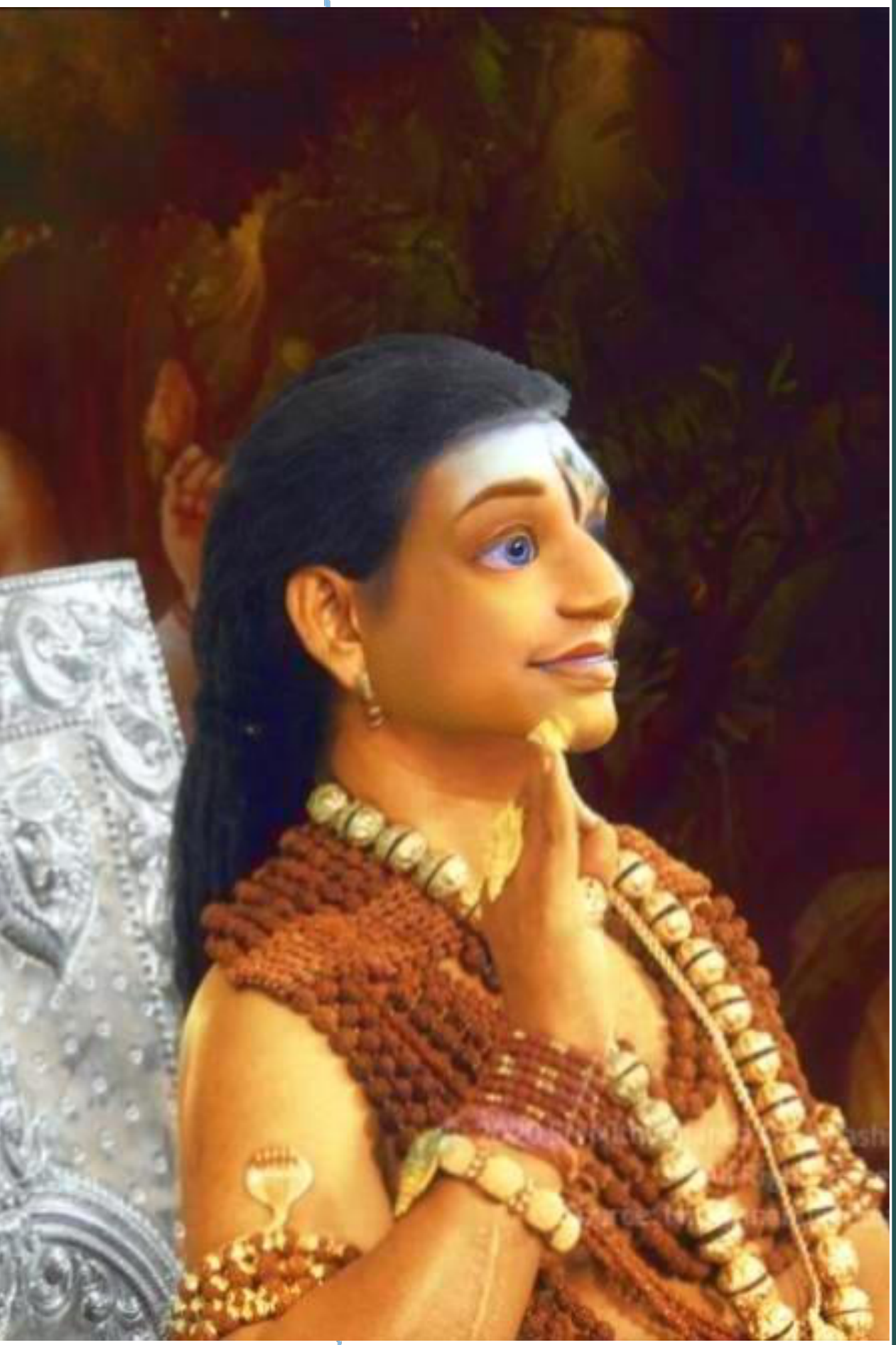
Suddenly he heard a voice, ‘Nārada,
where is my water? What happened to
you?’
Nārada awoke, as if from a great sleep,
and saw Viṣṇu smiling at him. He said,
‘Even my greatest devotee is not immune
to māyā!’
As long as the mind is active, no one is immune to māyā.
GOALS:
Help the children understand
the three gunas To add to the
understanding of the mind, that
as long as the mind is active
māyā happens
© 2020 Sri Nithyananda Paramashivam. All Rights Reserved
ASSESSMENTS
- What are the three gunas?
- Is everyone affected by the three gunas?
- Does Kṛṣṇa have any of the three gunas in him?
- What is māyā?
- What happened to Nārada
ART OF THE DAY
© 2020 Sri Nithyananda Paramashivam. All Rights Reserved
ART OF THE DAY:
GUNA DESCRIPTION
MATERIALS NEEDED:
- Paper
- Ruler Pens
- coloring pens
PROCEDURE
Develop an encyclopedia-like description of the 3 gunas Get the children to divide their paper into 3 parts. Each part will become one encyclopedia description. For each guna, have the name of the guna (satva, rajas or tamas) the description of the guna as given in this lesson an example from the child's life that explains the guna a drawing that illustrates the guna
INFERENCE
o living being influenced by the mind is beyond the influence of the gunas.
ACTIVITY OF THE DAY
© 2020 Sri Nithyananda Paramashivam. All Rights Reserved
ACTIVITY OF THE DAY:
STRING BEADS
MATERIALS NEEDED:
- Wooden beads
- Paint, including if possible gold colored paint
- String for threading the beads
PROCEDURE:
Get the children to string the beads onto the thread. Then they can paint the beads. Add a gold effect with some gold paint.
INFERENCE:
We cannot make jewelry out of pure gold. We must alloy it with copper. In the same way, even an energy source that has transcended the three guṇas needs to have some satva guṇa infused in it to be born into this planet.
WORKSHOP OF THE DAY
© 2020 Sri Nithyananda Paramashivam. All Rights Reserved


WORKSHOP OF THE DAY: VAAKYARTHA SADHAS
Encourage the children to discuss “Guṇa does not refer to the state a person is in. Guṇa causes that state to happen. Satva by itself is not goodness or calmness. It is the building block that leads to calmness.” How does a building block work, how does it happen for a person’s state?
Conclusion: A triguṇa rahita is one who has transcended the three guṇas.
© 2020 Sri Nithyananda Paramashivam. All Rights Reserved
© 2022 Sri Nithyananda Paramashivam. All Rights Reserved. Source: Nithyanandapedia
© 2020 Sri Nithyananda Paramashivam. All Rights Reserved