The Rare Birth Of A Yogi
This text was machine-transcribed from the printed book and may contain errors. Select the words and choose “Report a mistake”.
Authored by
THE SPH NITHYANANDA PARAMASHIVAM

6.41
प्राप्य पुण्यकृतां लोकानुषित्वा शाश्वतीः समाः ।
शुचीनां श्रीमतां गेहे योगभ्रष्टोऽभिजायते
॥ ६-४१ ॥
prāpya puṇyakṛtāṃ lokān uṣitvā śāśvatīḥ
samāḥ śucīnāṃ śrī matāṃ gehe
yogabhraṣṭo'bhijāyate
The person who has fallen from yoga
[yogabraṣṭa] after many years of living
in the planets of the pious and doing
virtuous deeds, takes birth in the house
of the virtuous and prosperous
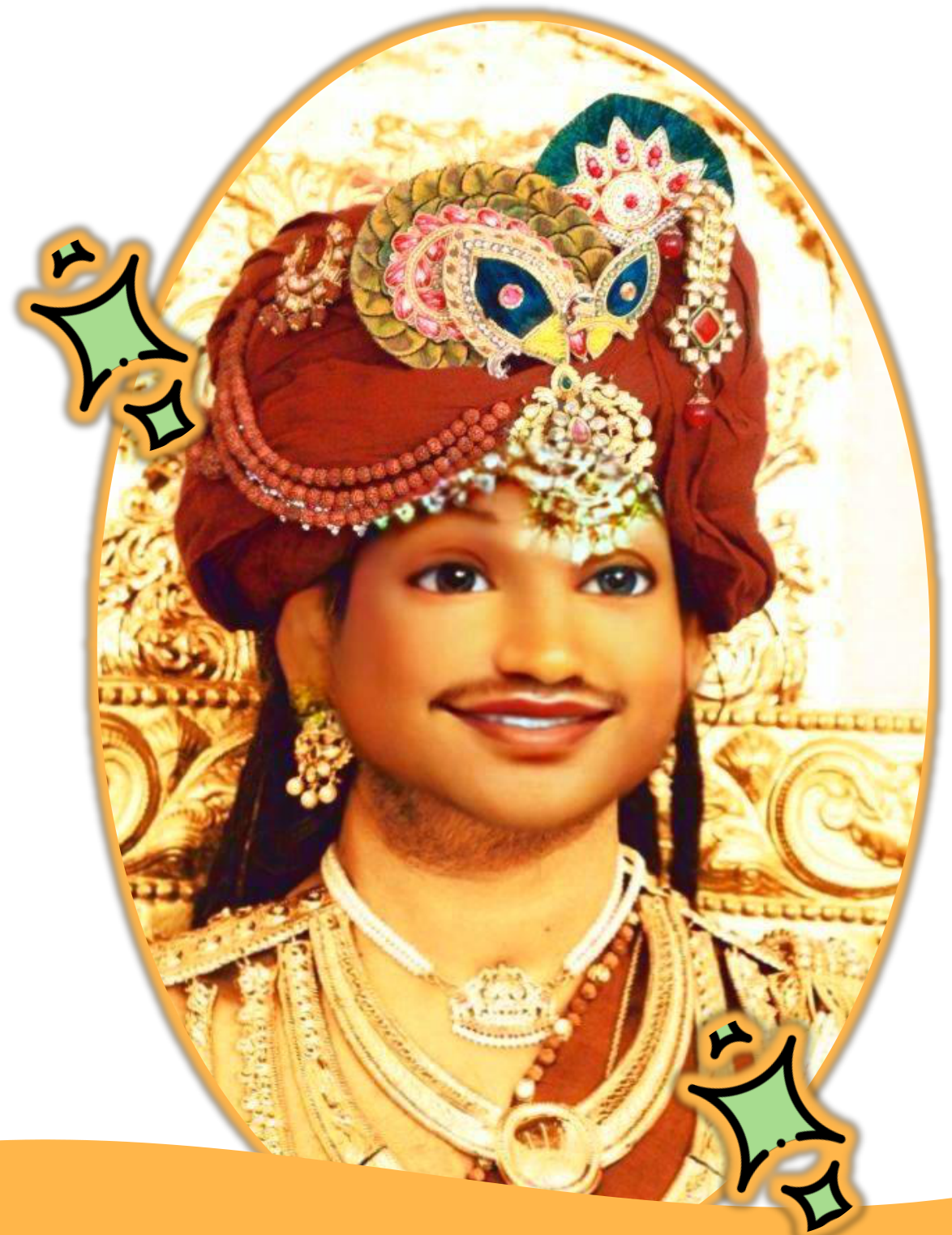
POWERFUL COGNITION
A person who has performed virtuous activities takes birth in a family of righteous people
6.42
अथवा योगिनामेव कुले भवति धीमताम् ।
एतद्धि दुर्लभतरं लोके जन्म यदिदृशम्
॥६=४२॥
athavā yogināmeva kule bhavati dhī
matām etaddhi durlabhataraṃ loke
janma yadīdṛśam
Or the Yogī certainly takes birth in a
family of wise people. Certainly, such a
birth is rare in this world
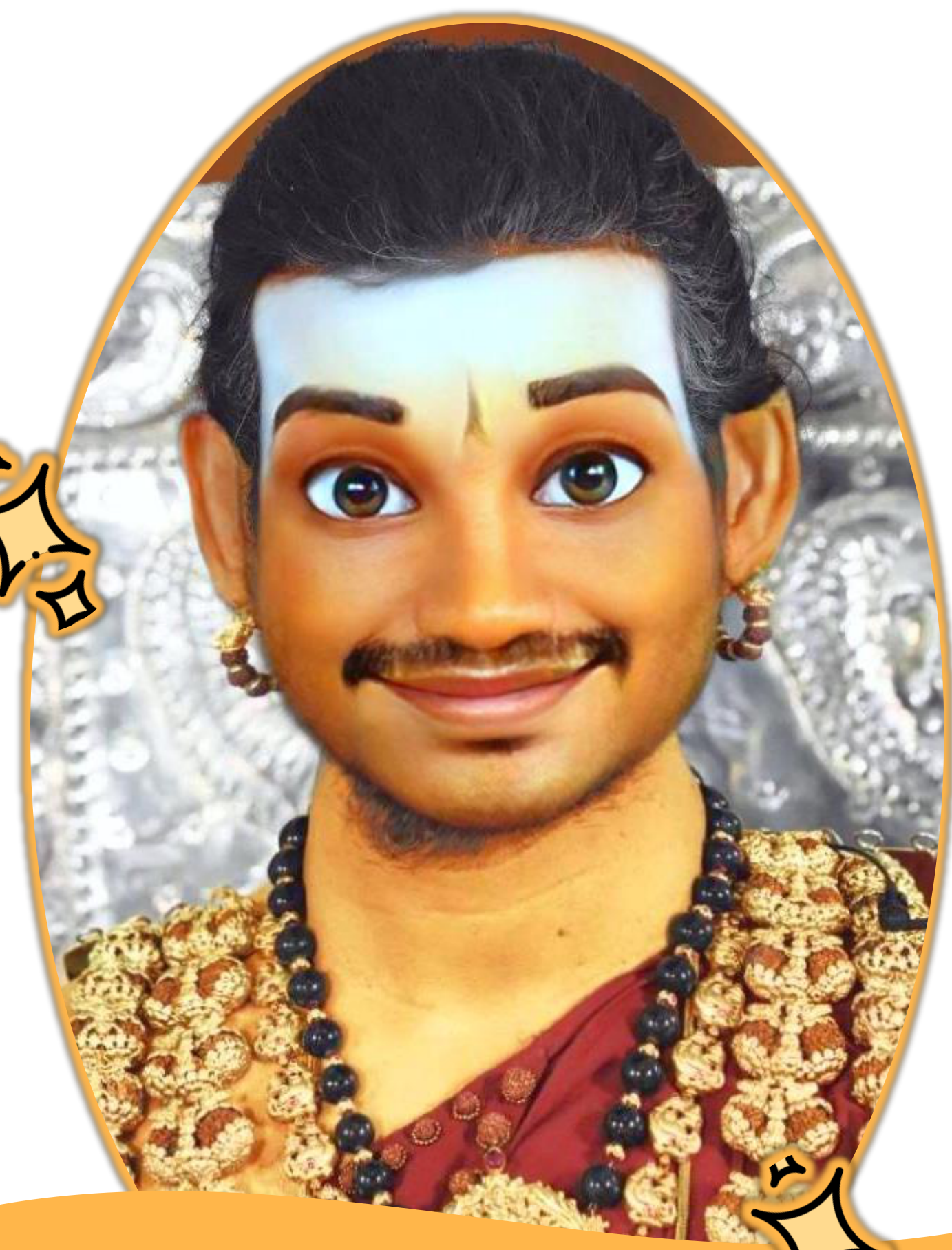
POWERFUL COGNITION
We can choose our body and the time that we wish to be born.
6.43
तत्र तं बुद्धिसंयोगं लभते पौर्वदेहिकम् ।
यतते च ततो भूयः संसिद्धौ कुरुनन्दन
॥ ६-४३ ॥
tatra taṁ buddhasaṁyogaṁ labhate
paurva dehikam yatate ca tato bhūyaḥ
saṁsiddhau kurunandana
O son of Kuru, on taking such a birth,
he revives the intelligence,
consciousness of the previous body, and
tries again to attain complete success
[yoga]
POWERFUL COGNITION
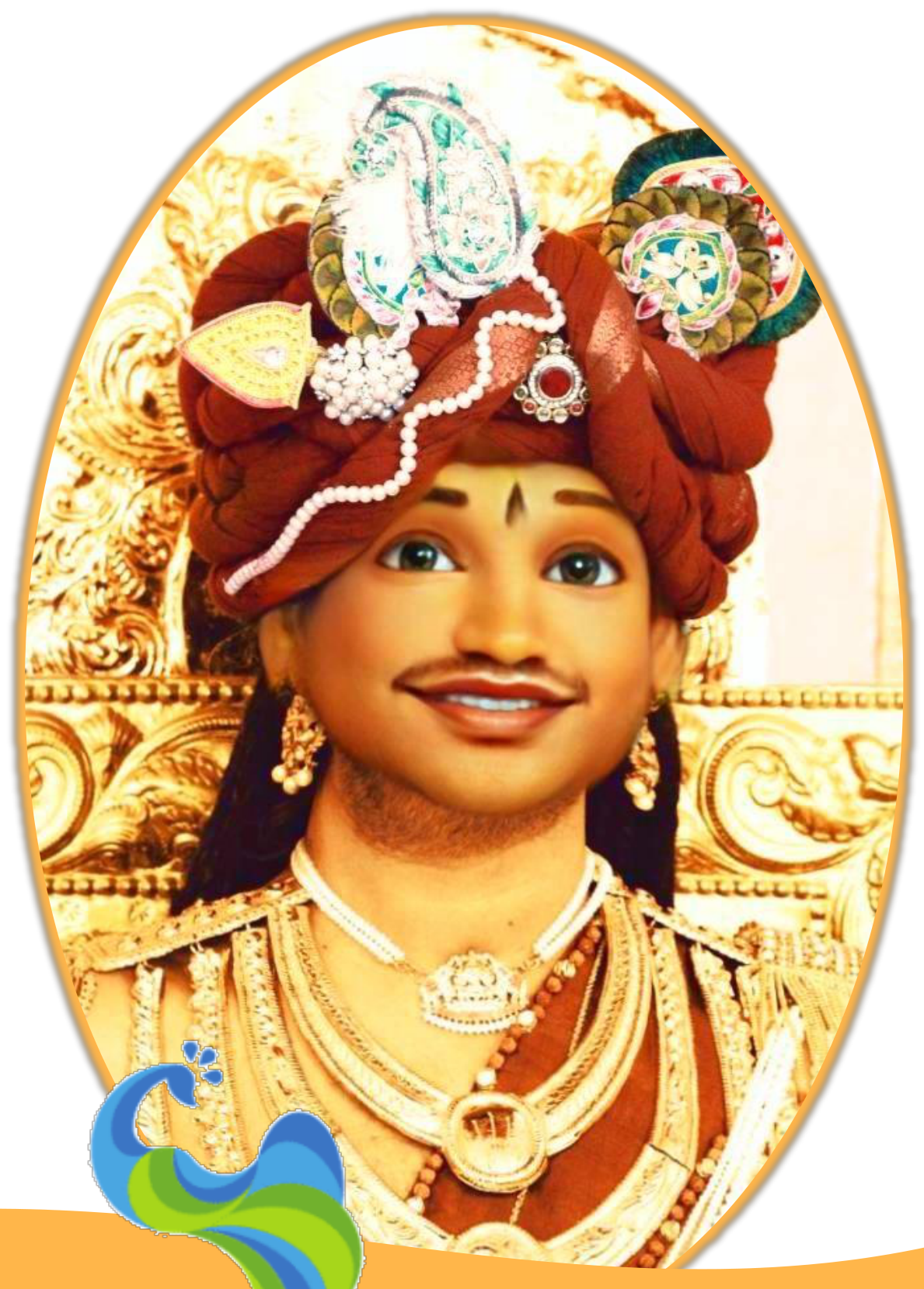
On taking birth, we continue the journey where we left off.
iNTRODUCTiON
Kṛṣṇa talks about how we choose
everything in our lives, including our
birth, when and where we are born
and whom we choose as our parents.
This truth may seem difficult for most
of us to believe. Our birth is not just
an accident. It is an incident and we
are the ones who choose all the details
about this incident. We must
understand that it is only we who
program and design everything and
everybody in our life, including our
parents and environment.
For example, if we live to eat rather than eat to live, at the time of death, we will still have the desire to continue eating. So, we might choose the body of a pig. Or, if we have lived our life only for sleeping, we might choose the body of a buffalo. So, based on the attitude we have lived with, we choose the next body. This is the basic idea on which our janma-maraṇa cakra (cycle of life and death) revolves.
Here, Kṛṣṇa gives the assurance to Arjuna and to the whole of humanity that a person who has performed virtuous activities takes birth in a family of wise people or in a prosperous family.

When we live our life running behind our greed and desires, running after "what next? what next....?," naturally, at the time of our death also, we will not be ready to leave the body. The body will be tired of running behind desires continuously, but the mind will not be ready to leave. So we will leave the body in the pain and suffering. If we can just relax into the present, we will leave the body in a relaxed way, peacefully
Once we leave the body, in three
kṣaṇa, three moments, we get
into a new body and we are
reborn. Kṣaṇa in Saṃskṛit means
the gap between two thoughts. If
we have been constantly running
behind desires, the gap between
two thoughts will be really small
for us. When we learn to relax
into the present, the gap between
two thoughts increases and the
three kṣaṇas can be a long time.
Here, Kṛṣṇa says that on taking
birth, we gain the intelligence of
the previous body and continue
the journey where we left off.
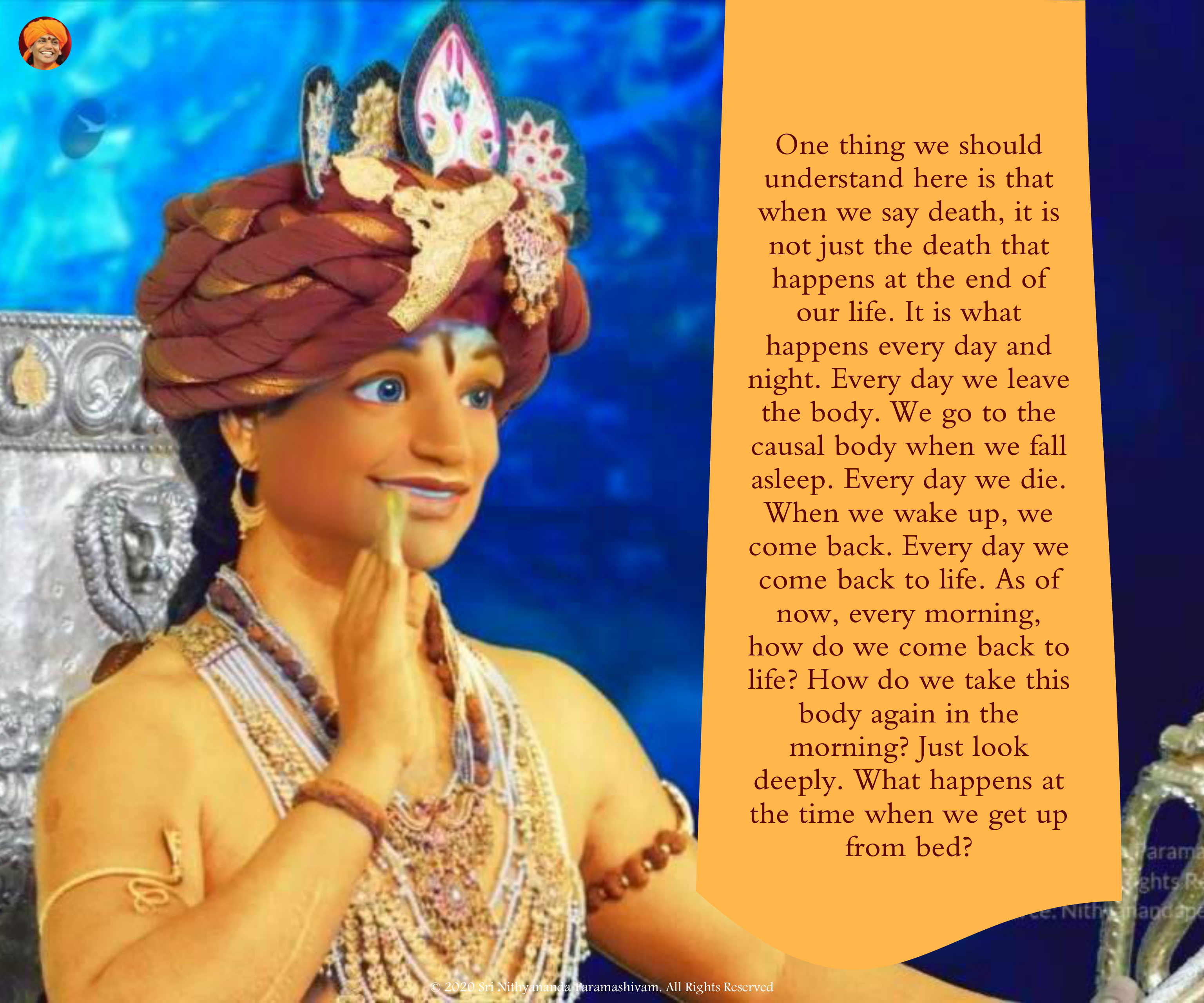
One thing we should understand here is that when we say death, it is not just the death that happens at the end of our life. It is what happens every day and night. Every day we leave the body. We go to the causal body when we fall asleep. Every day we die. When we wake up, we come back. Every day we come back to life. As of now, every morning, how do we come back to life? How do we take this body again in the morning? Just look deeply. What happens at the time when we get up from bed?
First thing, usually, the moment we gain awareness, either a thought based on greed or fear will hit us. There will be thoughts based on greed such as, ‘I need to get this today,’ or thoughts based on fear such as, ‘I have to finish this work today.’ Some thought based on fear or greed will hit us. Immediately, we will jump out of our bed. When we get up from bed, let the first thought be related to love and compassion.
Wake up only to express life in bliss. Wake up just out of joy.
Goals: For the child to understand our choices in the cycle of life and death. If we alter our thoughts at the time of waking up, we will alter the whole consciousness..
ASSESSMENTS
- Is our birth an accident?
- Who programs and designs everything and everybody in our life?
- What does assurance Kṛṣṇa give to Arjuna?
- When do we leave the body in pain and suffering? What is a kṣaṇa?
- How many kṣaṇa between when we leave the body and we get into a new body?
- What should be our first thought when we get up from bed?

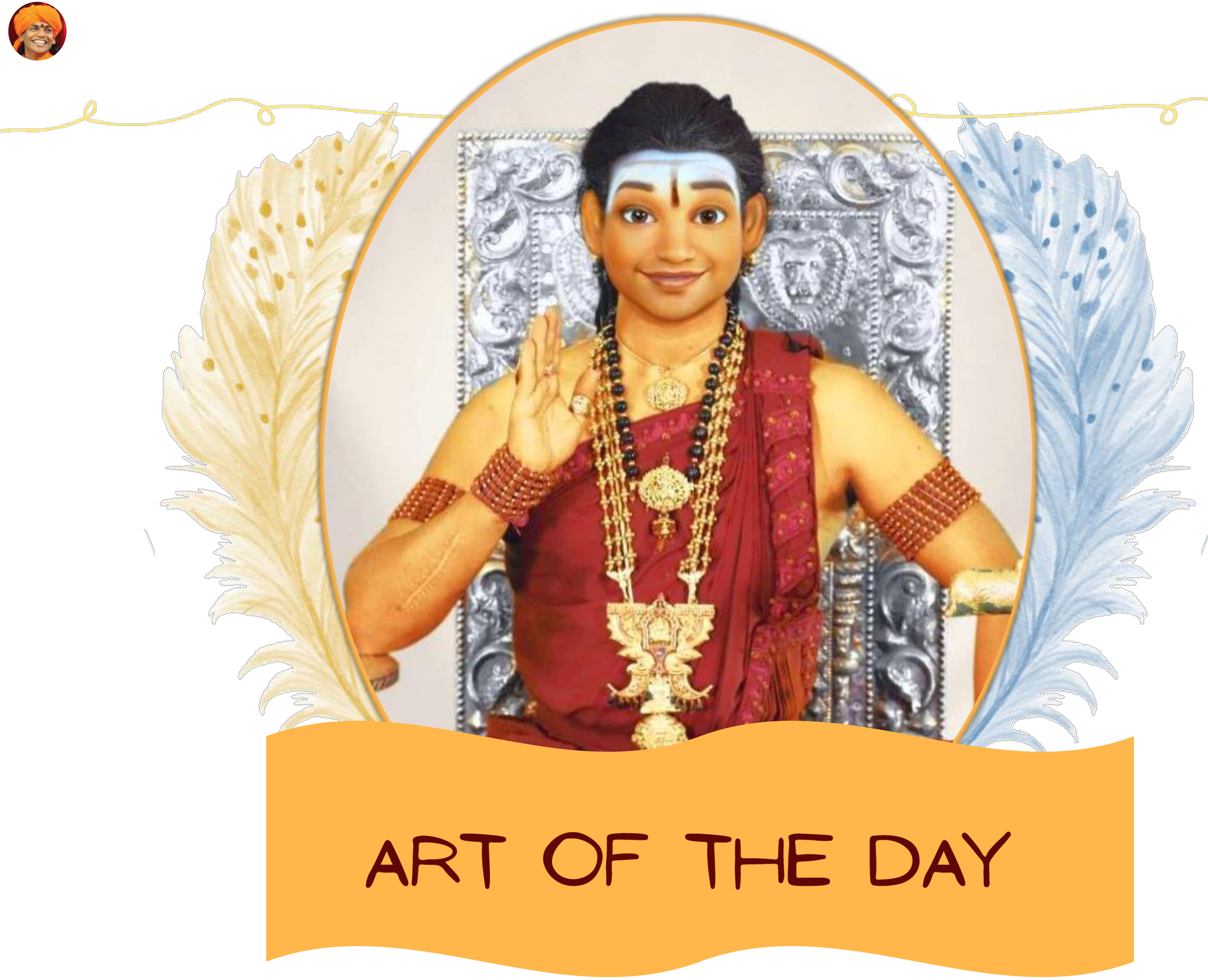
ART OF THE DAY
ART OF THE DAY:
SKETCH YOUR BIRTH CERTIFICATE
MATERIALS NEEDED:
❖ Paper Pens
❖ Color pens
PROCEDURE Normal birth certificates have only minimum information on them, like date of birth and parents' names. Get the children to design themselves a new birth certificate which has all information they can think of that they chose for their birth.
INFERENCE We are the ones who choose all the details about our birth. Our birth is not just an accident. It is an incident.

ACTIVITY OF THE DAY

PROCEDURE Hold a short Unclutching meditation for the children. Explain that their thoughts are just like bubbles in a fish tank, the bubble starts, rises up, then dissolves again. Ask them what happened with their thoughts during the Unclutching meditation.
INFERENCE It's possible to have shorter and longer gaps between two thoughts When we learn to relax into the present, the gap between two thoughts increases
ACTIVITY OF THE DAY:
UNCLUTCHING MEDITATION
WORKSHOP OF THE DAY
WORKSHOP OF THE DAY
VAARKYARTHA SAADHAS
Get the children to hold Vaakyartha sadhas on ❖ How they now understand sleep, ❖ How they can ensure that when they wake up, they are reminded to think about things related to love and compassion
CONCLUSION
Wake up only to express life in bliss. Early morning, let the first thought be gratitude. Let it be out of love and compassion.
- BHAGAVAD GITA -
BOOK VI, VOLUME XI