Bhagavad Gita Chapter 6
This text was machine-transcribed from the printed book and may contain errors. Select the words and choose “Report a mistake”.
- BHAGAVAD GITA -
BOOK 6 Collection
Authored by
THE SPH NITHYANANDA PARAMASHIVAM
DISCLAIMER
KAILASA's Rajavidya Nithyananda Gurukul
All rights reserved. No part of this publication may be reproduced or stored in a
retrieval system or transmitted by any form or by any means - electronic, mechanical,
photocopying, recording or otherwise, without the written permission of the publisher.
All meditation techniques, practices and procedures described or recommended in this
book, are suitable for practice only under the direct supervision of an instructor, trained
and ordained by Supreme Pontiff His Divine Holiness Bhagavan Nithyananda
Paramashivam. Further, you should consult your personal physician to determine
whether those techniques, practices are suitable for you in relation to your own health
and ability. This publication is not intended to be a substitute for any personal medical
attention, examination or treatment. Should any person engage in any of the techniques,
practices described or recommended in this book, he/she would be doing so at his/her
own risk. The authors and publisher advise readers to take full responsibility for their
health and know their limits.
Readers understand that all blessings, instructions, initiations, teachings and suggestions
made as part of any program/technique described in the book are purely in a spiritual
capacity and are not intended to be any sort of guarantee or definitive statement about
the past, present, or the future or any sort of medical advice, physical or mental. Readers
understand that the author, publisher, co-collaborators with any or all of the programs/
techniques, instructions, initiations, teachings described in the book do not make any
claims, promises, or guarantees about the individual or group outcome of any or all the
programs/techniques described in the book.
Ebook ISBN: 979-8-88572-479-1
© 2020 Sri Nithyananda Paramashivam. All Rights Reserved.
ABOUT THE AUTHOR
THE SPH NITHYANANDA PARAMASHIVAM
The Supreme Pontiff of Hinduism ("SPH") Nithyananda Paramashivam, is recognized as the 1008th living manifestation of Paramashiva, Paramavatar of Paramaśiva as per Sanatana Hindu Dharma ("Hinduism") and by His predecessors of enlightened masters and adepts. The Supreme Pontiff of Hinduism ("SPH") Nithyananda Paramashivam, is reviving Hinduism as the 1008th Acharya Mahamandaleshwar (the head for all spiritual leaders) of Atal Akhada (ancient apex body of Hinduism).
ABOUT THE AUTHOR
THE SPH
NITHYANANDA PARAMASHIVAM
The SPH was coronated as
Mahamandaleshwar (Supreme Spiritual
Head) of Maha Nirvani Akhada (largest
apex monastic order) and the youngest
Mahamandaleshwar, ordained as the
233rd Guru Mahasannidhanam (Pontiff)
of Thondai Mandala Aadheenam,
ordained as the 293rd Guru
Mahasannidhanam (Pontiff) of
Shyamalapeeta Sarvajnapeetam, ordained
as the 23rd Guru Mahasannidhanam of
Dharmamukthi Swargapuram
Aadheenam, and coronated as the 203rd
Emperor of Suryavamsa Surangi The
SPH Nithyananda Paramashivam is the
reigning spiritual emperor of 20 ancient
traditional Hindu kingdoms and the
reviver of the most ancient, most
peaceful, still-living and long-lasting
demonstrable system that shows the
possibility of peaceful co-existence
amongst people.
KAILASA
Hinduism is the most ancient, most peaceful, still-living and long-lasting demonstrable system that shows the possibility of peaceful co-existence amongst people despite fundamental differences in their preferences and realities.
Over the last 50 years, the effects of meditation and its significant impact on stress, crime rates, violence, political decision making and even war in local and global consciousness is well established. Hinduism was once practiced freely in over 56 nations across the continent from Afghanistan, India, Nepal, Burma, Sri Lanka, all the way to Singapore, Malaysia, and Cambodia and Indonesia, and in 200 states, 1700 samsthanas (provinces) and 10,000 sampradayas (traditions).
The KAILASA with de facto spiritual embassies operating across over 100 countries and having presence across the globe as the largest spiritual knowledge source on Hinduism is spiritually governed with the life positive, all-inclusive, universal policies sourced from Hinduism revived by The SPH Nithyananda Paramashivam.
Having enriched and enreached more than one billion individuals over the past 27 years the KAILASA raises the voice to protect Hindus, defend Hindus and preserve the Hindu narrative for the world.
INTRODUCTION TO BHAGAVAD GITA: SONG OF GOD
Śrīmad Bhagavad Gītā is the ultimate sacred scripture of yoga, Yogaśāstra and the pristine glory of the Vedic culture, the eternal living tradition called sanātana-dharma. It belongs to the whole Universe for it is delivered to the Universe by the source and embodiment of Universe. We salute and bow down to Bhagavān Śrī Kṛṣṇa, who spoke the Bhagavad Gītā out of His infinite love and compassion for all beings.
Whenever unrighteousness, adharma becomes predominant and dharma, righteous living declines and the Yoga of Enlightenment is lost, Parabrahma Kṛṣṇa, the Supreme Consciousness appears again and again to revive this sacred yoga, to protect and to enrich the devoted beings; and destroys adharma to re-establish the pure and everlasting dharma.
Gītā is also called Brahmavidyā—the Knowledge of Brahman, the supreme absolute truth; it is Jīvan Mukti Vijñāna—the Science of Living Enlightenment.
INTRODUCTION TO BHAGAVAD GĪTĀ: SONG OF GOD
As with all scriptures, it is the knowledge and experience that is transmitted verbally as Śri Kṛṣṇārjuna Saṃvād, an intimate dialogue between Master of the world, Jagadguru Lord Śrī Kṛṣṇa and His dear devotee and disciple, Arjuna. It is called śruti in Saṃskṛit, meaning something that is heard.
Gītā, as Bhagavad Gītā is generally called, translates literally from Saṃskṛit as 'Sacred Song of God'. Unlike the Vedas and Upaniṣads, which are stand alone expressions of Truth, the Gītā is written into the greatest Hindu epic, the Mahābhārat, called a purāṇa, an ancient historical happening. It is part of the recorded history of the greatest tradition, the paramount civilization in all its Divine grandeur and its human complexity, so to speak.
No other epic or part of an epic has the special status and space of the Gītā. No other book but the Gītā gives a scientific, systematic, applied science of living joyfully in completion, while empowering the human action-field with authenticity to evolve into a responsible Divine play-field.
INTRODUCTION TO BHAGAVAD GĪTĀ: SONG OF GOD
Called the royal supreme knowledge and the royal secret of secrets—rājavidyā rājaguhyaṁ (9.2), this one sacred book conveys the essence of knowledge contained in all written and oral vedic truths to enrich the simplest to complex humans at all planes. It holds within itself the direct key to every possible human enquiry, the solution to every dilemma of emotions, and the sublime righteous path and goal of every quest of rising or falling civilizations for every age, time or geography. As a consequence of the presence of the Gītā, the Mahābhārat epic itself is considered a sacred Hindu scripture.
INTRODUCTION TO BHAGAVAD GITA: SONG OF GOD
Gītā arose from the super
consciousness of Śri Kṛṣṇa, the
Supreme God, the complete
Incarnation Purnāvatār, and is
therefore considered Gītāśastra—the
essential scripture, knowing which,
one is liberated from all
incompletions, yaj jñātvā mokṣyase
asubhāt (9.1) and Gītopaniṣad—the
essence of all Upaniṣads, the purest
and highest knowledge to be ever
known and cognized because it gives
the direct experience of the Self—
pavitram idam uttamam
pratyakṣāvagaṁ dharmyaṁ (9.2).
INTRODUCTION TO BHAGAVAD GITA: SONG OF GOD
Gītā is the ultimate practical teaching on the inner science of spirituality that expresses as outer victory and success in life now and after. It is not, as some scholars incorrectly claim, a promotion of violence. It is about the impermanence of the mind and body, and the need to go beyond the mind, ego and logic.
The answers of the Divine, Śrī Kṛṣṇa, transcend time and space. Śrī Kṛṣṇa’s message is everlasting and joyfully performed, and is as valid today as it was on that fateful battlefield over five thousand years ago. The science of Gītā is the eternal technique of living in completion; the song of Gītā is the eternal life-enriching nectar, having no expiry date, time or age!
WHAT HAPPENED DURING THE MAHABHARATA?
Mahābhārat, literally meaning the great Bhārata, is a grand narration about the nation and civilization, which is now known as India. It was then a nation ruled by king Bhārata and his descendants.
Look into your life! Your whole life is nothing but the Mahābhārat War. The Mahābhārat should be read again and again to understand the intricacies of life, the complications of life, and the ability to handle life. The true story of this perfectly recorded epic is about two warring clans, Kauravas and Pāṇḍavas, closely related to one another. Dhṛtarāṣṭra, the blind king of Hastināpur and father of the 100 Kaurava brothers was the brother of Pāṇḍu, whose children were the five Pāṇḍava princes. It is a tale of strife between cousins and ultimately between dhārmic and adhārmic, righteous and unrighteous civilizations.
WHAT HAPPENED DURING THE MAHABHARATA?
Since Dhṛtarāṣṭra was blind, Pāṇḍu was made the king of Hastināpura. Pāṇḍu was cursed by a sage that he would die if he ever entered into a physical relationship with his wives.
He therefore had no children. Vyāsa says that all the five Pāṇḍava children were born to their mothers Kuntī and Mādri through the blessing of divine beings. Pāṇḍu handed over the kingdom and his children to his blind brother.

WHAT HAPPENED DURING THE MAHABHARATA?
Kuntī, who is the embodiment of tapas,
spiritual penance, had received a boon
when she was still a young unmarried
adolescent, that she could summon any
divine power at will to father a child.
Before she married, she tested her boon.
The Sun god, Sūrya appeared before her.
Karṇa was born to her as a result. In fear of social reprisals, she cast the newborn away in a river. Yudhiṣṭra, Bhīma and Arjuna were born to Kuntī after her marriage by invocation of her powers, and the twins Nakula and Sahadeva were born to Mādri, the second wife of Pāṇḍu.
WHAT HAPPENED DURING THE MAHABHARATA?
Yudhiṣṭra was born to Kuntī as a result of her being blessed by Yama, the god of death, dhamra and justice, Bhīma by Vāyu, the god of wind, and Arjuna by Indra, god of all the divine beings. Nakula and Sahadeva, the youngest Pāṇḍava twins, were born to Mādri, through the Divine Aśvini twins.
Dhṛtarāṣṭra had a hundred sons through his wife Gāndhārī. The eldest of these Kaurava princes was Duryodhana. Duryodhana felt no love for his five Pāṇḍava cousins. He made many unsuccessful attempts, along with his brother Duśśāsana, to kill the Pāṇḍava brothers. Kuntī's eldest son Karṇa, whom she had cast away at birth, was found and brought up by a chariot driver in the palace, and by a strange twist of fate, joined hands with Duryodhana.
WHAT HAPPENED DURING THE MAHABHARATA?
Dhṛtarāṣṭra gave Yudhiṣṭra one half of the Kuru kingdom on his coming of age, since the Pāṇḍava prince was the rightful heir to the throne that his father Pāṇḍu had vacated.
Yudhiṣṭra ruled from his new capital Indraprastha, along with his brothers Bhīma, Arjuna, Nakula and Sahadeva.
Arjuna won the hand of princess Draupadī, daughter of the king of Pāñcāla, in a svayaṁvara, a marital contest in which princes fought for the hand of a fair damsel.
WHAT HAPPENED DURING THE MAHABHARATA?
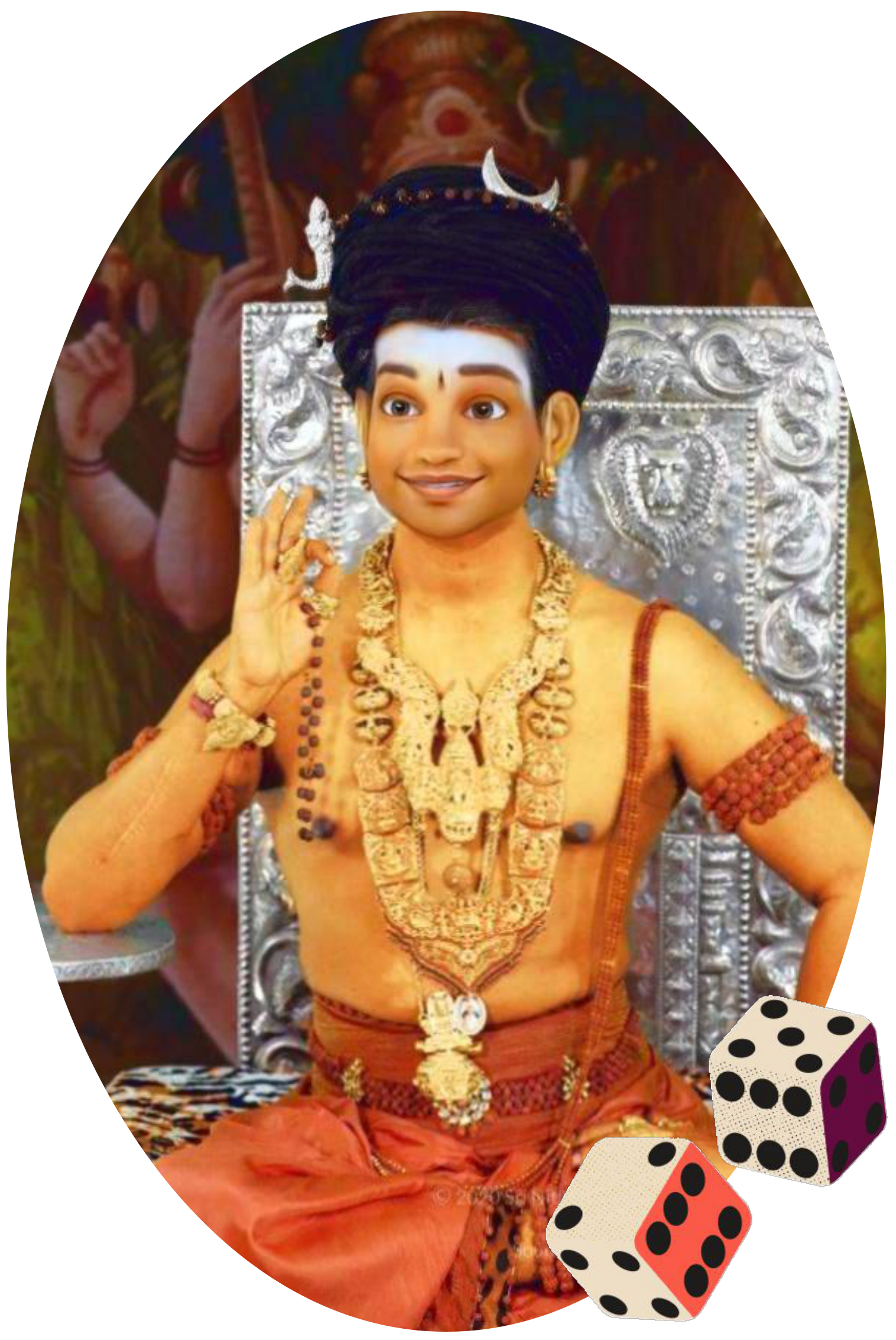
In fulfillment of their mother Kuntī's desire that the brothers share everything equally, Draupadī became the wife of all five Pāṇḍava brothers. Duryodhana persuaded Yudhiṣṭra to join a gambling session, where his cunning uncle Śakunī defeated the Pāṇḍava king.
Yudhiṣṭra lost all that he owned—his
kingdom, his brothers, his wife and
himself, to Duryodhana. Duśśāsana
shamed Draupadī in public by trying to
disrobe her. The Pāṇḍava brothers and
Draupadī were forced to go into exile
for fourteen years, with the condition
that in the last year they should live
incognito or ajyāta vāsa.
WHAT HAPPENED DURING THE MAHABHARATA?
At the end of the fourteen
years, the Pāṇḍava
brothers tried to reclaim
their kingdom. In this
effort they were helped by
Śrī Kṛṣṇa, the king of the
Yādava clan, who is the
eighth divine incarnation
of Bhagavān Viṣṇu.
However, Duryodhana
refused to yield even a
needlepoint of land, and
as a result, the Great War,
the War of Mahābhārat
ensued. In this war,
various rulers of the entire
nation that is modern
India aligned with one or
the other of these two
clans, the Kauravas or the
Pāṇḍavas.
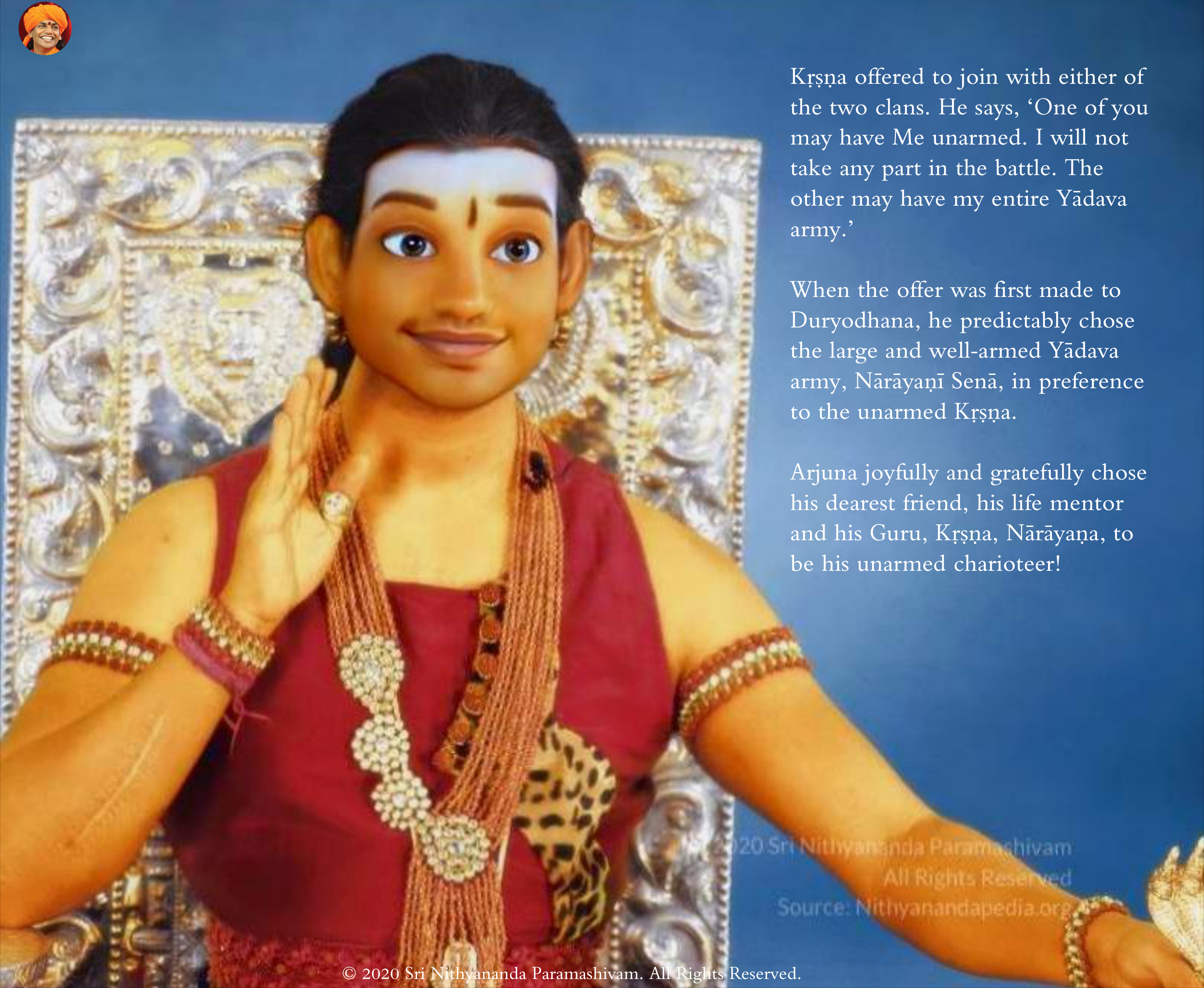
Kṛṣṇa offered to join with either of the two clans. He says, ‘One of you may have Me unarmed. I will not take any part in the battle. The other may have my entire Yādava army.’
When the offer was first made to Duryodhana, he predictably chose the large and well-armed Yādava army, Nārāyaṇī Senā, in preference to the unarmed Kṛṣṇa.
Arjuna joyfully and gratefully chose his dearest friend, his life mentor and his Guru, Kṛṣṇa, Nārāyaṇa, to be his unarmed charioteer!
THE SIGNIFICANCE OF MAHABHARAT
This whole history is such a beautiful happening. Mahābhārat is actually your life! Every character in the Mahābhārat teaches so much! We don't need to go anywhere for our life success or fulfillment or for anything else that we may desire. We don't need to study any other book to learn the human psychology or the science of living and leaving. Whether we seek righteous living—dharma; or we want to learn business or administration, economy or abundance—artha; or we want to create the best rich lifestyle—kāma; or we want to be a leader and want the enriching life of being enlightened—mokṣa, for all these purposes, we don't need anything other than the Mahābhārat!
Study each character. We will not find any more characters in our life than the characters described in the Mahābhārāt!
Any character we see in our life is mapped to Mahābhārāt's one character. They are either half or full representation of some character.
To know how to handle them and even handle yourself, just see how Śrī Kṛṣṇa handles them and handle them the same way. The Mahābhārāt war is a representation of life as it was lived in that age.
Vyāsa, its author is an unbiased historian who recorded the whole history as it happened without trying to apply any makeup. People ask whether the Mahābhārāt war happened at all!

THE SIGNIFICANCE OF MAHABHARAT
THE SIGNIFICANCE OF MAHABHARAT

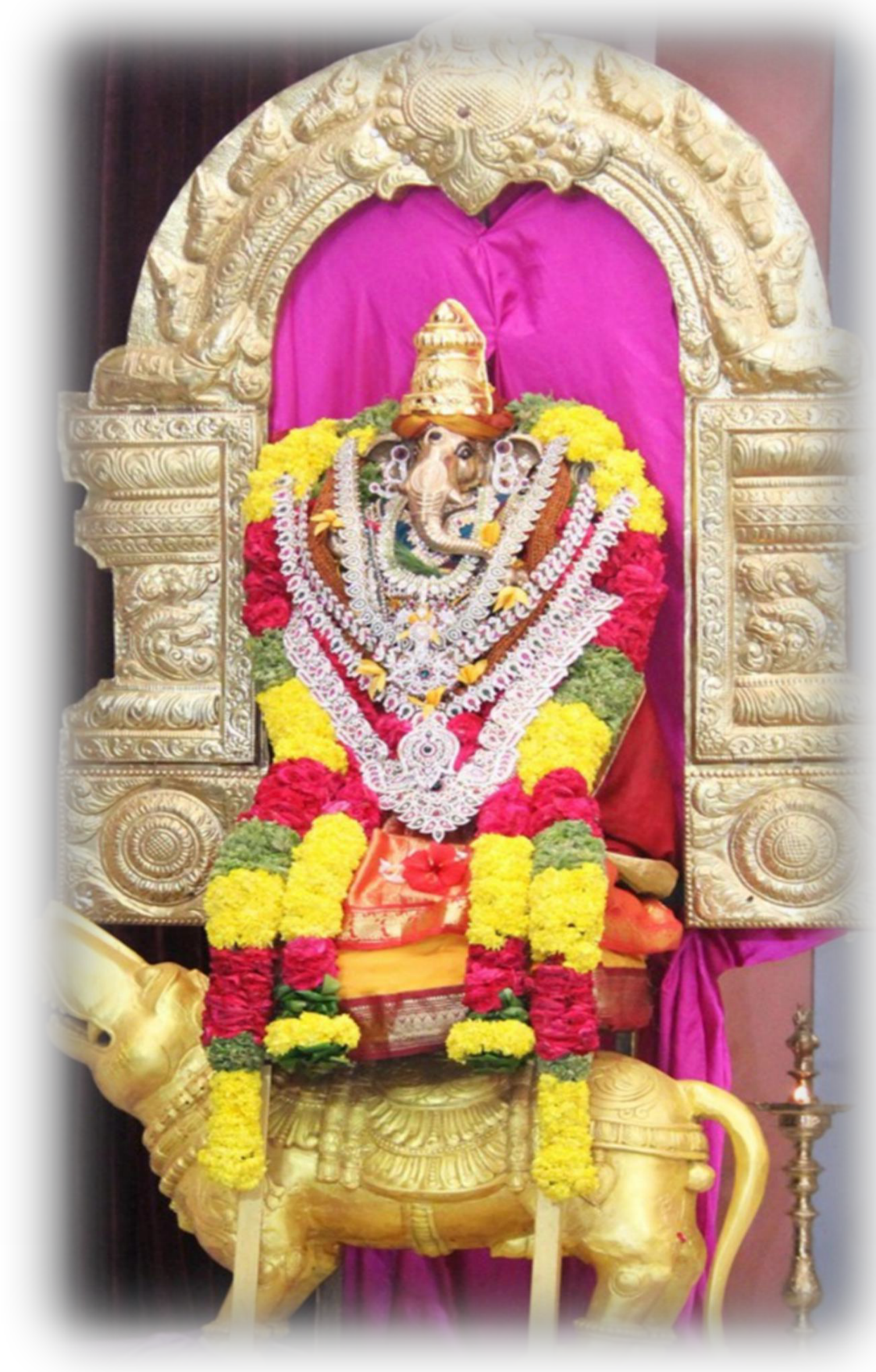
If the Mahābharāt was a story and not history, Vyāsa should receive multiple Pulitzer prizes for his highly creative work! The Mahābharāt is the longest literary work in the whole world with hundred thousand Saṁskṛit verses—the longest poem ever written with such delicate harmony of unmatched poetic perfection. It is larger than the Greek epics. Vyāsa had no computer, no tape recorder with speech-to-text capabilities. He dictated and Bhagavān Ganeṣa wrote it down!
CHARACTER SKETCH
❖ Yudhiṣṭra is embodiment of Integrity— the power of words, vāk śakti.
❖ Bhīma is embodiment of Authenticity— the power of thoughts, mano śakti.
❖ Arjuna is embodiment of
Responsibility—the power of feeling,
prema śakti.
❖ Sahadeva is embodiment of Enriching— the power of living, ātma śakti.
❖ Nakula is embodiment of causing reality for others.
CHARACTER SKETCH
- Śakuni, the maternal uncle of Duryodhana embodies the pattern of self-hatred, which is cunningness personified.
- Droṇa represents all the best knowledge one imbibes and the teachers one encounters, who guide us but are unable to take us through to the ultimate flowering of enlightenment. It is difficult to give them up since one feels grateful to them. This is where the Enlightened Master, the incarnation steps in and guides us.
- Duryodhana, represents one's ego or root-pattern, the most difficult to conquer as it leads one to self-destruction. One needs the full help of the Master here. It is subtle work and even the Master's help may not be obvious, since at this point, sometimes the ego makes us deny and disconnect from the Master as well.
CHARACTER SKETCH
❖ Karṇa is the repository of all good deeds and it is his good deeds that stand in the way of his own Enlightenment. Śrī Kṛṣṇa has to take the load of Karṇa's puṇya, his meritorious deeds, before he could be liberated. The Enlightened Master guides one to drop one's attachment to good deeds arising out of what are perceived to be charitable and compassionate intentions. He also shows us that the quest for and the experience of enlightenment is the ultimate act of compassion that one can offer to the world.
❖ Bhagavan Śri Kṛṣṇa, the 8th most powerful purnāvatar of Ṃaha Viśnu, is the embodiment of pure celebration, boundless love, compassion, and completion.
Bhagavan Śri Kṛṣṇa is the only incarnation demonstrating and expressing Ṣarva Ṃangalatva all the auspicious qualities and all dimensions of an avatar during His physical happening. The līla Bhagavan Śri Krsna is one of sheer innocence and simplicity, in a peace-loving, diplomatic, conflict-free way.
Till now everyone blames Bhagavan Sri Krishna for this Kurukshetra war but that's the greatest sacrifice Bhagavan Sri Krishna did to save the planet Earth. If Kurukshetra was not conducted at that time under the controlled conditions and direct supervision of Bhagavan Sri Krishna, planet Earth would not have survived more than three years.
The wide spread availability of the Astra shastras without Shastra, without the knowledge and vision, was posing a huge threat to the whole of humanity and planet Earth, and for life itself. The greatest achievement of Bhagavan Sri Krishna is destroying all the weapons in one controlled condition and saving planet earth, eliminating the nuclear weapons and the knowledge of these nuclear weapons to save humanity from total annihilation.

Bhagavad Gītā appears in the heart of Mahābhārat in Bhīṣma Parva, the sixth chapter of its eighteen chapters. Veda Vyāsa, the narrator, in glorifying the Gītā sings, 'the one who drinks the water of Ganges (the sacred river for Hindus) attains liberation, what to speak of the one who drinks the nectar of Gītā?
Gītā is the essential nectar of the Mahābhārat, bhāratamṛta sarvasvam as it is directly spoken by Nārāyaṇa, Bhagavān kṛṣṇa Himself.'
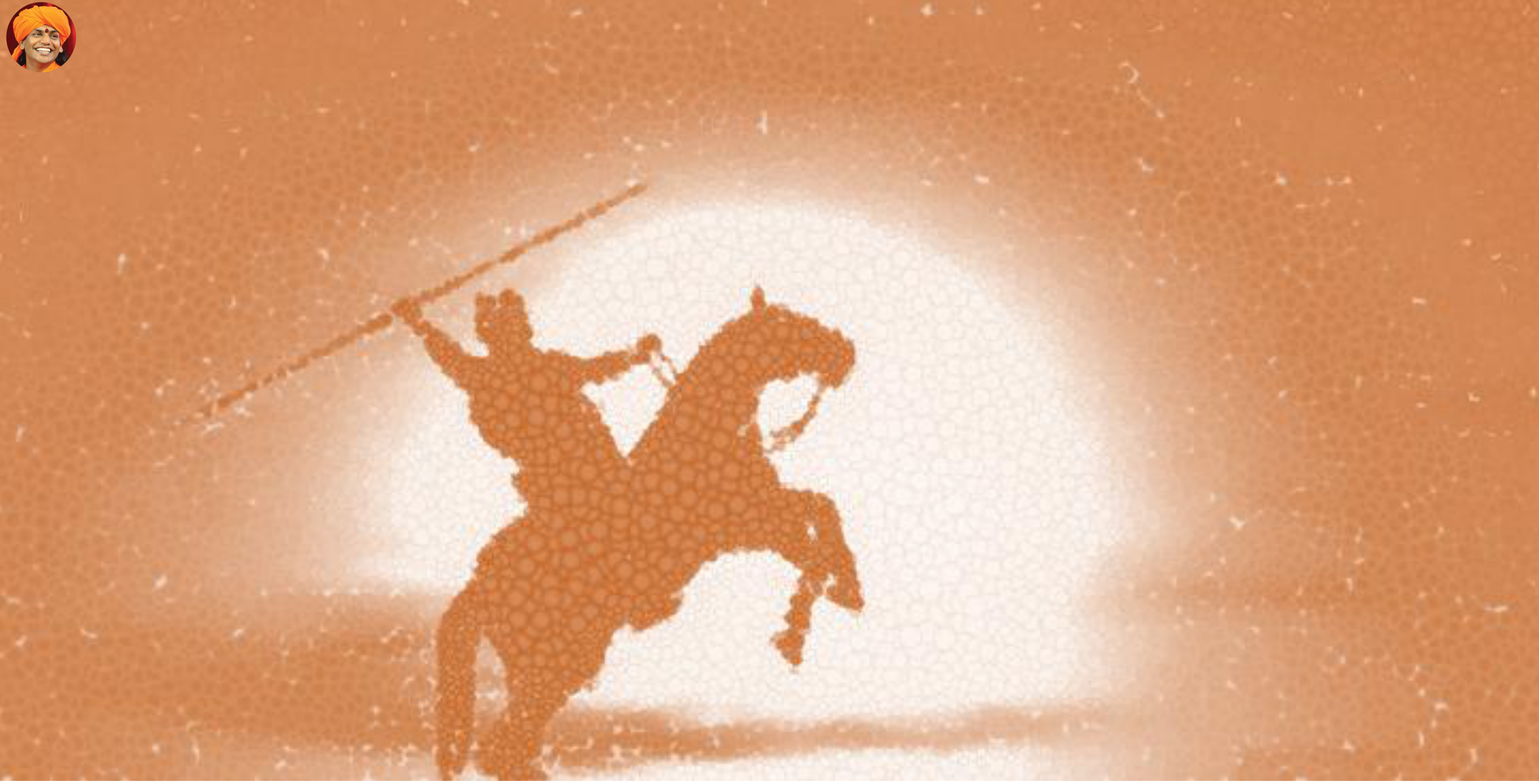
The armies assembled in the vast field of Kurukṣetra, now in the state of Haryana in modern day India. All the kings and princes were related to one another, and were often on opposite sides. Facing the Kaurava army and his friends, relatives and teachers, Arjuna was overcome by remorse and guilt, and wanted to walk away from the battle out of total powerlessness unbecoming an invincible warrior among warriors.
Śrī Kṛṣṇa’s dialogue with Arjuna on the battlefield of Kurukṣetra out of His utmost concern and love for him and humanity is the content of Bhagavad Gītā. Of its seven hundred and forty-five (745) verses, Bhagavān Śrī Kṛṣṇa sings the Gītā in six hundred and twenty (620) verses responding to Arjuna’s fifty-seven (57) enquiries.
Śrī Kṛṣṇa persuades Arjuna to give-up his powerlessness unfitting an Ārya—the spiritually evolved one who understands human life and urges him to raise himself again as Parantapa—the conqueror of enemy, and take up arms and vanquish his enemies. They are already dead,’ says Śrī Kṛṣṇa, ‘All those who are facing you have been already killed by Me. Go ahead and do what you have to do. That is your responsibility. Do not worry about the outcome. Leave that to Me.’
- BHAGAVAD GITA -
BOOK VI, VOLUME I
Attain The State Of Yoga
Authored by
THE SPH NITHYANANDA PARAMASHIVAM
श्रीभगवानुवाच ।
अनाश्रितः कर्मफलं कार्यं कर्म करोति यः ।
स संन्यासी च योगी च न निरग्निर्न चाक्रियः
॥ ६-१ ॥
śrībhagavānuvāca anāśritaḥ
karmaphalaṃ kāryaṃ karma karoti yaḥ
sa sanyāsī ca yogī ca na niragnirna
cā’kriyaḥ
Bhagavān says: One who performs his
actions without being attached to their
fruit (outcome) of his work is a
Sannyāsī, and he is truly an ascetic; a
Yogi also. not the one who renounces
to light the fire and performs no action
POWERFUL COGNITION
Drop your fantasies. Live with reality.
यं संन्यासमिति प्राहुर्योगं तं विद्धि पाण्डव |
न ह्यसंन्यास्तसङ्कल्पो योगी भवति कश्चन
॥ ६-२ ॥
yaṁ sannyāsamiti prāhur yogaṁ taṁ
viddhi pāṇḍava na hyasannyastasaṅkalpo
yogī bhavati kaścana
Pāṇḍava, what is called renunciation, or sannyāsa, you must know to be the same as yoga, or uniting oneself with the Supreme, for never can anyone become a yogī, until he renounces the desire for self-gratification [saṅkalpa]
POWERFUL COGNITION
Be complete and renounce your thoughts
आरुरुक्षोर्मुनेर्योगं कर्म कारणमुच्यते ।
योगारूढस्य तस्यैव शमः कारणमुच्यते
॥ ६-३ ॥
ārurukṣormuner yogaṁ karma
kāraṇamucyate yogārūḍhasya tasyaiva
śamaḥ kāraṇamucyate
A one desirous of achieving the state of
yoga or no-mind state, action is said to
be the means and for the one who is
already elevated in yoga, cessation from
all actions is said to be the means
POWERFUL COGNITION
The goal of yoga is the path itself.
यदा हि नेन्द्रियार्थेषु न कर्मस्वनुषज्जते ।
सर्वसङ्कल्पसंन्यासी योगारूढस्तदोच्यते
॥ ६-४ ॥
yadā hi nendriyārtheṣu na karmasvanuṣajjate sarvasankalpasannyāsī yogārūḍhastadocyate
Any one is said to have attained the state of yoga when, having renounced all material desires, he neither acts for sense gratification nor engages in result focused activities
POWERFUL COGNITION
Yoga is a technique to achieve the Divine experience
INTRODUCTION
There is a beautiful word in Saṃskṛit: brahmacarya. Brahmacarya refers to a person who lives like the gods, who lives with Existence. Brahmacarya refers to one who lives with reality, one who lives unattached. One of the four stages of life as defined by the scriptures is brahmacarya. This period of brahmacarya at Gurukul, under the Master's guidance in one's early years, provides the background to shed fantasies and live life in reality.
Brahmacarya is nothing but being authentic with high energy happening in you.
BE COMPLETE AND RENOUNCE YOUR THOUGHTS
Kṛṣṇa says, ‘Just renouncing the sacred fire and not performing one’s duty does not mean one is an ascetic or sannyāsi.’ In those days, fire was the basis for everything, whether it was cooking or spiritual practice. For everything one needed fire.
The word ‘fire’ with ‘cell phone’ for today’s world! In this age, we can say, ‘Don’t think that by sacrificing the cell phone and laptop you become a sannyāsi or a great karma yogi.’ Just like how the cell phone and laptop have become a basic necessity today, in those days agnī (fire) was a basic need in life.
Usually, wherever our body is, our mind is not. To bring the mind to where the body is to renounce the inner chatter by completing with thoughts patterns. Thoughts cannot be suppressed. The more we suppress them the more they erupt. We need to let go. We need to constantly bring ourselves back to where our body is, to the present space of completion, to the here and now, away from the dead past and the unborn future.
We may think that we are in control of our mind. But actually, our mind controls us. This is what Kṛṣṇa means by saṅkalpa, self-interest, because the mind wishes to satisfy the senses that it operates and controls. By visualizing, by hearing, by smelling, by tasting, by touching, through the sense organs, our mind wants us to experience pleasures that will keep us under its hold. Only when we renounce the mind's control by going beyond the senses can we become a true renunciate.

Yoga is the renunciation of fantasies that we feel we need for self- satisfaction is Yoga. Yoga is the state when our desires, expressed through sensual pleasures, dissolve. We unite with our true Self in this state. In this state, there is no gap between the Divine and us.
In Saṁskṛit there are two terms, ‘dṛṣṭi sṛṣṭi’ and ‘sṛṣṭi dṛṣṭi’. Dṛṣṭi sṛṣṭi means to look at the world as it is and take life as it comes. Sṛṣṭi dṛṣṭi is just the opposite, when we want to create the world as we would like it to be, as we want to see it. We want the world running according to our fantasies, instead of coming to terms with the reality of the world. This is a sure recipe for disaster.
YOGA – UNITING THE BODY AND MIND
Yoga integrates body, mind and spirit. It is a journey into the inner Self, towards the Self. In Patañjali's Aṣṭāṅga Yoga, bliss is the goal, the path, and the end result. Patañjali's system of yoga is a way of life. If we practice this with integrity and authenticity, it will lead us into enlightenment.
Yoga is a straight technique to achieve the Divine experience. This formula cannot be modified or altered. Actually, yoga refers to the process of uniting. The method in which we do postures in yoga is not important. It is the thought, the idea with which we move our body in the posture that matters. When we reach the state of yoga, we are in a meditative state of bliss.
GOALS
To help the child live in the
present moment without being
attached to fantasies of it. To
help the child understand that
our mind wants to keep us
under its hold and that the
mind wishes to satisfy the senses
that it controls.
ASSESSMENTS
- Who is a brahmacarya?
- If fire was necessary in those days, what's necessary these days?
- Does sacrificing essentials like a cell phone make you a yogi?
- Can we suppress our thoughts?
- What are our 5 senses?
- Does the mind control us or do we control the mind?
- What do these two Saṅskṛit terms mean, ‘dṛṣṭi sṛṣṭi’ and ‘sṛṣṭi dṛṣṭi’?
- What is the purpose of doing yoga ?
- Can the technique of yoga be modified, changed, or altered?
- What is important when we move our body?

ART OF THE DAY
ART OF THE DAY:
THOUGHT BUBBLES
MATERIALS NEEDED:
- Paper
- Pencils & Pens

PROCEDURE
Draw a person with some strong thought bubbles that they may want to suppress but that may be wanting to erupt out of them. For example, they have some sad news but they are in a shop and don't want to talk about it there. Draw their thoughts in their thought bubbles.
INFERENCE
Thoughts cannot be suppressed. The more we suppress them the more they erupt.
CONCLUSION
We need to let go and bring ourselves back to the present and to completion
ACTIVITY OF THE DAY
ACTIVITY OF THE DAY:
PROCEDURE Get children to sit in a circle. A child starts by saying one activity they did recently. The child on their left says whether the activity is “dṛṣṭi sṛṣṭi” (take life as it comes, for example, playing with a friend) or “sṛṣṭi dṛṣṭi” (wanting the world to be like a fantasy, like watching tv). Keep repeating with kids taking turns to say the activity that they did.
INFERENCE The importance of understanding the difference between seeing the world as it is and wanting to run the world according to our fantasies. Yoga is a renunciation of fantasies.
WORKSHOP OF THE DAY
WORKSHOP OF THE DAY:
VAAKYARTHA SADHAS
Hold Vaakyartha sadhas on
how the children understand
that when they are doing yoga,
what is most important is the
space from which the actions
are done and the context and
reason from which the actions
are done.
CONCLUSION
To become a yogi live with
reality not fantasies. Yoga is a
way of life that can lead us into
enlightenment What is
important in yoga is the
journey