POWERFUL COGNITION
This text was machine-transcribed from the printed book and may contain errors. Select the words and choose “Report a mistake”.
Drop your fantasies. Live with reality.
यं संन्यासमिति प्राहुर्योगं तं विद्धि पाण्डव |
न ह्यसंन्यस्तसङ्कल्पो योगी भवति कश्चन
॥ ६-२ ॥
yaṃ sannyāsamiti prāhur yogaṃ taṃ
viddhi pāṇḍava na hyasannyastasaṅkalpo
yogī bhavati kaścana
Pāṇḍava, what is called renunciation, or sannyāsa, you must know to be the same as yoga, or uniting oneself with the Supreme, for never can anyone become a yogī, until he renounces the desire for self-gratification [saṅkalpa]
POWERFUL COGNITION
Be complete and renounce your thoughts
आरुरुक्षोर्मुनेर्योगं कर्म कारणमुच्यते ।
योगारूढस्य तस्यैव शमः कारणमुच्यते
॥ ६=३ ॥
ārurukṣormuner yogaṁ karma
kāraṇamucyate yogārūḍhasya tasyaiva
śamaḥ kāraṇamucyate
A one desirous of achieving the state of
yoga or no-mind state, action is said to
be the means and for the one who is
already elevated in yoga, cessation from
all actions is said to be the means
POWERFUL COGNITION
The goal of yoga is the path itself.
यदा हि नेन्द्रियार्थेषु न कर्मस्वनुषज्जते ।
सर्वसङ्कल्पसंन्यासी योगारूढस्तदोच्यते
॥ ६-४॥
yadā hi nendriyārtheṣu na
karmasvanuṣajjate sarvasaṅkalpasannyāsī
yogārūḍhastadocyate
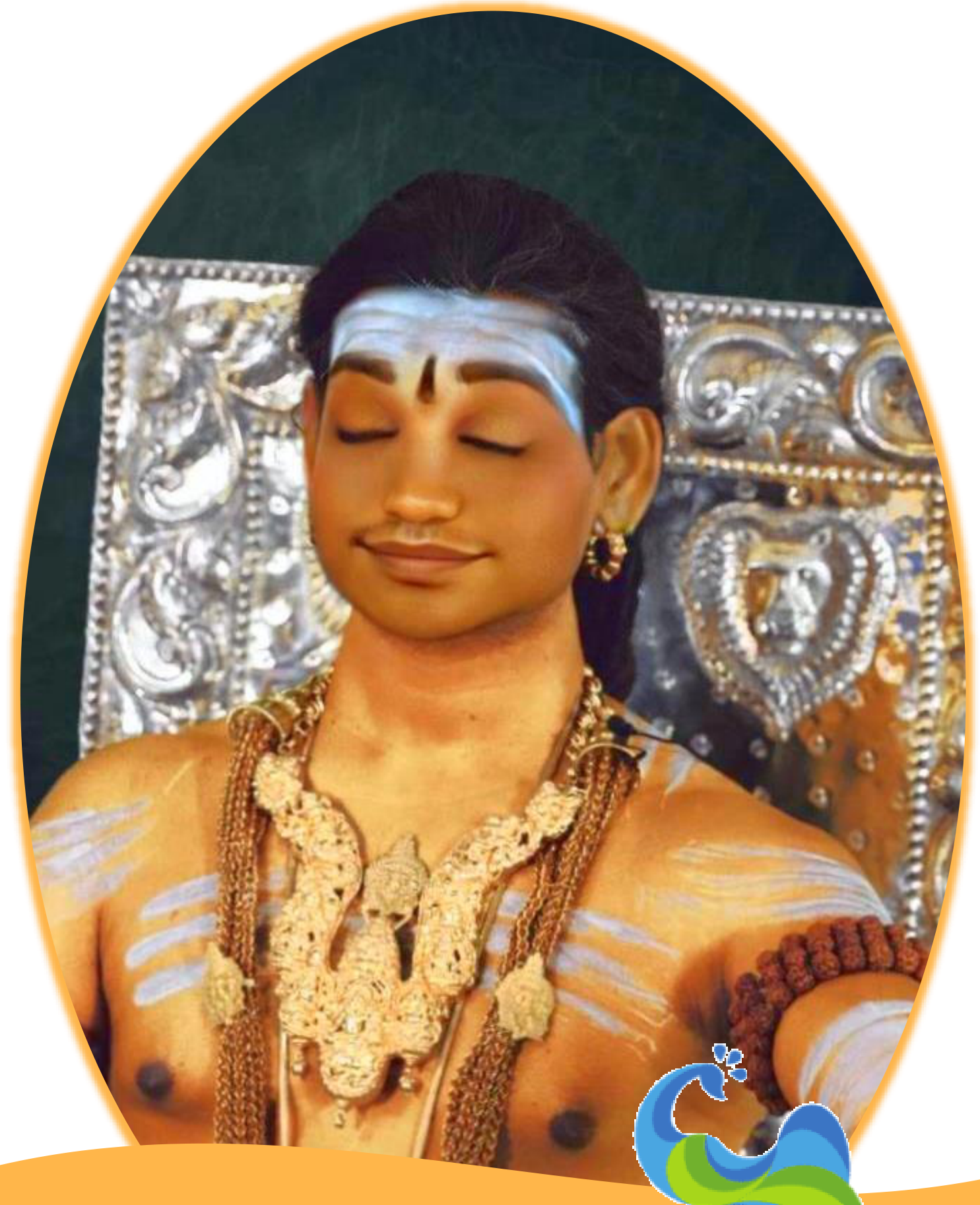
Any one is said to have attained the state of yoga when, having renounced all material desires, he neither acts for sense gratification nor engages in result focused activities
POWERFUL COGNITION
Yoga is a technique to achieve the Divine experience