THE CITY OF NINE GATES
This text was machine-transcribed from the printed book and may contain errors. Select the words and choose “Report a mistake”.
In these verses, Kṛṣṇa refers to the body, which has nine gates to the external world: the two eyes, two nostrils, two ears, mouth and the two organs of evacuation.
Here, Kṛṣṇa does not refer to not doing anything out of laziness and indulgence. Here, the mind has been stilled. It has stopped all activity but the body moves according to the will of the divine. We are in the midst of intense activity and yet are not doing anything.
Kṛṣṇa is talking of being so completely involved in something that we become the very action itself. It is not the action that gives us the joy but the conscious experience of the bliss within us through the action that actually gives us happiness and bliss.
When we realize through
experience or understanding
that the bliss in life is
completely within us, we will
get over our wrong cognition
that external pleasures are
what give us joy. We will
relax into the loving arms of
Existence and just flow with
it beautifully. Let the
Universe take care and you
carry on with your work!
GOALS:
To help the children understand
action without attachment. That
the conscious experience of the
bliss within us through the
action is what actually gives us
happiness and bliss.
ASSESSMENTS
- What is true renunciation?
- What does Existence provide for us?
- Are we separate to Existence?
- When we are blissful inside, what happens on our outside?
- How can we achieve that no emotion can sway us ?
- When we look at a situation with completion and without completion, will we see the same situation?
- What technique does Kṛṣṇa give us to realize who we are?
- What are the ‘nine gates’ of our body?
- Who does Kṛṣṇa say should be lazy, the mind or the body?
- How does Kṛṣṇa say we should do actions?
© 2020 Sri Nithyananda Paramashivam. All Rights Reserved
ART OF THE DAY
© 2020 Sri Nithyananda Paramashivam. All Rights Reserved
ART OF THE DAY:
MAKE A TASSEL
MATERIALS NEEDED:
- Cardboard cut into squares, the approximate size of the tassel
- Wool or yarn
- Scissors
PROCEDURE:
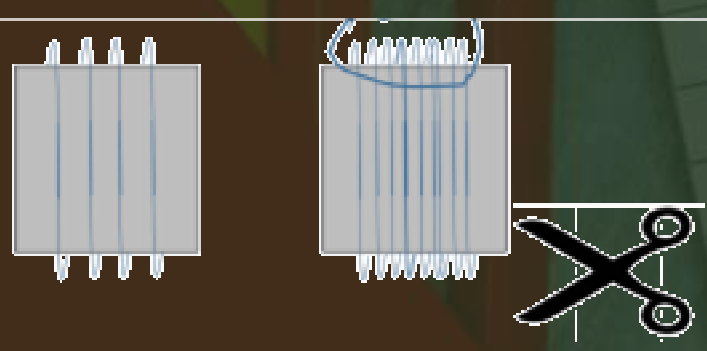
- Wrap the yarn around the cardboard 20 times or more (diagram on the left)
- At one end of the cardboard, thread some extra yarn through all the wrapped yarn and make a tight knot (diagram on the right, string being tied at the top)
- At the opposite end of the cardboard, cut the yarn (diagram on the right, scissors cutting at the bottom). Remove the cardboard
- A little below your first knot, tie a second pierce of yarn around all the threads to form the tassel shape
© 2020 Sri Nithyananda Paramashivam. All Rights Reserved
ART OF THE DAY:
MAKE A TASSEL
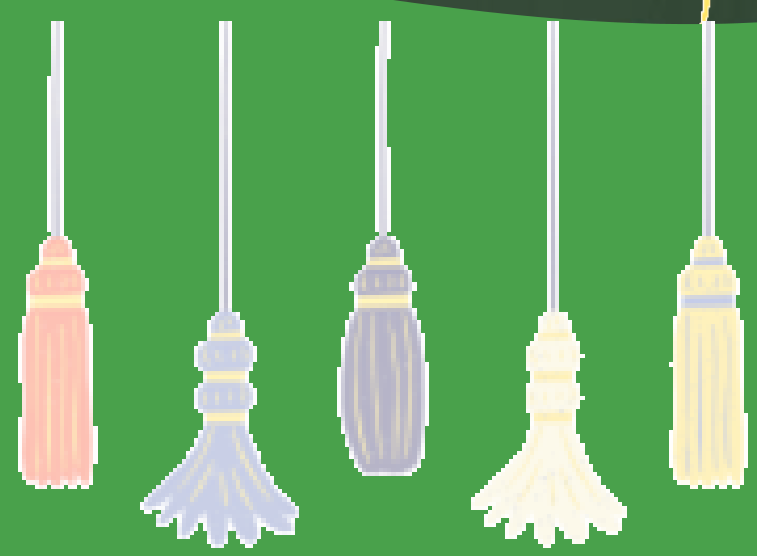
INFERENCE: We can live as a witness to everything that happens - the loose ends of the tassel move freely like our actions we are witnessing
© 2020 Sri Nithyananda Paramashivam. All Rights Reserved
ACTIVITY OF THE DAY
© 2020 Sri Nithyananda Paramashivam. All Rights Reserved
ACTIVITY OF THE DAY:
SENSES ARE NOT US!
INFERENCE:
Experience the bliss
within us through an
action without
attachment
Materials Needed:
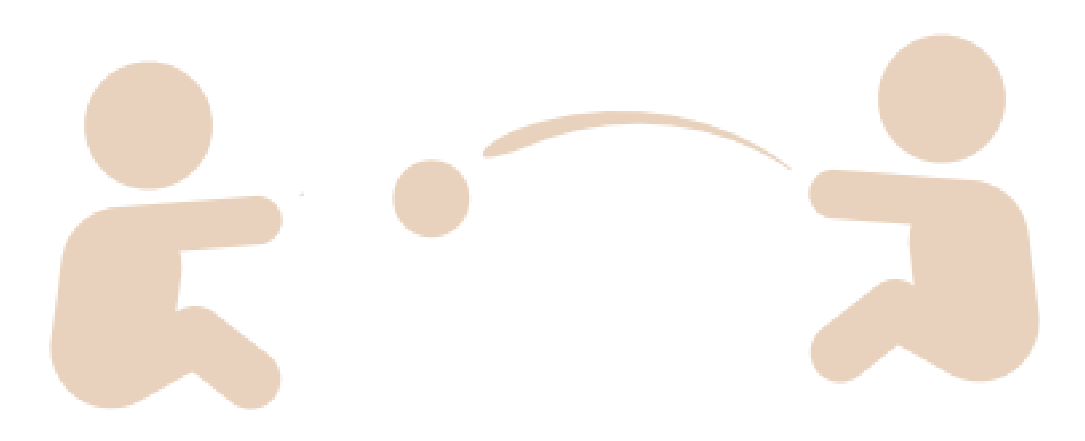
Small Ball
Procedure:
Each pair of children gets a ball to throw to their partner. A child only is successful in their throw if their partner is able to catch their throw. So the children need to take care to throw in a way that is helpful for their partner to catch.
WORKSHOP OF THE DAY
© 2020 Sri Nithyananda Paramashivam. All Rights Reserved
WORKSHOP OF THE DAY:
VAAKYARTHA SADHAS
Procedure: Hold Vaakyartha Sadhas with the children on how to be “in the midst of intense activity and yet are not doing anything.” What is the mind doing ? What is the body doing ?


CONCLUSION:
Review the important understandings about action without attachment.
© 2020 Sri Nithyananda Paramashivam. All Rights Reserved
© 2020 Sri Nithyananda Paramashivam. All Rights Reserved
© 2020 Sri Nithyananda Paramashivam. All Rights Reserved