ASSESSMENTS
This text was machine-transcribed from the printed book and may contain errors. Select the words and choose “Report a mistake”.
- Give an example of the differences between an optimist and a pessimist.
- How does an emotion get recorded with our body?
- What does Jiḍḍu Kṛṣṇamurti say we should do to be liberated from an emotion?
- What does Swamiji say we should do to be liberated from an emotion?
- When you come down to this planet, what do we bring with us?
- What is a technique to remove tremendous stress and load from your inner space?
- What does ‘Śiva’ mean in Saṃskṛt?
- What are the 2 things to live with that reasonless, unmotivated energy?
- What does the word ‘renounce’ mean?
- What does Kṛṣṇa driving Arjuna’s chariot represent?
- What is reality actually and how do we wake up
© 2020 Sri Nithyananda Paramashivam. All Rights Reserved
ART OF
THE DAY
© 2020 Sri Nithyananda Paramashivam. All Rights Reserved
ART OF THE DAY:
GO BEYOND YOUR EMOTIONS
MATERIALS NEEDED:
- Paper
- Pencil (or) Sketch pen (or) colouring pens
PROCEDURE:
Draw and decorate a chart with 10 boxes. Any emotion that arises in the children they should observe if they have remained silent & centered. They can tick the box with that emotion in their paper. Discuss with the children about how they can use this technique for themselves.
INFERENCE: You can liberate yourself from an emotion
ACTIVITY OF
THE DAY
© 2020 Sri Nithyananda Paramashivam. All Rights Reserved
ACTIVITY OF THE DAY:
SENSES ARE NOT US!
Materials Needed:
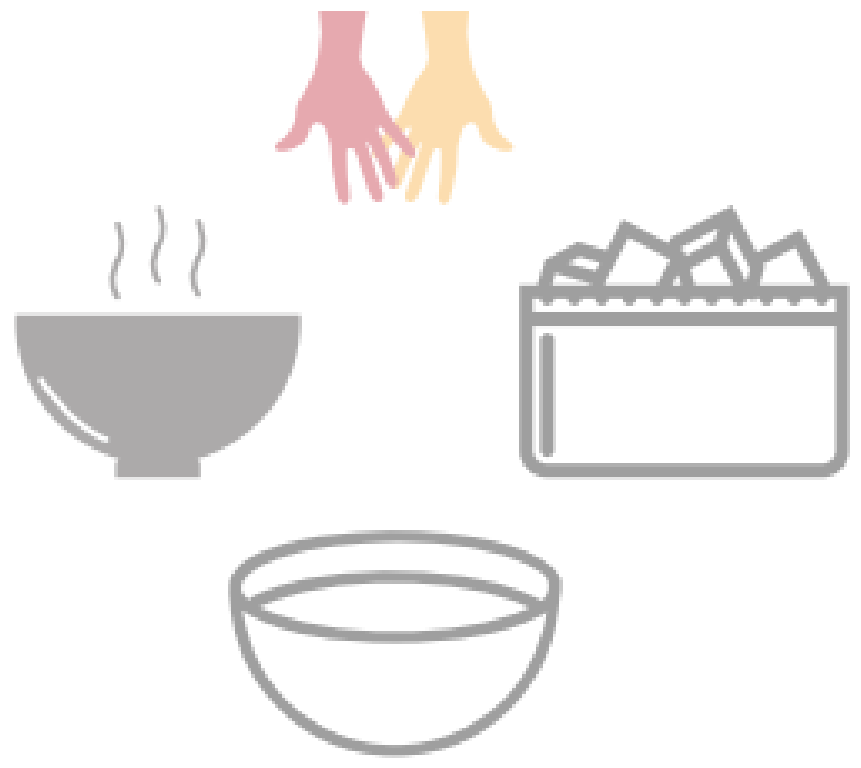
1. Three bowls of water each at a different temperature ➤ In one bowl have the water very cold, with plenty of ice cubes ➤ In one bowl have the water comfortably hot ➤ In the final bowl have the temperature roughly midway between the hot and cold bowls, for example, at room temperature. If there are many children you may need more bowls. Keep the hot water hot and the cold water cold.
Procedure: Place the hot and cold bowls next to one another and the mid-temperature bowl separately. Children each get a turn to do these step.
Step 1:
At the same time have
one hand in the hot
water and one hand
in the cold water for
about 10 seconds or
so.
Step 2:
Then without
bringing his hands
together, the child
moves to the mid-
temperature bowl and
puts both hands into
this bowl.
ACTIVITY OF THE DAY:
SENSES ARE NOT US!
INFERENCE:
We understand that the
senses can easily be
influenced. They are
not us.
Ask The Children:
- How did their hands feel when they put them into the mid-temperature bowl. Even though the hands are in the same bowl of water, do their hands feel the same?