Education Is
This text was machine-transcribed from the printed book and may contain errors. Select the words and choose “Report a mistake”.
Completing Self-doubt
Authored by
THE SPH NITHYANANDA PARAMASHIVAM

4.40
अज्ञश्चाश्रद्दधानश्च संशयात्मा विनश्यति ।
नायं लोकोऽस्ति न परो न सुखं संशयात्मनः
॥ ४=४० ॥
ajñaś cāśraddadhānaś ca
saṁśayātmā vinaśyati I nāyaṁ
loko ’sti na paro na sukhaṁ
saṁśayātmanaḥ
Those who have no wisdom
and faith, who always have
doubts, are destroyed. There
is no happiness in this world
or the next.
POWERFUL COGNITION
Give up self doubt with knowledge and authenticity.

4.41
योगसंन्यस्तकर्माणं ज्ञानसञ्छिन्नसंशयम् ।
आत्मवन्तं न कर्माणि निबध्नन्ति धनञ्जय
॥ ४=४१ ॥
yoga-sannyasta-karmāṇaṁ jñānas-
aṁchinna-saṁśayam I ātmavantaṁ na
karmāṇi nibadhnanti dhañanjaya
O Dhanañjaya (winner of riches), one
who has renounced the fruits of his
actions, whose doubts are destroyed,
who is well-situated in the Self, is not
bound by his actions.
POWERFUL COGNITION
Completing Self-doubt in any field is Education.

4.42

तस्मादज्ञानसम्भूतं हृत्स्थं ज्ञानासिनात्मनः ।
छित्त्वैनं संशयं योगमातिष्ठोत्तिष्ठ भारत
tasmād ajñāna sambhūtaṁ hṛtsthaṁ
jñānāsinātmanaḥ ।
chittvainaṁ saṁśayaṁ yogam
ātiṣṭhottiṣṭha bhārata
O descendant of Bhārata, therefore,
stand up, be situated in yoga. Armed
with the sword of knowledge; cut
the doubt born of ignorance that
exists in your heart.
POWERFUL COGNITION
Give up self doubt with knowledge and authenticity.
INTRODUCTION
Completing Self-doubt in any field is Education. In the next few verses, Kṛṣṇa says that there is no happiness for those who always have self-doubts and who have no knowledge and authenticity. He uses the word 'always.' He does not say that from the beginning itself you should not have any doubts. Having doubts is natural; as long as you have the mind, you will have doubts. But you can go beyond it by completing with your self-doubts. Kṛṣṇa warns, 'The one without the wisdom and without authenticity, who always has doubts, is destroyed.
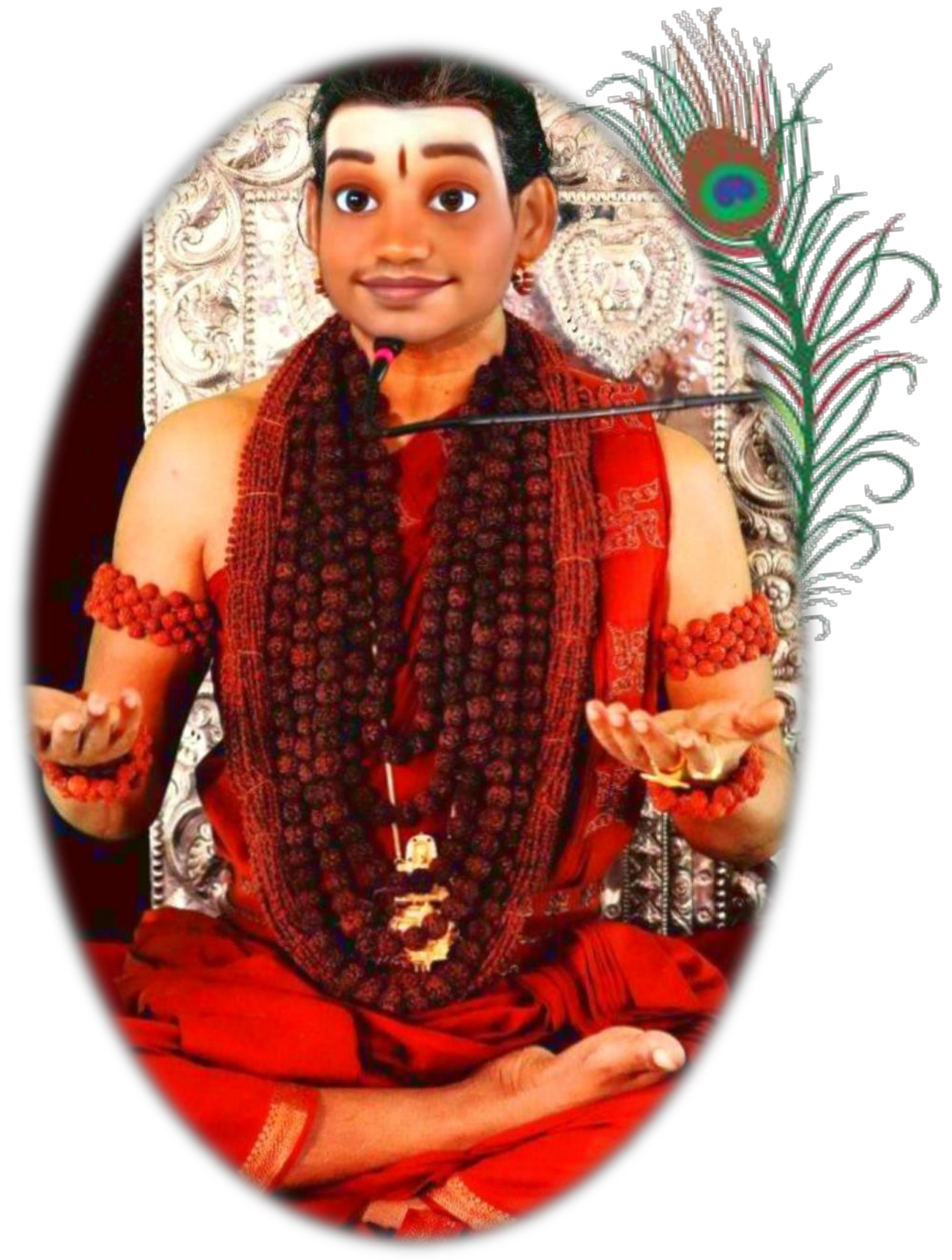
When you convince others with your strong outer image, and your inner image starts questioning you; your inner image questioning you is self-doubt. That is where the self-doubt starts. In any field if you carry self- doubt, you will continue to be powerless. In any field if you complete with your self-doubt, you are educated.
If you complete with self-doubt in any field, suddenly that non-mechanical part of the brain will immediately be awakened. A deep passive waiting without knowing what is going to happen is passive surrender. Just allow the Master to do the surgery and give you back your true Self, and automatically you will drop what you are not.
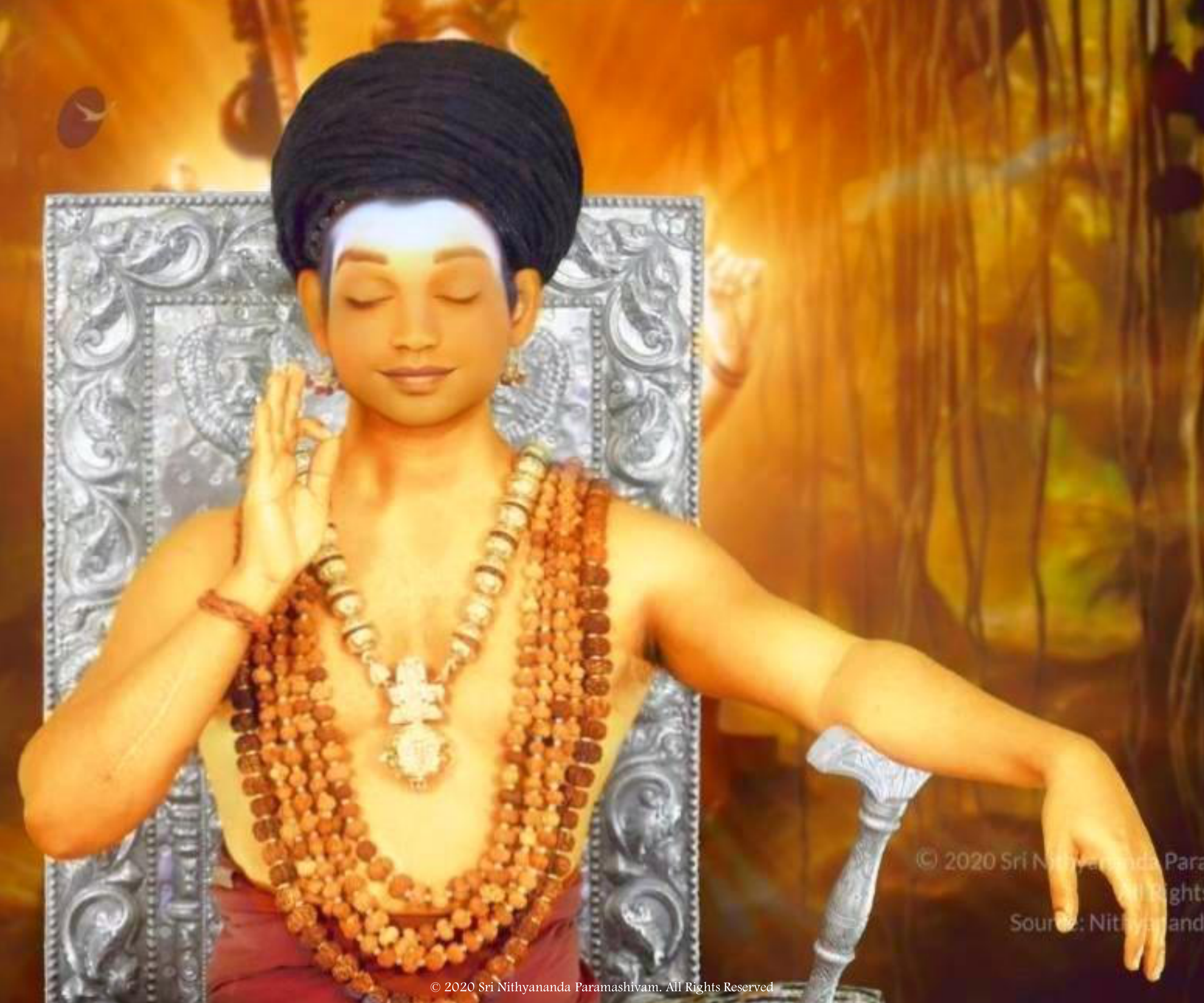
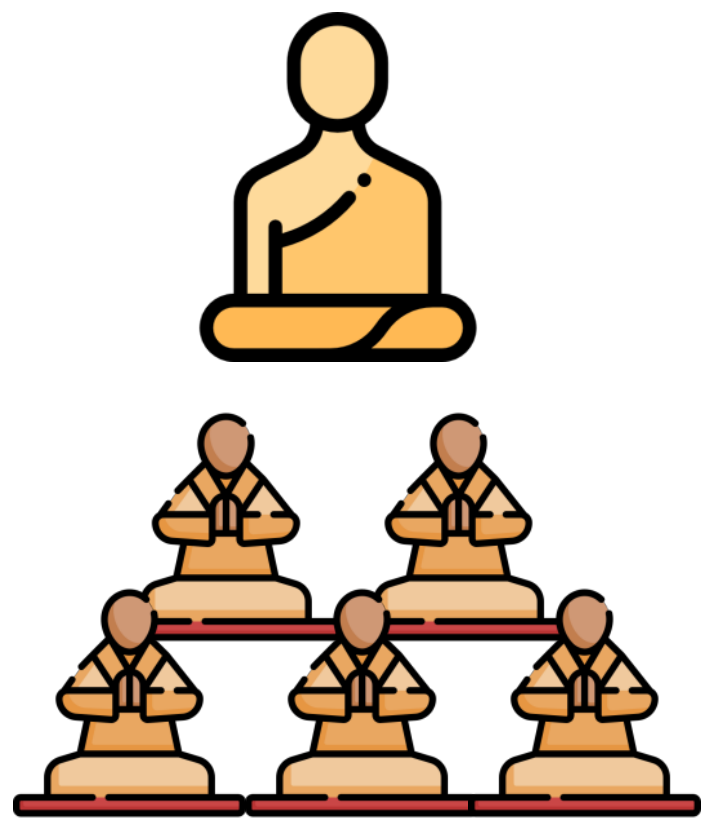
STAGES OF MASTER-DiSciPLE RELASHiONSHiP
Kṛṣṇa refers to the stages in the Master-disciple relationship. The first level is purely intellectual, doubt-based. ‘Doubt-based’ refers to the negative self-doubts, which are purely intellectual.
The next step is intelligence; from intellect to intelligence. Then, if you continue to start looking in, first from intellect to intelligence, then from intelligence to intelligence with emotion, like 60% intelligence, 40% emotion, that is the time you will feel like a friend
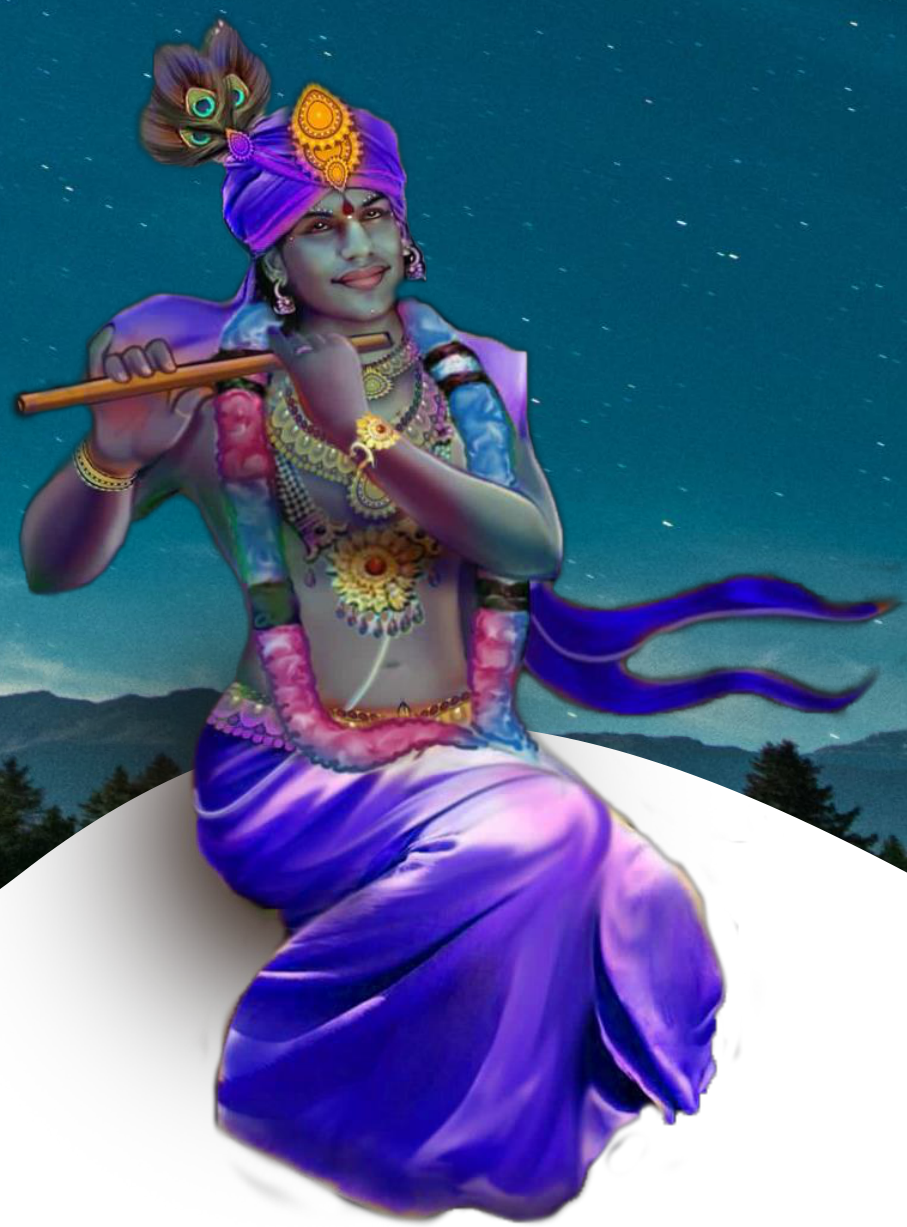
Towards the Master. After that, it becomes 60% emotion and 40% intelligence. That is the time you will feel like the Master is like an elder, like a father or mother or lord or teacher. You feel respectful towards him. And then, the relationship becomes pure emotion. You will feel a deep connection like a mother and son.
Then, after that, it is neither emotion nor intellect nor intelligence. It is a being-level relationship. It is the deep connection of a beloved, the madhura bhāva. And suddenly, you will see, he is not even the beloved, he is beyond the beloved. You start experiencing the mahā bhāva, what is called the Guru-disciple experience, experiencing yourself as the Master. That is what is called —‘Tat Tvam Asi.’
Tat Tvam Asi means That art thou. It means you are the Master.

GOALS:
Encourage each child to
look within and realize
the formless energy of
the master.
Understand that
completing with self
doubt, self hatred and
self denial is education.

ASSESSMENTS
1. What are the various stages
of the Guru-Disciple
relationship?
2. What is Sakha Bhava, Matru
Bhava, Madhur Bhava and
Maha Bhava?
3. What are self-doubts, self-hatred and self-denial?

ART OF THE DAY

ART OF THE DAY:
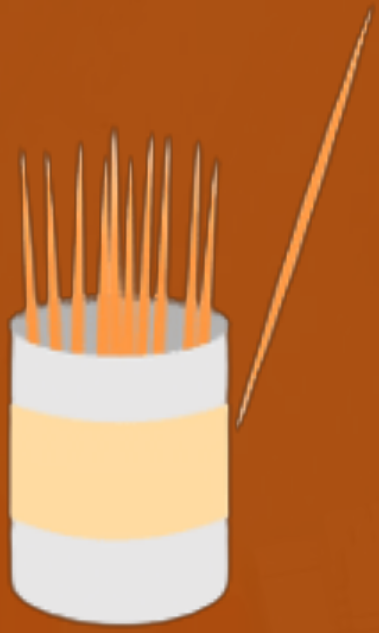
TOOTHPICK ART
MATERIALS NEEDED:
- Toothpicks & grapes
- Glue & paper
- Pencil & scissors
- Paper cutters
PROCEDURE
Create toothpick art. Encourage younger kids in the group to make simple geometric constructions using the materials. An example is shown. Older kids should be encouraged to make more elaborate sculptures eg. boxes, pencil holders, hut, tower, bridge etc.
INFERENCE
Drop self doubt! You can do anything you apply yourself to do. In any field if you carry self-doubt, you will continue to be powerless. In any field if you complete with your self-doubt, you are educated.





ACTIVITY OF THE DAY
ACTIVITY OF THE DAY:
MATERIALS NEEDED:
- One Blindfold
- One empty bottle with marbles /stones inside.
PROCEDURE:
Make a human circle. One blindfolded person stands in the middle of the circle. Others pass the bottle around as fast as possible but as quietly as possible. The blindfolded person has to guess who has the bottle. Don't empty the bottle of the stones/marbles and don't speak during the game.
INFERENCE:
Let us learn to be passive and give our complete attention to every small sound. A deep passive waiting without knowing what is going to happen is passive surrender.

WORKSHOP OF THE DAY
WORKSHOP OF THE DAY:
VAAKYARTHA SADHAS
Discuss your understanding of the verse "Tvam Asi" meaning "That art thou".
Conclusion: It is necessary to complete with self doubt. A passive surrender and waiting attitude is necessary to allow the master-disciple relationship to flourish and go from strength to strength.
Ebook ISBN: 979-8-88572-408-1 © 2020 Sri Nithyananda Paramashivam. All Rights Reserved