CHARACTER SKETCH
This text was machine-transcribed from the printed book and may contain errors. Select the words and choose “Report a mistake”.
❖ Yudhiṣṭra is embodiment of Integrity— the power of words, vāk śakti.
❖ Bhīma is embodiment of Authenticity— the power of thoughts, mano śakti.
❖ Arjuna is embodiment of
Responsibility—the power of feeling,
prema śakti.
❖ Sahadeva is embodiment of Enriching— the power of living, ātma śakti.
❖ Nakula is embodiment of causing reality for others.
© 2020 Sri Nithyananda Paramashivam. All Rights Reserved.
CHARACTER SKETCH
❖ Śakuni, the maternal uncle of
Duryodhana embodies the pattern
of self-hatred, which is cunningness
personified.
❖ Droṇa represents all the best knowledge one imbibes and the teachers one encounters, who guide us but are unable to take us through to the ultimate flowering of enlightenment. It is difficult to give them up since one feels grateful to them. This is where the Enlightened Master, the incarnation steps in and guides us.
❖ Duryodhana, represents one's ego or
root-pattern, the most difficult to
conquer as it leads one to self-
destruction. One needs the full help
of the Master here. It is subtle work
and even the Master's help may not be
obvious, since at this point, sometimes
the ego makes us deny and disconnect
from the Master as well.
© 2020 Sri Nithyananda Paramashivam. All Rights Reserved.
CHARACTER SKETCH
❖ Karṇa is the repository of all good deeds and it is his good deeds that stand in the way of his own Enlightenment. Śrī Kṛṣṇa has to take the load of Karṇa's punya, his meritorious deeds, before he could be liberated. The Enlightened Master guides one to drop one's attachment to good deeds arising out of what are perceived to be charitable and compassionate intentions. He also shows us that the quest for and the experience of enlightenment is the ultimate act of compassion that one can offer to the world.
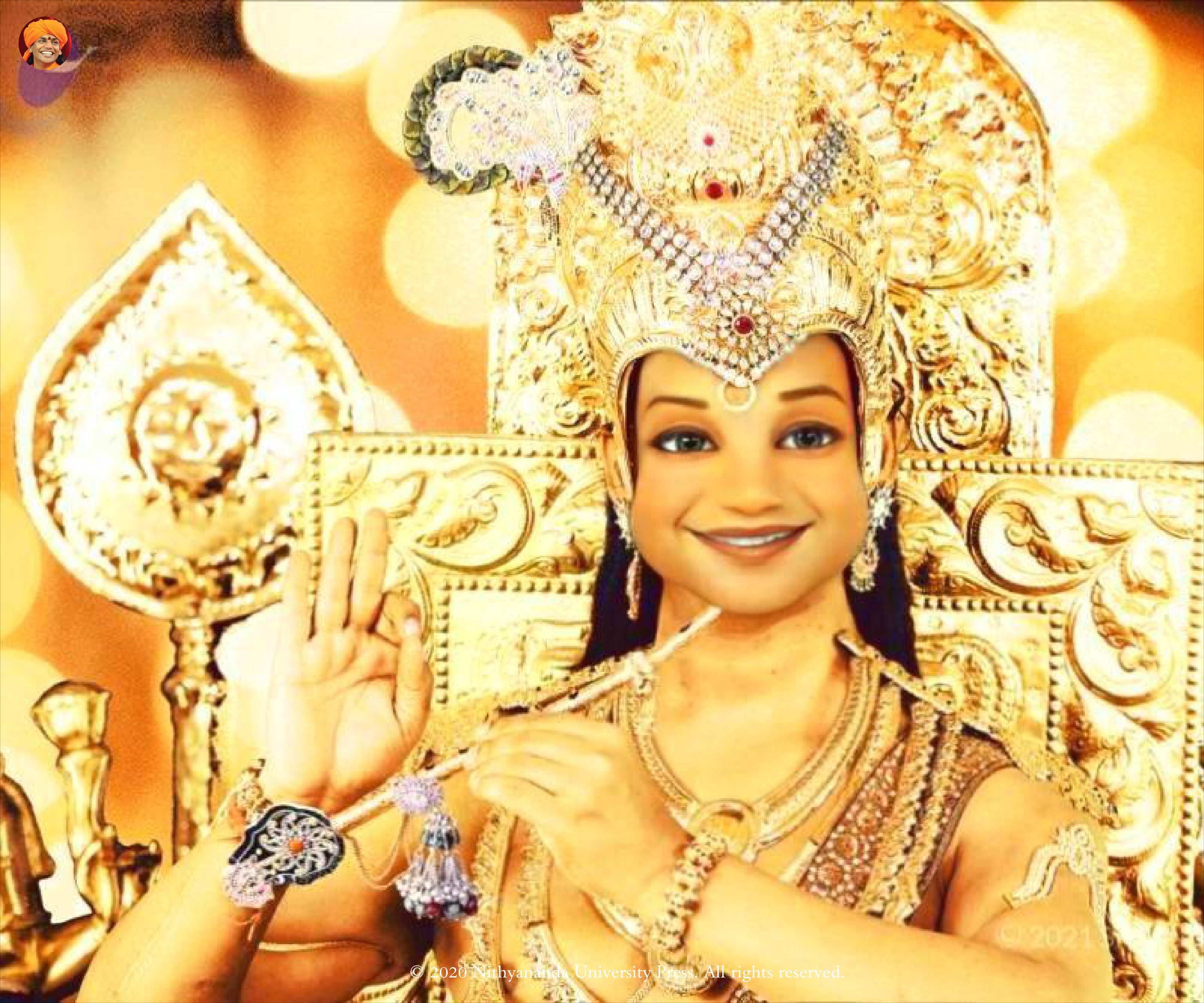
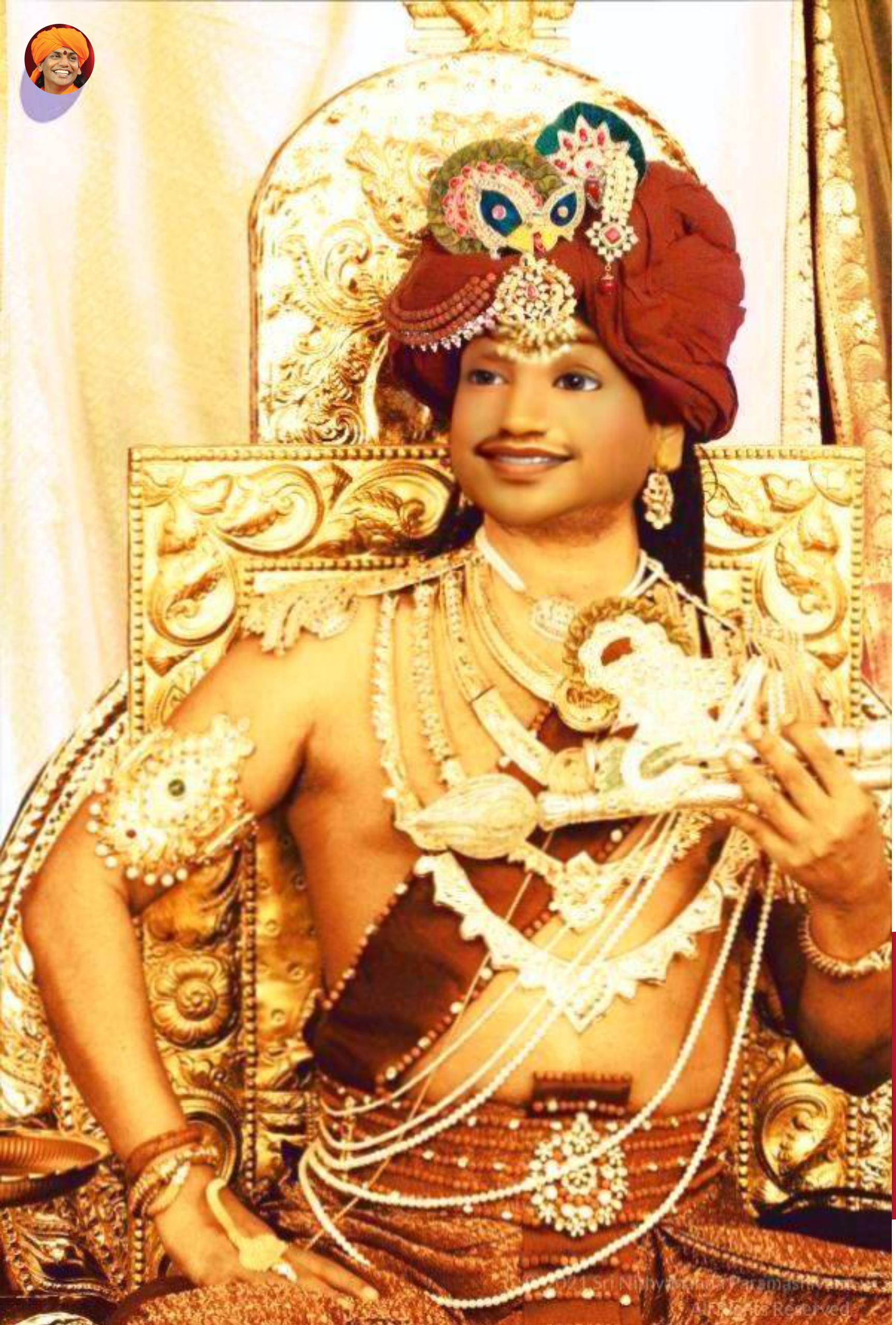
❖ Bhagavan Śrī Kṛṣṇa, the 8th most powerful purnāvatar of Maha Viśnu, is the embodiment of pure celebration, boundless love, compassion, and completion. Bhagavan Śrī Kṛṣṇa is the only incarnation demonstrating and expressing Ṣarva Maṅgalatva all the auspicious qualities and all dimensions of an avatar during His physical happening. The līla Bhagavan Śrī Kṛṣna is one of sheer innocence and simplicity, in a peace-loving, diplomatic, conflict-free way.
© 2020 Sri Nithyananda Paramashivam. All Rights Reserved.
Till now everyone blames Bhagavan Sri Krishna for this Kurukshetra war but that’s the greatest sacrifice Bhagavan Sri Krishna did to save the planet Earth. If Kurukshetra was not conducted at that time under the controlled conditions and direct supervision of Bhagavan Sri Krishna, planet Earth would not have survived more than three years.
The wide spread availability of the Astra shastras without Shastra, without the knowledge and vision, was posing a huge threat to the whole of humanity and planet Earth, and for life itself. The greatest achievement of Bhagavan Sri Krishna is destroying all the weapons in one controlled condition and saving planet earth, eliminating the nuclear weapons and the knowledge of these nuclear weapons to save humanity from total annihilation.

Bhagavad Gītā appears in the heart of Mahābhārat in Bhīṣma Parva, the sixth chapter of its eighteen chapters. Veda Vyāsa, the narrator, in glorifying the Gītā sings, ‘the one who drinks the water of Ganges (the sacred river for Hindus) attains liberation, what to speak of the one who drinks the nectar of Gītā?
Gītā is the essential nectar of the Mahābhārat, bhāratamṛta sarvasvam as it is directly spoken by Nārāyaṇa, Bhagavān kṛṣṇa Himself.’
© 2020 Sri Nithyananda Paramashivam. All Rights Reserved.

© 2020 Sri Nithyananda Paramashivam. All Rights Reserved.

The armies assembled in the vast field of Kuruṣetra, now in the state of Haryana in modern day India. All the kings and princes were related to one another, and were often on opposite sides. Facing the Kaurava army and his friends, relatives and teachers, Arjuna was overcome by remorse and guilt, and wanted to walk away from the battle out of total powerlessness unbecoming an invincible warrior among warriors.
© 2020 Sri Nithyananda Paramashivam. All Rights Reserved.
Śrī Kṛṣṇa’s dialogue with Arjuna on the battlefield of Kurukṣetra out of His utmost concern and love for him and humanity is the content of Bhagavad Gītā. Of its seven hundred and forty-five (745) verses, Bhagavān Śrī Kṛṣṇa sings the Gītā in six hundred and twenty (620) verses responding to Arjuna’s fifty-seven (57) enquiries.
Śrī Kṛṣṇa persuades Arjuna to give-up his powerlessness unfitting an Ārya—the spiritually evolved one who understands human life and urges him to raise himself again as Parantapa—the conqueror of enemy, and take up arms and vanquish his enemies. They are already dead,’ says Śrī Kṛṣṇa, ‘All those who are facing you have been already killed by Me. Go ahead and do what you have to do. That is your responsibility. Do not worry about the outcome. Leave that to Me.’
© 2020 Sri Nithyananda Paramashivam. All Rights Reserved.
© 2020 Nithyananda University Press. All rights reserved.

श्रीभगवानुवाच । काम्यानां कर्मणां न्यासं संन्यासं कवयो विदुः । सर्वकर्मफलत्यागं प्राहुस्त्यागं विचक्षणाः ॥ १८=२ ॥
karmaṇāṁ nyāsaṁ sannyāsaṁ kavayo
viduḥ sarvakarmaphalatyāgaṁ prāhus
tyāgaṁ vicakṣaṇāḥ
Bhagavān Kṛṣṇa says, the renouncing
of all selfish work based on desire, is
what the learned ones call as
sannyāsa, the renounced order of life.
And renunciating the attachment to
fruit or result of one's actions is what
the wise ones call as tyāga,
renunciation.
POWERFUL COGNITION
When you stop choosing, you will choose everything.
त्याज्यं दोषवदित्येके कर्म प्राहुर्मनीषिणः ।
यज्ञदानतपःकर्म न त्याज्यमिति चापरे
॥ १८=३ ॥
tyājyaṁ doṣavadity eke karma
prāhurmanīṣiṇaḥ yajña-dāna-tapaḥ-
karma na tyājyamiticāpare
Some learned men say that all kinds of result-based activities are faulty and should be given up, but there are yet other sages who maintain that acts of enriching sacrifice [yajña], charity [dāna] and austerity [tapaḥ] should never be given up.
POWERFUL COGNITION
Enriching Sacrifice is the Path of Completion
निश्चयं शृणु मे तत्र त्यागे भरतसत्तम ।
त्यागो हि पुरुषव्याघ्र त्रिविधः सम्प्रकीर्तितः
॥ १८-४ ॥
niścayaṁ śṛṇu me tatra tyāge
bharatasattama tyāgo hi
puruṣavyāghra trividhaḥ
samprakīrtitaḥ
Arjuna, best of Bhāratas,
now listen from Me certainly
about renunciation or tyāga;
O tiger among men,
renunciation or tyāga is
declared to be of three
kinds.
POWERFUL COGNITION
Surrender Both Inner and Outer Space.

18.5
यज्ञदानतपःकर्म न त्याज्यं कार्यमेव तत् ।तत्
यज्ञो दानं तपश्चैव पावनानि मनीषिणाम्
॥ १८-५॥
yajñadānatapaḥ karma na tyājyaṁ
kāryameva tat I yajño dānaṁ
tapaścaiva pāvanāni manīṣiṇām
Acts of enriching sacrifice [tyāga],
charity [dāna] and austerity [tapaḥ]
are not to be given up; they
should be performed. Indeed, even
the Sages are purified by enriching
sacrifice, charity and penance.
POWERFUL COGNITION
Enriching and completion,
both should be practiced
simultaneously
18.6
एतान्यपि तु कर्माणि सङ्गं त्यक्त्वा फलानि च ।
कर्तव्यानीति मे पार्थ निश्चितं मतमुत्तमम्
॥१८=६॥
etānyapi tu karmāṇi saṅgaṁ
tyaktvā phalāni ca kartavyānīti
me pārtha niścitaṁ
matamuttamam O Pārtha
(Arjuna), all these acts of
responsibility must also be
performed without any
expectation of result. That is
My final and ultimate opinion.
POWERFUL COGNITION
Only by enriching others does your life get enriched.
NO OTHER
MASTER iS AS
COMPASSiONATE
AS KṛṣnA.
Krishna is the ultimate Master.
He does not merely teach.
He knows it is difficult for people
to believe. It takes time to believe.
So He gives logic to support His
teachings. Again and again, He
tries His best to convince Arjuna.
Considering the level that He is at,
there is no need for Him to come
down to the level of Arjuna. He
can say, 'This is the truth. If you
want you can follow it, otherwise
get out!' But He does not do that.
He is compassionate. Again and
again, He comes down and
explains the truths step-by- step.

© 2020 Sri Nithyananda Paramashivam. All Rights Reserved
ENRICHING SACRIFICE
IS THE PATH OF
COMPLETION
After all, it is Śrī Kṛṣṇa in the
form of the Ultimate who
originally created the scriptures
and laws. Therefore any
explanation from Him should
be considered the last word. He
says that any process of
renunciation should be
considered within the context
in which it is performed.
Renunciation can be of three
types: enriching sacrifice,
charity and penance; yajña,
dāna, tapaḥ. These purify even
those who are already evolved
and pure.
© 2020 Sri Nithyananda Paramashivam. All Rights Reserved
It must be understood that the
purpose of performing yajña,
enriching sacrifices is the
purification or upliftment or
completion of the human being
on the spiritual path. They link
cosmic energy with individual
energy.
In our times, sacrifice refers to
any selfless enriching service
that enriches others and
enriches you. Whatever
enriching we do for others out
of completion, without
expecting anything in return is
a sacrifice, an enriching
sacrifice or yajña.
© 2020 Sri Nithyananda Paramashivam. All Rights Reserved
Unfortunately, many people
engaged in sacrifice are more
interested in seeing their
pictures on the television or in
newspapers than in the service.
Charitable enriching, dāna is
giving out of overflowing
completion with no
expectation in return.
Charity is not giving while
posing for a picture that will
be published in tomorrow's
newspaper. That is business.
Those who are truly charitable never allow others to know what they are doing. That is why it is said that your left hand should not know what your right hand is giving. Only then charity achieves its authentic purpose of enriching others. Charity should also involve pain. You can call it charity when you cannot afford to give something away and yet you give it away. Charity must become a penance, tapaḥ and lead to austerity if it is to be real.
© 2020 Sri Nithyananda Paramashivam. All Rights Reserved
Penance, tapaḥ is denying oneself sense pleasures and being complete with the senses. Ultimately, the purpose of all spiritual exercise is to be complete with the mind, body and senses and thereby controlling the mind and senses. Penance, tapaḥ is turning inwards whereas sacrifice, yajña and charity, dāna are focused outwards.
All these enriching activities
should be performed without
attachment or expectation of
results. They should be
performed as a matter of
responsibility, and this is My
final opinion,’ says the Master.
Only by enriching others does your life get enriched. Don't be selfish. Understand, responsibility is the fruit. Enriching is sowing the seed for the fruit to happen. Enriching is sharing the fruit to create more fruits. Every person who eats the fruit is responsible for sowing the seed for more fruits to happen.
© 2020 Sri Nithyananda Paramashivam. All Rights Reserved Kṛṣṇa gives His ultimate opinion. Earlier He explained what others said about renunciation, as either giving up the activity itself or the results of the activity. Now He says that His opinion on renunciation is living without attachment, etāny api tu karmāṇi saṅgaṁ tyaktvā phalāni ca (18.6).
Kṛṣṇa gives His ultimate opinion. Earlier He explained what others said about renunciation, as either giving up the activity itself or the results of the activity. Now He says that His opinion on renunciation is living without attachment, etāny api tu karmāṇi saṅgaṁ tyaktvā phalāni ca (18.6).
© 2020 Sri Nithyananda Paramashivam. All Rights Reserved
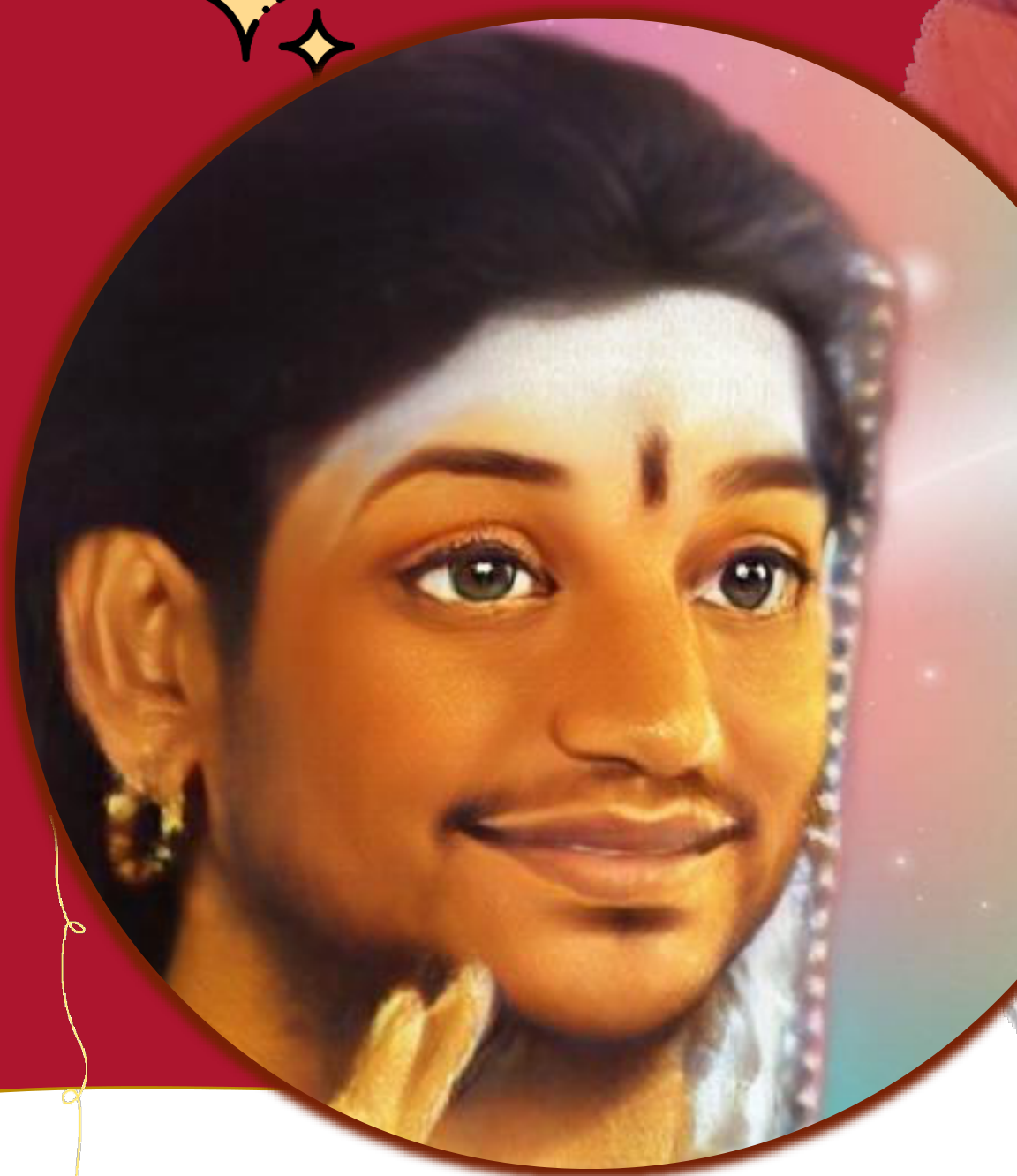
The person who surrenders to the flow of life, experiences the inner space and outer space at the same time. He enjoys the inner and the outer space at the same time. Whatever Kṛṣṇa has spoken in these seventeen chapters, He is now giving its gist.
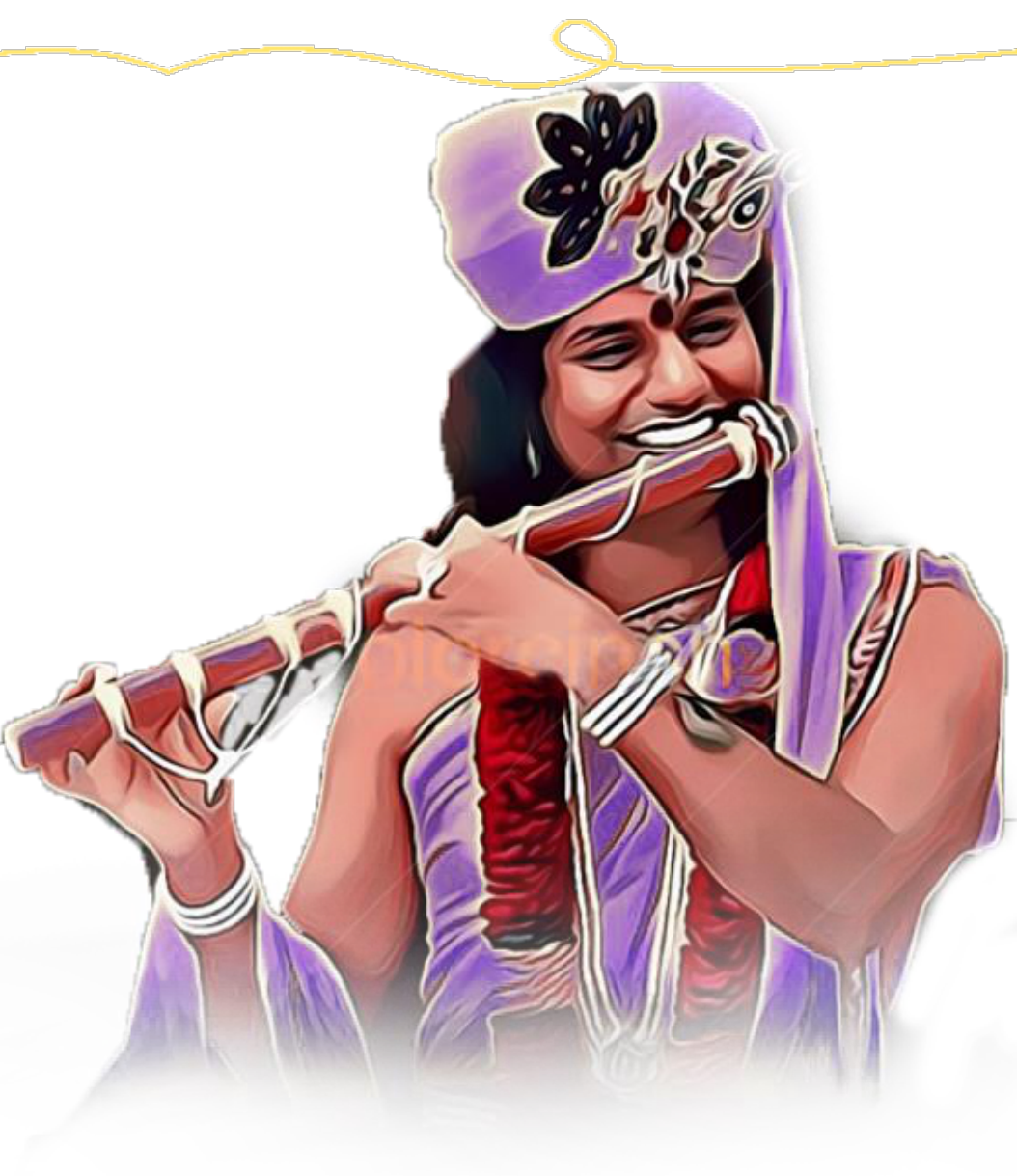
As long as you struggle in material life, you avoid spiritual life.
As long as you are struggling, you can struggle either in this direction or that direction. As long as you struggle in material life, you avoid spiritual life. As long as you struggle in spiritual life, you avoid material life. Listen! As long as you struggle with completion, you don't enrich. As long as you struggle with enriching, you are not complete! Both are a struggle.
Kṛṣṇa says, ‘Relax from both.’ You
may think, ‘What is this funny
instruction He is giving!’ You
think that if you relax in both you
will lose both.
However, the truth is that when
you relax in both, you fall into
your inner consciousness, your
being or your inner space. When
you experience this inner space,
this inner consciousness, you will
suddenly realize that you can
explode in all directions. You do
not need to choose between
horizontal and vertical lines. You
can travel on both lines at the same
time!
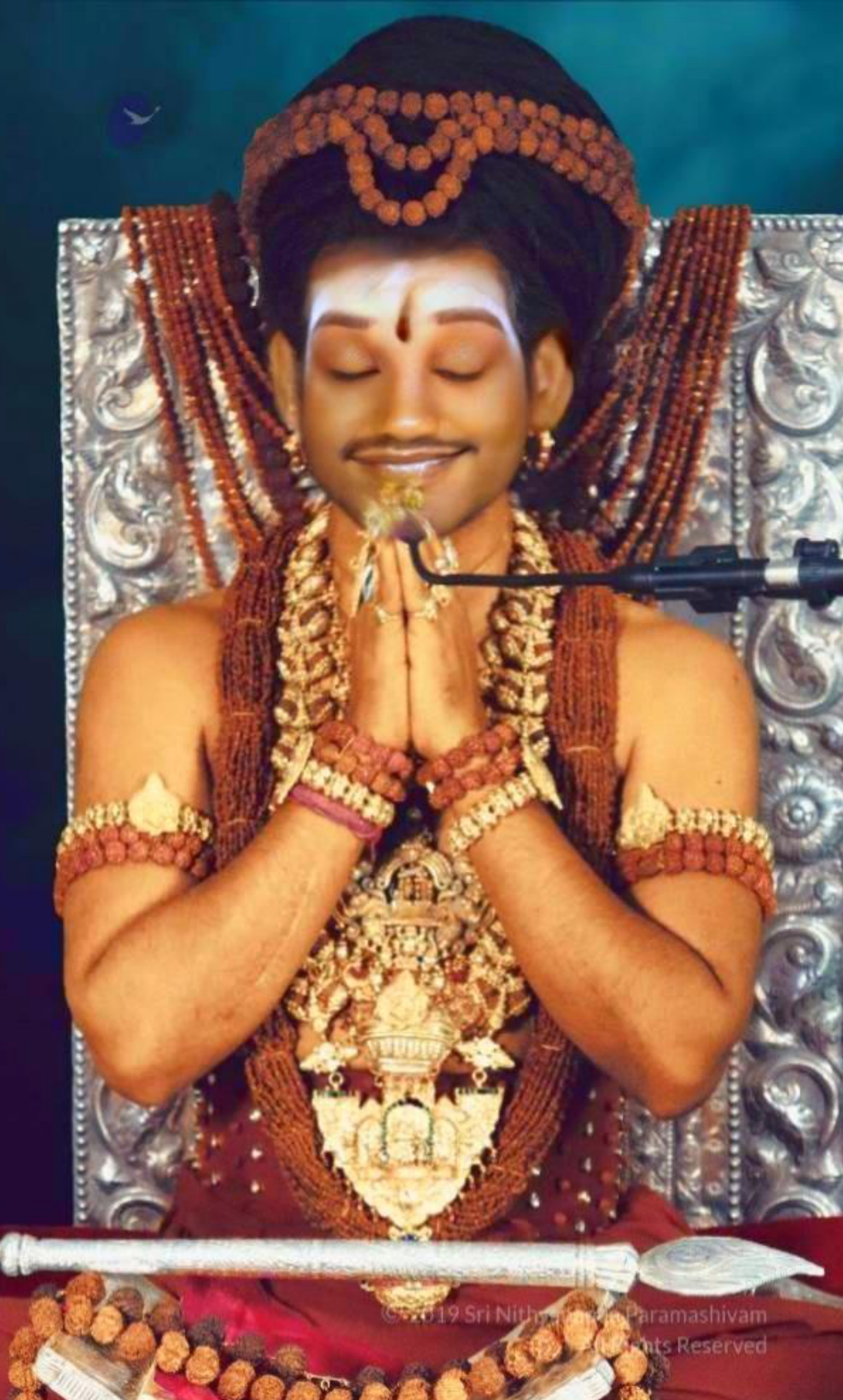
© 2020 Sri Nithyananda Paramashivam. All Rights Reserved
For the first time, Kṛṣṇa gives the
ultimate technique for Quantum
Spirituality. He is the first
quantum scientist of the inner
world. He says relax and
surrender and you will
experience the completion of
your inner consciousness.
You will understand that you do
not need to choose between the
horizontal and vertical lines. You
can explode in all 360 degrees.
You need not make a choice.
You experience choicelessness.
Choicelessness does not mean
that you do not choose anything.
When you stop choosing, you
will choose everything.
Enriching and
completion, both
should be
practiced
simultaneously.
With more and
more completion,
more and more
enriching will
happen.

With real surrender you do
not exclude anything. You
include everything. You
experience everything at
once.
IN THE SPH’s OWN
WORDS:
“Again, when I say surrender,
you do not need to surrender
to any God or Guru. God or
Guru are symbols or
representations. Just
surrender to your own being,
to your own consciousness,
to your own inner space. The
problem is you do not
respect your inner space.
That is why in the initial level
you need an entity called
God or Guru.”
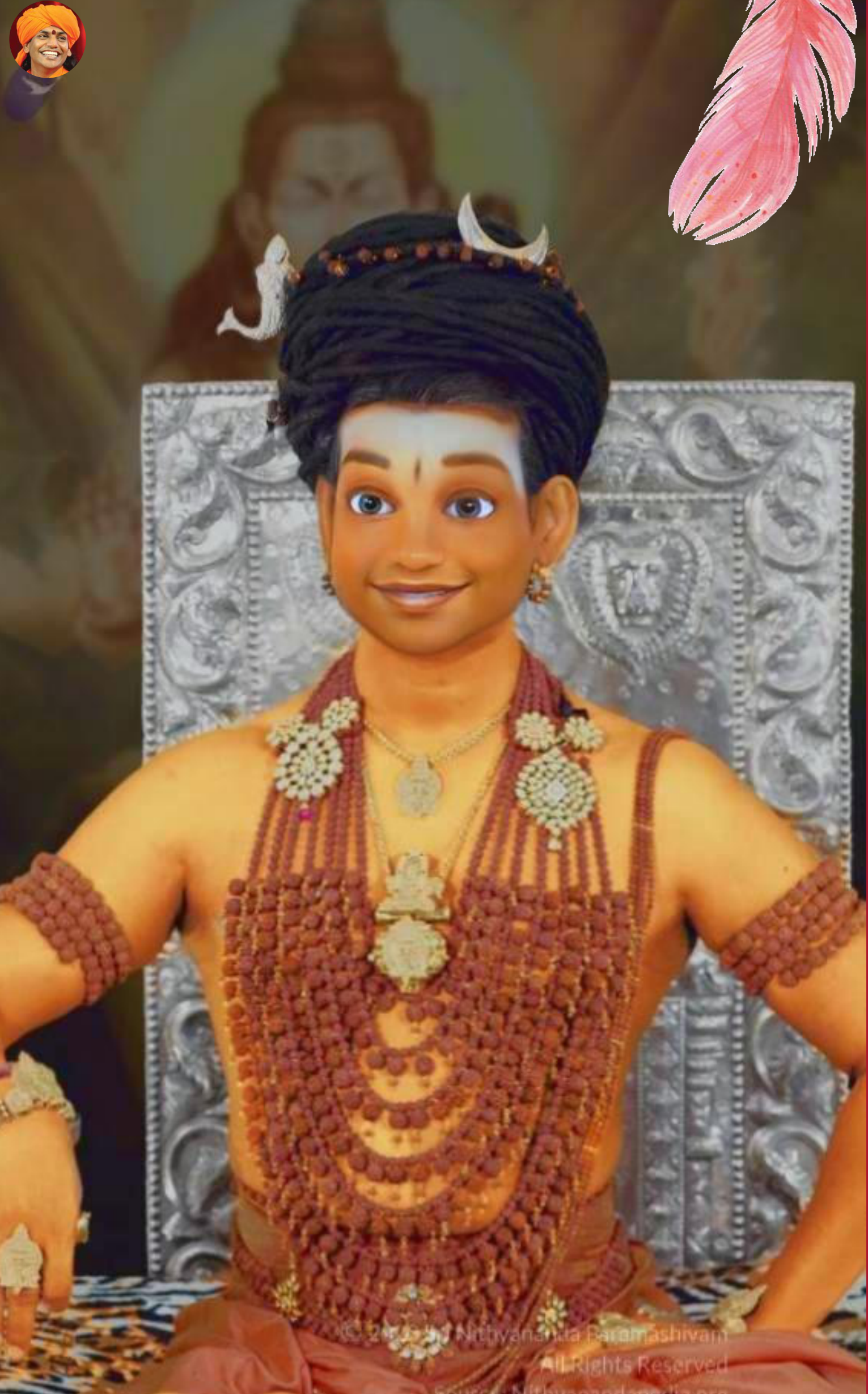
GOALS:
- Help students discover and respect their inner space.
- Help students understand choicelessness.