INTRODUCTION TO BHAGAVAD GITA: SONG OF GOD
This text was machine-transcribed from the printed book and may contain errors. Select the words and choose “Report a mistake”.
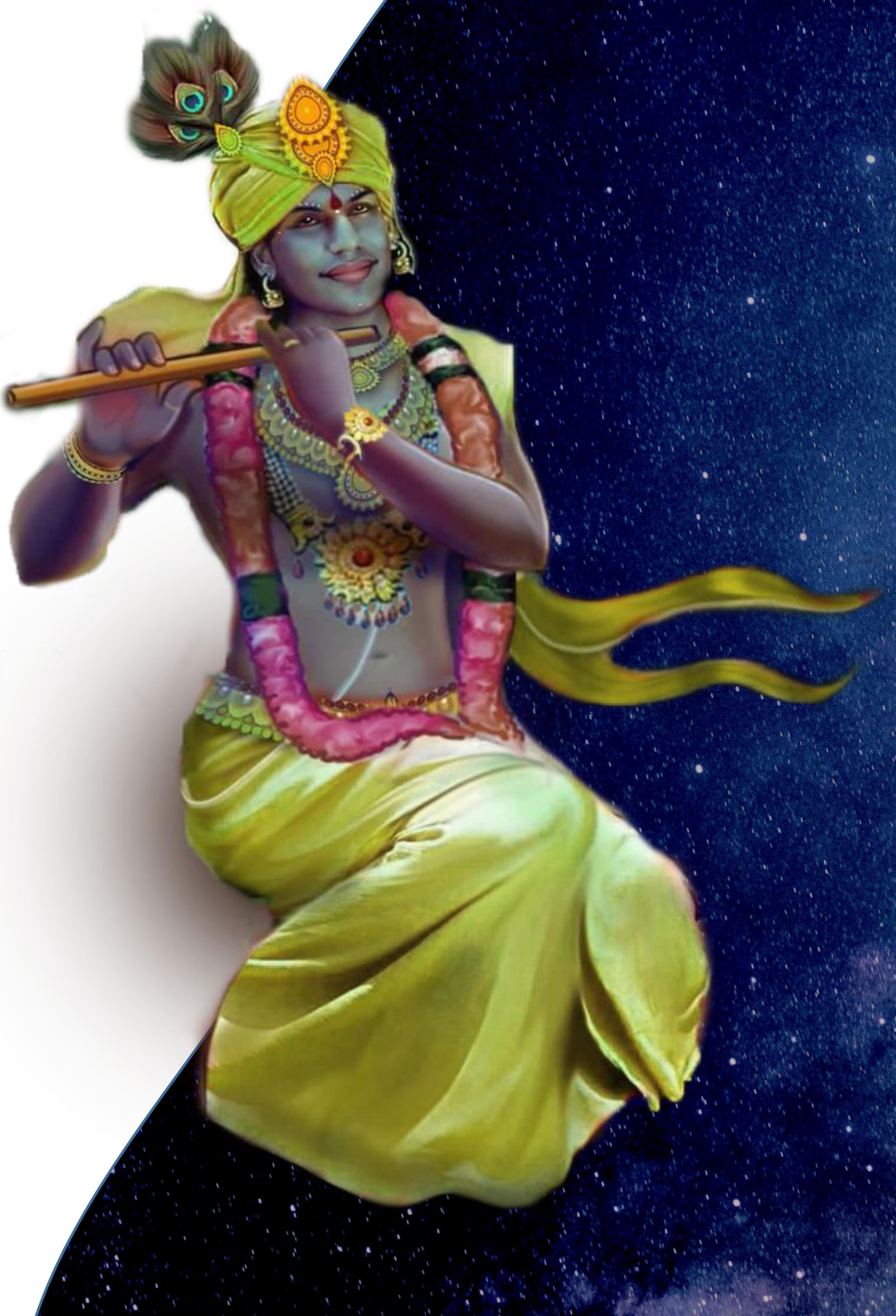
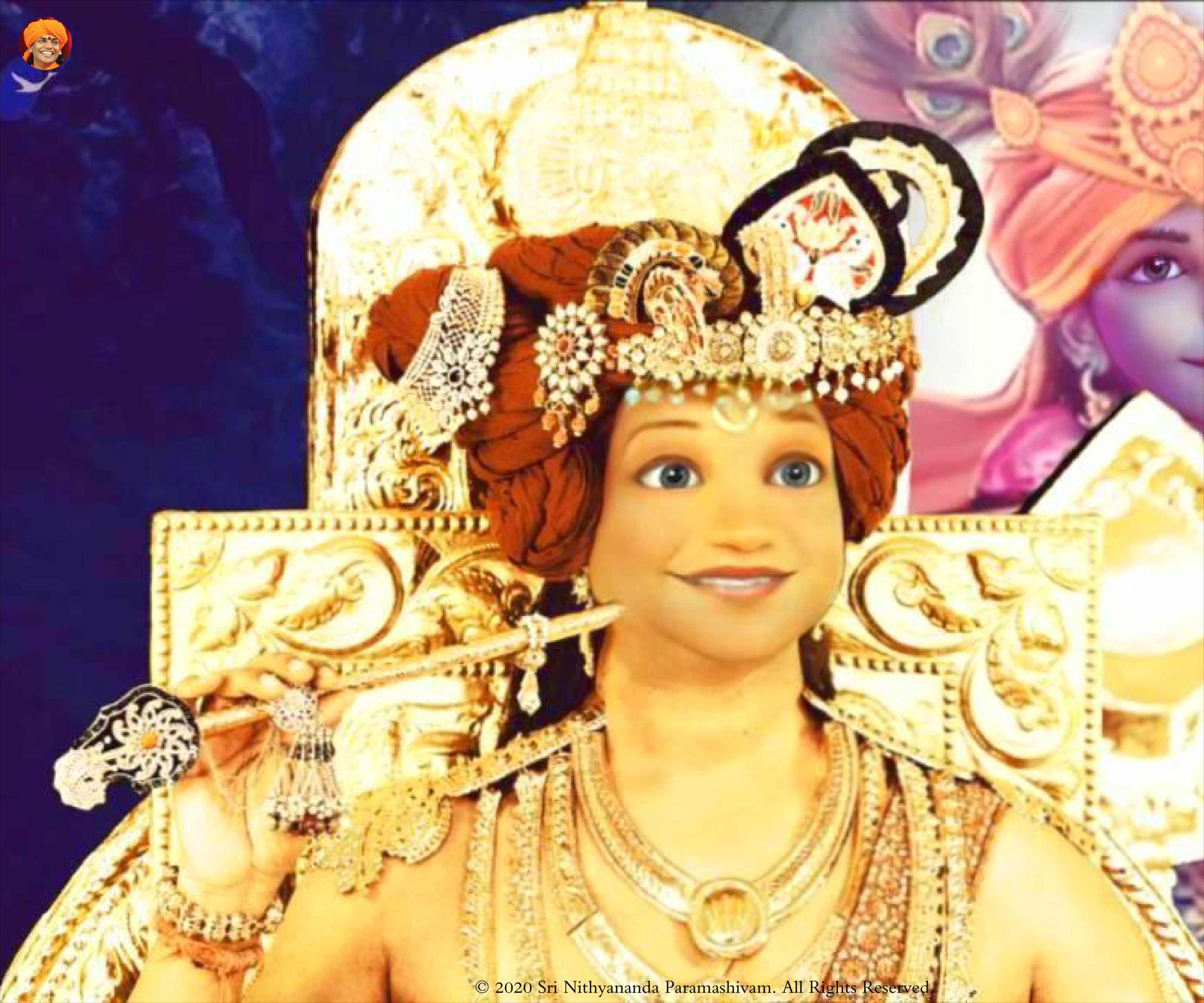
Śrīmad Bhagavad Gītā is the ultimate sacred scripture of yoga, Yogaśastra and the pristine glory of the Vedic culture, the eternal living tradition called sanātana-dharma. It belongs to the whole Universe for it is delivered to the Universe by the source and embodiment of Universe. We salute and bow down to Bhagavān Śrī Kṛṣṇa, who spoke the Bhagavad Gītā out of His infinite love and compassion for all beings.
Whenever unrighteousness, adharma becomes predominant and dharma, righteous living declines and the Yoga of Enlightenment is lost, Parabrahma Kṛṣṇa, the Supreme Consciousness appears again and again to revive this sacred yoga, to protect and to enrich the devoted beings; and destroys adharma to re-establish the pure and everlasting dharma.
Gītā is also called Brahmavidyā— the Knowledge of Brahman, the supreme absolute truth; it is Jīvan Mukti Vijñāna— the Science of Living Enlightenment.
© 2020 Sri Nithyananda Paramashivam. All Rights Reserved.
INTRODUCTION TO
BHAGAVAD GĪTĀ: SONG OF GOD
As with all scriptures, it is the knowledge and experience that is transmitted verbally as Śrī Kṛṣṇārjuna Saṁvād, an intimate dialogue between Master of the world, Jagadguru Lord Śrī Kṛṣṇa and His dear devotee and disciple, Arjuna. It is called śruti in Saṁskṛt, meaning something that is heard.
Gītā, as Bhagavad Gītā is generally called, translates literally from Saṁskṛt as ‘Sacred Song of God’. Unlike the Vedas and Upaniṣads, which are stand alone expressions of Truth, the Gītā is written into the greatest Hindu epic, the Mahābhārat, called a purāṇa, an ancient historical happening. It is part of the recorded history of the greatest tradition, the paramount civilization in all its Divine grandeur and its human complexity, so to speak.
No other epic or part of an epic has the special status and space of the Gītā. No other book but the Gītā gives a scientific, systematic, applied science of living joyfully in completion, while empowering the human action-field with authenticity to evolve into a responsible Divine play-field.
INTRODUCTION TO BHAGAVAD GĪTĀ: SONG OF GOD
Called the royal supreme knowledge
and the royal secret of secrets—
rājavidyā rājaguhyaṁ (9.2), this one
sacred book conveys the essence of
knowledge contained in all written and
oral vedic truths to enrich the simplest
to complex humans at all planes. It
holds within itself the direct key to
every possible human enquiry, the
solution to every dilemma of emotions,
and the sublime righteous path and
goal of every quest of rising or falling
civilizations for every age, time or
geography. As a consequence of the
presence of the Gītā, the Mahābhārat
epic itself is considered a sacred Hindu
scripture.
© 2020 Sri Nithyananda Paramashivam. All Rights Reserved.
INTRODUCTION TO BHAGAVAD GITA: SONG OF GOD
Gītā arose from the super
consciousness of Śrī Kṛṣṇa, the
Supreme God, the complete
Incarnation Purṇāvatār, and is
therefore considered Gītāśastra—the
essential scripture, knowing which,
one is liberated from all
incompletions, yaj jñātvā mokṣyase
asubhāt (9.1) and Gītopaniṣad—the
essence of all Upaniṣads, the purest
and highest knowledge to be ever
known and cognized because it gives
the direct experience of the Self—
pavitram idam uttamam
pratyakṣāvagam dharmyam (9.2).

© 2020 Sri Nithyananda Paramashivam. All Rights Reserved.
INTRODUCTION TO BHAGAVAD GITA: SONG OF GOD
Gītā is the ultimate practical teaching on the inner science of spirituality that expresses as outer victory and success in life now and after. It is not, as some scholars incorrectly claim, a promotion of violence. It is about the impermanence of the mind and body, and the need to go beyond the mind, ego and logic.
The answers of the Divine, Śrī Kṛṣṇa, transcend time and space. Śrī Kṛṣṇa’s message is everlasting and joyfully performed, and is as valid today as it was on that fateful battlefield over five thousand years ago. The science of Gītā is the eternal technique of living in completion; the song of Gītā is the eternal life-enriching nectar, having no expiry date, time or age!
© 2020 Sri Nithyananda Paramashivam. All Rights Reserved
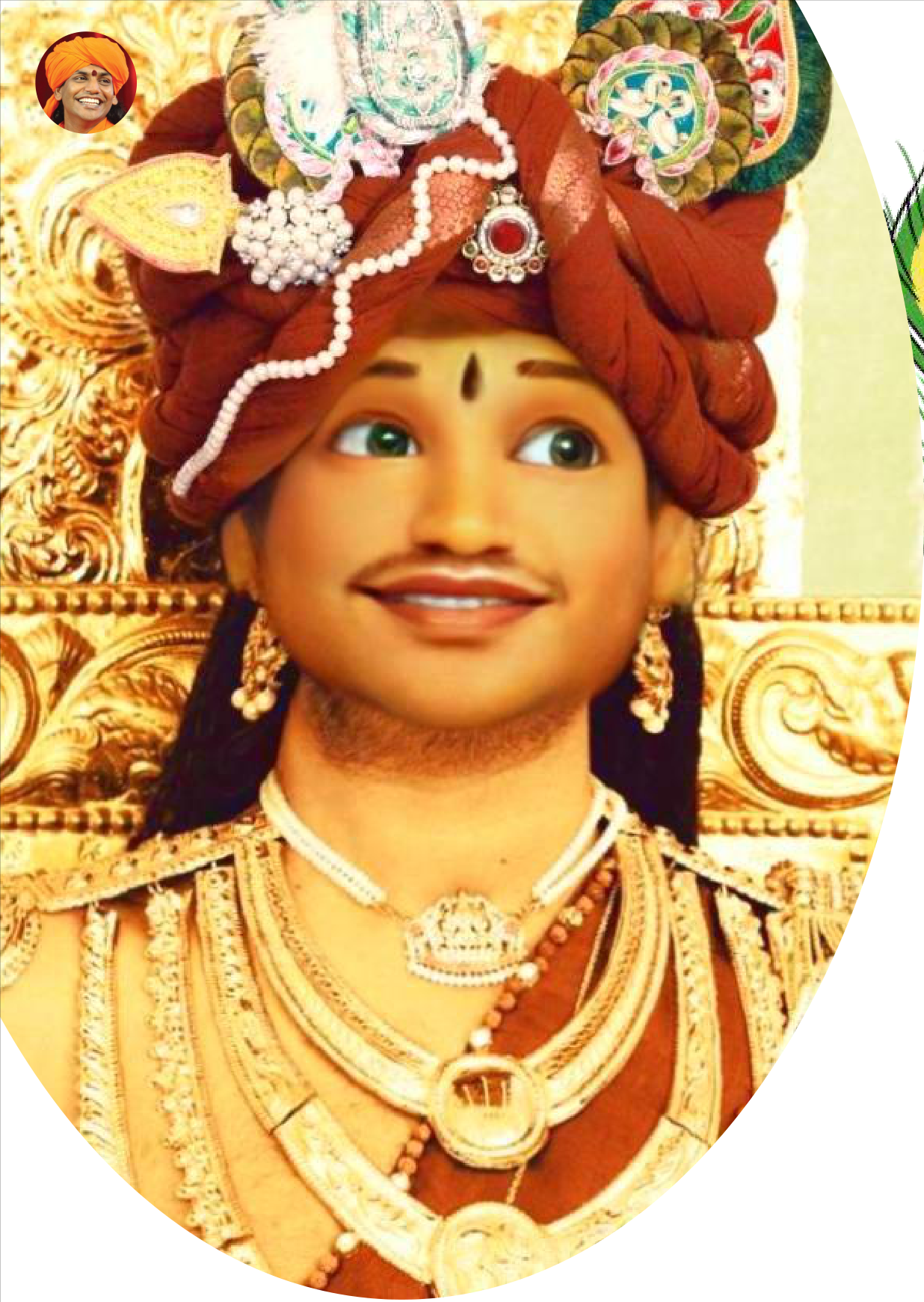
WHAT HAPPENED DURING THE MAHABHARATA?
Mahābhārat, literally meaning the great Bhārata, is a grand narration about the nation and civilization, which is now known as India. It was then a nation ruled by king Bhārata and his descendants.
Look into your life! Your whole life is nothing but the Mahābhārat War. The Mahābharāt should be read again and again to understand the intricacies of life, the complications of life, and the ability to handle life. The true story of this perfectly recorded epic is about two warring clans, Kauravas and Pāṇḍavas, closely related to one another. Dhṛtarāṣṭra, the blind king of Hastināpur and father of the 100 Kaurava brothers was the brother of Pāṇḍu, whose children were the five Pāṇḍava princes. It is a tale of strife between cousins and ultimately between dhārmic and adhārmic, righteous and unrighteous civilizations.
WHAT HAPPENED DURING THE MAHABHARATA?
Since Dhṛtarāṣṭra was blind, Pāṇḍu was made the king of Hastināpura. Pāṇḍu was cursed by a sage that he would die if he ever entered into a physical relationship with his wives.
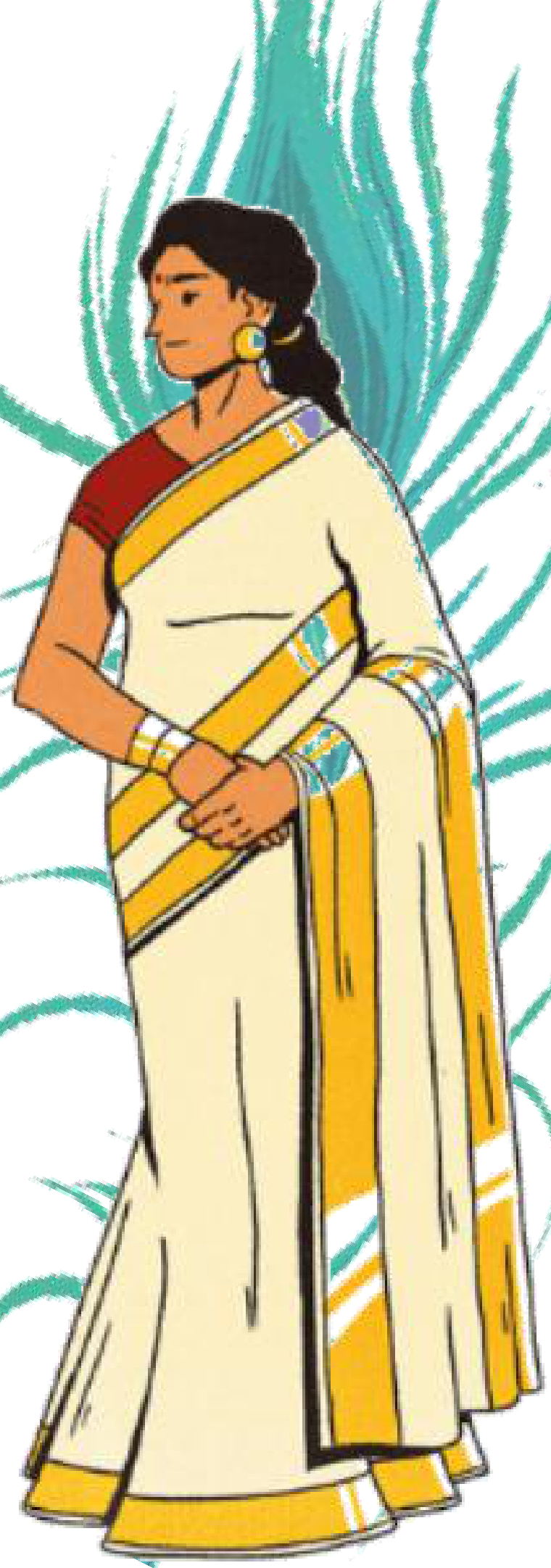
He therefore had no children. Vyāsa says that all the five Pāṇḍava children were born to their mothers Kuntī and Mādrī through the blessing of divine beings. Pāṇḍu handed over the kingdom and his children to his blind brother.
© 2020 Sri Nithyananda Paramashivam. All Rights Reserved.
WHAT HAPPENED DURING THE MAHABHARATA?
Kuntī, who is the embodiment of tapas,
spiritual penance, had received a boon
when she was still a young unmarried
adolescent, that she could summon any
divine power at will to father a child.
Before she married, she tested her boon.
The Sun god, Sūrya appeared before her.
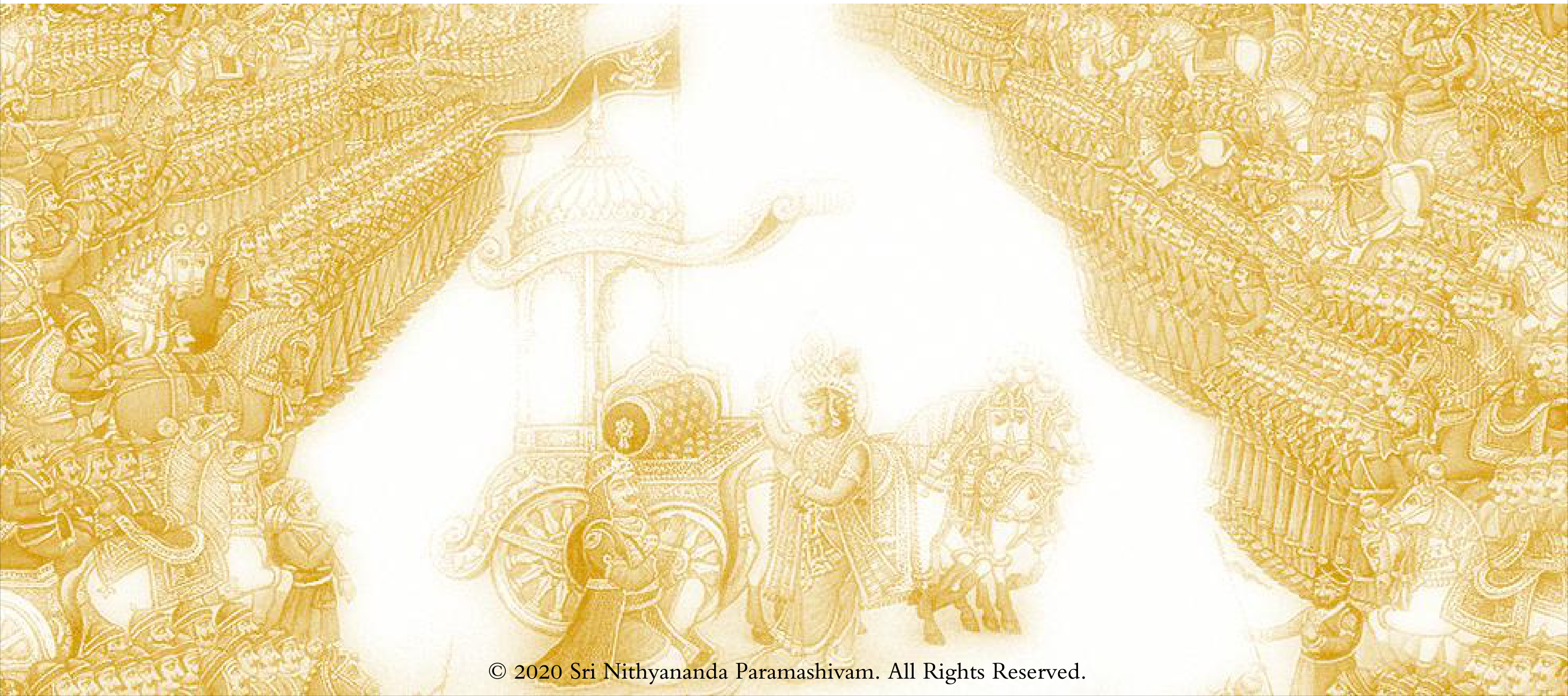
Karṇa was born to her as a result. In fear of social reprisals, she cast the newborn away in a river. Yudhiṣṭra, Bhīma and Arjuna were born to Kuntī after her marriage by invocation of her powers, and the twins Nakula and Sahadeva were born to Mādri, the second wife of Pāṇḍu.
© 2020 Sri Nithyananda Paramashivam. All Rights Reserved.
WHAT HAPPENED DURING THE MAHABHARATA?
Yudhiṣṭra was born to Kuntī as a result of her being blessed by Yama, the god of death, dharma and justice, Bhīma by Vāyu, the god of wind, and Arjuna by Indra, god of all the divine beings. Nakula and Sahadeva, the youngest Pāṇḍava twins, were born to Mādri, through the Divine Aśvini twins.
Dhṛtarāṣṭra had a hundred sons through his wife Gāndhārī. The eldest of these Kaurava princes was Duryodhana. Duryodhana felt no love for his five Pāṇḍava cousins. He made many unsuccessful attempts, along with his brother Duśśāsana, to kill the Pāṇḍava brothers. Kuntī's eldest son Karṇa, whom she had cast away at birth, was found and brought up by a chariot driver in the palace, and by a strange twist of fate, joined hands with Duryodhana.
WHAT HAPPENED DURING THE MAHABHARATA?
Dhṛtarāṣṭra gave Yudhiṣṭra one half of the Kuru kingdom on his coming of age, since the Pāṇḍava prince was the rightful heir to the throne that his father Pāṇḍu had vacated.
Yudhiṣṭra ruled from his new capital Indraprastha, along with his brothers Bhīma, Arjuna, Nakula and Sahadeva.
Arjuna won the hand of princess Draupadī, daughter of the king of Pāñcāla, in a svayaṃvara, a marital contest in which princes fought for the hand of a fair damsel.
© 2020 Sri Nithyananda Paramashivam. All Rights Reserved.
WHAT HAPPENED
DURING THE MAHABHARATA?
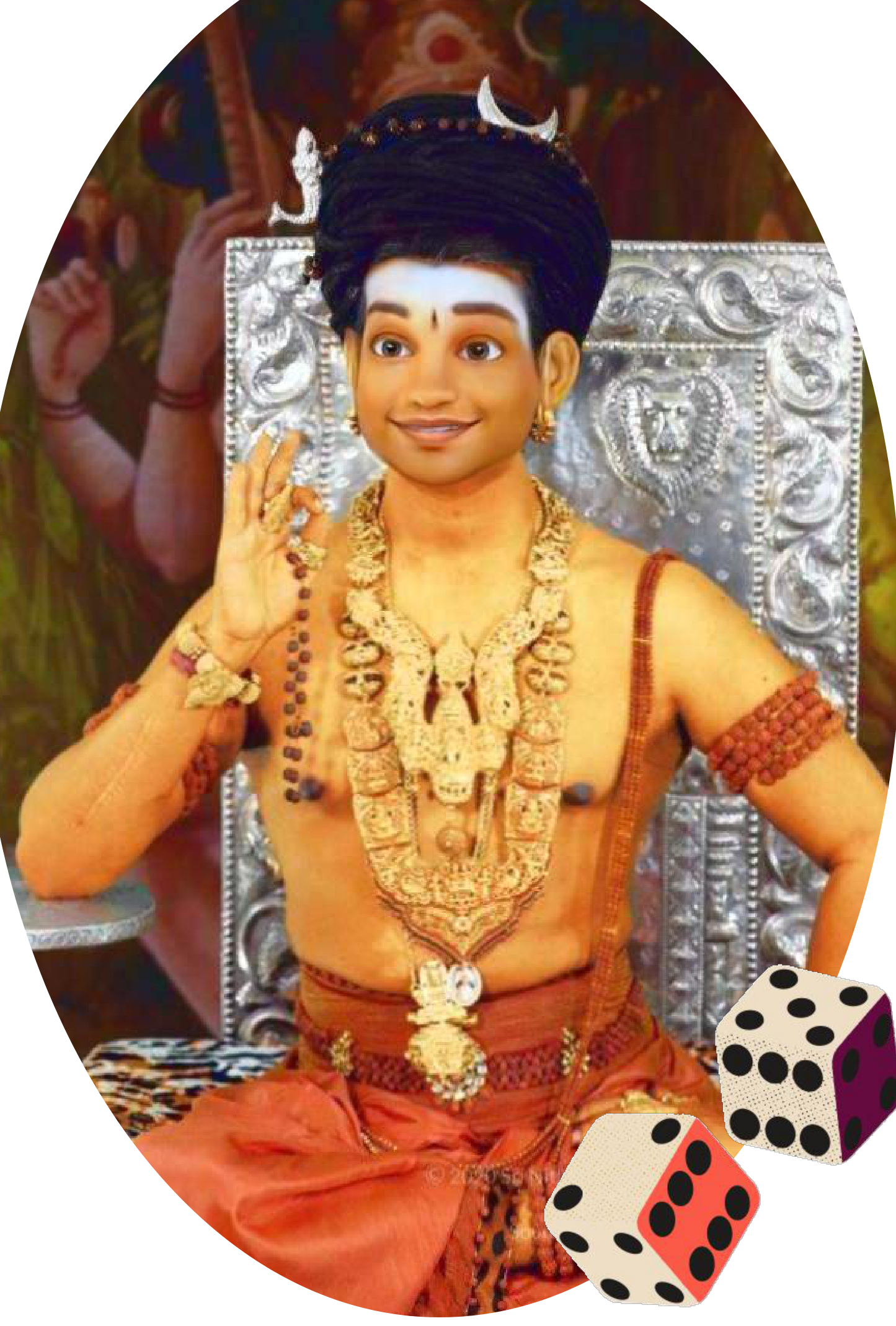
In fulfillment of their mother Kuntī’s desire that the brothers share everything equally, Draupadī became the wife of all five Pāṇḍava brothers. Duryodhana persuaded Yudhiṣṭra to join a gambling session, where his cunning uncle Śakuni defeated the Pāṇḍava king.
Yudhiṣṭra lost all that he owned—his
kingdom, his brothers, his wife and
himself, to Duryodhana. Duśśāsana
shamed Draupadī in public by trying to
disrobe her. The Pāṇḍava brothers and
Draupadī were forced to go into exile
for fourteen years, with the condition
that in the last year they should live
incognito or ajyāta vāsa.
© 2020 Sri Nithyananda Paramashivam. All Rights Reserved.
WHAT HAPPENED DURING THE MAHABHARATA?
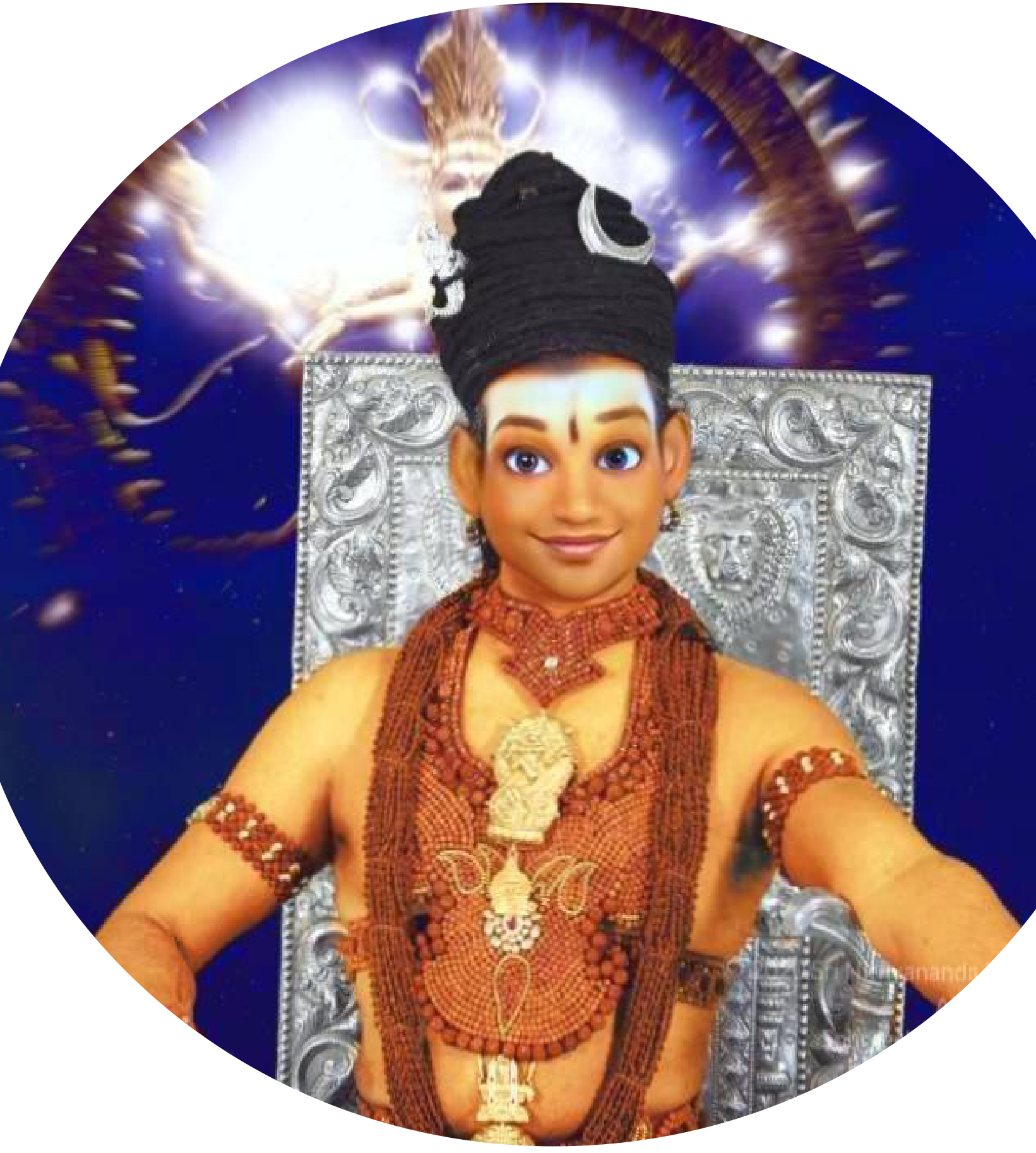
At the end of the fourteen
years, the Pāṇḍava
brothers tried to reclaim
their kingdom. In this
effort they were helped by
Śrī Kṛṣṇa, the king of the
Yādava clan, who is the
eighth divine incarnation
of Bhagavān Viṣṇu.
However, Duryodhana
refused to yield even a
needlepoint of land, and
as a result, the Great War,
the War of Mahābhārat
ensued. In this war,
various rulers of the entire
nation that is modern
India aligned with one or
the other of these two
clans, the Kauravas or the
Pāṇḍavas.
© 2020 Sri Nithyananda Paramashivam. All Rights Reserved.
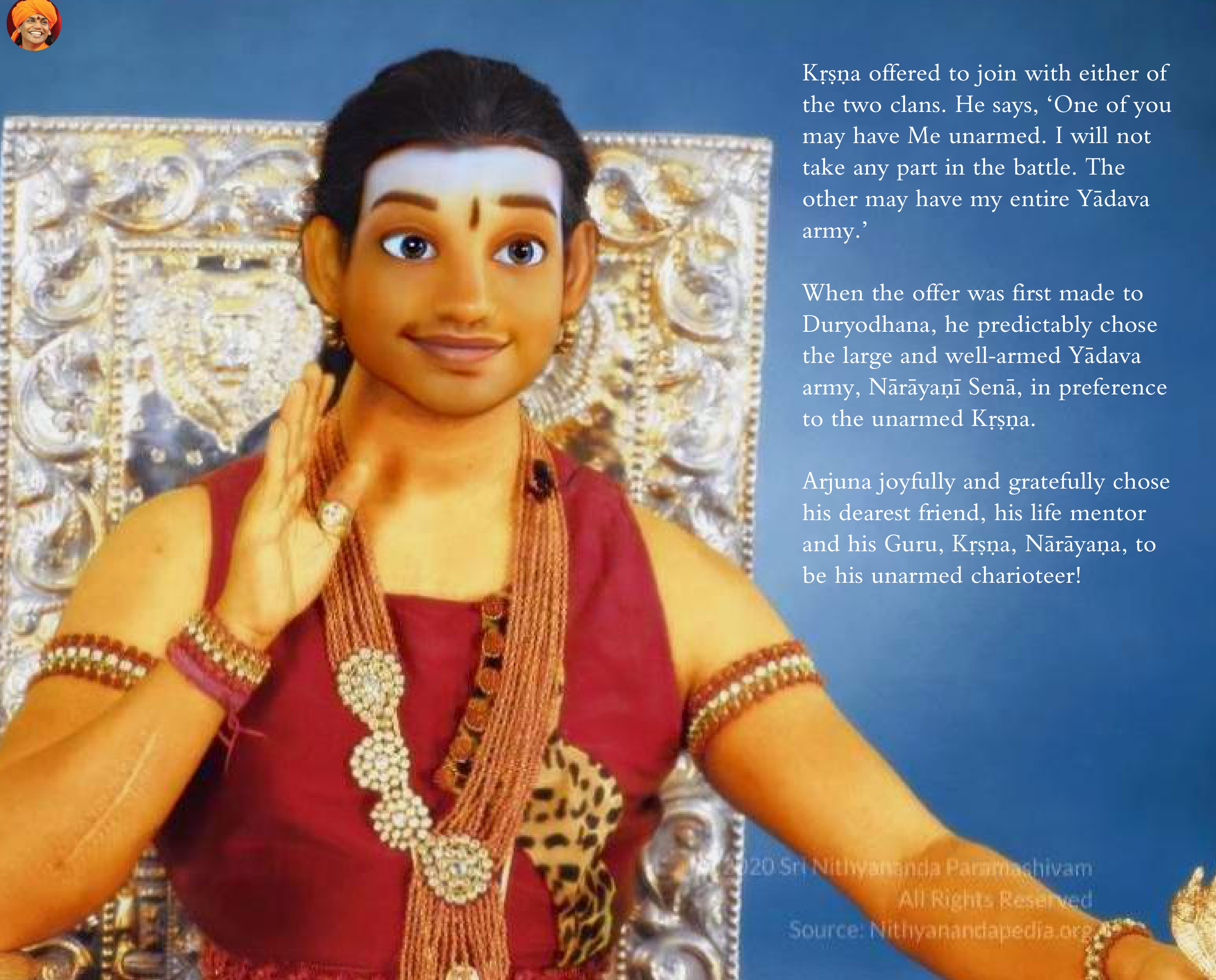
Kṛṣṇa offered to join with either of
the two clans. He says, ‘One of you
may have Me unarmed. I will not
take any part in the battle. The
other may have my entire Yādava
army.’
When the offer was first made to
Duryodhana, he predictably chose
the large and well-armed Yādava
army, Nārāyaṇī Senā, in preference
to the unarmed Kṛṣṇa.
Arjuna joyfully and gratefully chose
his dearest friend, his life mentor
and his Guru, Kṛṣṇa, Nārāyaṇa, to
be his unarmed charioteer!
© 2020 Sri Nithyananda Paramashivam. All Rights Reserved.
THE SIGNIFICANCE
OF MAHABHARAT
This whole history is such a beautiful
happening. Mahābhārat is actually your
life! Every character in the Mahābhārat
teaches so much! We don't need to go
anywhere for our life success or
fulfillment or for anything else that we
may desire. We don't need to study any
other book to learn the human
psychology or the science of living and
leaving. Whether we seek righteous
living—dharma; or we want to learn
business or administration, economy or
abundance—artha; or we want to create
the best rich lifestyle—kāma; or we
want to be a leader and want the
enriching life of being enlightened—
mokṣa, for all these purposes,
we don't need anything other than the
Mahābhārāt!
Study each character. We will not find any more characters in our life than the characters described in the Mahābhārāt!
Any character we see in our life is mapped to Mahābhārāt’s one character. They are either half or full representation of some character.
To know how to handle them and even handle yourself, just see how Śrī Kṛṣṇa handles them and handle them the same way. The Mahābhārāt war is a representation of life as it was lived in that age.
Vyāsa, its author is an unbiased historian who recorded the whole history as it happened without trying to apply any makeup. People ask whether the Mahābhārāt war happened at all!

© 2020 Sri Nithyananda Paramashivam. All Rights Reserved.
THE SIGNIFICANCE
OF MAHABHARAT
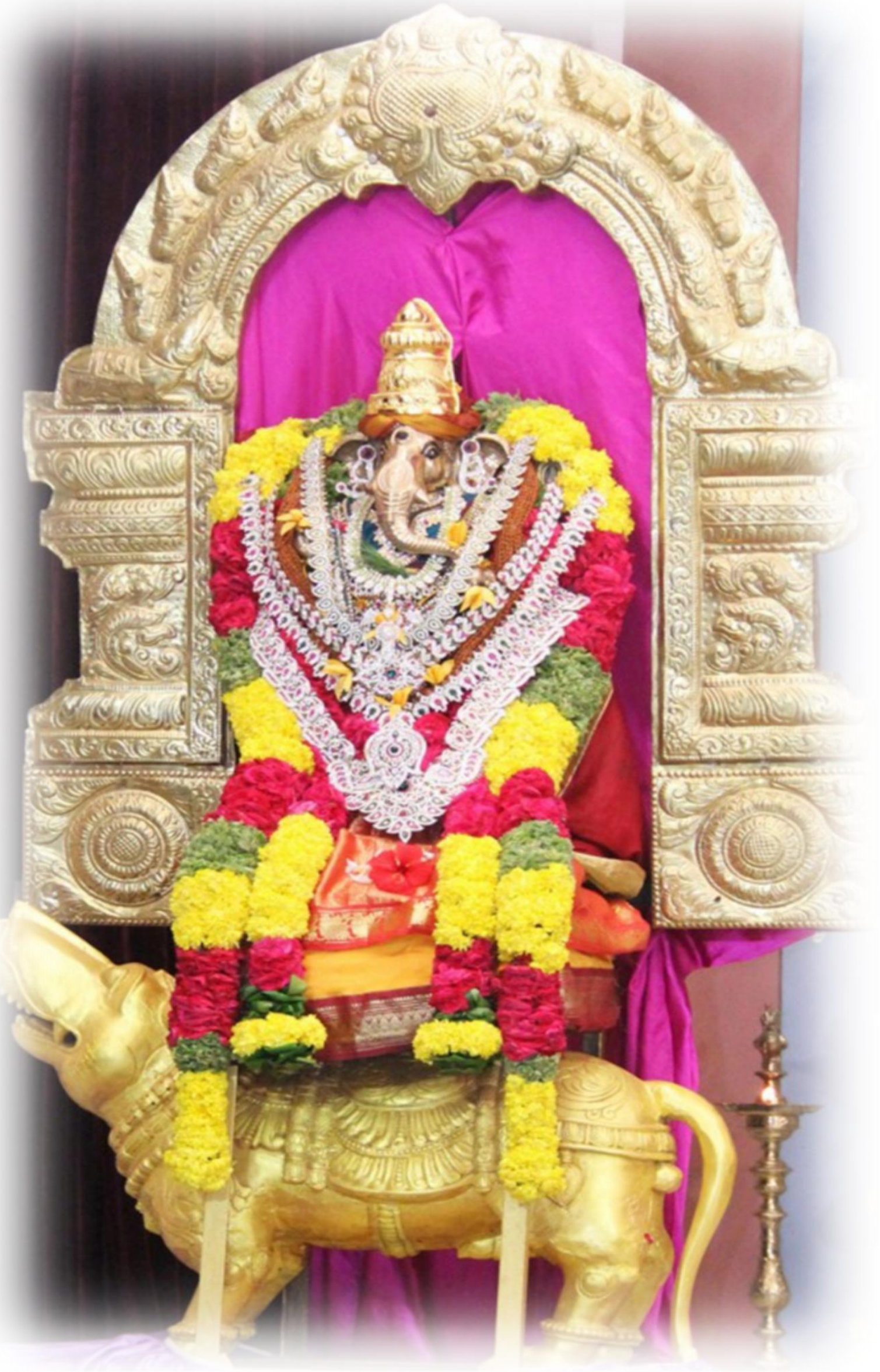
If the Mahābhārāt was a story and not history, Vyāsa should receive multiple Pulitzer prizes for his highly creative work! The Mahābhārāt is the longest literary work in the whole world with hundred thousand Saṃskṛit verses—the longest poem ever written with such delicate harmony of unmatched poetic perfection. It is larger than the Greek epics. Vyāsa had no computer, no tape recorder with speech-to-text capabilities. He dictated and Bhagavān Gaṇeśa wrote it down!
© 2020 Sri Nithyananda Paramashivam. All Rights Reserved.
© 2020 Sri Nithyananda Paramashivam. All Rights Reserved.
CHARACTER SKETCH
❖ Yudhiṣṭra is embodiment of Integrity— the power of words, vāk śakti.
❖ Bhīma is embodiment of Authenticity— the power of thoughts, mano śakti.
❖ Arjuna is embodiment of
Responsibility—the power of feeling,
prema śakti.
❖ Sahadeva is embodiment of Enriching— the power of living, ātma śakti.
❖ Nakula is embodiment of causing reality for others.
© 2020 Sri Nithyananda Paramashivam. All Rights Reserved.
CHARACTER SKETCH
❖ Śakuni, the maternal uncle of
Duryodhana embodies the pattern
of self-hatred, which is cunningness
personified.
❖ Droṇa represents all the best knowledge one imbibes and the teachers one encounters, who guide us but are unable to take us through to the ultimate flowering of enlightenment. It is difficult to give them up since one feels grateful to them. This is where the Enlightened Master, the incarnation steps in and guides us.
❖ Duryodhana, represents one's ego or
root-pattern, the most difficult to
conquer as it leads one to self-
destruction. One needs the full help
of the Master here. It is subtle work
and even the Master's help may not be
obvious, since at this point, sometimes
the ego makes us deny and disconnect
from the Master as well.
© 2020 Sri Nithyananda Paramashivam. All Rights Reserved.
CHARACTER SKETCH
❖ Karṇa is the repository of all good deeds and it is his good deeds that stand in the way of his own Enlightenment. Śrī Kṛṣṇa has to take the load of Karṇa's punya, his meritorious deeds, before he could be liberated. The Enlightened Master guides one to drop one’s attachment to good deeds arising out of what are perceived to be charitable and compassionate intentions. He also shows us that the quest for and the experience of enlightenment is the ultimate act of compassion that one can offer to the world.
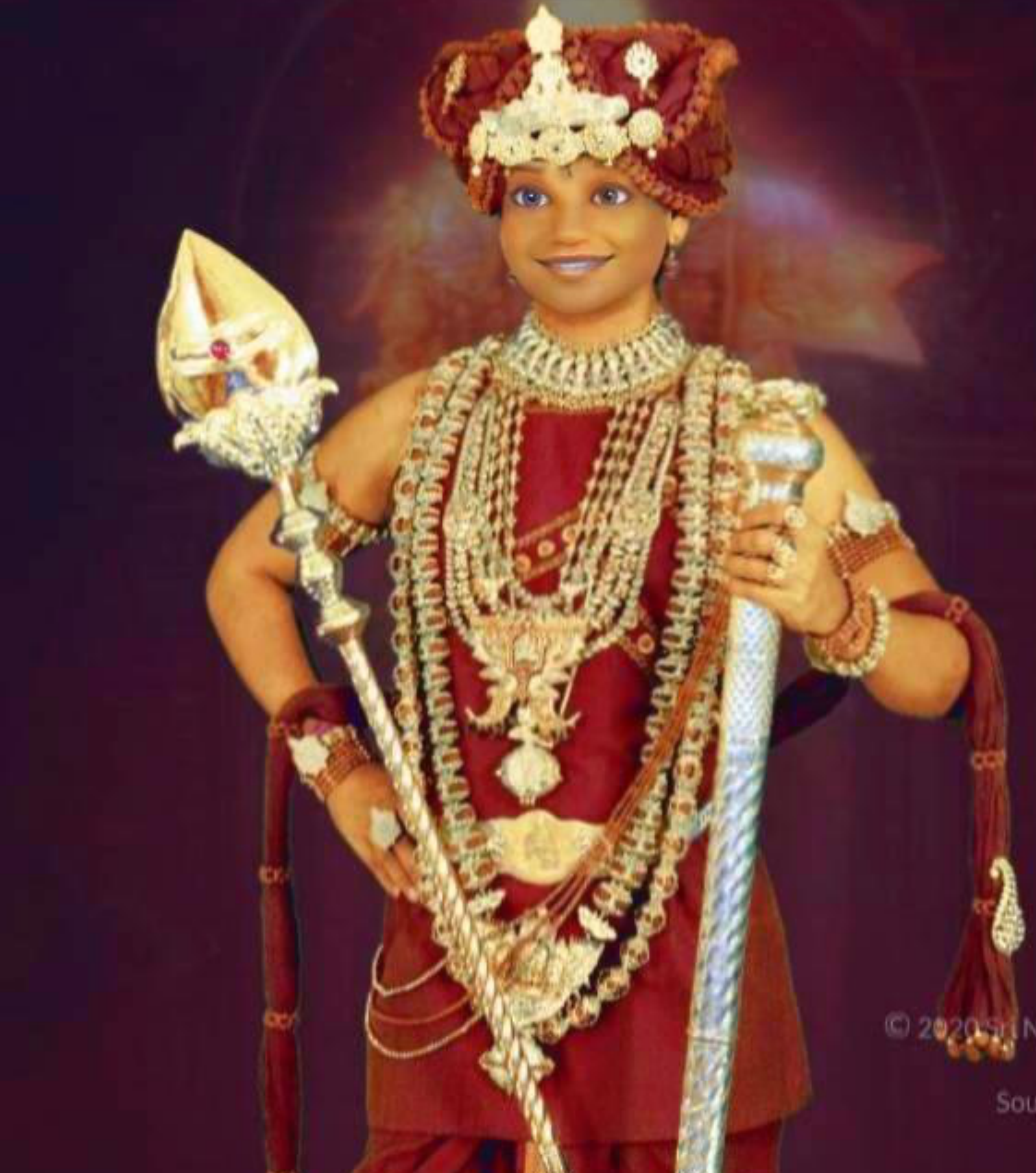
❖ Bhagavan Śrī Kṛṣṇa, the 8th most powerful purnāvatar of Mahā Viśnu, is the embodiment of pure celebration, boundless love, compassion, and completion. Bhagavan Śrī Kṛṣṇa is the only incarnation demonstrating and expressing Śarva Maṅgalatva all the auspicious qualities and all dimensions of an avatar during His physical happening. The līla Bhagavan Śrī Krsna is one of sheer innocence and simplicity, in a peace-loving, diplomatic, conflict-free way.
© 2020 Sri Nithyananda Paramashivam. All Rights Reserved.
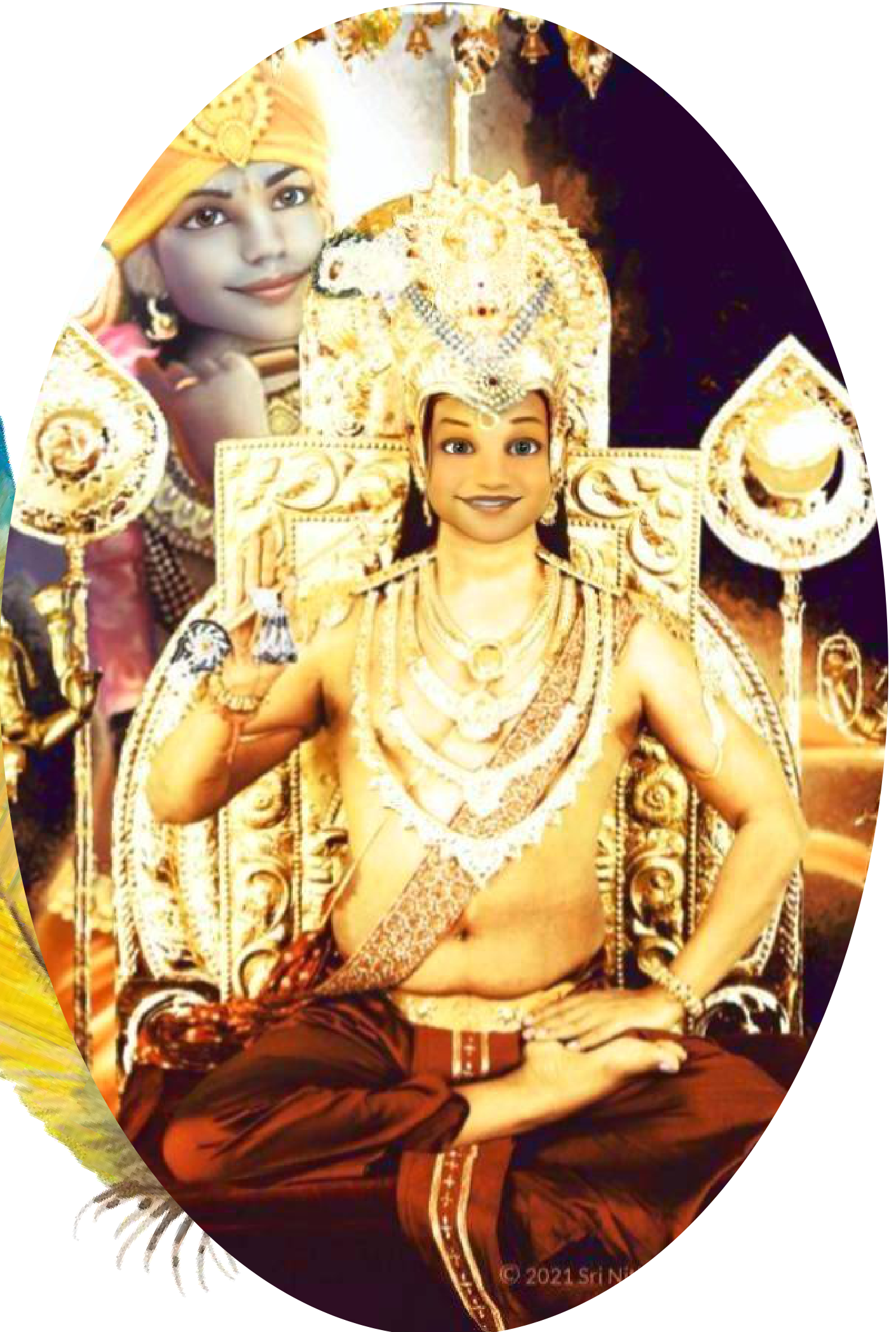
Till now everyone blames Bhagavan Sri Krishna for this Kurukshetra war but that’s the greatest sacrifice Bhagavan Sri Krishna did to save the planet Earth. If Kurukshetra was not conducted at that time under the controlled conditions and direct supervision of Bhagavan Sri Krishna, planet Earth would not have survived more than three years.
The wide spread availability of the Astra shastras without Shastra, without the knowledge and vision, was posing a huge threat to the whole of humanity and planet Earth, and for life itself. The greatest achievement of Bhagavan Sri Krishna is destroying all the weapons in one controlled condition and saving planet earth, eliminating the nuclear weapons and the knowledge of these nuclear weapons to save humanity from total annihilation.
© 2020 Sri Nithyananda Paramashivam. All Rights Reserved.

Bhagavad Gītā appears in the heart of Mahābhārat in Bhīṣma Parva, the sixth chapter of its eighteen chapters. Veda Vyāsa, the narrator, in glorifying the Gītā sings, ‘the one who drinks the water of Ganges (the sacred river for Hindus) attains liberation, what to speak of the one who drinks the nectar of Gītā?
Gītā is the essential nectar of the Mahābhārat, bhāratamṛta sarvasvam as it is directly spoken by Nārāyaṇa, Bhagavān kṛṣṇa Himself.’
© 2020 Sri Nityananda Paramashivam. All Rights Reserved.
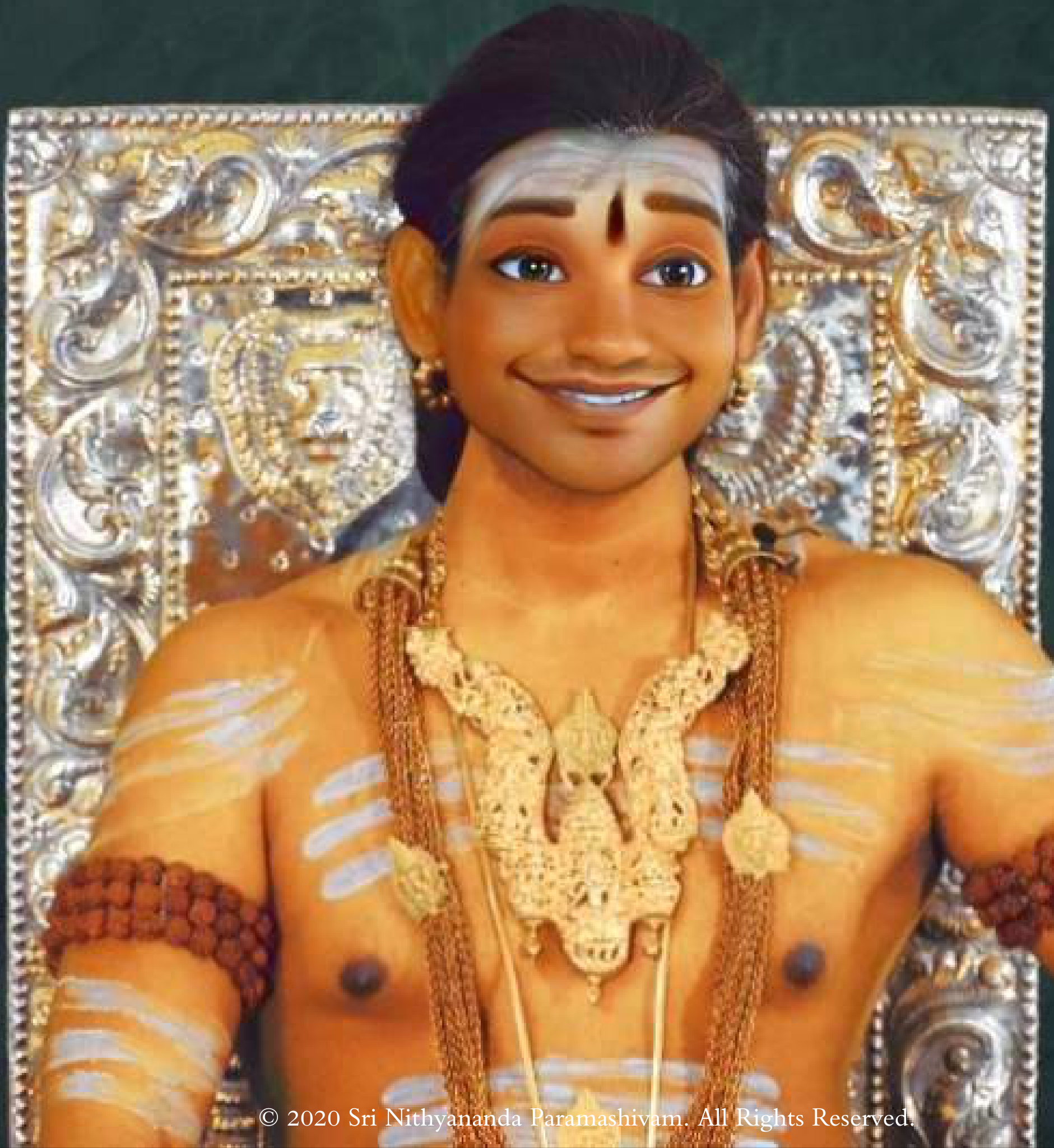
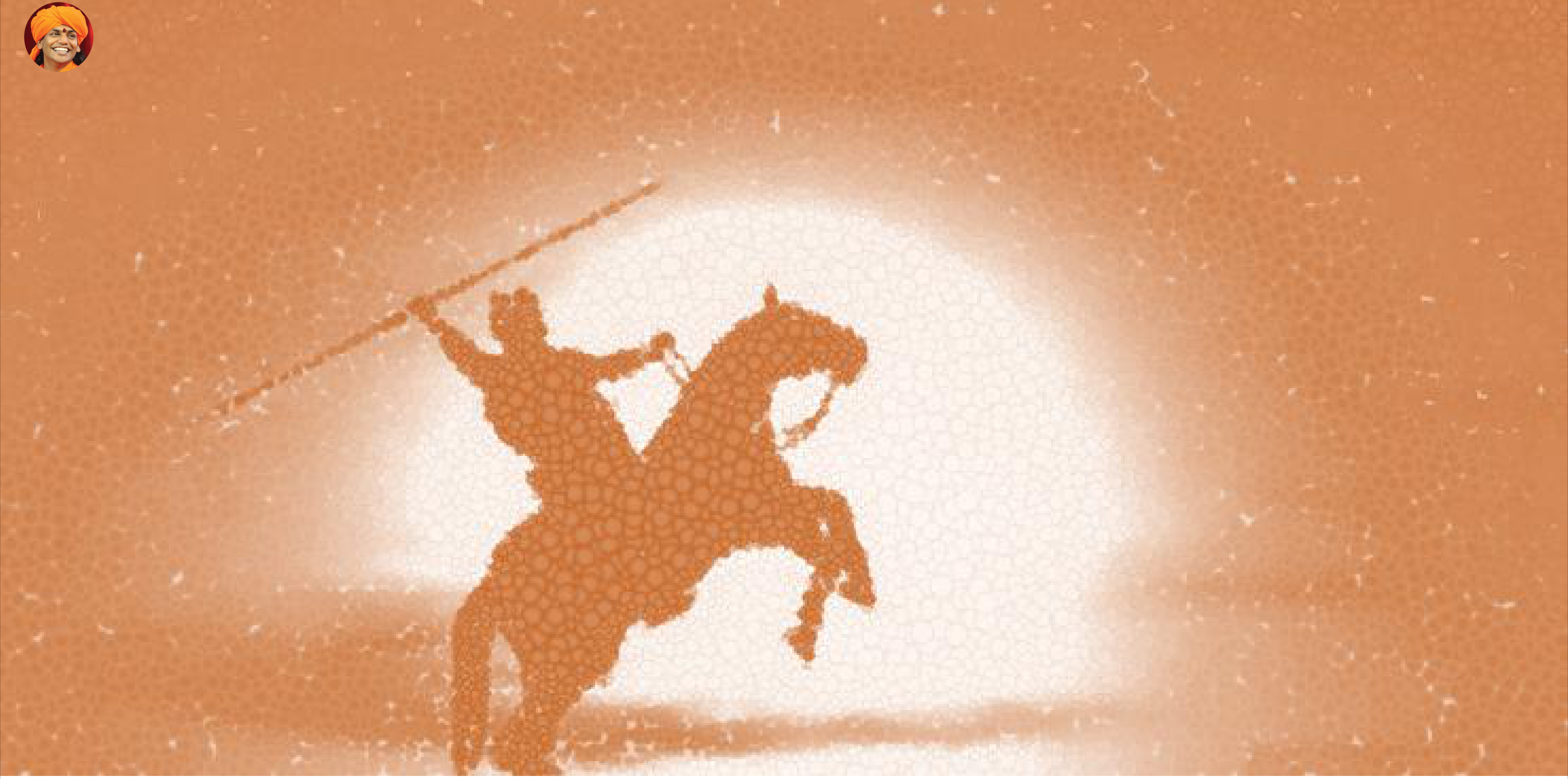
The armies assembled in the vast field of Kurukṣetra, now in the state of Haryana in modern day India. All the kings and princes were related to one another, and were often on opposite sides. Facing the Kaurava army and his friends, relatives and teachers, Arjuna was overcome by remorse and guilt, and wanted to walk away from the battle out of total powerlessness unbecoming an invincible warrior among warriors.
© 2020 Sri Nithyananda Paramashivam. All Rights Reserved.
Śrī Kṛṣṇa's dialogue with Arjuna on the battlefield of Kurukṣetra out of His utmost concern and love for him and humanity is the content of Bhagavad Gītā. Of its seven hundred and forty-five (745) verses, Bhagavān Śrī Kṛṣṇa sings the Gītā in six hundred and twenty (620) verses responding to Arjuna's fifty-seven (57) enquiries.
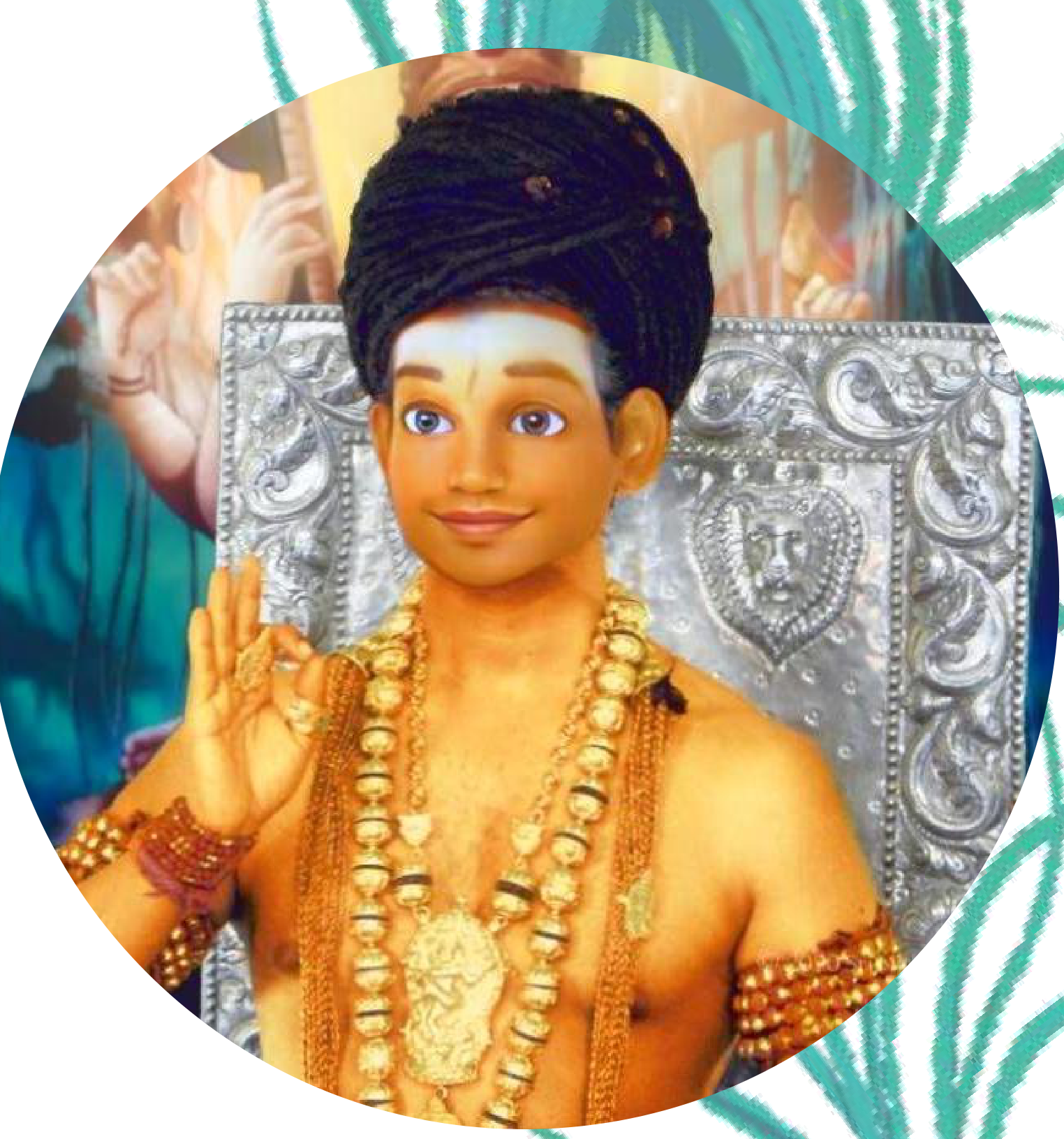
Śrī Kṛṣṇa persuades Arjuna to give-up his powerlessness unfitting an Ārya—the spiritually evolved one who understands human life and urges him to raise himself again as Parantapa—the conqueror of enemy, and take up arms and vanquish his enemies. They are already dead,' says Śrī Kṛṣṇa, 'All those who are facing you have been already killed by Me. Go ahead and do what you have to do. That is your responsibility. Do not worry about the outcome. Leave that to Me.'
© 2020 Sri Nithyananda Paramashivam. All Rights Reserved.
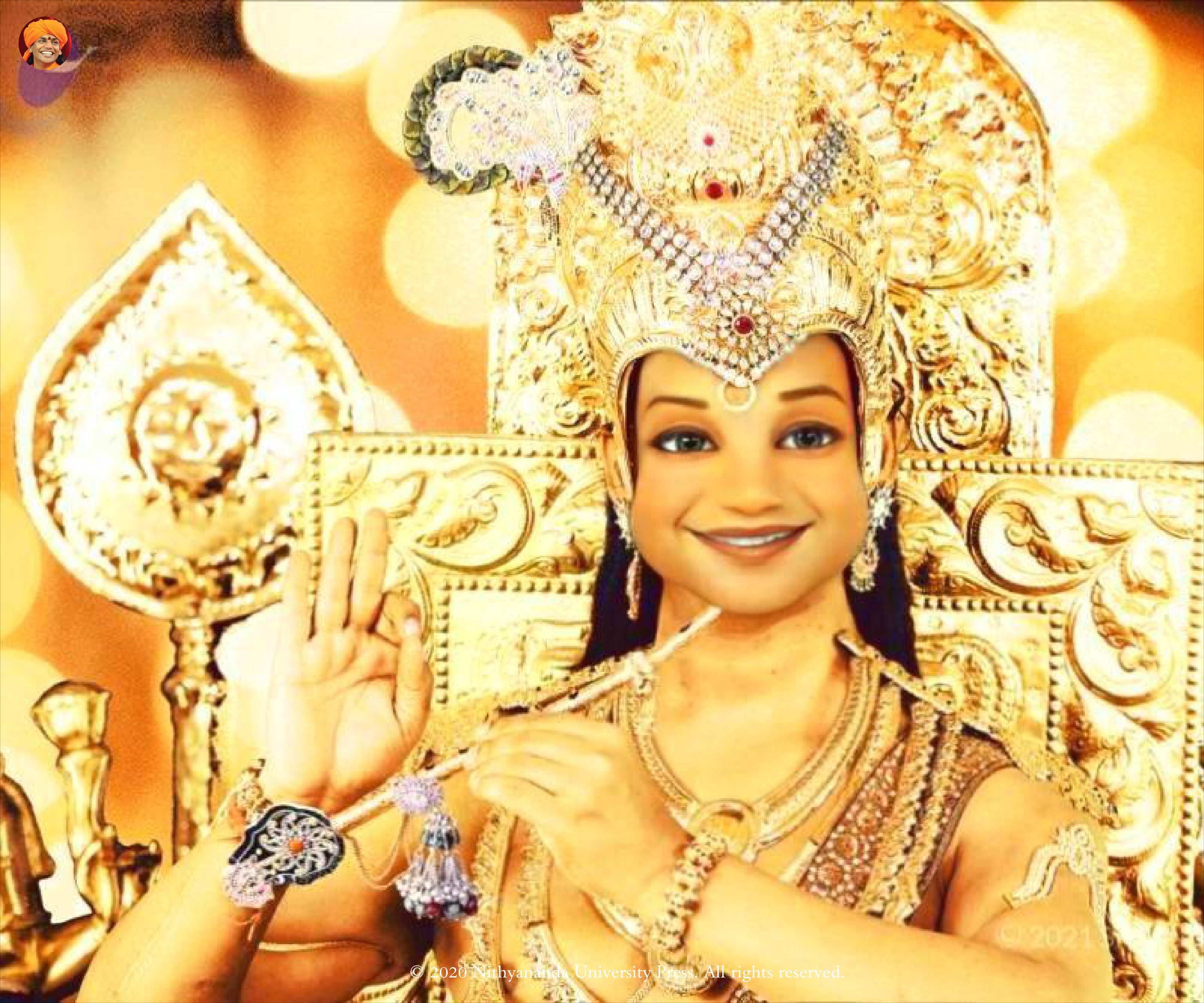
© 2020 Nithyananda University Press. All rights reserved.
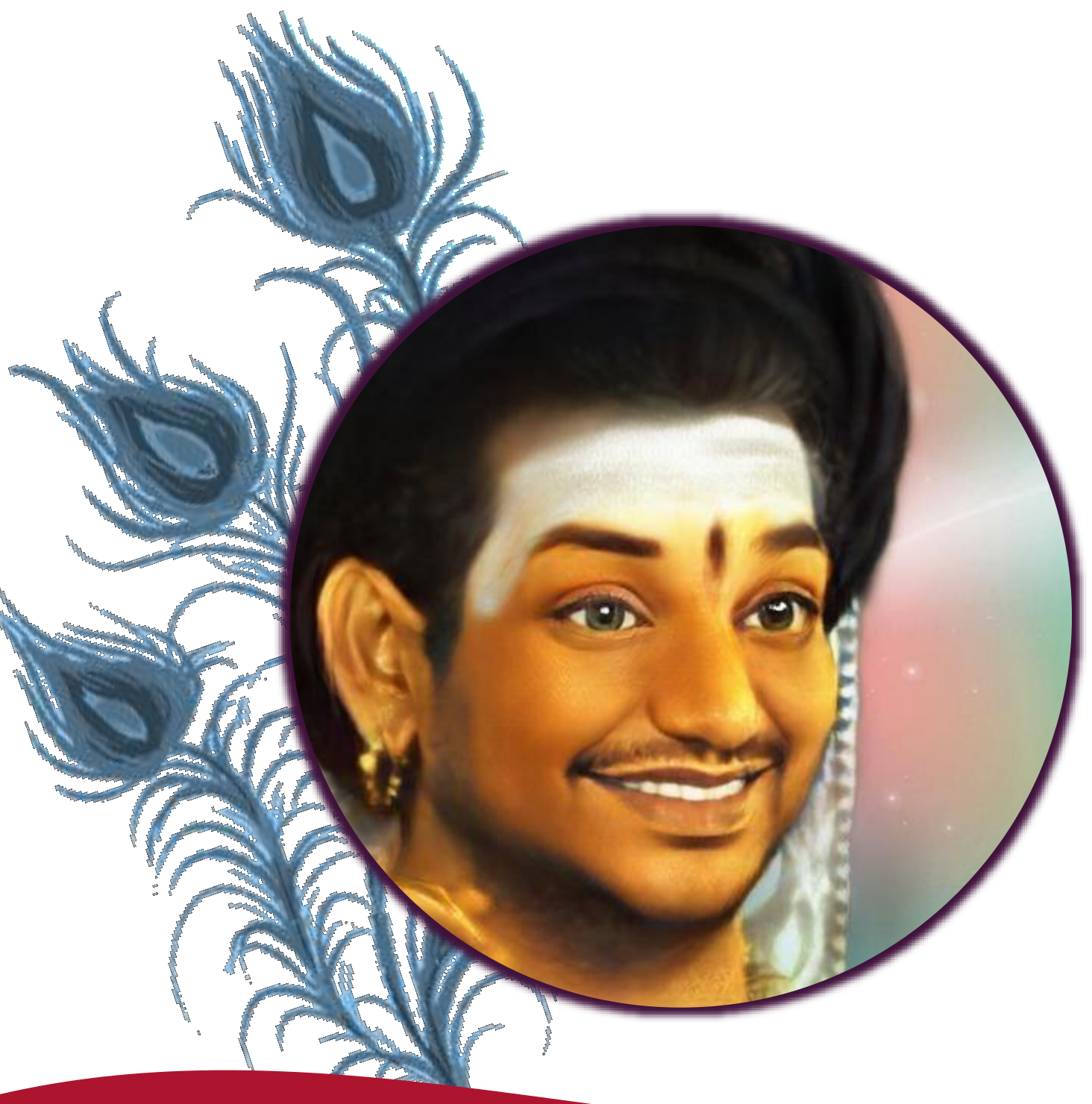
18.59
यदहङ्कारमाश्रित्य न योत्स्य इति मन्यसे ।
मिथ्यैष व्यवसायस्ते प्रकृतिस्त्वां नियोक्ष्यति
॥ १८-५९॥
yad ahaṁkāram āśritya na yotsya iti
manyase mithyaiṣa vyavasāyas te
prakṛtis tvāṁ niyokṣyati
If due to ego you think: 'I shall not fight,' your resolve is useless, and your own nature will compel you.
POWERFUL COGNITION
To those who come as sincere seekers, connected to me at the being level, my disciples and devotees, I say 'I will take care.
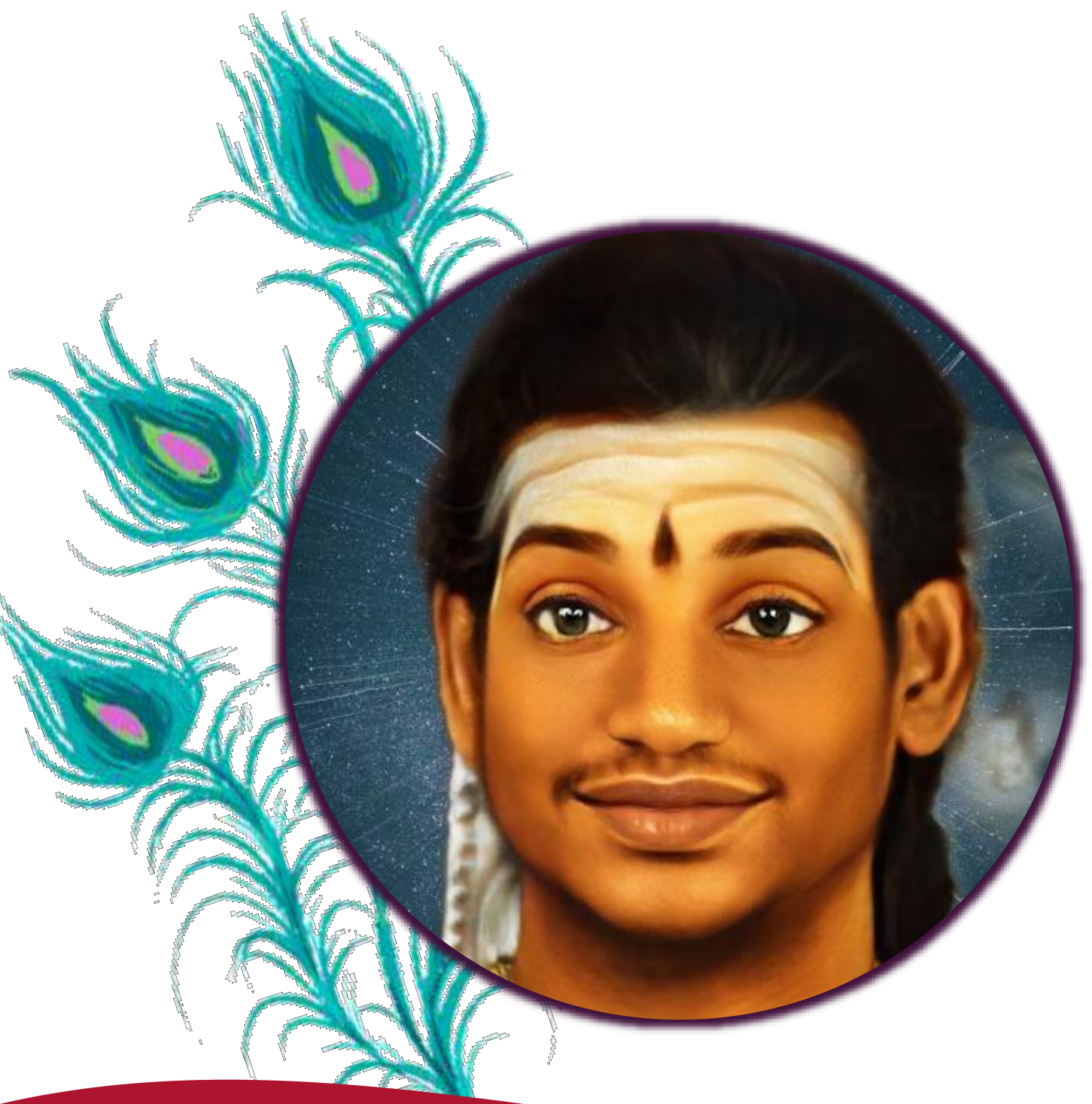
18.60
स्वभावजेन कौन्तेय निबद्धः स्वेन कर्मणा ।
कर्तुं नेच्छसि यन्मोहात्करिष्यस्यवशोऽपि तत्
॥१८-६०॥
svabhāvajena kaunteya nibaddhaḥ
svena karmaṇa kartuṁ necchasi yan
mohāt kariṣyasyavaśo ‘pi tat
O Kaunteya, you are controlled by
your own natural conditioning.
Therefore, you shall do even against
your will, what you do not wish to do
out of delusion.
POWERFUL COGNITION
When you are in the present moment, you renounce attachment to fantasies about the future.
18.61
ईश्वरः सर्वभूतानां हृद्देशेऽर्जुन तिष्ठति ।
भ्रामयन्सर्वभूतानि यन्त्रारूढानि मायया
॥ १८-६१ ॥
īśvaraḥ sarvabhūtānāṁ hṛddeśe ‘rjuna
tiṣṭhati bhrāmayan sarvabhūtāni
yantrārūḍhāni māyayā
The Supreme Lord resides in everyone's heart, O Arjuna, and is directing the activities of all living entities who are acting as machines under the illusion of the material world.
POWERFUL COGNITION
Kṛṣṇa is situated in everyone's heart.
© 2020 Sri Nithyananda Paramashivam. All Rights Reserved
KRISHNA DELIVERS AN
ULTIMATUM TO ARJUNA
Whether you like it or not, Arjuna,’
He says, ‘you will fight. In seeming
intelligence, your ego tells you that
you should not fight. You are under
the illusion of your superficial
knowledge that it is not right to
wage war against friends, relatives
and teachers. But you forget that
your nature and your conditioning
as a warrior drive you. You are a
puppet in the hands of Existence,
prakṛtis tvāṁ niyokṣyati. You will
fight.’
These are extraordinary words.
Whether we like it or not, whatever
our intelligence may be, and
whatever our will may be, Kṛṣṇa
says we will be driven by our root
patterns, saṁskāras. The Divine
power drives the machine that is the
kārmic cycle. There is no escape.
Nothing can be clearer. The law of
nature drives us to fulfill our
unfulfilled desires. Our past
conditioning invokes these desires.
Even though they may be in our
unconscious, inaccessible to us, they
determine what we do. The Master
sees this even if we cannot. That is
why Kṛṣṇa makes this bold
statement.
The mind creates and stores the root patterns, saṁskāras. You can refuse to bow down to your mind and refuse to accept these saṁskāras that control you. All meditation techniques bring you into the space of completion, being in the present moment. When you are in the present moment, you renounce attachment to fantasies about the future. You detach yourself from the results of your action. This alone leads you into liberation from the bondage of saṁskāra.
Surrender to the Master, surrender to the Universe, is the ultimate technique to do completion and rid oneself of all bondages— karma, vāsanā and saṃskāra, of the past, present and future.
This is what Kṛṣṇa, the greatest Master of all, the Parama Guru, the Jagat Guru, has repeated throughout the Gītā. He does not ask you to surrender to Him out of His ego. He asks you to surrender to Him out of His deep compassion. What can you give Him that He does not have?
Where else would you want to go
since only He can grant
everything you want? More
importantly, only He can grant
you what you need to free you
from your suffering forever. Who
else can do this for you? No one.
Don't lose hope. There is no
need to do that. Kṛṣṇa is situated
in everyone's heart. All you need
is trust in Him.
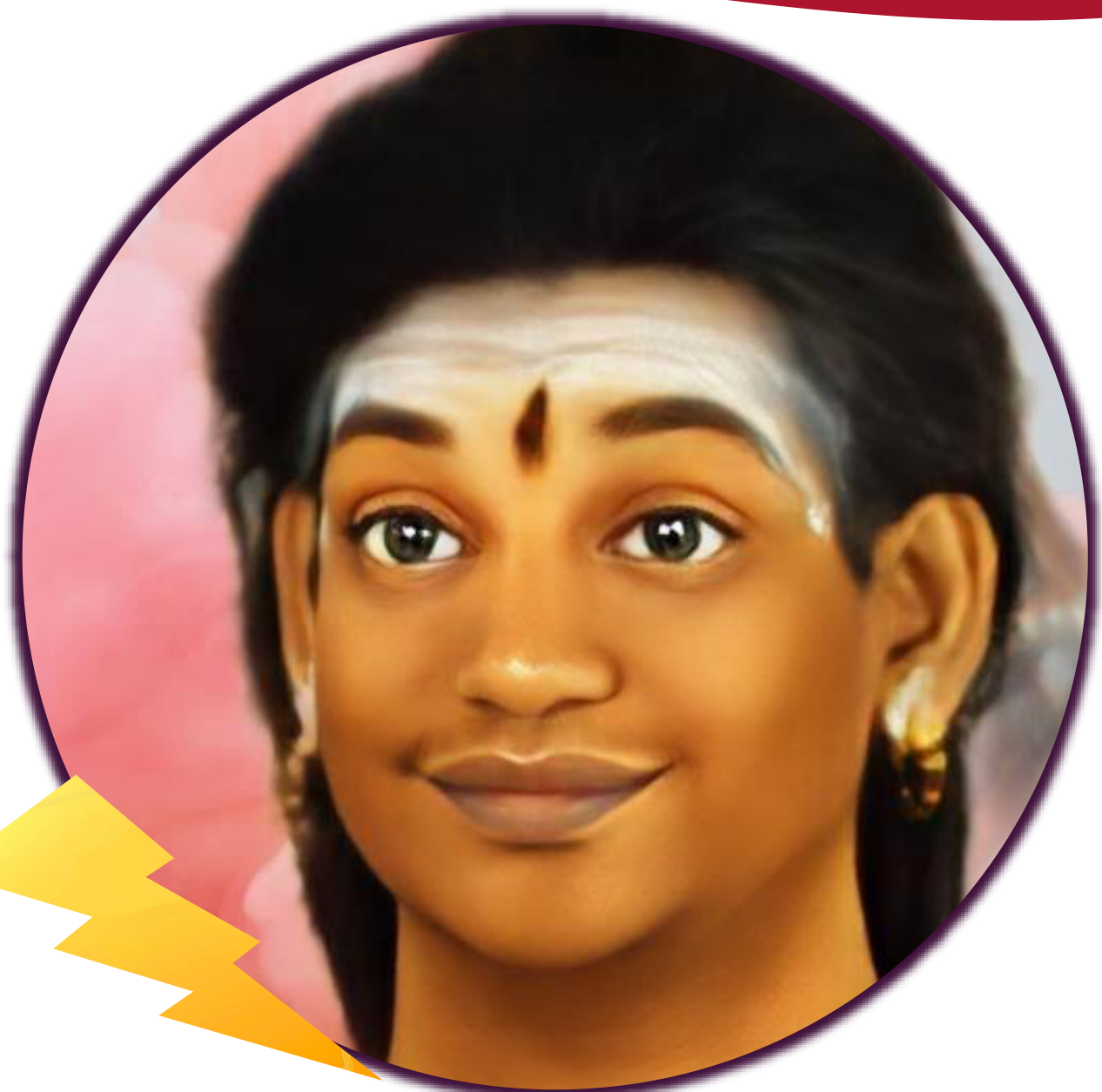
GOALS:
-Helping students
understand how root
patterns drive our lives.
-Helping students
experience the present
moment.
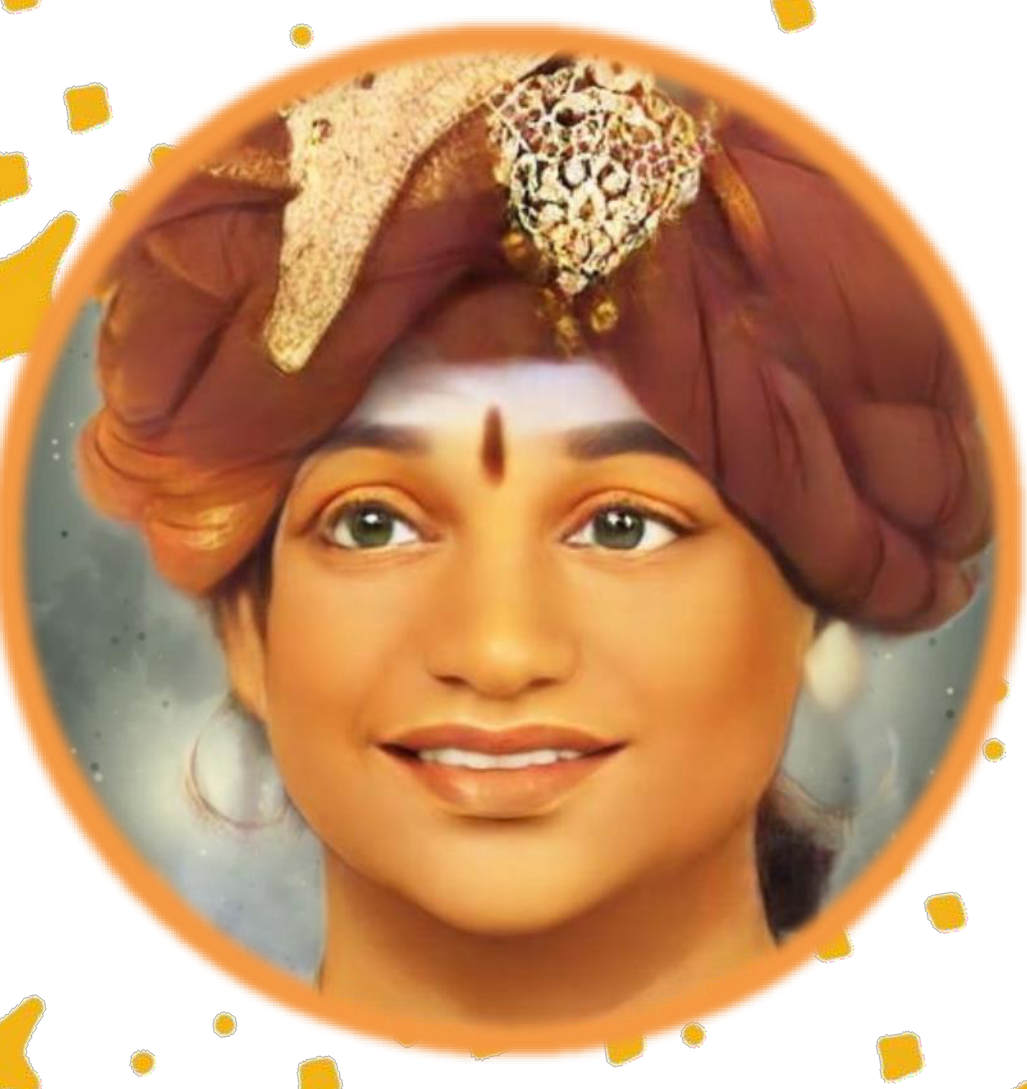
© 2020 Sri Nithyananda Paramashivam. All Rights Reserved
ASSESSMENTS
- What drives us to fulfill our unfulfilled desires?
- What creates the root patterns, the saṃskāras?
- How do meditation techniques help you?
- What is the ultimate technique to rid ourselves of all bondages?
- What happens when we are in the present moment?
- What can you give Kṛṣṇa that He does not have?
- Where is Kṛṣṇa situated?
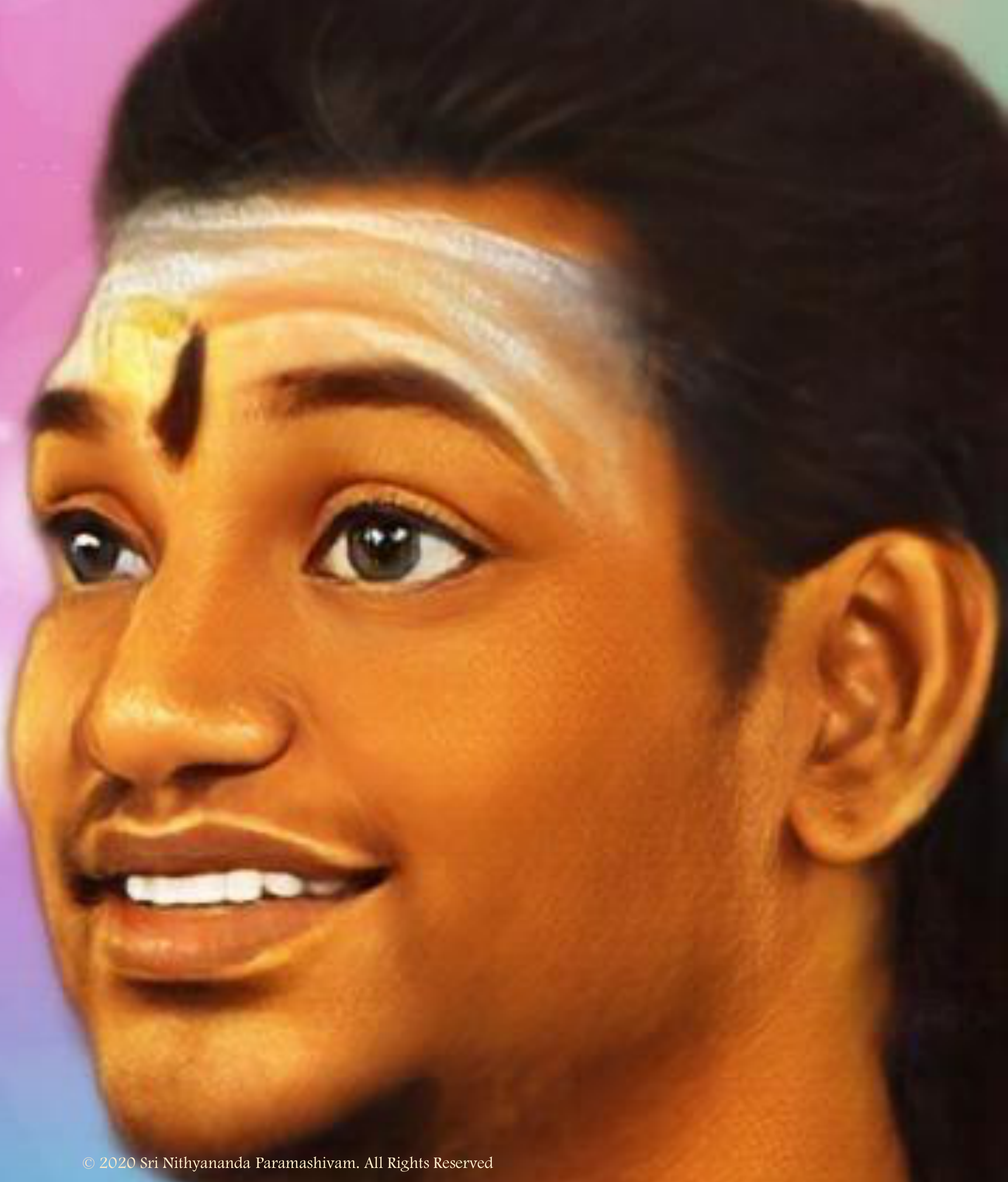
© 2020 Sri Nithyananda Paramashivam. All Rights Reserved
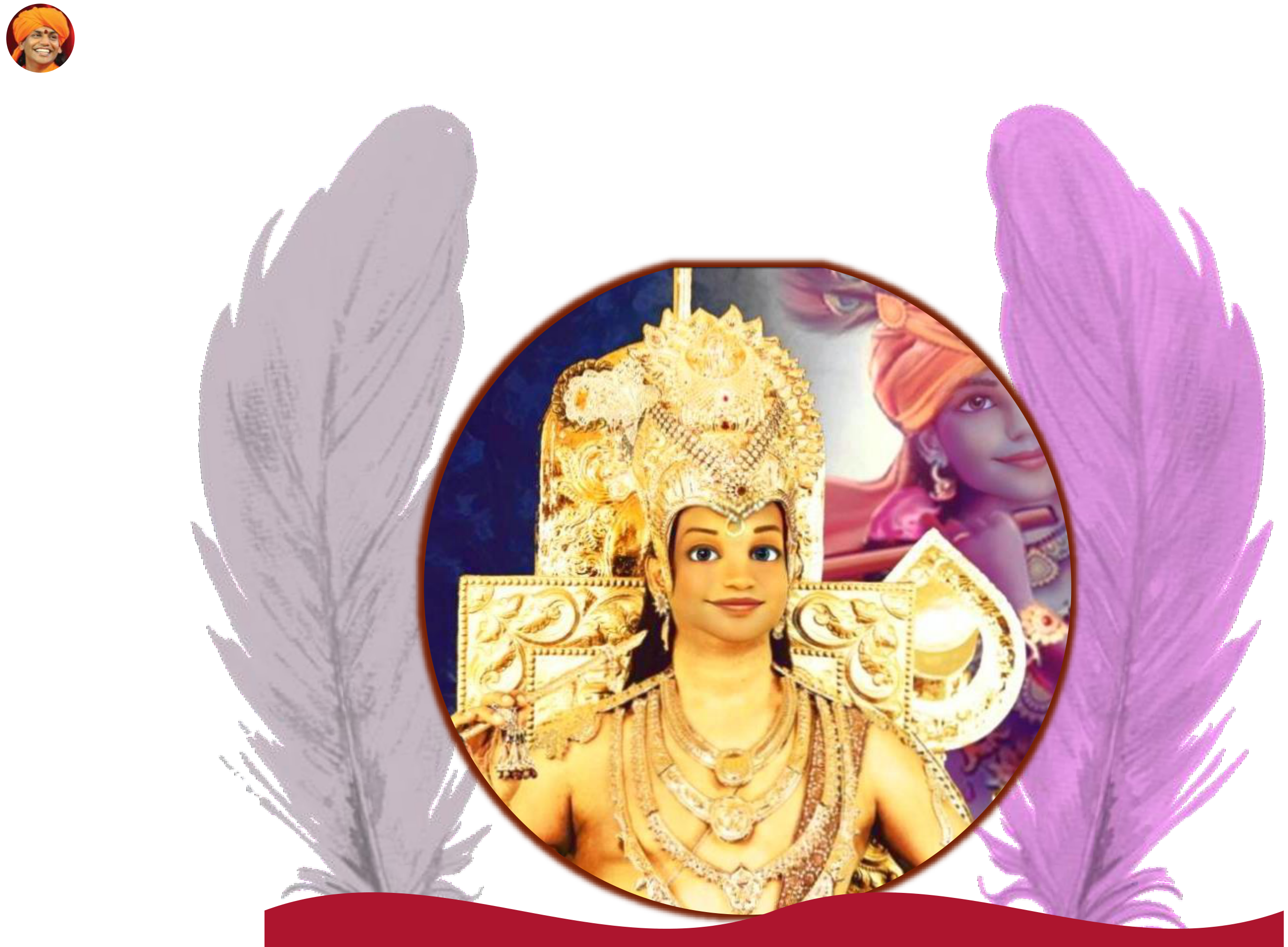
ART OF THE DAY
ART OF THE DAY:
FREE YOURSELF!
MATERIALS NEEDED:
- Paper
- Pen
- pencils
- markers
- eraser, etc..
PROCEDURE
❖ Ask children to draw or write everything that makes them feel stuck, whether it is related to past, present or future. Then ask them to share with others.
INFERENCE
Surrender to the Master, surrender to the Universe, is the ultimate technique to do completion and rid oneself of all bondages—karma, vāsanā and saṁskāra, of the past, present and future.

ACTIVITY OF THE DAY
© 2020 Sri Nithyananda Paramashivam. All Rights Reserved
ACTIVITY OF THE DAY: THE PRESENT MOMENT
MATERIALS NEEDED
Swamiji’s third eye meditation video
https://www.youtube.com/watch?v=7_2lC
cVMVvo
A screen on which you can play a video in which you can see a lit candle.
For safety measures, do not have kids light an actual candle.
ACTIVITY OF THE DAY: THE PRESENT MOMENT
PROCEDURE: Tell the students to sit comfortably with their head, neck and spine in a straight line. Tell them to simply listen to Swamiji’s video (Swamiji gives instructions in the video).
© 2020 Sri Nithyananda Paramashivam. All Rights Reserved
ACTIVITY OF THE DAY: THE PRESENT MOMENT
INFERENCE All meditation techniques bring you into the space of completion, being in the present moment. When you are in the present moment, you renounce attachment to fantasies about the future. You detach yourself from the results of your action. This alone leads you into liberation from the bondage of saṁskāra.

© 2020 Sri Nithyananda Paramashivam. All Rights Reserved
© 2020 Sri Nithyananda Paramashivam. All Rights Reserved. Source: Nithyanandapedia
© 2020 Sri Nithyananda Paramashivam. All Rights Reserved.
WORKSHOP OF THE DAY
© 2020 Sri Nithyananda Paramashivam. All Rights Reserved
WORKSHOP OF THE DAY:
VAAKYARTHA SADHAS
WHAT DRIVES YOUR LIFE?
Guide the students into a discussion about what Kṛṣṇa is telling: “We will be driven by our root patterns. The Divine power drives the machine that is the kārmic cycle. There is no escape.” Help the students see how their root patterns have driven their lives and ask them to share what they feel is the best way to be liberated from bondage.
WORKSHOP OF THE DAY:
VAAKYARTHA SADHAS
WHAT DRIVES YOUR LIFE?
CONCLUSION
He does not ask you to surrender to
Him out of His ego. He asks you to
surrender to Him out of His deep
compassion.
© 2020 Sri Nithyananda Paramashivam. All Rights Reserved
© 2020 Sri Nithyananda Paramashivam. All Rights Reserved