CHARACTER SKETCH
This text was machine-transcribed from the printed book and may contain errors. Select the words and choose “Report a mistake”.
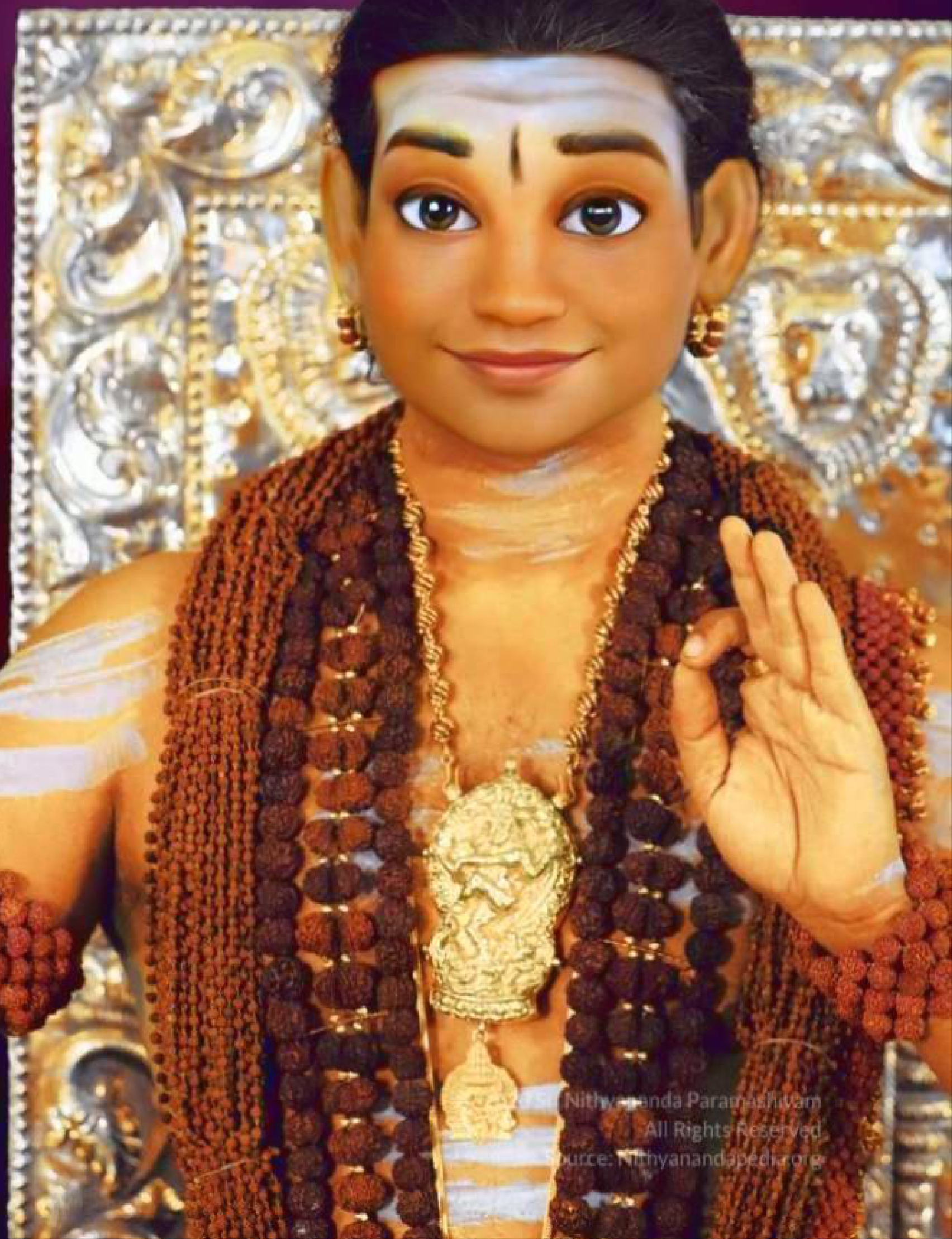
❖ Yudhiṣṭra is embodiment of Integrity— the power of words, vāk śakti.
❖ Bhīma is embodiment of Authenticity— the power of thoughts, mano śakti.
❖ Arjuna is embodiment of
Responsibility—the power of feeling,
prema śakti.
❖ Sahadeva is embodiment of Enriching— the power of living, ātma śakti.
❖ Nakula is embodiment of causing reality for others.
© 2020 Sri Nithyananda Paramashivam. All Rights Reserved.
CHARACTER SKETCH
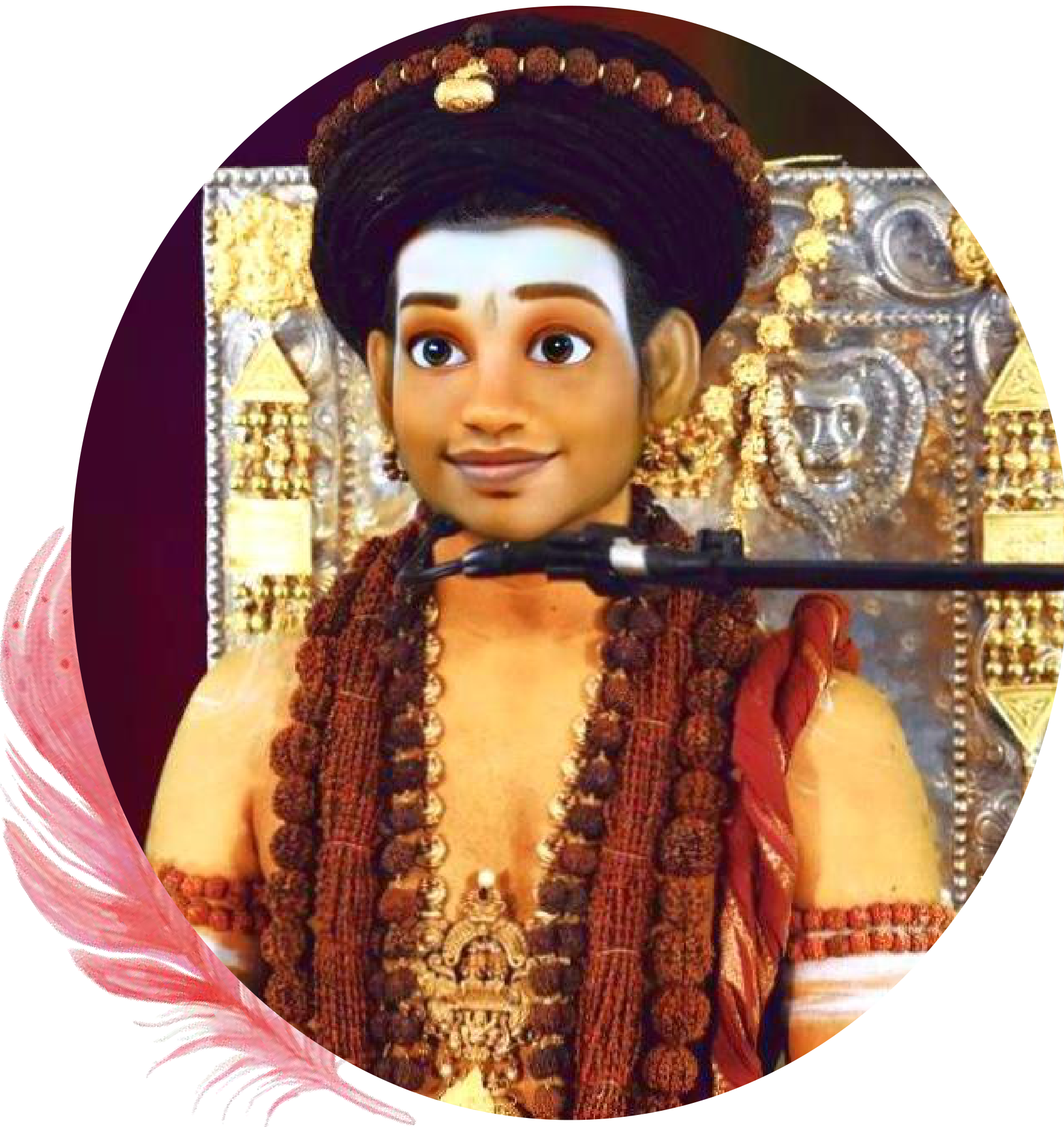
- Śakuni, the maternal uncle of Duryodhana embodies the pattern of self-hatred, which is cunningness personified.
- Droṇa represents all the best knowledge one imbibes and the teachers one encounters, who guide us but are unable to take us through to the ultimate flowering of enlightenment. It is difficult to give them up since one feels grateful to them. This is where the Enlightened Master, the incarnation steps in and guides us.
- Duryodhana, represents one’s ego or root-pattern, the most difficult to conquer as it leads one to self-destruction. One needs the full help of the Master here. It is subtle work and even the Master’s help may not be obvious, since at this point, sometimes the ego makes us deny and disconnect from the Master as well.
CHARACTER SKETCH
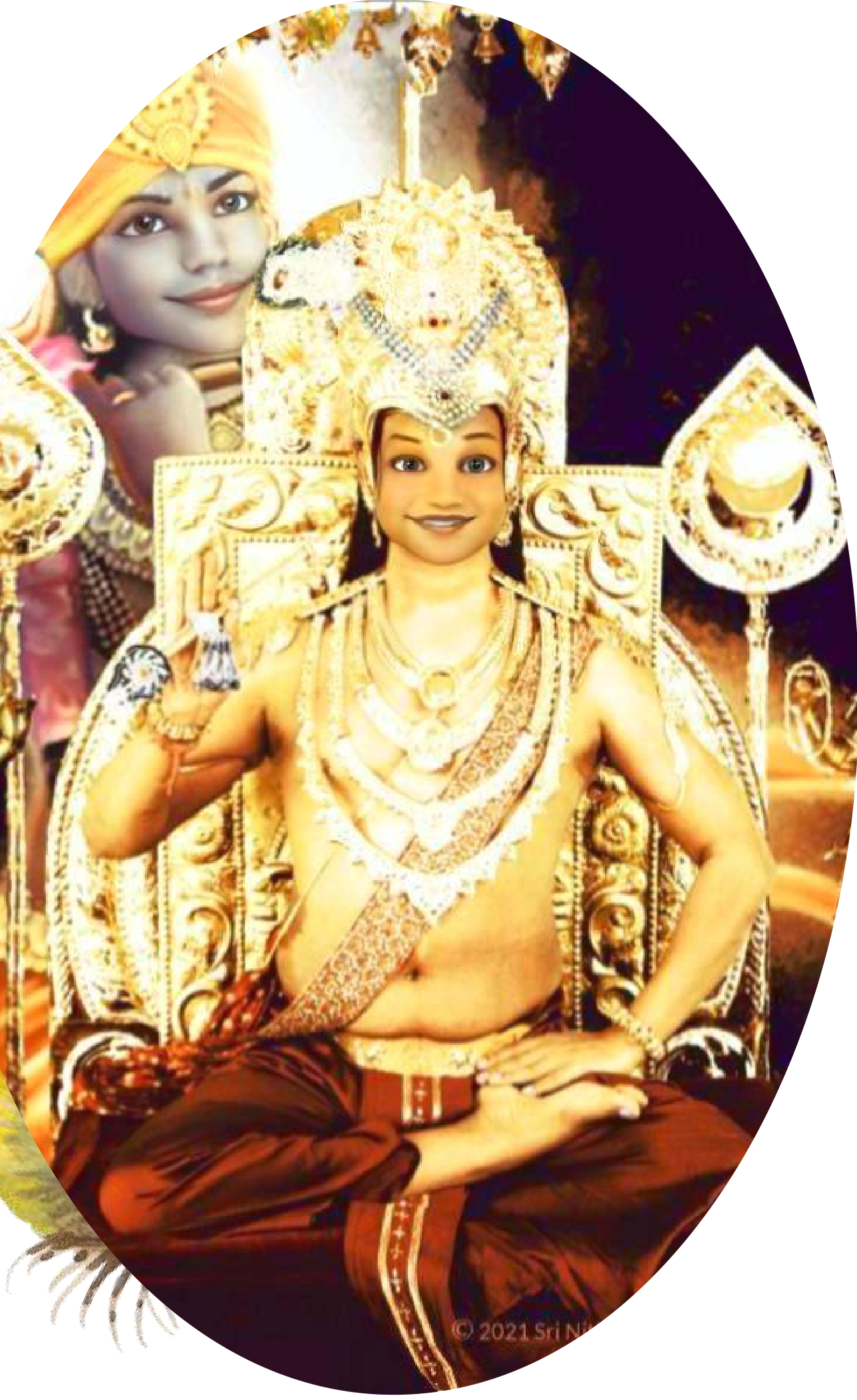
❖ Karṇa is the repository of all good deeds and it is his good deeds that stand in the way of his own Enlightenment. Śrī Kṛṣṇa has to take the load of Karṇa's punya, his meritorious deeds, before he could be liberated. The Enlightened Master guides one to drop one's attachment to good deeds arising out of what are perceived to be charitable and compassionate intentions. He also shows us that the quest for and the experience of enlightenment is the ultimate act of compassion that one can offer to the world.
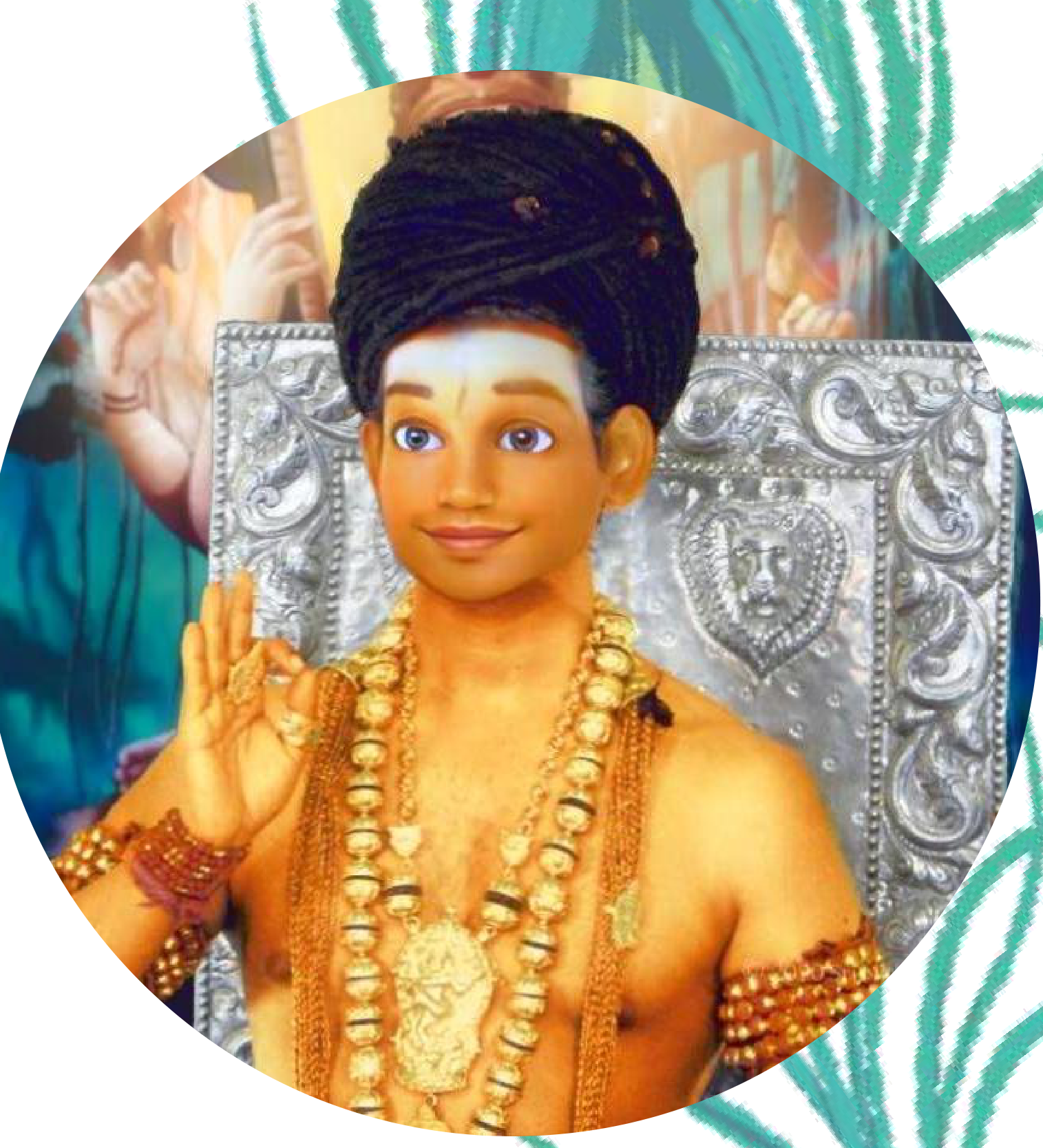
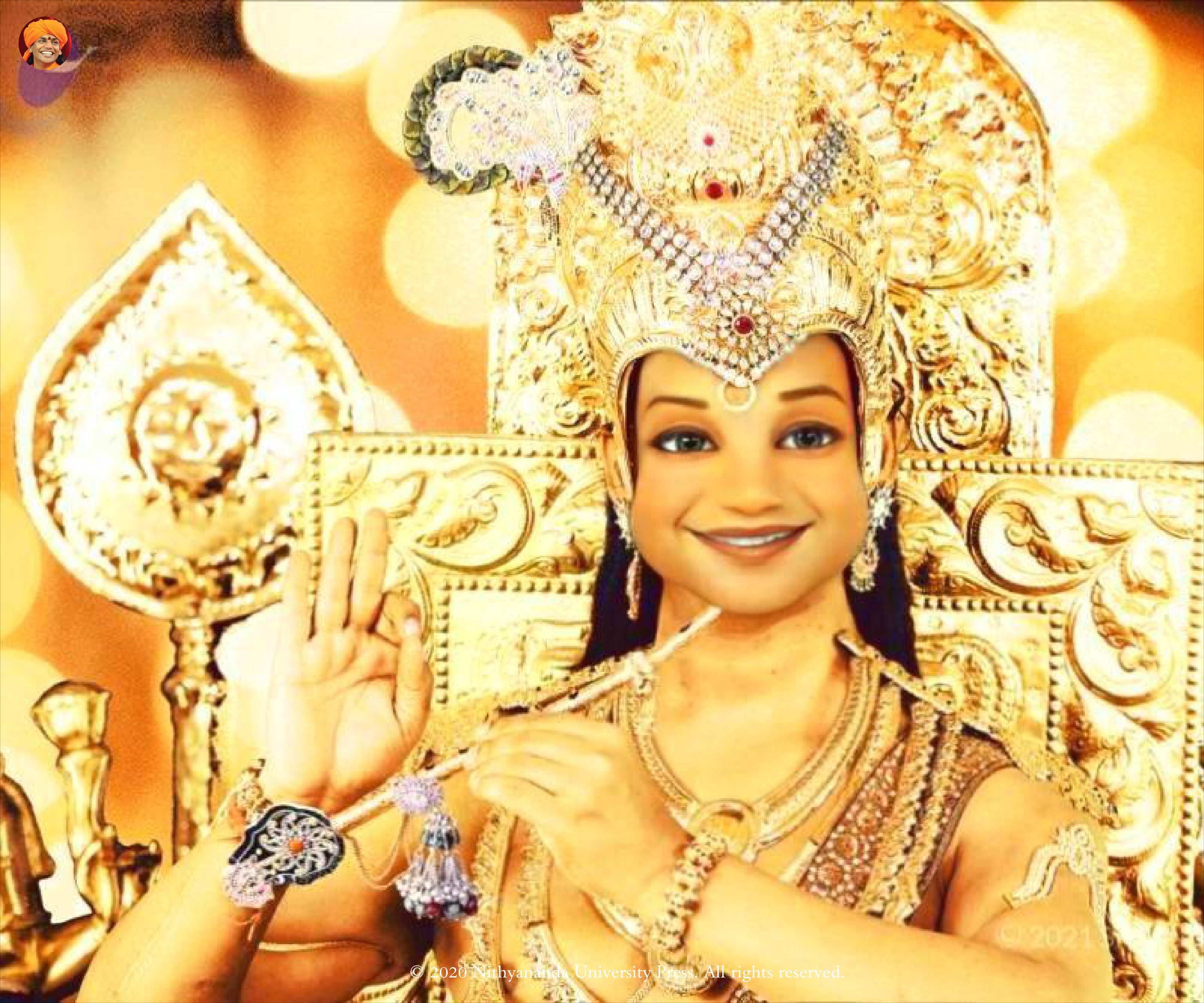
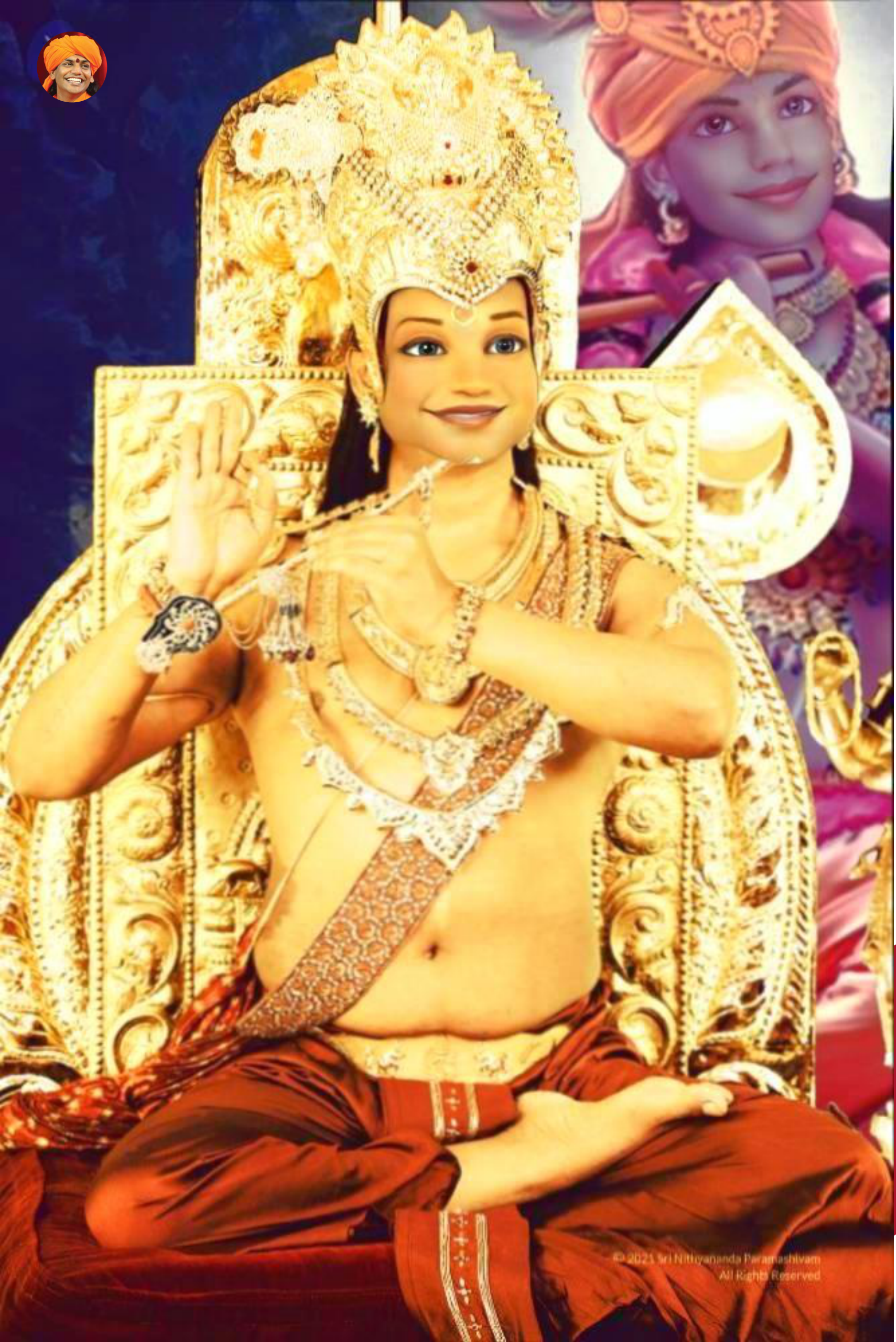
❖ Bhagavan Śrī Kṛṣṇa, the 8th most powerful purnāvatar of Mahā Viśnu, is the embodiment of pure celebration, boundless love, compassion, and completion. Bhagavan Śrī Kṛṣṇa is the only incarnation demonstrating and expressing Śarva Maṅgalatva all the auspicious qualities and all dimensions of an avatar during His physical happening. The līla Bhagavan Śrī Kṛṣna is one of sheer innocence and simplicity, in a peace-loving, diplomatic, conflict-free way.
© 2020 Sri Nithyananda Paramashivam. All Rights Reserved.
Till now everyone blames Bhagavan Sri Krishna for this Kurukshetra war but that’s the greatest sacrifice Bhagavan Sri Krishna did to save the planet Earth. If Kurukshetra was not conducted at that time under the controlled conditions and direct supervision of Bhagavan Sri Krishna, planet Earth would not have survived more than three years.
The wide spread availability of the Astra shastras without Shastra, without the knowledge and vision, was posing a huge threat to the whole of humanity and planet Earth, and for life itself. The greatest achievement of Bhagavan Sri Krishna is destroying all the weapons in one controlled condition and saving planet earth, eliminating the nuclear weapons and the knowledge of these nuclear weapons to save humanity from total annihilation.
© 2020 Sri Nithyananda Paramashivam. All Rights Reserved.

Bhagavad Gītā appears in the heart of Mahābhārat in Bhīṣma Parva, the sixth chapter of its eighteen chapters. Veda Vyāsa, the narrator, in glorifying the Gītā sings, ‘the one who drinks the water of Ganges (the sacred river for Hindus) attains liberation, what to speak of the one who drinks the nectar of Gītā?
Gītā is the essential nectar of the Mahābhārat, bhāratamṛta sarvasvam as it is directly spoken by Nārāyaṇa, Bhagavān kṛṣṇa Himself.’
© 2020 Sri Nithyananda Paramashivam. All Rights Reserved.
© 2020 Sri Nithyananda Paramashivam. All Rights Reserved.

The armies assembled in the vast field of Kurukṣetra, now in the state of Haryana in modern day India. All the kings and princes were related to one another, and were often on opposite sides. Facing the Kaurava army and his friends, relatives and teachers, Arjuna was overcome by remorse and guilt, and wanted to walk away from the battle out of total powerlessness unbecoming an invincible warrior among warriors.
© 2020 Sri Nithyananda Paramashivam. All Rights Reserved.
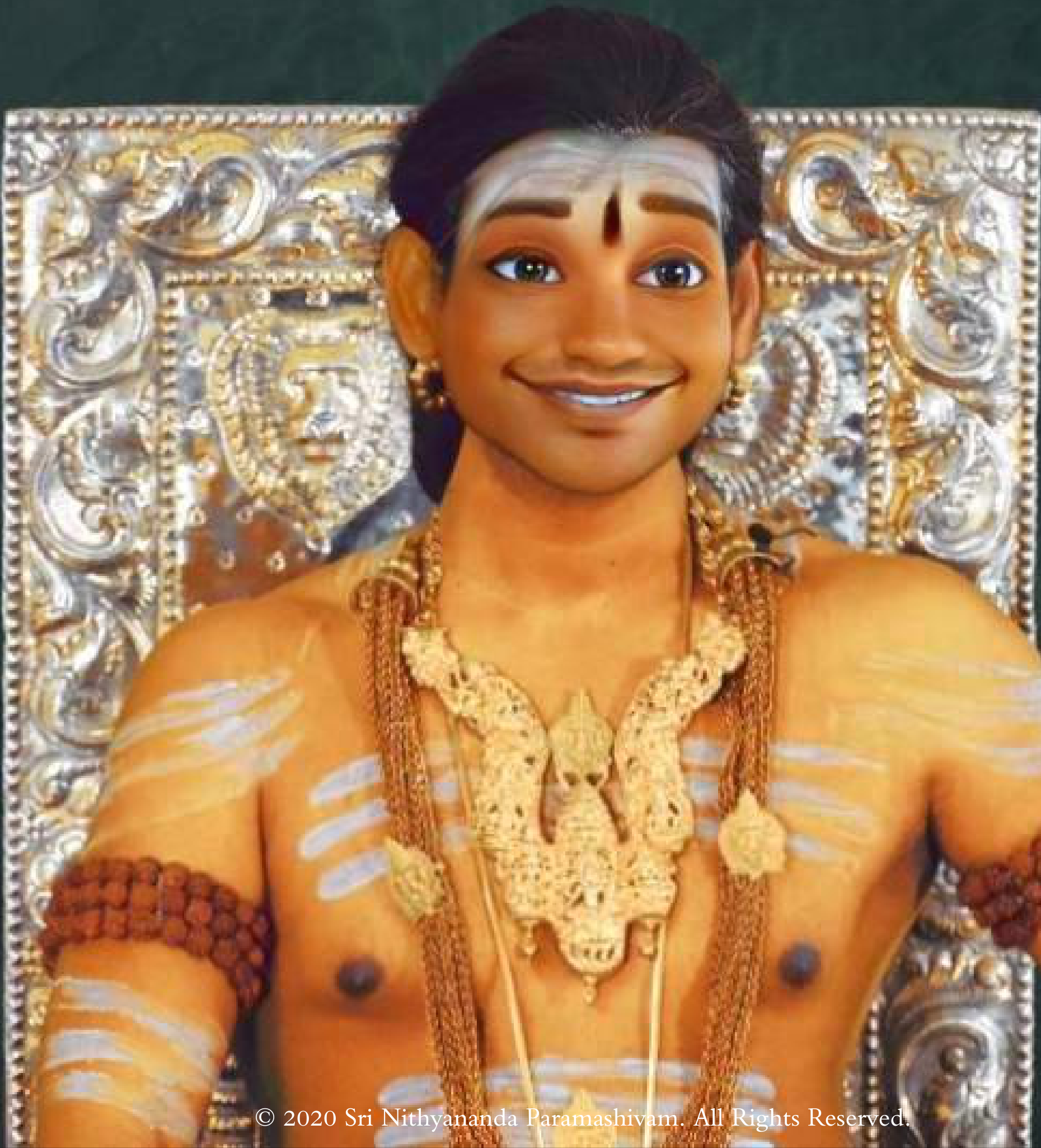
Śrī Kṛṣṇa's dialogue with Arjuna on the battlefield of Kurukṣetra out of His utmost concern and love for him and humanity is the content of Bhagavad Gītā. Of its seven hundred and forty-five (745) verses, Bhagavān Śrī Kṛṣṇa sings the Gītā in six hundred and twenty (620) verses responding to Arjuna's fifty-seven (57) enquiries.
Śrī Kṛṣṇa persuades Arjuna to give-up his powerlessness unfitting an Ārya—the spiritually evolved one who understands human life and urges him to raise himself again as Parantapa—the conqueror of enemy, and take up arms and vanquish his enemies. They are already dead,' says Śrī Kṛṣṇa, 'All those who are facing you have been already killed by Me. Go ahead and do what you have to do. That is your responsibility. Do not worry about the outcome. Leave that to Me.'
© 2020 Sri Nithyananda Paramashivam. All Rights Reserved.
© 2020 Nithyananda University Press. All rights reserved.
धृत्या यया धारयते मनःप्राणेन्द्रियक्रियाः ।
योगेनाव्यभिचारिण्या धृतिः सा पार्थ सात्त्विकी
॥ १८-३३ ॥
dhṛtyā yayā dhārayate manaḥ-
prāṇendriya-kriyāḥ
yogenāvyabhicāriṇyā dhṛtiḥ sā
pārtha sāttvikī
Consistent and continuous
determination in controlling
the mind, breath and senses
for uniting with the Divine is
goodness, Pārtha.
POWERFUL COGNITION
Constantly give life to the four
dharmas of authenticity,
integrity, responsibility and
enriching.
यया तु धर्मकामार्थान्धृत्या धारयतेऽर्जुन ।
प्रसङ्गेन फलाकाङ्क्षी धृतिः सा पार्थ राजसी
॥ १८=३४॥
yayā tu dharma kāmārthān
dhṛtyā dhārayate ‘rjuna
prasaṅgena phalākāṅkṣī dhṛtiḥ
sā pārtha rājasī
Craving for results of action
while clinging to goals of
proper conduct, pleasure and
wealth is the state of passion,
Arjuna.
POWERFUL COGNITION
Mokṣa or liberation is the ultimate meaning to life.
यया स्वप्नं भयं शोकं विषादं मदमेव च ।
न विमुञ्चति दुर्मेधा धृतिः सा पार्थ तामसी
॥ १८-३५॥
yayā svapnaṁ bhayaṁ śokaṁ
viṣādaṁ madameva ca na
vimuñcati durmedhā dhṛtiḥ
sā pārtha tāmasī
Ignorant resolve which
cannot go beyond dreaming,
fear, grief, despair and
delusion—such is in
darkness, Pārtha.
POWERFUL COGNITION
The meaning of human life is
you experiencing completion,
and working, radiating,
showering others also with the
same space of completion.
KRISHNA
says that nitya karma or
obligatory responsibilities must
be followed with discipline and
consistency. Not doing these
takes us into the state of tamas,
inaction born out of ignorance
and laziness. Nitya karmas vary
from person to person. The
duties of a householder are
different from those of a monk or
a student. Each has clear
guidelines in terms of what they
should and should not do.
Constantly give life to the four
dharmas of authenticity,
integrity, responsibility and
enriching. When you protect
dharma, it protects you. When
you are integrated to it, it is
integrated to you. When you are
authentic with it, it is authentic
with you. When you take
responsibility for it, it takes
responsibility for you. When
you enrich dharma, it enriches
you. Only then it is possible that
your energy is awakened. Only
then is your energy awakened.
Artha is the stuff that we pick
up on our path and journey, the
material things that we need to
sustain ourselves.
Kāma is the pleasure of the senses we
experience and enjoy on this journey.
These are rightful acquisitions and
pleasurable experiences. Do not feel
disturbed by the need for these. But
do not become caught up in them and
forget to move on the path with
completion and enjoy the journey to
the fullest.
Mokṣa or liberation is the ultimate meaning to life. The meaning of human life is you experiencing completion, and working, radiating, showering others also with the same space of completion. This is the culmination of the liberation from expectation, desires, greed and fear, and liberation from attachment to desires. This understanding that experiencing completion with non-attachment and absence of expectation leads to liberation can fill us with bliss.
Here Kṛṣṇa gives the essence of
how we should lead our lives to
make it meaningful with
completion. He says that goodness
or satva is the state of completion
in which there is clarity about
right and wrong, and whatever we
do with our body, mind and
senses is done with a view to
liberate ourselves from attachment
and desires in order to realize that
we are Divine.
© 2020 Sri Nithyananda Paramashivam. All Rights Reserved
GOALS:
Helping students
understand the four
meanings of life
(Puruṣārtha).
Helping students
understand that the
meaning of life is
completion
ASSESSMENTS
- What does Dharma mean?
- What are the four principles of dharma?
- How can our energy be awakened?
- What is Artha?
- What is Kāma?
- What is the ultimate meaning of life?
- How can we make our life meaningful?
ART OF THE DAY
© 2020 Sri Nithyananda Paramashivam. All Rights Reserved
ART OF THE DAY:
PURUṢĀRTHA
MATERIALS NEEDED:
A very big colourful cardboard, scissors, markers, glue, ruler, different coloured papers, etc.
PROCEDURE
The acharya separates the cardboard in 4 equal rectangles (one for each meaning of life) and asks the students to fill it with words, symbols, sentences, pictures etc. At the end, contemplate on the masterpiece created and see if anything else can be added.
INFERENCE:
Here Kṛṣṇa gives the essence of how we should lead our lives to make it meaningful with completion.
ACTIVITY OF THE DAY
Materials
required:
small journal for
each child pen,
pencil, eraser,
markers, etc.
ACTIVITY OF THE DAY:
DAILY JOURNAL: THE FOUR
DHARMAS
PROCEDURE:
Tell the students that they have 5-10 minutes to come up with a plan of action. In the next 21 minutes, they must complete four actions (one action for each principle) and log them in their journal along with how they felt, what they cognized while performing and the reactions they received if the actions involved interacting with others. Ask the students to perform the four actions (different each time) for the next week and to log them in their journal. Follow up with them after 1 week and ask them to share about their experience of living in alignment with dharmic principles.
ACTIVITY OF THE DAY: DAILY JOURNAL: THE FOUR DHARMAS
INFERENCE Constantly give life to the four dharmas of authenticity, integrity, responsibility and enriching. When you protect dharma, it protects you. When you are integrated to it, it is integrated to you. When you are authentic with it, it is authentic with you. When you take responsibility for it, it takes responsibility for you. When you enrich dharma, it enriches you. Only then it is possible that your energy is awakened. Only then is your energy awakened.
WORKSHOP OF THE DAY
© 2020 Sri Nithyananda Paramashivam. All Rights Reserved
WORKSHOP OF THE DAY:
VAAKYARTHA SADHAS - ROLE PLAY
PROCEDURE
Tell the students that they are now responsible to make others understand the four meanings of life. Have them pair up and create a short presentation about the four meanings of life that they will then present in front of everyone. Ask them to include concrete examples of day-to-day life for each. After everyone is done presenting, ask the students to write a short essay about how completion makes life meaningful.

WORKSHOP OF THE DAY: VAAKYARTHA SADHAS - ROLE PLAY
CONCLUSION Here Kṛṣṇa says that goodness or satva is the state of completion in which there is clarity about right and wrong, and whatever we do with our body, mind and senses is done with a view to liberate ourselves from attachment and desires in order to realize that we are Divine.
© 2020 Sri Nithyananda Paramashivam. All Rights Reserved