CHARACTER SKETCH
This text was machine-transcribed from the printed book and may contain errors. Select the words and choose “Report a mistake”.
❖ Yudhiṣṭra is embodiment of Integrity— the power of words, vāk śakti.
❖ Bhīma is embodiment of Authenticity— the power of thoughts, mano śakti.
❖ Arjuna is embodiment of
Responsibility—the power of feeling,
prema śakti.
❖ Sahadeva is embodiment of Enriching— the power of living, ātma śakti.
❖ Nakula is embodiment of causing reality for others.
© 2020 Sri Nithyananda Paramashivam. All Rights Reserved.
CHARACTER SKETCH
❖ Śakuni, the maternal uncle of
Duryodhana embodies the pattern
of self-hatred, which is cunningness
personified.
❖ Droṇa represents all the best knowledge one imbibes and the teachers one encounters, who guide us but are unable to take us through to the ultimate flowering of enlightenment. It is difficult to give them up since one feels grateful to them. This is where the Enlightened Master, the incarnation steps in and guides us.
❖ Duryodhana, represents one’s ego or
root-pattern, the most difficult to
conquer as it leads one to self-
destruction. One needs the full help
of the Master here. It is subtle work
and even the Master’s help may not be
obvious, since at this point, sometimes
the ego makes us deny and disconnect
from the Master as well.
© 2020 Sri Nithyananda Paramashivam. All Rights Reserved.
CHARACTER SKETCH
❖ Karṇa is the repository of all good deeds and it is his good deeds that stand in the way of his own Enlightenment. Śrī Kṛṣṇa has to take the load of Karṇa’s punya, his meritorious deeds, before he could be liberated. The Enlightened Master guides one to drop one’s attachment to good deeds arising out of what are perceived to be charitable and compassionate intentions. He also shows us that the quest for and the experience of enlightenment is the ultimate act of compassion that one can offer to the world.
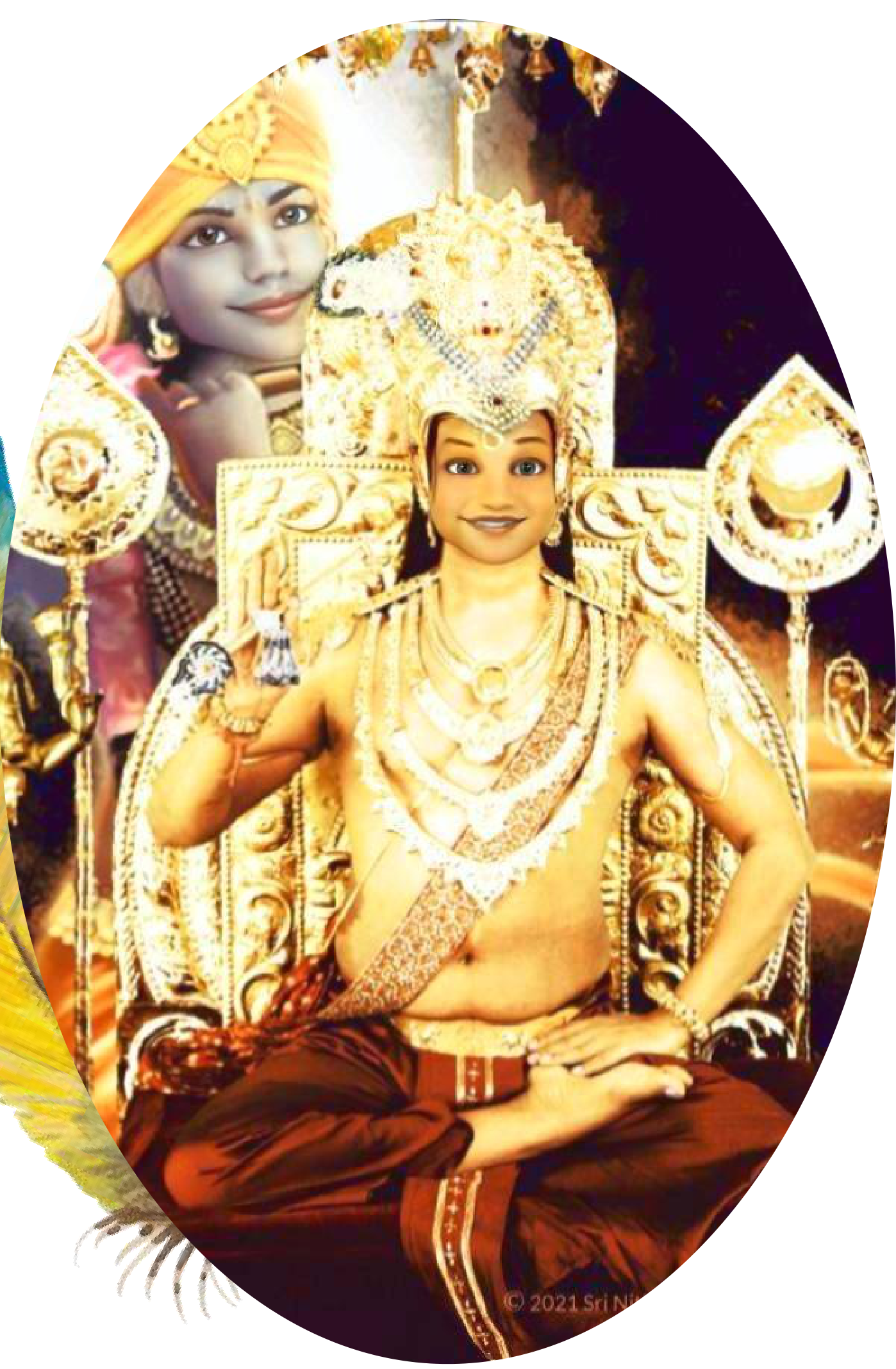
❖ Bhagavan Śrī Kṛṣṇa, the 8th most powerful purnāvatar of Maha Viśnu, is the embodiment of pure celebration, boundless love, compassion, and completion. Bhagavan Śrī Kṛṣṇa is the only incarnation demonstrating and expressing Śarva Mangalatva all the auspicious qualities and all dimensions of an avatar during His physical happening. The līla Bhagavan Śrī Kṛṣna is one of sheer innocence and simplicity, in a peace-loving, diplomatic, conflict-free way.
© 2020 Sri Nithyananda Paramashivam. All Rights Reserved.
Till now everyone blames Bhagavan Sri Krishna for this Kurukshetra war but that’s the greatest sacrifice Bhagavan Sri Krishna did to save the planet Earth. If Kurukshetra was not conducted at that time under the controlled conditions and direct supervision of Bhagavan Sri Krishna, planet Earth would not have survived more than three years.
The wide spread availability of the Astra shastras without Shastra, without the knowledge and vision, was posing a huge threat to the whole of humanity and planet Earth, and for life itself. The greatest achievement of Bhagavan Sri Krishna is destroying all the weapons in one controlled condition and saving planet earth, eliminating the nuclear weapons and the knowledge of these nuclear weapons to save humanity from total annihilation.

Bhagavad Gītā appears in the heart of Mahābhārat in Bhīṣma Parva, the sixth chapter of its eighteen chapters. Veda Vyāsa, the narrator, in glorifying the Gītā sings, ‘the one who drinks the water of Ganges (the sacred river for Hindus) attains liberation, what to speak of the one who drinks the nectar of Gītā?
Gītā is the essential nectar of the Mahābhārat, bhāratamṛta sarvasvam as it is directly spoken by Nārāyaṇa, Bhagavān kṛṣṇa Himself.’
© 2020 Sri Nithyananda Paramashivam. All Rights Reserved.
© 2020 Sri Nithyananda Paramashivam. All Rights Reserved.

The armies assembled in the vast field of Kurukṣetra, now in the state of Haryana in modern day India. All the kings and princes were related to one another, and were often on opposite sides. Facing the Kaurava army and his friends, relatives and teachers, Arjuna was overcome by remorse and guilt, and wanted to walk away from the battle out of total powerlessness unbecoming an invincible warrior among warriors.
© 2020 Sri Nithyananda Paramashivam. All Rights Reserved.
Śrī Kṛṣṇa’s dialogue with Arjuna on the battlefield of Kurukṣetra out of His utmost concern and love for him and humanity is the content of Bhagavad Gītā. Of its seven hundred and forty-five (745) verses, Bhagavān Śrī Kṛṣṇa sings the Gītā in six hundred and twenty (620) verses responding to Arjuna’s fifty-seven (57) enquiries.
Śrī Kṛṣṇa persuades Arjuna to give-up his powerlessness unfitting an Ārya—the spiritually evolved one who understands human life and urges him to raise himself again as Parantapa—the conqueror of enemy, and take up arms and vanquish his enemies. They are already dead,’ says Śrī Kṛṣṇa, ‘All those who are facing you have been already killed by Me. Go ahead and do what you have to do. That is your responsibility. Do not worry about the outcome. Leave that to Me.’
© 2020 Sri Nithyananda Paramashivam. All Rights Reserved. All Rights Reserved.
© 2020 Nithyananda University Press. All rights reserved.
नियतस्य तु संन्यासः कर्मणो नोपपद्यते ।
मोहात्तस्य परित्यागस्तामसः परिकीर्तितः
॥ १८-७॥
jñānaṁ jñeyaṁ parijñātā
trividhā karmacodanā karaṇaṁ
karma karteti trividhaḥ
karmasaṁgrahaḥ
Knowledge, object of the
knowledge and the subject of
the knowledge, the knower,
are the three factors that
stimulate action; the senses,
the action and the performer
comprise the three
components of action.
POWERFUL COGNITION
If we find our own answer for
the ‘why’ we will become
spiritually enlightened!
ज्ञानं कर्म च कर्ता च त्रिधैव गुणभेदतः ।
प्रोच्यते गुणसङ्ख्याने यथावच्छृणु तान्यपि
॥ १८=१९॥
jñānaṁ karma ca kartā ca
tridhaiva guṇabhedataḥ
procyate guṇa-saṅkhyāne
yathāvac chṛṇu tānyapi
According to the science of
guṇas, there are three types in
knowledge, action, and
performers of action. Listen as
I describe them.
POWERFUL COGNITION
A sattvic person is not focused
on himself, he is focused on
enriching others.
सर्वभूतेषु येनैकं भावमव्ययमीक्षते ।
अविभक्तं विभक्तेषु तज्ज्ञानं विद्धि सात्त्विकम्
॥१८-२०॥
sarvabhūteṣu yenaikaṁ
bhāvamavyayamīkṣate
avibhaktaṁ vibhakteṣu taj
jñānaṁ viddhi sāttvikam
That knowledge by which
one imperishable reality is
seen in all Existence,
undivided in the divided, is
knowledge in the state of
goodness.
POWERFUL COGNITION
Once you focus on the present,
your space of completion
increases manifold and you drop
expectations and attachment.
पृथक्त्वेन तु यज्ज्ञानं नानाभावान्पृथग्विधान् ।
वेत्ति सर्वेषु भूतेषु तज्ज्ञानं विद्धि राजसम्
॥१८-२१॥
pṛthaktvena tu yajjñānaṁ
nānābhāvān pṛthagvidhān
vetti sarveṣu bhūteṣu taj
jñānaṁ viddhi rājasam
The knowledge by which
one sees different realities of
various types among all
beings as separate from one
another; such knowledge is
in the mode of aggression.
POWERFUL COGNITION
Only if you are conscious, you
can attract the space of
completion.
IN THESE
VERSES Kṛṣṇa
EXPLAINS THE
NATURE OF
MAN, THE
HUMAN.
The guṇas are of three kinds: satva,
rajas and tamas. Satva is defined as
calm, peaceful, spiritual and good,
etc. This is generally the attribute of
spiritually inclined persons. Rajas is
translated as aggressive, passionate
and active, etc. This is the primary
attribute of kings, warriors and
business people. Tamas is lazy,
ignorant and passive, etc. Tamas is
seen as the inactive component that
many of us experience at times. It is
the active component of those who
live to eat and sleep.
Kṛṣṇa defines a sātvic person
as one who sees the
collective consciousness, the
whole, in parts. He
understands that he is not
alone and not an island,
rather he is linked with
everyone and everything in
this Universe. He
understands his connection
with the cosmic energy.
© 2020 Sri Nithyananda Paramashivam. All Rights Reserved
A sattvic person is not focused on
himself, he is focused on enriching
others. Because he completes with
his root patterns, He realizes that
his survival and possessions, the 'I'
and 'mine', are meaningless. His
activities are selfless, without
expectation of praise or reward, and
without attachment to the process
or result. Such a person is not
affected by the seeming success or
failure of what he undertakes
because there is no feeling of 'I'
and 'mine' involved in his actions.
© 2020 Sri Nithyananda Paramashivam. All Rights Reserved
It is not that difficult to move into a
sātvic state. True, you may not be able
to stay there all the time, but once you
understand how this state completes
you, you try more and more to stay
there.
To be in the sātvic state is to understand that past and future are mere illusions. They do not exist. Past is gone, never to return. Why worry? Future is a mirage. All you can do is activate your present moment. That is all you can do. The present moment determines your future. Once you focus on the present, your space of completion increases manifold and you drop expectations and attachment. You just do what is needed. You respond to reality. You respond to the now. You are in satva.
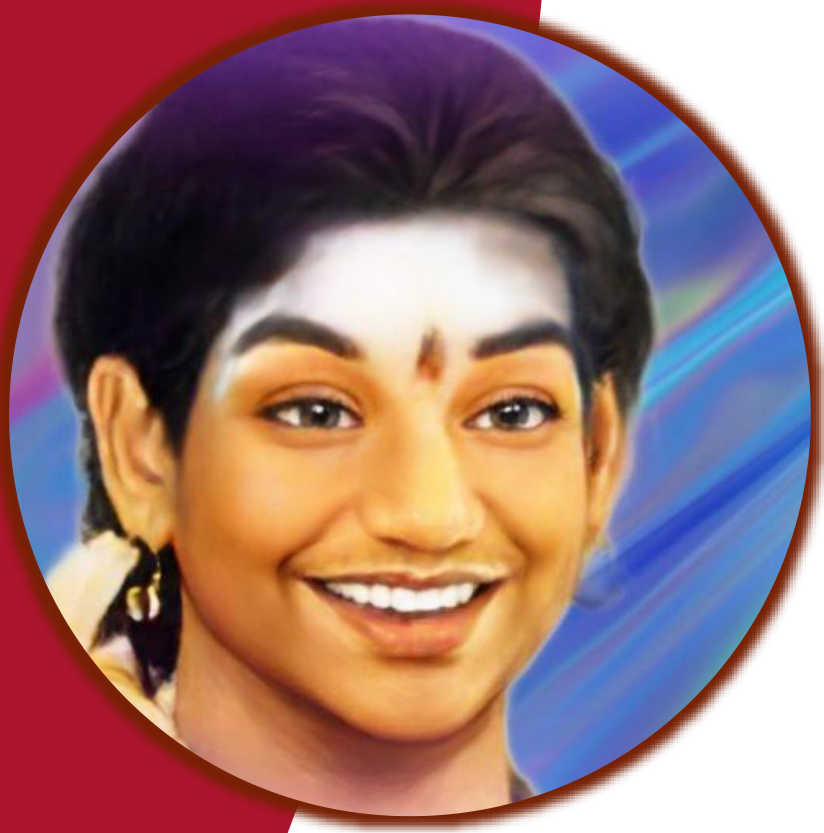
You fall into a rājasic state when you distinguish between 'you' and 'I', between this and that. There is no differentiation. Your mind, the ego, creates this differentiation. Your root thought patterns, saṃskāras overpower your complete cognition and bring up this delusory cognition of differentiating between you and others. A rājasic person does everything expecting a reward. He is selfish, aggressive and impatient. When he does not get what he wants, he is upset. Failure is a blow to his ego.
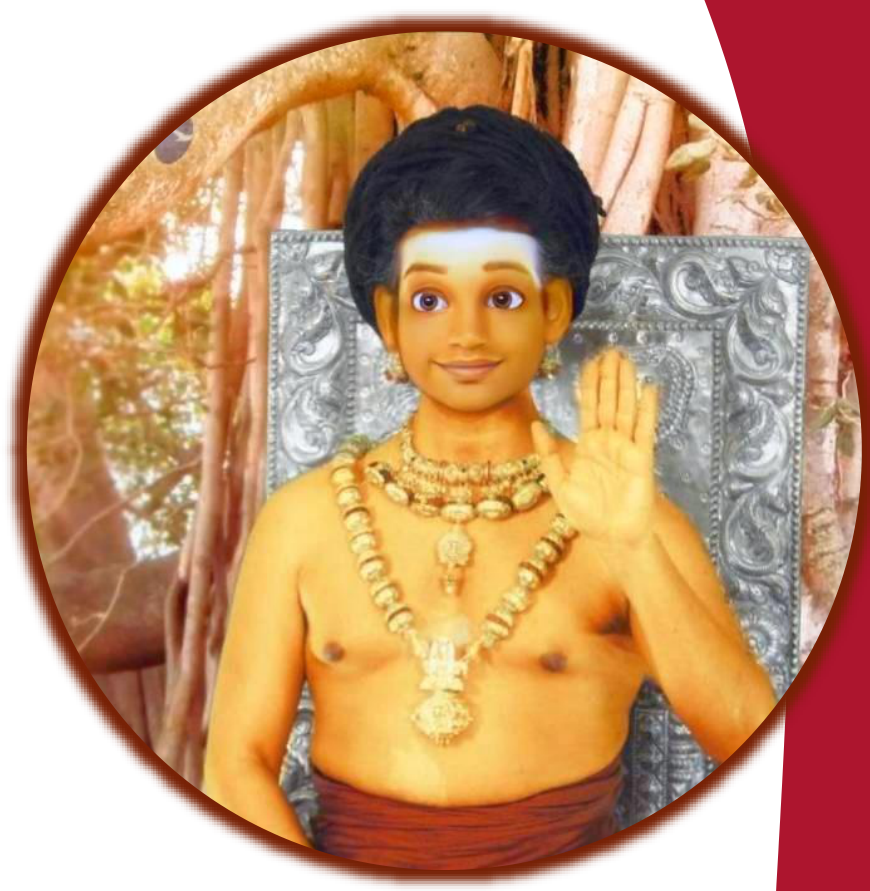
A rājasic person can never be happy and complete. Please understand, almost all of you are driven by rajas. This is the predominant attribute in modern society. Rich or poor, intelligent or foolish, educated or uneducated, almost everyone compares himself with the next person and wants what the other person has. As long as you are driven by your desires, and not complete with what you have, you are in rajas.
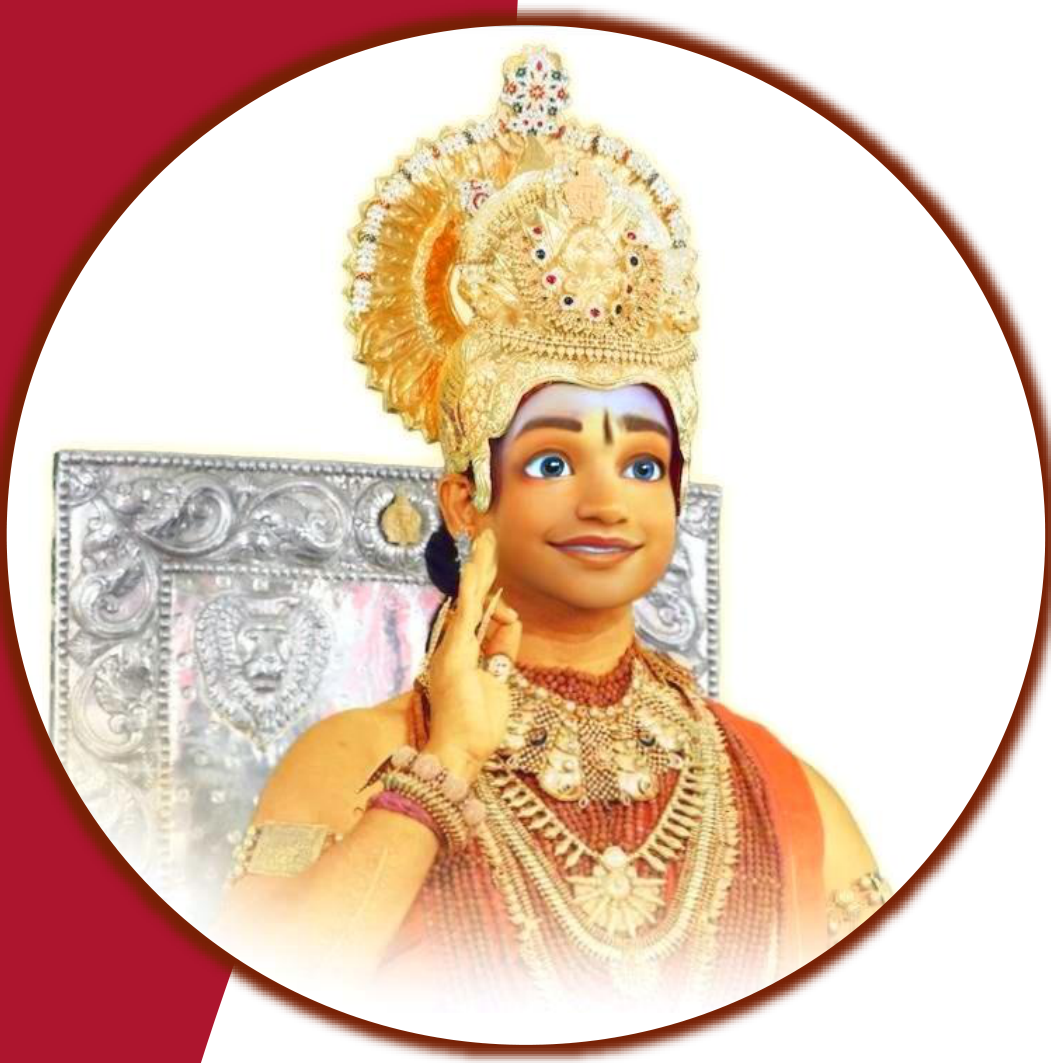
Too much of society has entered into human beings. You all have become social beings, you are no more human beings. You just have a set of manuals – at what age what is expected of you, at what age what are you supposed to do, and where are you supposed to be, how are you supposed to be talking, what are you supposed to be thinking, how are you supposed to be behaving. See, by default society is incomplete. So you are put in that rājasic space. Only if you are conscious, you can attract the space of completion.
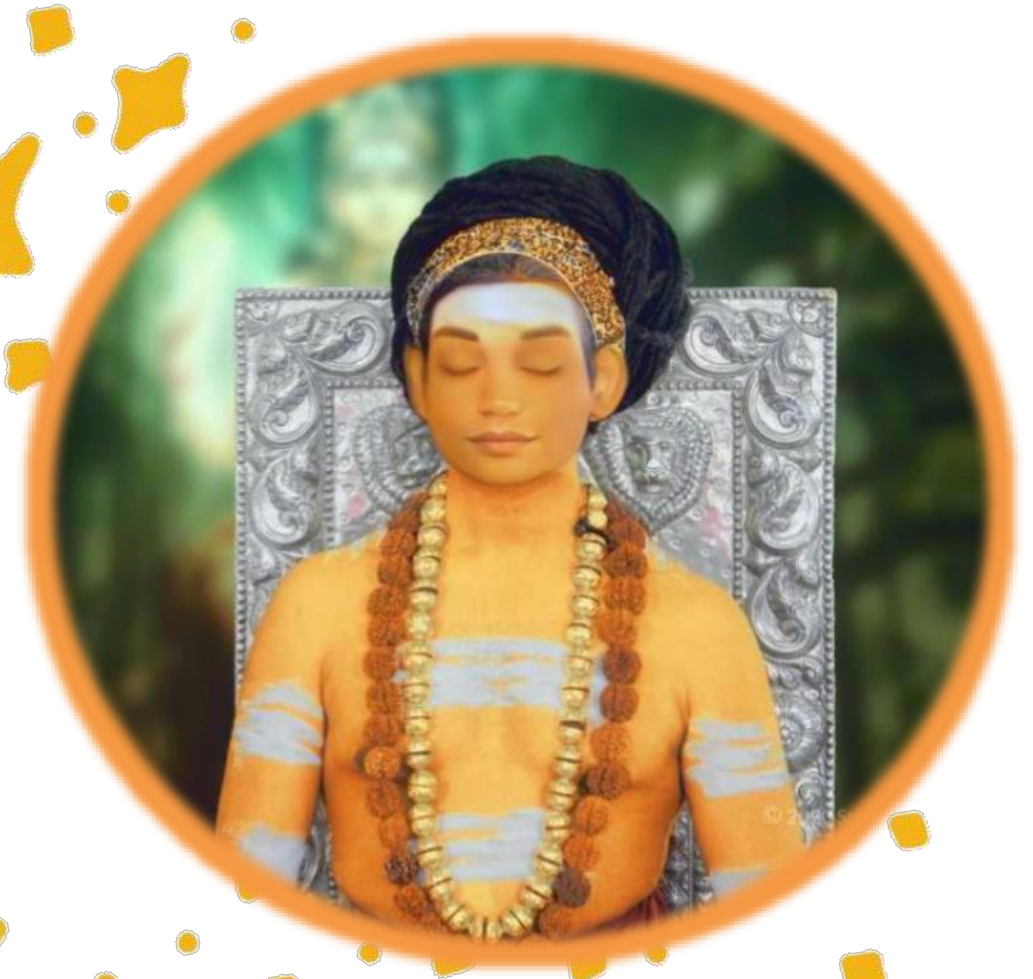
GOALS:
Helping the students gain
a better understanding of
the gunas. -Helping the
students understand how
to be in the present
moment.
© 2022 Sri Nithyananda Paramashivam. All Rights Reserved
ASSESSMENTS
- 1.What does a sattvic person focus on?
- How does a sattvic person see the past and the future?
- How does a sattvic person respond to "success" or "failure"?
- What does a rajasic person expect?
- Why can't a rajasic person ever be happy and complete?
- What creates a differentiation?
- How can you attract the space of completion?
ART OF THE DAY
© 2020 Sri Nithyananda Paramashivam. All Rights Reserved
ART OF THE DAY:
THE THREE GUNAS
MATERIALS NEEDED:
Paper, sparkles pen, pencil, marker eraser Scissors Glue, etc.
PROCEDURE
Ask the children to draw 3 portraits (one for each of the gunas) and to write 3 qualifications for each. Then ask them to share moments in their lives where they have experienced each state and how each state makes them feel about themselves.
INFERENCE
A satvic person is not focused on himself, he is focused on enriching others. Because he completes with his root patterns, He realizes that his survival and possessions, the ‘I’ and ‘mine’, are meaningless. You fall into a rājasic state when you distinguish between ‘you’ and ‘I’, between this and that. A rājasic person can never be happy and complete.
ACTIVITY OF THE DAY
© 2020 Sri Nithyananda Paramashivam. All Rights Reserved
ACTIVITY OF THE DAY: BECOMING SATTVIC
Materials required:
Paper, Pen, eraser,
(material needed
to write a short
script)
PROCEDURE:
Ask each student to write a scenario (a situation that has really happened to them) where they put a lot of effort into something but didn't get what they were hoping for (they did not get the praise, prize, result they wanted). Then ask each student to share with the group and ask the other students to describe how a sattvic person would handle the situation. At the end, ask each student to assess their own reactions to situations, do they react more in a sattvic, rajasic or tamasic way. Do they act/react consciously or unconsciously? Encourage them to reflect on how being in a sattvic state completes them and how they can move more and more into a sattvic state.
ACTIVITY OF THE DAY:
BECOMING SATTVIC
INFERENCE
It is not that difficult to move into a
sātvic state. True, you may not be
able to stay there all the time, but
once you understand how this state
completes you, you try more and
more to stay there.
WORKSHOP OF THE DAY
© 2020 Sri Nithyananda Paramashivam. All Rights Reserved
WORKSHOP OF THE DAY:
VAAKYARTHA SADHAS INCOMPLETE SOCIETY
Engage a discussion about how society is by default incomplete and how it puts us in the rajasic state. Ask students to share their understanding and to give concrete examples about their own lives. Also ask the students how they feel they can get out of the rajasic state.
CONCLUSION
A sattvic person understands that he/she is not alone and not an island, rather he/she is linked with everyone and everything in this Universe. He/she understands his/her connection with the cosmic energy.
© 2020 Sri Nithyananda Paramashivam. All Rights Reserved