Enriching Without Expectations
This text was machine-transcribed from the printed book and may contain errors. Select the words and choose “Report a mistake”.
Authored by
THE SPH NITHYANANDA PARAMASHIVAM
अफलाकाङ्क्षिभिर्यज्ञो विधिदृष्टो य इज्यते ।
यष्टव्यमेवेति मनः समाधाय स सात्त्विकः ॥ १७-११ ॥
aphalākāṅkṣibhir yajño vidhidṛṣṭo ya
ijyate yaṣṭavyam eveti manaḥ samādhāya
sa sāttvikaḥ
Sacrifice without expectation of results, as stipulated in the scriptures, with a firm belief and conviction that it is a duty, is in the mode of goodness
POWERFUL COGNITION
When the great Ṛṣis, the Masters, performed rituals, they had nothing to seek. They performed these in line with the truth of their experiences, which were the scriptural understandings. They expected nothing
अभिसन्धाय तु फलं दम्भार्थमपि चैव यत् ।
इज्यते भरतश्रेष्ठ तं यज्ञं विद्धि राजसम् ॥ १७-१२ ॥
abhisandhāya tu phalaṁ
dambhārthamapi caiva yat ijyate
Bhārataśreṣṭha taṁ yajñaṁ viddhi
rājasam
O Arjuna, that sacrifice that is
performed with expectation of result
or for show out of pride, is of the
nature of aggression
POWERFUL COGNITION
An enriching sacrifice is not measured by how much we give. It is measured by how much we give that we cannot afford to give.
विधिहीनमसृष्टान्नं मन्त्रहीनमदक्षिणम् ।मन्त्रहीनमदक्षिणम्
श्रद्धाविरहितं यज्ञं तामसं परिचक्षते
॥ १७-१३ ॥
vidhihīnam asṛṣṭānnaṁ
mantrahīnamadakṣiṇaṁ śraddhā-
virahitaṁ yajñaṁ tāmasaṁ
paricakṣate
Sacrifice that is performed without following the scripture, in which no food is distributed, which is devoid of mantra, authenticity, and gift, is said to be in the mode of ignorance
POWERFUL COGNITION
The Universe operates on the principle of abundance.
INTRODUCTION
Every ritualistic offering had a major element of gifting the deserving poor. Whoever came to such a ritual never went away empty-handed. When the great Ṛṣis, the Masters, performed rituals, they had nothing to seek. They performed these in line with the truth of their experiences, which were the scriptural understandings. They expected nothing. They performed rituals as a day-to-day living expression. These rituals were conducted so that the celestial beings and nature were pleased and humanity benefited. These were selfless offerings of satva guṇa (good nature).
Great kings also practiced these rituals. Kings performed fire rituals to display power and to show that they controlled other kings. These were a display of ego. Kings such as Yudhiṣṭra performed the horse sacrifice, Aṣvamedha Yāga, and the Rājasūya Yāga to announce their supremacy over other kings. However, these were required of kings and were also occasions to give their wealth away generously. These were performed in the mode of aggression, rajas. Other extreme sacrifices were also performed by demonic creatures with no concern except to show their brute strength. These did not involve any enriching, any charity or generosity. These did not follow the scriptural guidelines. These were carried out purely for selfish reasons
An enriching sacrifice is not measured by how much we give. It is measured by how much we give that we cannot afford to give. It is measured by how much we give when it hurts us to give and that too without any expectation in return. Such an enriching sacrifice straightaway leads to liberation.
An enriching sacrifice must hurt to be genuine. It must cause you discomfort and yet be given with total completion, pleasure and without expectations. That is the spirit of genuine surrender. That is the spirit of doing things without expectation of the fruits of action.
UNIVERSE SHOWERS ABUNDANCE
The Universe operates on the principle of abundance. There is no shortage of anything in the Universe. What we need, we get. The trouble is that we are dissatisfied with what we need. Our wants are immeasurable. Great Masters have said that it is possible for the Universe to fulfill the needs of all the people on planet Earth, but not the wants of one single person. Our greed has no limits.
May your desire to enrich others and give away be limitless. May your desire to acquire become zero. You will be amazed at how wealth seeks you.
GOALS:
-Inspire the students to make enriching their lifestyle.
ASSESSMENTS
- From which context did the great Ṛṣis, the Masters, performed rituals?
- From which context did great Kings perform fire rituals?
- From which context do demonic creatures perform rituals?
- How can an enriching sacrifice be measured?
- What principle does the Universe operate on?
- When will wealth seek you?

ART OF THE DAY
ART OF THE DAY:
COSMOS
MATERIALS NEEDED:
❖ Straws
❖ Liquid watercolors or food coloring
❖ Small cups
❖ Paper
❖ Tray
❖ Old towels that can get dirty

ART OF THE DAY:
COSMOS

PROCEDURE:
- Close your eyes and bring your awareness to your ajna chakra, third eye.
- Ask Swamiji to show you how the Universe is infinitely abundant and continuously enriching.
- With this conscious visualization, mix liquid watercolors in individual cups with water.
- Place a piece of paper on a tray.
- Place the straw in one of the liquid watercolor cups. Now place your fingertip over the top of the straw and lift up without removing your finger.
- Place the straw over your paper and let go. The paint will drop onto the paper.
- Place the straw near the drop of paint and blow to move the paint around.
- Repeat with more colors.
- Bring your students' awareness on how the colours go on mixing, continuously enriching each other and expanding into one another in all directions.
- Ask the children how they too, just like the Univese, can go on enriching and expanding in their day-to-day lives.
https://www.kidspot.com.au/things-to-do/activity-articles/create-a-blow-painting/news-story/294b318632c0de4fb2df3e611dfba582
ART OF THE DAY:
COSMOS
INFERENCE:
• The Universe operates on the principle of abundance. There is no shortage of anything in the Universe. What we need, we get.
ACTIVITY OF THE DAY
ACTIVITY OF THE DAY:
YES!
MATERIALS NEEDED
Have a set of questions ready (you can make up or add your own to the following list):
- Can you clean-up after yourself in the kitchen?
- Can you help your brother finish his homework?
- Can you wash the dishes after dinner?
- Can you go help your grandmother?
- Can you tell your friend to call me?
- Did you enjoy your day?
- Did you enrich other peoples' lives today?
- Would you like to come to a meditation session with me?
- Are you feeling confident and optimistic?
- Can you stay a little bit longer?
- Are you able to come outside to help me clean the backyard?
- Are you feeling complete?
- Did you have an enjoyable experience?
- Can you spend more time with your little sister?
ACTIVITY OF THE DAY: YES!
PROCEDURE:
1. Read each question out loud and tell the children to answer with a strong "NO"
2. At the end, ask the children to write down how they are feeling physically, mentally, emotionally, etc.
3. For the second round, read each question out loud and tell the children to answer "ok but ...(they can complete the sentence with something they want in return).
ACTIVITY OF THE DAY: YES!
PROCEDURE:
- At the end, ask the children to write down how they are feeling physically, mentally, emotionally, etc.
- For the third round, ask the same question but this time tell the children to answer with a joyful and vibrant "YES" without asking anything in return (giving out of total completion, pleasure and with no expectation).
- At the end, ask the children to write down how they are feeling physically, mentally, emotionally, etc.
- Discuss how saying "YES" to life/giving with total completion, pleasure and without expectation creates an abundant mental set-up and expands our consciousness.

ACTIVITY OF THE DAY: YES!
INFERENCE:
An enriching sacrifice must hurt to be genuine. It must cause you discomfort and yet be given with total completion, pleasure and without expectations. That is the spirit of genuine surrender. That is the spirit ofdoing things without expectation of the fruits of action.
WORKSHOP OF THE DAY
WORKSHOP OF THE DAY:
VAAKYARTHA SADHAS
TOPIC OF DISCUSSION:
- The Universe operates on the principle of abundance. There is no shortage of anything in the Universe. What we need, we get. The trouble is that we are dissatisfied with what we need. Our wants are immeasurable. Great Masters have said that it is possible for the Universe to fulfill the needs of all the people on planet Earth, but not the wants of one single person. Our greed has no limits.
YOU CAN ASK STUDENTS QUESTIONS SUCH AS:
- Why do Great Masters say that it is possible for the Universe to fulfill the needs of all the people on planet Earth, but not the wants of one single person?
- Where does greed come from?
- What is the difference between "needs" and "wants?
- Why do we experience dissatisfaction?
- Why do we continuously want more and more?
At the end of the discussion, ask the students to write a short essay sharing about their understanding of the principle of abundance; how there is no shortage of anything in the Universe.
WORKSHOP OF THE DAY:
VAAKYARTHA SADHAS
CONCLUSION:
May your desire to enrich others and give away be limitless. May your desire to acquire become zero. You will be amazed at how wealth seeks you.
- BHAGAVAD GITA -
BOOK XVII, VOLUME VI
Enriching Without Expectations
Authored by
THE SPH NITHYANANDA PARAMASHIVAM
देवद्विजगुरुप्राज्ञपूजनं शौचमार्जवम् ।
ब्रह्मचर्यमहिंसा च शारीरं तप उच्यते
॥ १७-१४ ॥
deva-dvija-guru-prājña- pūjanaṁ
śaucamārjavam brahmacaryamahiṁsā ca
śārīraṁ tapa ucyate
The worship of deities, the priest, the
guru, and the wise; purity, honesty,
living in reality, and nonviolence are
said to be austerity of deed
POWERFUL COGNITION
We must bring integrity in the words we utter to ourselves and to others, and bring completion to our speech.
अनुद्वेगकरं वाक्यं सत्यं प्रियहितं च यत् ।
स्वाध्यायाभ्यसनं चैव वाङ्मयं तप उच्यते ॥
॥ १७-१५ ॥
anudvegakaraṁ vākyaṁ satyaṁ
priyahitaṁ ca yat svādhyāyābhyasanaṁ
caiva vāṅmayaṁ tapa ucyate
Speech that is non-offensive, truthful, pleasant, beneficial, and is used for the regular study of scriptures is called austerity of word
POWERFUL COGNITION
Creating a healing effect through our words is basic for a spiritual practitioner who is established in integrity.

मनः प्रसादः सौम्यत्वं मौनमात्मविनिग्रहः ।
भावसंशुद्धिरित्येतत्तपो मानसमुच्यते
॥ १७-१६ ॥
manaḥ prasādaḥ saumyatvaṁ
maunamātmavinigrahaḥ
bhāva-saṁśuddhir ity etat tapo
mānasaṁ ucyate
Serenity of mind, gentleness, equanimity, self-control, and purity of thought are called austerity of thought
POWERFUL COGNITION
Truth is a reflection of compassion. Truth is an expression of compassion. Truth and compassion always go together. For that reason, truth can never hurt.
iNTRODUCTiON
Here, Kṛṣṇa uses the word Saumyatvaṁ beautifully. We have no exact English translation for this word Saumyatva; manaḥ prasādaḥ saumyatvaṁ (17.16). Saumyatvaṁ refers to satisfaction and a feeling that is so comfortable. It refers to one whose presence makes you feel totally relaxed, complete and induces thoughts that calm and center the mind. Please understand saumyatva and pleasing words are basic qualities to be practiced by a spiritual person.
Bhāgavatam says that people who explain or enrich others by sharing the Truth, such as Śrī Kṛṣṇa, are Incarnations. Incarnations still landing on planet Earth to make all of you enlightened is nothing but the Universe practicing responsibility. Even after so much torture and abuse by human beings, enlightened beings and Incarnations are continuing to enrich planet Earth; this is nothing but the cosmos deciding to do whatever it takes to enrich all of you.
In Swamiji's Own Words:
Listen, only my integrity and authenticity makes me an Enlightened being. Only my commitment to taking responsibility and enriching all of you, makes me an Incarnation!
AUSTERITY OF BODY, WORDS AND MIND
Here, Kṛṣṇa says the same thing. Saumyatva... Please understand, even for Incarnations, Soundaryatva and Saumyatva are necessary qualities. Now surely we should imbibe these qualities in our lives. The penance that is supposed to be done by words, is speaking the truth and speaking pleasing words—satyaṁ priyahitaṁ ca yat (17.15).
Please understand, creating a healing effect through words is important. Creating a healing effect through our words is basic for a spiritual practitioner who is established in integrity. We should not utter words that hurt others— anuvega karaṁ vākyaṁ. Our presence should be healing and enriching others. Based on the words we utter, people can find out what kind of a space we are carrying.

WORDS YOU UTTER MATTER!
Always use pleasing words. Never use sharp or disturbing words. One more thing, sometimes we don't understand how our words disturb others. We do not know how our words disrespect or emotionally disturb other beings. We must bring integrity in the words we utter to ourselves and to others, and bring completion to our speech. Kṛṣṇa calls this austerity of words, vān-mayaṁ tapa ucyate (17.15).
Please be very clear, the words you utter are you. If you constantly utter the words, 'I am this, I am this', you will become that! Constantly utter right words about you, inside you and outside you. Please listen about the power of words. Unfortunately, we don't harness the power of words. And as per the law, when we don't use any power properly and play with it without the knowledge about it, it destroys us! It is like electricity, we can use electricity for the best things in our lives. But, if we don't want to use it properly and misbehave with it, it destroys us. It kills us straightaway! That is why I am saying that learn to harness every power available to you.
Please understand, aligning yourself more and more, deeper and deeper into your completion, aligning your words, internal and external, towards the space of completion is Integrity. When you start practicing integrity, you will harness the power of words. The words you utter will have so much power that just through the words you will be able to change your life and others' life, for the better!
We should create that healing feeling in the other person. People should wait for us rather than run away from us. Usually we create a negative effect. We create an uncomfortable feeling. People just run away from us. A simple, single word if used improperly, can destroy a whole relationship.
HONEY SWEET WORDS..
Bhagavān Kṛṣṇa says a spiritual person should use pleasing words and not agitate others. When we do not agitate others, we will not be arrogant. See, this is not even a social morality. This is a spiritual practice.
The same words that we use to hurt others will hurt us as well. We will use these same words towards ourselves as well. This truth is embedded in the science of energy and vibration. So, we must be in integrity to harness the power of words. The ability to speak, the ability to utter words towards yourself, and the ability to utter words towards others—each one of us has this powerful ability. We can use it either to make our life or break our life. Right words that we utter in right time will make our life. Wrong words uttered in the wrong moment can break our life. Especially, the words we are uttering towards ourselves and towards others.
THE 5 VOWS
Kṛṣṇa talks about austerity in action, śārīraṁ tapa as well. He speaks about the five conditions that are also in Patañjali's Aṣṭāṅga Yoga as the five disciplines of yama: satya, ahiṁsā, asteya, aparigṛha and brahmacarya. These mean truth in thoughts, words and deeds embodying nonviolence, non-covetousness, simplicity and living in reality with the focus on the Supreme as the ultimate in any kind of penance. Many feel that the truth must be told even if it hurts. Please understand that if it hurts someone, it cannot be the truth. It is only our perception of the truth. It is only a reflection of our ego presented by our minds as the truth. We are not in the truth if we perceive something with our senses and we draw conclusions with our limited knowledge based upon those perceptions, and then express these as our truth and hurt someone. If we do this, be very clear, we are in aggression and ignorance. We are not in the truth. We are not in goodness.
TRUTH IS HARMLESS
Kṛṣṇa says to study spiritual literature regularly. By regularly studying scriptural literature, these ideas go again and again into our brain. Consequently, we acquire the courage to experiment and live the truth. Take up any truth and practice it at least a few times. For example, dont continuously function based on the idea ‘me, me, me.’ Instead try the idea ‘you, you, you.’ Try that at least ten times and see the effect in your life. If it does not work out, you throw can it away, it’s up to you, but at least try it out ten times. You will get a glimpse of the truth expressed by Kṛṣṇa.
Intellectuals have two weapons: words and logic. They can be helpful teaching tools if properly used or they can be frightening weapons. It is up to us to choose how to use them: whether in the mode of ignorance, aggression or goodness. Truth is a reflection of compassion. Truth is an expression of compassion. Truth and compassion always go together. For that reason, truth can never hurt.
GOALS:
-Helping the students understand how to practice austerity in action in their day-to-day life. -Helping students understand the power of words.
ASSESSMENTS
- What does Saumyatvaṁ mean?
- As a spiritual practice, what are the qualities to be practiced?
- What happens when we start practicing integrity?
- Why does Kṛṣṇa say to study spiritual literature regularly?
- What are the weapons of intellectuals?
- Define: satya, ahiṁsā, asteya, aparigṛha and brahmacarya.
- Why can truth never hurt?
ART OF THE DAY
ART OF THE DAY: BLENDING COLOURS!
MATERIALS NEEDED:
❖ Paper
❖ Pencil
❖ Liquid glue
❖ Generous amount of salt
❖ Liquid Watercolours
❖ Eye-dropper or paint brush

ART OF THE DAY:
BLENDING COLOURS!

PROCEDURE:
- Think of someone in your life who embodies Saumyatvaṁ so a Being whose presence makes you feel totally relaxed, complete and induces thoughts that calm and center the mind.
- Share about this Being with others and explain how they embody Saumyatvaṁ.
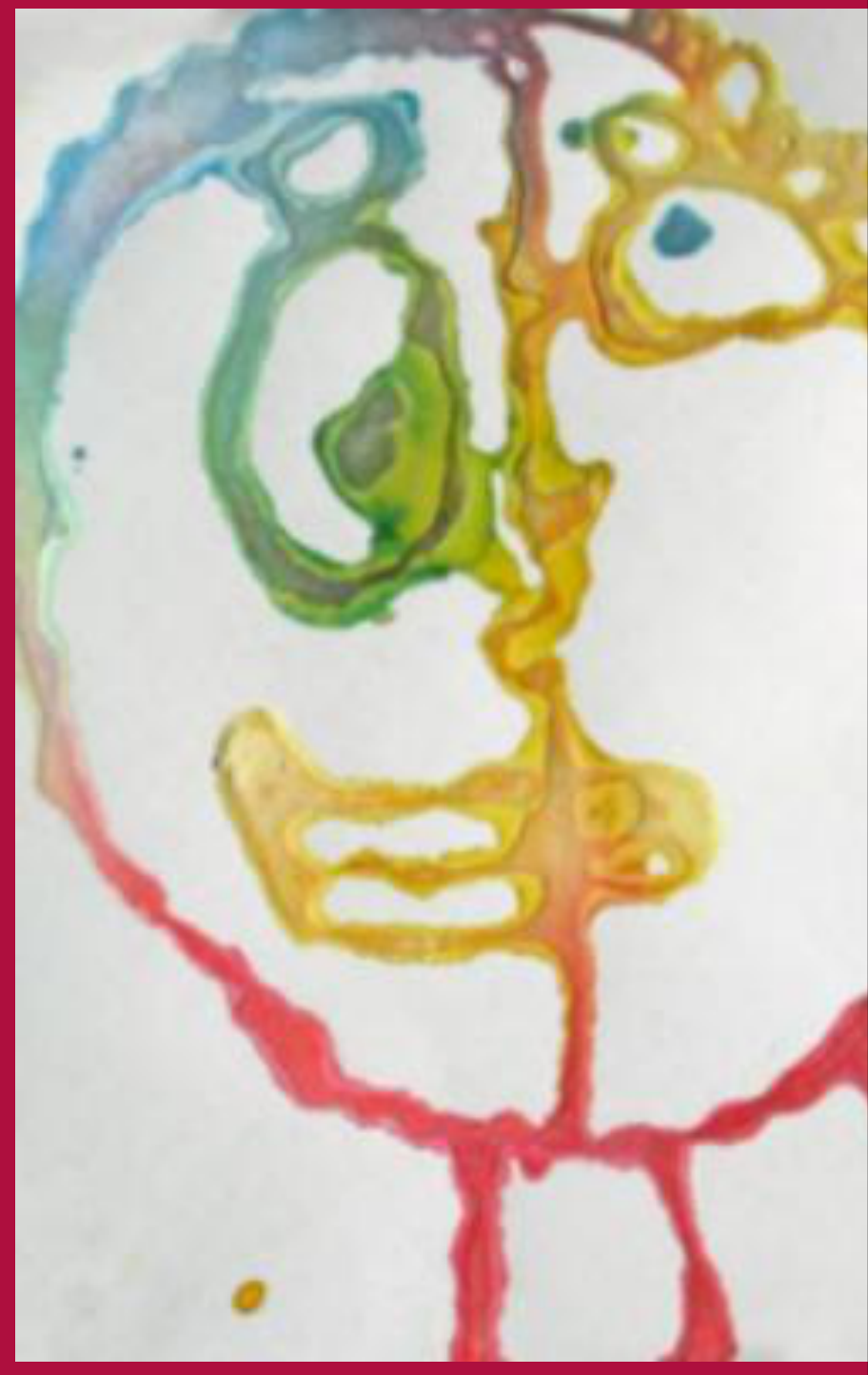
- Draw the Being's portrait with a pencil. Make sure it is large and that it includes a lot of connected lines.
- Trace the pencil lines with the glue, starting at the top of the paper to avoid dragging arms and elbows through the glue.
- Lay the glue-y paper in a shallow tub or baking pan, and generously sprinkle salt all over the picture. The glue lines should be completely saturated with salt, giving a raised, rough appearance.
ART OF THE DAY:
BLENDING COLOURS!
PROCEDURE:
- Using the eye droppers and liquid watercolor and hovering approximately 1" above the paper, carefully drop one drop of paint at a time onto the salt/glue lines and watch it "travel" along the line. You can also do this with a paint brush by gently touching the brush to the glue (this technique is a lot harder to control and the brush gets covered in glue and salt). At this point, it's beneficial to discuss the definition of primary and secondary colors and encourage them to plan the colors that they want to touch each other. Where the colors touch, they will slowly blend to form the new or secondary color.
- Allow to dry flat for approximately two days and then scrape off the excess salt outside or over a garbage can.
ART OF THE DAY:
BLENDING COLOURS!
INFERENCE:
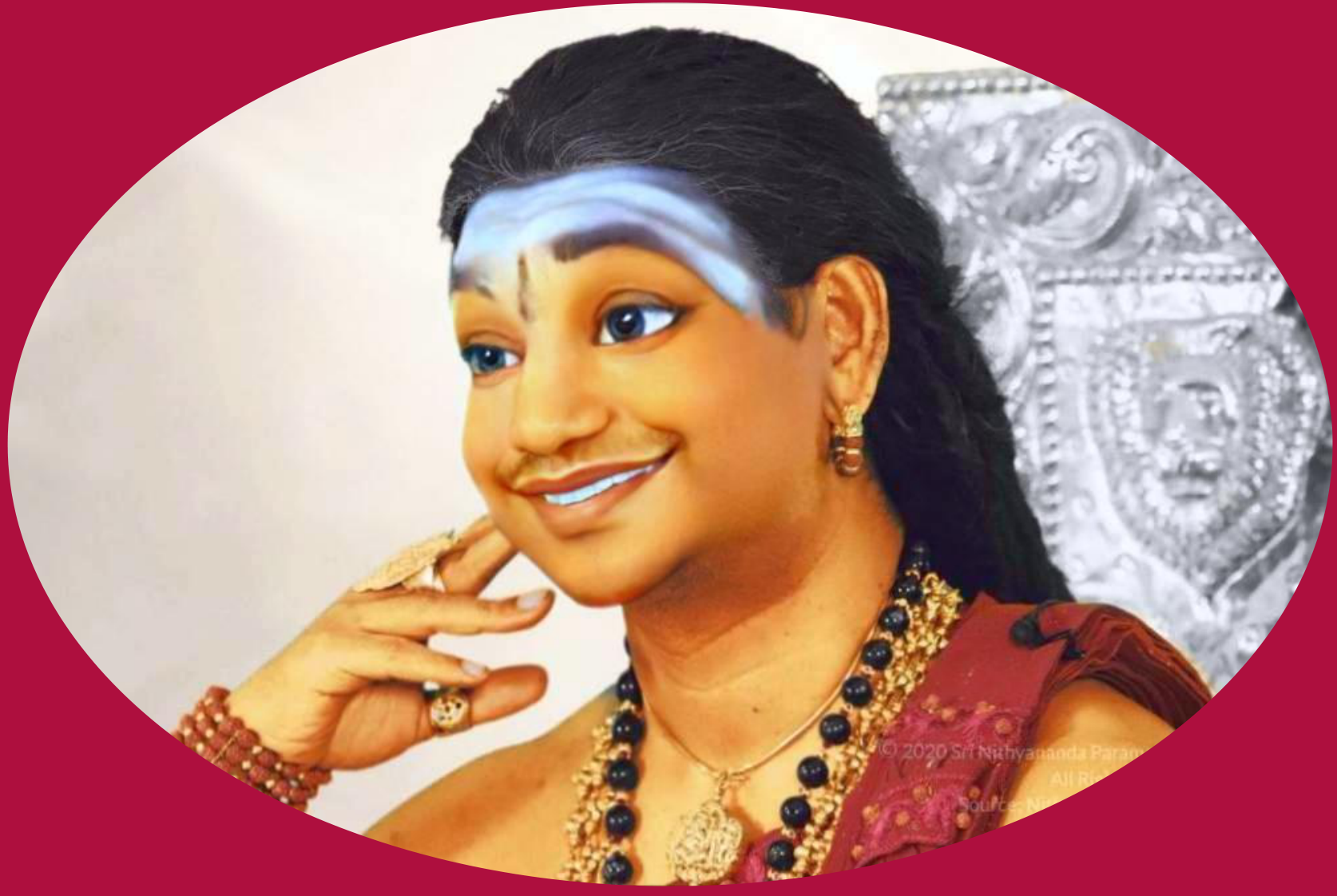
The quality of Saumyatva brings out the pure beauty from within.
ACTIVITY OF THE DAY
ACTIVITY OF THE DAY:
AUSTERITY IN ACTION
MATERIALS NEEDED
- Papers,
- Cardboard
- Scissors
- Glue or other adhesive markers
- Pencils,
- Erasers
- Different pictures representing austerity in action- śarīraṁ tapa: satya, ahiṁsā, asteya, aparigṛha and brahmacarya (ensure to have plenty for each to give children options).
PROCEDURE: Ask the students to create their own vision board representing satya, ahiṁsā, asteya, aparigṛha and brahmacarya. -At the end, ask them to share how they can practice austerity in action in their day-to-day life.
ACTIVITY OF THE DAY:
AUSTERITY IN ACTION
INFERENCE:
Kṛṣṇa talks about austerity in action, śarīraṁ tapa as well. He speaks about the five conditions that are also in Patañjali's Aṣṭāṅga Yoga as the five disciplines of yama: satya, ahiṁsā, asteya, aparigṛha and brahmacarya. These mean truth in thoughts, words and deeds embodying nonviolence, non-covetousness, simplicity and living in reality with the focus on the Supreme as the ultimate in any kind of penance.
WORKSHOP OF THE DAY
WORKSHOP OF THE DAY:
VAAKYARTHA SADHAS
TOPIC OF DISCUSSION:
Truth is a reflection of compassion. Truth is an expression of compassion. Truth and compassion always go together. For that reason, truth can never hurt"
YOU CAN ASK STUDENTS QUESTIONS SUCH AS:
- What is truth?
- How can truth be an expression of compassion?
- Why do people often use the expression "truth hurts"?
- How is integrity directly connected to the power of words?
- Are you always aware of the words that come out of your mouth?
- How powerful are your words?
- How can you change your own life or others' lives through your words?
- What happens when we use hurtful words?
- What should we experience anger and feel like telling hurtful words to others?
- How can you bring more integrity to your words?
WORKSHOP OF THE DAY: VAAKYARTHA SADHAS

CONCLUSION:
When you start practicing integrity, you will harness the power of words. The words you utter will have so much power that just through the words you will be able to change your life and others' life, for the better!