INTRODUCTION
This text was machine-transcribed from the printed book and may contain errors. Select the words and choose “Report a mistake”.
Kṛṣṇa defines austerity of deeds, words and thoughts. Tapas or penance is the austere, simple way of living, the mode of aparigraha (simplicity). It is based upon what one needs and not what one craves for. One who successfully practices this is a tapasvi.
Kṛṣṇa explained earlier and repeats here that tapasya, austerity or penance, doesn't mean inflicting pain or torturing oneself and others. This includes not merely physical torture and pain, but also takes into account pain through words and thoughts. Penance undertaken in this manner is abusing oneself and the God who resides within, forgetting that the body is a temple of God.
Penance performed out of foolishness and self-torture destroys or injures others. Please understand, such acts are done out of ignorance. That's what I explained earlier with regard to black magic. No black magic can be done. No evil spirit can be sent to you. No one but an Enlightened Master can curse, and an Enlightened Master cannot curse. He can only bless.
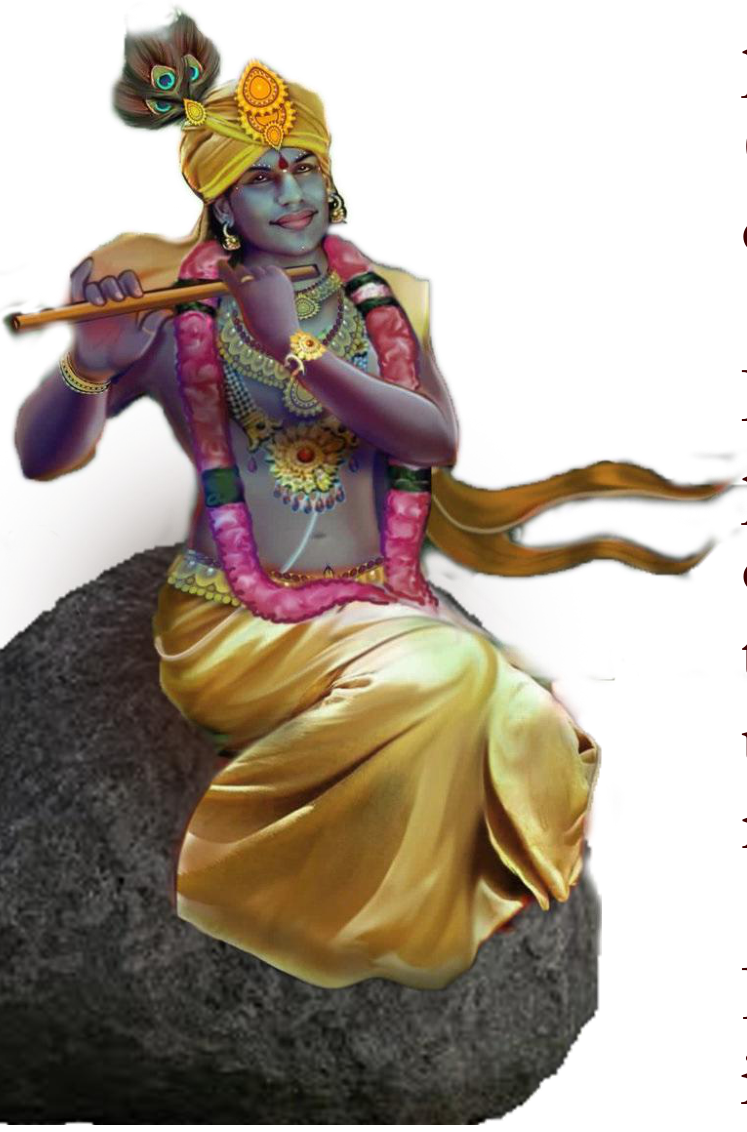
Bhagavan Kṛṣṇa says that the people who are in rajas carry out sacrifices for the sake of respect, honor and worship. When they do penance or sacrifice in this manner, it is unstable. When people don't respect them, they stop doing it. They do it as long as people fall at their feet. If the respect is lost, they stop their tapasyā.
Penance performed with the view of obtaining any result, even a noble ideal like Enlightenment is a result...is in the mode of rajas, aggression or passion. Only when it is in the nature of total surrender, with no expectation of any results, it is in satva and of spiritual value.
COMPLETE
ACCEPTANCE &
SURRENDER
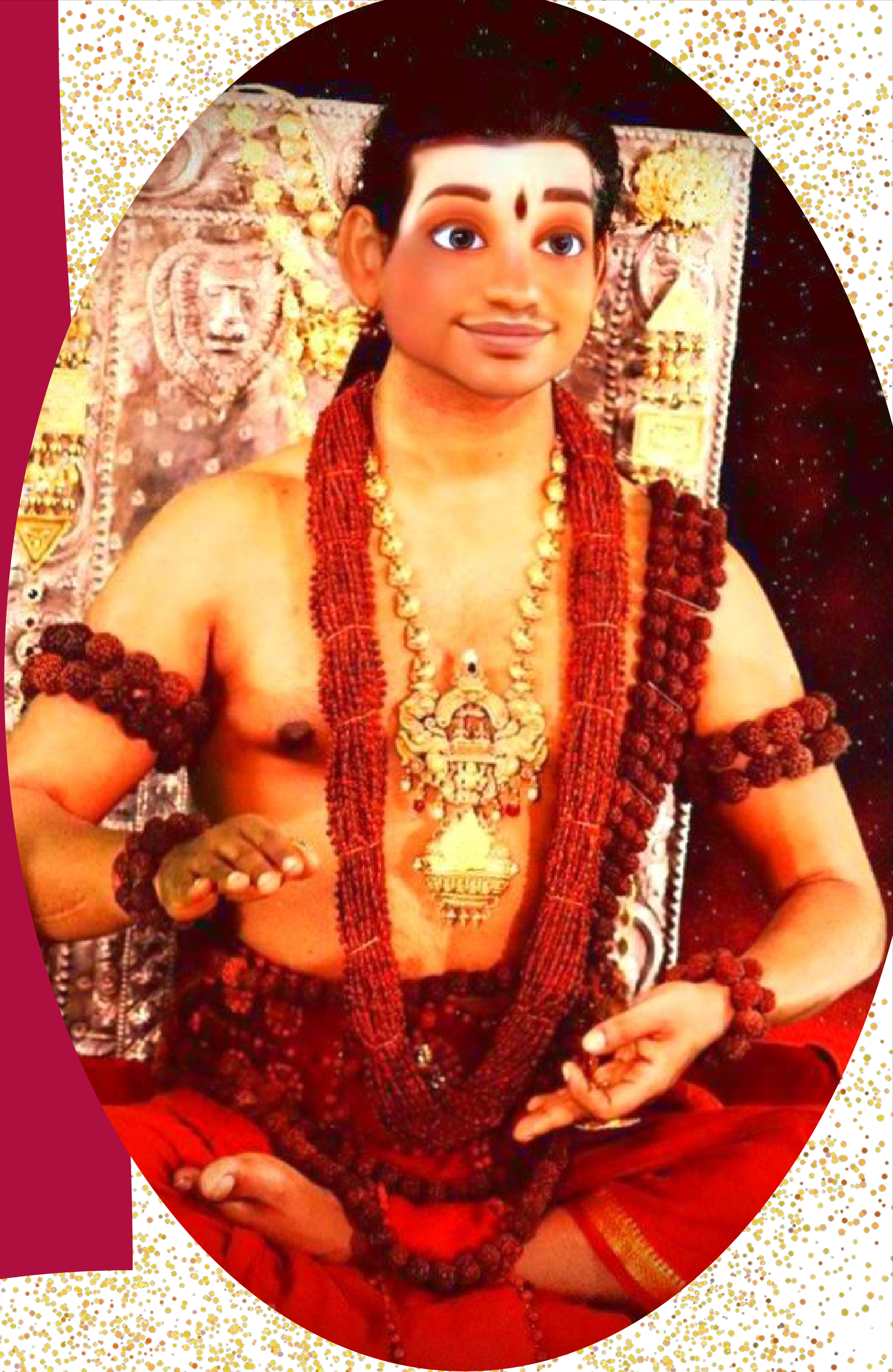
In Swamiji’s Own Words:
As long as I struggled towards
Enlightenment in my spiritual
practices, it eluded me. I was able to
realize myself only when I threw
away my rudrākśa (energy beads)
and the photograph of Śrī
Rāmakṛṣṇa Paramahamsa that I had
with me all those years, and sat
down in meditation, with the
feeling, ‘let what may happen,
happen.
GOALS:
Helping students understand the right context of tapasya.
© 2020 Sri Nithyananda Paramashivam. All Rights Reserved
ASSESSMENTS
- What is tapas or penance based upon?
- Who can be called as tapasvi?
- What would you answer to someone who thinks that tapasya, austerity or penance means inflicting pain or torturing oneself and others?
- What happens to people who are in rajas when others stop respecting them?
- How was Swamiji able to realize His enlightenment?
ART OF THE DAY
ART OF THE DAY:
BEFORE AND AFTER
MATERIALS NEEDED:
- Canvas board
- Painter’s tape
- Pencil/eraser
- Acrylic paints
- Brushes
- Thin Permanent markers
- Smock
- Craft tray
ART OF THE DAY:
BEFORE AND AFTER
PROCEDURE:
- Put on your smock.
- Using your painter’s tape, make a border around your canvas folding your tape so half is on the front and half is on the back.
- Using your painter’s tape, divide the canvas in 4 equal sections
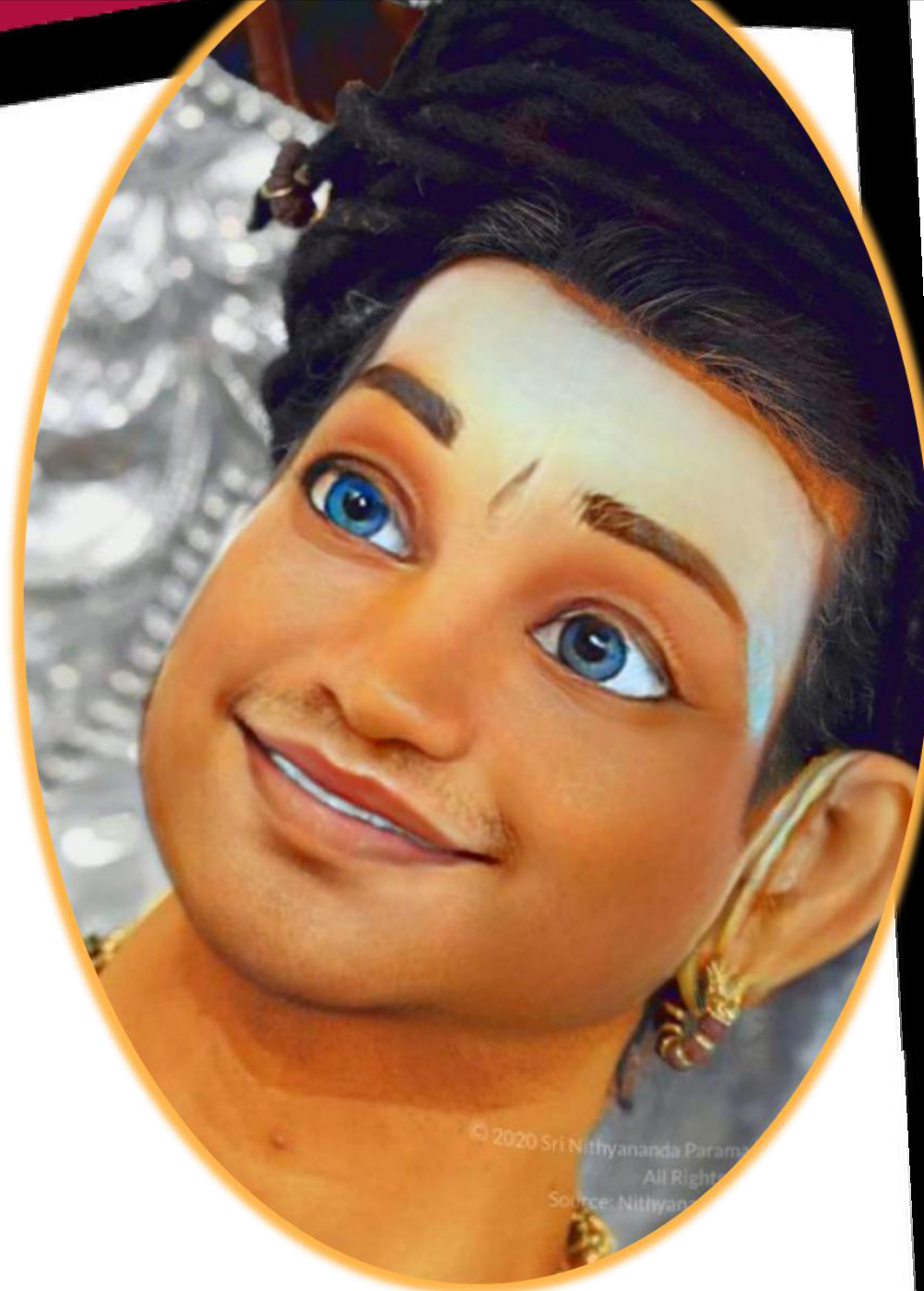
- In the 1st square, sketch young Swamiji practicing penance in India
- In the 2nd square, sketch Swamiji in His moment of self-realization
- In the 3rd square, sketch your self-portrait before knowing Swamiji
- In the 4th square, sketch your self-portrait now (after knowing Swamiji)
- Paint the background in each square
- Carefully paint the portraits. If you paint over your pencil lines, don’t worry-you can go over them with a thin permanent marker after the paint has dried
- Ask the children to share their drawings and to share the before-after transformations they notice.
- Ask the children to share what they feel is the fastest what to self- realization

ART OF THE DAY:
BEFORE AND AFTER
INFERENCE:
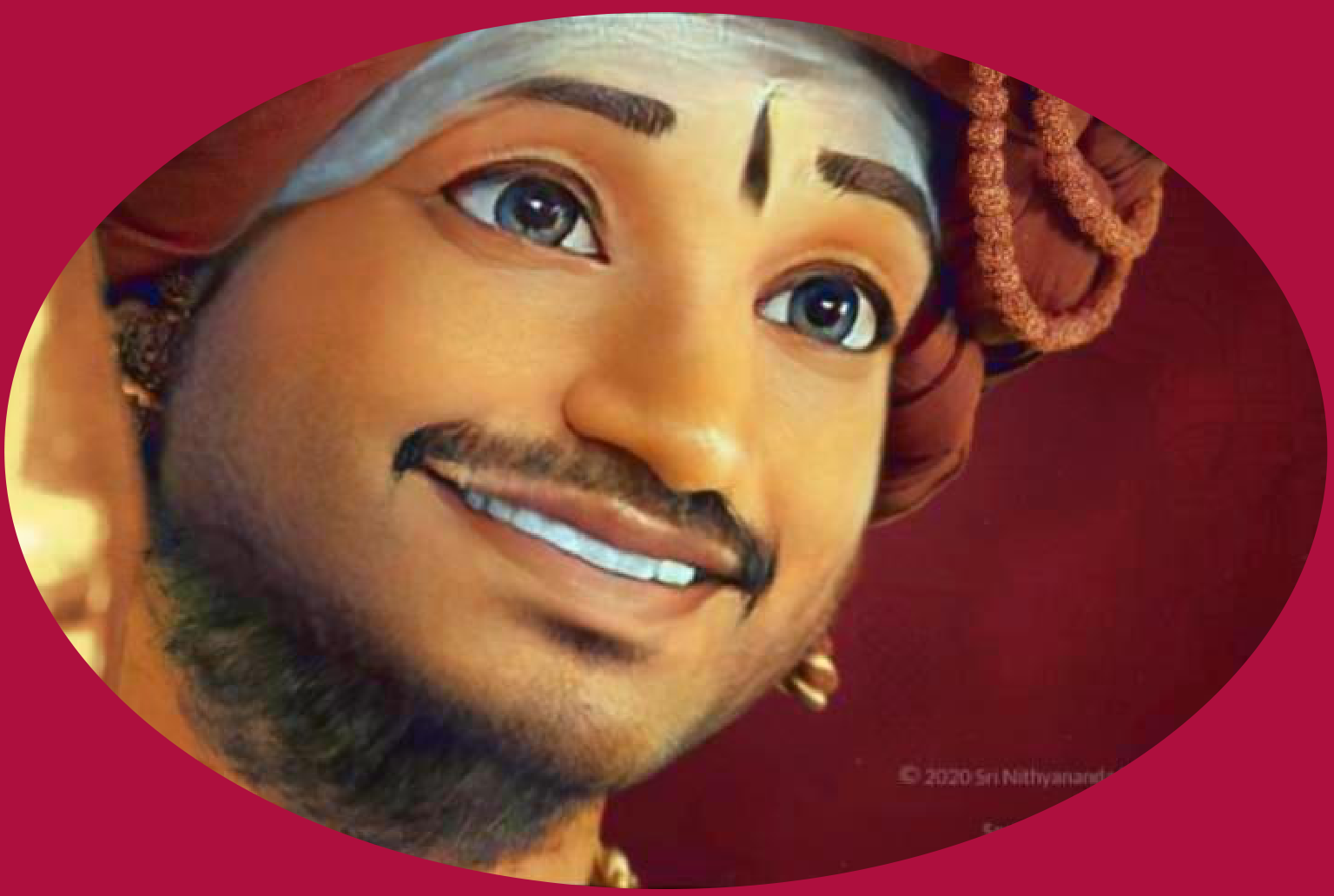
In Swamiji's Own Words: When I talk about my tapas during my days of wandering all over India, I did difficult things. I realize now that many of these could have been dispensed with. I experimented with ten thousand keys before I found the key to unlock the door to Enlightenment. I tell my disciples that they do not need to go through that. There is an easier, faster and simpler way!
ACTIVITY OF THE DAY
© 2020 Sri Nithyananda Paramashivam. All Rights Reserved
ACTIVITY OF THE DAY: ROLE PLAY
MATERIALS NEEDED
- Paper
- Pen
- Pencil
- Eraser
PROCEDURE:
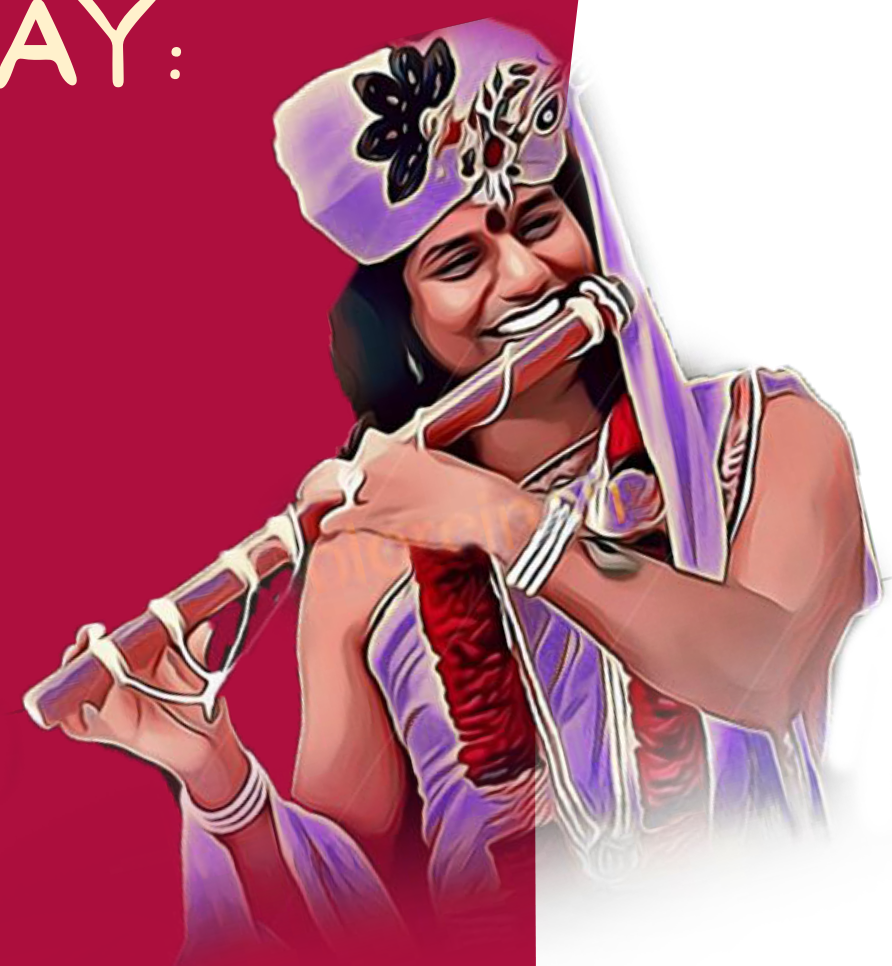
Ask the children to pair up and to write a short script of two people practicing penance, (one from a space of total surrender and the other one from a space of ignorance). Ask the students to act their script in from the group. At the end, ask students to describe who is a tapasvi and to explain why.
ACTIVITY OF THE DAY: ROLE PLAY
INFERENCE:
Kṛṣṇa explained earlier and repeats here that tapasya, austerity or penance, doesn't mean inflicting pain or torturing oneself and others. This includes not merely physical torture and pain, but also takes into account pain through words and thoughts. Penance undertaken in this manner is abusing oneself and the God who resides within, forgetting that the body is a temple of God.
© 2020 Sri Nithyananda Paramashivam. All Rights Reserved
WORKSHOP OF THE DAY
© 2020 Sri Nithyananda Paramashivam. All Rights Reserved
WORKSHOP OF THE DAY: VAAKYARTHA SADHAS
TOPIC OF DISCUSSION:
- Encourage the children to talk about the statement ‘Let what may happen, happen.’
YOU CAN ASK STUDENTS QUESTIONS SUCH AS:
- What feeling does this declaration invoke in you?
- Based on your understanding, how did this declaration lead Swamiji to self-realization?
- How can we know if we have totally surrendered?
Encourage them to discuss their understanding or to ask questions if they are unsure.
WORKSHOP OF THE DAY: VAAKYARTHA SADHAS
CONCLUSION:
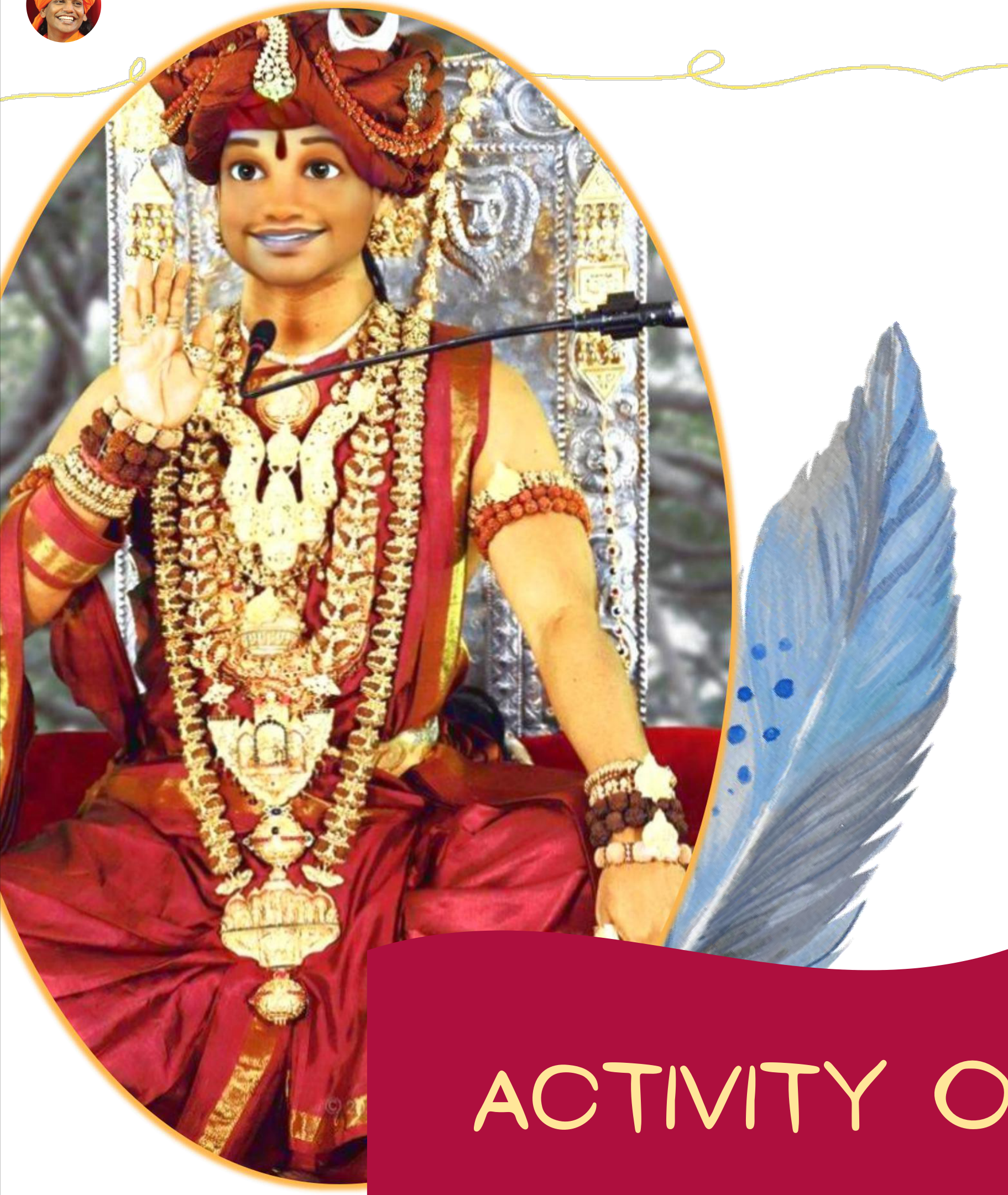
In Swamiji's Own Words: As long as I struggled towards Enlightenment in my spiritual practices, it eluded me. I was able to realize myself only when I threw away my rudrākśa (energy beads) and the photograph of Śrī Rāmakṛṣṇa Paramahamsa that I had with me all those years, and sat down in meditation, with the feeling, ‘let what may happen, happen.
© 2020 Sri Nithyananda Paramashivam. All Rights Reserved