How To Save Ourselves
This text was machine-transcribed from the printed book and may contain errors. Select the words and choose “Report a mistake”.

Authored by
THE SPH NITHYANANDA PARAMASHIVAM
16.10
काममाश्रित्य दुष्पूरं दम्भमानमदान्विताः ।
मोहाद्गृहीत्वासदग्राहान्प्रवर्तन्तेऽशुचिव्रताः
॥ १६-१० ॥
kāmamāśritya duṣpūraṁ
dambhamānamadānvitāḥ mohādgṛhītvā
‘sadgrāhān pravartante’śucivratāḥ
Filled with insatiable desires, hypocrisy, pride, and arrogance; holding wrong views due to delusion, they act with impure motives and for impermanent objectives
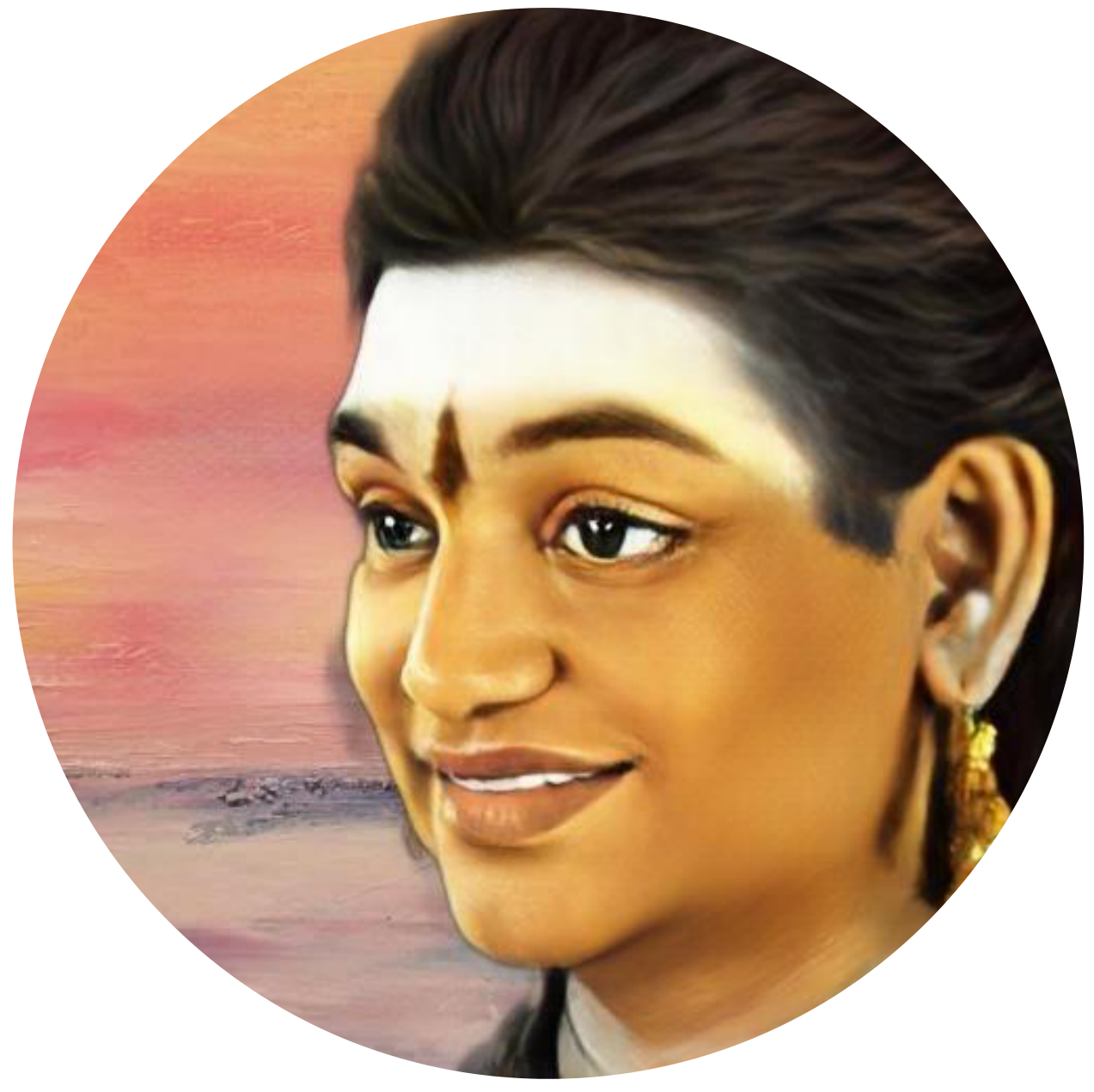
POWERFUL COGNITION
Human consciousness can rise to the intuitive level, in which awareness results in high action. This is the potential of the Divine inherent in all of us
॥ 16.11 ॥
चिन्तामपरिमेयां च प्रलयान्तामुपाश्रिताः ।
कामोपभोगपरमा एतावदिति निश्चिताः
॥ १६-११ ॥
cintāmaparimeyāṁ ca
pralayāntāmupāśritāḥ
kāmopabhogaparamā etāvaditi niścitāḥ
Obsessed with endless anxiety lasting
until death, considering sense
gratification their highest aim, and
convinced that sense pleasure is
everything
POWERFUL COGNITION
Once we know how to lead our life without fantasies with responsibility, the fear of death disappears.

16.12
आशापाशशतैर्बद्ध: कामक्रोधपरायणा: ।
ईहन्ते कामभोगार्थमन्यायेनार्थसञ्चयान्
॥१६-१२॥
āśāpāśaśatairbaddhāḥ
kāmakrodhaparāyaṇāḥ īhante
kāmabhogārtham
anyāyenā'rthasañcayān
bound by hundreds of ties of desire and
enslaved and filled with anger, they
strive to obtain wealth by unlawful
means to fulfill sensual pleasures
POWERFUL COGNITION
If we intensely experience these events born out of desires and perceived by our senses, we find that neither the peaks thrill us nor the valleys sadden us. We don't need to suppress or ignore these emotions; we can experience them fully without differentiation and move on.
INTRODUCTION

Times have changed since the days of the Vedic educational system where, from childhood, one was guided toward self-completion. Modern day education is based upon logic, science and rules, and is short on self-completion and dharma, righteousness. When we are caught in the material world, focused on ‘I’ and ‘me’, we are stuck in the mūlādhāra and svādiṣṭhāna cakras. Greed and fear rule us and we are forever in the bondage of attachment and aversion. Whatever we do is with selfish and impure motives, and results in consequences that are mostly illusionary. In the earlier verse, Kṛṣṇa explained how a person with demonic nature could destroy this world. Here, He shows how such a person can destroy himself. Out of pride, arrogance and hypocrisy, such a person moves in a path directed by purely selfish and material objectives, and derives results that produce suffering
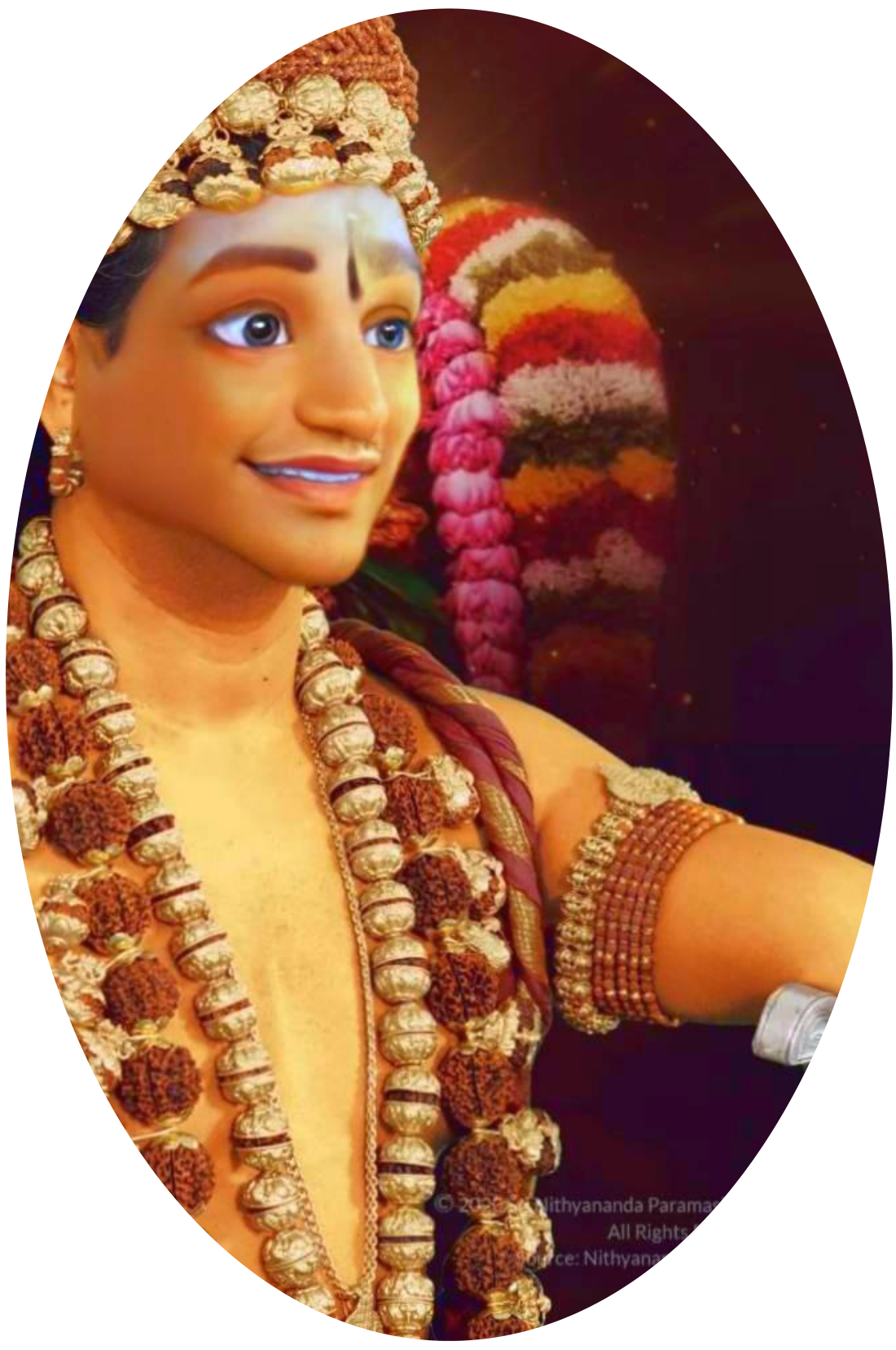
When we focus on matter, we tend to lose sight of the energy inherent in matter. When we focus on the form, we cannot see the formless that enables the form. What is permanent in both cases is the formless energy that drives the form and matter.
Science has moved a long way from the Newtonian model based on matter and form. This model is no longer relevant. From the days of Einstein, when matter and energy were linked inextricably, the concept has changed. Today all sciences accept that matter and energy not only co-exist, but also that the same object or event can be perceived or experienced by the observer as matter or energy or both. So, we are back to the Indian master Ādī Śaṅkarācarya's theory that the observer determines what is being observed. We may think this is fanciful. However, this is an accepted theory in the most advanced form of Quantum Physics today. Elementary subatomic particles, when observed in identical conditions with identical tools, appear differently to different observers. As yet there is no explanation for this phenomenon. Our ancient Sages, Ṛṣis explained that this happens based on our deep root cognitions, which colors our perceptions. When science is sufficiently advanced, it will accept this truth. Once we know how to lead our life without fantasies with responsibility, the fear of death disappears. Then suffering and misery dissolve automatically.
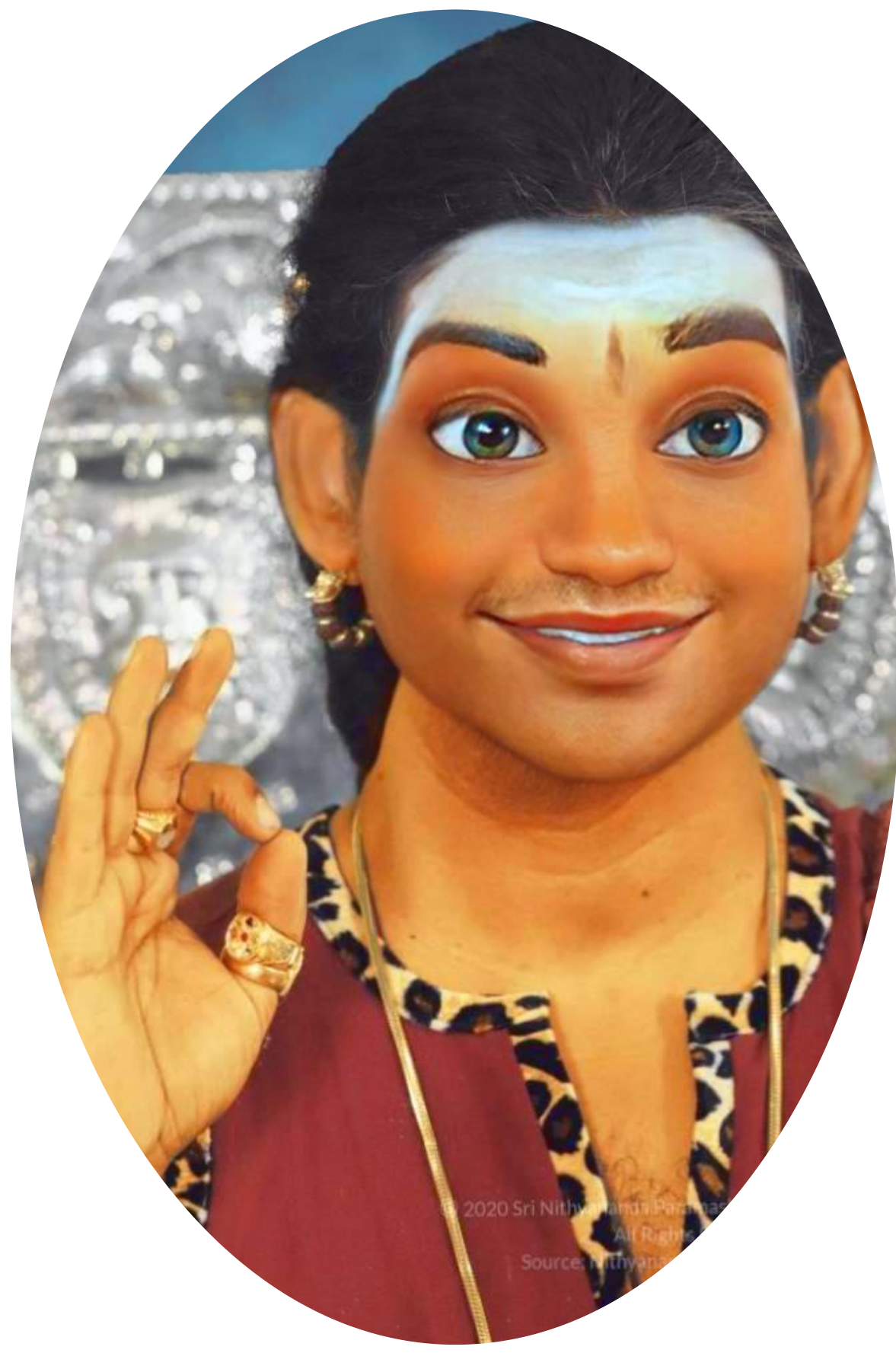
The nature of the unconscious mind is to react to the senses. We may think we respond consciously. But almost all the time our reactions are instinctive, decided by vāsanās and saṃskāras, conflicting patterns and root patterns, rather than by conscious application of our rational mind. This is what Kṛṣṇa refers to as the nature of a demonic person. Instinct is the nature of animals, and because it is their nature, it works well for them. They flow with nature.
Instinct is not the nature of humans. Human consciousness can rise to the intuitive level, in which awareness results in high action. This is the potential of the Divine inherent in all of us. Instead of rising to the intuitive level, the super conscious level, most people find it easier to descend into the instinctive or unconscious level.
The problem is that we do not know how to fulfill desires. We go through peaks of emotions goaded by our desires and then slip into valleys of depression and guilt.
Our emotions are not authentic
because they do not touch our
inner core. If we intensely
experience these events born out
of desires and perceived by our
senses, we find that neither the
peaks thrill us nor the valleys
sadden us. We don't need to
suppress or ignore these emotions;
we can experience them fully
without differentiation and move
on. We rush towards pleasure and
away from pain. We are so eager to
fulfill our desires that we go to any
length to amass wealth and do any
deed, however questionable it may
seem. As Kṛṣṇa says, this goes on
until we die. If we expect that we
will suddenly be filled with
thoughts of the Divine at death,
even though our whole life we
chased only pleasures, this is
another foolish fantasy. If we live
as a demon, focused on 'me', we
cannot suddenly take the leap to
'You' at the point of death.
GOALS:
Inspire the Students to engage in spiritual pursuits throughout one's life and to engage in enriching others to do the same, so that humanity can raise itself to an intuitive and super consciousness level.
ASSESSMENTS

- What is the main difference between the Vedic education system and the modern education system?
- Why does pursuit of only material objects in life lead to suffering?
- Why are fantasies dangerous?
- What is the difference between instinct and intuition?

ART OF THE DAY
ART OF THE DAY:
MERGING AS ONE
MATERIALS NEEDED:
Plastic face mould Newspaper pieces, thick paper Scissors Glue Water in a bowl Acrylic paint Pencil, markers
PROCEDURE: You may use the plastic face form mould as is, or glue paper cuttings to the mask to add features like headgear, ears etc. Apply papier mâché, to cover the full mask with at least three layers of paper and glue. Let it dry. When the mask becomes hard and dry remove it from the mould. Paint the full face mask in a base white colour so that the newspaper print does not show. Let the base coat dry. Then with a marker pen draw the facial features and paint the face with colours of your choice.

Inference:
Like a mask on the wearer, the superconscious intelligence underlies all of matter. When we focus on matter, we tend to lose sight of the energy inherent in matter. When we focus on the form, we cannot see the formless that enables the form. The only thing true and permanent in the form is the underlying formless!
ACTIVITY OF THE DAY
ACTIVITY OF THE DAY:

Procedure
Let us compare, brainstorm, research and discuss, four theories on laws of nature. A basic introduction on each of the theories is given below to get your research and thought processes started
ISSAC NEWTON'S THEORY OF GRAVITY (1666 CE/AD)
This comprises three interrelated theories: Newton's first law = object will not change its motion unless a force acts on it; Newton's second law = force equals mass times acceleration; and Newton's third law = for every action there is an equal and opposite reaction. Newton's theory is a discarded theory today as it fails to fully explain physical phenomena like partial reflection, refraction, diffraction, polarization, interference, changing speed of light in changing medium, and particle emission that does not change mass.
ALBERT EINSTEIN’S THEORY OF RELATIVITY (1905 CE/AD)
This comprises of two interrelated theories: Special Relativity Theory (1905 BC) = “matter and energy are interchangeable”; General Relativity Theory (1915 BC) = “space and time are linked for objects that are moving at a consistent speed in a straight line”. The basic idea is captured in a simple equation E = mc2, where E is energy; m is mass; and c is speed of light. many scientists feel Einstein’s theory is incomplete, as it fails to fully explain the physical phenomena of modified gravity in dark matter (particles invisible to light but endowed with gravity), in black holes and in the motion of stars and gas in spiraling galaxies and galaxy clusters.
ĀDĪ ŚAṄKARĀCARYA’S THEORY ON HUMAN PERCEPTION (700 AD / CE)
This states that the observer determines what is being observed. Elementary subatomic particles, when observed in identical conditions with identical tools, appear differently to different observers based on their deep root cognitions, which colors their perceptions.
QUANTUM THEORY (1998 AD/CE)
This states that by the very act of watching, the observer affects the observed reality. Modern scientists are now beginning to understand the particle and wave nature of matter. Submicron particles also behave as waves. When behaving as waves, they can simultaneously pass through several openings in a barrier and then meet again at the other side of the barrier. This "meeting" is known as interference. When an "observer" is watching, if the level of the observation went up, the interference weakened. When the observation slackened, the interference increased.
INFERENCE:
When science is sufficiently advanced, it will accept this truth that all creation is one cosmic intelligence, the workings of which defies all logical theories. All our sincere seeking whether in the physical science or in the inner sciences, ultimately points towards the existence of one whole of which we are a part.

WORKSHOP OF THE DAY

WORKSHOP OF THE DAY:
VAAKYARTHA SADHAS -
PROCEDURE:
1. Topic of discussion is "We can easily fill ourselves with thoughts of the Divine at death, even though our whole life we chased only pleasures, and thus get liberated". Do you agree and why?
CONCLUSION:
If we live as a demon, focused on 'me', we cannot suddenly take the leap to 'You' at the point of death. Only a person whose consciousness has flowered during his/her lifetime, will be able to go through the death process, unperturbed at the loss of his/her material possession, body, mind and identity, and able to be the superconscious wave, that is not anxious to take on another body.
- BHAGAVAD GITA -
BOOK XVI, VOLUME V