YOUR TRUE NATURE iS
This text was machine-transcribed from the printed book and may contain errors. Select the words and choose “Report a mistake”.
PūRṆA BEYOND TRiGUṆA.
Our center is our true nature. Our
true nature is divine. We are one
with the universal energy, God,
Parāśakti or whatever we want to call
it. We cannot describe it. We can
just experience it. We experience
bliss when our focus is in that
central core and not out at the edges
of our personality. Throughout life
we run away from that center, that
core of bliss, that space of
completion.
Completion is removing the
delusion of incompletion, which
makes you cognize the other is
separate from you; the delusive
cognizance, the delusive cognition.

Our senses lead us towards the
periphery where incompletions are,
where material objects are. Our
inner core is empty: it is śūṇya. But
it is also pūrṇa, complete by itself
with nothing else needed to top off
the bliss. However, the outer
periphery of incompletions is
forever changing. Nothing is eternal
about it. Even when objects are the
same, our perceptions keep
changing. This periphery is māyā,
illusion, tamas, ignorance.
Understand, incompletion has no
existence. Incompletion is the
delusive cognition that stands
between you and the Whole.
Complete with everything
Our rājasic nature, the restless
activity that strives to introduce
purpose into something that is
essentially without purpose, keeps
driving us away from the center of
completion into this peripheral
darkness of incompletions, tamas
and māyā. Rajas always drives us
into tamas. Aggression, passion,
attachment and aversion eventually
take us into delusion and ignorance.
ARE WE CENTRED IN DIVINE CONSCIOUSNESS?
But from time to time we get that spark of intelligence that says— there is more meaning to life than fantasies. We start searching. When we seek our true nature, we move towards our center, the core of bliss. Then something in the external space attracts us and we move out to the periphery.
We keep moving in and out, from center to periphery, from periphery back to center. That is why human beings are called eccentric! They can neither be in the center nor in the periphery. They settle in between and keep oscillating. They are eccentric. They are neither in complete madness nor in completion with their divine consciousness.
The movement towards our core,
our true self, ātma is driven by
satva. The movement outwards is
driven by rajas. When we are fully
settled in the periphery, we are
caught in tamas. We are no longer
human. When we settle into the
center which is the space of
completion, we go beyond the
three guṇas. We become the
triguṇa rahita, the Divine one who
is beyond the three attributes, who
is pūrṇa—complete.


GOALS:
Help the student
understand: We can
move towards our core,
true self, atma only
when we are in satva.
When we are in tamas,
we forget our spiritual
nature. When we are in
rajas, we have a vague
idea; however, even the
seeking for spiritual
experience becomes an
attachment, another
pattern, goal and desire.
When we settle into our
core which is the space
of completion, we go
beyond the three guṇas
ASSESSMENTS
- Why is the depression of success difficult to address?
- What causes tamas when we move towards the spiritual path?
- What are the dangers in being predominantly Rajasic?
- How does one's guṇas or predominant qualities affect our afterlife?
- What are the benefits of being predominantly satvic?
- Who is a triguṇa rahita or one who is beyond the three guṇas?
ART OF THE DAY

ART OF THE DAY:
SAY CHEEZE!
MATERIALS NEEDED:
1. Camera (mobile phone with camera would do as well).
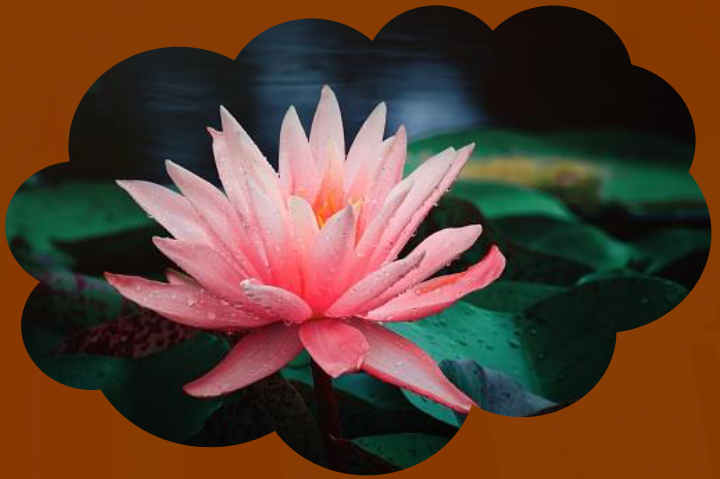
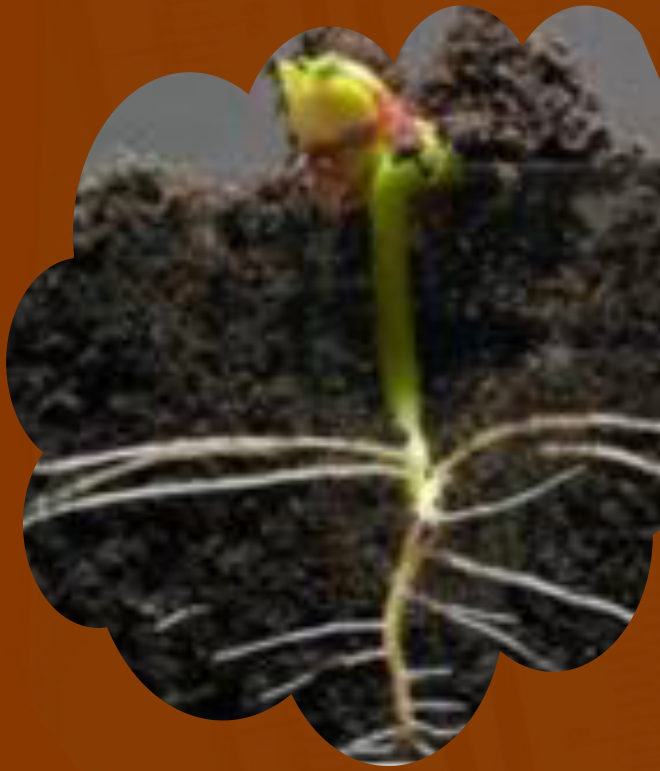
PROCEDURE Click a photo based on the theme "Life happens both inside and outside." Here are some clicks to inspire you:
INFERENCE: If life is happening to you inside, it is responsibility; if life is happening to you outside, it is success. If life is not happening to you inside, it is depression; if life is not happening to you outside, it is inefficiency.

ACTIVITY OF THE DAY

ACTIVITY OF THE DAY: IDENTIFY YOUR GUNAS!
MATERIAL NEEDED:
• Notebook
• Pen

PROCEDURE:
Let's undertake the three gunas assessment test. The three gunas are tamas, rajas, and sattva. These 3 qualities exist, in different proportions and combinations, in each person and lead them to behave, react, conceptualize, and comprehend the nature of your surroundings differently. The proportion of each Guna may rise or fall anytime. Write down your own qualities in your notebook and gauge which is Guna or Guna Combination currently predominates in you.
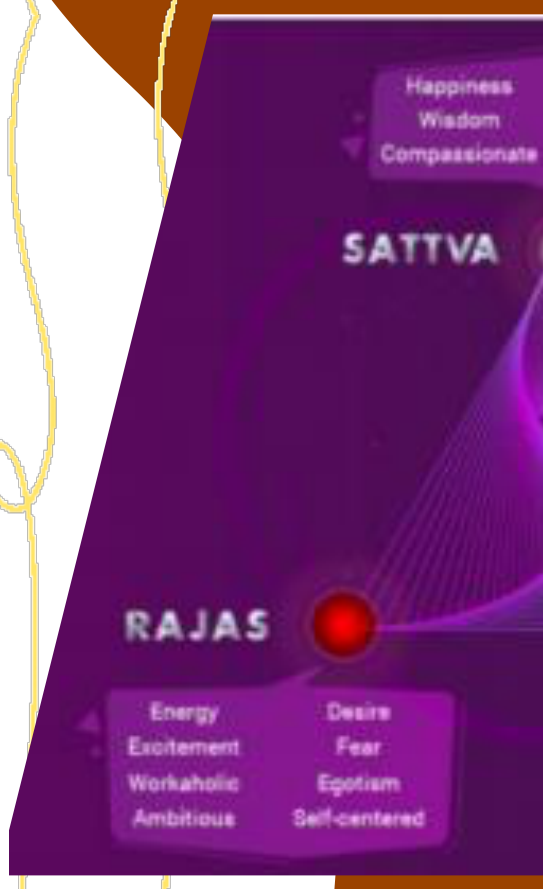
The class coordinator shall then discuss the fact that the Gunas are transient and our true nature lies beyond the three Gunas.

ACTIVITY OF THE DAY:
IDENTIFY YOUR GUNAS!
INFERENCE:
Purification and knowledge are from satva, distress and greed are from rajas, and foolishness, madness and illusion are from tamas. We must go beyond all three gunas! Your True Nature is Pūrṇa Beyond Triguṇa. Our center is our true nature.

WORKSHOP OF THE DAY

WORKSHOP OF THE DAY:
VAAKYARTHA SADHAS
PROCEDURE Let's discuss the topic you choose: Option 1: “Life has no Purpose. Life has only Meaning. To be divine is our real meaning.” Option 2: “We are not human beings striving for a spiritual experience. We are spiritual beings enjoying a human experience.”
CONCLUSION To be divine and to realize that inner divinity is our true meaning in life. Being aggressive, being restlessly active, or being constantly on the move does not help us understand or realize this meaning

- BHAGAVAD GITA -
BOOK XIV, VOLUME V