INTRODUCTION
This text was machine-transcribed from the printed book and may contain errors. Select the words and choose “Report a mistake”.
Our mind associates a time and space with every incident or event. The mind can only think chronologically. It is like an inner reference chart and all incidents are placed in this chart of time and space. Modern science asks questions like, 'How did this happen? What was there before this? What came after this? What triggered this?' When they asked about the creation of this Universe, they explained it with the Big Bang theory.
They said that a tiny mass of fire exploded and gave rise to our Universe. What they could not answer was, 'What existed before that?' Kṛṣṇa says that this universal energy, the ultimate consciousness, always existed. It manifested in various forms as planets, as humans and so on, but it is eternal. It will continue to manifest itself and return to the Source and it will always exist.
OUR ESSENTIAL
NATURE
The concept of time and space that we have is based on our mind and senses. Whatever we perceive is a projection of our mind. He measures time in terms of kṣaṇa. Kṣaṇa is the time between two thoughts. It is the space between two thoughts. Buddha referred to this time and space as śūnya. Ādi Śaṅkarācārya referred to it as pūrṇa. It is the no-mind zone, the mindful zone, the space of completion in which we touch base with ourselves. It is the present moment, in which we come face to face with the divinity within, by which we recognize the Cosmic energy that is our essential nature.
When we are caught in chasing one material pleasure after another we have so much stress, tension and worry bombarding our heads very second. Our kṣaṇa is very small because of the high number of thoughts inside us. This is why we get a suffocated, panicking feeling. We constantly feel time is running out. We are greedy for more and more experiences before this body dies and we are afraid that we might lose whatever we have come to possess. We feel this way because we associate ourselves with the kṣetra, the temporary body and mind. The body and mind are made up of the five elements and they return to their source once they have served their purpose.
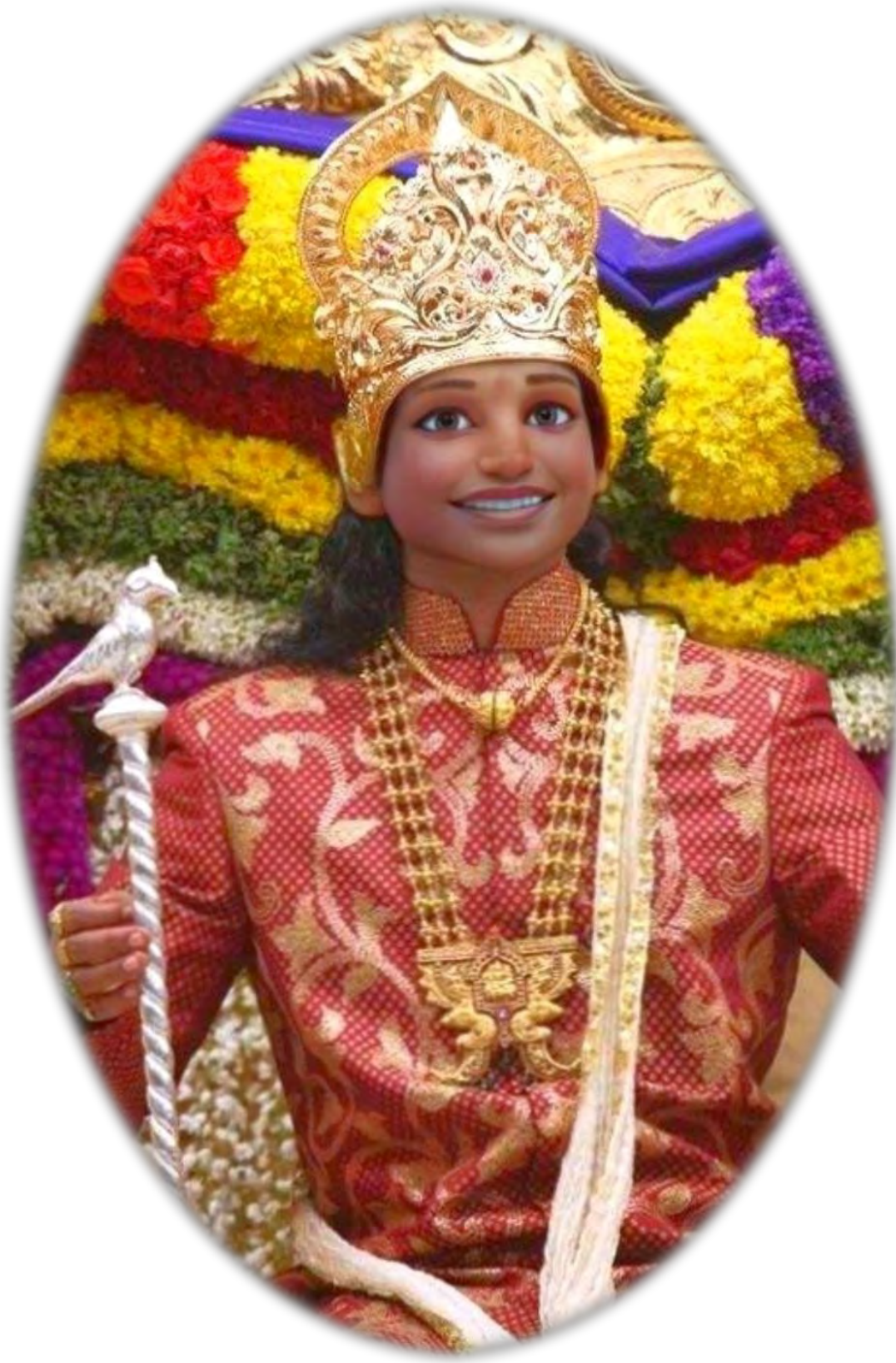
A WITNESS TO THE MIND
On the other hand, an enlightened Master knows he is kṣetrajña. He knows that he is not the body-mind system. He has realized that he is the ultimate consciousness. He has no urgency to run in the rat race because he knows that life goes on, even if this body perishes. He has become a witness to the mind. Any thought that springs up will be only an action-oriented authentic thought, never an unproductive thought. He expresses the power of words, vāk śakti. The moment the thought happens, it immediately expresses itself as an action. No thoughts accumulate inside him. He experiences eternity because of this thoughtless zone that he stays in. This is the beginninglessness of the consciousness that Kṛṣṇa explains here.
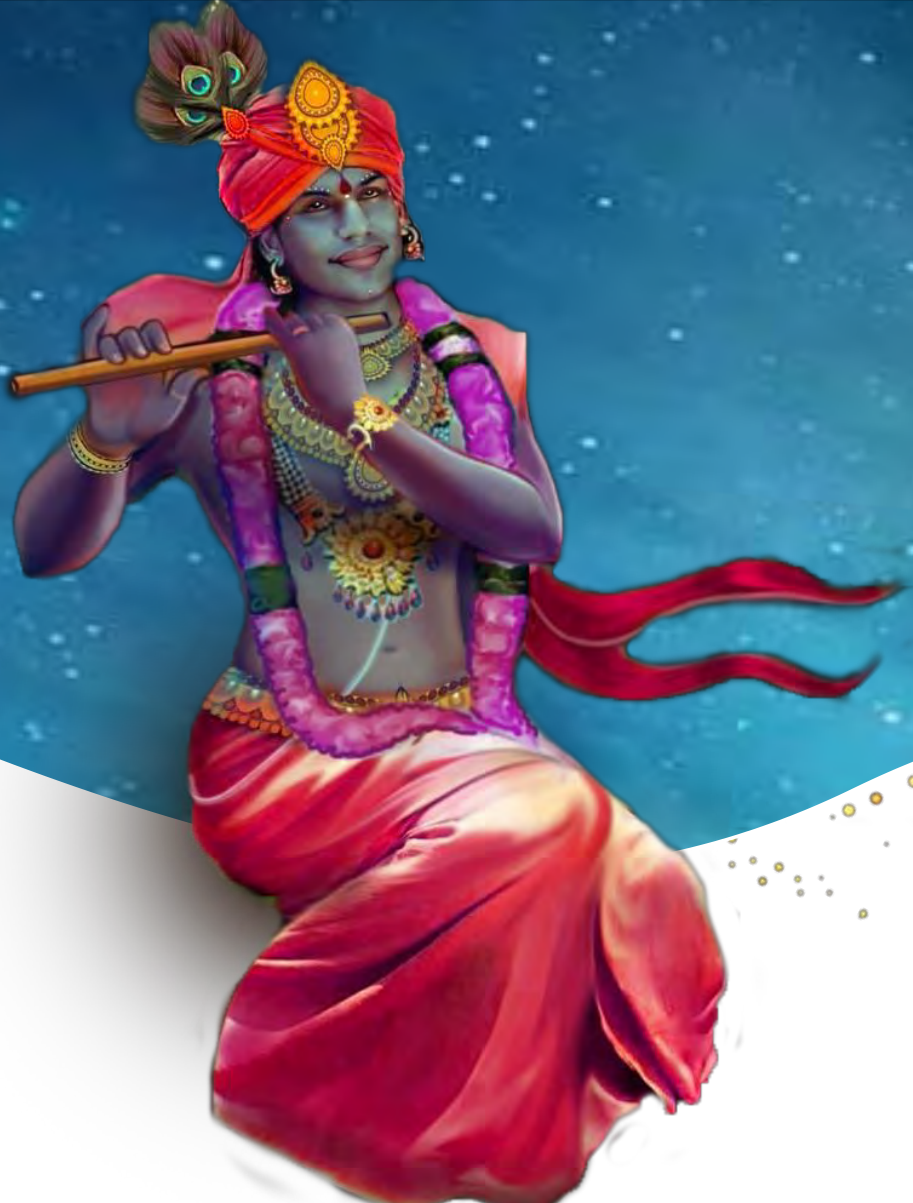
THE MASTER EXISTS EVERYWHERE
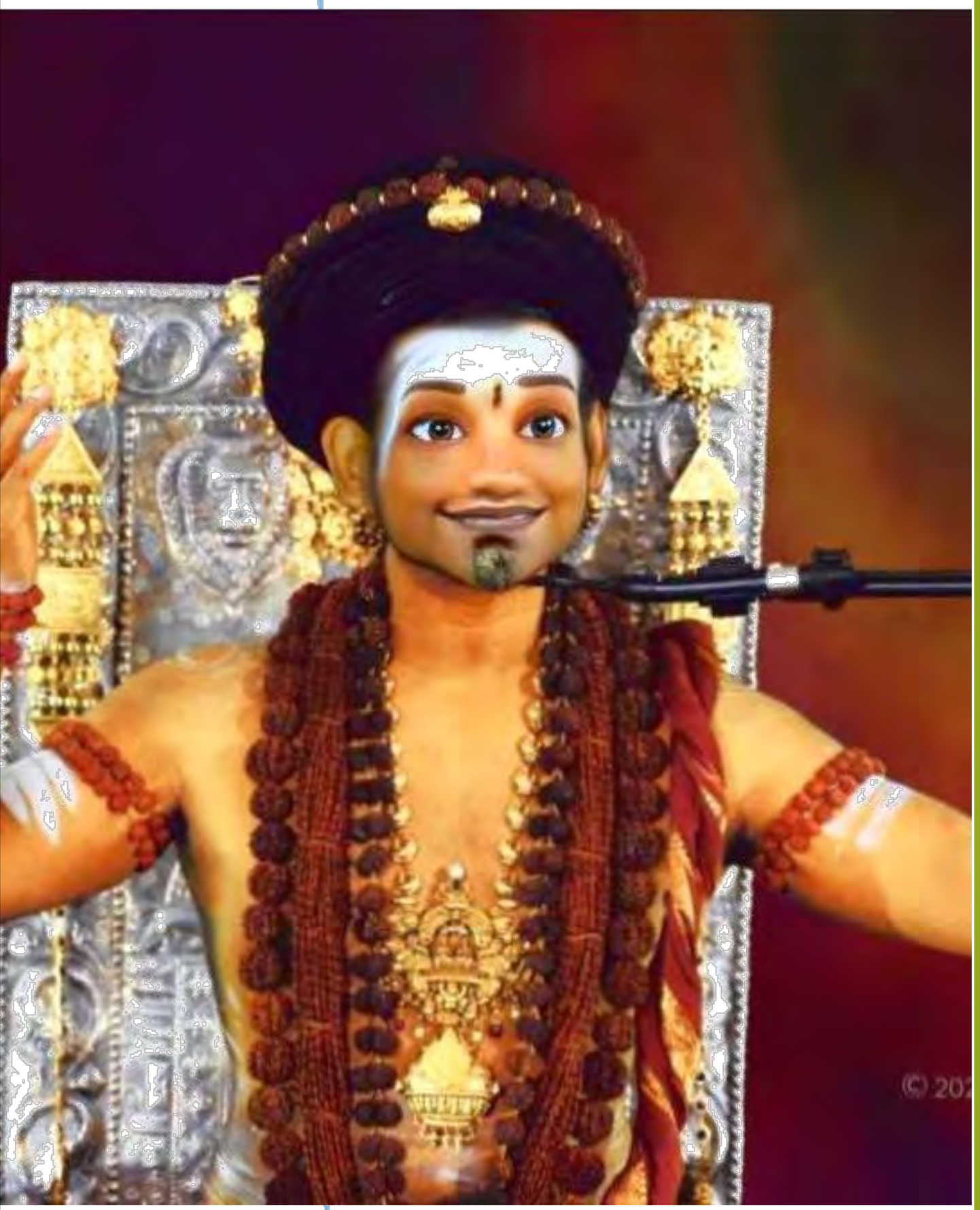
When we are in front of an Enlightened Master, one who is in a no-mind state of completion, the number of thoughts in us also comes down and our kṣaṇa becomes longer. The gaps between thoughts increase. So without even trying, we become calmer, more peaceful, and more aware! The knowable that Kṛṣṇa explains is beyond any changes. It is eternal because it does not follow the laws of creation and destruction like other objects around us. It has always been there and will always continue to exist. Whatever physical matter we see around us follows a particular cause-effect relationship. However, our deepest core is untouched by these changes.
Every thought inside us affects
the functioning of the whole
Cosmos. Whether we want to
accept it or not, we do not
operate as separate islands.
Thoughts that are present in
the space that we live in affect
our mental setup, that is the
way we think and operate.
This positivity and negativity,
creation and destruction, are
all properties of the changing
world around us, of the kṣetra
that we live in. The minute we
know that we are not this
changing kṣetra but the eternal
and unmoving kṣetrajña (the
consciousness that runs the
kṣetra), we are liberated.
© 2020 Sri Nithyananda Paramashivam. All Rights Reserved
Kṛṣṇa calls this eternal bliss jñeya, knowable. When the knowing happens, the knowable (jñeya), knower (jñātā), and the knowledge (jñāna) merge. In this experience, the knower, known, and knowledge become one. No separate experience, experiencer or object of experience eexists. It is called triputi, where no difference between the three entities exists.
Kṛṣṇa explains that His eternal nature, the eternal Self, is not bound by time. Now He says that He exists everywhere, sarvam āvṛtya tiṣṭhati and He is not bound by space. Normally we understand the presence or absence of an object or person in terms of physical attributes. We function in our lives based upon what we see, smell, touch, taste and hear. If our pañca indriya, five senses, cannot sense anything, we think nothing exists.
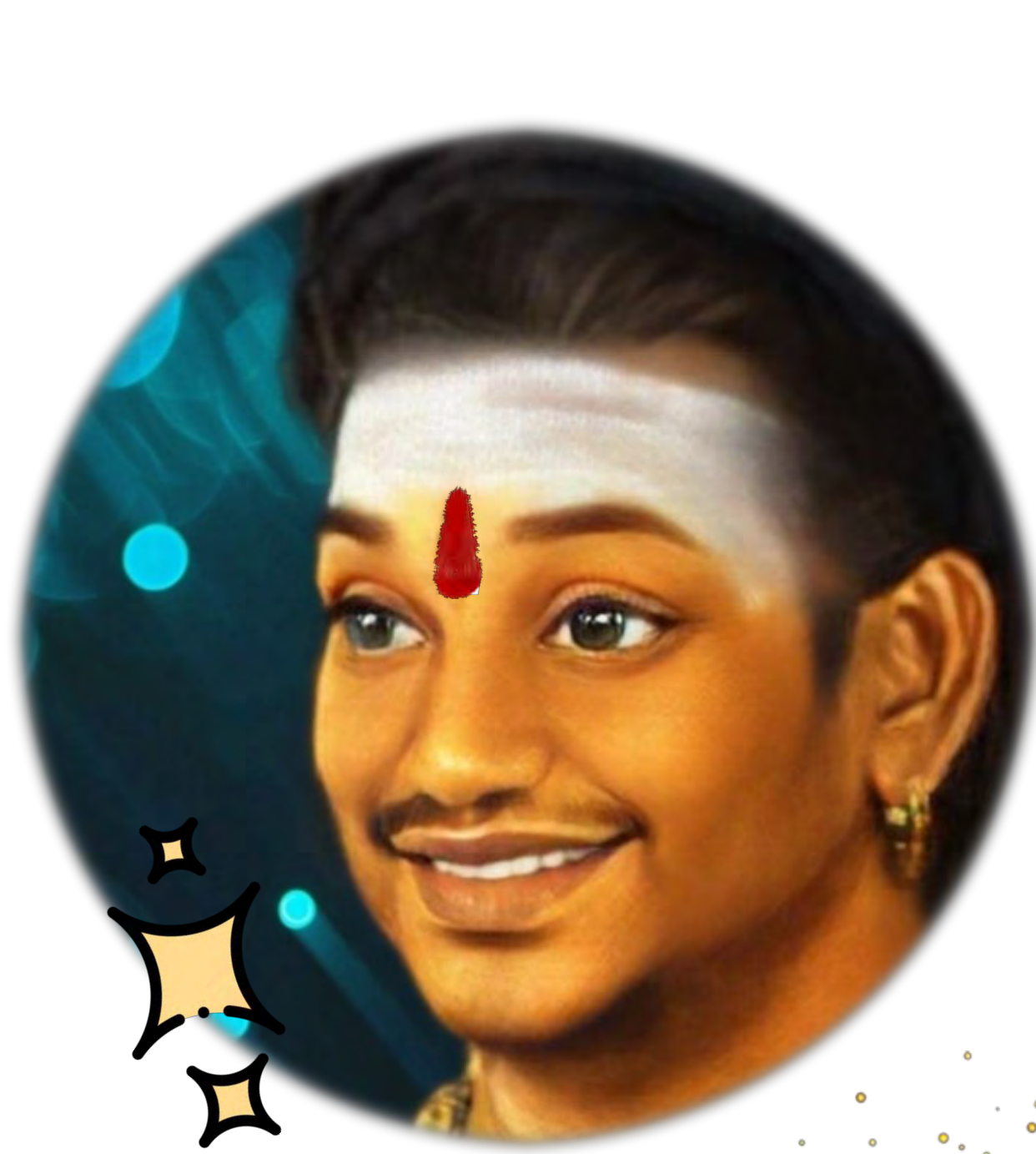
INTENSE PRESENCE
One important and surprising thing is that an Enlightened Master is more present in his absence than in his physical presence. This means that his energy never dies nor does it know any barriers. When you are in the energy field of an enlightened Master who is no longer in his body, as in a jīva samādhi, the final resting place of the Master's body, without even making an effort, you become calmer and experience that space of peace within. Many great temples such as Tirupati, Tiruvannamalai, Mantralaya and Pazhani in India are built around the final resting places of Enlightened Masters. That is why these places serve as powerful energy centers today, drawing millions of people every year. Although physically the Master is no longer in the body, we feel his presence. Why? Because he is not bound in space by the body. The cosmic energy that he manifests transcends space and time. Only we know physical barriers.
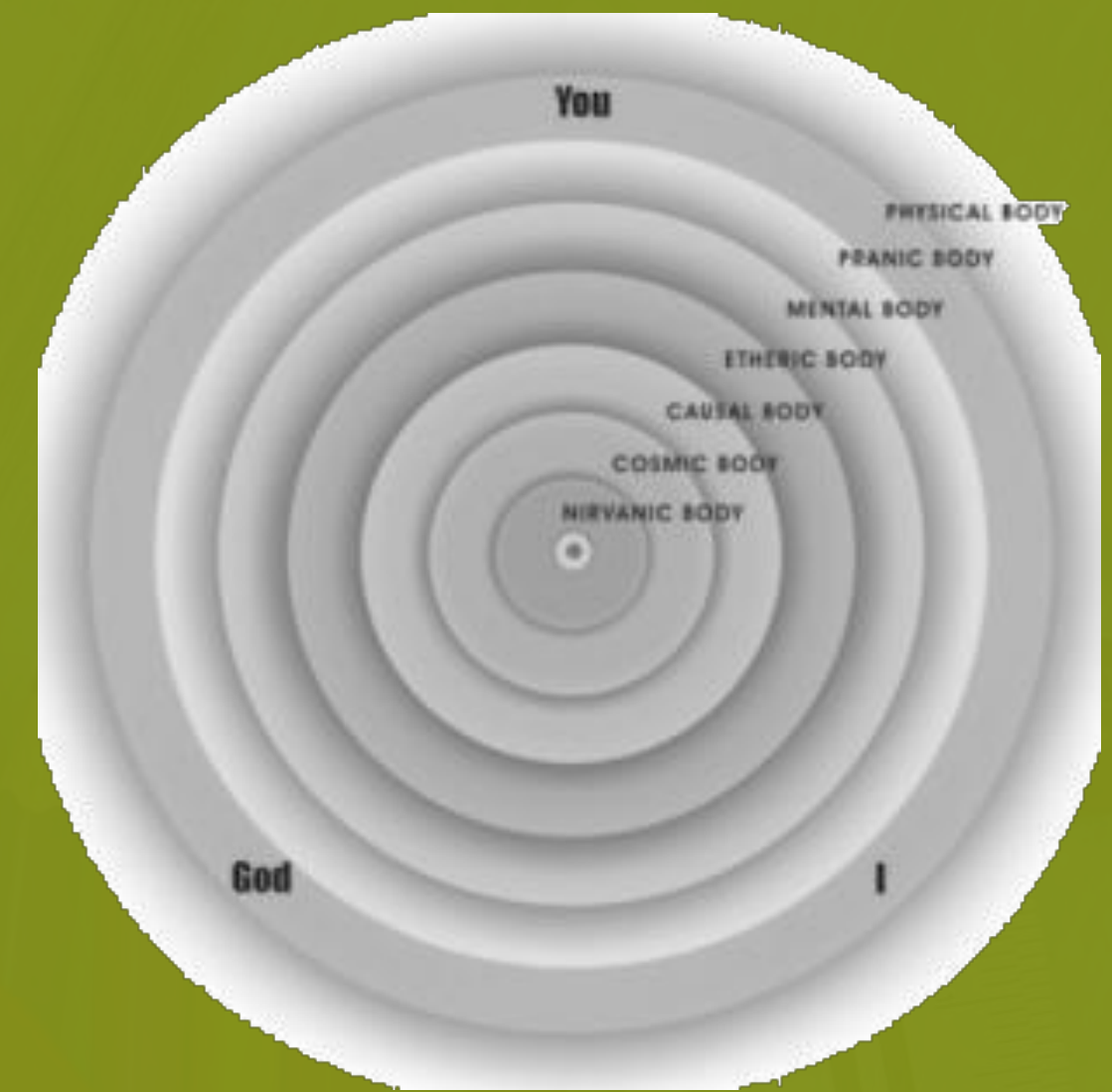
Here, Kṛṣṇa uses the phrase, ‘Hands and feet everywhere, sarvataḥ pāṇi- pādaṁ, eyes, heads, faces, ears everywhere, sarvato akṣi-śiromukham (13.14).’ What does He mean by this? This diagram shows the seven energy bodies or layers that we have in us. The outermost layer is the physical layer, with which we associate ourselves all the time. We know this body as having a pair of eyes, hands, legs, one nose, head, etc. Now let us take a few points on that layer. Let us call them ‘you’, ‘me’, ‘your neighbor’, ‘Kṛṣṇa’, ‘Buddha’ etc. So, at the gross layer, you are different from your neighbor; your neighbor is different from me and different from the various forms of God. You can see each point being distinct from the others. We are so rooted in this physical gross layer and so we see many barriers between us and everything around us, because everything appears to be different from the other in this layer.
© 2020 Sri Nithyananda Paramashivam. All Rights Reserved Now, for each point, if we follow the corresponding points in the inner layers, as we go deeper and deeper, we suddenly realize that we all merge in the nirvanic layer. It is here that the Universal Energy connects every being. There is no difference in this space between you and me. This is the space of consciousness that Kṛṣṇa talks about. Here, Kṛṣṇa and Buddha are no different. All are various forms of God, all are manifestations of the same divinity.
The supreme truth is inside and
outside all living entities. It is
moving and non-moving on
account of being subtle. It is near
and far. Kṛṣṇa uses all these terms
and concepts such as moving and
non-moving, near and far, inside
and outside because these are the
only terms we can understand. He
is giving us an idea to tell us that
Supreme Consciousness is beyond
these concepts and terms that we
know.
THE INDIVISIBLE SPACE
WITHIN
There are three spaces we can live in: The space that is covered by the body, the space that is covered by the mind, and the space that cannot be covered by body and mind. The first is ghaṭākāśa, or the space enclosed by this physical body. Most of us live in this space nearly all the time. The next is cidākāśa, the space that you are aware and conscious of. Right now, if you are aware of this hall it is your cidākāśa. This is the space of the thoughts and mind. The third is mahākāśa. This is the whole space, cosmos, everything put together.
THE INDIVISIBLE SPACE
WITHIN
The ghaṭākāśa is made up of the five elements that are: earth, water, fire, air and ether. These elements become subtler as we move up, from earth, to water, to fire, to air, to ether. None of the first four reflect consciousness. Ether, the subtlest element, connects with consciousness. It reflects consciousness. And that is the reason why we are alive. The problem is, we think consciousness is bound by ghaṭākāśa. We think it is limited to this body.That is why we make this body the reference when we view the outer world. We think this body is the ‘I’ that sees the rest of the world. You see, all science had this as its basic foundation: we are separate entities defined by physical boundaries. Enlightened Masters who have moved beyond ghaṭākāśa into mahākāśa understand that all this division of space is due to our ignorance.
Space can never be divided. Yet we divide
it into boundaries and associate terms:
within, inside, outside, near, far, etc.
because of our limited understanding. This
is the cause for our suffering. First of all, we
divide the space because of our ignorance.
Second, we try to possess the space that we
think is in our control. And third, we fear
that the space might be taken from us. All
fears, including the fear of death, happen
because we constantly try to protect the
space covered by our body and mind.
GOALS:
To understand that the universal
energy, the ultimate
consciousness, always existed. It
manifested in various forms as
planets, as humans and so on,
but it is eternal. It will continue
to manifest itself and return to
the Source and it will always
exist.
ASSESSMENTS
- What is kṣaṇa?
- Explain why we feel suffocated?
- In what situations would the kṣaṇa become very small?
- Where does the Master exist?
- Why is it that when we are in front of an Enlightened Master, we become calmer?
- What are the three spaces we can live in?
- What are the seven energy bodies?
- What is the cause of our suffering?
- What is the understanding we need to be liberated of this suffering?
ART OF THE DAY
© 2020 Sri Nithyananda Paramashivam. All Rights Reserved
ART OF THE DAY:
ENERGY BODIES
MATERIALS NEEDED:
- Colourful papers
- Scissors
- Glue or other adhesive
- Markers
- Pen
- Pencil
- Eraser
PROCEDURE
Pair up the students and ask them to create a short presentation to explain the different energy bodies and how we all merge in the nirvanic layer. Ask them to create a nice visual. They can cut different shapes circles in glue them on top of one another or come up with another way to represent the diagram.
© 2020 Sri Nithyananda Paramashivam. All Rights Reserved
ART OF THE DAY:
ENERGY BODIES
INFERENCE
The outermost layer is the physical layer, with which we associate ourselves all the time. We know this body as having a pair of eyes, hands, legs, one nose, head, etc. Now let us take a few points on that layer. Let us call them ‘you’, ‘me’, ‘your neighbor’, ‘Kṛṣṇa’, ‘Buddha’ etc. So, at the gross layer, you are different from your neighbor; your neighbor is different from me and different from the various forms of God. You can see each point being distinct from the others. We are so rooted in this physical gross layer and so we see many barriers between us and everything around us, because everything appears to be different from the other in this layer. Now, for each point, if we follow the corresponding points in the inner layers, as we go deeper and deeper, we suddenly realize that we all merge in the nirvanic layer
© 2020 Sri Nithyananda Paramashivam. All Rights Reserved

ACTIVITY OF THE DAY
© 2020 Sri Nithyananda Paramashivam. All Rights Reserved
ACTIVITY OF THE DAY:
MATERIALS NEEDED:
- Swamiji’s guided meditation (start at @31:25):https://youtu.be/yUvnQu19i-s
- A Gadget
PROCEDURE:
Simply follow the meditation and ask students to write a short paragraph about their experience which they can share at the end.
INFERENCE: Please listen! Every thought inside us affects the functioning of the whole Cosmos. Whether we want to accept it or not, we do not operate as separate islands. Thoughts that are present in the space that we live in affect our mental setup, that is the way we think and operate.
© 2020 Sri Nithyananda Paramashivam. All Rights Reserved
WORKSHOP OF THE DAY
© 2020 Sri Nithyananda Paramashivam. All Rights Reserved


WORKSHOP OF THE DAY:
VAAKYARTHA SADHAS
A Small Story: “A hunter in a forest came across a clearing where there were many birds. He took a twig and tied a rope at the center of the twig. Then he took the two ends of the rope and tied them firmly to a pole on each side. Now the twig was hanging by the rope. He sprinkled a few grains around the setup. He was a clever hunter. Happily, he went away for a nap. After some time, a bird was attracted by the grains and sat on the twig. The minute it sat on one side of the twig, the whole twig turned upside down due to the bird’s weight. The bird now saw the whole world upside down and became frightened. It thought it was trapped! It clasped to the twig harder than ever and prayed to God to be set free. After an hour, the hunter returned leisurely and caught hold of the bird. After that, you know what happened.
WORKSHOP OF THE DAY:
VAAKYARTHA SADHAS
PROCEDURE:
Ask the students to share their understanding of the story. How they relate it to their own lives. You can ask them questions such as:
- What does “clutching” mean?
- Why do we believe our mind?
- Why are we afraid to let go?
WORKSHOP OF THE DAY:
VAAKYARTHA SADHAS
PROCEDURE:
Then you can share the following:
This is what we do in our lives. The bird did not realize that it was always free! All it needed to do was let go of the twig and fly away. We do the same thing. We grasp and clutch onto our past. We clutch onto the pains and joys and keep missing the space of completion. We miss eternity. We miss our Consciousness inside. You must relax. You must realize that you are already on the summit. You are beyond the ups and downs. But no, we don’t want to believe it. Our mind tells us, ‘No. What is he saying? I have important things to do in life. How can I relax?’ We love our tensions and problems too much. We like to clutch onto our lives. We do not want to let go because we think this is all there is. We do not realize that if we relax, we can fly.
WORKSHOP OF THE DAY:
VAAKYARTHA SADHAS
CONCLUSION:
The supreme truth is inside and outside all living entities. It is moving and non-moving on account of being subtle. It is near and far. Kṛṣṇa uses all these terms and concepts such as moving and non-moving, near and far, inside and outside because these are the only terms we can understand. He is giving us an idea to tell us that Supreme Consciousness is beyond these concepts and terms that we know.
- BHAGAVAD GITA - BOOK XIII, VOLUME V