INTRODUCTION
This text was machine-transcribed from the printed book and may contain errors. Select the words and choose “Report a mistake”.
The true nature of man is pure
consciousness, kṣetrajña, and man is the
knower or witness of the field, kṣetra,
the body-mind. We have forgotten that
we have taken this body and mind for a
purpose and that is to live our desires,
saṁskāras.
We have forgotten that we have only
rented this body-mind costume for this
birth and wegradually associate
ourselves with it! After a while, this
costume becomes more important and
dear to us than anything else. Once the
costume begins to wear out, we start to
worry.
WRONG ASSOCIATION
This is what happens when we wrongly associate ourselves with the body and mind, instead of associating with the consciousness that runs it. We confuse kṣetrajña with kṣetra. Naturally, all the problems that arise at the body-mind level start to affect us. The activities that happen to thebody-mind appear to be having a direct influence on our lives.
Kṛṣṇa talks about the five great elements, the false ego, the intelligence or the mind that makes decisions and all ten senses. Please understand, He says, ‘ten senses, indriyāṇi daśakaṁ ca’. We think we have five senses. No. We have five karmendriya and five jñānendriya. Karmendriya are the senses or organs responsible for actions such as talking, walking etc and they are the mouth, hands and feet, organs of excretion and reproduction. Jñānendriya are our five senses that receive knowledge such as smell, taste, sight, touch, and hearing and they are the nose, tongue, eyes, skin and ear. So, all the ten senses, plus attachment, aversion, joy, sorrow, the body, mutual attraction and the consciousness contribute to the field of activities.
Actually the word ‘consciousness’ cannot be used. When our consciousness becomes rigid, it becomes conscience. There’s a difference between conscience and consciousness.
For example, we do something based upon what we think is right or wrong according to our conscience. If we give these same teachings to the next generation, it will not work because something else may be right or wrong for them. When we force them to follow the same thing that we did, we are giving it as just a morality, as just a conscience. We are giving them a law without the spirit. On the other hand, when we give our next generation an understanding about life, we give them consciousness.
CONSCIENCE IS SUFFERING
Understand, a person with only conscience always suffers. He can never be happy, whether he enjoys or renounces. If he enjoys, he suffers from guilt. If he renounces, he feels the lack of it. He suffers either way. Never give conscience to the next generation. Always give them an understanding about life, what I call consciousness. Let them experience and explore.
CONSCIENCE IS GIVEN
TO US BY SOCIETY.
CONSCIOUSNESS IS
GIVEN TO US BY GOD.
CONSCIENCE IS SOCIAL
CONDITIONING.
CONSCIOUSNESS IS
OUR VERY NATURE.
Conscience naturally makes
our whole life into a ritual.
We should know why we are
doing and what we are doing
before doing anything. Only
then will we do it intensely
with integrity and authenticity.
If we do not know the context
and logic behind what we are
doing, we will neither
integrate ourselves completely
into doing it nor take the
responsibility to authentically
dedicate ourselves to it.
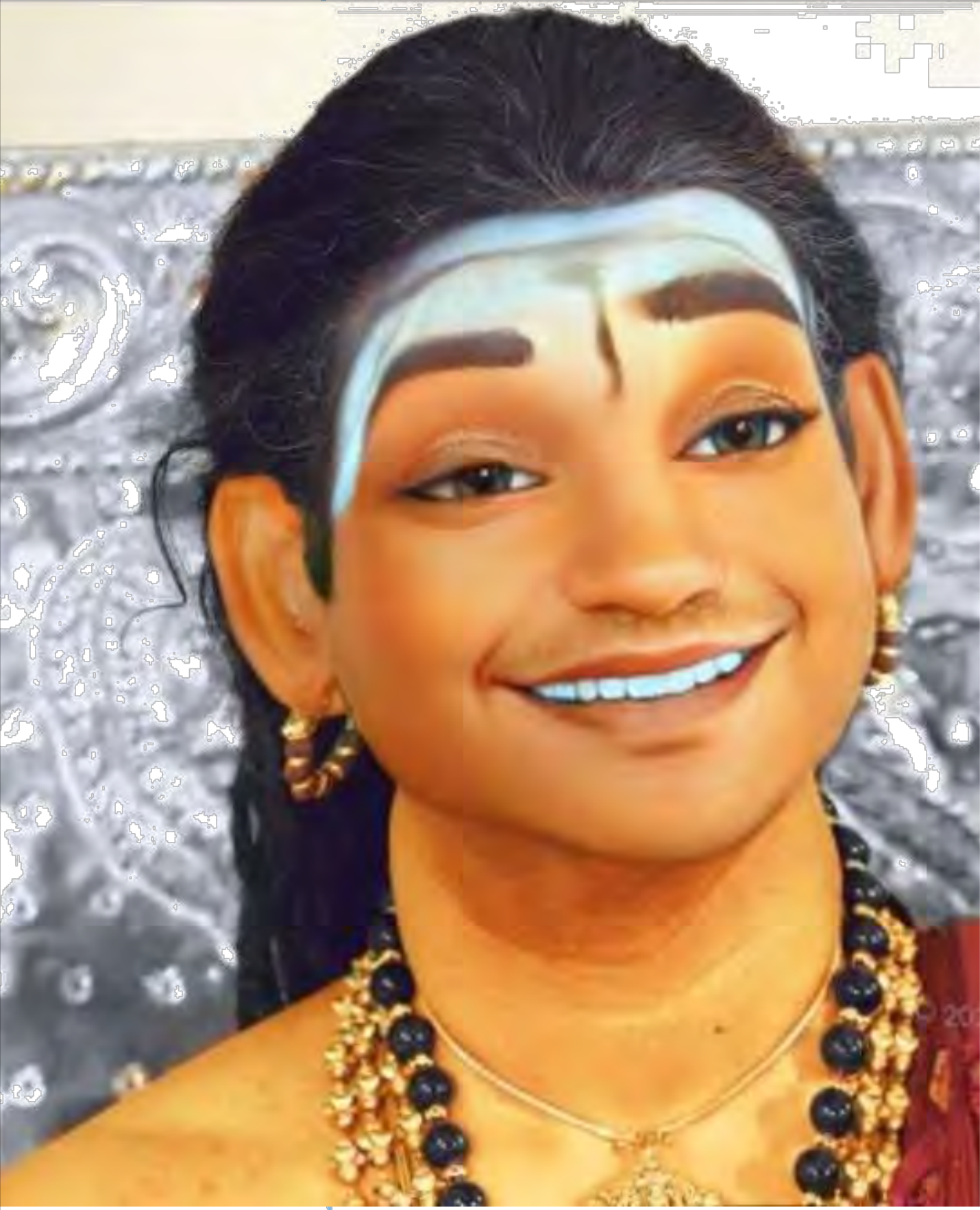
Kṛṣṇa says that the rigid sense of conscience, all the rules that form the kṣetra, are also the field. They are matter. They are not energy. They are not your being. They are not you. Whatever is mentioned here is not you. Listen! We should understand we are liberated the moment we know what we are not. We are liberated even if we live with what is not us. Even if we live with our body-mind, if we know that we are not the body and the mind, then we are not their slaves!
Nothing can enslave us once we understand and cognize that we are not body and mind. We can never become a slave to anything. Even slavery cannot enslave us. Slavery can enslave us as long as we are not ready to cooperate with slavery. This is a subtle point. So, please listen! When we cognize that we are beyond body and mind, we will feel no need to resist when somebody tries to enslave us. We know that we can never be slaves.
© 2020 Sri Nithyananda Paramashivam. All Rights Reserved
BEYOND
EVERYTHING:
CONSCIOUSNESS
Only that which goes against our
will can enslave us. Here we are in
a totally different space, a totally
different consciousness, the space of
completion and nothing can go
against our will. And we will never
have a will that would make us feel
like a slave. We will be flowing
with the river, flowing with the
current. We will disappear into the
Divine. So slavery cannot happen to
us. Our consciousness is beyond
any form of slavery.
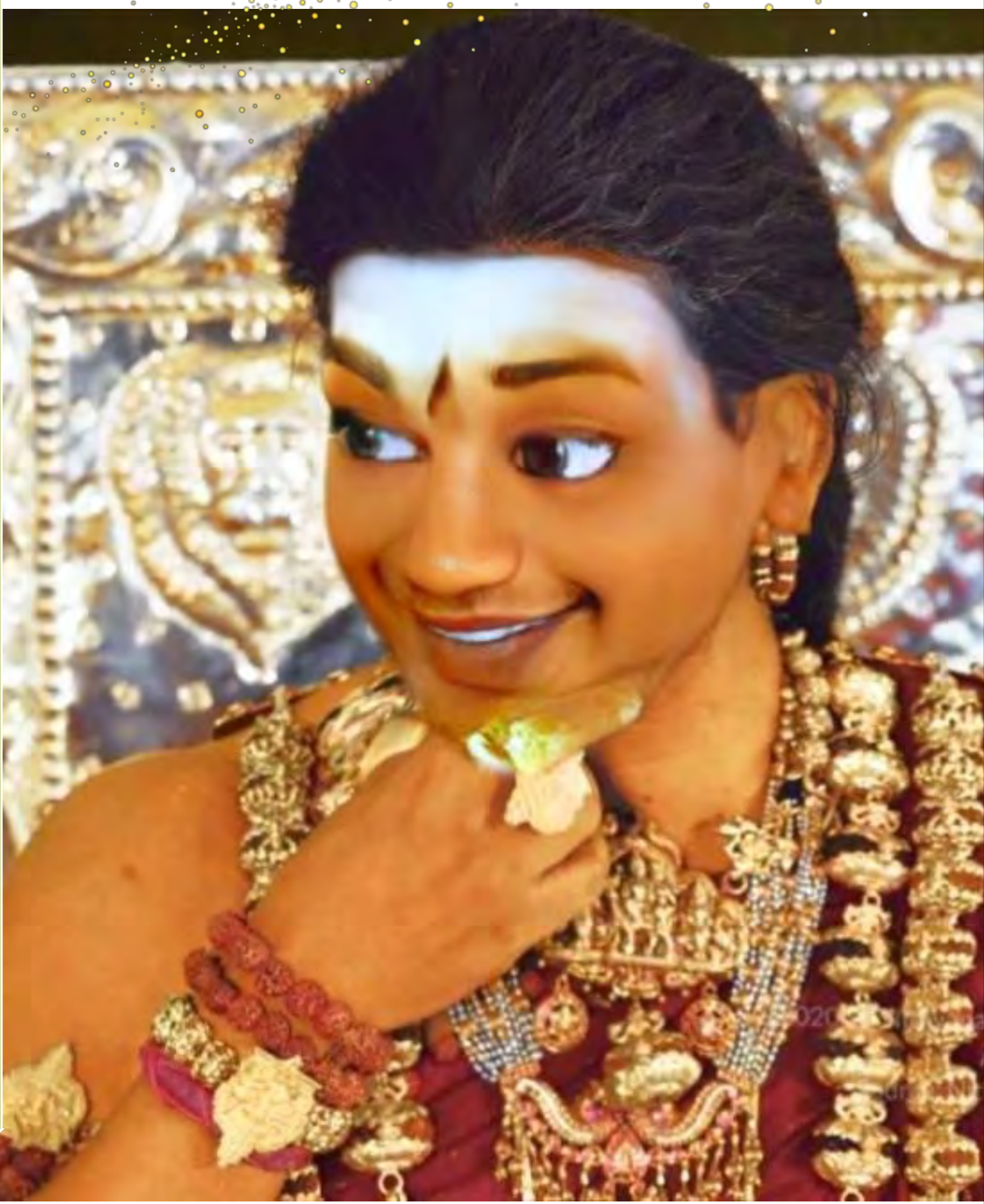
In ancient times, man was only subjected to physical slavery. In the present day, man is subjected to psychological slavery. Understand, we are the psychological slaves of countless things. Once we understand that we are not the body-mind, that we are beyond it, we will be totally free from physical and psychological slavery. Please understand, the moment you place your happiness in the hands of something or someone, you have become their slave. They can exploit you.
One more thing is that even the thought of wanting freedom can exploit us if we allow it. Many times we chase freedom in the name of spiritual seeking. Freedom happens only when we realize that there is no need to chase. We must drop the idea of wanting freedom and just trust the freedom. We will then experience it. Otherwise, craving for freedom can enslave us instead of enriching us. We realize the futility of this struggle and experience freedom only when we become aware that we are already free. The minute we stop resisting whatever we have, we start flowing. We stop giving someone or something the power to control our happiness. Nothing will enslave us. Everything will enrich us. We will experience the consciousness of completion and freedom.
© 2020 Sri Nithyananda Paramashivam. All Rights Reserved
GOALS:
To let students understand the
difference between Conscience
and Consciousness: Conscience
is social conditioning and
Consciousness is our very nature.
Our consciousness is beyond any
form of slavery.
ASSESSMENTS
❖ What are the ten senses?
❖ Why does a person with only
conscience always suffer?
❖ Why does conscience make our life
into a ritual?
❖ How is it that nothing can enslave us
once we understand and cognize that
we are not body and mind?
❖ How can wanting freedom exploit us?
❖ What happens the minute we stop
resisting whatever we have?

© 2020 Sri Nithyananda Paramashivam. All Rights Reserved
ART OF THE DAY
© 2020 Sri Nithyananda Paramashivam. All Rights Reserved
ART OF THE DAY:
GET ONTO THE NATURAL FLOW!
MATERIALS NEEDED:
- Colour Pencils
- Paper
- Crayons
PROCEDURE
Fold a piece of A4 white paper into half. On the left hand side, use your other hand that you do not use for writing to draw an apple and colour it. (Use your left hand if you are right-handed and vice versa.) On the right-hand side, use your normal hand to draw another apple and colour it.
INFERENCE
Students will be able to feel that they are uncomfortable when using the other hand to draw and colour, but when they use their usual hand to do the same task, they are able to draw and colour the apple with ease. Using the other hand to draw is like our Conscience. We follow the rules but it is not us. We cannot express ourselves freely and feel trapped. However, when we use our normal hand to draw and colour, it is like our Consciousness. We are able to do it with ease and the pencil in our hand just flows naturally because we are being ourselves. When we live our life using our Consciousness, life flows beautifully and we experience completion and freedom.
ACTIVITY OF THE DAY
© 2020 Sri Nithyananda Paramashivam. All Rights Reserved
ACTIVITY OF THE DAY:
MATERIALS NEEDED:
- Chalk or masking tape
- A book
- Paper
- Pen
- Playdoug PROCEDURE:
Ask the students to use the chalk to draw or use masking tape to tape out a circle with diameter 1m on the floor and then sit inside. Tell the students that for the next 10mins, they are allowed to do what they want inside the circle with the materials provided, for example, read the book, draw or write on the paper, make something out of the playdough, but they are not allowed to go out of the circle.
© 2020 Sri Nithyananda Paramashivam. All Rights Reserved
ACTIVITY OF THE DAY:
PROCEDURE:
After 10 mins, announce to them that they are free to step out of the circle if they want to, irregardless of whether they finish their chosen activity or not. See how many students remain in the circle and how many students come out of the circle.
Ask them how they feel when they are told to sit inside the circle for 10 mins, and after they know they are free to move out if they want.
ACTIVITY OF THE DAY:
INFERENCE:
The circle enslaves the students, and they crave to get out of the circle. This struggle could adversely affect their creativity. However, once they know they are free to move out of the circle, they are able to relax and creativity flows naturally.They are able to experience freedom when they know they are already free.

WORKSHOP OF THE DAY
© 2020 Sri Nithyananda Paramashivam. All Rights Reserved
[Figure: Portrait of Nithyananda]
WORKSHOP OF THE DAY: VAAKYARTHA SADHAS
Topic of discussion: What do the students understand by this statement: "Nothing can enslave us once we understand and cognize that we are not body and mind." Help them come to the realisation that: Once we understand that we are consciousness, we attain complete freedom. Conclusion: Conscience is given to us by society. Consciousness is given to us by God. Conscience is social conditioning. Consciousness is our very nature.

© 2020 Sri Nithyananda Paramashivam. All Rights Reserved
© 2020 Sri Nithyananda Paramashivam. All Rights Reserved