Whom God Loves
This text was machine-transcribed from the printed book and may contain errors. Select the words and choose “Report a mistake”.
Authored by
THE SPH NITHYANANDA PARAMASHIVAM

समः शत्रौ च मित्रे च तथा मानापमानयोः ।
शीतोष्णसुखदुःखेषु समः सङ्गविवर्जितः
॥ १२=१८॥
samaḥ śatrau ca mitre ca tathā
mānāpamānayoḥ I
śītoṣṇasukhaduḥkheṣu samaḥ
saṅgavivarjitaḥ
One who treats friends and enemies
the same, who faces in the same
manner honor and dishonor, heat
and cold, happiness and sorrow,
fame and infamy,
POWERFUL COGNITION
One who is neutral towards friends and enemies, who is the same in honor and dishonor, heat and cold, joy and pain, who remains the same in criticism and praise is very dear to Krishna.
तुल्यनिन्दास्तुतिर्मौनी सन्तुष्टो येन केनचित् ।केनचित्
अनिकेतः स्थिरमतिर्भक्तिमान्मे प्रियो नरः
॥ १२=१९॥
tulyanindāstutir maunī santuṣṭo
yena kenacit I aniketaḥ sthira-matir
bhaktimānme priyo naraḥ
one who is always
free from attachment, always silent
and satisfied with anything, without
a fixed home, who is fixed in mind
and who is devoted to Me, such a
person is very dear to Me.
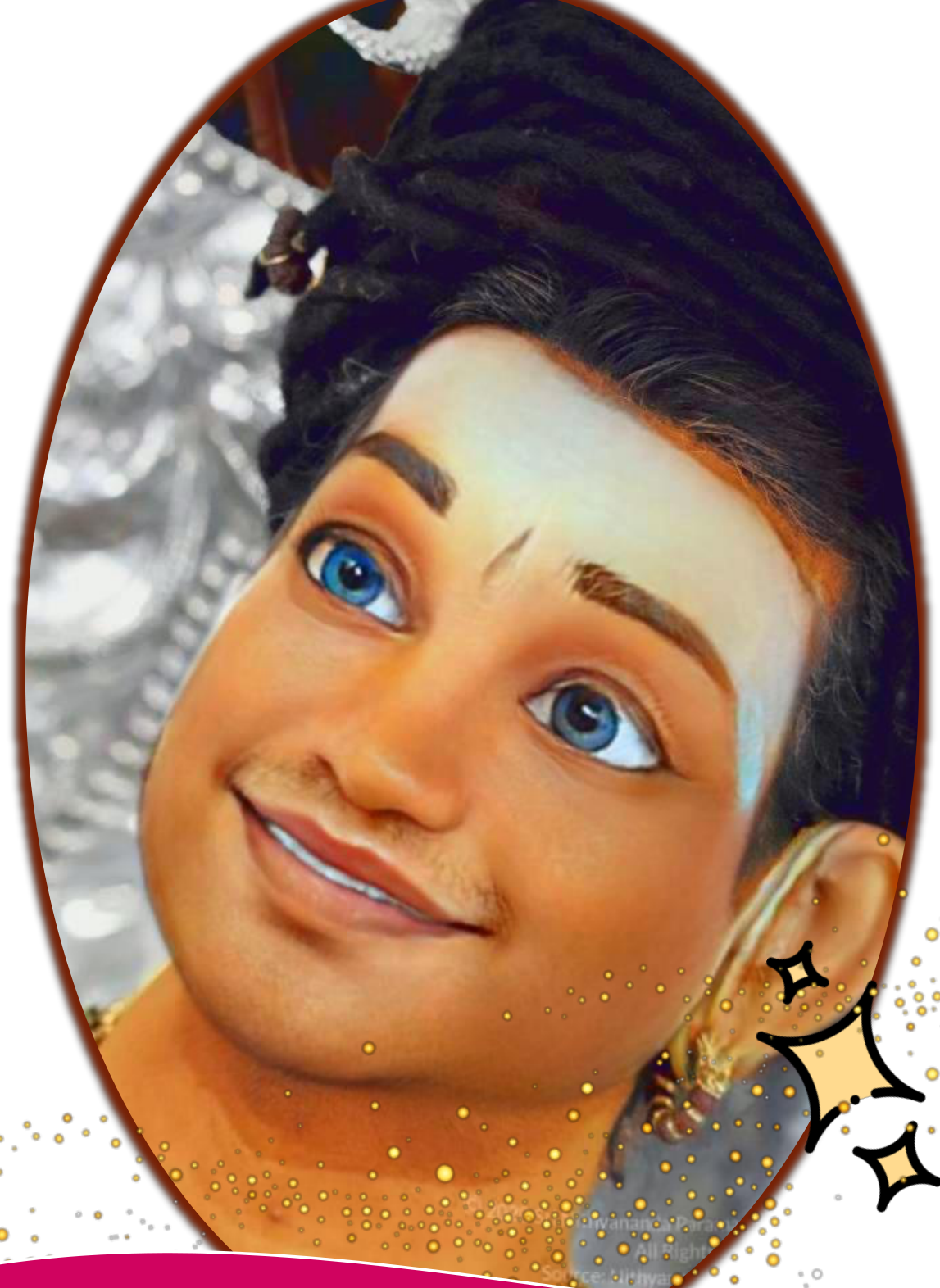
POWERFUL COGNITION
One who is free from attachment to the fruits of action, who is thoughtful, who is content with whatever he gets, who does not care for any house and is resolute in mind, such a man, is full of devotion and is very dear to Krishna.
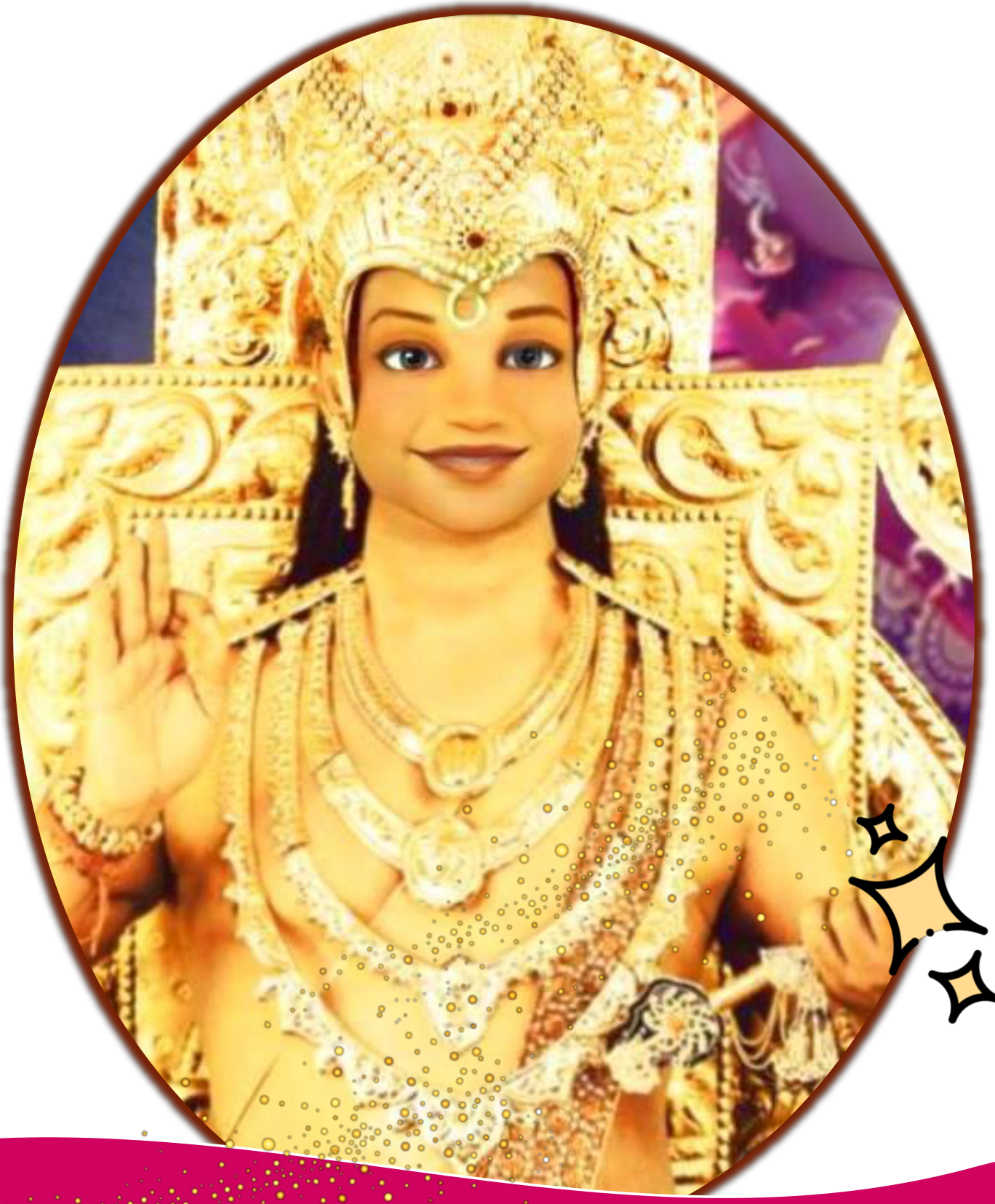
ये तु धर्म्यामृतमिदं यथोक्तं पर्युपासते ।
श्रद्दधाना मत्परमा भक्तास्तेऽतीव मे प्रियाः
॥ १२-२०॥
ye tu dharmyāmṛtaṁ idaṁ
yathoktaṁ paryupāsate |
śraddadhānā matparamā bhaktās te
'tīva me priyāḥ
Those who truly follow this
imperishable path of righteousness
with great faith, making Me the
supreme goal, are very dear to Me.
POWERFUL COGNITION
A person who lives in dharma, righteousness and is devoted to reaching Krishna consciousness is devoted to Krishna and dear to him.
INTRODUCTION
One who treats friends and enemies the same, who faces in the same manner honor and dishonor, heat and cold, happiness and sorrow, fame and infamy; One who is always free from attachment, always silent and satisfied with anything, without a fixed home, who is fixed in mind and who is devoted to Me, such a person is very dear to Me. 12.20 Those who truly follow this imperishable path of righteousness with great faith, making Me the supreme goal, are very dear to Me. Again Kṛṣṇa says, ‘Such a person, full of devotion is dear to Me— bhaktimān me priyo naraḥ (12.19).’
He is not ready to put down any more rules, which means He is almost ending His instructions. He is almost saying, ‘This is the way, if somebody is like this then I love him, that’s all. I am not interested in anything else.’
He says, ‘One who is neutral towards friends and enemies, who is the same in honor and dishonor, heat and cold, joy and pain, free from attachment to the fruits of action, who remains the same in criticism and praise; who is thoughtful, who is content with whatever he gets, who does not care for any house and is resolute in mind, such a man, full of devotion is very dear to Me.’
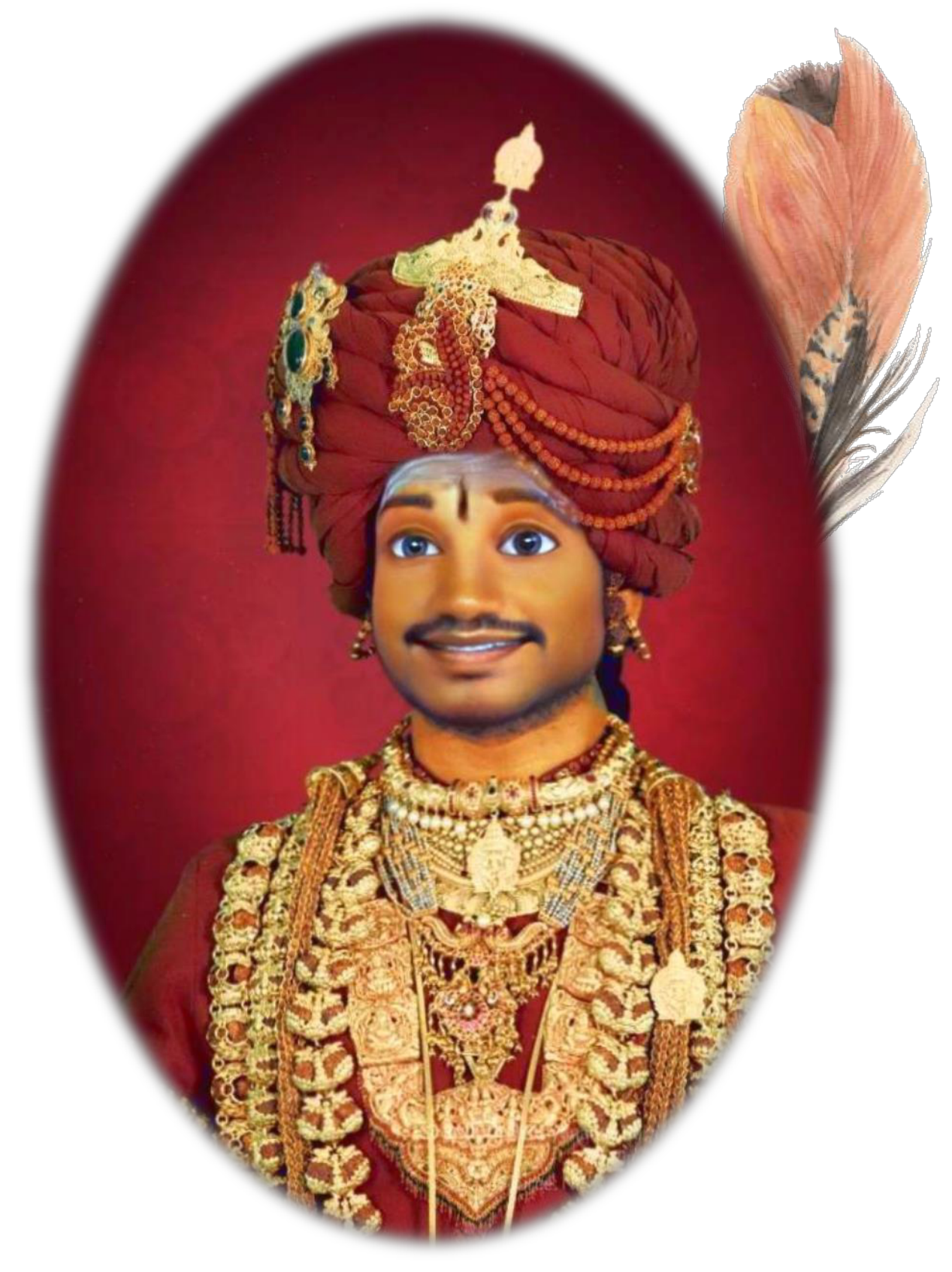
Here is a beautiful phrase, ‘One who does not care for any house and who doesn’t bother to build a house for himself, aniketah sthira matir.’
Let me tell you a story:

Rāvaṇa lived for one kalpa (many thousands of years). Śrī Vyāsa lived for four kalpas. Rāvaṇa was building Lankāpuri, his capital in Śrī Lanka. He got Lankāpuri as a gift from Śiva and he was developing it. When Vyāsa came to the city, Rāvaṇa asked him, ’Oh Vyāsa, did you see my palace, and my country? How grand they look.’ Vyāsa replied, ‘Yes, I have seen them.’ Rāvaṇa showed him everything with pride and asked, ‘Why don’t you build a house for yourself?’ Vyāsa smiled and said, ‘My life is just four kalpas. I have no time to waste building houses. After all, I am going to live here for only four kalpas, why should I waste time building houses?’
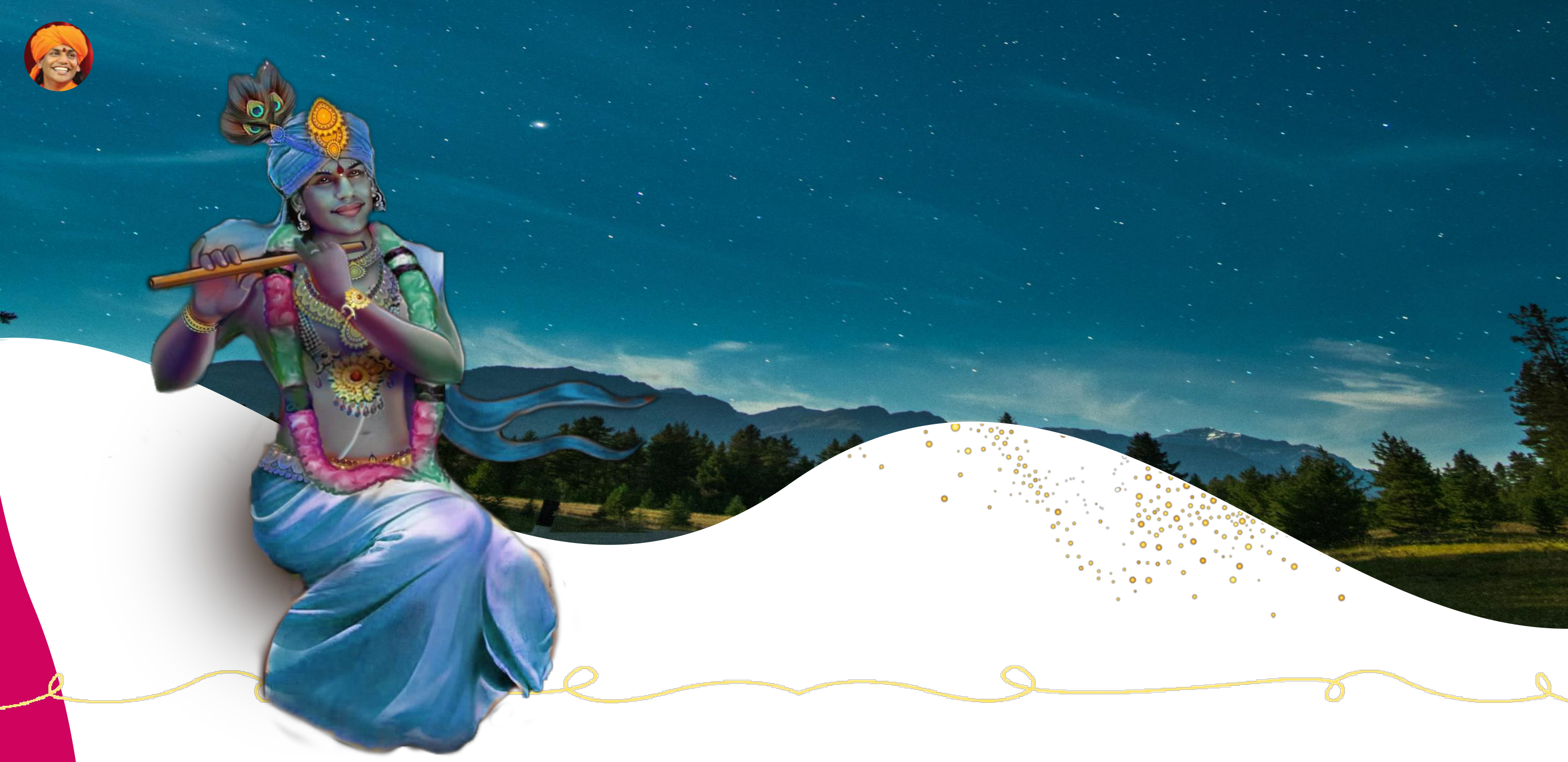
Rāvaṇa lived for only one kalpa, for which he built such a big house. Śrī Vyāsa whose life was four times as long, thought it was unnecessary to waste part of his life building houses! 'One who is not concerned about owning a house is full of devotion and he is near to Me, dear to Me.' Kṛṣṇa concludes this chapter on Bhakti Yoga, Union through Devotion, saying that one who lives in dharma, righteousness is devoted to Him. Dharma is spiritual righteousness. It is not, and has nothing to do with rules and regulations laid down by society and religion. Human tendency is always to break rules. Societal rules seem to restrict one's freedom of expression and movement.

Understand that you are no
sinner! Divinity resides within us.
Our only sin, the original sin, is
in not recognizing that we are
divine. Therefore we don’t need
to strive to attain enlightenment.
We just need to become aware of
our inner divinity.
In this modern age, the path of
dharma, righteousness that Kṛṣṇa
talks about leading to Him, is the
path of meditation. When we
follow meditation, one
automatically gets into the
virtuous circle of conscious
awareness and completion that
takes us to Kṛṣṇa consciousness.
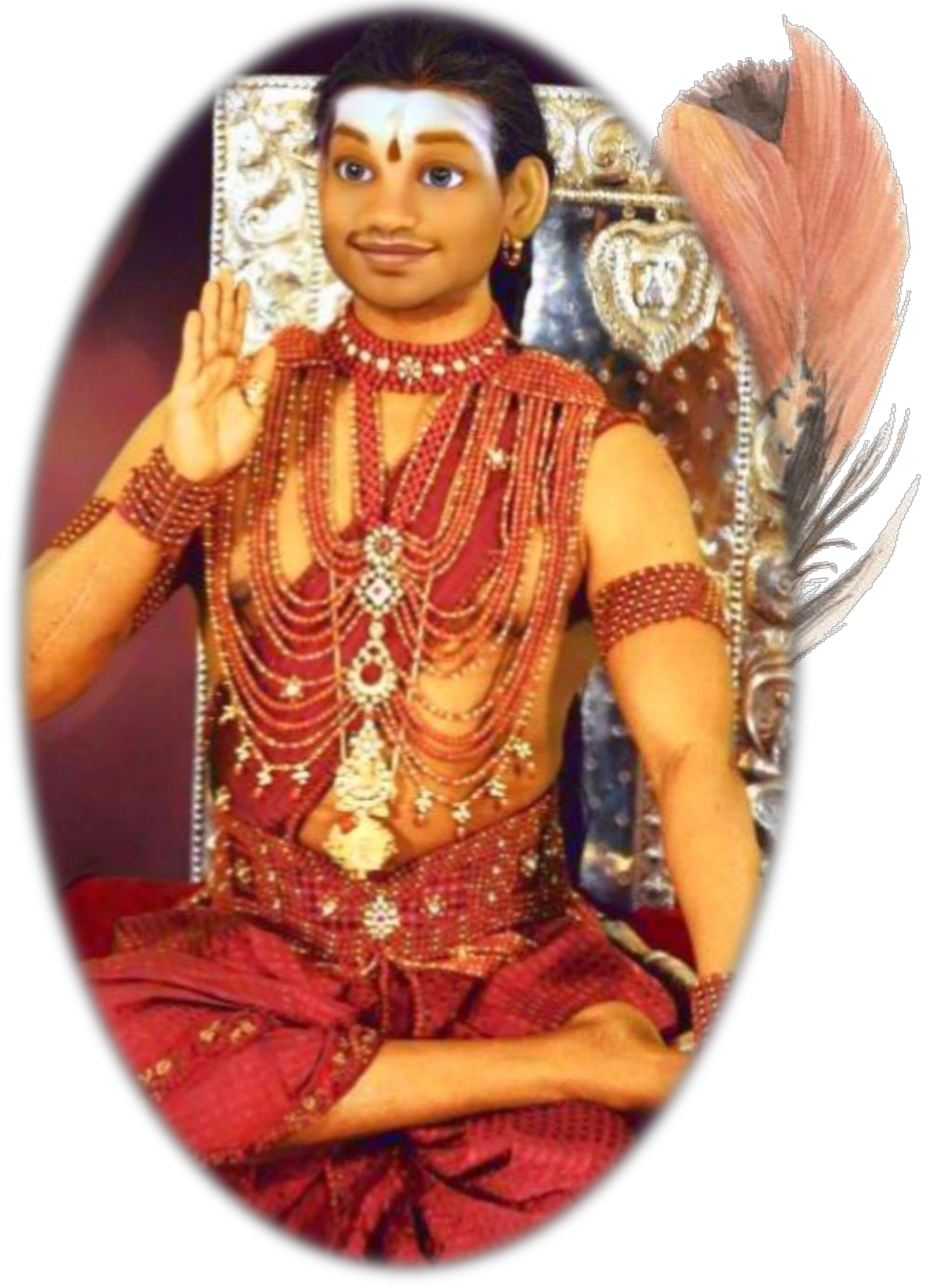
Meditation is a process of shutting the mind down by completing with all root thought patterns of the mind. In this process of reaching the no-mind state, the ego drops.
The barrier to the realization, that our true nature is divine, disappears. We become who we are. We realize we are complete. We realize we are one with the Divine.
Let us pray to the ultimate energy, Parabrahma Kṛṣṇa, to make us all experience the truths of Bhakti Yoga, that love is our very life. Let us pray to Him to give us the conscious experience of bhakti, devotional love, and make us experience and radiate eternal bliss, Nityānanda.
GOALS:
Impress upon the
students that the only
real sin is to not
recognize the divinity
within us. We don't
need to strive to attain
enlightenment. We just
need to become aware
of our inner divinity.
ASSESSMENTS
❖ What is Dharma or spiritual righteousness?
❖ What is the thought current
that prompts us to build
houses and gather material
possessions?
❖ What is meditation?
❖ Does meditation lead us to Krishna Consciousness?

ART OF THE DAY
ART OF THE DAY:
CHAKRAS
MATERIALS NEEDED
1. colour paper
PROCEDURE
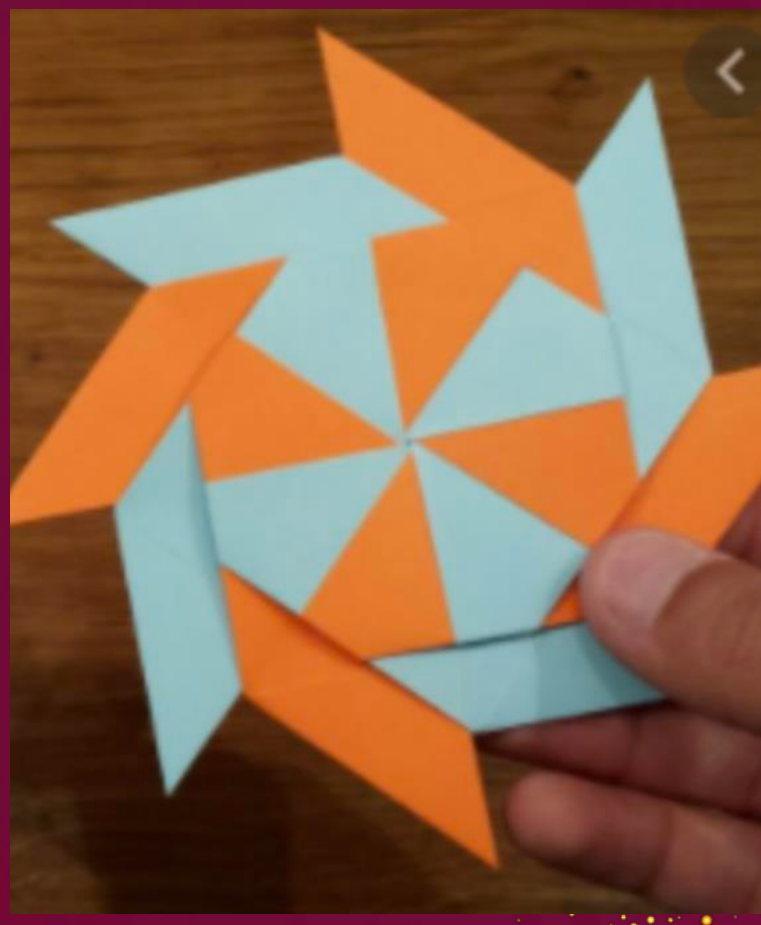
Let's make a Dharma Chakra, a wheel shaped symbol representing the virtuous cycle of Dharma (righteousness) and Sathya (Truth) using colour paper. Check out the video on how to make an Origami chakra at: https://youtu.be/n01fsCDWAUc
INFERENCE
When we follow meditation, one automatically gets into the virtuous circle of conscious awareness and completion that takes us to Kṛṣṇa consciousness.
ACTIVITY OF THE DAY
ACTIVITY OF THE DAY:
PROCEDURE:
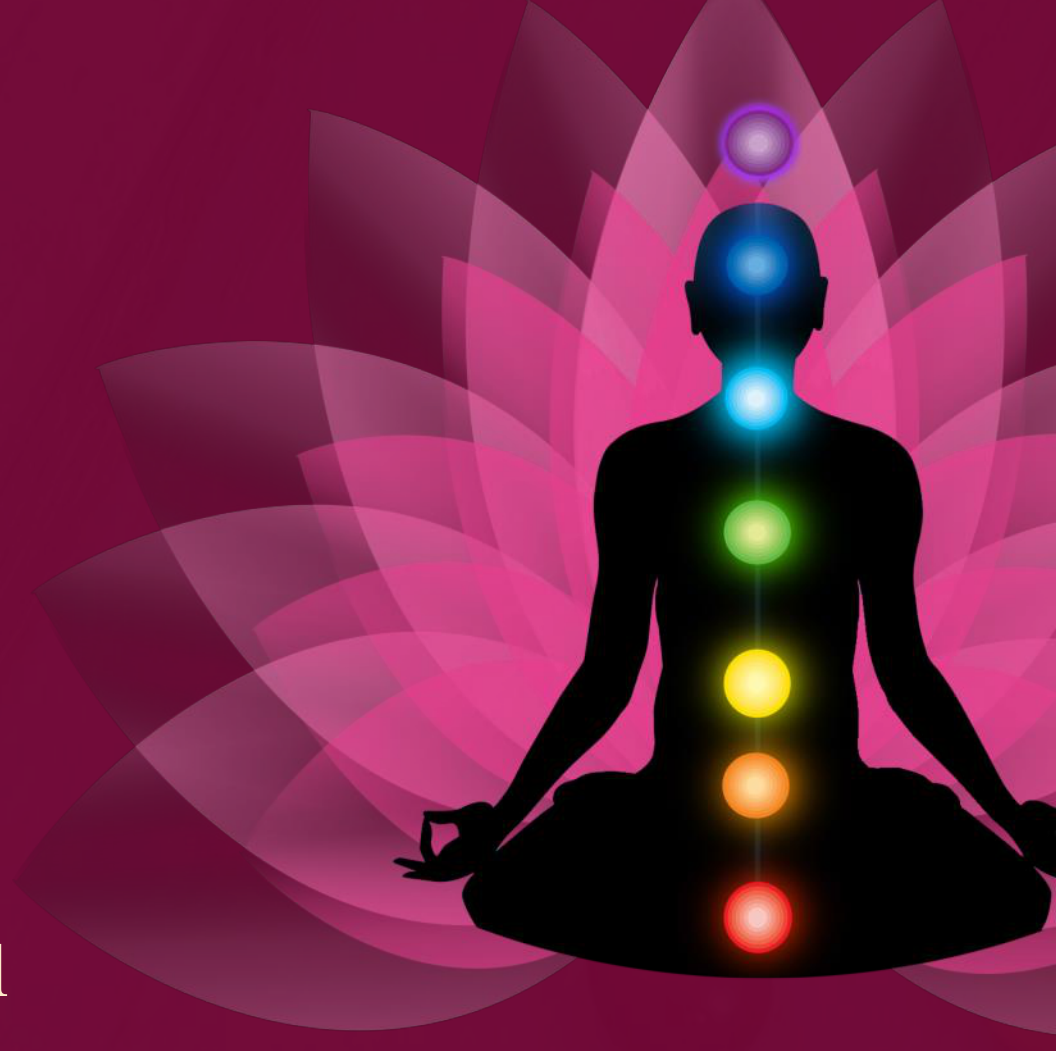
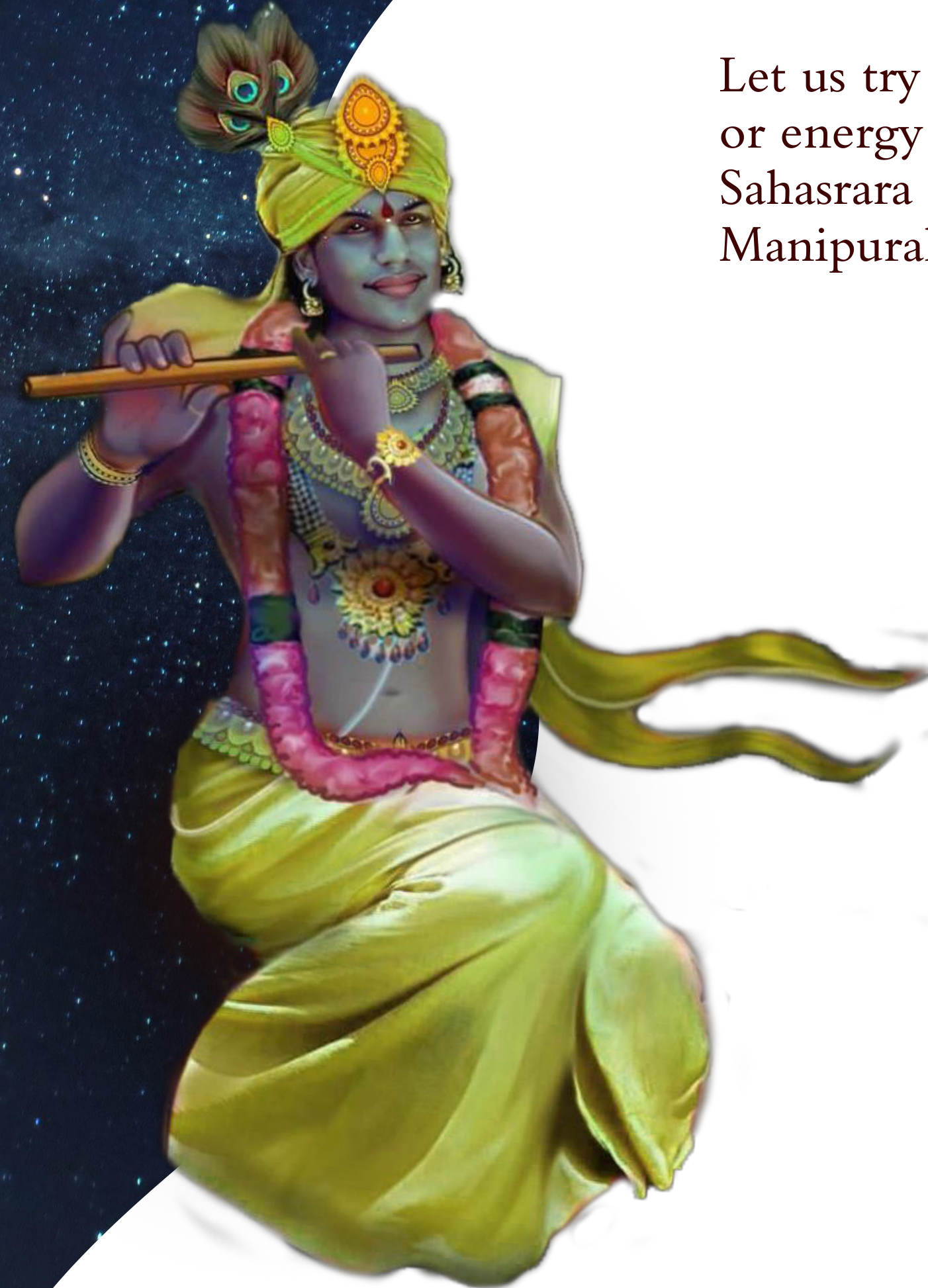
Let us try to meditate. We have 7 main chakras or energy centers in our spiritual body - Sahasrara Chakra, Agnya, Vishuddhi, Anahata, Manipuraka, Swadhisthana and Mooladhara.
Regularly meditating or focusing
attention upon the various energy
centers within our body does
immense good to our being. Find
out from your teacher what are the
body parts associated with each of
these chakras. Ask the teacher to
explain what are the powerful
cognitions associated with each
chakra. Don't stop with mere
knowledge, take every available
opportunity to search inside of you,
to become more and more familiar
with your energy centers.
ACTIVITY OF THE DAY:
PROCEDURE:
Find out more! There are smells,
sounds, colours, gems and ideas that
can help awaken your awareness about
yourself.
Make your personal meditative journey
fun by using aromatherapy, meditation
music - using indian classical music
notes or raagas, colour therapy, vedic
chants and gemology and much more.
Finally, connect with the Master -
meet him in total receptivity and deep
silence. Let his presence resonate in
your energy body and beyond!
INFERENCE:
We are divine. Let meditation reveal your own divinity to you!
WORKSHOP OF THE DAY
WORKSHOP OF THE DAY:
VAAKYARTHA SADHAS
Topic of discussion is "What is the significance of meditation in spiritual practice?:
Conclusion: Meditation is a process of shutting the mind down by completing all root thought patterns of the mind. In this process of reaching the no-mind state, the ego drops. The barrier to the realization, that our true nature is divine, disappears. We become who we are. We realize we are complete. We realize we are one with the Divine.
Ebook ISBN: 979-8-88572-494-4 © 2020 Sri Nithyananda Paramashivam. All Rights Reserved