Like A Thousand Blazing Suns
This text was machine-transcribed from the printed book and may contain errors. Select the words and choose “Report a mistake”.
Authored by
THE SPH NITHYANANDA PARAMASHIVAM
सञ्जय उवाच ।
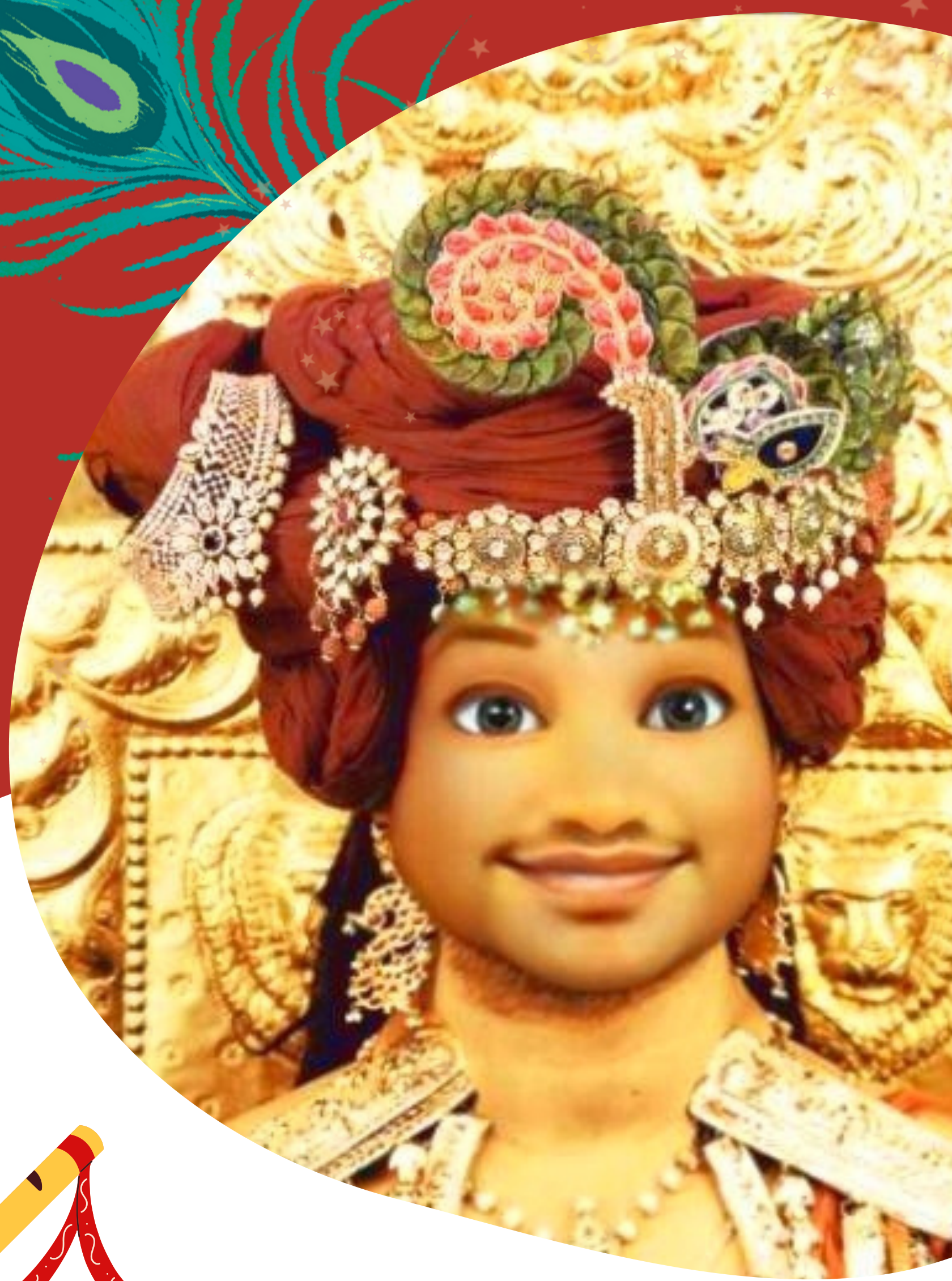
एवमुक्त्वा ततो राजन्महायोगेश्वरो हरिः ।
दर्शयामास पार्थाय परमं रूपमैश्वरम्
॥११-९॥
sañjaya uvāca evamuktvā tato
rājan mahāyogeśvaro hariḥ |
darśayāmāsa pārthāya paramaṁ
rūpamaiśvaram
Sañjaya said: O King, having
spoken thus, the great Lord of
Yoga,Mahā Yogeśvara Hari
(Kṛṣṇa), showed to Arjuna His
supreme Cosmic form
POWERFUL COGNITION
Though Krsna says that this form is being shown only to Arjuna, by default Sanjaya has the great fortune to witness and participate in this vision.
अनेकवक्त्रनयनमनेकाद्भुतदर्शनम् ।
अनेकदिव्याभरणं दिव्यानेकोद्यतायुधम्
॥ ११-१० ॥
aneka-vaktra-nayanam anekādbhuta
darśanam | aneka-divyābharaṇaṁ
divyānekodyatāyudham
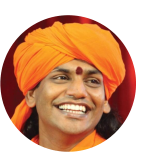
Infinite mouths and eyes, with infinite
wonderful sights, infinite divine
ornaments, with numerous divine
weapons up- lifted.
POWERFUL COGNITION
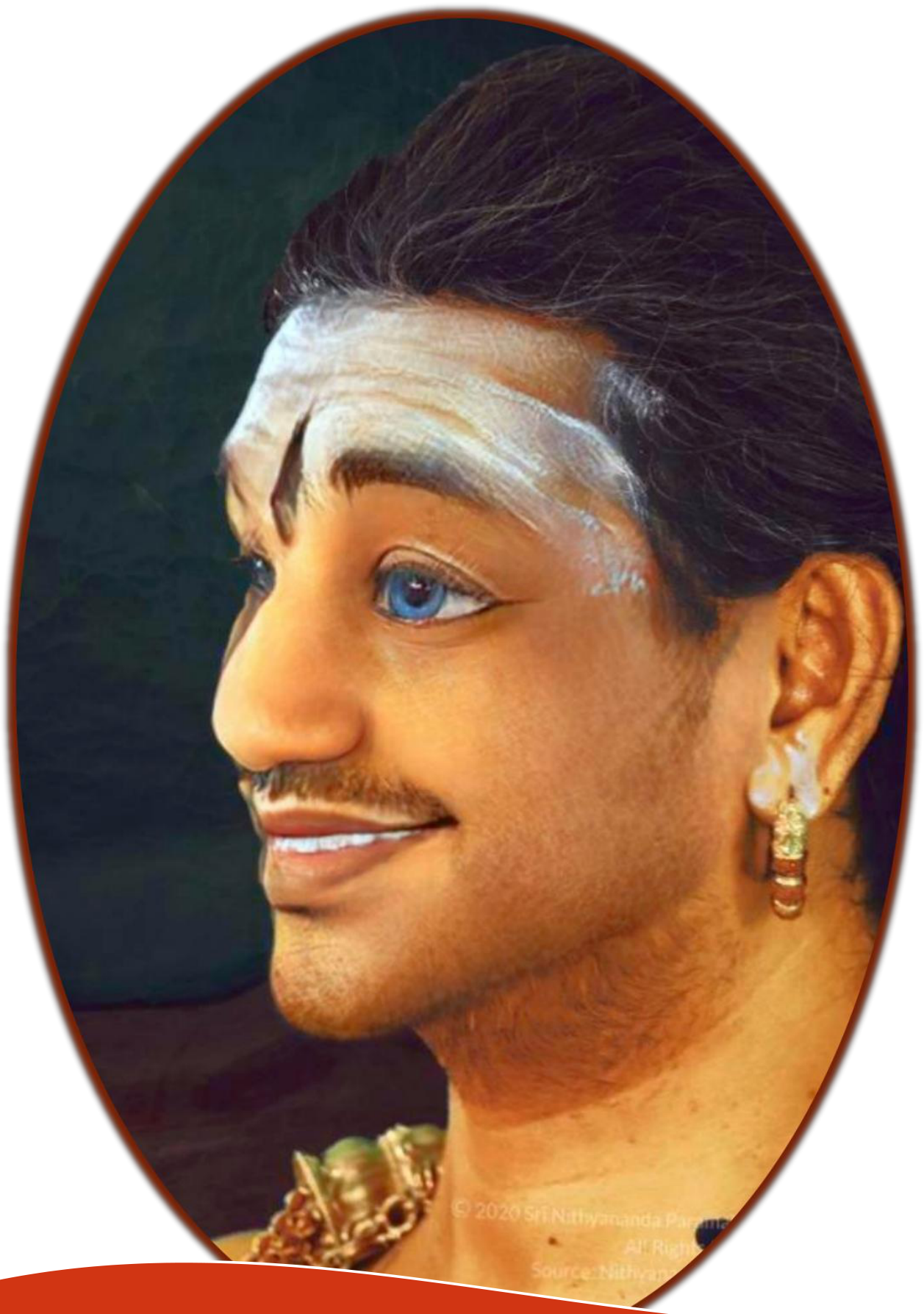
Now Arjuna sees 360 degrees in both horizontal and vertical dimensions. He sees the whole universe, all the people on the battlefield, all of them inside Krsna, as the universal consciousness. He sees the Whole as his own being
दिव्यमाल्याम्बरधरं दिव्यगन्धानुलेपनम् ।
सर्वाश्चर्यमयं देवमनन्तं विश्वतोमुखम्
॥११=११॥
divya-mālyāmbara-dharaṁ divya-
gandhānulepanam | sarvāścarya-
mayaṁ devam anantaṁ
viśvatomukham
Arjuna saw this Universal form
wearing divine garlands and clothing,
anointed with celestial fragrances,
wonderful, resplendent, endless,
with faces on all sides.
POWERFUL COGNITION
What Arjuna saw was beyond his understanding. Wherever he looked was Krsna; Krsna in many forms, many shapes, many non-forms, and non-shapes. There are no words to describe what Arjuna saw.
दिवि सूर्यसहस्रस्य भवेद्युगपदुत्थिता ।
यदि भाः सदृशी सा स्याद्भासस्तस्य महात्मनः
॥ ११-१२॥
divi sūryasahasrasya bhaved yugapad
utthitā | yadi bhāḥ sadṛśī sā syād
bhāsastasya mahātmanaḥ
If the splendor of a thousand suns were to blaze all together in the sky, it would be like the splendor of that mighty Being.
POWERFUL COGNITION
In the body of the supreme Lord, Arjuna saw the whole universe divided in different ways and at the same time united in one form. The universe is divided into many parts such as the sun, moon, earth, planets and other bodies in space. Here he sees all of them as one form.
INTRODUCTION
These verses show the unlimited, never-ending, wonderful, all pervading nature of the Lord. Ramakrsna says that when he experienced the form, the cosmic consciousness, he could not pluck a single flower from a plant, because he felt that all the plants were garlands offered to God. In that mood, plucking a flower hurts. A wild animal responds peacefully to your presence. There is no violence in cosmic consciousness. There is only acceptance and inclusion.
This is what Arjuna saw in the universal form, an unlimited number of mouths, eyes, and wonderful visions. The form was decorated with many celestial ornaments and bore many divine upraised weapons. He wore celestial garlands and garments. Many divine scents were smeared all over His body. All was wondrous, brilliant, unlimited, all-expanding. Here he sees an unlimited number of mouths and eyes in Krsna. Now Arjuna sees 360 degrees in both horizontal and vertical dimensions. He sees the whole universe, all the people on the battlefield, all of them inside Krsna, as the universal consciousness. He sees the Whole as his own being.
There is no boundary to Krsna's universal form. The word Viṣṇu, which is his real form, means one who expands infinitely. The splendor that Sañjaya talks about is beyond anything the mind can comprehend, because it is the source of all splendors.
Notice, it is Sanjaya speaking these words, not Arjuna. Sanjaya is far from the battlefield and has been given the power to see what happens on the battlefield, so that he can describe the events to his king Dhrtarastra. Though Krsna says that this form is being shown only to Arjuna, by default Sanjaya has the great fortune to witness and participate in this Vision.
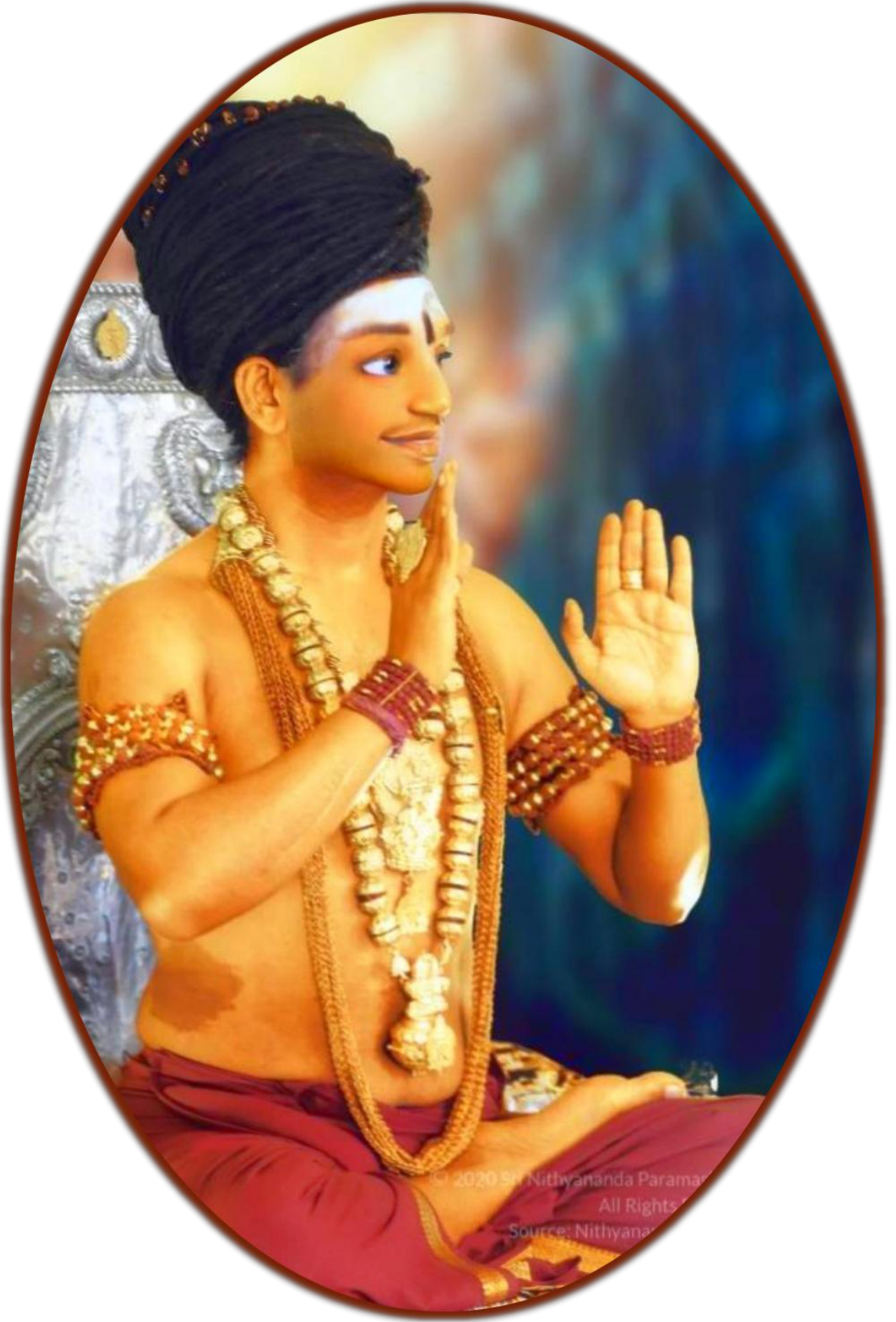
Arjuna is awestruck and is in silence. He is yet to speak. What he has witnessed is beyond anything that he could have imagined or asked for. But the silence is a very active silence. It is a silence in which he experiences the truth of Krsna. It is a silence in which he is actively participating in the process and is being immersed. Sanjaya then summarizes Arjuna's reaction to the divine form of Krsna in the last few verses. Arjuna is still silent and it is Sanjaya who describes what happens. What Arjuna saw was beyond his understanding. Wherever he looked was Krsna; Krsna in many forms, many shapes, many non-forms, and non-shapes. There are no words to describe what Arjuna saw. How does one describe what is beyond the mind, beyond logic, beyond words, beyond all comprehension? In the body of the supreme Lord, Arjuna saw the whole universe divided in different ways and at the same time united in one form. The universe is divided into many parts such as the sun, moon, earth, planets and other bodies in space. Here he sees all of them as one form.
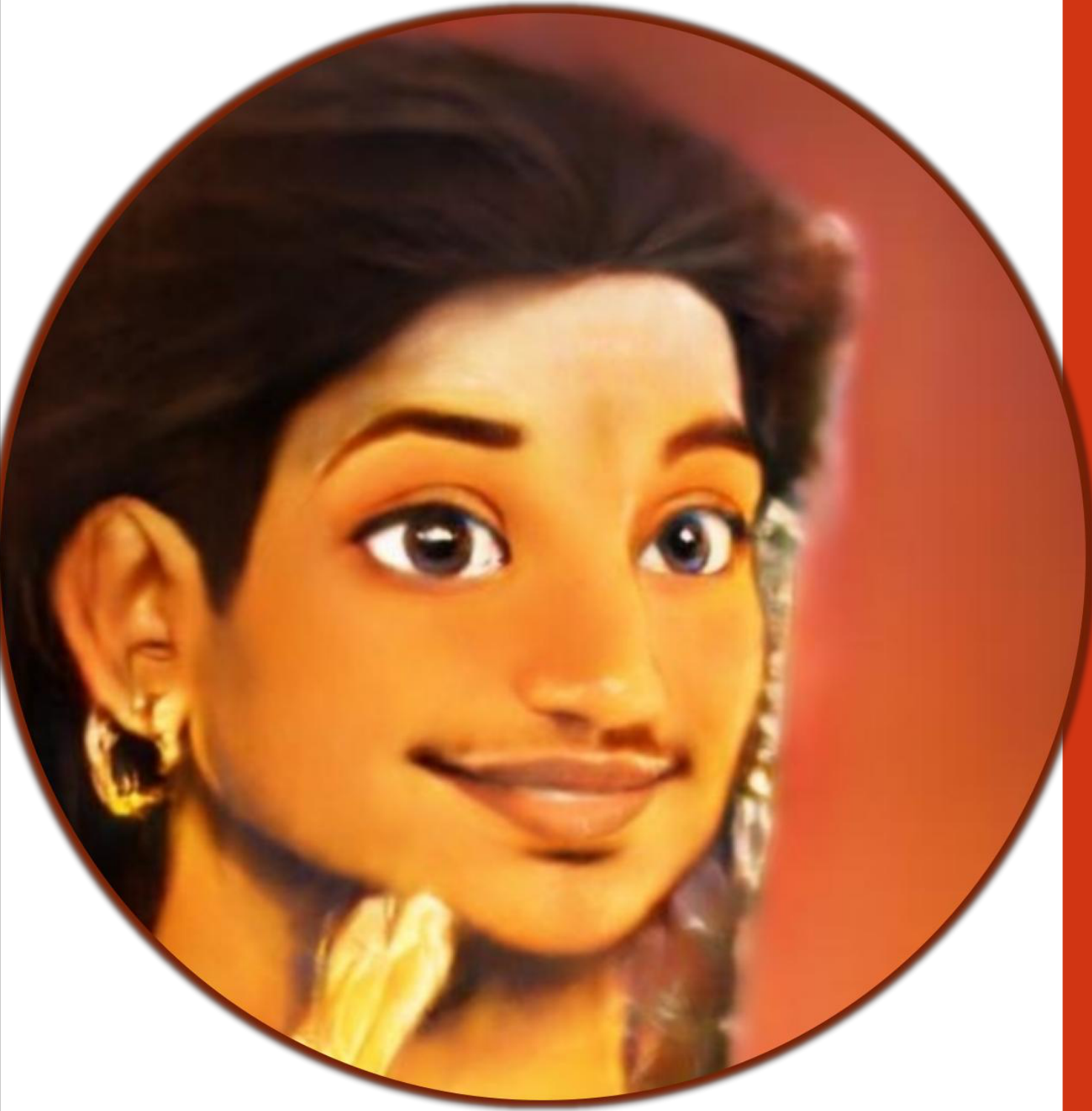
Arjuna is able to see the whole and at the same time all the parts. Even the word hologram, that we now so commonly use to describe the totality of something preserved in a fragment, does no justice to Arjuna's vision. In a hologram, one needs to make the effort to see the whole in the fragment. In this divine vision granted to Arjuna the whole existed with the part with no separation, no discontinuity. The whole was part and the part was whole.
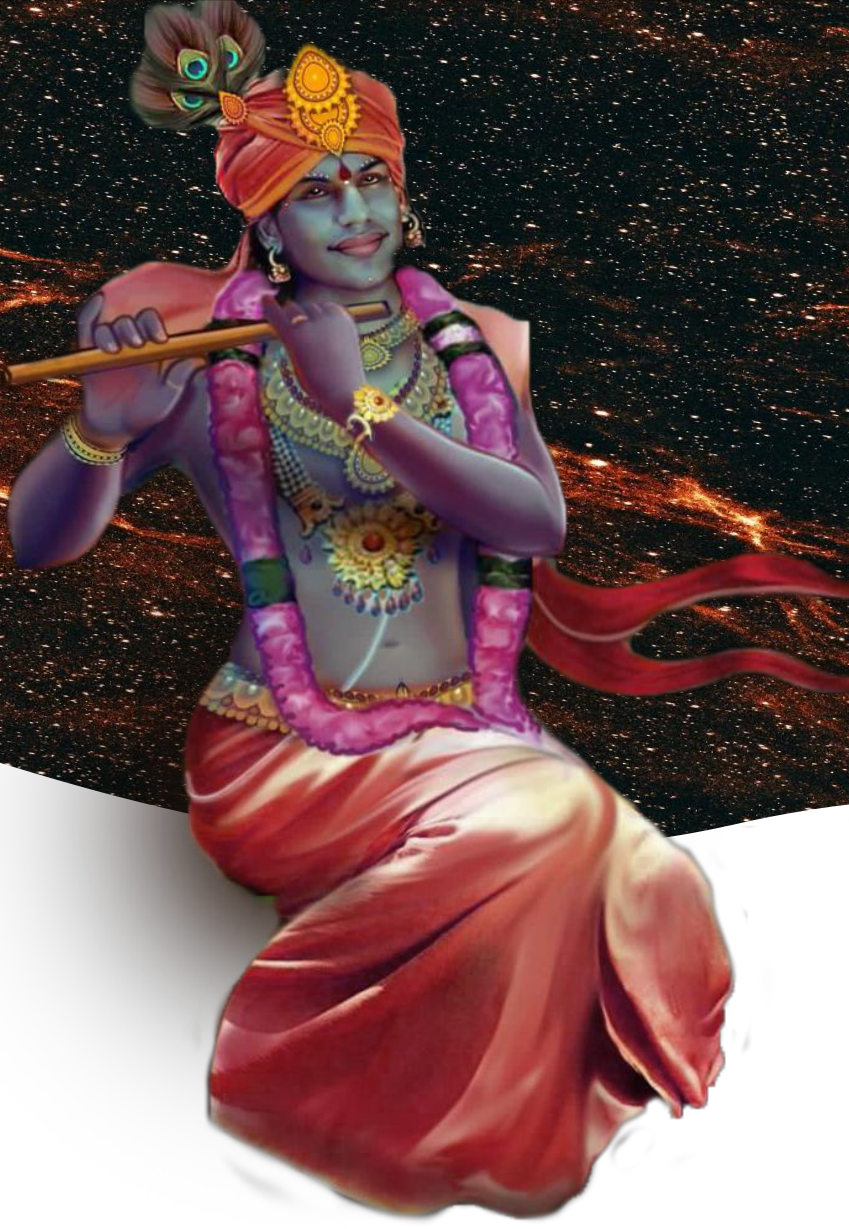
Of all the people on the battlefield of Kuruksetra, only Arjuna had this great fortune to behold the cosmic vision of Krsna. Only he was granted the boon of divine vision to see the entire universe within Krsna. The vision that Arjuna beheld enveloped him completely. He was, in fact, part of that vision
GOALS:
To help the child understand
that, ourselves, and those around
us are all part of the whole
cosmic consciousness.
ASSESSMENTS
- Why did Arjuna become silent?
- Who were also blessed to see this entire leela and be a part of it.
- What is the meaning of the word “Visnu”
ART OF THE DAY
ART OF THE DAY:
Draw Country, Family, Mother
MATERIALS NEEDED:
- Paper
- Sketch pens,
- Pencil
PROCEDURE
Ask each child how each one loves their country, family and their mother. Encourage each child to talk about the country, family and mother. Next ask them to draw about the country, family and mother.
INFERENCE There is no boundary to Krsna's universal form.
ACTIVITY OF THE DAY
ACTIVITY OF THE DAY:
MATERIALS NEEDED:
1. Chart paper Sketch pens or markers Scissors
PROCEDURE: Help the children cut chart paper into small rectangles in the size of playing cards. Using the list below about love, write on each card one part of the word pair. Example: (Written on one card) "Inner Space" (then The word-pair matching the first card) "Where you experience love". So these 2 cards make up a pair. You can draw a heart shape on the back of each playing card to make them look uniform. mix the cards and encourage the children to find the matching pairs again.
INFERENCE: Most things die down or disappear over time.Anything created out of the space of completion stands eternally.
• Inner Space – Where you experience love • Ego - “Mine" • Attention - Concentration • Awareness - Alert • Love - Brings Unity and Courage • Watching Breath - No Thought • Thoughts - Inner Chatter • Causeless Love - Love without a Purpose • Deep Sleep - No Thoughts, No Attention • Too Much Chocolate - Showing Love with a Purpose Restlessness - Bored Desire
• Greed - No Love in Inner Space
• Cosmic consciousness - Acceptance and Inclusion Visnu - One Who Expands Infinitely
• Sanjaya - Power to see what happens on the Battlefield
• King Dhrtarastra - Listens to description of the events on the Battlefield Kuruksetra - battlefield in Bhagavad Gita The body of the supreme Lord Krsna - The whole universe Arjuna - Great fortune to behold the cosmic vision of Krsna Sun, moon, earth, planets and other bodies in space - parts of the universe
WORKSHOP OF THE DAY
WORKSHOP OF THE DAY:
VAAKYARTHA SADHAS
Explanation:
Encourage the students to discuss how there are many parts to themselves. How much of them do they feel each part to be? For example: - How much of you is a worker - Do you feel you are very responsible, finish work on time. - How much of you is a person who likes shopping? Either I did not like to spend more time on shopping (or) I love to go shopping. - How much of you likes to be intelligent, creative, to dance, to read, to create poems (or) I like to sing or draw Encourage them to get a clear view of how much forms their mind and body. Yet they are one being. Although they are many parts, all of the parts are in one form.
WORKSHOP OF THE DAY:
VAAKYARTHA SADHAS
Conclusion:
There is no boundary to Krsna's universal form. The word Visnu, which is his real form, means one who expands infinitely. The splendor that Sanjaya talks about is beyond anything the mind can comprehend, because it is the source of all splendors.
- BHAGAVAD GITA -
BOOK XI, VOLUME IV