CHARACTER SKETCH
This text was machine-transcribed from the printed book and may contain errors. Select the words and choose “Report a mistake”.
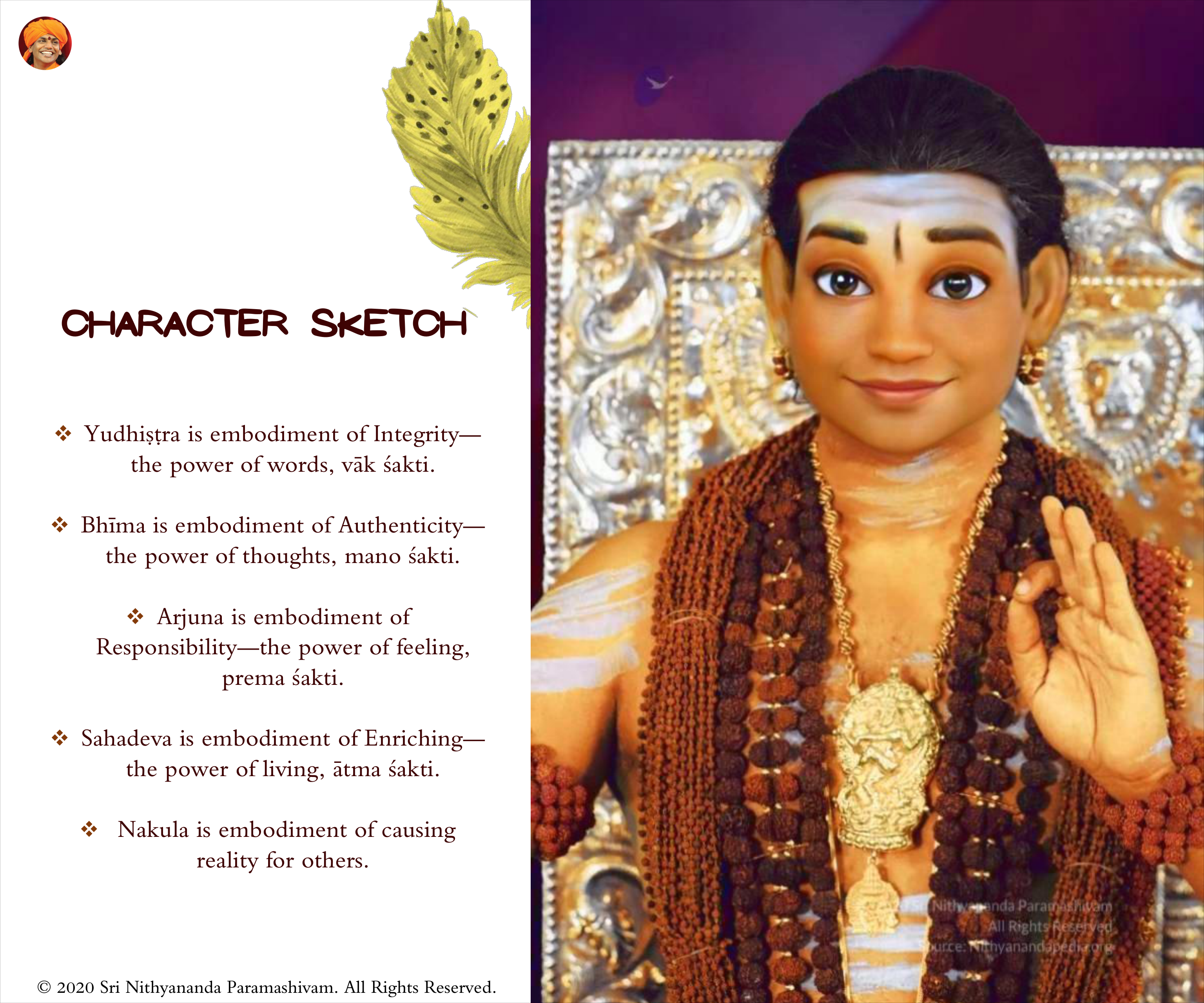
❖ Yudhiṣṭra is embodiment of Integrity—the power of words, vāk śakti.
❖ Bhīma is embodiment of Authenticity—the power of thoughts, mano śakti.
❖ Arjuna is embodiment of Responsibility—the power of feeling, prema śakti.
❖ Sahadeva is embodiment of Enriching—the power of living, ātma śakti.
❖ Nakula is embodiment of causing reality for others.
CHARACTER SKETCH
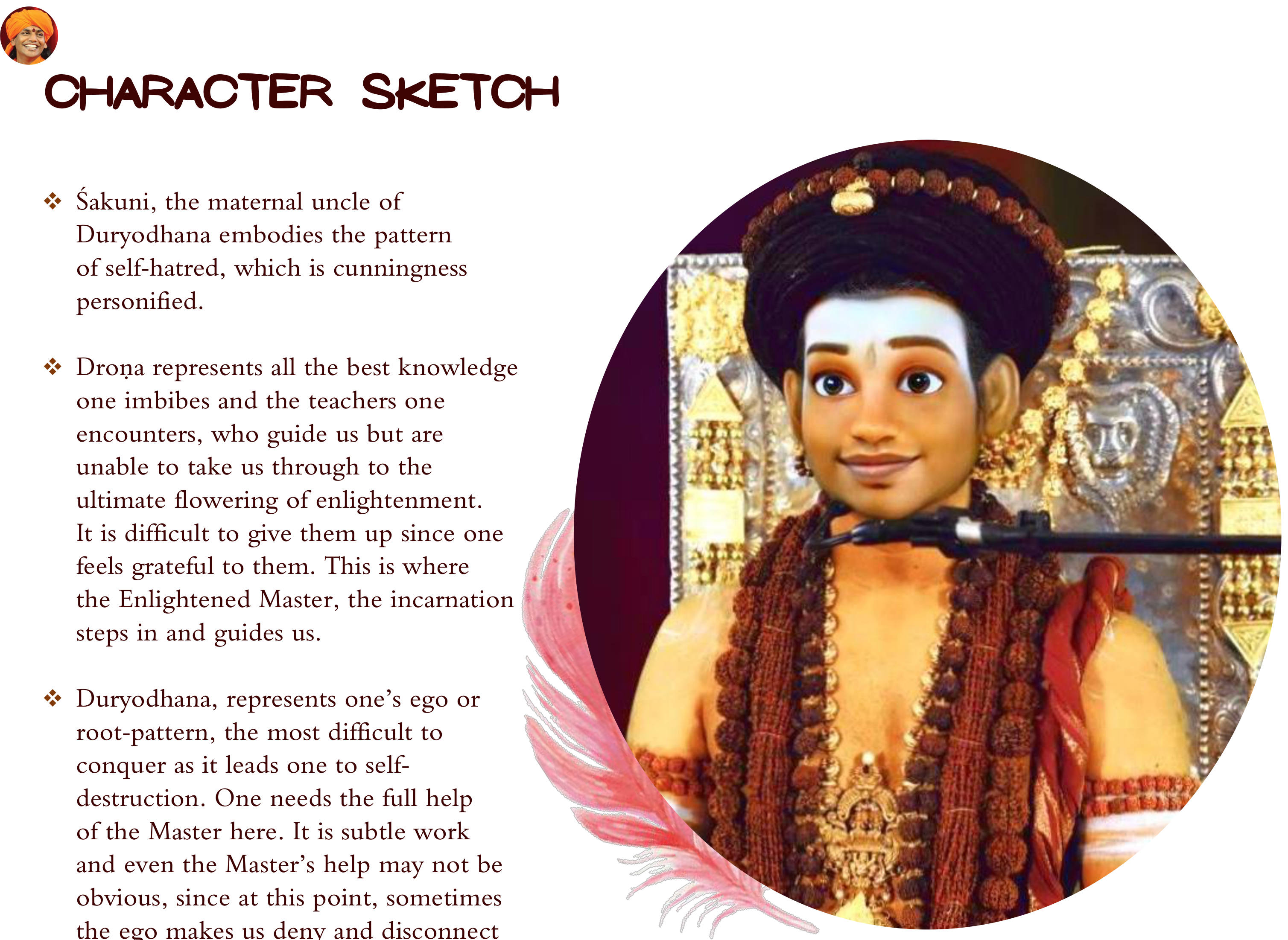
❖ Śakuni, the maternal uncle of Duryodhana embodies the pattern of self-hatred, which is cunningness personified.
❖ Droṇa represents all the best knowledge one imbibes and the teachers one encounters, who guide us but are unable to take us through to the ultimate flowering of enlightenment. It is difficult to give them up since one feels grateful to them. This is where the Enlightened Master, the incarnation steps in and guides us.
❖ Duryodhana, represents one's ego or root-pattern, the most difficult to conquer as it leads one to self-destruction. One needs the full help of the Master here. It is subtle work and even the Master's help may not be obvious, since at this point, sometimes the ego makes us deny and disconnect from the Master as well.
CHARACTER SKETCH
❖ Karṇa is the repository of all good deeds and it is his good deeds that stand in the way of his own Enlightenment. Śrī Kṛṣṇa has to take the load of Karṇa's puṇya, his meritorious deeds, before he could be liberated. The Enlightened Master guides one to drop one's attachment to good deeds arising out of what are perceived to be charitable and compassionate intentions. He also shows us that the quest for and the experience of enlightenment is the ultimate act of compassion that one can offer to the world.
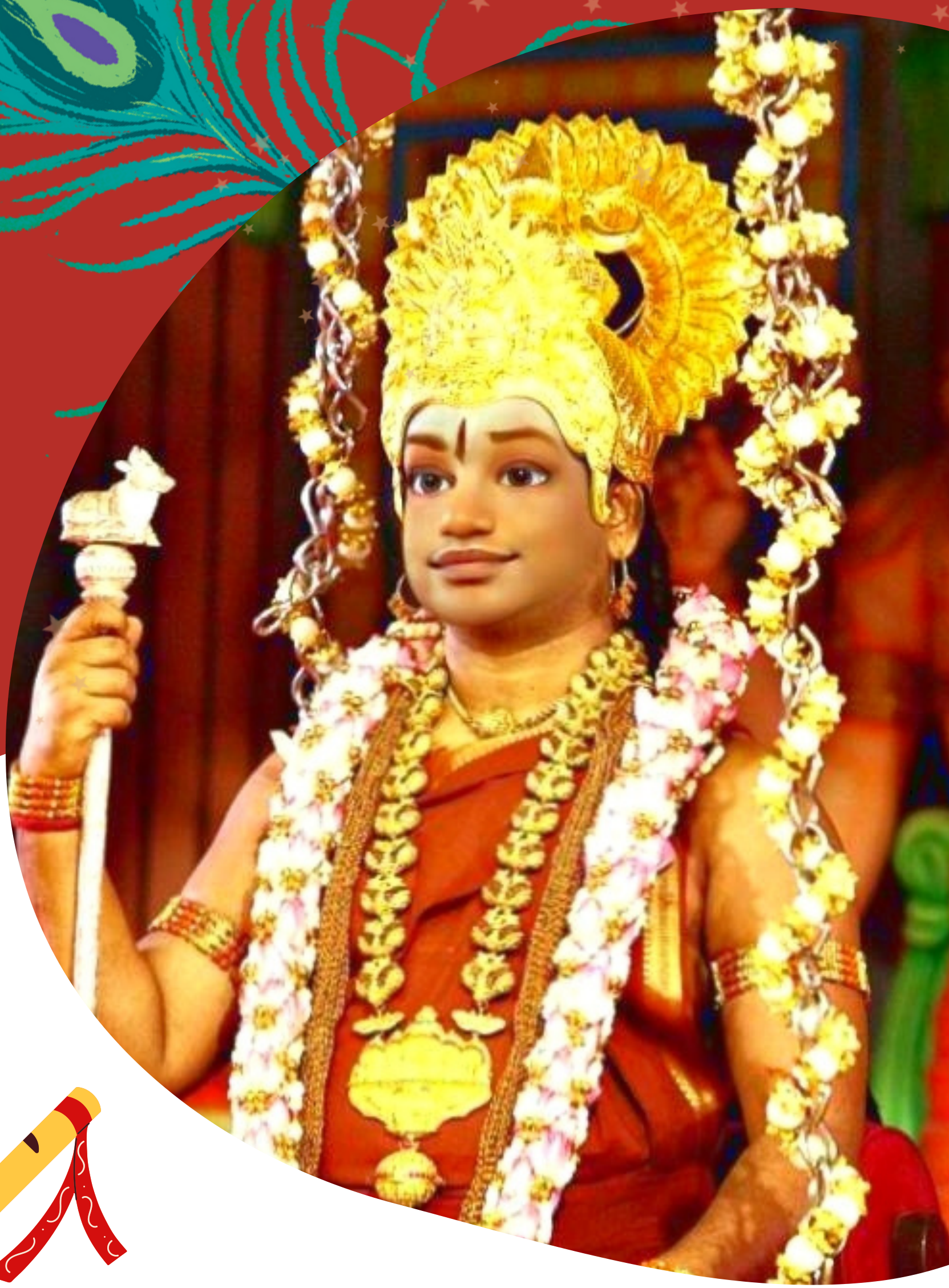
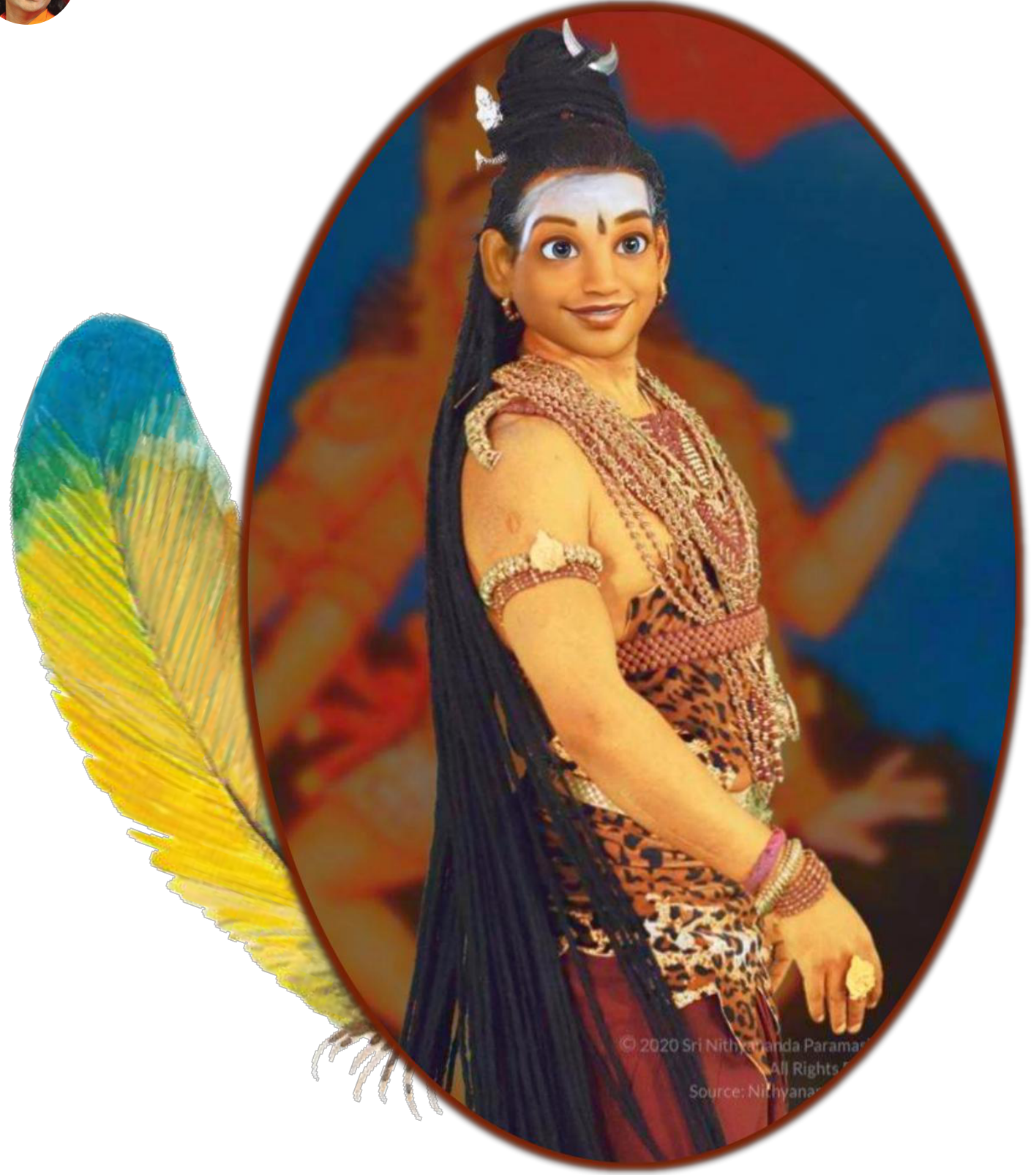
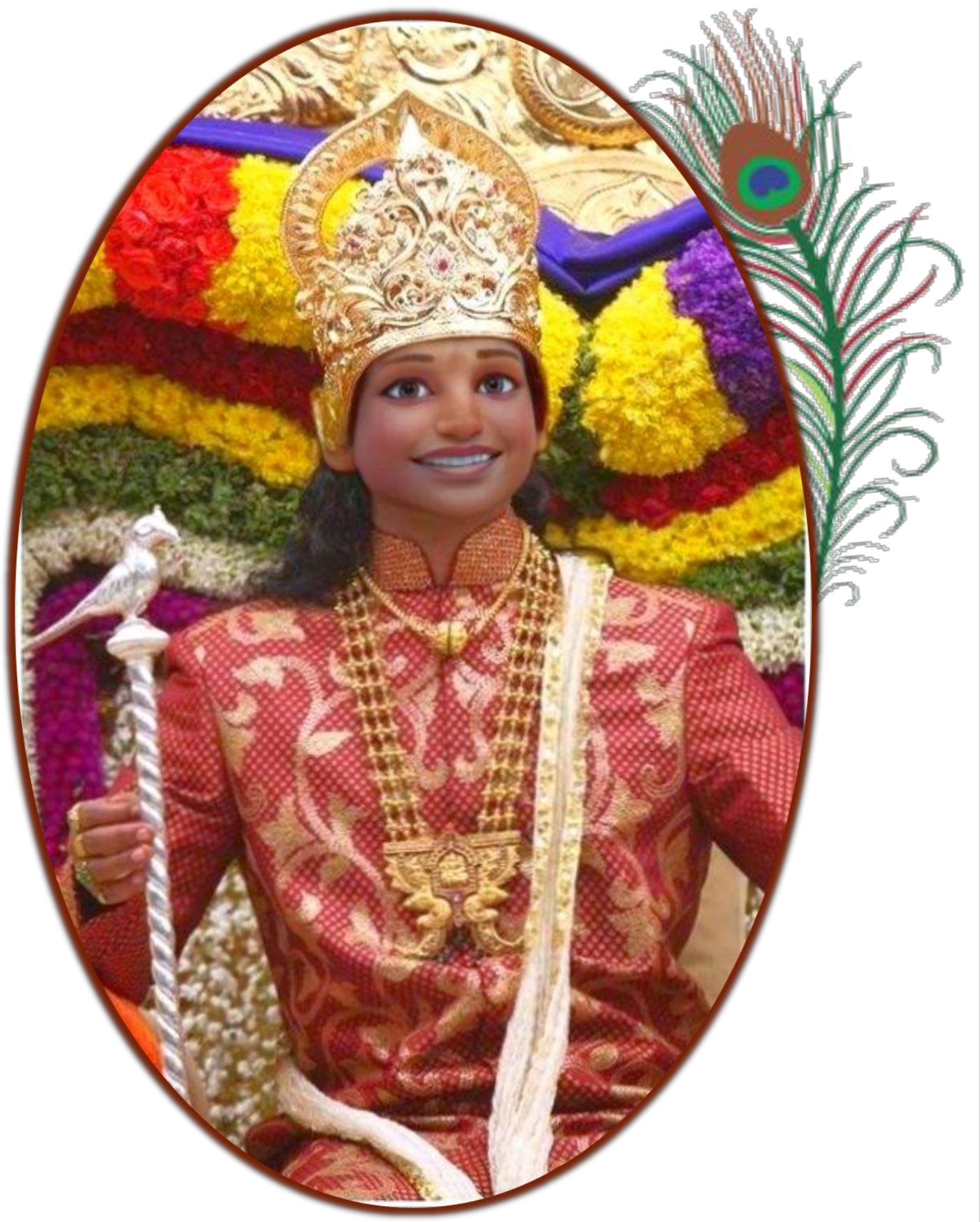
❖ Bhagavan Śri Kṛṣṇa, the 8th most powerful purnāvatar of Maḥa Viśnu, is the embodiment of pure celebration, boundless love, compassion, and completion. Bhagavan Śri Kṛṣṇa is the only incarnation demonstrating and expressing Ṣarva Maṅgalatva all the auspicious qualities and all dimensions of an avatar during His physical happening. The līla Bhagavan Śri Krsna is one of sheer innocence and simplicity, in a peace-loving, diplomatic, conflict-free way.
© 2020 Sri Nithyananda Paramashivam
All Rights Reserved
Source: Nithyanandapedia.org
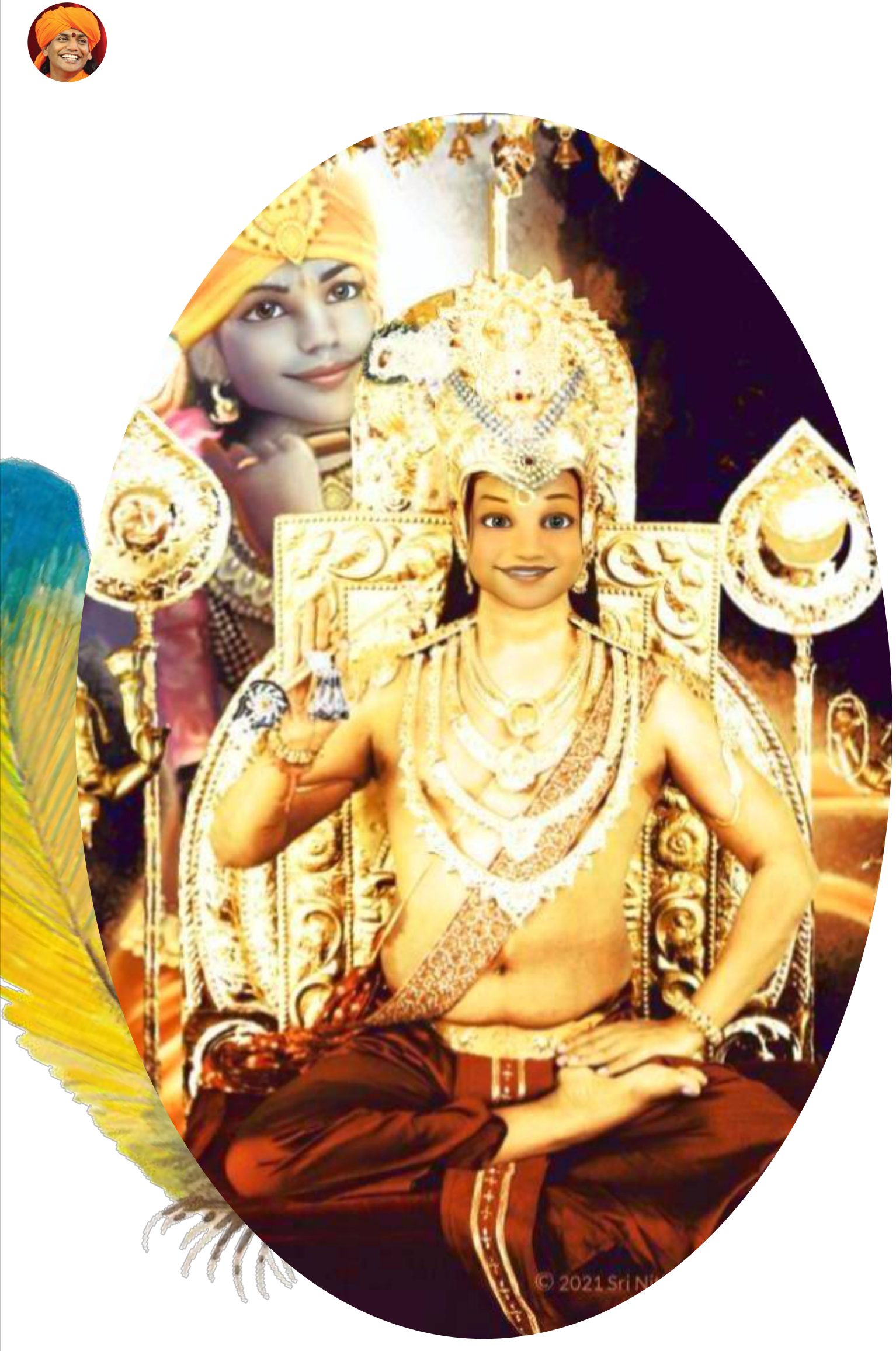
Till now everyone blames Bhagavan Sri Krishna for this Kurukshetra war but that's the greatest sacrifice Bhagavan Sri Krishna did to save the planet Earth. If Kurukshetra was not conducted at that time under the controlled conditions and direct supervision of Bhagavan Sri Krishna, planet Earth would not have survived more than three years.
The wide spread availability of the Astra shastras without Shastra, without the knowledge and vision, was posing a huge threat to the whole of humanity and planet Earth, and for life itself. The greatest achievement of Bhagavan Sri Krishna is destroying all the weapons in one controlled condition and saving planet earth, eliminating the nuclear weapons and the knowledge of these nuclear weapons to save humanity from total annihilation.

Bhagavad Gītā appears in the heart of Mahābhārat in Bhīṣma Parva, the sixth chapter of its eighteen chapters. Veda Vyāsa, the narrator, in glorifying the Gītā sings, ‘the one who drinks the water of Ganges (the sacred river for Hindus) attains liberation, what to speak of the one who drinks the nectar of Gītā?
Gītā is the essential nectar of the Mahābhārat, bhāratamṛta sarvasvam as it is directly spoken by Nārāyaṇa, Bhagavān kṛṣṇa Himself.’
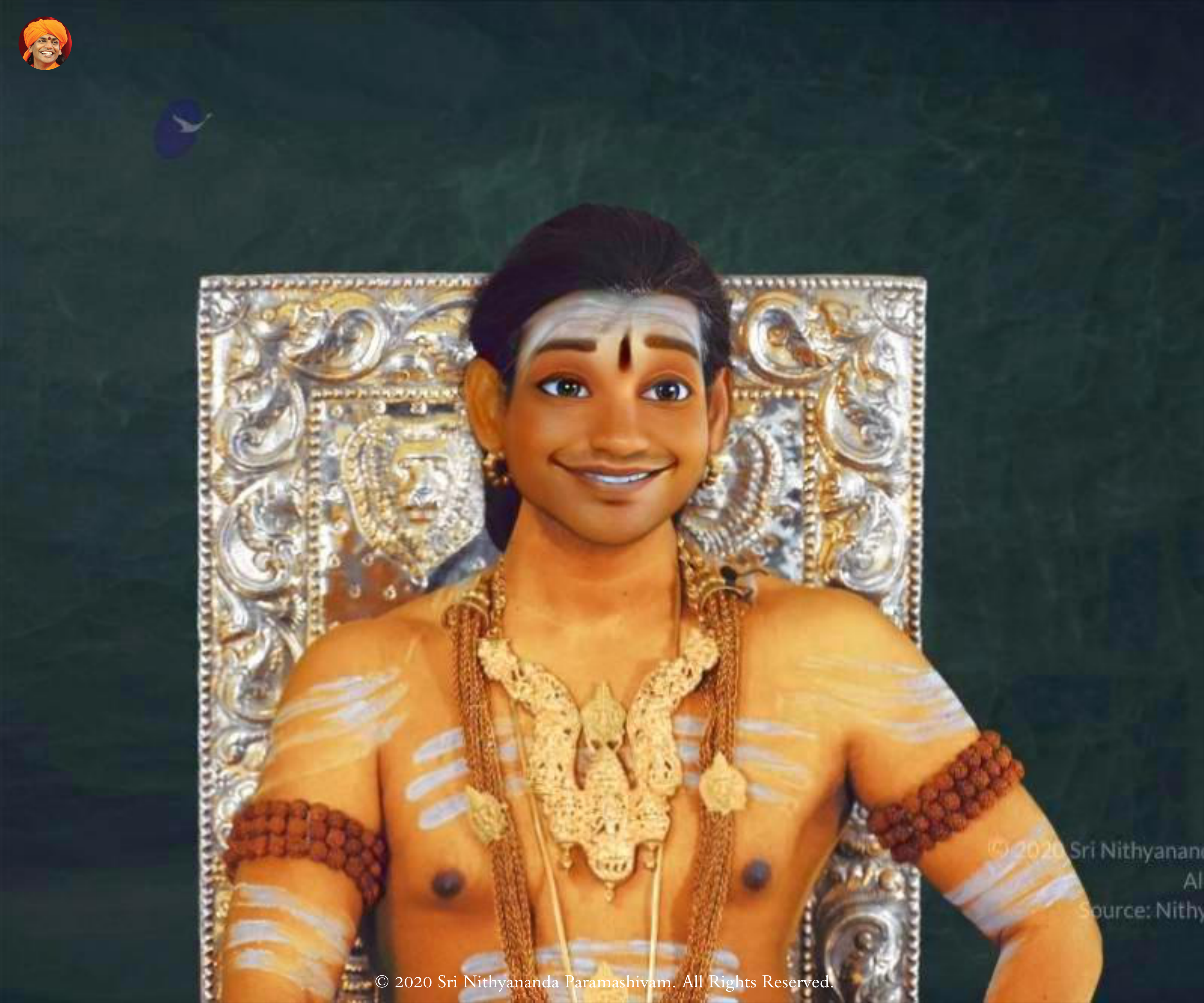

The armies assembled in the vast field of Kurukṣetra, now in the state of Haryana in modern day India. All the kings and princes were related to one another, and were often on opposite sides. Facing the Kaurava army and his friends, relatives and teachers, Arjuna was overcome by remorse and guilt, and wanted to walk away from the battle out of total powerlessness unbecoming an invincible warrior among warriors.
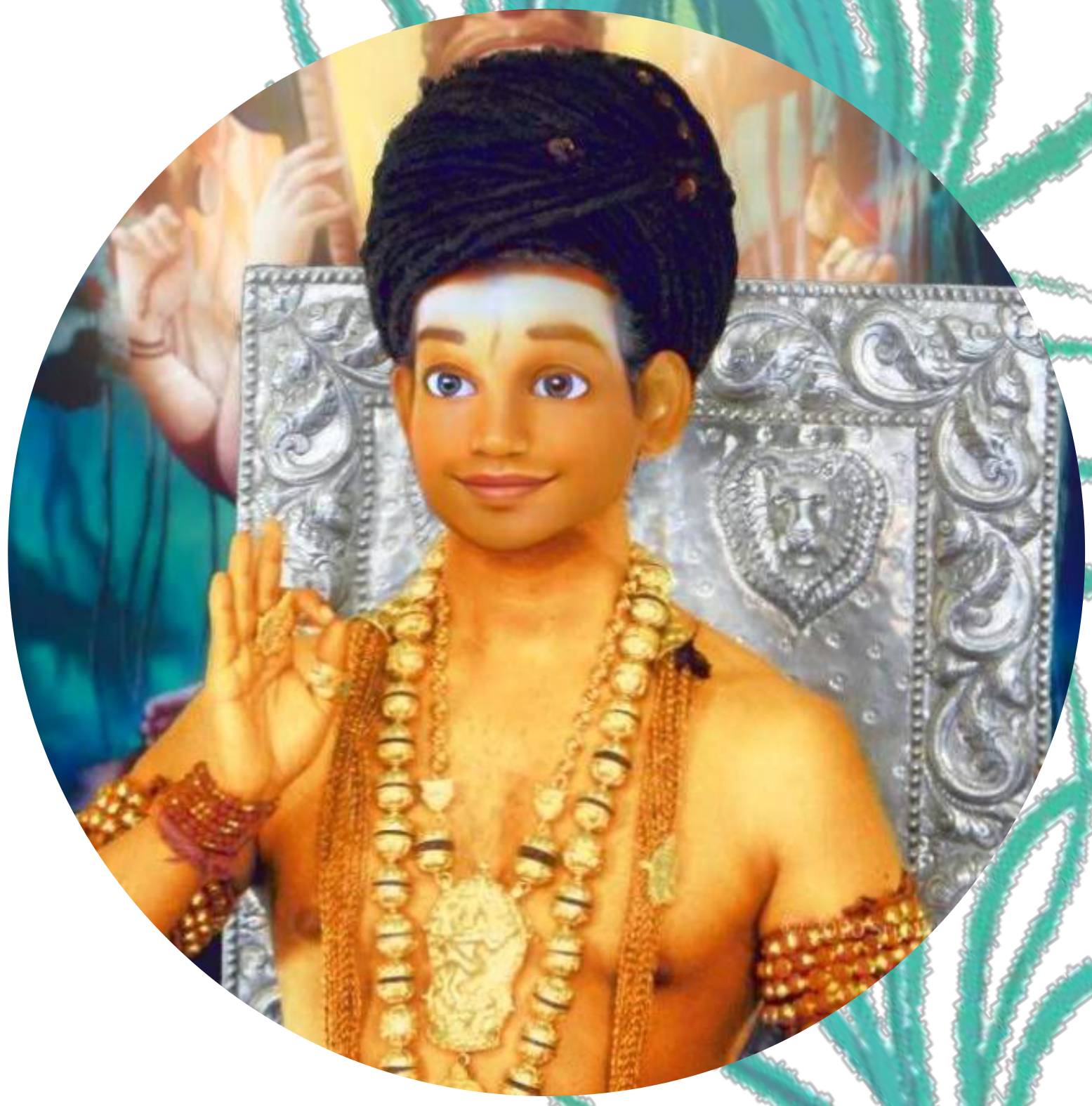
Śrī Kṛṣṇa's dialogue with Arjuna on the battlefield of Kurukṣetra out of His utmost concern and love for him and humanity is the content of Bhagavad Gītā. Of its seven hundred and forty-five (745) verses, Bhagavān Śrī Kṛṣṇa sings the Gītā in six hundred and twenty (620) verses responding to Arjuna's fifty-seven (57) enquiries.
Śrī Kṛṣṇa persuades Arjuna to give-up his powerlessness unfitting an Ārya—the spiritually evolved one who understands human life and urges him to raise himself again as Parantapa—the conqueror of enemy, and take up arms and vanquish his enemies. They are already dead,' says Śrī Kṛṣṇa, 'All those who are facing you have been already killed by Me. Go ahead and do what you have to do. That is your responsibility. Do not worry about the outcome. Leave that to Me.'
BHAGAVAD GITA
BOOK XI VOLUME I
Seeing The Divine Form Of God
Authored by
THE SPH NITHYANANDA PARAMASHIVAM
अर्जुन उवाच ।
मदनुग्रहाय परमं गुह्यमध्यात्मसंज्ञितम् ।
यत्त्वयोक्तं वचस्तेन मोहोऽयं विगतो मम ॥ ११-१ ॥
arjuna uvāca madanugrahāya
paramaṁ guhyaṁ adhyātma-
saṁjñitam | yat tvayoktaṁ vacas
tena moho’yaṁ vigato mama
Arjuna says: ‘O Lord! By listening
to Your wisdom on the supreme
secret of Existence and your glory,
I feel that my delusion has
disappeared.’
POWERFUL COGNITION
Krsna reveals Himself as not just an incarnation, but as also the very source from which everything flows. He is the source of all sources, the cause of all causes, the source of all the worlds and universes.
भवाप्ययौ हि भूतानां श्रुतौ विस्तरशो मया ।
त्वत्तः कमलपत्राक्ष माहात्म्यमपि चाव्ययम्
॥११-२॥
Bhavāpyayau hi bhūtānāṁ śrutau
vistaraśo mayā | tvattaḥ
kamalapatrākṣa māhātmyamapi
cāvyayam
O Lotus-eyed Kṛṣṇa! I have listened
from You in detail about the creation
and destruction of all living beings,
also Your inexhaustible greatness.
POWERFUL COGNITION
Kṛṣṇa reveals Himself as not just an Incarnation but as also the very source from which everything flows. He is the Source of all sources, the Cause of all causes, the source of all the worlds and Universes.
एवमेतद्यथात्थ त्वमात्मानं परमेश्वर ।
द्रष्टुमिच्छामि ते रूपमैश्वरं पुरुषोत्तम
॥ ११-३ ॥
evametadyathāttha tvam ātmānaṁ
parameśvara | draṣṭumicchāmi te
rūpam aiśvaraṁ puruṣottama
O Parameśvara, Lord Supreme,
though You are here before Me as
You have declared Yourself, I wish
to see the Divine Cosmic Form of
Yours, Puruṣottama, Supreme Being.
POWERFUL COGNITION
Nara, the man, meets Narayana, the Divine.
मन्यसे यदि तच्छक्यं मया द्रष्टुमिति प्रभो ।
योगेश्वर ततो मे त्वं दर्शयात्मानमव्ययम्
॥११-४॥
manyase yadi tacchakyaṁ mayā draṣṭumiti prabho | yogeśvara tato me tvaṁ darśayātmānamavyayam
O Prabhu, my Lord, if You think it is possible for me to see Your Cosmic Form, then please, O Yogeśvara, Lord of Yoga and all mystic power, kindly show me that Imperishable Universal Self.
POWERFUL COGNITION
Before entering into the experience, you must have the courage to take whatever comes ... When you have the experience, have the courage to go with it. With the Divine, nothing is too much.
INTRODUCTION
In the minds of many, Krsna is considered an incarnation. It is in this chapter that Krsna reveals Himself as not just an incarnation, but as also the very source from which everything flows. He is the source of all sources, the cause of all causes, the source of all the worlds and universes. Arjuna has already heard from Krsna about everything that he needs to do. Arjuna's questions have all disappeared; his doubts and delusions have dissolved. In the previous chapter, Krsna explains to Arjuna who He really is.
Despite the faith that Arjuna has in Krsna, he has doubts, too. Doubts and faith are two sides of the same coin. You cannot have one without the other. At the intellectual level, Arjuna had shed his doubts. At the emotional level, he had shed his doubts. But at the being level, at the very core of his being, Arjuna was still troubled by what he was about to do. Arjuna has no one else to ask but Krsna. Intuitively, Arjuna sees his own Self in Krsna. Nara, the man, meets Narayana, the Divine. Arjuna knows at the depths of his being that Krsna, and Krsna alone, can provide the answers to the doubts that have risen within him.
Step by step, Krsna clears Arjuna's doubts. First, Krsna addresses Arjuna's doubts of the intellect. Krsna explains to him the misconceptions that Arjuna has from the literal reading of the scriptures and what he has understood to be right and wrong. 'All the people in front of you are already dead,' says the Lord, 'I eliminated them long ago; why are you then worried? Do what you need to do.' And now, finally, the time has come for Arjuna to see Krsna as He truly is.
Arjuna is standing on the last step. He beseeches, 'My delusion has been dispelled and I am now aware of Your divinity. Please show me now who You really are.'
And yet, Arjuna still hesitates. He wants to know, but he is not sure if he can bear to experience the truth. He says one phrase clearly, 'If you think I can behold Your form,' which indicates that there is already some fear in him.
When you have the
experience, have the courage
to go with it. With the Divine,
nothing is too much.
Ramakrsna asks Vivekananda,
‘If you see the amrtasagara,
the ocean of nectar, how will
you drink from it?’
Vivekananda says he would
become a fly, sit by the edge
of the ocean and begin to
drink it slowly. Ramakrsna
says, ‘Fool! Jump into it and
Drink!’ Vivekananda fears that
he would die if he did that.
Ramakrsna says beautifully, ‘It
is the ocean of nectar, how
will you die?’
Amṛta means nectar, that
which guarantees
immortality. By drinking it
you cannot die. How would
you die by jumping into the
ocean of Immortality? Here,
Arjuna says, ‘If you think I
can behold your cosmic
form...’ Arjuna wants the
experience, but puts the
responsibility on Kṛṣṇa. He
wants the sweet, but not
Diabetes! Of course, the
divine sweet can never make
you a Diabetic.
GOALS:
To help the child understand how being in a mature space and shedding one's logic and ego can prepare you to enjoy powerful divine experiences.
ASSESSMENTS
- Do you think Universal Consciousness can be experienced?
- Why do you think Arjuna was slightly hesitant to experience the truth of Krsna's real form?
- Why do you think Arjuna was chosen by Krsna to receive this great darshan?
- What do you think qualifies a person to receive such a powerful experience as Arjuna did with Krsna?
ART OF THE DAY
ART OF THE DAY:

MATERIALS NEEDED:
- Paper
- Sketch pen
- Pencil
PROCEDURE
Give each child the materials needed. Ask each child to draw the universe including the solar system and other neighboring galaxies. Conclude the topic by summarizing the important details. Follow up with reinforcing that Success is nothing but you having confidence in yourself and others having confidence in you.
INFERENCE Connect to the fact that we are a part of the universe. We must have gratitude towards the universe for providing an opportunity to be a part of it. We must save our universe. We must not waste nature's products. When we take the universe for granted and abuse the natural resources, it will lead to natural calamities like floods, tsunamis, and earthquakes.
ACTIVITY OF THE DAY
ACTIVITY OF THE DAY:
MATERIALS NEEDED:
- Paper pen
- Pencil
PROCEDURE: Encourage each child to write a letter to their friend and a letter to another person whom they hate a lot. They have to write only good points about them. Encourage each child to give the letter to whomever they wrote.
INFERENCE: This work shop enables them to understand there is always good in bad and bad in good. There is always strength in weakness and weakness in strength. Have gratitude towards everything.
WORKSHOP OF THE DAY
WORKSHOP OF THE DAY: VAAKYARTHA SADHAS
Explanation:
Try to take the students to visually challenged and auditory challenged (differently abled) schools in your neighborhood and ask the children to come back to class and discuss their thoughts. The exercises helps us to look within ourselves and see how we truly feel about those around us and how we can build our own consciousness by responding positively to life and others. With divine energy, the effect is always positive, never negative. You cannot die in the amrtasagara, the ocean of nectar. When it comes to the Divine, all you need to do is jump into it with your whole being. All you need to do is to relax into it for transformation.
WORKSHOP OF THE DAY: VAAKYARTHA SADHAS
Conclusion:
It is not important what others think; what is important is what we think. We should be ready to take the responsibility and face whatever comes. Even simple truths or experiences cannot be given so easily, since the receiver must have the maturity to hold what he has received.