CHARACTER SKETCH
This text was machine-transcribed from the printed book and may contain errors. Select the words and choose “Report a mistake”.
❖ Yudhiṣṭra is embodiment of Integrity— the power of words, vāk śakti.
❖ Bhīma is embodiment of Authenticity— the power of thoughts, mano śakti.
❖ Arjuna is embodiment of
Responsibility—the power of feeling,
prema śakti.
❖ Sahadeva is embodiment of Enriching— the power of living, ātma śakti.
❖ Nakula is embodiment of causing reality for others.
CHARACTER SKETCH
❖ Śakuni, the maternal uncle of
Duryodhana embodies the pattern
of self-hatred, which is cunningness
personified.
❖ Droṇa represents all the best knowledge one imbibes and the teachers one encounters, who guide us but are unable to take us through to the ultimate flowering of enlightenment. It is difficult to give them up since one feels grateful to them. This is where the Enlightened Master, the incarnation steps in and guides us.
❖ Duryodhana, represents one’s ego or
root-pattern, the most difficult to
conquer as it leads one to self-
destruction. One needs the full help
of the Master here. It is subtle work
and even the Master’s help may not be
obvious, since at this point, sometimes
the ego makes us deny and disconnect
from the Master as well.
CHARACTER SKETCH
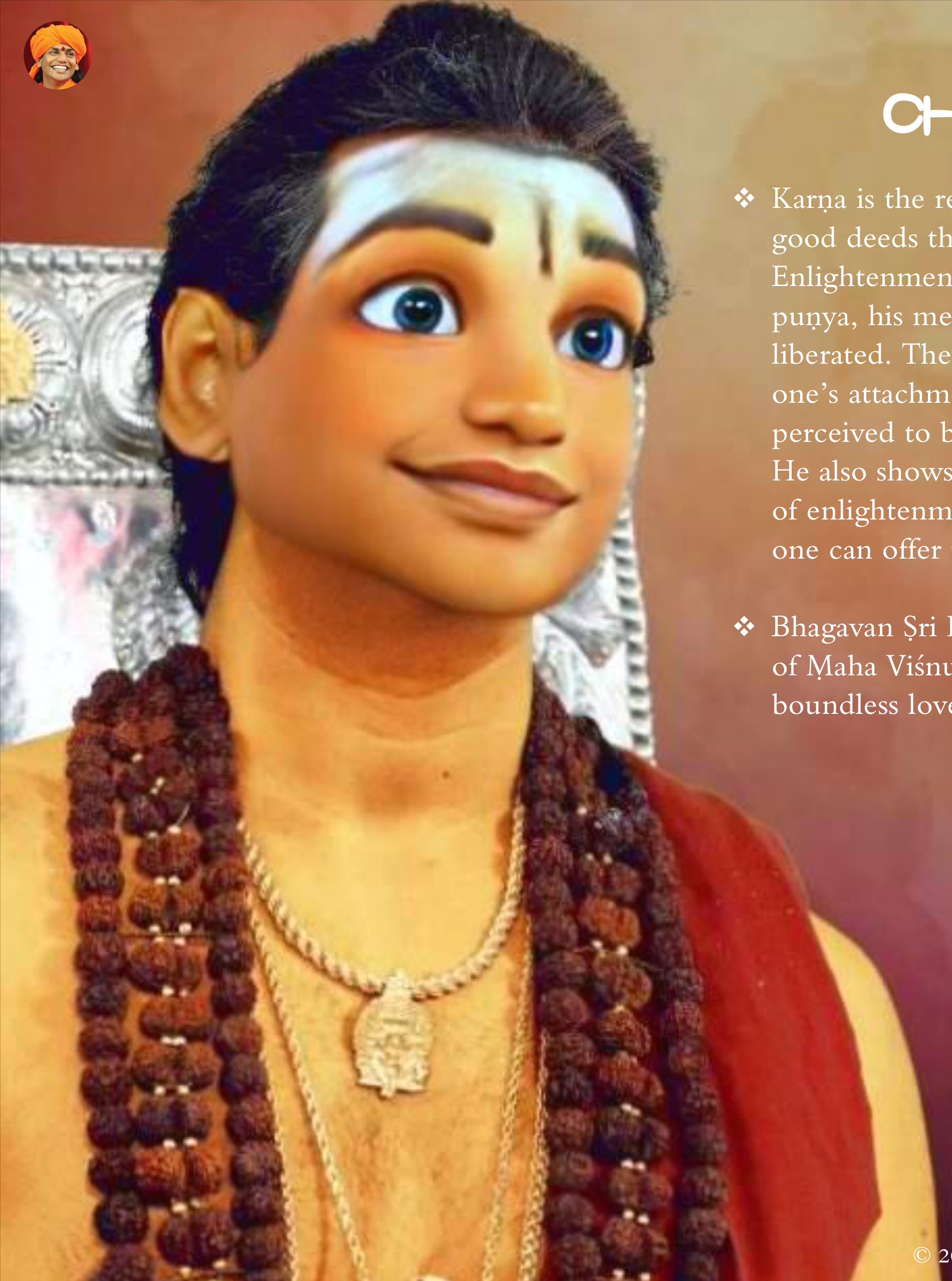
❖ Karṇa is the repository of all good deeds and it is his good deeds that stand in the way of his own Enlightenment. Śrī Kṛṣṇa has to take the load of Karṇa's puṇya, his meritorious deeds, before he could be liberated. The Enlightened Master guides one to drop one's attachment to good deeds arising out of what are perceived to be charitable and compassionate intentions. He also shows us that the quest for and the experience of enlightenment is the ultimate act of compassion that one can offer to the world.
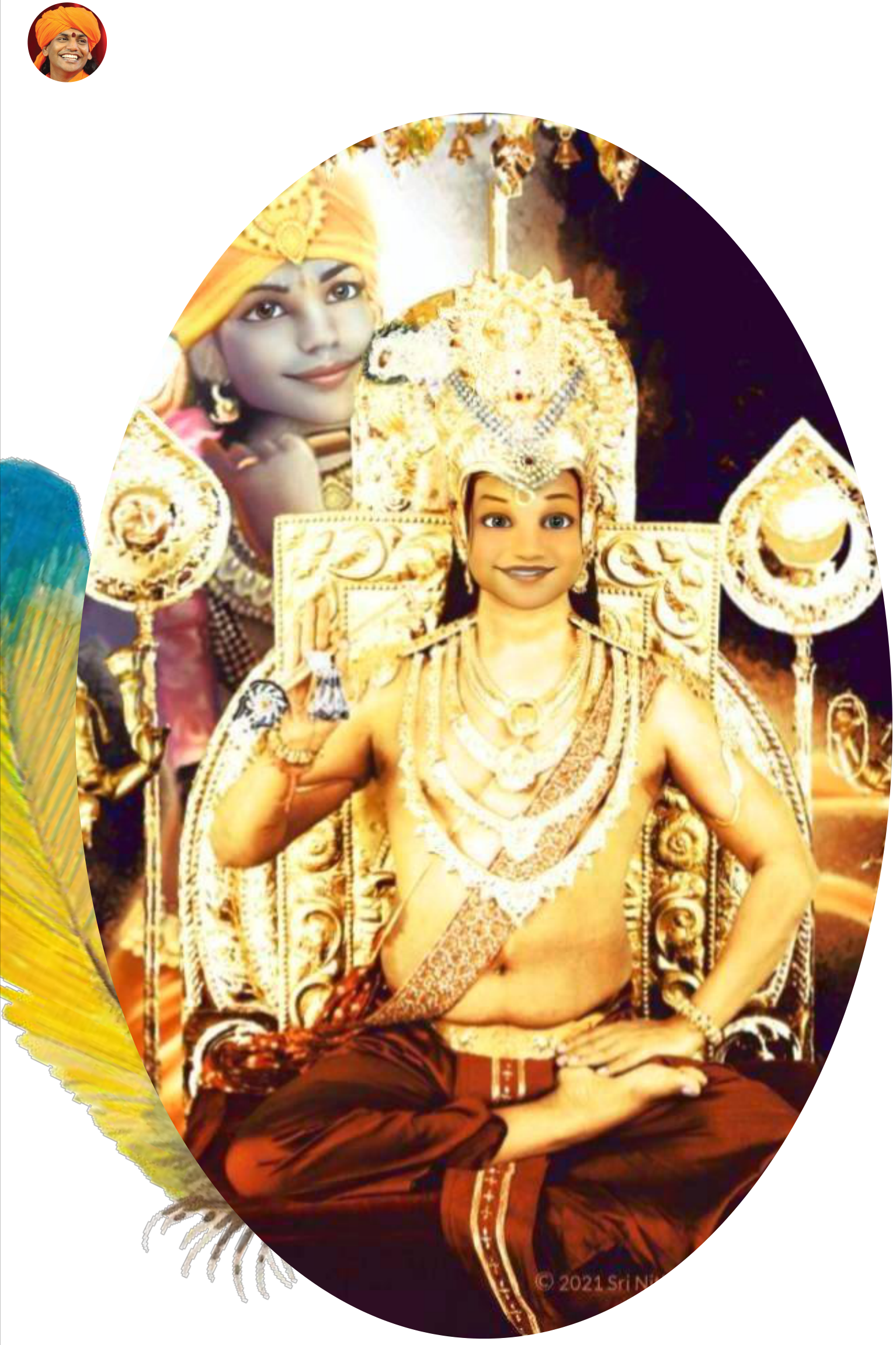
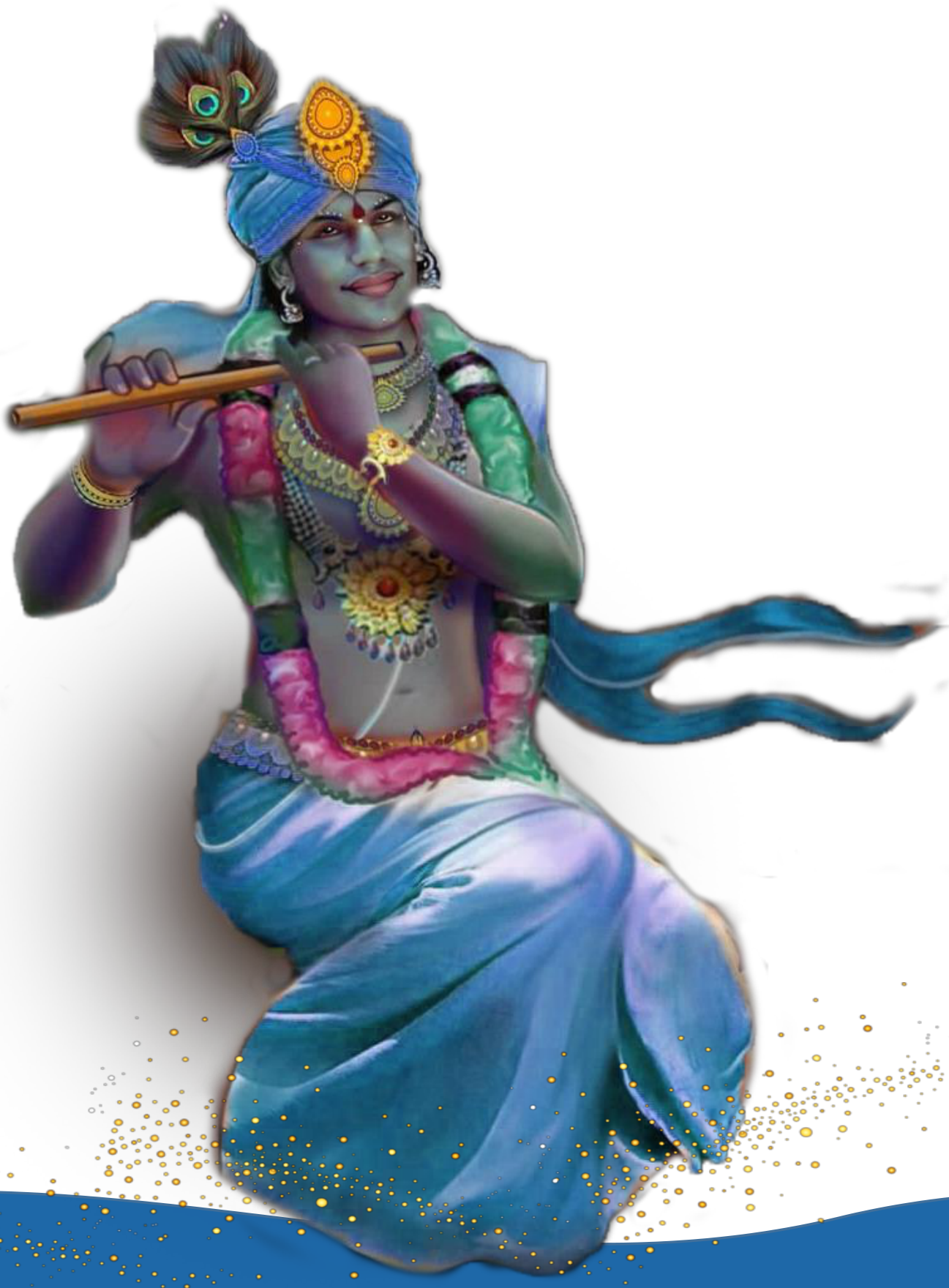
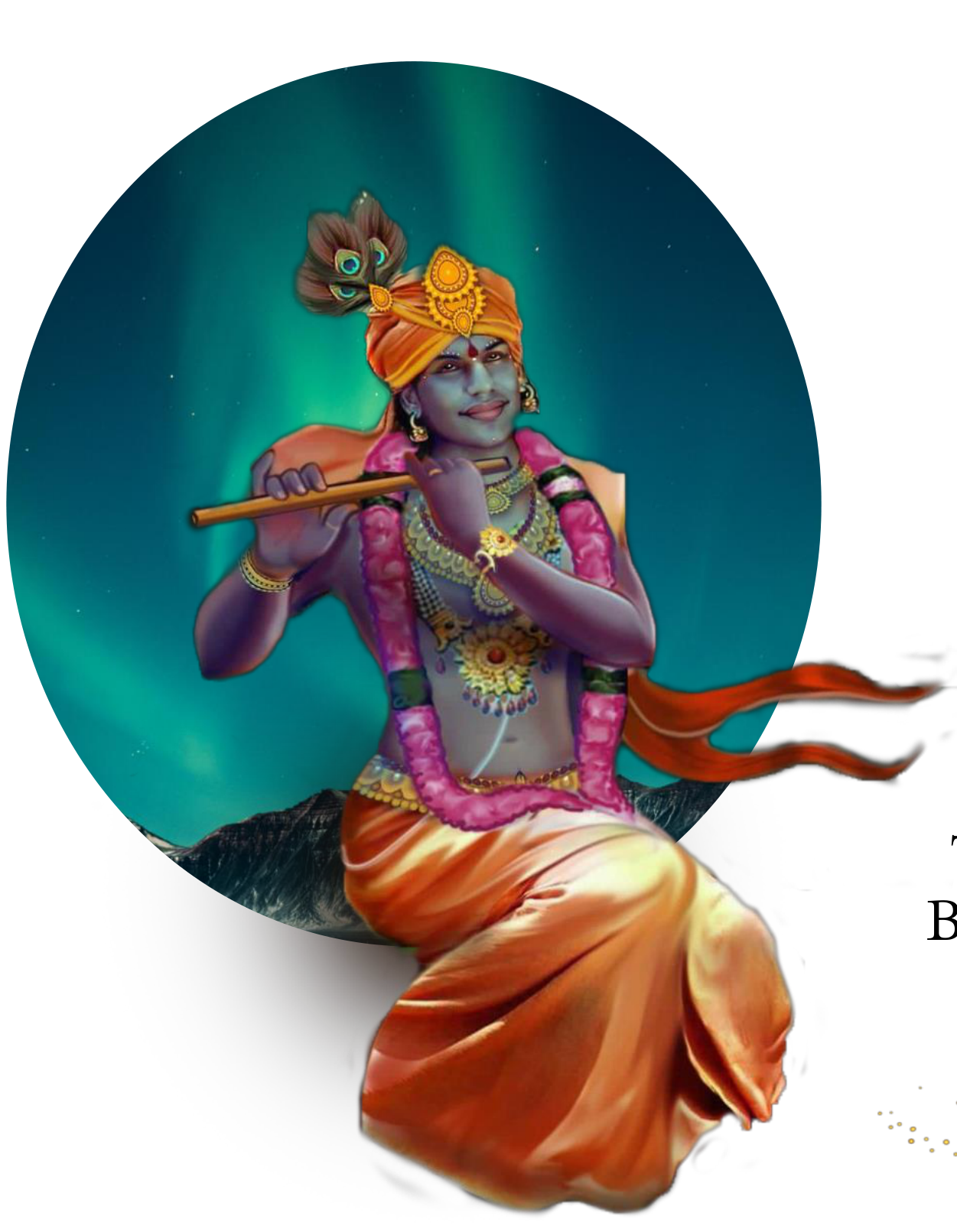
❖ Bhagavan Śrī Kṛṣṇa, the 8th most powerful purnāvatār of Mahā Viśnu, is the embodiment of pure celebration, boundless love, compassion, and completion. Bhagavan Śrī Kṛṣṇa is the only incarnation demonstrating and expressing Ṣarva Maṅgalatva all the auspicious qualities and all dimensions of an avatar during His physical happening. The līla Bhagavan Śrī Kṛṣṇa is one of sheer innocence and simplicity, in a peace-loving, diplomatic, conflict-free way.
Till now everyone blames Bhagavan Sri Krishna for this Kurukshetra war but that's the greatest sacrifice Bhagavan Sri Krishna did to save the planet Earth. If Kurukshetra was not conducted at that time under the controlled conditions and direct supervision of Bhagavan Sri Krishna, planet Earth would not have survived more than three years.
The wide spread availability of the Astra shastras without Shastra, without the knowledge and vision, was posing a huge threat to the whole of humanity and planet Earth, and for life itself. The greatest achievement of Bhagavan Sri Krishna is destroying all the weapons in one controlled condition and saving planet earth, eliminating the nuclear weapons and the knowledge of these nuclear weapons to save humanity from total annihilation.

Bhagavad Gītā appears in the heart of Mahābhārat in Bhīṣma Parva, the sixth chapter of its eighteen chapters. Veda Vyāsa, the narrator, in glorifying the Gītā sings, 'the one who drinks the water of Ganges (the sacred river for Hindus) attains liberation, what to speak of the one who drinks the nectar of Gītā?
Gītā is the essential nectar of the Mahābhārat, bhāratamṛta sarvasvam as it is directly spoken by Nārāyaṇa, Bhagavān kṛṣṇa Himself.'
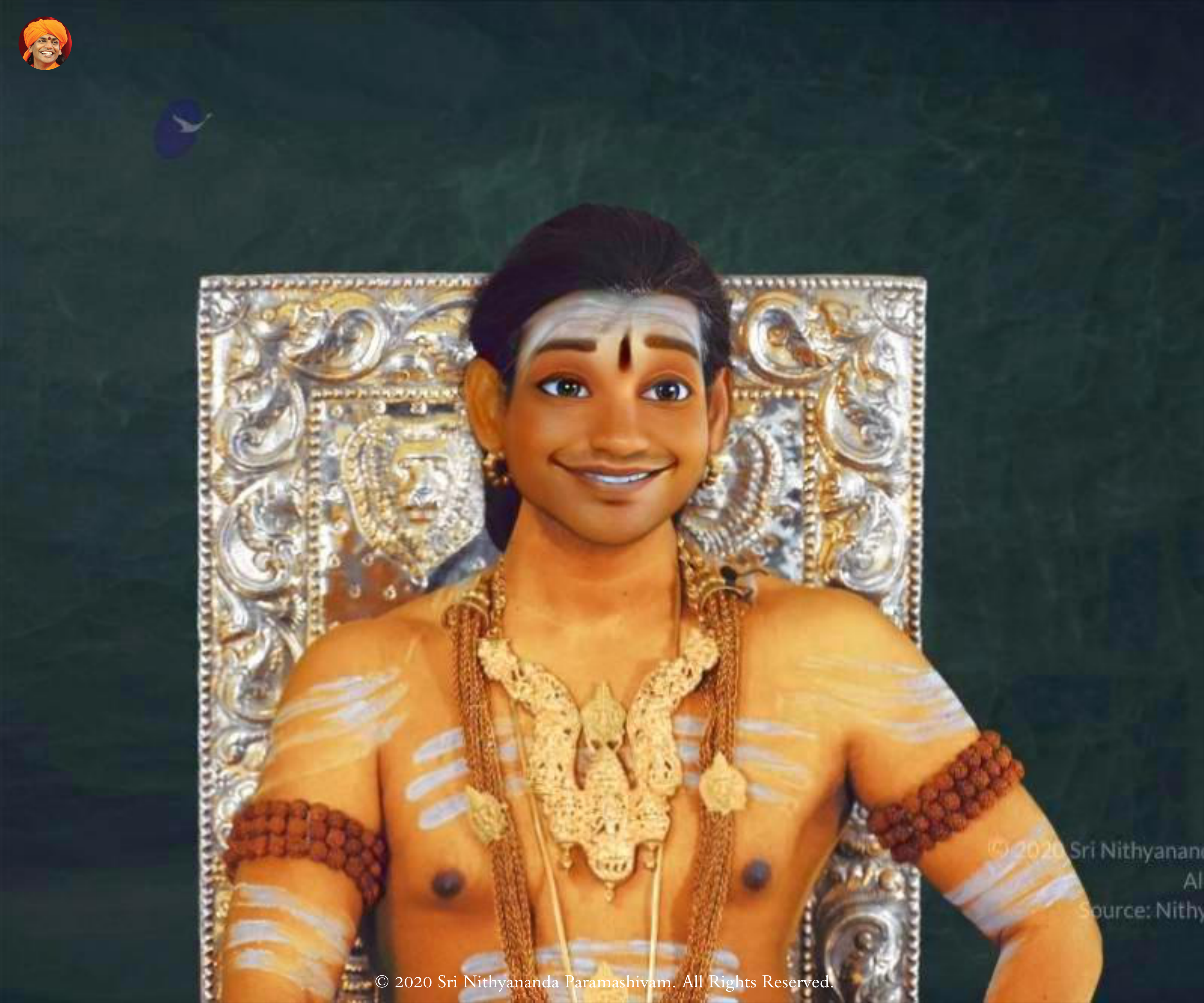
The armies assembled in the vast field of Kurukṣetra, now in the state of Haryana in modern day India. All the kings and princes were related to one another, and were often on opposite sides. Facing the Kaurava army and his friends, relatives and teachers, Arjuna was overcome by remorse and guilt, and wanted to walk away from the battle out of total powerlessness unbecoming an invincible warrior among warriors.
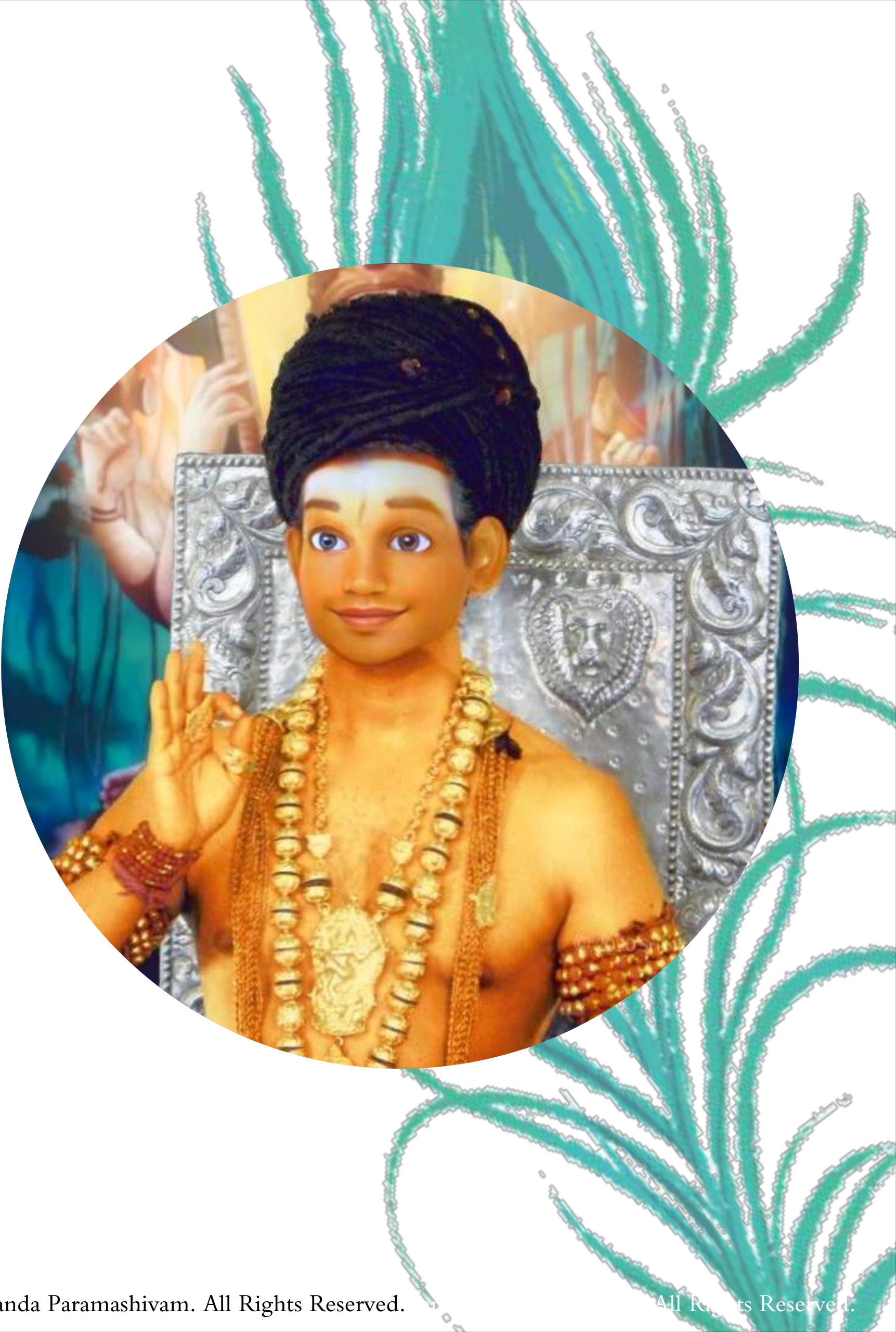
Śrī Kṛṣṇa's dialogue with Arjuna on the battlefield of Kurukṣetra out of His utmost concern and love for him and humanity is the content of Bhagavad Gītā. Of its seven hundred and forty-five (745) verses, Bhagavān Śrī Kṛṣṇa sings the Gītā in six hundred and twenty (620) verses responding to Arjuna's fifty-seven (57) enquiries.
Śrī Kṛṣṇa persuades Arjuna to give-up his powerlessness unfitting an Ārya—the spiritually evolved one who understands human life and urges him to raise himself again as Parantapa—the conqueror of enemy, and take up arms and vanquish his enemies. They are already dead,' says Śrī Kṛṣṇa, 'All those who are facing you have been already killed by Me. Go ahead and do what you have to do. That is your responsibility. Do not worry about the outcome. Leave that to Me.'

अथ प्रथमोऽध्यायः । अर्जुनविषादयोगः
Atha prathamo'dhyāyaḥ । Arjunaviṣāda Yogaḥ
धृतराष्ट्र उवाच ।
धर्मक्षेत्रे कुरुक्षेत्रे समवेता युयुत्सवः ।
मामकाः पाण्डवाश्चैव किमकुर्वत सञ्जय ॥ १-१॥
dhṛtarāṣṭra uvāca dharmakṣetre kurukṣetre samavetā yuyutsavaḥ māmakāḥ pāṇḍavāś caiva kim akurvata sañjaya Dhṛtarāṣṭra said: O Sañjaya, assembled on this righteous holy land of pilgrimage at Kurukṣetra, what did my sons and those of Pāṇḍu, eager and ready to fight, do?
POWERFUL COGNITION
Shift the battlefield onto the land of creation.


सञ्जय उवाच ।
दृष्ट्वा तु पाण्डवानीकं व्यूढं दुर्योधनस्तदा।
आचार्यमुपसङ्गम्य राजा वचनमब्रवीत्
॥ १-२॥
sañjaya uvāca dṛṣṭvā tu
pāṇḍavānīkaṃ vyūḍhaṃ
duryodhanas tadā ācāryam
upasaṅgamya rājā vacanam abravīt
Sañjaya said: O king, looking at the
Pāṇḍava army in full formation,
Duryodhana went to his teacher
and spoke
POWERFUL COGNITION
Whether you are blind or have physical eyes, you continue to see through your inner eyes.

पश्यैतां पाण्डुपुत्राणामाचार्य महतीं चमूम्।
व्यूढां द्रुपदपुत्रेण तव शिष्येण धीमता
॥ १-३ ॥
pasyai 'tāṃ pāṇḍuputrānām ācārya
mahatīṃ camūm vyūḍhām drupada
putreṇa tava śiṣyeṇa dhīmatā
O my teacher, behold the great
army of the sons of Pāṇḍu, arrayed
for battle by your intelligent
disciple, the son of Drupada
POWERFUL COGNITION
You actually have the power to simply manifest the reality of your choice!

INTRODUCTION
Mahābhārat beautifully says, ‘Let the fight be in kurukṣetra!’ In Saṃskṛit, kurukṣetra means space of creation. Kuru means doing. Let the fight be in the space of creation. The whole place of fight should not be with the lowest realm, but with the highest realm! So, you will always be in the middle. In the fight itself, you will always be in the middle, and in the end you will be at the peak.
Look into your life. Now all your fight is, ‘Will I lose this job or not?’ ‘What will happen if I fall sick, if I am alone?’ ‘What will happen if I become bankrupt?’ ‘What will happen if this happens, that happens?’ Then you console yourself, ‘All that will not happen! Don’t bother!’ This is the fight you always do! Shift from the zone of fight into positive creation.

Listen! You are fighting in the wrong zone of your life. For example, if you are all the time afraid of becoming bankrupt, decide, 'I am going to be a billionaire.' So, in your inner space the fight will be about — will you become a billionaire or not. You may have millions, but the fight will no more be of self-doubting thoughts of bankruptcy or not. Let the fight always be in kurukṣetra, the zone of creation, not in the zone of destruction. All your worrying, all your thinking, all your basic cognition is, 'Will I lose this job or not?' Even in your nightmare dreams, you will only be worried about, 'Will I lose this job or not?' No! Always let your fight be, 'Will I become CEO or not?' not 'Will I lose this job or not?'
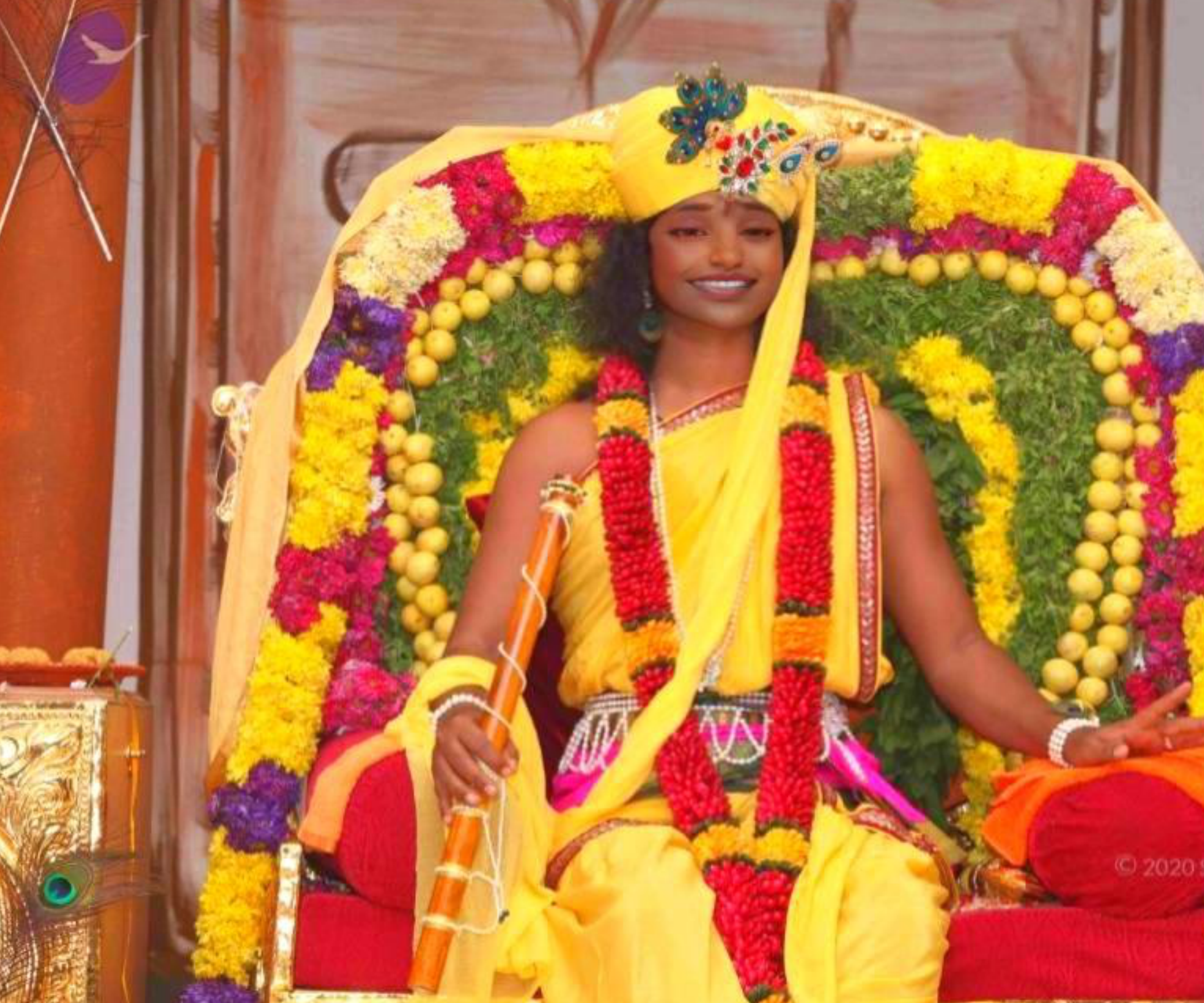

Shift the battlefield onto the land of creation! Let kurukṣetra be the battlefield — dharmakṣetre kurukṣetra. Please listen! The fight in your life, if it is in the field of creation, you are living in dharma. If it is in the field of failure, you are living in adharma. This is the meaning of this first śloka (verse) of the Gītā.
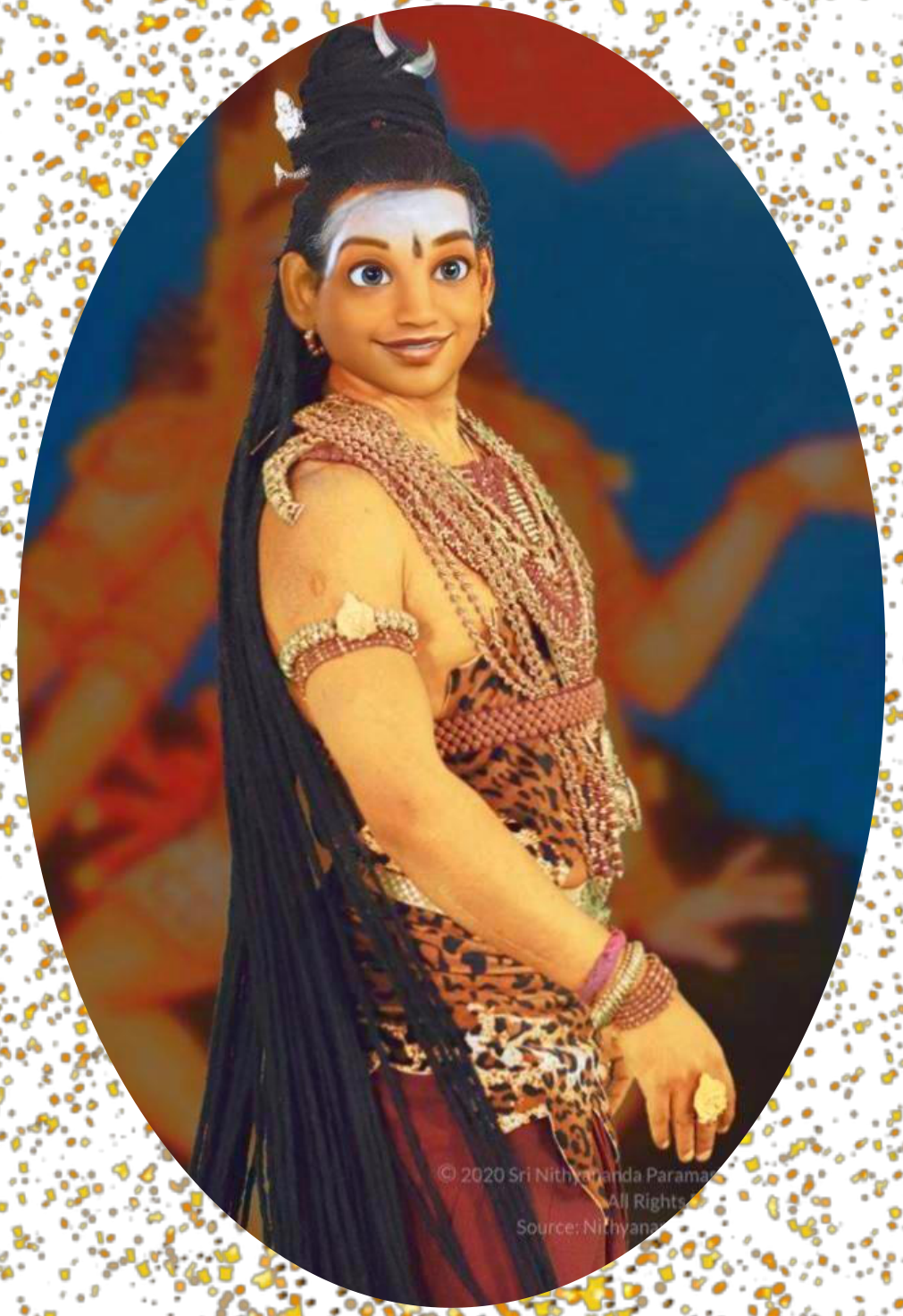
We can all be like Sañjaya, with our third eyes open instead of being blind like Dhṛtarāṣṭra. This is one of the messages of Gītā. Whether you are blind or have physical eyes, you continue to see through your inner eyes. Dhṛtarāṣṭra blinded by his self-doubts, saw only his sons, who represent his incomplete identity. Listen. The third eye is not just an eye; it is the very source of consciousness.
Third-eye is nothing but conscious-seeing. Consciously seeing our incompletions, our inner conflicts is the first step in opening the third eye, the energy center located between the eyebrows. Third eye can be awakened with right thinking.
Please listen! Your life is nothing but seeing. Seeing is your life. If you can see something through the eyes, you can experience it with your physical body. If you can see something with your mind, you can understand it with your mental body. If you can see something with your consciousness, you can control it, as the Lord of it. We are all blind in one sense or another, and Dhṛtarāṣṭra represents the majority of mankind in this aspect. Blindness in this case is not only the physical inability to see. It essentially represents the inability and the absence of desire to discriminate between right and wrong. It represents the non-integrity to separate completion from incompletion.
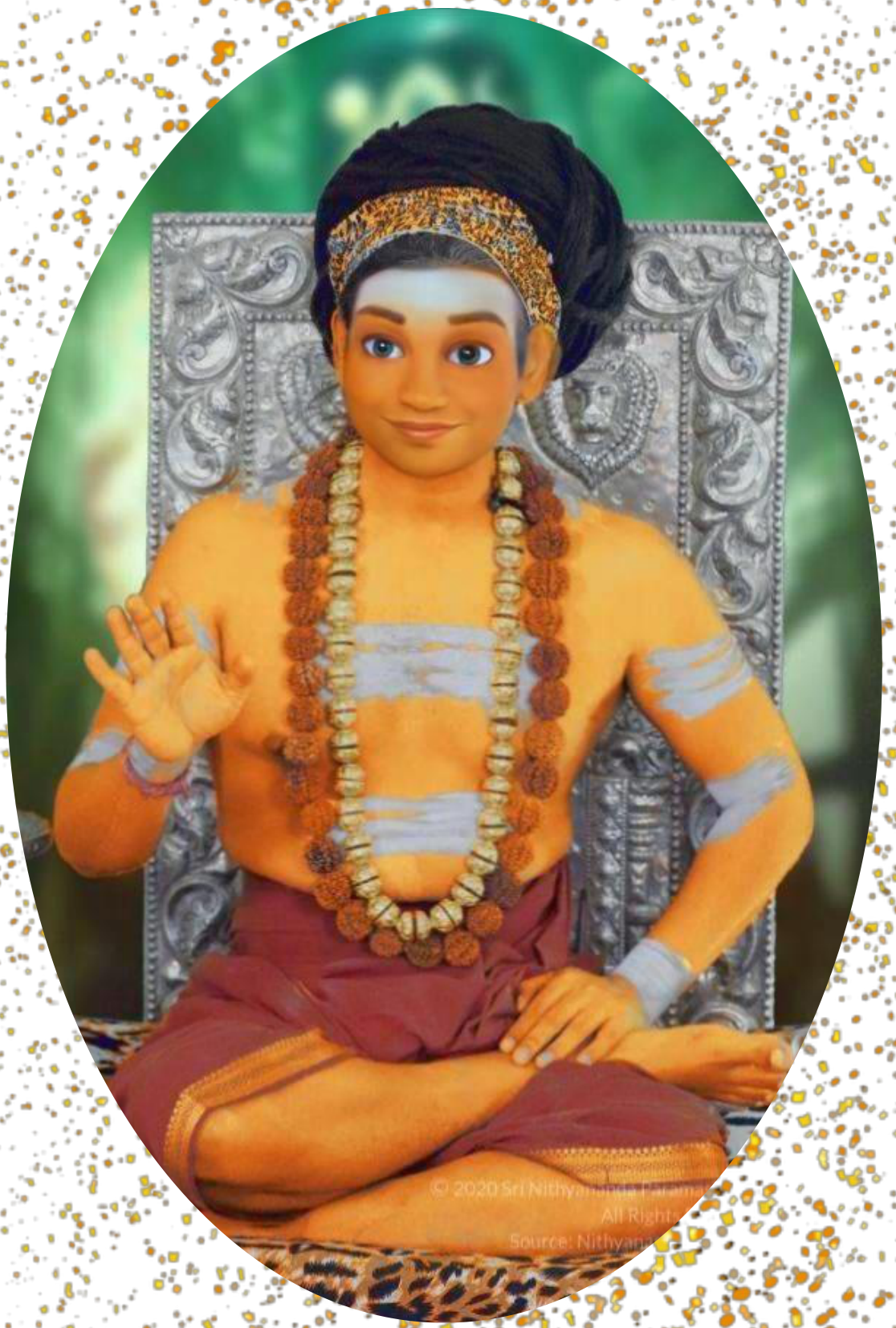
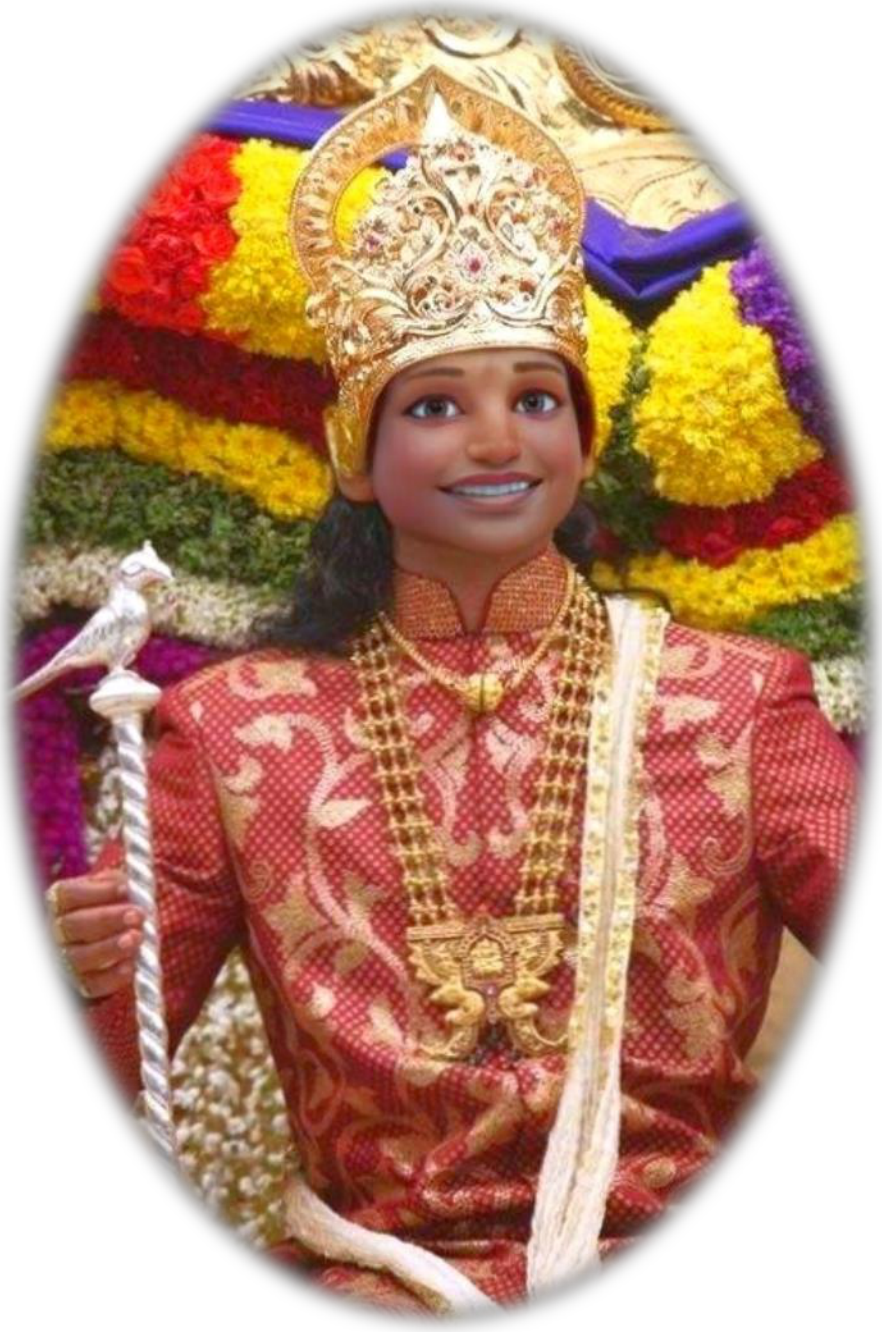
Let me define root thought pattern:
The first strong cognition you receive in your life, which influences you to continue to function based on the same cognition, is a root thought pattern! It is the pattern you develop when powerlessness takes you over for the first time in your life. Your pure cognition is imbalanced and your mind is born!
Let me define right thinking,
the thinking based on dharma:
Aligning all your thinking based on the cognition of the four principles—tattvas of integrity, authenticity, responsibility and enriching is right thinking.

INTEGRiTY (SAMPūRTi)
Is you fulfilling the word and thought you give to yourself and to others, and experiencing a state of ‘pūrnatva’ — completion with yourself and with life.
AUTHENTiCiTY (śRADDHA)
Is you being established in the peak of your capability, and responding to life from who you perceive yourself to be for yourself, who you project yourself to be for others, and, what others expect you to be for them.

RESPONSiBiLiTY (UPāYANAM)
Is living and responding to life from the truth that you are the source of, and therefore, you are responsible for all happenings in and around you.

ENRiCHiNG (āPYāYANAM)
is you taking responsibility with integrity and authenticity, that you are committed to continuously enriching, which is expanding yourself and life, in and around you.
These four spiritual principles awaken four great inner powers in you. Each tattva is the key to unlock a corresponding power in you. Now, I will reveal these four inner powers that manifest when Kṛṣṇa’s message is internalized and lived. Listen! You actually have the power to simply manifest the reality of your choice!
Please listen. We are not seeing what IS. We are only seeing what we want. We create what we want. When Duryodhana cognized, ‘It is there! I am seeing and I need to control it,’ he already lost the game! He was fighting a losing war! He was feeling powerless! He put all the blame on what IS, ‘It is there! What can I do?’
GOALS:
Helping the child understand
how right thinking brings
success in life.
ASSESSMENTS

1. How is life Mahabharat?
2. What is integrity?
3. What is authenticity?
4. What is responsibility?
5. What is enriching?
5. What is right thinking?
6. What is a root pattern?
7. What is blindness?
8. What happens when we blame someone else?
9. What does "we can all be like Sanjaya" mean?
ART OF THE DAY

ART OF THE DAY:
CREATE A BATTLEFIELD - COLLAGE
MATERIALS NEEDED:
- Paper
- Magazine pages with color
- Paint and paintbrush
- Glue
PROCEDURE
Tear some colors from the magazine pages, blues, greens oranges. Start at the top of the paper, sticking the light blue pieces down with glue. Then make the first layer of hills with the dark blues and purples. Make sure the make the hills go up and down. Then the dark greens, followed by the greens, with the lightest greens and oranges in the foreground. Use paint to add details such as trees.
Inference: Becoming aware of our inner conflicts can manifest the power of third eye, which unfolds the power of intuition within us and helps us make better decisions.

ART OF THE DAY:
CREATE A BATTLEFIELD - COLLAGE
MATERIALS NEEDED:
- Paper
- Magazine pages with color
- Paint and paintbrush
- Glue
PROCEDURE
Tear some colors from the magazine pages, blues, greens oranges. Start at the top of the paper, sticking the light blue pieces down with glue. Then make the first layer of hills with the dark blues and purples. Make sure the make the hills go up and down. Then the dark greens, followed by the greens, with the lightest greens and oranges in the foreground. Use paint to add details such as trees.
Inference: Becoming aware of our inner conflicts can manifest the power of third eye, which unfolds the power of intuition within us and helps us make better decisions.
ACTIVITY OF THE DAY

ACTIVITY OF THE DAY:
LEADING THE BLIND
Magic Bottle Trick Effect:
The magician asks for a volunteer from the audience who looks inside a bottle to make sure it's an empty container. The volunteer returns the bottle and then examines a magic wand to ensure it is normal. The magician drops the wand into the bottle (noting how easily it falls in). He/she turns bottle over and lets go of the wand. The wand magically remains suspended in the bottle.
Supplies:
- A magic wand (could use a pencil instead) that is taller than the bottle (when you drop the wand into the bottle, part of it should still be sticking up through the opening.
- A bottle that has an opening large enough to fit the wand in (but not too big). The bottle cannot be see-through. If you don't have a bottle that is dark, you can put some dark paint inside the bottle and shake it around so the inside is painted.
- An eraser: Cut a piece off the eraser, just large enough to wedge the wand into the opening of the bottle. The eraser is what makes the trick work!

WORKSHOP OF THE DAY
ACTIVITY OF THE DAY:
LEADING THE BLIND
Secret:
Pass the bottle to the volunteer and ask them to make sure it's empty. Take back the bottle and give your friend the wand. Meanwhile, slip the piece of eraser into the bottle without anyone seeing (you can have it in your pocket until this point). You'll need to practice this a few times. Take the wand back and drop it into the bottle. Pick up the wand and bottle and turn them VERY SLOWLY. upside down (mumble all sorts of enchantments while you're doing this). Pull on the wand slightly when the bottle is turning over so the piece of eraser gets wedged into the opening (you'll need to practice this a few times too). Let go of the wand... PRESTO! It doesn't fall out. Slowly turn upright again. Let go of everything and PRESTO the wand remains suspended in the bottle (it doesn't fall back down). To remove the wand, push it slightly to release the eraser and then take it out.
Inference: Blindness in this case is not only the physical inability to see. It essentially represents the inability and the absence of desire to discriminate between right and wrong. It represents the non- integrity to separate completion from incompletion.
WORKSHOP OF THE DAY:
VAAKYARTHA SADHAS
Materials needed:
Paper
Pencil or pen
Get the children to discuss instances when they operated from the space of creation in order to reach their goals. Let them write their 3 instances when they operated from the space of creation in order to reach their goals.
CONCLUSION:
Have the courage to follow the 4 tattvas, because they are the
seeds to achieve success.
© 2020 Sri Nithyananda Paramashivam. All Rights Reserved

अत्र शूरा महेष्वासा भीमार्जुनसमा युधि ।
युयुधानो विराटश्च द्रुपदश्च महारथः
॥ १-४॥
atra śūrā maheṣvāsā
bhīmārjunasamā yudhi
yuyudhāno virāṭaś ca drupadaś
ca mahā rathaḥ
Here in this army there are many
heroes wielding mighty bows, and
equal in military prowess to Bhīma
and Arjuna Yuyudhāna, Virāṭa, and
the great chariot warrior Drupada
POWERFUL COGNITION
If your ego does not support depression, even depression leads you to the right direction.

१३
धृष्टकेतुश्चेकितानः काशिराजश्च वीर्यवान् ।
पुरुजित्कुन्तिभोजश्च शैब्यश्च नरपुङ्गवः
॥ १-५ ॥
dhṛṣṭaketuś cekitānaḥ kāśīrājaś ca
vīryavān purujit kuntibhojaś ca
śaibyaś ca narapuṅgavaḥ
There are courageous warriors like
Dṛṣṭaketu, Cekitāna, the
courageous Kāśīrāja, Purujit,
Kuntibhoja and Śaibya, the best of
men
POWERFUL COGNITION
Shifting the battlefield itself is victory
1.6
युधामन्युश्च विक्रान्त उत्तमौजाश्च वीर्यवान् ।
सौभद्रो द्रौपदेयाश्च सर्व एव महारथाः
॥ १-६ ॥
yudhāmanyuś ca vikrānta uttamaujāś ca
vīryavān saubhadro draupadeyāś ca
sarva eva mahārathāḥ
There are the mighty Yudhāmanyu, the
brave Uttamauja, Abhimanyu, the son
of Subhadrā and the sons of Draupadī,
all of them great chariot warriors.
POWERFUL COGNITION
People who feel responsible become leaders.

अस्माकं तु विशिष्टा ये तान्निबोध द्विजोत्तम ।
नायका मम सैन्यस्य संज्ञार्थं तान्ब्रवीमि ते
॥ १-७॥
asmākam tu viśiṣṭā ye tān
nibodha dvijottama nāyakā
mama sainyasya saṃjñārthaṃ
tān bravīmi te
O best of the brāhmaṇas, let me
tell you, who are the powerful
warriors on our side—the generals
of my army; for your information, I
mention them
POWERFUL COGNITION
Taking responsibility is a power
INTRODUCTION
All wars between countries are nothing but triggering the collective root patterns of that society. Whether it is war at home, or war in the communities, or war between the countries, the root pattern is responsible. Incompletion at the level of a single individual piles up and becomes the incompletion at the level of society. Incompletion in the level of society piles up and becomes the incompletion in the level of large communities. Incompletion in the level of large communities piles up and becomes the incompletion in the level of the whole country. Incompletion in the level of countries leads to and causes wars. War is the result of incompletions. Whether it is war between you and you, or war between a country and country, it is the result of incompletions, which is there in a single human being. Kurukṣetra war is the ultimate war of the collective root patterns of humanity itself.

BEFORE THE WAR
Duryodhana was the crown prince, and for all practical purposes the king as well, since his father was both blind and powerless to stop him. Duryodhana saw the soldiers of the Pāṇḍava army arrayed in front of him. There were many ways he could have responded to the sight. As the person who single-handedly instigated this war, Duryodhana could have gloated, that surely he would vanquish his cousins. As a measure to reassure himself and his army, Duryodhana could have roared out in anger and in defiance. Yet, after seeing the army he chose to approach his teacher and mentor, Droṇa, one of the commanders of the Kaurava army, to seek his blessings. The move was to ensure that any blame for the outcome of the war would fall on Droṇa's shoulders; it was to hold him responsible more than to seek reassurance or blessings.

This is how most people act when they
go forward with a plan of action,
knowing fully well that it is wrong and
can lead to serious consequences. They
find something or someone else to
blame. Blaming somebody else will only
make you feel more and more
powerless, more and more incomplete.
Duryodhana understood well the modern management concept of delegation. Like many managers today, he delegated so that he could abdicate responsibility. It is very unfortunate that human beings are taught from the beginning to put the responsibility on others.
WHAT IS THE RESPONSiBiLiTY?
Responsibility means living and responding to life from the truth that you are the Source of, and therefore responsible for all happenings in and around you. Listen. There are only two types of human beings on planet Earth—those who feel responsible for everything and those who don’t feel responsible for anything. People who feel responsible become leaders. People who don’t feel responsible become slaves. There are some people who don’t feel responsible even for their actions. Duryodhana is one of them. He could not take responsibility for the situation as it was, since he was caught in his root patterns. He was not planning for success, he was only planning to hold others responsible, if he fails. All he could do was turn to his mentors and tell them they were responsible for ensuring his success.
GOALS:
Inspiring the student to become
a leader by making them realize
that taking responsibility is
powerful.
ASSESSMENTS
| 1. What are the two types of human beings on planet Earth? | 4. Why is Duryodhana's strategy a failure? |
| 2. Who is a slave? | 5. Do you experience discomfort when you are about to make a decision? |
| 3. Who becomes a leader? |

ART OF THE DAY

ART OF THE DAY:
FAMILY TIME!

MATERIALS NEEDED:
- Paper
- Pencil
- Eraser
- Sketch
- Pen
PROCEDURE Ask each child to draw a picture of their family.
Inference:
Authenticity has the power, the power to expand you and your possibilities of relating with anything and everything. Authenticity gives you the power to relate with anything and every-thing.

ACTIVITY OF THE DAY

ACTIVITY OF THE DAY:
HERO OF THE DAY
Procedure:
Tell a story where you are the hero because you decided to save the day
Inference:
This activity will help the
children realize that they have
been the hero because they
have taken some form of
responsibility to make things
better. Conclude by reiterating
the importance of taking
responsibility for everything
around us.

WORKSHOP OF THE DAY
WORKSHOP OF THE DAY:
VAAKYARTHA SADHAS
Materials needed:
Paper
Pencil or pen
Make two lists: One where you write what do you feel responsible for in your life and The other where you write what don't you feel responsible for in your life. Then, write a paragraph on how you feel when you take responsibility and how you feel when you don't and conclude which decision is more auspicious in life.
CONCLUSION:
Taking responsibility and becoming a leader is the best life strategy because it
makes you feel confident and powerful.

भवान्भीष्मश्च कर्णश्च कृपश्च समितिञ्जयः ।
अश्वत्थामा विकर्णश्च सौमदत्तिस्तथैव च
॥ १-८॥
bhavān bhīṣmaś ca karṇaś ca
kṛpaś ca samitiṃjayaḥ
aśvatthāmā vikarṇaś ca
saumadattis tathai 'va ca
Your goodself, Bhīṣma, Karṇa,
Kṛpa, who are ever victorious in
battle, an even so Aśvatthāma,
Vikarṇa and the son of Somadatta
POWERFUL COGNITION
Courage is the fragrance of authenticity.
अन्यॆ च बहवः शूरा मदर्थे त्यक्तजीविताः ।
नानाशस्त्रप्रहरणाः सर्वे युद्धविशारदाः
॥ १-९॥
anye ca bahavaḥ śūrā madarthe
tyakta jīvitāḥ nānā śastra praharaṇāḥ
sarve yuddha viśāradāḥ
Many other heroes there are who
are prepared to lay down their lives
for my sake; all are well-equipped
with different weapons, and well
experienced in warfare science
POWERFUL COGNITION
Bhīṣma is the embodiment of dharma, righteousness.
INTRODUCTION
Duryodhana then started praising the the great Kaurava warriors. Duryodhana is embodiment of self-denial. His whole life was filled with deep inner conflict and painful reactions as he was fully convinced that he is a failure, the feeling of 'I cannot make it!' So, constantly he has to prove his failures to himself by destroying others, never creating anything by himself. He had no sense of guilt going to war against his brothers, as he desperately wanted to keep the kingdom for himself and did not believe that he would be safe as long as the Pāṇḍava princes were alive. Listen. If you are suffering with greed, your root pattern will be fear. If you are suffering with insecurity, your root pattern will be worrying. Understand, once the patterns are formed they act in a completely different way so that we can never discover them. Duryodhana's inner identity, mamakāra was rooted in deep fear and insecurity born from self-denial. Self-denial was Duryodhana's root pattern. And his outer identity, ahaṁkāra, the image he projected to others, was greed to possess, which led to anger, hatred, violence, and ultimately his destruction. His problem was not one of doing right or wrong. His pattern was might is right. Whatever he did was right, according to him. He was not a man given to deep thinking.
INTRODUCTION
Duryodhana then started praising the the great Kaurava warriors. Duryodhana is embodiment of self-denial. His whole life was filled with deep inner conflict and painful reactions as he was fully convinced that he is a failure, the feeling of ‘I cannot make it!’ So, constantly he has to prove his failures to himself by destroying others, never creating anything by himself. He had no sense of guilt going to war against his brothers, as he desperately wanted to keep the kingdom for himself and did not believe that he would be safe as long as the Pāṇḍava princes were alive. Listen. If you are suffering with greed, your root pattern will be fear. If you are suffering with insecurity, your root pattern will be worrying. Understand, once the patterns are formed they act in a completely different way so that we can never discover them. Duryodhana’s inner identity, mamakāra was rooted in deep fear and insecurity born from self-denial. Self-denial was Duryodhana’s root pattern. And his outer identity, ahaṁkāra, the image he projected to others, was greed to possess, which led to anger, hatred, violence, and ultimately his destruction. His problem was not one of doing right or wrong. His pattern was might is right. Whatever he did was right, according to him. He was not a man given to deep thinking.

WHAT ARE INCOMPLETIONS?
All incompletions boil down to just two patterns — violence and fear. Both are one and the same. When fear comes, violence comes. When violence comes, fear comes.
Incompletions are nothing but not looking at the fact and trying to pervert it, interpret it, manipulate it. All your plans to manipulate and exploit is incompletion.

Duryodhana tried to pervert, manipulate, push and pull as he wanted to possess and conquer everything. But victory remains as victory wherever dharma is, wherever Kṛṣṇa is. However, Duryodhana had no trust in many of the great warriors who had taken his side. Please understand, all distrust, all doubting others is self-doubt. This is the rule of thumb. When you are in incompletion driven by your root pattern, you will never be able to trust anybody. You will go on doubting others and you.
All self-doubting is not having the right reason or adequate reasons. Duryodhana did not have right or adequate reasons for his action to wage the war. So, he constantly kept on doubting and distrusting others.

GOALS:
The child must be able to
identify with the sources of
inner conflicts and uncertainty
within them.
ASSESSMENTS
1. Name a few of the warriors who stood
on the side of the Kauravas.
2. Why did Duryodhana carry
incompletions about who is fighting
alongside him?
ART OF THE DAY

ART OF THE DAY:
DRAW A SCENE WHERE YOU FiND A
SOLUTiON TO COME OUT OF YOUR
iNCOMPLETiON.
MATERIALS NEEDED:
- Paper
- Sketch
- Pencil
PROCEDURE
First draw the cause of your incompletion and write a few words to describe how you feel. Then, draw the solution and write a few words to describe how you feel.
Inference:
It is possible to come out of your incompletions
© 2020 Sri Nithyananda Paramashivam. All Rights Reserved

ACTIVITY OF
THE DAY

ACTIVITY OF THE DAY:
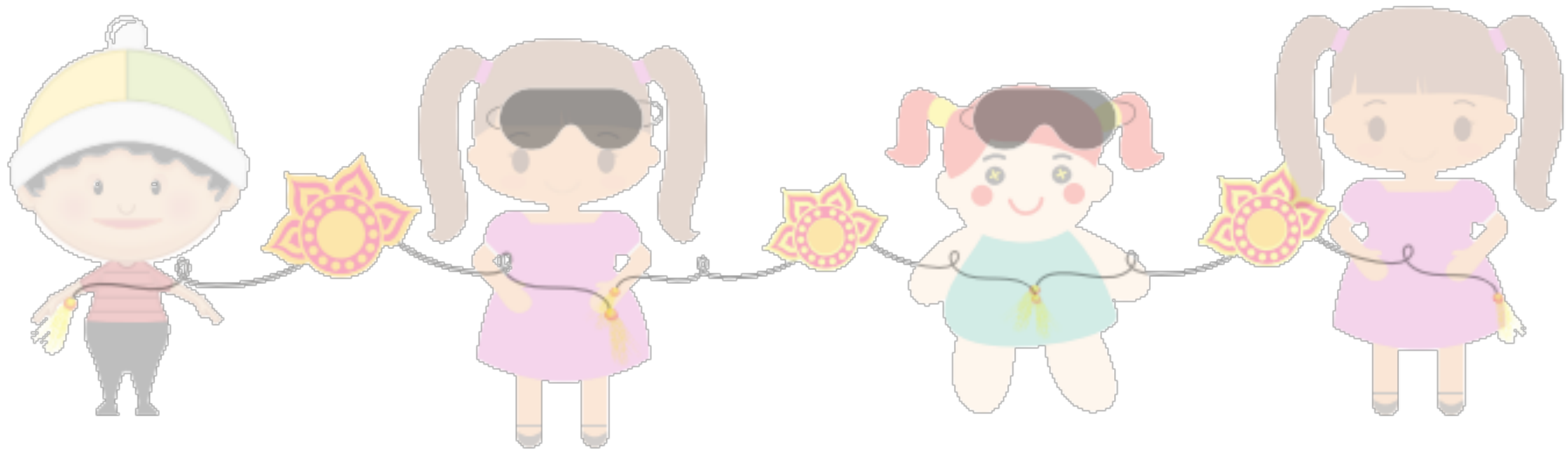
TUG OF WAR
Material Needed:
1. Rope
Procedure:
Explain the game of tug of war. A game
in which two teams pull against each
other at opposite ends of a rope with
the object of pulling the middle of the
rope over a mark on the ground.
Inference:
Explain how this relates to a
"tug of war" within us,
affecting our inner space and
emotions when we go about
life carrying many
incompletions.

WORKSHOP OF THE DAY
WORKSHOP OF THE DAY:
VAAKYARTHA SADHAS
Materials needed:
Paper
Pencil or pen
Procedure: Write a short essay where you describe 5 situations where incompletions came up between you and your family members and explain how fear and violence were at the root of it. Finally describe how you brought back the space of completion in each relationship.
INFERENCE:
“We can all be like Sanjaya with our third eye open instead of being blind like
Dhrtarastra.” One should be as Sanjaya, one should see the incompletions from the
source of consciousness instead of being blinded by self-doubt and being blinded by
identity like Dhrtarastra.
WORKSHOP OF THE DAY:
VAAKYARTHA SADHAS
CONCLUSION:
Duryodhana felt secure only when surrounded by his cronies. His strength and valor arose from the feeling of being supported by his clan and the army around him. On the positive side, Duryodhana was an extremely generous friend who gave his all for someone he trusted.

अपर्याप्तं तदस्माकं बलं भीष्माभिरक्षितम्।
पर्याप्तं त्विदमेतेषां बलं भीमाभिरक्षितम्
॥ १=१०॥
aparyāptaṁ tadasmākaṁ balaṁ
bhīṣmābhi rakṣitaṁ paryāptaṁ tvidam
eteṣāṁ balaṁ bhīmābhi rakṣitaṁ
The strength of army of ours, protected by Bhīṣma, is invincible whereas the strength of their army carefully protected by Bhīma is limited
POWERFUL COGNITION
Bhīṣma had the gift of icchā-mṛtyū, self-willed death. His dharma, his integrity and authenticity were the standard for his era.
अयनेषु च सर्वेषु यथाभागमवस्थिताः।
भीष्ममेवाभिरक्षन्तु भवन्तः सर्व एव हि
॥ १-११॥
ayaneṣu ca sarveṣu yathā bhāgam
avasthitāḥ bhīṣmam evā bhirakṣantu
bhavantaḥ sarva eva hi
Stationed in your respective
divisions on all fronts, all of you
must give full protection to Bhīṣma
POWERFUL COGNITION
Bhīṣma's conch was a celebratory signal, seeking victory

॥१२॥
तस्य सञ्जनयन्हर्षं कुरुवृद्धः पितामहः ।
सिंहनादं विनद्योच्चैः शङ्खं दध्मौ प्रतापवान्
॥ १-१२॥
tasya sañjanayan harṣaṁ kuru
vṛddhaḥ pitāmahaḥ siṁha
nādaṁ vinadyoccaiḥ śaṅkhaṁ
dadhmau pratāpavān
Then Bhīṣma, the mighty patriarch
of the Kuru dynasty, their glorious
grandfather, roared like a lion and
blew his conch, giving Duryodhana
joy
POWERFUL COGNITION
To relax and allow whatever happens to happen is the sure sign of an evolved spirit.
INTRODUCTION
Bhisma was highly respected for his valor and sagacity. It is one of the greatest ironies of Mahabharata that wise men like Bhisma and Drona chose to be on Duryodhana's side, knowing fully well that whatever path Duryodhana was following was morally incorrect.
In the highest spiritual sense there is no right or wrong morally. Everything is neutral. Bhisma and Drona were highly learned in the scriptural truths. Moreover, they were fully aware that Krsna was a divine incarnation. The very fact that Krsna sided with the Pandavas was a clear indication to them how the war would unfold. They had no fears about their own deaths; and more importantly, they had no guilt about what they had embarked upon.

Men like Bhisma, Drona and Krpacarya trusted their awareness. Duryodhana was their prince and they were committed to him. They were certain that Duryodhana would perish and they would too, along with him. To these great warriors, dying on the battlefield was the duty of a ksatriya, a warrior. What was more important to them was that they were rooted in the awareness of the present moment, carrying out their duty. Their awareness transcended the moral rights and wrongs established by society and religion. They disapproved of Duryodhana's insult of the Pandava princes and Draupadi in the court but did not protest. They disapproved of Duryodhana's instigation of this war and yet took his side, knowing fully well that what lay ahead was destruction. This was not foolishness or resignation.

This was surrender to the inevitable, to the Divine.
These great masters allowed nature to take its own course and allowed themselves to be swept along with the tide. To relax and allow whatever happens to happen is the sure sign of an evolved spirit. Ordinary human beings have the freedom to think, choose, and act. As a result, they think they are in control of their destinies. In one sense they are; they make their decisions and act upon them. But it is their unconscious samskaras, the memories, value systems, and beliefs that drive them into and through all these decisions.

GOALS:
The child should
understand that there
are two ways to live life,
one is through
acceptance and the flow
of nature and the other
is that of resistance,
which brings suffering.
ASSESSMENTS
1. Which dynasty did Bhisma belong to?
2. Which side did Krsna stand by?
3. In the Kauravas side, instructions were
given to ensure protection of whom?

ART OF THE DAY
ART OF THE DAY:
CREATE HAPPY ART
MATERIALS NEEDED:
- Balloon
- Ball
- Cubby
- Cloth bits
PROCEDURE
Using balloons they can form a design like Happy New Year or Happy face or any other structure. They can create any maximization of art by choosing from the materials available.
Inference:
Connect them to the fact that there are only two ways of relating with the world , if you do not feel responsible you react, if you feel you are responsible you respond.
ACTIVITY OF
THE DAY

ACTIVITY OF THE DAY:
BLOW IT UP!
Material Needed: 1 Feather per Child
Procedure:
Give each child a feather and ask them
to blow it up in the air, try to keep it
up.
Inference:
A feather floats on
the wind and goes
with the flow of
things; it is open
and accepts life as
it comes. Great
masters allow
themselves to be
swept along with
the tide.
WORKSHOP
OF THE DAY
WORKSHOP OF THE DAY:
SAMSKARA DAHANA KRIYA
Materials needed:
Paper
Pencil or pen
Procedure: Samsara Dahana Kriya is the way for perpetual completion. Samskara Dahana Kriya will liberate you from the painful experiences of the past. If something or somebody can save you from bringing your past into your future, it is only Samskara Dahana Kriya. Everyone doing SDK should take an oath not to exploit others who share the details about their past with them during SDK.



WORKSHOP OF THE DAY:
SAMSKARA DAHANA KRIYA
THERE ARE 5 STEPS IN SAMSKARA DAHANA KRIYA:
1.Sit and pen down all your pain patterns.
2.Sit and visualize and then relive them in your inner space and relieve them from your lives. Do this at least 5 times or till you stop seeing the effect of those past thoughts on your life.
3.Then relive them using the mirror and relieve those thoughts using the mirror where you are just a mere spectator and the past is like a movie running in the mirror.
4.Then sit with 5 other people individually and go on sharing with them. These five people can be your father, mother, sibling and friends.
5.Listen to the completion stories of at least five other people. Teaching Samaskara Dahana Kriya, making people do Samskara Dahana Kriya is the most powerful way of spreading global peace.

Procedure:
Encourage the children to do the SDK. Ask them to talk about and write down the incidents in their lives when they felt guilty. They can write as many incidents as they can. Now ask them to follow steps 2, 3, 4 & 5 of SDK.
INFERENCE:
When you expand and feel responsibility, a certain grace happens to your being, you enrich people around you and yourself. Responsibility makes away the pseudo concepts of tiredness, boredom, escaping feeling, guilt from you. No revolution can change the world only evolution can change the world. Be responsible for yourself and others and come out of the guilty feeling.

Note:
Those children who cannot write can draw the incidents or an adult can help them to pen down the incidents
CONCLUSION:
If we learn to flow with Nature like the reeds in a river, we will always do the right thing. We suffer when we resist Nature. There are two ways to live life. One is to accept the world and life as it is, what in Sanskrit is termed srsti drsti. The other way is to try to make circumstances evolve according to our viewpoint, called drsti srsti. The first attitude, one of acceptance, brings happiness; the second, one of resistance, brings suffering. Resistance is an exercise doomed to encounter failure. In our lives we cannot change the attitude of our neighbor, we can transform ourselves, that's all. If we do that, it is enough!

ततः शङ्खाश्च भेर्यश्च पणवानकगोमुखाः ।
सहसैवाभ्यहन्यन्त स शब्दस्तुमुलोऽभवत्
॥ १-१३॥
tataḥśaṅkhāś ca bheryaś ca paṇavānaka
gomukhāḥ sahasaivābhyahanyanta sa
śabdas tumulo 'bhavat
Then, conches, bugles, trumpets, drums
and horns were all suddenly sounded,
and the combined sound was
tumultuous
POWERFUL COGNITION
From time immemorial, Hindu scriptures have referred to the use of From time immemorial, Hindu scriptures have referred to the use of conches during ritualistic, devotional, celebratory ocassions . In General a Conch is blown to signify obeisance to the Divine blown to signify obeisance to the Divine
ततः श्वेतैर्हयैर्युक्ते महति स्यन्दने स्थितौ ।
माधवः पाण्डवश्चैव दिव्यौ शङ्खौ प्रदध्मतुः
॥ १४॥
tataḥ śvetair hayair yukte mahati
syandane sthitau mādhavaḥ pāṇḍavaś
caiva divyau śaṅkhau pradadhmatuḥ
Then, seated on a magnificent chariot
drawn by white horses, both Mādhava
(Kṛṣṇa) and Arjuna sounded their
divine conches
POWERFUL COGNITION
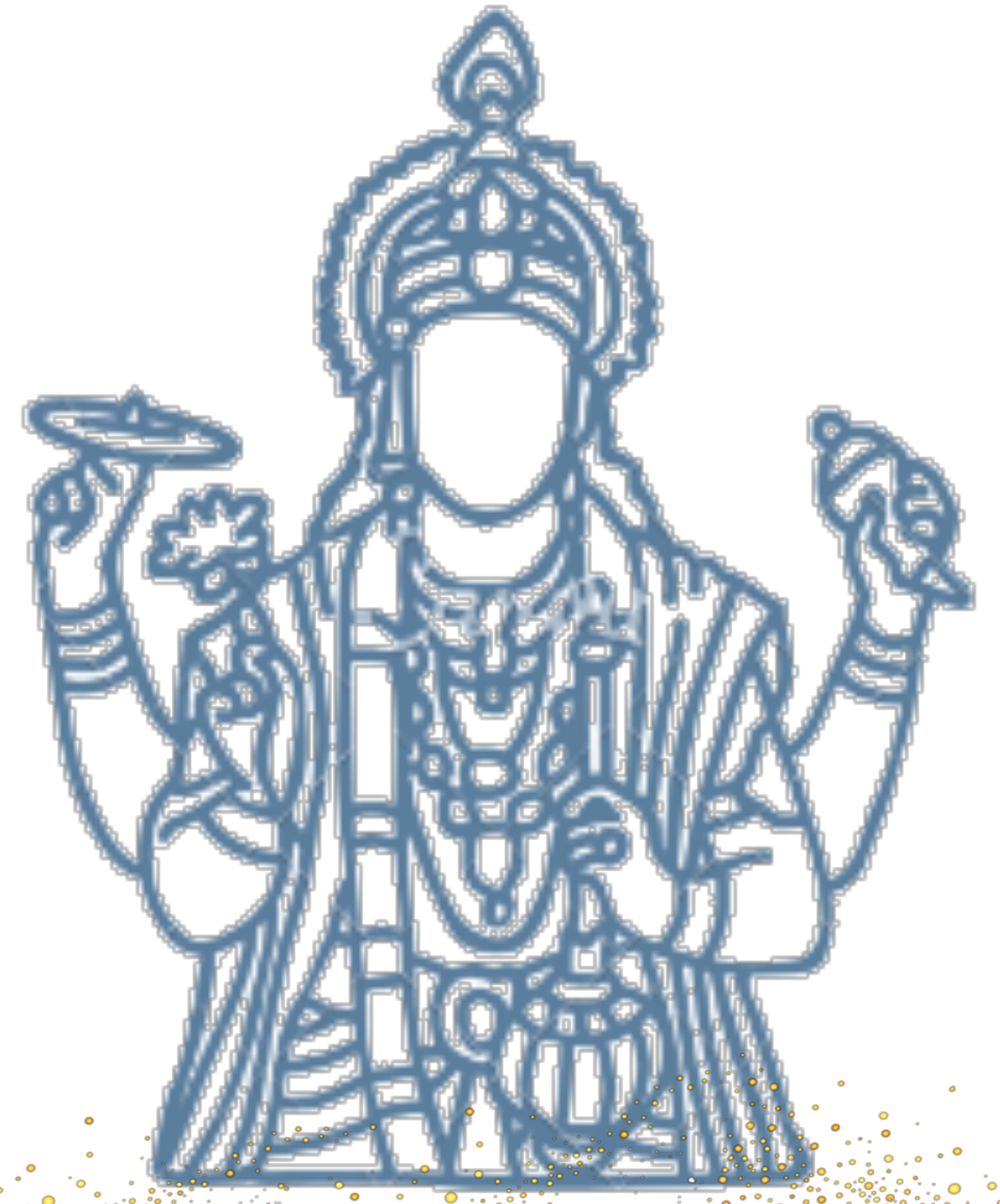
Kṛṣṇa sounded His Pañcajanya, the conch of Viṣṇu, which drowned out all other Kṛṣṇa sounded His Pañcajanya, the conch of Viṣṇu, which drowned out all other sounds. It was the victorious announcement for all that the Divine was already sounds. It was the victorious announcement for all that the Divine was already present with the Pāṇḍava army
पाञ्चजन्यं हृषीकेशो देवदत्तं धनञ्जयः।
पौण्ड्रं दध्मौ महाशङ्खं भीमकर्मा वृकोदरः
॥१-१५॥
pāñcajanyaṁ hṛṣīkeśo devadattaṁ
dhanañjayaḥ pauṇḍraṁ dadhmau
mahā śaṅkhaṁ bhīma karmā
vṛkodaraḥ
Then, Hṛṣikeśa (Kṛṣṇa) blew His conch, called Pāñcajanya; Dhanañjaya (Arjuna) blew his conch, called Devadatta; and Bhīma blew his mighty conch called Pauṇḍra
POWERFUL COGNITION
The cosmic vibration of Kṛṣṇa's Pañcajanya conch was a declaration of His responsibility for everything in and around Him, an acceptance of the fact that responsibility for everything in and around Him, an acceptance of the fact that whatever was thrown at the Pāṇḍava army was being accepted by Him, Divinity whatever was thrown at the Pāṇḍava army was being accepted by Him, Divinity Incarnate.
अनन्तविजयं राजा कुन्तीपुत्रो युधिष्ठिरः ।
नकुलः सहदेवश्च सुघोषमणिपुष्पकौ
॥ १=१६॥
anantavijayaṃ rājā kuntī putro
yudhiṣṭhiraḥ nakulaḥ sahadevaś ca
sughoṣa maṇipuṣpakau
King Yudhisṭra, the son of Kuntī,
blew his conch, the Anantavijaya,
and Nakula and Sahadeva blew theirs
known as Sughośa and Maṇipuṣpaka
POWERFUL COGNITION
All that happens is a creation of Krsna.
काश्यश्च परमेष्वासः शिखण्डी च महारथः ।
धृष्टद्युम्नो विराटश्च सात्यकिश्चापराजितः
॥ १-१७॥
kāśyaś ca parameṣvāsaḥ śikhaṇḍī ca
mahā rathaḥ dhṛṣṭadyumno virāṭaś ca
sātyakiś cāparājitaḥ
The excellent archer, the king of Kāśī,
the great chariot-fighter Śikhaṇḍī,
Dhṛṣṭadyumna, Virāṭa and the
invincible Sātyaki
POWERFUL COGNITION
Celebration of impending victory.
द्रुपदो द्रौपदेयाश्च सर्वशः पृथिवीपते ।
सौभद्रश्च महाबाहुः शङ्खान्दध्मुः पृथक्पृथक्
॥ १-१८॥
drupado draupadeyāś ca sarvaśaḥ
pṛthivī pate saubhadraś ca
mahābāhuḥ śaṅkhān dadhmuḥ
pṛthak-pṛthak
Drupada, the sons of Draupadī ,
and the mighty-armed
Abhimanyu, son of Subhadrā, all
of them, O king, blew their own
conches.
POWERFUL COGNITION
Kṛṣṇa leads.
INTRODUCTION
Each of the great warriors in the Mahabharata War had his own, personal conch. Most of the great warriors also had their own flags that flew on their chariots, and their weapons, especially their bows, had great spiritual significance. Arjuna's presence in any part of the battlefield would be known by the sound of his conch and the twang of his bow! When Bhisma blew his conch in support of Duryodhana, the response was tumultuous on both sides. Every warrior on the battlefield took out his conch and blew his signature note. Of all the sounds that emanated at that moment, a few were heard above the rest. Krsna sounded his Pancajanya, which drowned all other sounds on the battlefield. It was an announcement that the Divine was already present with the Pandava army.
Vyasa, through Sanjaya, says that Krsna sounded His divine conch. This is significant since Vyasa attributes divinity only to Krsna's conch, not to anyone else's. In this context, it signifies that whoever Krsna sides with would be invincible.
Krsna is then referred to as Hrsikesa, controller of the senses, the superconscious, who has created the maya, the illusion that is this great war of Mahabharata. Vyasa implies that all that happens is a creation of Krsna. For what purpose? The Divine truly has no purpose. The Divine IS, that's all. Krsna was Arjuna's charioteer. Bhima blew his conch Paundra, a fearsome sound that invoked dread amongst the Kaurava army

The other three Pandava princes, Yudhistra, Nakula and Sahadeva and then the great warriors, Drupada, Virata, Satyaki, Sikhandi, Drstadyumna, Abhimanyu and others followed Bhima's conch, all blowing their conches in celebration of their impending victory.

GOALS:
To cognize the scene of the war
as it is about to start, the
tumultuous energy that comes
before war, and to help them
understand the significance of
each conch being sounded.
ASSESSMENTS
- What was the name of Krsna's conch or sankha?
- Who did Krsna enter the war with and what was his position on the battlefield?
- How could Arjuna be recognized in battle?
- Who is the eldest of the Pandava princes?
- Who was referred to as Hrsikesa and what does this name mean?
ART OF
THE DAY
ART OF THE DAY:
COLORING THE MULADARA CHAKRA PICTURE.
MATERIALS NEEDED:
- Picture of the Muladara Chakra.
- Crayons or color pencils
PROCEDURE
Give each child the muladara chakra coloring picture and ask them to color it.
Inference:
When you have integrity in your muladara you will have visualization capacity. You will not just have verbalization. Visualization capacity contributes to manifesting your reality.
© 2020 Sri Nithyananda Paramashivam. All Rights Reserved
ACTIVITY OF THE DAY

ACTIVITY OF THE DAY:
GUESSING GAME - WORD GAME
Material Needed:
1. Four pieces of paper with one word
written on each then folded over.
The words are integrity;
auspicious; energy; fantasy.
Procedure:
Pick a partner or work as a group. Take
turns. One person draws the word and
the other has to figure out what the
word is from the drawing: The teacher
can do the drawing and students can
guess, or the students can each pick a
word and the other child can guess.
Inference:
When you have integrity in
your Muladhara chakra, you
will have visualization
capacity. You will not just
have verbalization. If you
have visualization, then
picking up verbalization is
very easy. Conclude the
activity by reviewing the
important concepts of the
words Integrity, Auspicious,
Energy, Fantasy, and how it
affects manifesting your
reality.
WORKSHOP OF THE DAY
WORKSHOP OF THE DAY:
VAAKYARTHA SADHAS
Explaination:
Debate which leads you to integrity first - visualization or verbalization.
INFERENCE:
The truth is Verbalization should lead to visualization.
CONCLUSION:
It is significant that as Commander-in-Chief, Bhisma's conch sound was responded to by Krsna and not by anyone else. Krsna's was a response to the challenge issued by Bhisma. It was an acceptance of the fact that whatever was thrown at the Pandava army was being directly accepted by Him, Divinity Incarnate. Krsna, as the superconscious guide of the Pandava princes, absolves them of any guilt or wrongdoing by taking upon Himself the responsibility for whatever is to happen. The rest of the Pandava army, including Arjuna, follows His lead by blowing their conches. The Divine truly has no purpose. The Divine IS.
1.19
स घोषो धार्तराष्ट्राणां हृदयानि व्यदारयत् ।
नभश्च पृथिवीं चैव तुमुलोऽभ्यनुनादयन्
॥ १-१९॥
sa ghoṣo dhārtarāṣṭrāṇāṃ
hṛdayāni vyadārayat nabhaś ca
pṛthivīṃ caiva tumulo
vyanunādayan
The terrible sound echoing through the
sky and the earth rent the hearts of the
sons of Dhṛtarāṣṭra
POWERFUL COGNITION
Blowing of the conches created vibrations in the sky and upon the earth. The conches were filled with great spiritual power and divine presence. They were in fact mantra or sacred sounds, which created powerful vibrations affecting the environment.

अथ व्यवस्थितान्दृष्ट्वा धार्तराष्ट्रान् कपिध्वजः ।
प्रवृत्ते शस्त्रसम्पाते धनुरुद्यम्य पाण्डवः ।
हृषीकेशं तदा वाक्यमिदमाह महीपते
॥ १-२०॥
atha vyavasthitān dṛṣṭvā dhārtarāṣṭrān
kapidhvajaḥ pravṛtte śastrasaṁpāte
dhanurudyamya pāṇḍavaḥ hṛṣīkeśaṁ
tadā vākyam idam āha mahīpate
Seeing the sons of Dhṛtarāṣṭra arrayed
in the battlefield, Arjuna, the son of
Pāṇḍu, who was seated in his chariot,
bearing the flag marked with
Hanumān, took up his bow
POWERFUL COGNITION
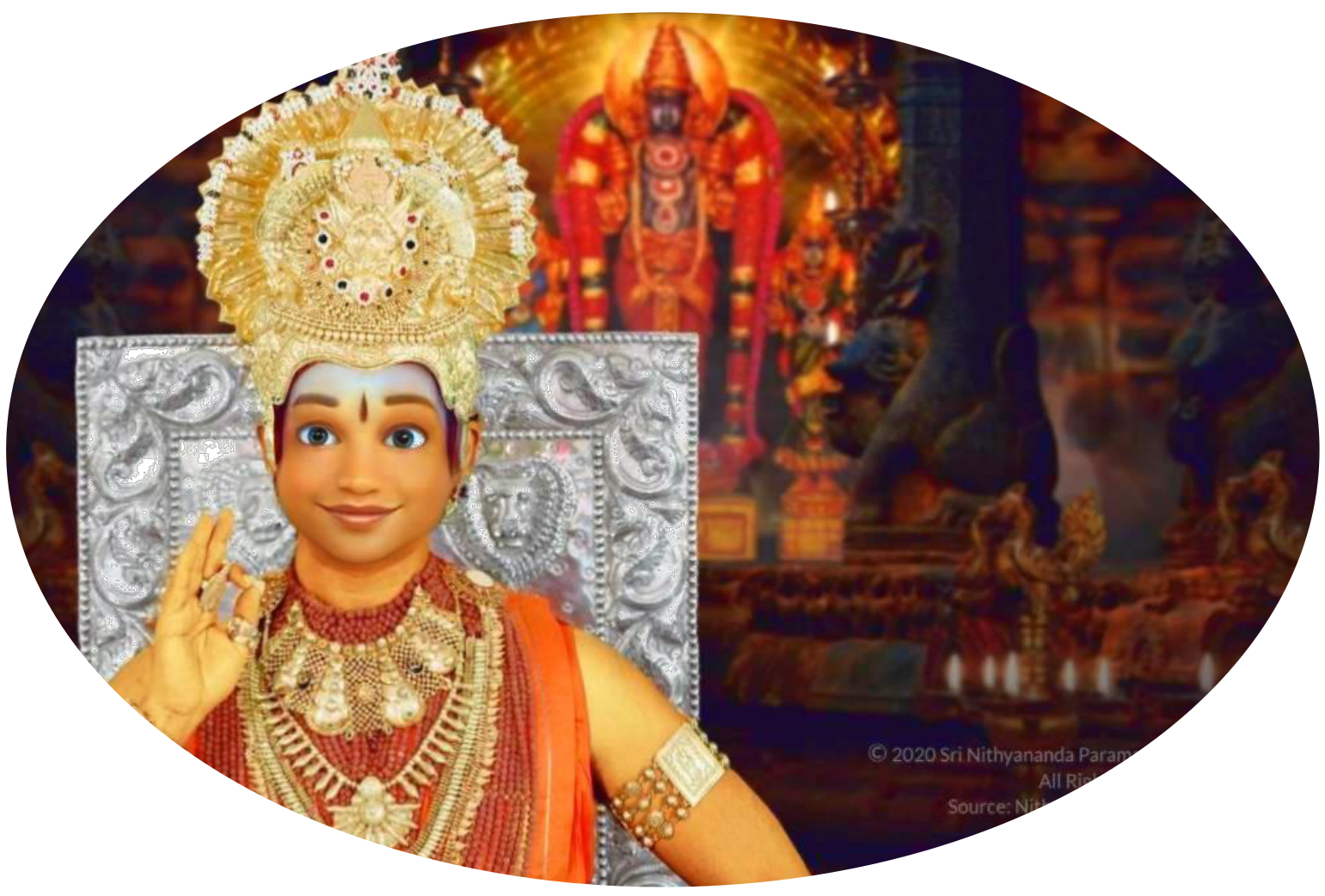
Arjuna is not the mere hero of Mahābhārat in this Gītā scripture. He is the embodiment of all humanity.
1.21
अर्जुन उवाच ।
सेनयोरुभयोर्मध्ये रथं स्थापय मेऽच्युत ।
यावदेतान्निर्रीक्षेऽहं योद्धुकामानवस्थितान्
॥ १-२१॥
arjuna uvāca senayor ubhayor
madhye rathaṃ sthāpaya me
'cyuta yāvad etān nirīkṣe 'haṃ
yoddhu kāmān avasthitān
Arjuna said: O Acyuta (Infallible One), please place my chariot between the two armies while I may observe these warriors arrayed for battle
POWERFUL COGNITION
Arjuna, embodiment of all humanity. He is Nara, the human aspect of Nārāyaṇa, Lord Viṣṇu, who in turn is Kṛṣṇa. Kṛṣṇa and Arjuna, as Nārāyaṇa and Nara, as the Divine and human, is the theme that runs throughout Bhagavad Gītā
कैर्र्मया सह योद्धव्यमस्मिन् रणसमुद्यमे
॥ १-२२॥
kair mayā saha yoddhavyam asmin raṇasamudyame
Arjuna said with whom I have to engage in fight
POWERFUL COGNITION
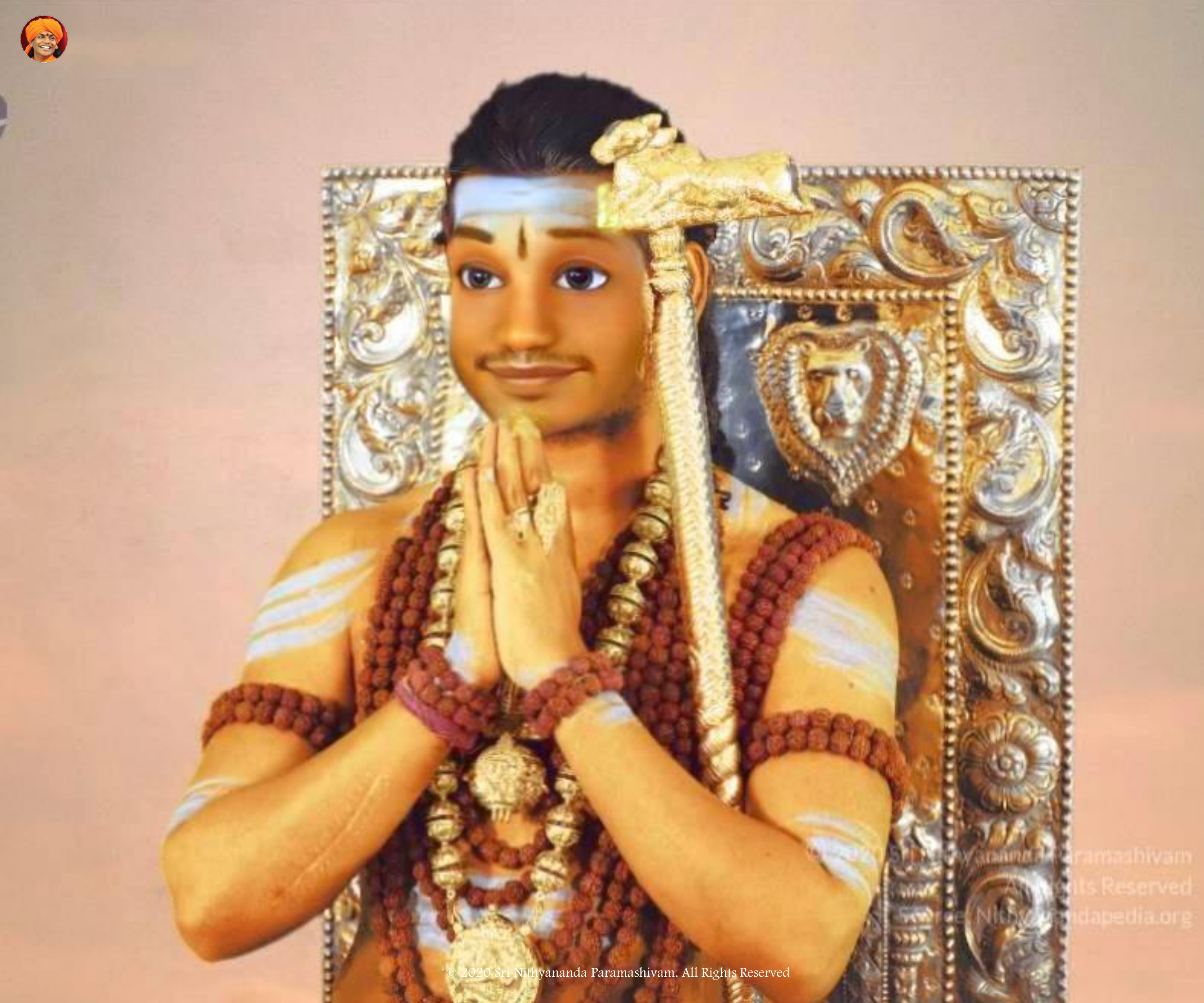
Arjuna already knew whom he was fighting. It was as if he was hoping that at the last minute something would occur to change the course of events. If that were to happen, he knew that it could only take place through the grace of his charioteer, friend and guide, Mādhava.
INTRODUCTION
When Bhisma sounded his conch, it invited in return the resounding response of the conches of the Pandava warriors. There is no mention by Sanjaya that Bhisma's conch or the accompanying sounds of drums and trumpets from the Kaurava army caused any concern amongst the Pandava army. But with the roar of the conches of the Pandava warriors, Sanjaya says that the hearts of the sons of Dhrtarastra were shattered.
He says that the blowing of the conches created vibrations in the sky and upon the earth. The conches of the Pandava princes and the great warriors were imbued with divine presence. The sound was filled with great spiritual power when activated by their owners. They created powerful vibrations affecting the environment.
The conches that the Pandava warriors used were clearly successful in destroying the fantasies that the Kaurava princes nurtured in their minds. The purpose of sounding conches was to set the stage for the battle and to define its boundaries. The Pandava princes and warriors had the comfort of knowing that they were doing what was right, both in their own hearts and in the eyes of God, since they had the support of Krsna Himself.
The Kaurava princes were afraid. All that motivated them was greed and envy. They did not have a divine purpose guiding and motivating them. Sanjaya was able to see far beyond the superficial responses of individuals on the battlefield. He was able to fathom the subconscious and unravel the deep emotions and responses of the warriors.
Whatever may have been the perceived reaction of the Kaurava army to the response from the Pandava warriors, Sanjaya concludes that the Kaurava princes were demoralized. The armies went face-to- face. They were in military formation. The warriors on both sides were waiting for their commanders to signal the first move in the offense.

Arjuna was at the forefront of the Pandava army. He blew his conch, Devadatta, at the same time as Krsna. Arjuna had taken up his divine bow Gandiva, and fixed the arrow to it. However, instead of releasing the arrow, Arjuna looked at the Kaurava army in front of him, with all the Kaurava princes, his relatives and teachers. He then addressed Krsna, his friend, mentor, divine guide and charioteer. For the first time in this scripture, Arjuna speaks. Arjuna is not the mere hero of Mahabharata in this Gita scripture. He is the embodiment of all humanity. He is Nara, the human aspect of Narayana, Lord Visnu, who in turn is Krsna. 'Infallible One,' said Arjuna to his friend and mentor, 'Please take me to a vantage point between the two armies so that I can see for myself whom I am fighting with. Who has taken up arms to fight and who are those I must be prepared to fight against. Krsna, please show me,' he says. 'Show me whom I must vanquish.'
Arjuna already knew each one
who was on that battlefield at
Kuruksetra. He had no confusion
about whom he was fighting and
whom he had to face. It made no
sense at all for Arjuna to ask
Krsna at this last minute to show
him clearly whom he was
fighting against. It was as if he
was hoping that at the last
minute something would occur
to change the course of events. If
that were to happen, he knew
that it could only take place
through the grace of his
charioteer, friend, and guide. It is
as if Arjuna was making a
desperate plea to Krsna, 'Please
show me something that I do not
know. Show me something that
You alone know, Oh Infallible
Divine. Take me there, where
You will, and show me.
GOALS:
To help the child understand
that when you are doing
something which you truly
know is right, even the Gods
will stand beside you and offer
you support, even in moment of
indecisiveness.
ASSESSMENTS
- What effect was created upon the blowing of the Pandava conches?
- Who was Krsna to Arjuna?
- In what way was Arjuna described as embodying Lord Visnu?
- What is the purpose of sounding conches before a war?
- Why were the Pandavas confident in the beginning of the war?
- Have you ever felt as if you were faced with a situation where there was a battle of your emotions in doing what you think is right?

ART OF THE DAY

ART OF THE DAY:
DRAW THE OTHER HALF OF A PICTURE
AND COLOR iT
MATERIALS NEEDED:
- Paper
- Pencils
- Paint or color pencils
- Brush
PROCEDURE
Give each child a half drawn picture and ask them to complete the picture and color it. Ask them whether they prefer the incomplete, half drawn, picture or the complete, fully drawn picture. "Which one is nicer or feels better?"
Inference:
Only if you complete with you, will you be able to even be in the space of restful awareness. When you do not complete with you, you are carrying the incomplete part of you in you. Completion brings restful awareness to you.

ACTIVITY OF THE DAY
ACTIVITY OF THE DAY:
KID'S CHOICE
Inference:
With integrity one can
perform their best
because they know
success comes naturally.
Integrity brings you to a
space of completion.
Procedure:
Ask them to choose an activity that
they are the best at and do it. For
example, if the child is very good at
drawing then he can draw or if a child
is good at solving puzzles he can do
that.

WORKSHOP
OF
THE DAY
© 2020 Sri Nithyananda Paramashivam. All Rights Reserved
WORKSHOP OF THE DAY:
VAAKYARTHA SADHAS
Procedure:
What are the best things about you and when do you feel positive? What are the best things about others and which of these do you feel are the same about you? Now do the same for the negative side: What are the worst things about you and what makes you feel negative? What are the worst things about others and which of these do you feel are the same about you?
INFERENCE:
Restful awareness is your basic right and it is possible with self completion. Best
relationships start from you having great relationships with yourself. When you do
not complete within yourself, you are carrying the incomplete part of you in
yourself. Escaping from yourself is the race you will always lose. So complete with
yourself. Conclude by reviewing how, integrity and completion brings about restful
awareness in you.
CONCLUSION:
Arjuna already knew each one who was on that battlefield at Kuruksetra. And no confusion about whom he was fighting and whom he had to face. It made no sense at all for Arjuna to ask Krsna at this last minute to show him clearly whom he was fighting against. It was as if he was hoping that at the last minute something would occur to change the course of events. If that were to happen, he knew that it could only take place through the grace of his charioteer, friend, and guide. It is as if Arjuna was making a desperate plea to Krsna, ‘Please show me something that I do not know. Show me something that You alone know, Oh Infallible Divine. Take me there, where You will, and show me.’.

[??]
योत्स्यमानानवेक्षेऽहं य एतेऽत्र समागताः ।
धार्तराष्ट्रस्य दुर्बुद्धेर्युद्धे प्रियचिकीर्षवः
॥ १-२३॥
yotsyamānān avekṣe 'haṃ ya
ete 'tra samāgatāḥ
dhārtarāṣṭrasya durbuddher
yuddhe priyacikīrṣavaḥ
Let me see these well wishers in this
war of the evil-minded Duryodhana,
who have come together here to fight
POWERFUL COGNITION
When approaching the Divine or one's master, the ultimate step is one of complete surrender.

सञ्जय उवाच ।
एवमुक्तो हृषीकेशो गुडाकेशेन भारत ।
सेनयोरुभयोर्मध्ये स्थापयित्वा रथोत्तमम्
॥ १-२४ ॥
sañjaya uvāca evam ukto hṛṣīkeśo
guḍākeśena bhārata senayor ubhayor
madhye sthāpayitvā rathottamam
Sañjaya said: O descendant of
Bhārata, being thus addressed by
Guḍākeśa (Arjuna), Hṛṣīkeśa (Kṛṣṇa)
then drew up the fine chariot to the
middle of both the armies
POWERFUL COGNITION
At the final level, there is the surrender of the senses. One truly realizes Hrsikesa and gives up one’s distorted sense of reality and embraces the truth of absolute reality

INTRODUCTION
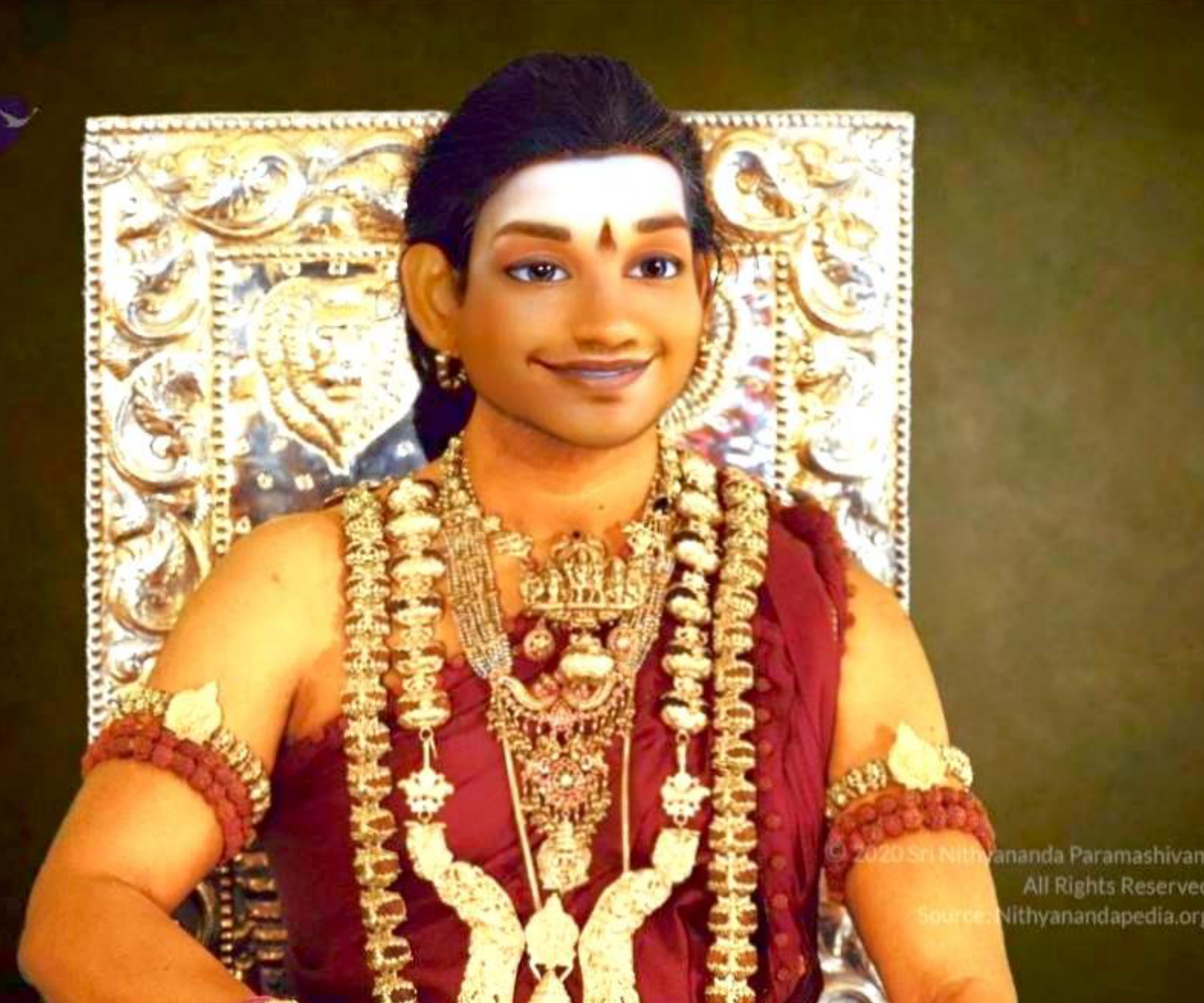
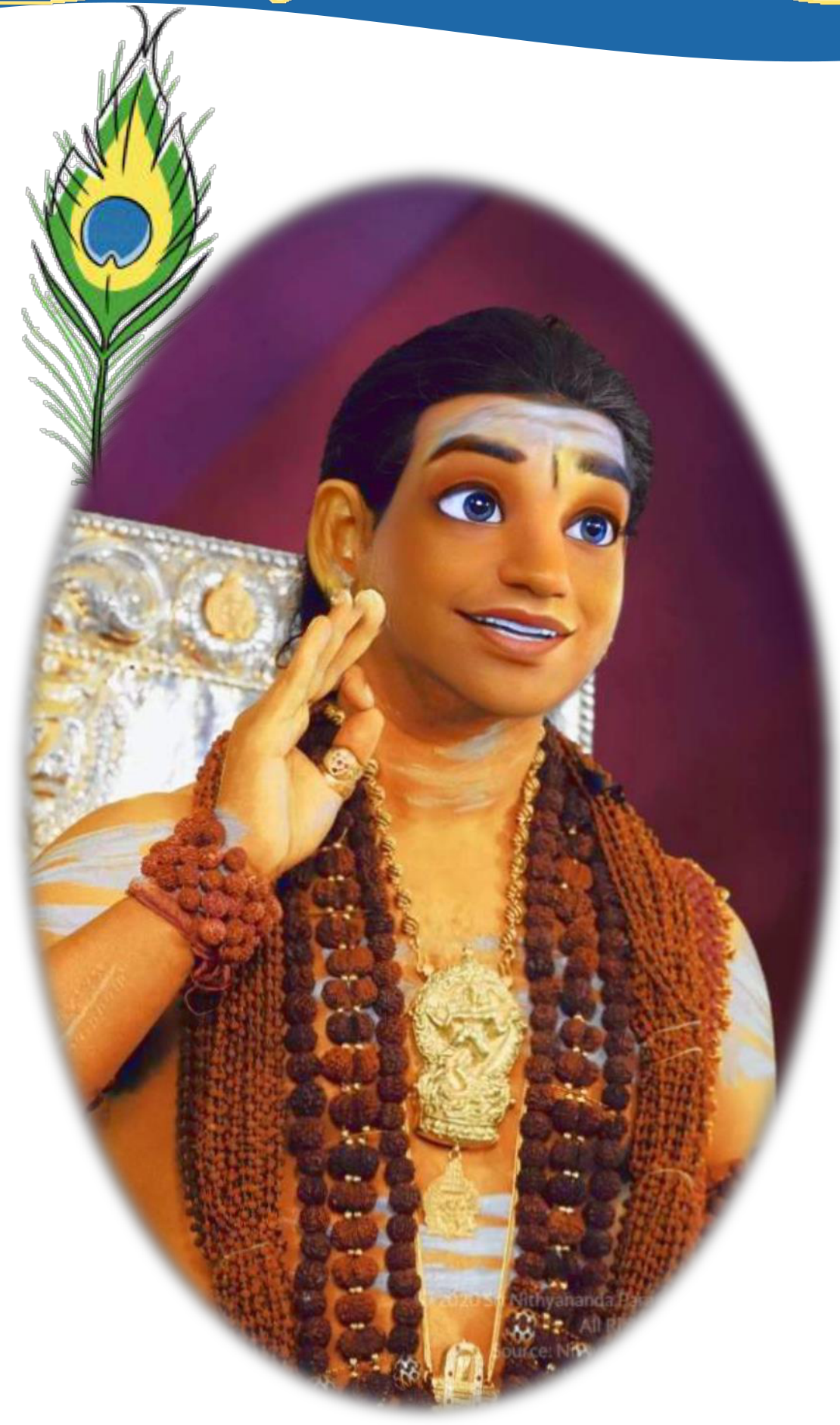
Arjuna is being called Gudakesa in this verse, the one who has transcended sleep, or the need to sleep. Sleep, here, refers to the unconscious mind.
All our embedded memories and beliefs reside in our unconscious mind. Arjuna is being referred to here as one who has conquered his samskaras, as a result of his total surrender to Krsna.
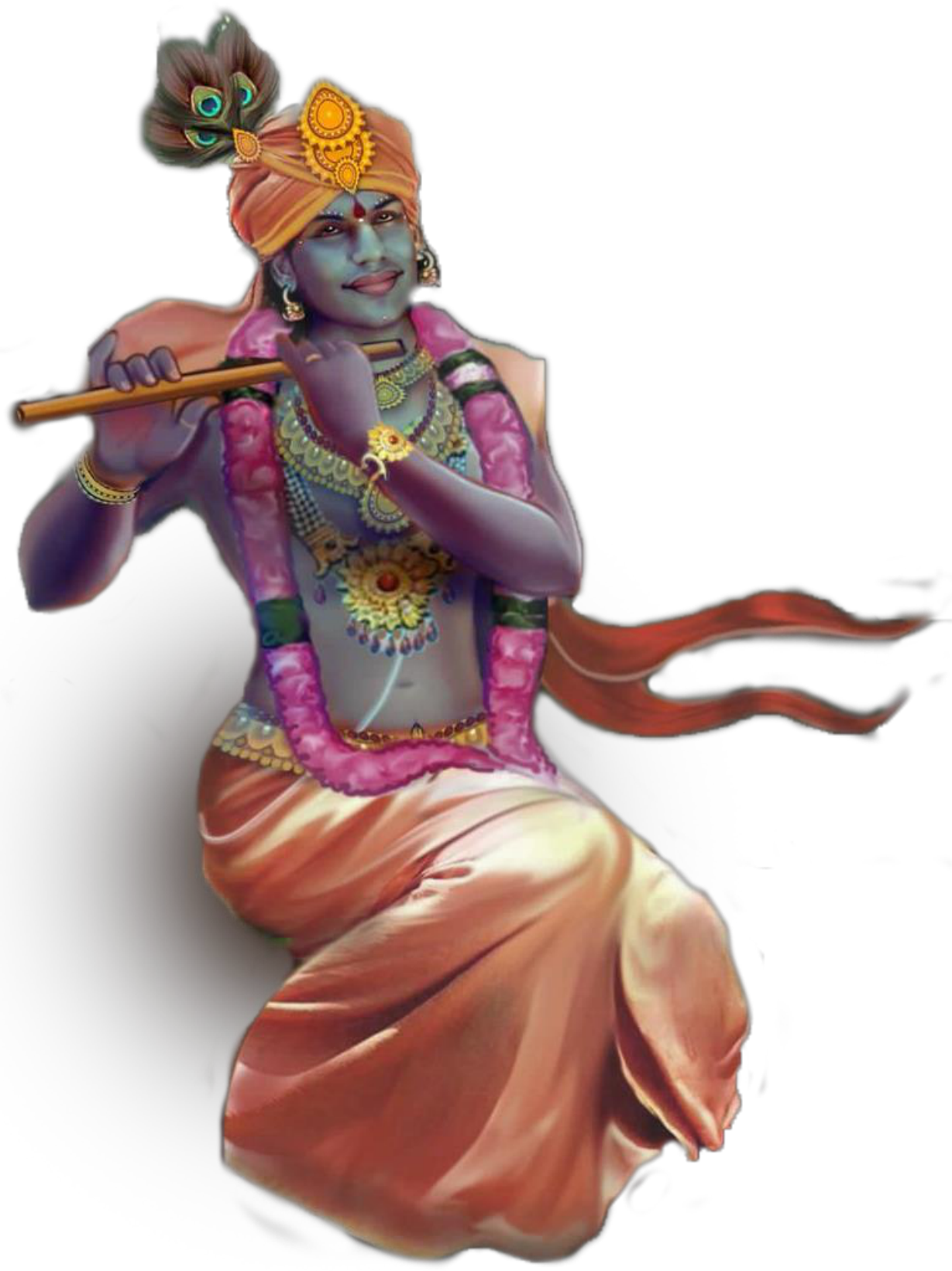
Krsna has been called Hrsikesa, one who controls the senses.
THE
RELATiONSHiP
BETWEEN
KRSNA AND
ARJUNA iS THE
HiGHEST FORM
OF
iNTERACTiON
BETWEEN THE
DiViNE AND
THE HUMAN.
When the disciple is able to completely trust the master’s senses that this world is an illusion and not his own senses that give the idea that this world is real and is the source of his happiness, then the surrender is total. Krsna’s senses were controlled. He knew that what He experienced through them was not the source of his happiness and therefore He didn’t run after sensual pleasures for His fulfillment.
STAGES OF SURRENDER:
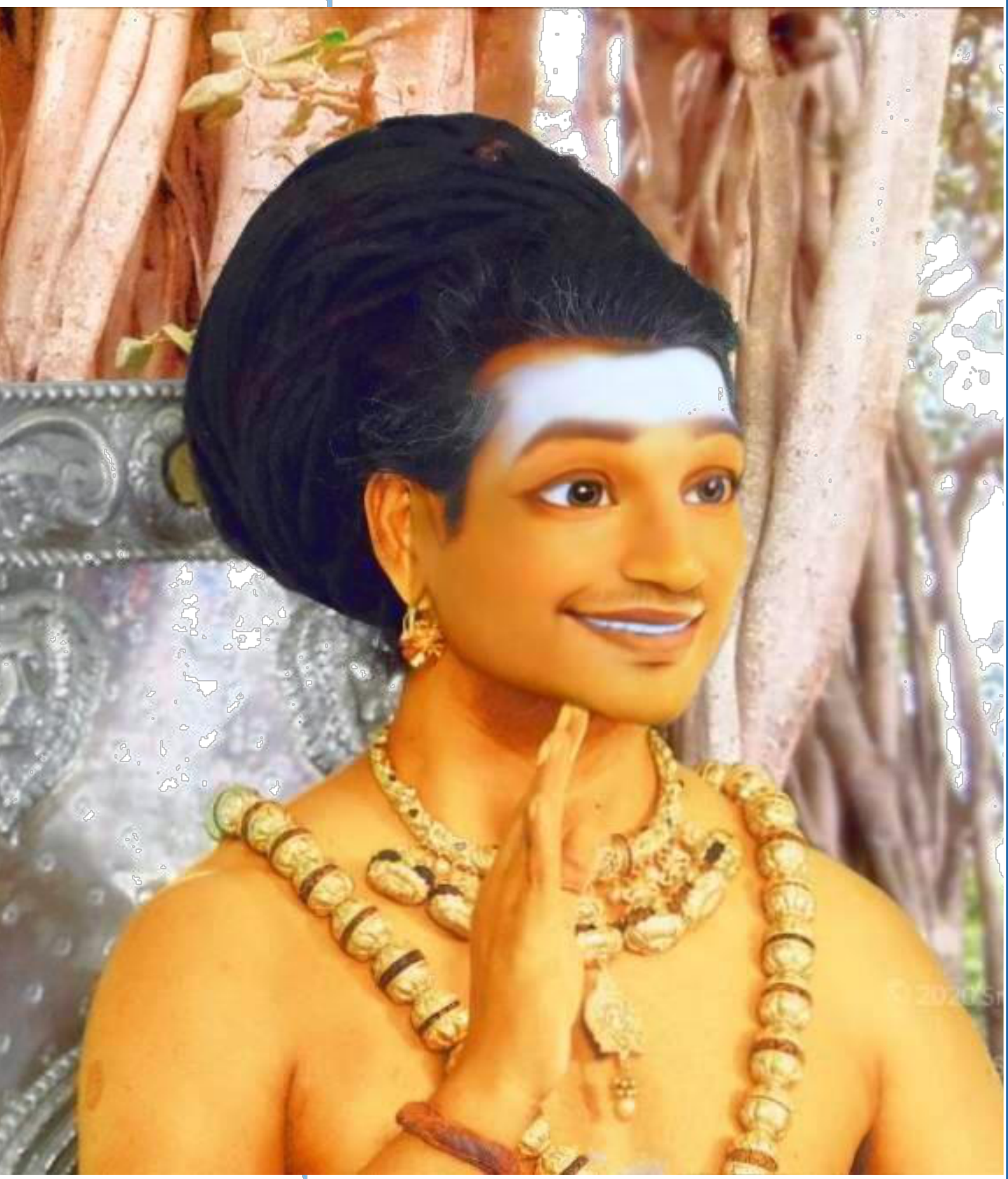
When approaching the Divine or one's master, the ultimate step is one of complete surrender. This surrender happens in three stages. At the first level it is an intellectual surrender - the intellectual acceptance of what the master represents and what he means to you. A true seeker reaches this stage when he encounters the real master destined for him. At this stage, when the disciple meets the master, questions start dying down. It is as if answers come to one's mind even before the questions happen. Questions are a reflection of one's internal violence wishing to prove one's control over another person. We ask questions only to tell the other person that we know something. Rarely are our questions like that of an innocent child, who asks out of curiosity
INTELLECTUAL SURRENDER
To the master replaces questions
with doubts. Doubts are not
violent like questions. They arise
from a genuine need to know
and to understand. Doubt and
faith are two sides of the same
coin. One cannot develop faith
in one's master without having
doubts about him. Despite his
high level of surrender, one does
see Arjuna initially in this state of
questioning as well, perhaps as a
lesson to us.
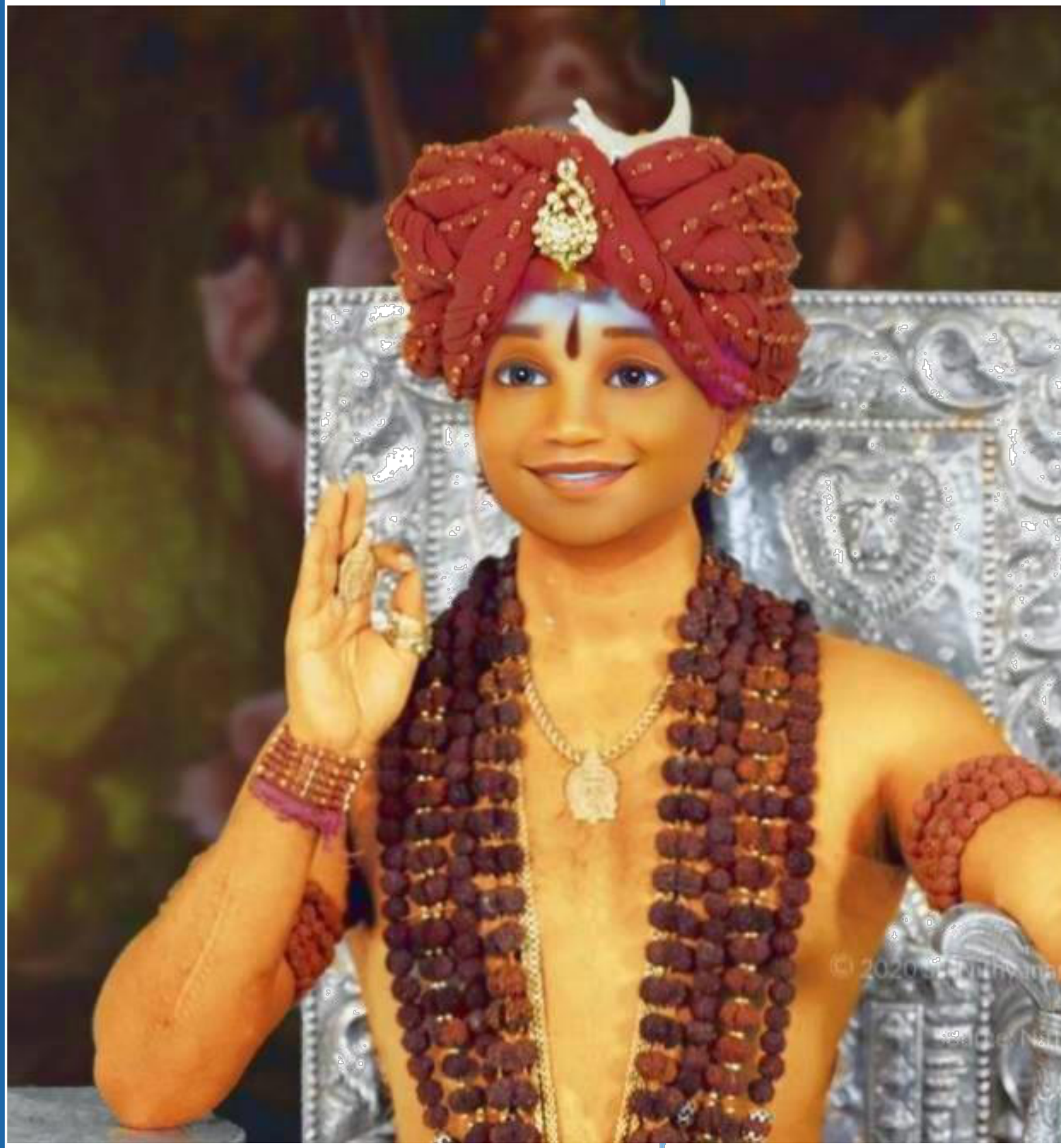
EMOTIONAL SURRENDER.
The person feels a deep connection
with the master. It is impossible to
forget Him. His memory brings tears
to one’s eyes, tears of gratitude that
are impossible to hide. Ramakrsna
says so beautifully, ‘When thinking of
the Divine or the master, if you have
tears streaming down your cheeks,
be very sure that this is your last
birth.’ Emotional surrender leads one
close to liberation.
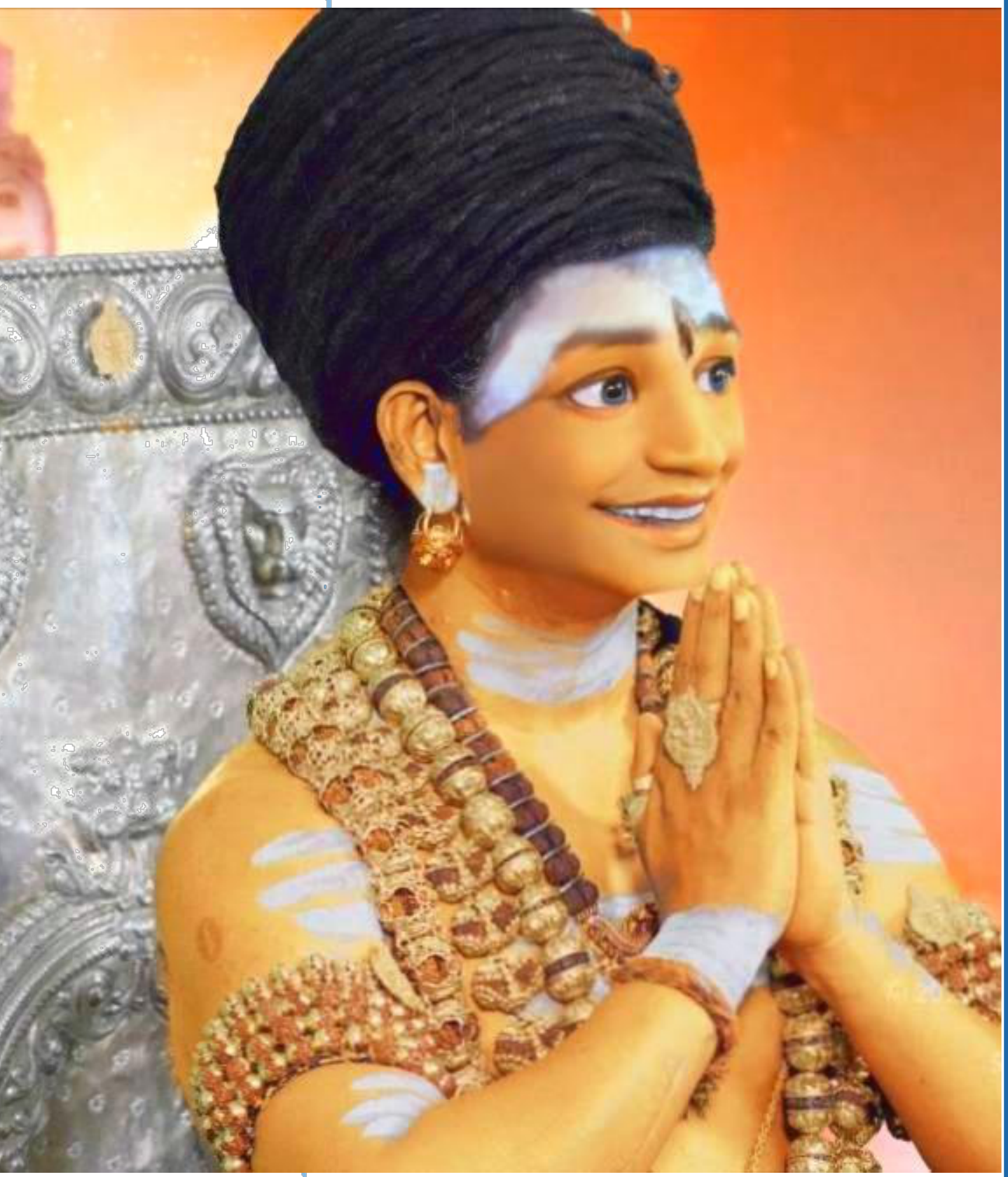
SURRENDER OF THE
SENSES
One truly realizes Hrsikesa and
gives up one's distorted sense of
reality and embraces the truth of
absolute reality. Arjuna is at that
level of surrender and through
the progression of the Gita, we
see Arjuna's transformation take
place. Duryodhana's objectives
were very clear – to do away
with the Pandava princes and
usurp the entire kingdom.
Duryodhana was like an animal,
operating out of instinct. He was
not an intelligent man and did
not suffer from doubts and guilt.
He needed power, and whatever
was the means to achieve that
power he employed without any
reservation.

A human being has a level of
consciousness higher than that of
animals. He can discriminate
between right and wrong and has
the free will to act based on such
awareness. When a human
behaves the way Duryodhana
does, he is in the unconscious
and unaware state. Mired totally
in unawareness, the Kaurava
warriors followed Duryodhana
blindly. Arjuna, on the other
hand, is in turmoil. As Krsna
brings the chariot to a stop
between the two armies, in a
metaphoric sense He brings
Arjuna's mind to a steady state.
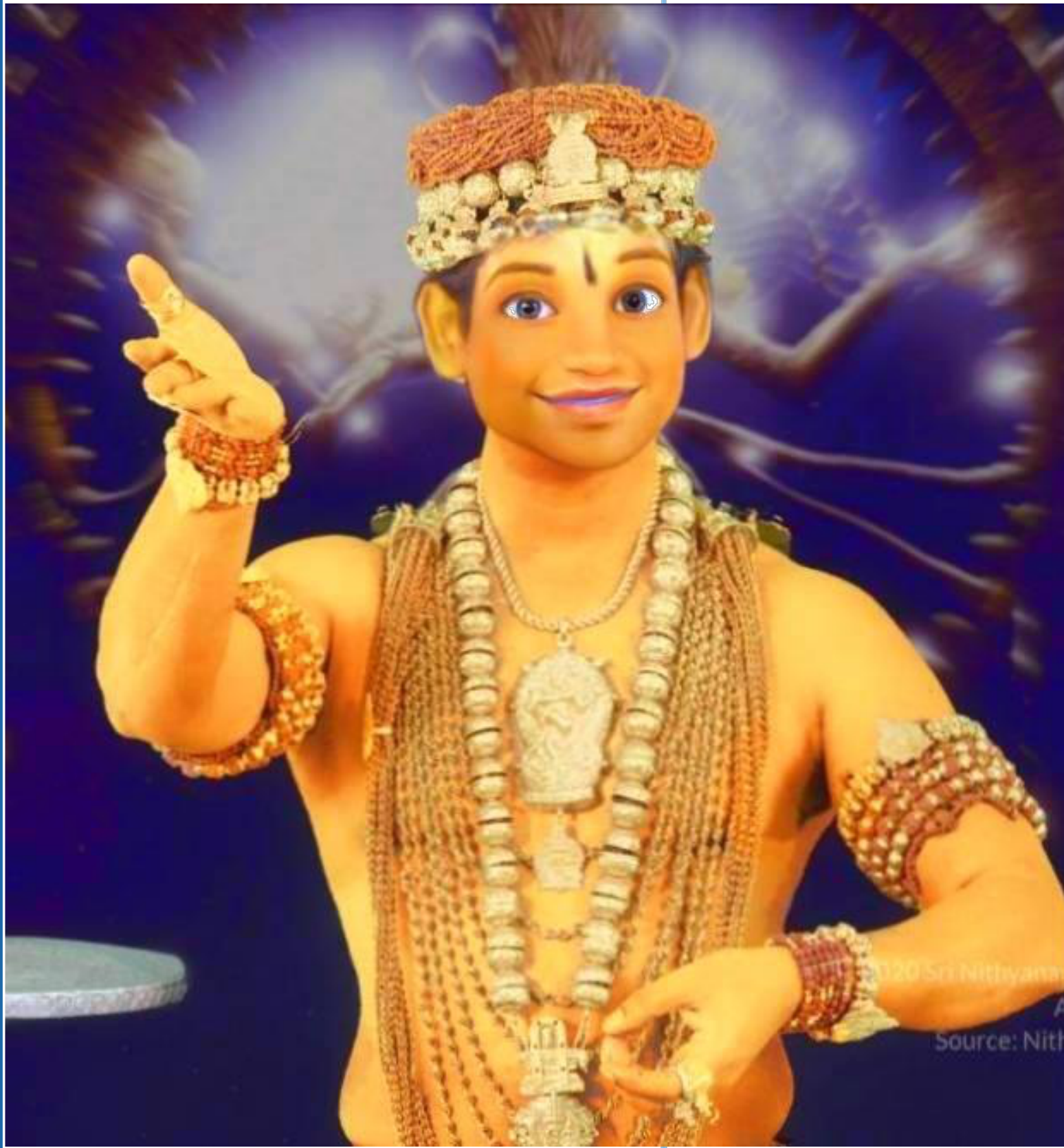
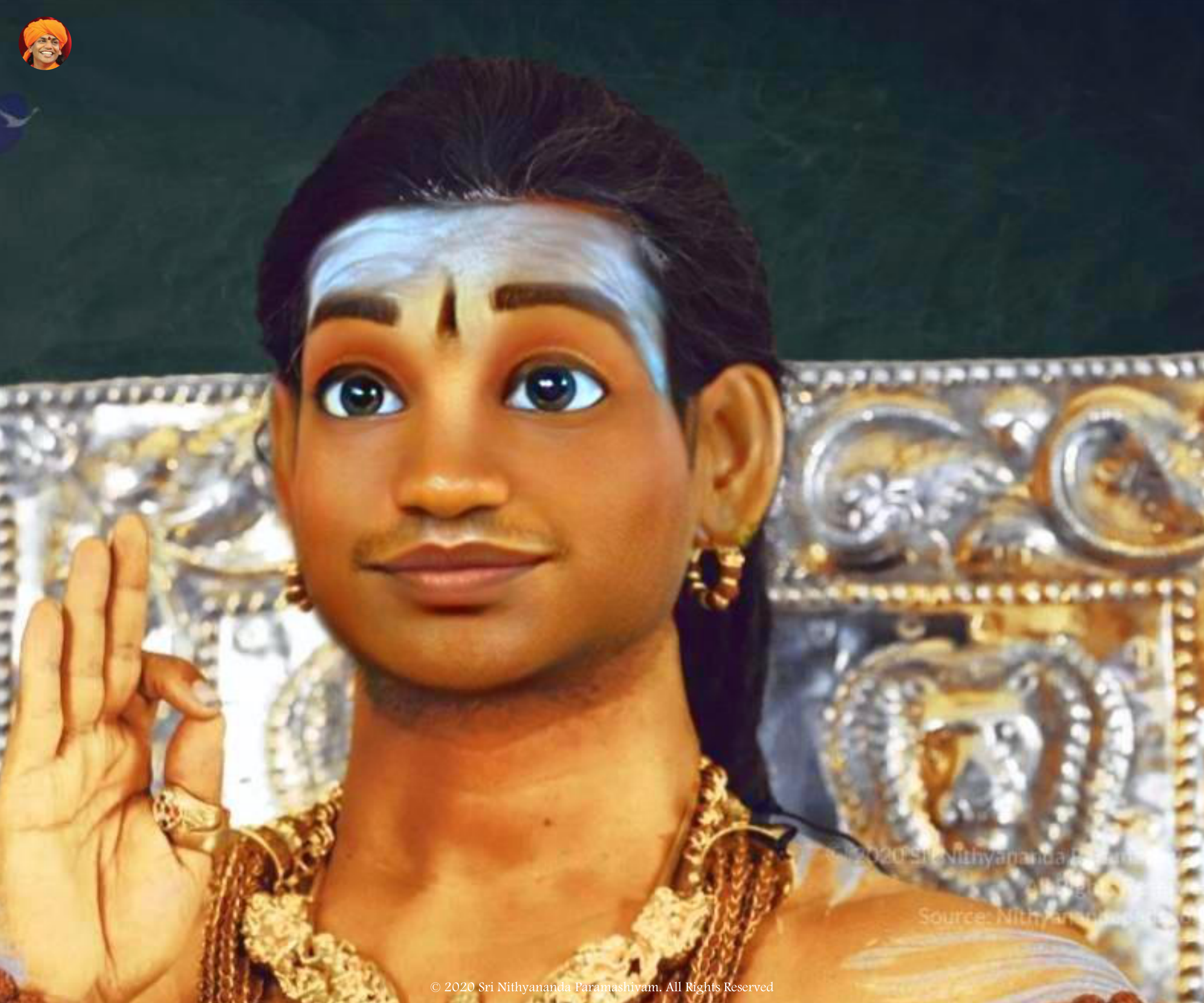
GOALS:
To help the child understand the
difference between Arjuna and
Duryodhana and see how this
highlights our own patterns and
incompletions.
ASSESSMENTS
1. Who was called Gudakesa and what does it mean?
2. How is the relationship between Krsna and Arjusna described here?
3. What are the three stages of surrender? Describe each.
4. Based on this, briefly compare Arjuna and Duryodhana.
ART OF THE DAY

ART OF THE DAY:
INTEGRITY DRAWING
MATERIALS NEEDED:
- Paper
- Pencils
PROCEDURE
Encourage each child to illustrate a representation of good and bad.
Inference:
Morality is about good and bad, right and wrong. It changes from time to time, era to era. Integrity is not morality; it is a spiritual value.

ACTIVITY OF THE DAY

ACTIVITY OF THE DAY:
WHO IS THE INTEGRITY TEAM?
Procedure:
Create two teams: team A and team B.
Explain that honesty is about being
correct. Integrity is about the core
purpose. Each team should finish a
task in a given time and set of
instructions. For example: Set up two
cups; one with water and one without,
on opposite ends of a room. In 5
minutes, transfer the water from one
cup to the other using a spoon to carry
the water from one cup to the other
without spilling. Each team can decide
how to go about doing this. Observe
which team is meeting the purpose of
the game like sharing, caring or
working with a positive attitude. Name
that team, The Integrity Team.
Inference:
Connect them to the
fact: Honesty is not
integrity but integrity
is also honesty.
Integrity is the big
picture. Integrity is
absolute. Integrity
does not change from
time to time or era to
era. Integrity is not
morality; it is a
spiritual value.
WORKSHOP OF THE DAY

WORKSHOP OF THE DAY:
VAAKYARTHA SADHAS
Explanation:
Morality and Honesty is used to make sure you look good in society but integrity takes it one step further. You have to be in zero resistance for integrity to possess you. It makes the difference between the immediate solution versus the best possible solution. So think through your studying pattern/habits and find out if you are studying for results or to learn. Write down your recent homework and examine what your purpose was.
INFERENCE:
Connect them to the facts. Honesty is not integrity. Integrity is also honesty.
Integrity is absolute. Integrity does not change from time to time, era to era.
Integrity is not morality, it is a spiritual value.
CONCLUSION:
The conflict between Arjuna and Duryodhana is the conflict that all humans face within themselves. It is a conflict between their deep unconscious desires driven by their samskaras and the potential awareness of their consciousness. Which part wins depends on one's ability to surrender to the superconscious Divine or the master. Arjuna is in the state of a person who has had sight and has now lost it. He was an intelligent man but suddenly wondered whether what he was doing might be wrong and evil. So he is disturbed. Duryodhana on the other hand has a mind that is always in darkness. He has never experienced true intelligence or awareness. Therefore, words like 'immoral' or 'unethical' would make no sense to him.

भीष्मद्रोणप्रमुखतः सर्वेषां च महीक्षिताम्।
उवाच पार्थ पश्यैतान्सन्मवेतान्कुरूनिति
॥ १-२५॥
bhīṣma droṇa pramukhataḥ
sarveṣāṃ ca mahīkṣitāṃ uvāca
pārtha paśyaitān
samavetānkurūniti
In the presence of Bhīṣma, Droṇa and
all the kings and said, 'Arjuna, behold
the Kauravas assembled here
POWERFUL COGNITION
The expression of Arjuna's dilemma starts here. The theme of Gītā is the story of Arjuna's dilemma, his incompletion and its completion by Kṛṣṇa.
तत्रापश्यत्स्थितान्पार्थः पितॄनथ पितामहान् ।
आचार्यान्मातुलान्भ्रातॄन्पुत्रान्पौत्रान्सखींस्तथा
श्वशुरान्सहृदश्चैव सेनयोरुभयोरपि ॥
॥ १-२६॥
tatrā paśyat sthitān pārthaḥ pitṛ-n atha pitāmahān ācāryān mātulān bhrātṛ-n putrān pautrān sakhīṁs tathā śvaśurān suhṛdaś caiva senayorubhayorapi
There Arjuna saw, stationed there in both the armies his uncles, grand uncles, teachers, maternal uncles, brothers, sons, grandsons, and friends, as well as his fathers-in-law and well-wishers
POWERFUL COGNITION
Utter confusion, dilemma is the first thing any person has to face in his life for Enlightenment. If we have not yet faced the dilemma, the possibility for transformation has not yet opened. When we are in dilemma, be very clear, the seeking has started in us.
INTRODUCTION
Krsna parked the chariot between the two armies and said to Arjuna, 'Here are the people you wished to see.' Arjuna wanted to see those who were about to fight him and die. Krsna, with no mercy at all, showed him that these were Arjuna's near and dear ones.
Assembled in front of Arjuna were grandfathers and great grandfathers such as Bhisma, his own teachers such as Drona and Kripa, uncles such as Sakuni, brothers and cousins as all the Kaurava princes were, friends and well wishers. At one time or another, each of them had been an object of affection and respect to Arjuna. Now, they were part of this enemy army.
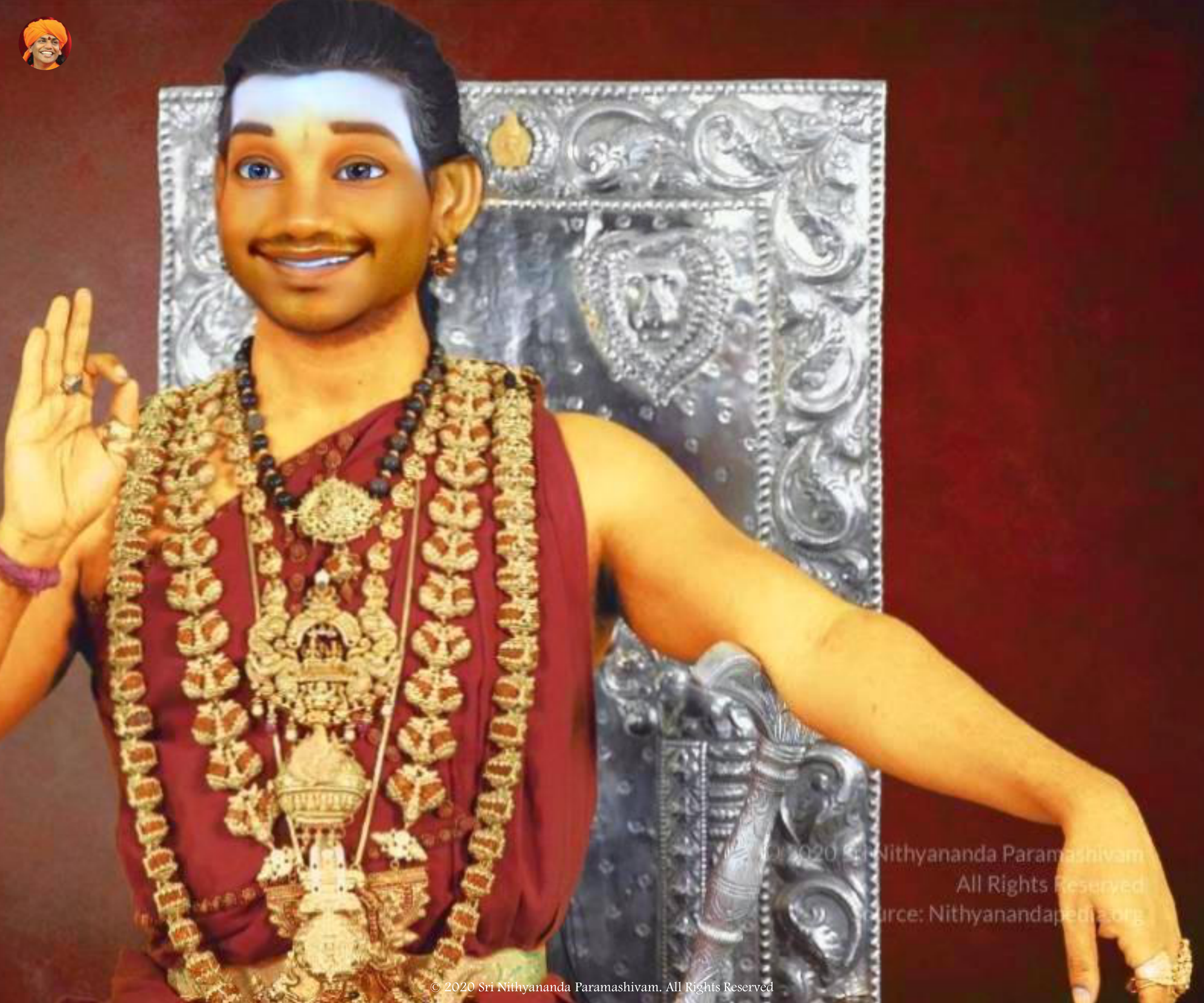
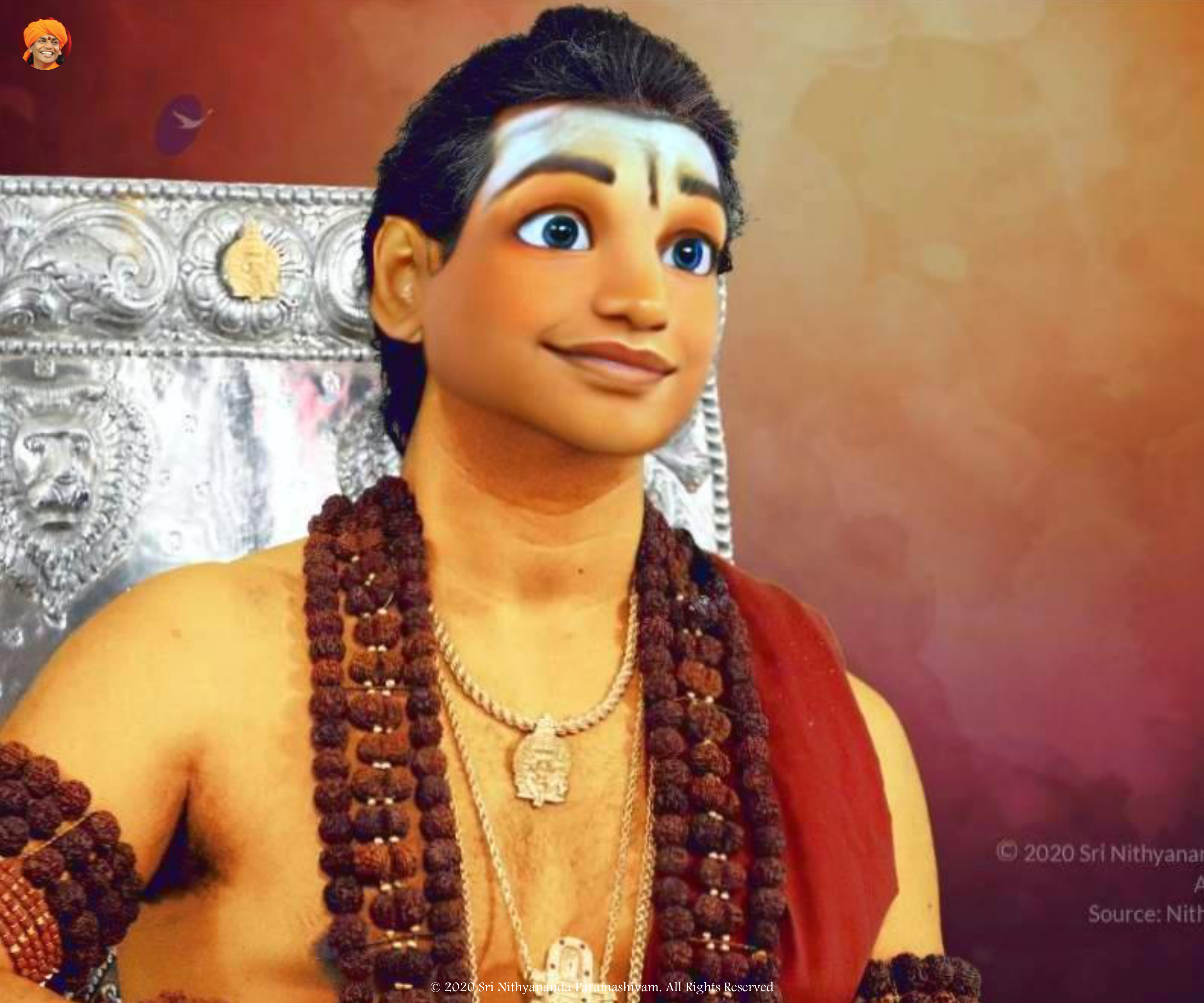
As a ksatriya, Arjuna was no
stranger to death and
violence. As long as those
who faced him were his
enemies, Arjuna had no
difficulty in carrying out the
execution. However, those in
front of him now were his
relatives - father,
grandfathers, uncles,
brothers, sons and grandsons.
He could not bear to kill
those whom he could relate
with himself in one way or
another. The bonds of family
were rooted in his ego and to
cut these bonds was to
destroy himself.
This was Arjuna's dilemma.
GOALS:
To help the child understand the
emotions experienced by Arjuna
as he realised all of whom were
once dear to him, now he has to
fight against them, so this
created a feeling of "a dilemma"
ASSESSMENTS
1. Why did Arjuna feel like he was in an dilemma?"
2. Have you ever felt as if you were in a dilemma?
3. Who are some of the people Arjuna saw on the opposite side of the battle field?
4. What happens when you believe death is terrifying?

ART OF THE DAY
ART OF THE DAY:
CIRCLE OF THE LIFE COLLAGE
MATERIALS NEEDED:
- Pictures of - deer eating grass,
- The lion eating deer,
- The hunter catching the lion
- Plain sheet paper cut in Circular format
- Glue
PROCEDURE
Encourage the children to stick the pictures in the order of life circle. Stick the pictures in the circular form of deer eating grass, the lion eating deer, the hunter eating lion.
Inference:
Connect them to the fact that our life is a circle between birth and death.
ACTIVITY OF
THE DAY
ACTIVITY OF THE DAY:
FOOTPRINT ACTIVITY
Material Needed:
Bucket with water
Procedure:
Encourage the children to dip a foot in
the water and keep the foot print on
the outdoor floor and ask each child to
observe how it just disappear behind
them. They can also observe the
friend's footprint disappearing in no
time. Ask each child to explain what
they understood from this.
Inference:
Death happens
everyday.
Everything is
unstable, everything
is changeable.
WORKSHOP OF THE DAY
WORKSHOP OF THE DAY:
VAAKYARTHA SADHAS
Explanation:
Place the children into groups where they can discuss: "The bonds of family were rooted in his ego and to cut these bonds was to destroy himself."
CONCLUSION:
Our ego is built from those around us who we identify with, our bonds of family.
Our ego fears that cutting these bonds will be our destruction

तान्समीक्ष्य स कौन्तेयः सर्वान्बन्धूनवस्थितान्
कृपया परयाविष्टो विषीदन्निदमब्रवीत् ।
॥ १-२७॥
tān samīkṣya sa kaunteyaḥ
sarvān bandhūn avasthitān
kṛpayā parayā 'viṣṭo viṣīdann
idam abravī
Seeing all those relatives present
there, Arjuna was overwhelmed
with deep pity and spoke in
sadness
POWERFUL COGNITION
To the truly compassionate person, the whole world, of both living and nonliving beings, is an extension of his own self.
अर्जुन उवाच ।
दृष्ट्वेमं स्वजनं कृष्ण युयुत्सुं समुपस्थितम्
सीदन्ति मम गात्राणि मुखं च परिशुष्यति ।
॥ १-२८॥
'arjuna uvāca dṛṣṭvemaṃ svajanaṃ
kṛṣṇa yuyutsuṃ samupasthitaṃ sīdanti
mama gātrāṇi mukhaṃ ca pariśuṣyati
Arjuna said: Kṛṣṇa, seeing my friends
and relatives present before me eager
to wage war, my limbs are giving way
my mouth is parching
POWERFUL COGNITION
True compassion arises from a state of integrity and authenticity, the absence of ego where one's inner and outer identities are aligned, and one expresses peak of one's positivity and possibility.
वेपथुश्च शरीरे मे रोमहर्षश्च जायते
गाण्डीवं संस्रंसते हस्तात्त्वक्चैव परिदह्यते।
॥ १-२९॥
vepathuś ca śarīre me
romaharṣaś ca jāyate gāṇḍīvaṁ
sraṁsate hastāt tvak caiva
paridahyati
Arjuna said to Krishna that a shiver is
running through my body my hair is
standing on end
POWERFUL COGNITION
True compassion is a state of completion and bliss, one of true surrender to the Universe.
1.30
न च शक्नोम्यवस्थातुं भ्रमतीव च मे मनः
निमित्तानि च पश्यामि विपरीतानि केशव ॥
॥ १-३० ॥
na ca śaknomyavasthātuṃ bhramatīva
ca me manaḥ nimittāni ca paśyāmi
viparī tāni keśava
My bow gāṇḍīva is slipping from my
hands and my skin is burning all over.
My mind is whirling as it were, and I
am now unable to stand here any
longer
POWERFUL COGNITION
The transformation that Kṛṣṇa leads him to over the eighteen chapters is the revelation of truth to Arjuna, and to all humanity.

INTRODUCTION
What follows now is a bunch of fantasies that Arjuna’s mind weaves in an attempt to justify his dilemma. It is what the human mind conjures up time and again as its projection of the unconscious samskaras, trying to justify its actions. Sanjaya says that Arjuna was overwhelmed with pity. Some translate this as compassion. True compassion is nondiscriminatory. To the truly compassionate person, the whole world is an extension of his own self. Anything that hurts any object around such a person would hurt him and he too would feel the pain. However, Arjuna’s emotion was discriminatory. He felt pity only because they were his kinsmen and he identified with them. This was pity born out of himsa, violence.
TRUE COMPASSiON
ARiSES FROM A STATE
OF ABSENCE OF
EGO, WHERE THE
FEELiNGS OF ‘I’ AND
‘MiNE’ HAVE
DiSAPPEARED. It is a state of bliss. It happens when the individual self merges with the universal Self. Arjuna's pity arose out of fear of losing his identity, his ego. He was mortally afraid. He claimed that his throat was parched, his hair was standing on edge and his divine bow was slipping from his sweaty hands. Arjuna's dilemma was an existential one. What is the point of eliminating others if it results in one's own elimination? It is a dilemma. If one did not know Arjuna better, one would have considered him a coward. Arjuna was no coward. He was not concerned that he might be injured or that he might die. But he was afraid of breaking social and ethical laws. His values and beliefs, his samskaras, told him that what he was doing was wrong and unacceptable. So powerful was this feeling, that he was reeling, quivering, dazed and unable to think or function.


Why should I destroy myself? For what purpose?' These are the questions that naturally follow this line of reasoning. Arjuna was far wiser than many modern philosophers in posing this as a doubt, but without venturing any answers. Arjuna is undergoing a process of transformation. The problem was that Arjuna was a thinking man unlike Duryodhana, or even his own brother Bhima. This ability to think, to be aware, was what had got him into trouble now. Doubts assailed him. 'Am I really doing the right thing? Am I not destroying myself and all that I stand for when I wage this war against my own people.
GOALS:
To help the child understand what is true compassion.
ASSESSMENTS
1. Briefly describe Arjuna’s main concern with
fighting in the war?
2. Why did Arjuna feel sad and in dilemma?
3. What do you understand about ‘true
compassion’?

ART OF THE DAY

ART OF THE DAY:
DRAW EGO IN A PICTORIAL FORMAT
MATERIALS NEEDED:
- Plain sheet of paper
- Sketch pen or pencil
- Colored pencils or markers
- Eraser
PROCEDURE:
Encourage the children to draw ego in a pictorial format and ask them to explain what ego means for them.
INFERENCE:
Seriousness is ego and seriousness is nothing but paying undue importance to something at the cost of everything else.
ACTIVITY OF THE DAY:
WATER PACKETS - HOLDING ON THE THOUGHTS
Material Needed:
- Clean water packets
- Water
- Tub
Preparation:
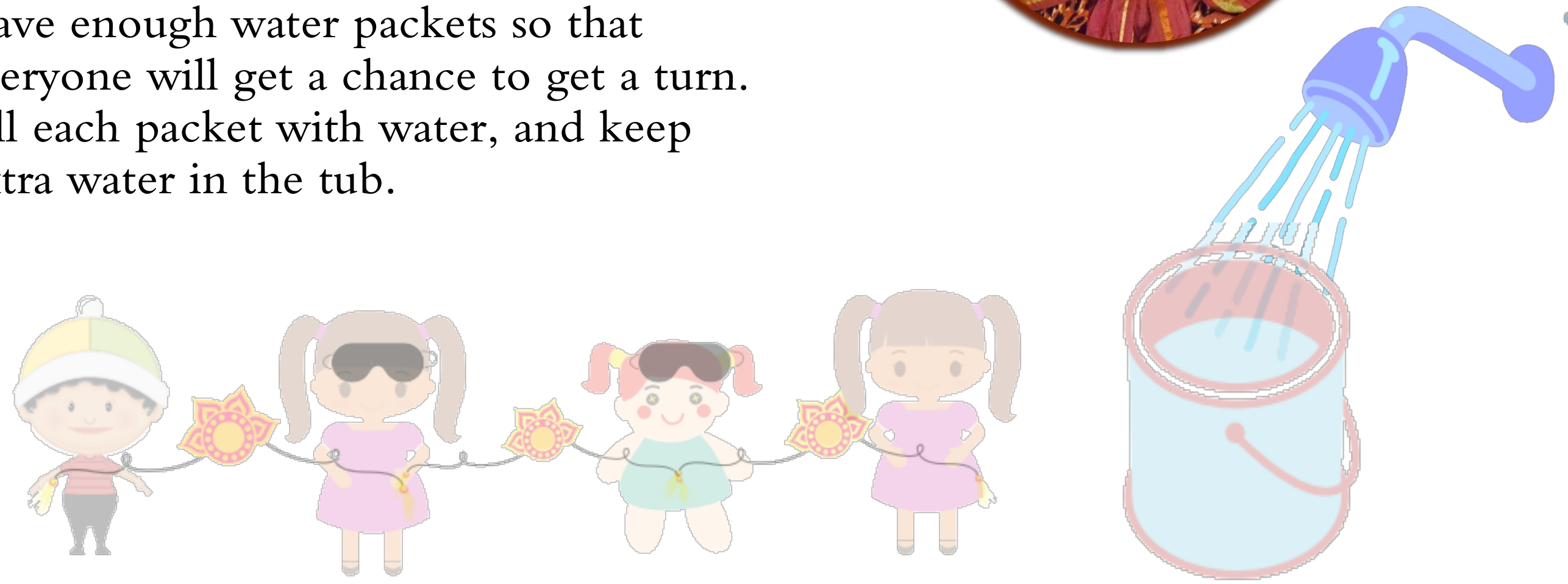
Have enough water packets so that everyone will get a chance to get a turn. Fill each packet with water, and keep extra water in the tub.

ACTIVITY OF THE DAY:
WATER PACKETS - HOLDING ON THE THOUGHTS
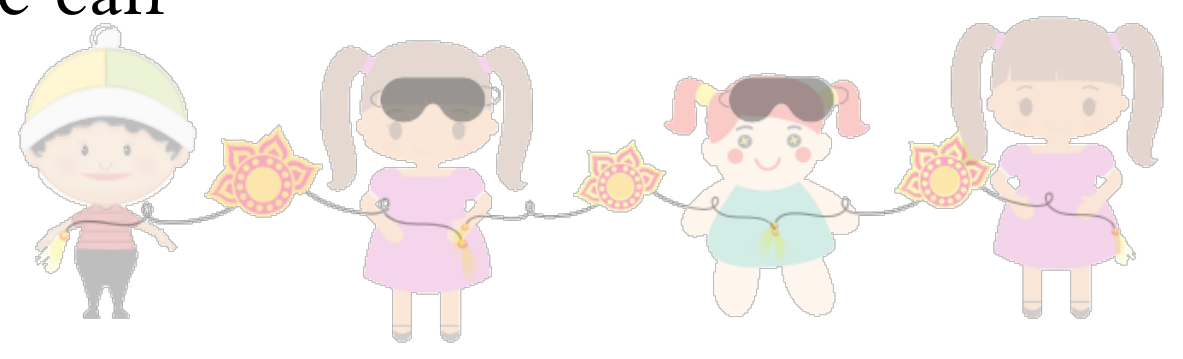
Procedure: Gather everyone around and show them the activity. Talk about thoughts. What happens when we are full of thoughts? We are weighed down in our minds and hearts because of all the inner chatter that is going on inside. We can't think very clearly. The water packet illustrates our mind, the water is our thoughts. When we hold on to our thoughts, we are filling ourselves full of nonsense. But if we realize what we are doing, we should just release it, squeeze it out and be empty. Only then great things will happen. Drop the mind and be free, un-clutch the thoughts one at a time and all inner chatter will disappear and bliss will enter our lives instead. Demonstrate how to squeeze the water out of the packets and have the thoughts behind, leave the water packet also illustrating how we can drop the mind and go on to do great things.
INFERENCE:
The ability to
think can get
people into
trouble, like
Arjuna
WORKSHOP OF THE DAY
WORKSHOP OF THE DAY:
VAAKYARTHA SADHAS
Place the children into groups where they can discuss: "Arjuna is undergoing a process of transformation; he is going to rewrite his future!"


WORKSHOP OF THE DAY:
VAAKYARTHA SADHAS
CONCLUSION:
Arjuna had become a seeker of Truth. He wished to go beyond the sastras, the stotras and the sutras. He questioned them. Arjuna Vishada Yoga, is the name of the first chapter of Gita. Vishada means grief, sorrow, despondency, despair, depression, dilemma and such. Here what we see is the dilemma that Arjuna was in, not knowing whether what he had been taught all his life and what he had believed to be true, was really true after all. We create illusions in our mind about the situations we face, about how critical they are to our existence. Then we create fantasies in our minds about what is going to happen to us, be it an imagined good result or a difficulty. We do everything except face the present moment with awareness.
न च श्रेयोऽनुपश्यामि हत्वा स्वजनमाहवे
न काङ्क्षे विजयं कृष्ण न च राज्यं सुखानि च ।
॥ १-३१॥
na ca śreyo 'nupaśyāmi hatvā
svajanam āhave na kāṅkṣe vijayaṃ
kṛṣṇa na ca rājyaṃ sukhāni ca
I foresee only evil omens, O Kṛṣṇa, I do
not see any good coming out of killing
one's own kinsmen [svajanam] in this
battle. I do not covet my dear Kṛṣṇa,
victory or kingdom or pleasures
POWERFUL COGNITION
Life becomes mechanical for most people. Our past is vividly remembered and it is used to forget the present.

किं नो राज्येन गोविन्द किं भोगैर्जीवितेन वा
येषामर्थे काङ्क्षितं नो राज्यं भोगाः सुखानि च ।
॥ १-३२॥
kiṁ no rājyena govinda kiṁ bhogair
jīvitena vā yeṣāṁ arthe kāṅkṣitaṁ no
rājyaṁ bhogāḥ sukhāni ca
Of what use will kingdom or
happiness or even life be to us? For
whose sake we desire this kingdom,
enjoyment and happiness
POWERFUL COGNITION
Our lives become a constant series of 'What next, what next?' It takes a lot of courage to stop and question our lives, our actions and society's plan for us.

त इमेऽवस्थिता युद्धे प्राणांस्त्यक्त्वा धनानि च
आचार्याः पितरः पुत्रास्तथैव च पितामहाः ।
॥ १-३३॥
ta ime 'vasthitā yuddhe
prāṇāṁs tyaktvā dhanāni ca
ācāryāḥ pitaraḥ putrāḥ tathaiva
ca pitāmahāḥ
They stand in battle staking their lives
and property. Teachers, fathers, sons as
well as grandfathers
POWERFUL COGNITION
It takes inner fortitude to say to the world, 'Stop, I want to get off; I want to seek true inner bliss!'
Paramashiva
Rights Reserved
yanandapedia.org
INTRODUCTION
Here is Arjuna's dilemma spoken plainly. He had two options and is looking to be convinced of one or the other. The first was that going to battle was wrong, especially against his kinsmen. Therefore he should cease and desist, walk away from the war before it starts. All his arguments up to this point were in this line of thinking.
At the same time, Arjuna was open to the possibility that what he had set out to do was indeed correct, in which case he would go back into battle mode, as a true ksatriya would do. Arjuna's mind now brings up one more argument. Arjuna agreed that Duryodhana and his allies were the aggressors and wrongdoers. Whatever they had done to him, his brothers and his wife was unpardonable, and they needed to be punished for that.

By all rights Arjuna would have been quite justified in attacking and killing those wrongdoers for what they had done.
‘But,’ Arjuna asked, ‘Would one wrong be corrected by another wrong? How can I be happy killing my kinsmen, however justified I might be in doing that?
Their misdeeds cannot be remedied by my misdeed and that would only make me miserable.
There are two factors central to Arjuna's dilemma. The first one is that of relationship. The problem that Arjuna faced is one that we all face when asked to do unpleasant things to people we know. It is always easier to criticize and punish people one does not know. With people one knows, there is a danger of breaking the relationship through perceived negative behavior, even when it may be fully justified. To face this factor in one's dilemma, one must first break the connection or develop a sense of detachment that allows right action without worrying about the consequences. As long as the path is right, whatever destination the path takes one to will also be right. The other factor that Arjuna faces is the problem of directness of action. If he shot an arrow and killed a kinsman, death was a direct result of his action. He had to look the victim in the eye before releasing his arrow.
Arjuna was affected by the
combination of these two factors.
It affected him because he was not
a Duryodhana, who denied the
consequences of his actions to
himself and others or a Krsna who
would have taken responsibility for
his actions, being aware all the
time. His mind was pointing out
that he might be doing wrong, but
had not yet ascended into that
state of awareness to be able to
take responsibility for such actions.
Arjuna was pleading with Krsna,
‘Please tell me, am I right? Should
I withdraw from this battle?’
GOALS:
To help the child cognize that
even when making the right
decision seems difficult and
unpleasant to those you share a
relationship with, one ought to
be strong and stand up for the
right path. To understand that as
long as the path is right,
whatever destination the path
takes one to will also be right.
ASSESSMENTS
1. Why does Arjuna initially feel that he is making the wrong decision by destroying his kinsmen?
2. Explain one factor that is contributing to Arjuna's dilemma.
ART OF THE DAY
ART OF THE DAY:
DRAW GOOD AND PLEASANT IN A PICTORIAL FORM.
MATERIALS NEEDED:
- Paper
- Pencil or Sketch Pen or Colour Pencils
PROCEDURE:
Encourage children to draw good and pleasant in pictorial format. Ask them to tell what they drew.
INFERENCE:
He who chooses the pleasant misses the true end. Always choose authenticity even if it does not look pleasant. Doing what is right, may not always be pleasant, but doing that which is pleasant may not be right sometimes
ACTIVITY OF THE DAY

ACTIVITY OF THE DAY:
WORD GAME OF ‘GOOD AND PLEASANT’
Procedure:
Make the children, sit in a circle.
You will say words like medicine,
pizza, computer and so on. The
children has to tell which is
pleasant, which is good, and give
the reason for that.
INFERENCE:
He who chooses
the pleasant misses
the true end.
Always choose
authenticity even if
it does not look
pleasant. Conclude
by reviewing the
importance of
being authentic
even when, doing
what is right seems
unpleasant


WORKSHOP OF THE DAY
WORKSHOP OF THE DAY:
VAAKYARTHA SADHAS
Procedure: Habits of the mind There are many things in our life that is like a must, those are all habits of the mind. Complete with all the habits of the mind like Questioning out of anger, Anxiety, Vested interest, Power, Depression/upset, Anger, Tiredness, Boredom, Even sleeping and eating. Anything you feel you 'must do' or 'must have' is a habit of the mind and needs completion. It should be completed immediately. Like when you plant a plant , the soil is loose and it grows nicely but as time goes it becomes hard and strong , not letting the plant to grow healthily. But when the soil is loosened from time to time and the soil is not let to become hard the plant grows very healthily. Same way when it is a habit , it is like the strong mud where expansion does not happen in you. Doing completion with it is like ploughing the soil and making it loose so that you are in space of completion and nothing binds you and you are always complete.
WORKSHOP OF THE DAY:
VAAKYARTHA SADHAS
Inference:
It is the habit of the mind to always choose pleasant. He who chooses the pleasant misses the true end. Always choose authenticity even if it does not look pleasant.
CONCLUSION:
As long as the path is right, whatever destination the path takes one to will also be right.

मातुलाः श्वशुराः पौत्राः श्यालाः सम्बन्धिनस्तथा
एतान्न हन्तुमिच्छामि घ्नतोऽपि मधुसूदन |
॥ १-३४ ॥
mātulāḥ śvaśurāḥ pautrāḥ
śyālāḥ sambandhinas tathā etān
na hantum icchāmi ghnato 'pi
madhusūdana
Maternal uncles, fathers-inlaw,
grandsons, brothers-in-law and other
relatives. Madhusūdana (Kṛṣṇa), even if
I am killed (by them)
POWERFUL COGNITION
We need to collaborate to survive. That is what cells do.
अपि त्रैलोक्यराज्यस्य हेतोः किं नु महीकृते
निहत्य धार्तराष्ट्रान्नः का प्रीतिः स्याज्जनार्दन ।
api trailokyarājyasya hetoḥ kiṃ nu
mahīkṛ te nihatya dhārtarāṣṭrān naḥ kā
prī tiḥ syāj janārdana
I do not want to kill these ones even to
gain control of all three worlds, much
less for the earthly lordship. What
pleasure will we get by destroying the
sons of Dhrtarastra, Janardana? Only sin
will overcome us if we slay these
wrongdoers.
POWERFUL COGNITION
Only a courageous person will have the confidence to open himself up so transparently and expose his innermost fear patterns,
INTRODUCTION
What is the Why of my Life?' cries Arjuna
It takes a lot of courage of authenticity to bring integrated listening to our thinking, to stop and question our lives, our actions and society's plan for us. Understand, the attitude of asking 'WHY' needs awareness, but we forget to ask the 'why'. We don't take our thoughts, words and deeds to the logical conclusion. It takes authenticity, the power of thinking, the inner strength to say to the world, 'Stop, I want to get off; I want to know why am I doing, what I am doing? I want to seek true inner bliss!'
It takes tremendous courage of authenticity to recognize the transitory nature of life and its limited offer of happiness, to say — ‘I want something more.’ It takes enormous courage to complete with the materialism of the world to seek one’s true purpose in life. I tell you, if just the ‘why’ is kept alive, ‘why am I feeling powerless?’, ‘why am I feeling tired’, ‘why am I feeling sick?’, ‘why am I depressed?’; just if the ‘why’ is strong enough to take you to the logical conclusion, our problems will be solved. If we just keep this one question alive, ‘Why am I doing what I am doing?’ and are able to take this one question to the logical conclusion in our life, I tell you, we will be enlightened. You will radiate enriching! What is the purpose of my life, Kṛṣṇa?' wailed Arjuna.
Arjuna is now thinking with integrity and questioning himself, his training and his purpose when faced with the task of fighting against his kinsmen. The scene from his chariot has taken him off balance! In his heart he knows that what he is about to do is correct. All of his training as a kṣatriya confirms this as well. But when faced with the reality of actually killing those who have been near and dear to him, he loses his will. He is feeling completely powerless. Why?

Arjuna is a courageous man.
Only a courageous person will
have the confidence to open
himself up so transparently and
expose his innermost fear
patterns, his lack of integrity and
inauthenticities and seek help.
Arjuna was not depressed, he was
confused. He could certainly
differentiate between right and
wrong. His sudden confusion
grew out of his awareness of his
parental and societal patterns that
what he had been taught
throughout his life, might be
wrong! Fortunately for Arjuna,
his charioteer is none other than
Kṛṣṇa Himself, Lord of all beings
and knower of all! Only He can
see what is at the heart of
Arjuna's grief. Only He could
provide answers to Arjuna's
doubts and completion to his
dilemma.
© 2020 Sri Nithyananda Paramashivam. All Rights Reserved
Arjuna argues that the reason one would fight to gain power and wealth was for the sake of one's near and dear ones. However, his near and dear ones were the people with whom Arjuna should fight! Even if they killed him, he would not consider killing them at any cost, ‘If I would not kill them for all the riches of the three worlds, why would I destroy them for the sake of earth, this one world, alone? Arjuna questioned Kṛṣṇa. When asking, Arjuna calls Kṛṣṇa as Madhusūdana, which means the slayer of the demon Madhu. Arjuna implies that Kṛṣṇa may be a destroyer, but Arjuna himself would not like to be one like Him.
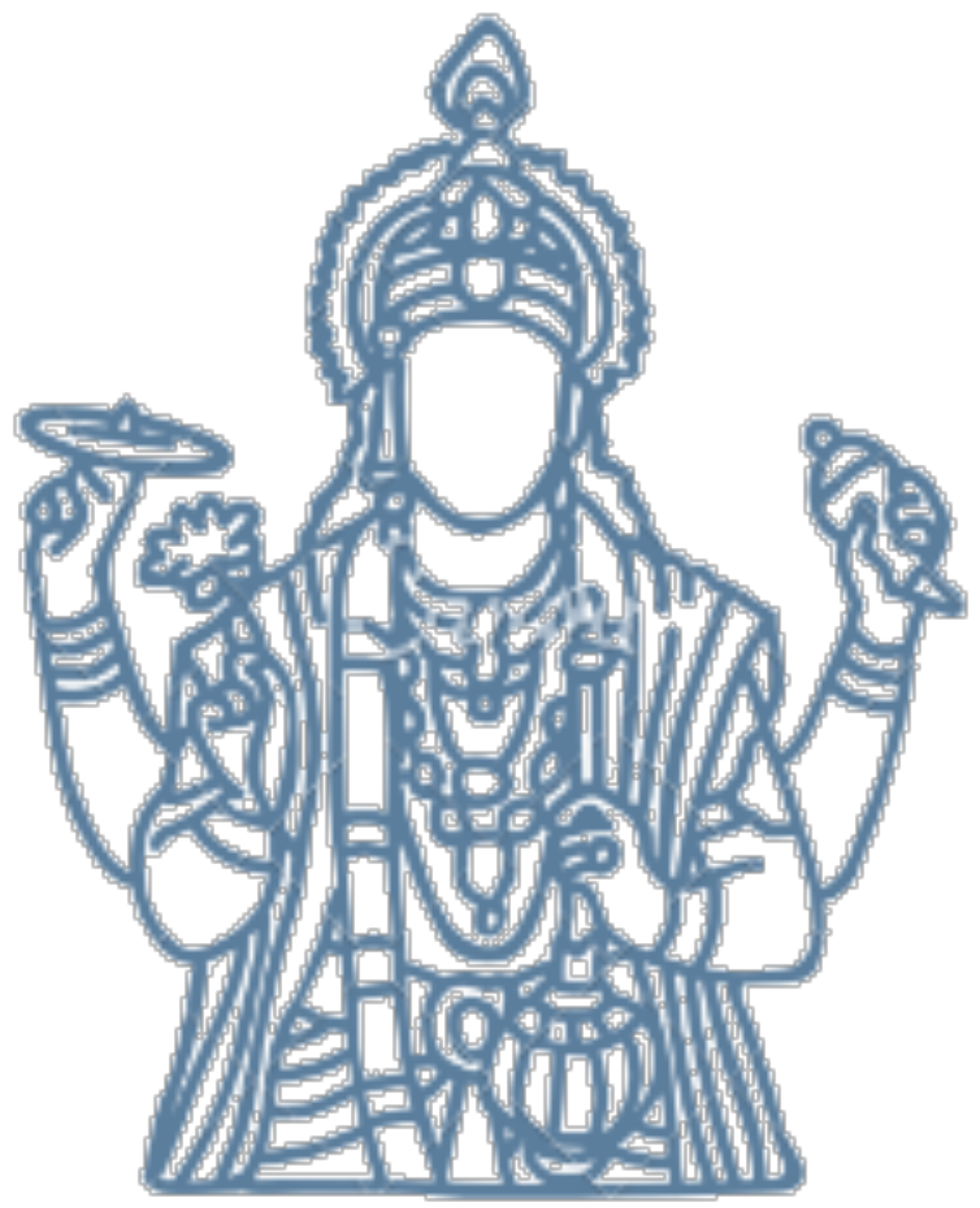
Arjuna's dilemma had now
become deeper and more
complicated. He had now got
into justifications as to why he
should not kill; he began to
justify his lack of integrity and
authenticity. To any observer, his
dilemma had validity. This is a
common cunning, safe game we
all play with ourselves. When the
stakes are high in any
competitive environment, when
we don't want to expand to our
peak capability, we play this
inauthentic game. We fantasize
about rewards far greater than
what could possibly materialize.
The more unrealistic and
unlikely the reward, the easier it
is to refuse it.
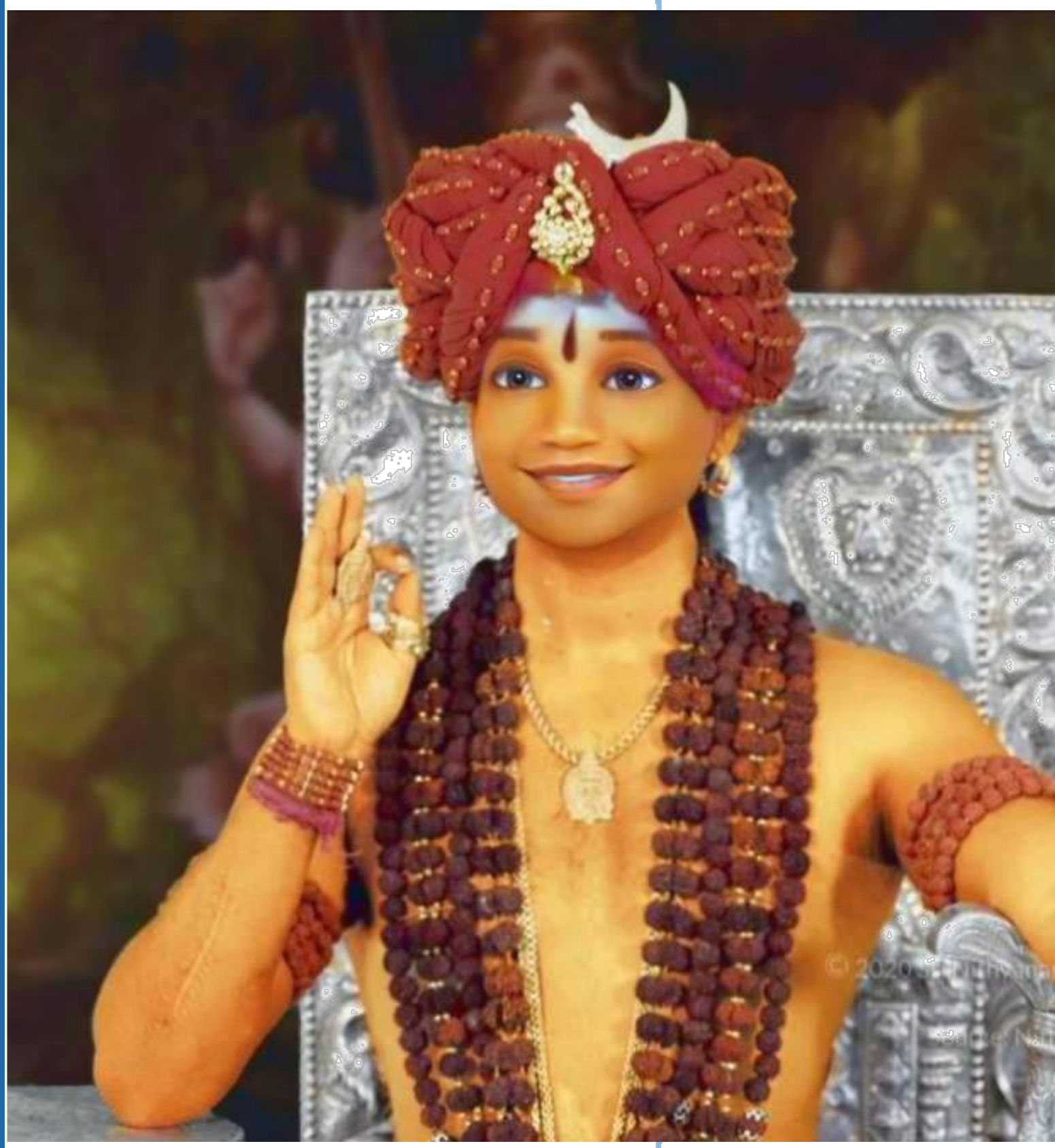
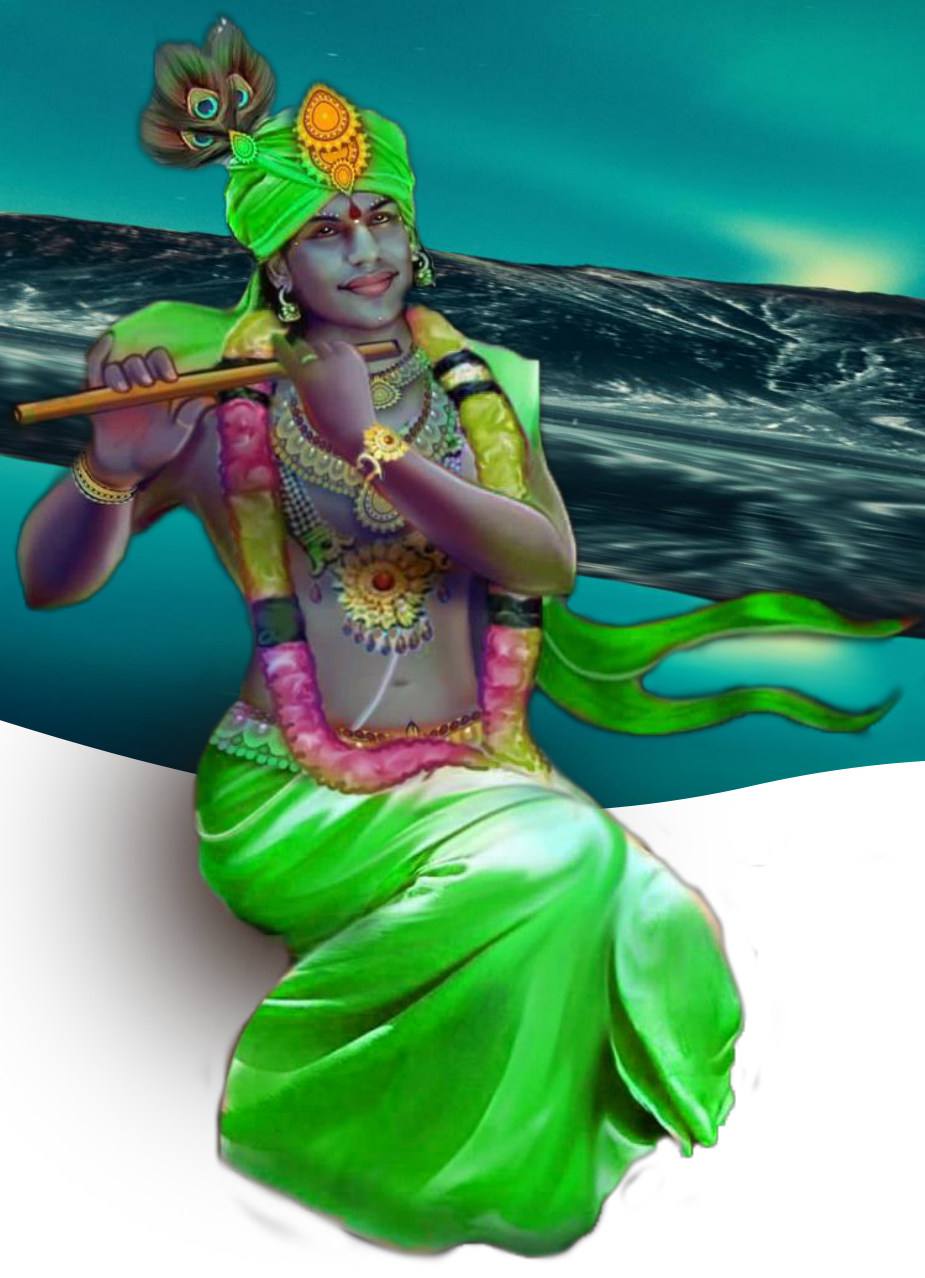
Arjuna is playing this same safe, inauthentic game. Understand, when we are authentic, we will commit words which express our maximum peak capacity, as per our understanding, and as per others' understanding of our peak capacity. When we unlock the power of thinking, we will be able to spontaneously focus our thoughts to achieve our highest potential.
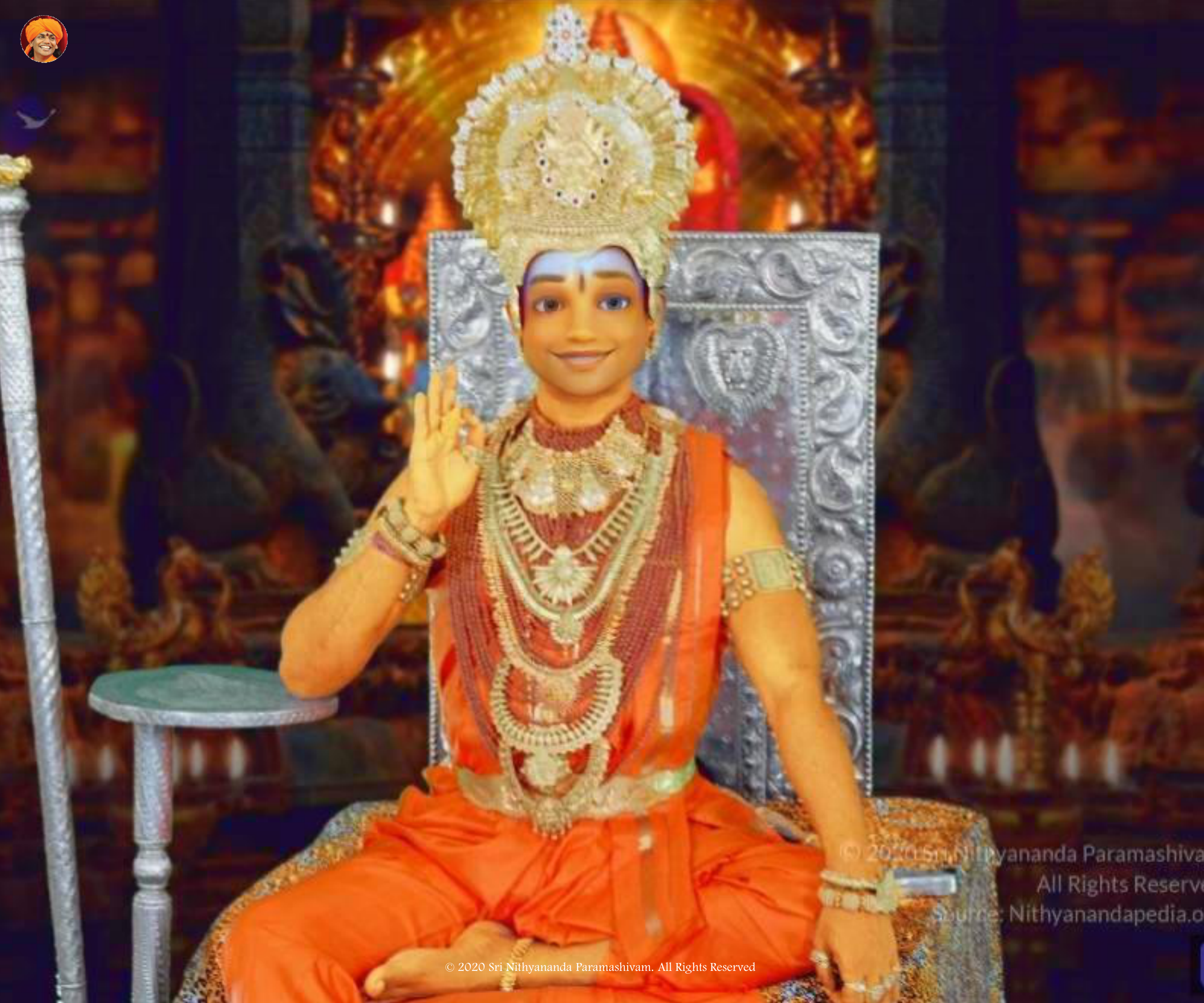
CONSTANTLY
FUNCTIONING
AT YOUR PEAK
POSSIBILITY IS
AUTHENTICITY.
AUTHENTICITY
IS THE KEY
THAT UNLOCKS
THE
POWER OF
THINKING,
MANO ŚAKTI.
Arjuna said he would not kill even if he were to be killed. This is just a lie. It is his own loss of identity that would result from the destruction of his lineage that was bothering him. Arjuna then went on to say that he would not consider killing his kinsmen and teachers, even if he were offered all the three worlds of this universe in return. Why then, he queries, would the reward of just this planet earth be attractive to him?
Who was offering Arjuna the three worlds anyway? The notion was a pure figment of his overexcited imagination. If Krsna had actually offered Arjuna the control of the universe, Arjuna's dilemma would have become far worse! However, posing it as a symbolic question as Arjuna did made him look noble.
He is consoling himself with the
idea that the rewards of winning
this battle are too small and that
even if he were to be offered
control of the universe, he would
not be tempted. It is a safe
position he is taking, since the
chances of his being offered the
control of the universe are
infinitely small. What matters is
that it calms his bruised mind
and keeps the focus off the real
source of his fear.
Time and again, people play this
game with themselves and
others. It starts when we cannot
face the truth and therefore
cannot tell the truth. So we
camouflage the truth in a more
acceptable presentation. Then we
are caught in denial.
GOALS:
To help the student understand,
how we distract ourselves from
our real fears.
ASSESSMENTS
- What comparison of a reward did Arjuna mention for being in battle ?
- Are there any relationships in your life that you had but due to incompletions, that relation was broken?
- How was Arjuna courageous?
- What happens when we unlock the power of thinking?
- What is authenticity?
(c) 2020 Sri Nithyananda Paramashivam. All Rights Reserved
(c) 2020 Sri Nithyananda Paramashivam. All Rights Reserved
Source: Nithyanandapedia.org
ART OF
THE DAY

ART OF THE DAY:
CHAKRA DRAWING
MATERIALS NEEDED:
- Picture of Muladhara Chakra
- Paper
- Pencil (or) Sketch pen
PROCEDURE:
Talk to the children about the Muladhara Chakra and show the picture of the Muladhara Chakra to the children. Encourage the children to see the picture of Muladhara Chakra and draw the chakra. Muladhara - Desire - Fantasy/ Reality Muladhara means 'the root and basis of existence'. Mula means root and adhara means basis. This chakra is locked by fantasy and imagination and it flowers when you drop your fantasies and welcome reality. Drop your imagination and start living with reality. When this chakra is opened you become so sensitive and loving: When the energy of this chakra is transformed, it will overflow from you as love, just drop your expectations and you will find a tremendous upsurge of energy.
ART OF THE DAY:
CHAKRA DRAWING

INFERENCE:
Understanding about Muladhara Chakra helps children to understand themselves Review the importance of keeping the Muladhara Chakra cleansed and also assuming responsibility to your actions

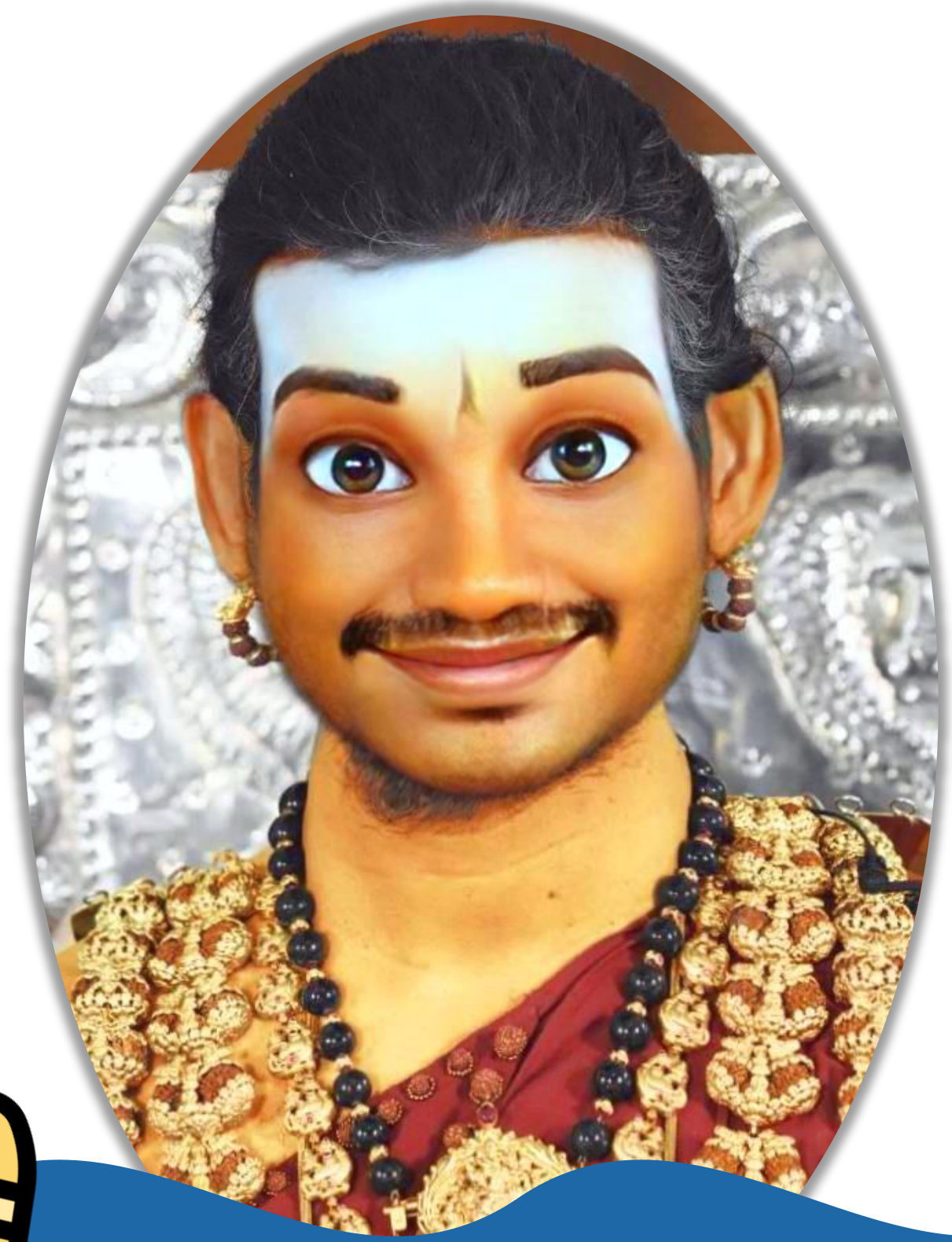
ACTIVITY OF THE DAY
ACTIVITY OF THE DAY:
BE FULFILLED
Materials Needed:
- Rocks or stones,
- Sand
- Transparent container
- Water
Variation: If the materials are not available, the students can draw the concept on paper and make a collage.
Procedure:
- Gather the class together and discuss the activity and topic. Explain how every second we can learn things and observe if we are in the present and now. Explain that humans only use 8 to 13% of our brains and this is an illustration that will help us understand
- Take the transparent container and ask the class Is it full? Or empty?".
- Take the rocks and stones and fill it to the top and ask again. "Is it full?" (Answer is No)
- Now take the sand and fill it to the top and ask again. "Is it full?" (Answer is No)
- Now take the water and fill it to the top and ask again. "Is it full?" (Answer is now Yes)

ACTIVITY OF THE DAY:
BE FULFILLED
INFERENCE:
Instead of chasing outer
objects and things that
we 'want' trying to
make ourselves happy.
We need to focus on
the things that matter,
the true desires which
can fulfill us.
The point of this illustration is that we are constantly learning, always getting inputs. Our brains are always working and finding new things, we just have to be open to it. One more interpretation of this activity is that our wants and wishes keep on changing and it is very difficult to satisfy all our wants. Our mind always wants more and more, when we understand this we can easily differentiate our true needs from borrowed desires.
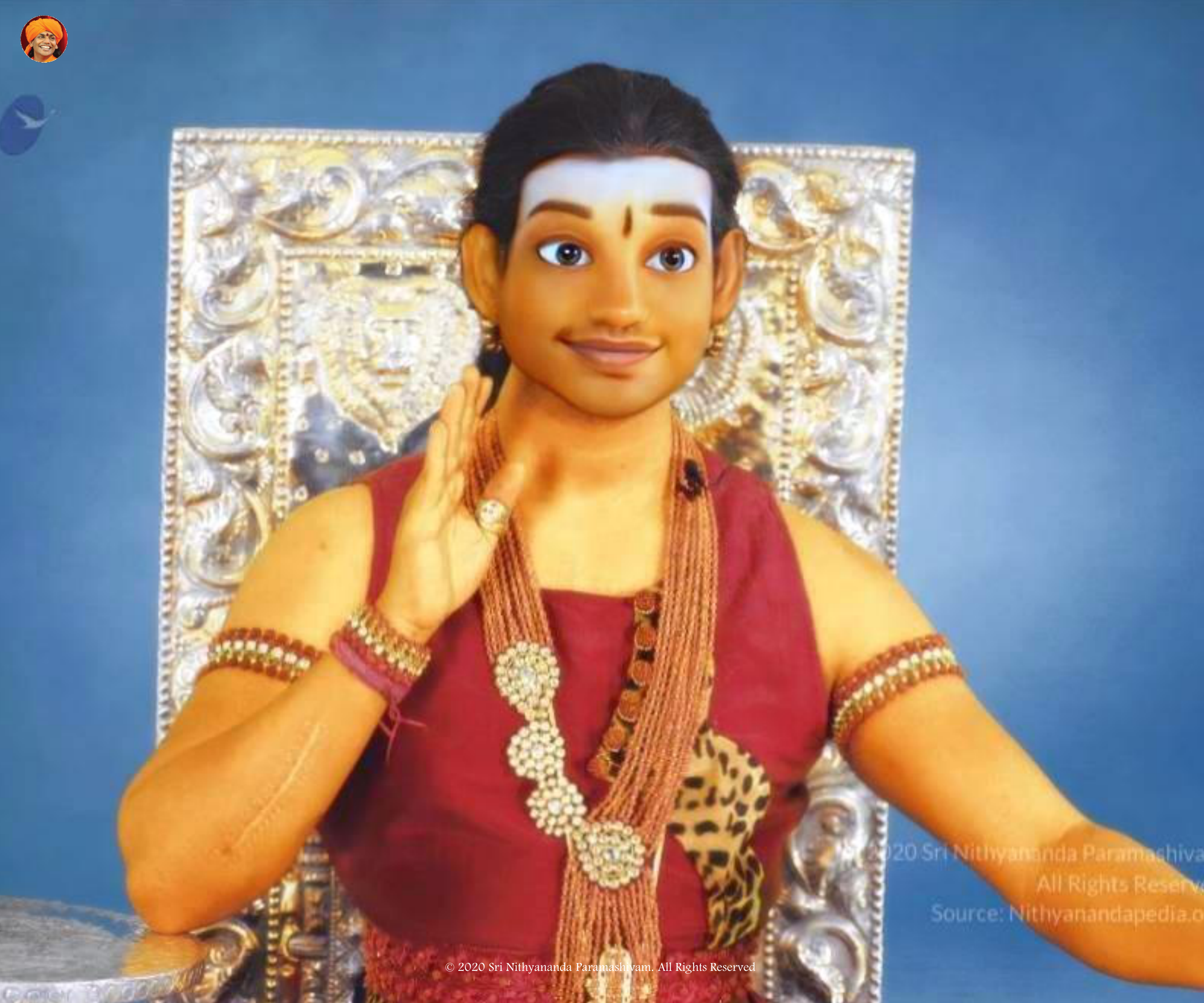
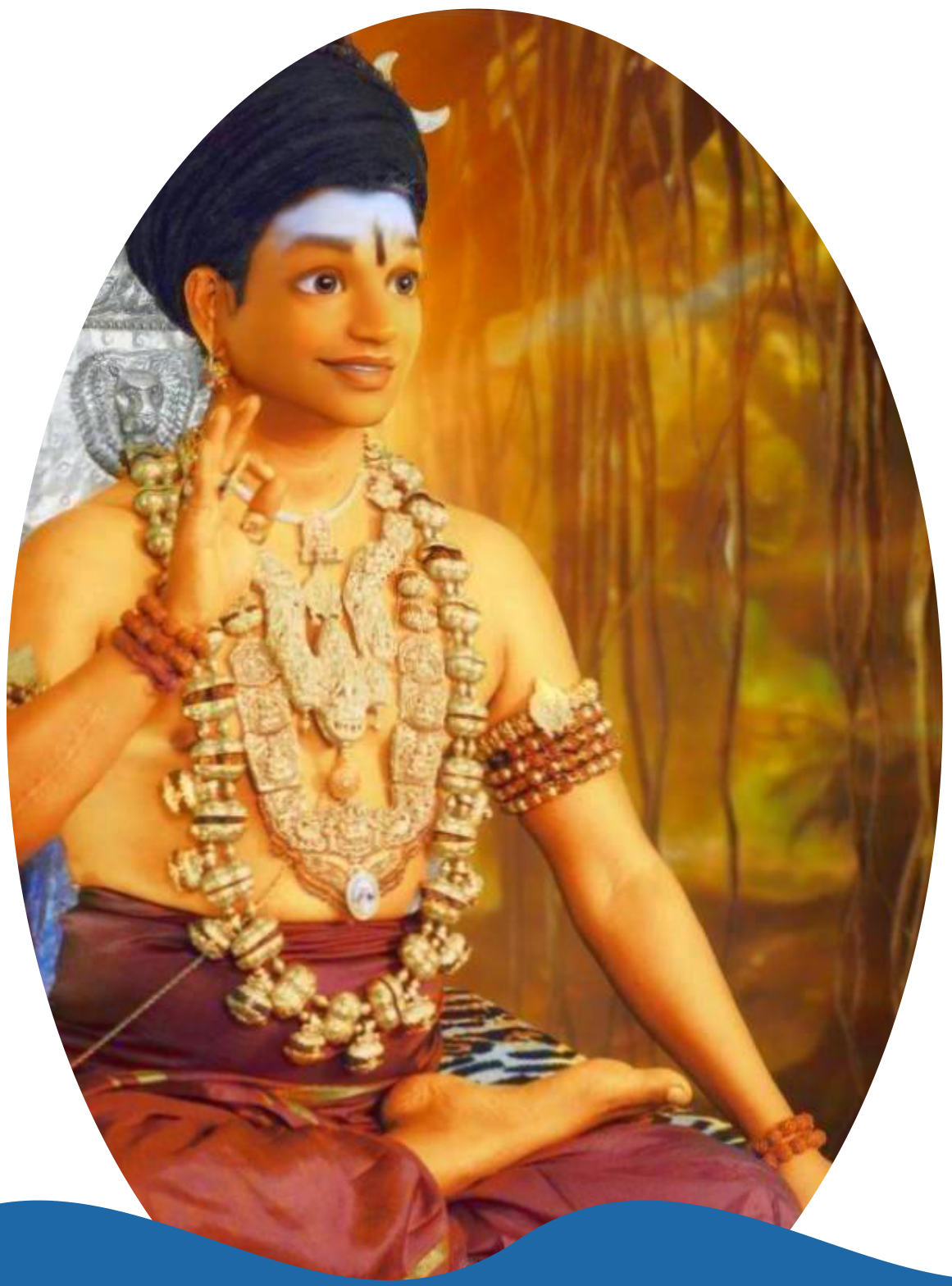
WORKSHOP OF THE DAY

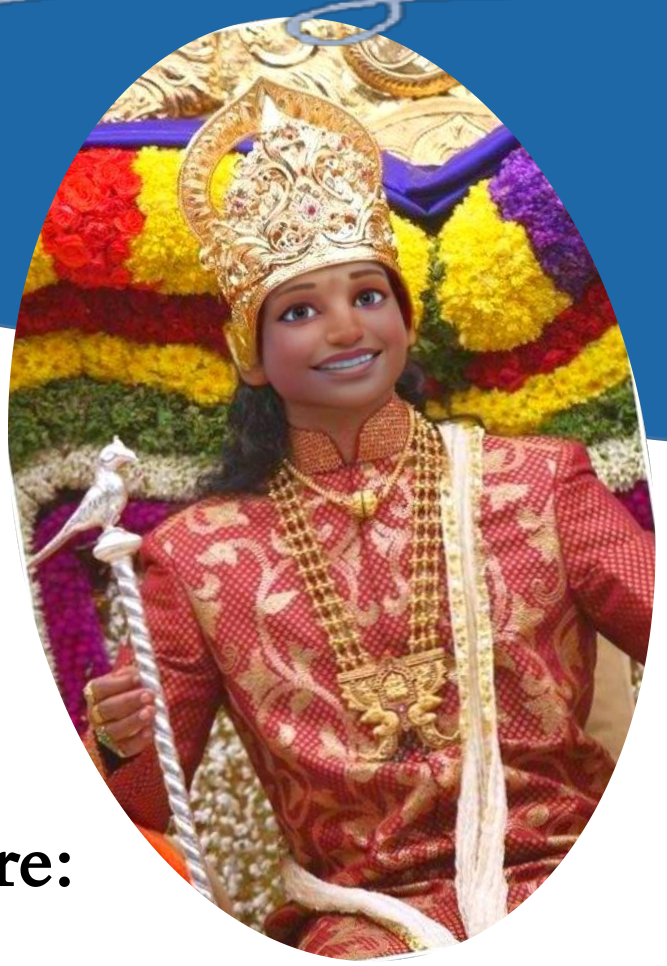


WORKSHOP OF THE DAY:
VAAKYARTHA SADHAS
Procedure:
Encourage the children to discuss how much of a part of them is a particular person.
For example: How much of you is a worker (ex) Do you feel you are very responsible, finish work on time. How much of you is a person who likes shopping (ex) I did not like to spend more time on shopping (or) I love to go for shopping etc How much of you like to be intelligence, creative (ex) I like to dance, I like to read, I like to create poems (or) I like to sing or draw.
INFERENCE:
This gives a clear view of how much of what forms your body. If intelligence forms you, you will be very happy, energizing and growing rather than having greed or fear forming in you. If anger forms you - you will have lots of negativity.
CONCLUSION:
The concepts of hell and heaven and sin were created to insert guilt and control people. Arjuna is not a fool. Arjuna understands all this perfectly. Yet, he voices his doubts as if ignorant and confused. He acts out of compassion for humanity when he articulates these doubts so that the divine Krsna can answer them, to everyone's benefit.
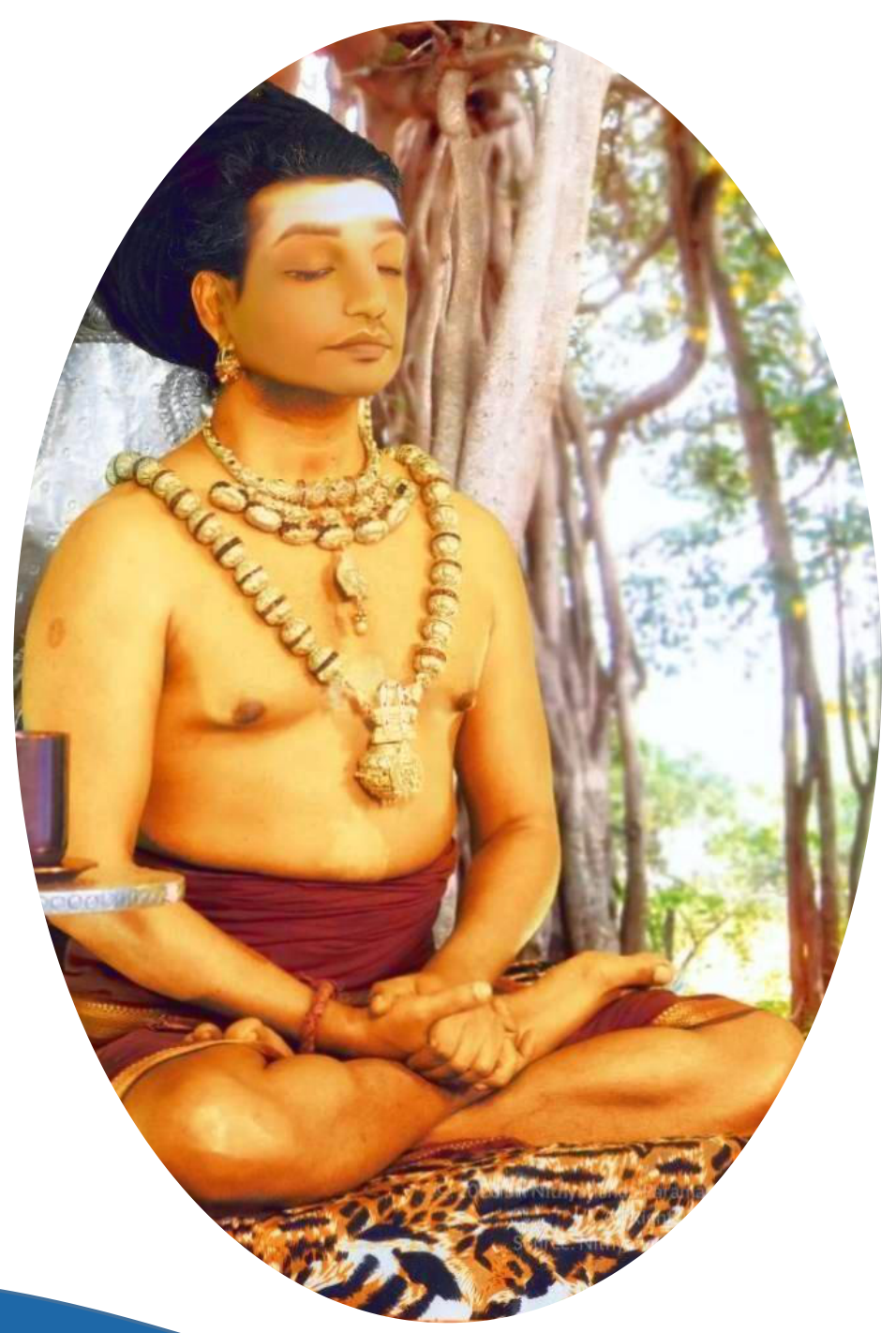
पापमेवाश्रयेदस्मान्हत्वैतानातातयिनः
तस्मान्नार्हा वयं हन्तुं धार्तराष्ट्रान्स्वबान्धवान् ।
॥ १-३६॥
pāpam evāśrayed asmān
hatvaitān ātatāyinaḥ tasmān
nārhā vayaṃ hantuṃ
dhārtarāṣṭrān svabāndhavān
Therefore, it is not proper for us to kill the sons of Dhṛtarāṣṭra and our relations
POWERFUL COGNITION
The problem that Arjuna faced is one that we all face when asked to do unpleasant things to people we know. To face this incompletion in one's relationships, one must first develop detachment that allows action without worrying about the consequences.

स्वजनं हि कथं हत्वा सुखिनः स्याम माधव
॥ १-३७॥
svajanaṁ hi kathaṁ hatvā sukhinaḥ
syāma mādhava
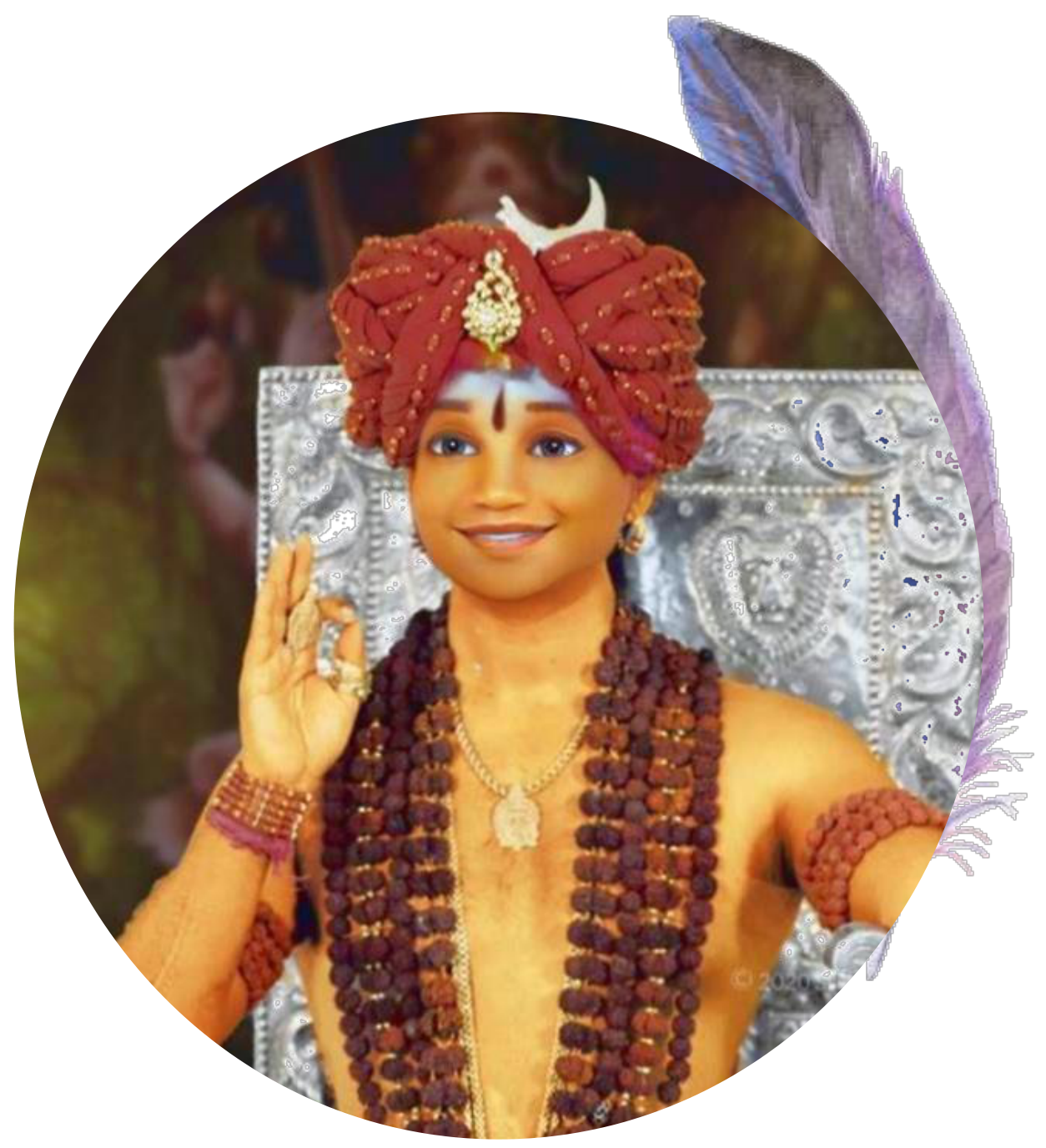
How could we be happy after killing our own kinsmen, Mādhava?
POWERFUL COGNITION
As long as the path is right, whatever destination the path takes one to, will also be right.
यद्यप्येते न पश्यन्ति लोभोपहतचेतसः।
कुलक्षयकृतं दोषं मित्रद्रोहे च पातकम
॥ १-३८ ॥
yadyapyete na paśyanti
lobhopahata cetasaḥ
kulakṣayakṛtaṁ doṣaṁ
mitradrohe ca pātakam
O Janārdana, these men, blinded by
greed, see no fault in killing one's
family or being treasonable to friends,
incur sin
POWERFUL COGNITION
Relationships are nothing but our own extensions.

कथं न ज्ञेयमस्माभिः पापादस्मान्निवर्तितुम् ।
कुलक्षयकृतं दोषं प्रपश्यद्भिर्जनार्दन
॥ १-३९॥
kathaṃ na jñeyam asmābhiḥ pāpād
asmān nivartitum kulakṣaya kṛ taṃ
doṣaṃ prapaśyadbhir janārdana
Why should we, who clearly see the sin in the destruction of a dynasty, not turn away from this crime?
POWERFUL COGNITION
Complete with everything.

INTRODUCTION
Here is Arjuna's dilemma spoken plainly. The problem that Arjuna faced is one that we all face when asked to do unpleasant things to people we know. It is always easier to criticize and punish people one does not know. To be faceless is to be fearless. With people one knows, there is a danger of breaking the relationship through perceived negative behavior, even when it may be fully justified. To face this incompletion in one's relationships, one must first develop detachment that allows action without worrying about the consequences. This detachment only comes from completion with every relationship with oneself and with others in one's life. One follows the path of completion and leaves the result to the process. As long as the path is right, whatever destination the path takes one to, will also be right.
Vedic civilization is
established on
completion.
You realize your
potentiality, you
establish yourself in the
space of completion, you
are God! Understand,
only if we start living
completion, we will
understand the quality of
life. When there is
incompletion, your life is
stolen away from you.
Completion is removing the delusion of incompletion, which makes you cognize that the other is separate from you. Understand, incompletion has no existence; it is only a delusive cognition. Incompletion is the delusive cognition that stands between you and the Whole. Complete with everything.
To overcome this isolation, this incompletion we need to realize that no man is an island. We are all connected at the spiritual level.
When we arrive on planet Earth, we are complete, integrated beings. We are open to all possibilities. Over time, we build walls believing that these walls will keep us safe and that the connections that we have established inside the walls are ours to keep. We create a delusory cognition that we possess everything within the wall. Slowly, the open space we started with becomes a maze and we are lost inside! The islands need to be bridged. We need to complete with everyone, with everything instead of isolating them and competing. Competition does not ensure survival; completion does. Understand, with competition you may have survival success, but you will never expand. Success in crisis moments is only survival success, not life success. Success in life happens only with completion.
Arjuna is pleading with Kṛṣṇa,
‘Please tell me, am I right? Please
tell me, should I withdraw from
this battle?’ As we will see, Kṛṣṇa
never gives him a single
instruction but gives him
inspiration. He gives him the
whole inspiration based science of
Gītā śāstra, so he can find his own
answers and he raises himself by
himself!
GOALS:
To help understand
incompletion and completion.
To understand To ascend to be
able to complete, Even when
connected by kinship to our
enemies
ASSESSMENTS
- 1.What dow we fear to do unpleasant things to people we know even when they deserve it and why is it easier to criticize and punish the people we don't know?
- What is completion?
- What is Advaita?
- How does life become like a maze?
ART OF THE DAY
ART OF THE DAY:
MIRROR IMAGE
MATERIALS NEEDED:
- Paper
- Mirror
- Picture or object
- Pencil (or) Sketch pen

PROCEDURE:
Keep a picture or object in front of the mirror and ask each child to see the image in the mirror and draw the picture on the paper with pencil or sketch.
INFERENCE:
When we complete with everything, animate and inanimate, we will experience the space of non-duality, advaita, where there is no one, no two.
© 2020 Sri Nithyananda Paramashivam. All Rights Reserved
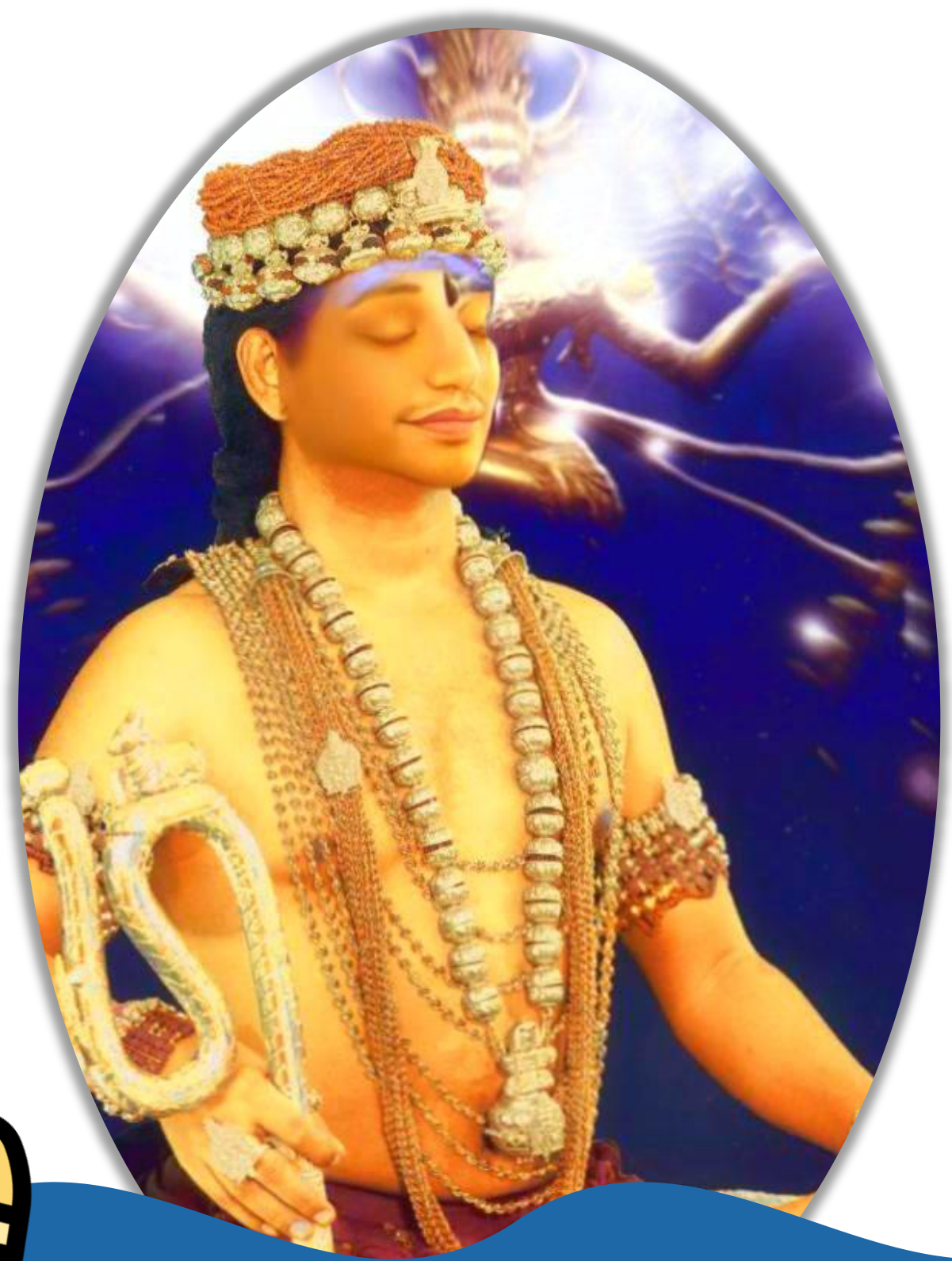

ACTIVITY OF THE DAY
ACTIVITY OF THE DAY:
MIRROR THE OTHER PERSON
Goal: To help understand the topic of Advaita
Procedure: Introduce the game and then encourage ALL to play the game with lots of focus.
Presentation: Ask the children to stand in pairs, each one facing each other. Ask one child to do some actions, perhaps move some body parts; ask the other child in that pair to follow the same - mirror the other person's activity. We can ask each child to take turns to do the action first and to copty the action.
INFERENCE:
When we arrive on
planet Earth, we are
complete, integrated
beings. Over time, we
build walls believing
that these walls will
keep us safe. The islands
need to be bridged. We
need to complete with
everyone, with
everything instead of
isolating them


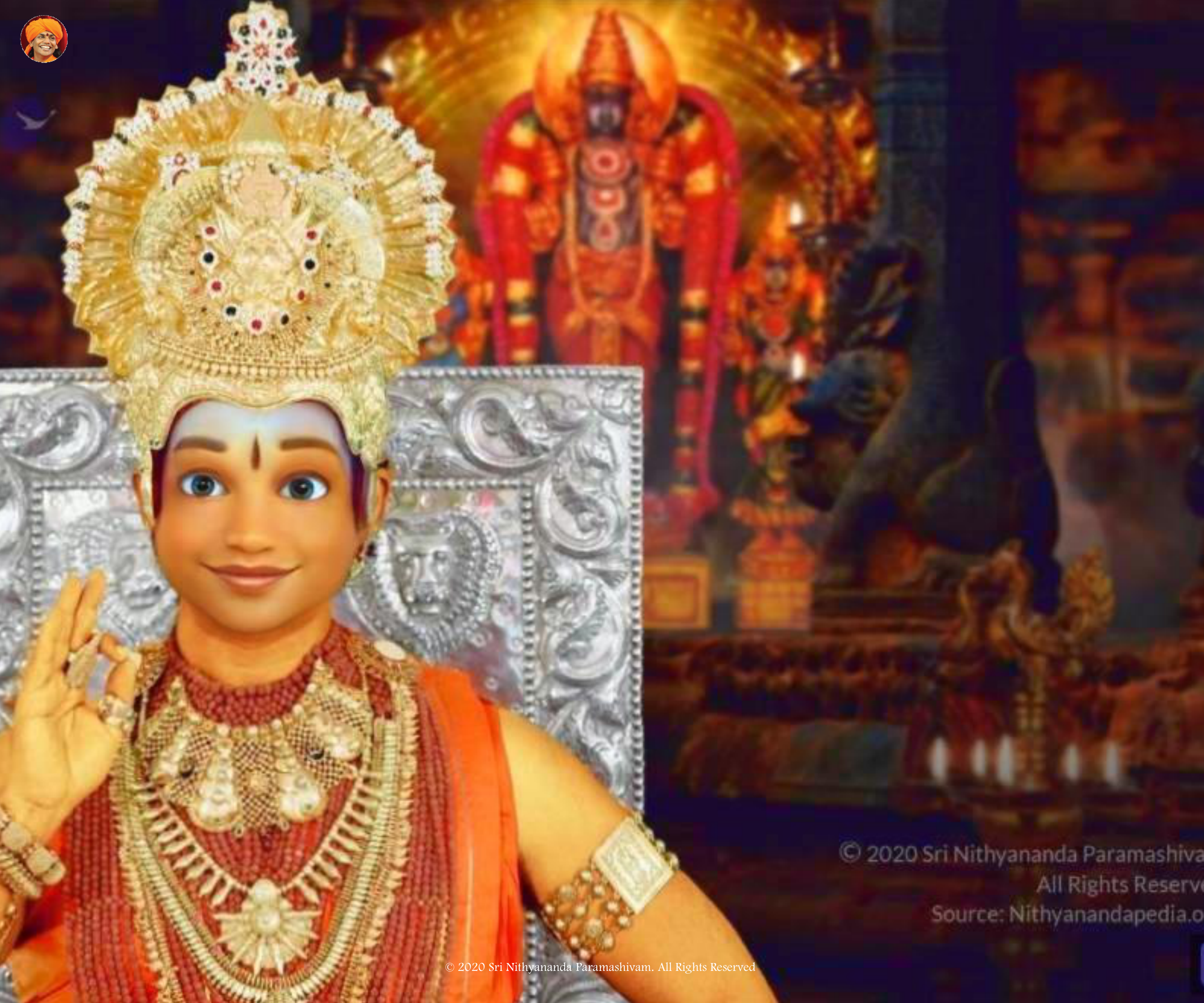
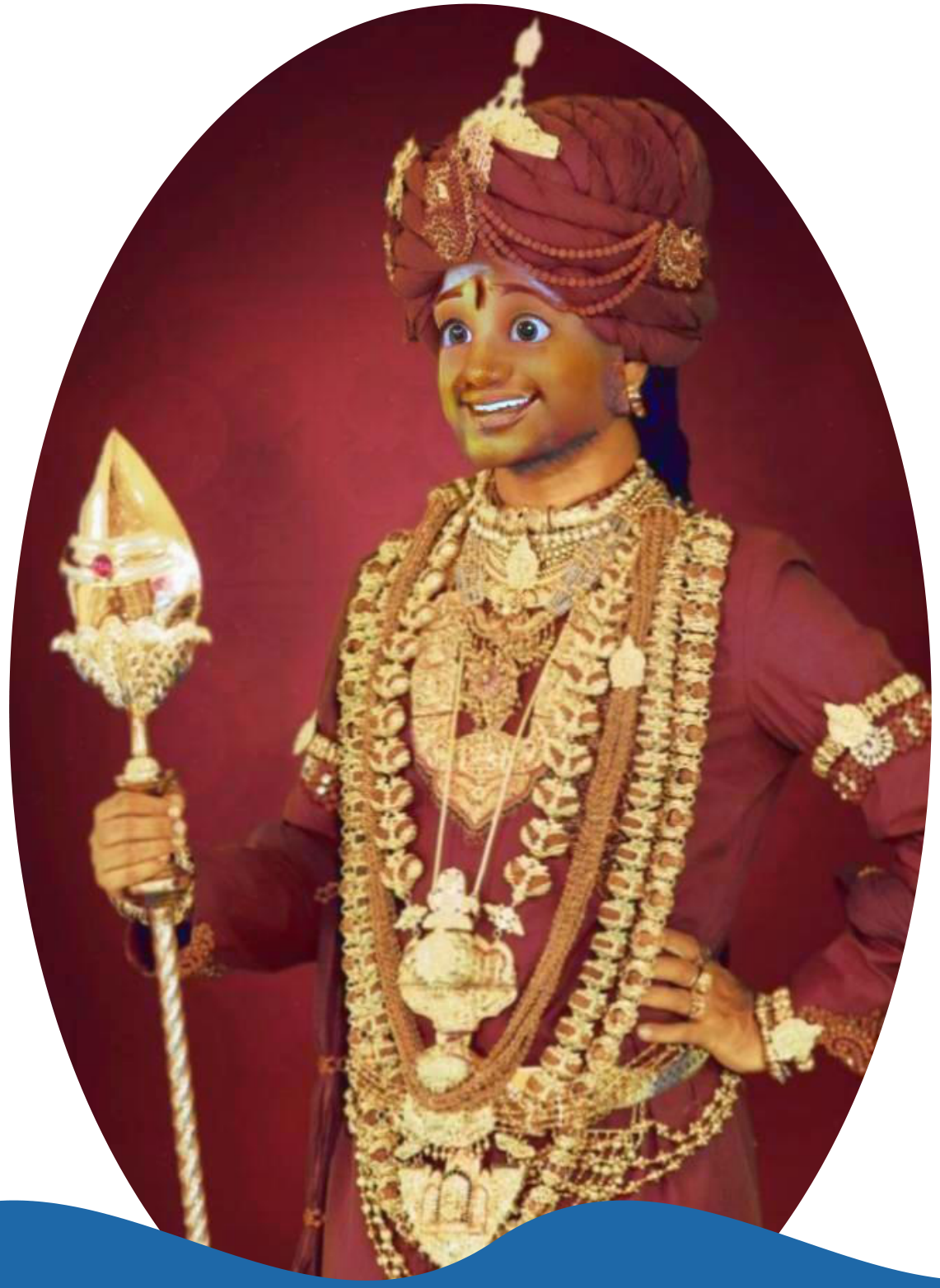
WORKSHOP OF THE DAY
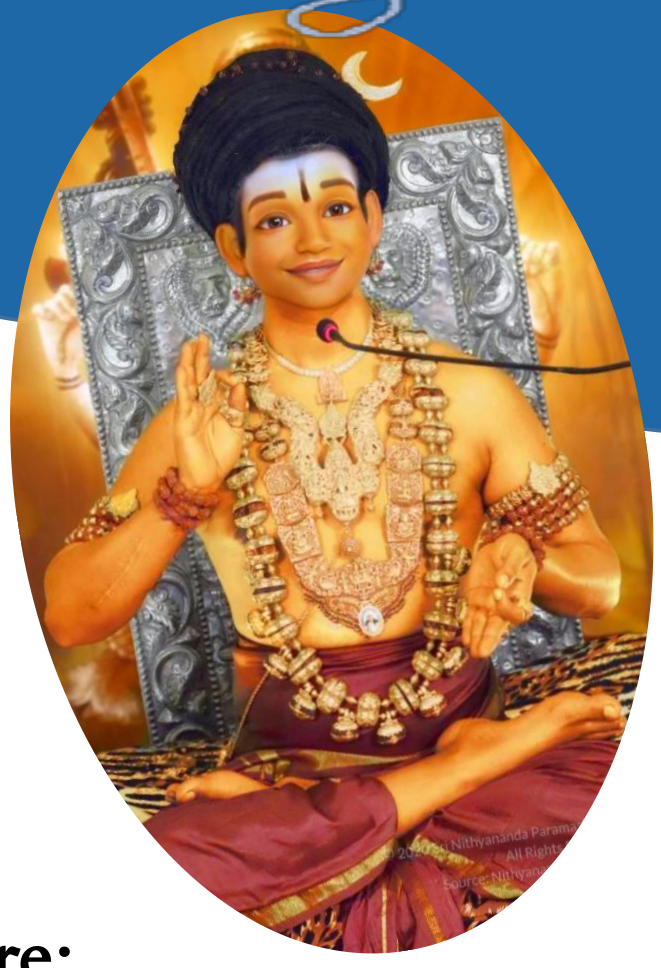
WORKSHOP OF THE DAY:
VAAKYARTHA SADHAS
Procedure:
Sit in groups and discuss your Realationships and Incompletions.
CONCLUSION:
Life is continuously happening in front of us. Arjuna is frightened in front of the eyes of life; from his disowned self, his relationships which are his forgotten extensions. This anxiety, fear, shivering is nothing but the expression of the incompletions Arjuna was carrying. See, relationships are nothing but our own extensions. Relationships are not outside; they are just our own extensions. The 'you' extended outside you is our relationships. Completing with all our extensions, we will learn to complete the incomplete 'you,' if present in other.
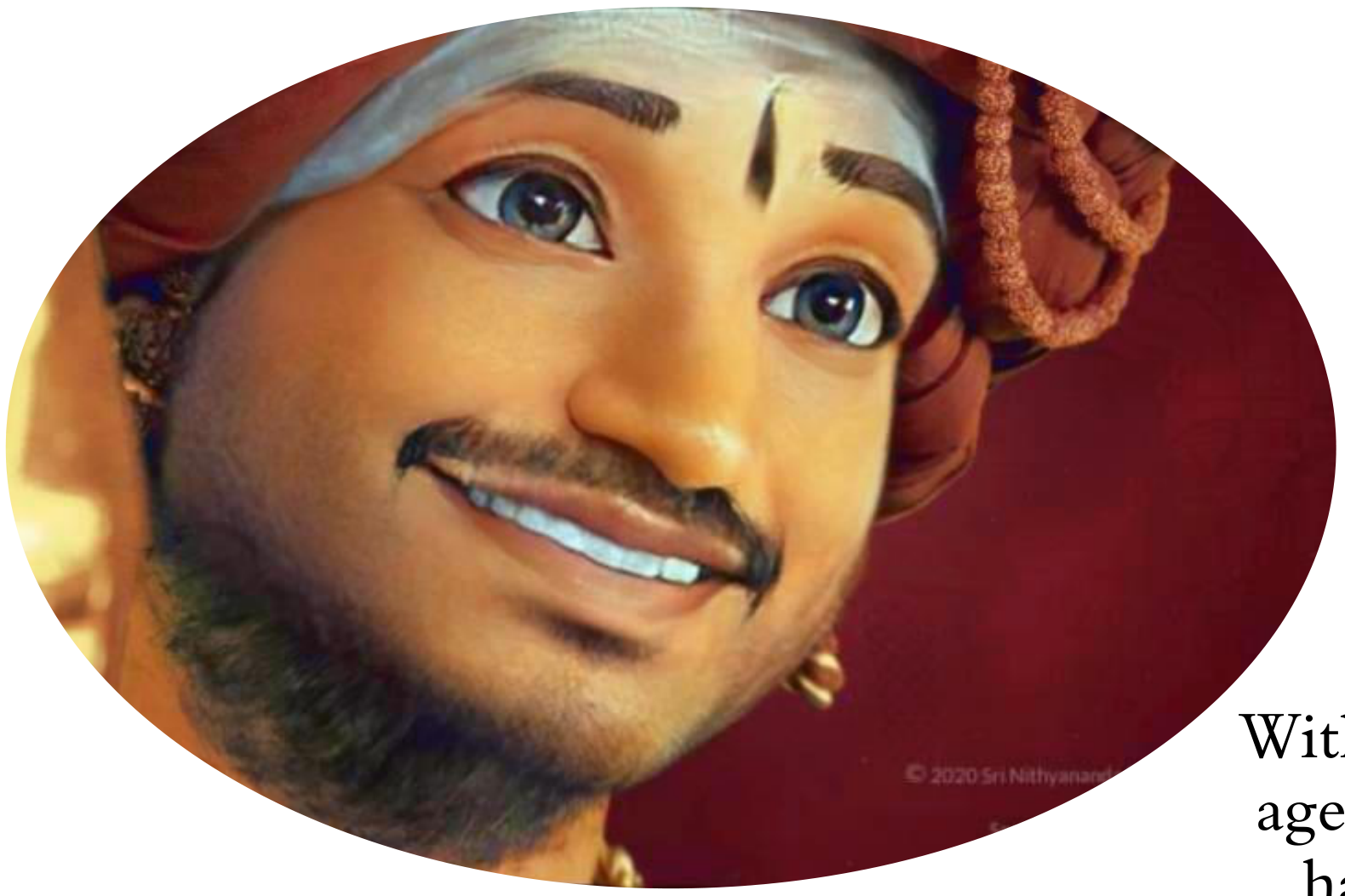
कुलक्षये प्रणश्यन्ति कुलधर्माः सनातनाः ।
धर्मे नष्टे कुलं कृत्स्नमधर्मोऽभिभवत्युत
॥ १=४०॥
kulakṣaye praṇaśyanti
kuladharmāḥ sanātanāḥ
dharme naṣṭe kulaṁ kṛ tsnam
adharmo ’bhibhavatyuta
With the destruction of the dynasty, the
age-old family traditions die and virtue
having been lost, vice overtakes the
entire race
POWERFUL COGNITION
Each verse of the Gītā is a sūtra, a technique that can work on your being and transform you.
1.41
अधर्माभिभवात्कृष्ण प्रदुष्यन्ति कुलस्त्रियः।
स्त्रीषु दुष्टासु वार्ष्णेय जायते वर्णसङ्करः
॥ १-४१॥
adharmābhibhavāt kṛṣṇa praduṣyanti
kula striyaḥ strīṣu duṣṭāsu vārṣṇeya
jāyate varṇasaṁkaraḥ
When non-righteous practices become
common, O Kṛṣṇa, the women of the
family become corrupt, and with the
degradation of womanhood, O
Descendant of Vṛṣṇi, ensues
intermixture of castes
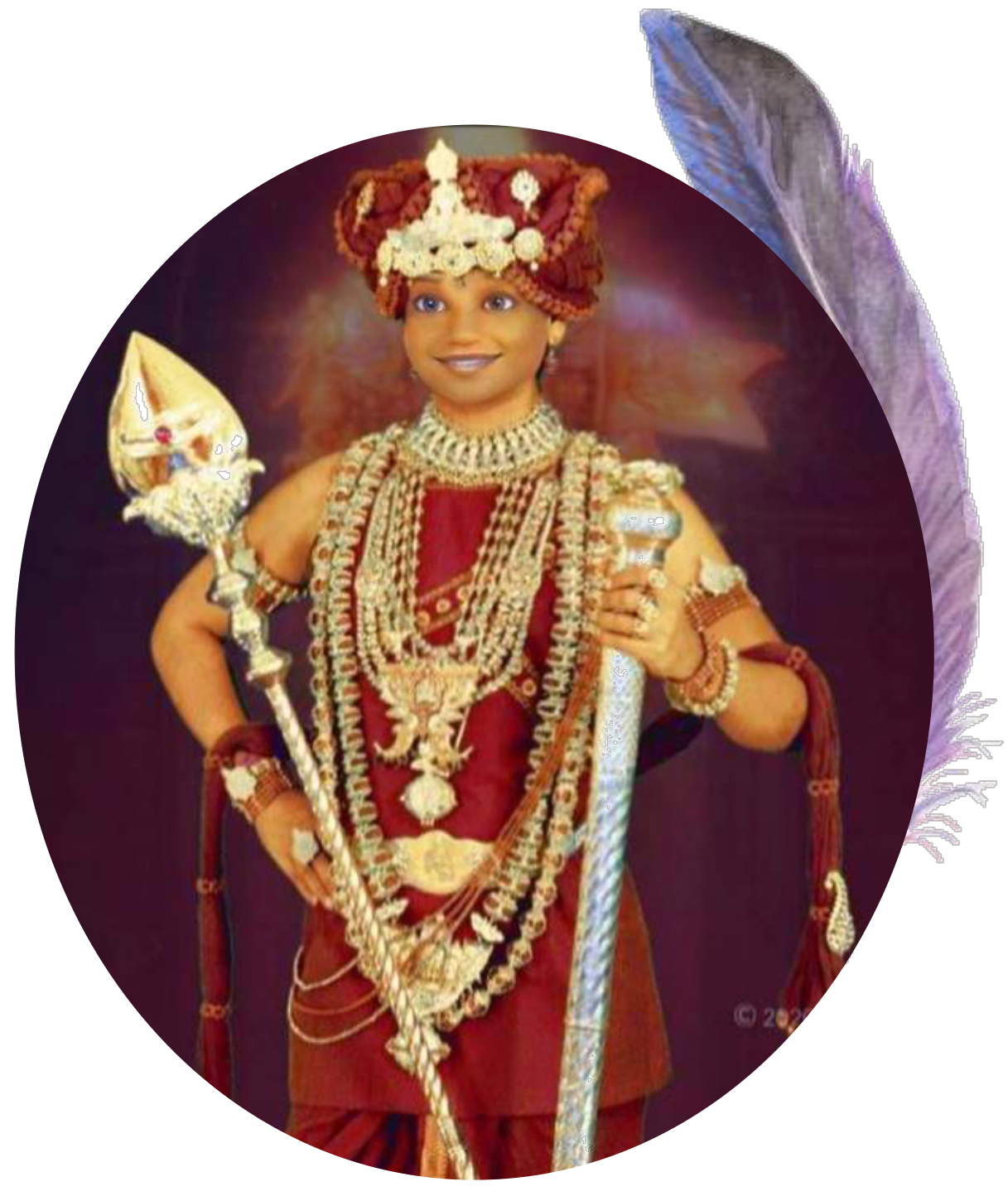
POWERFUL COGNITION
Rites and rituals, as prescribed in the scriptures, are an expression of one's inner completion.

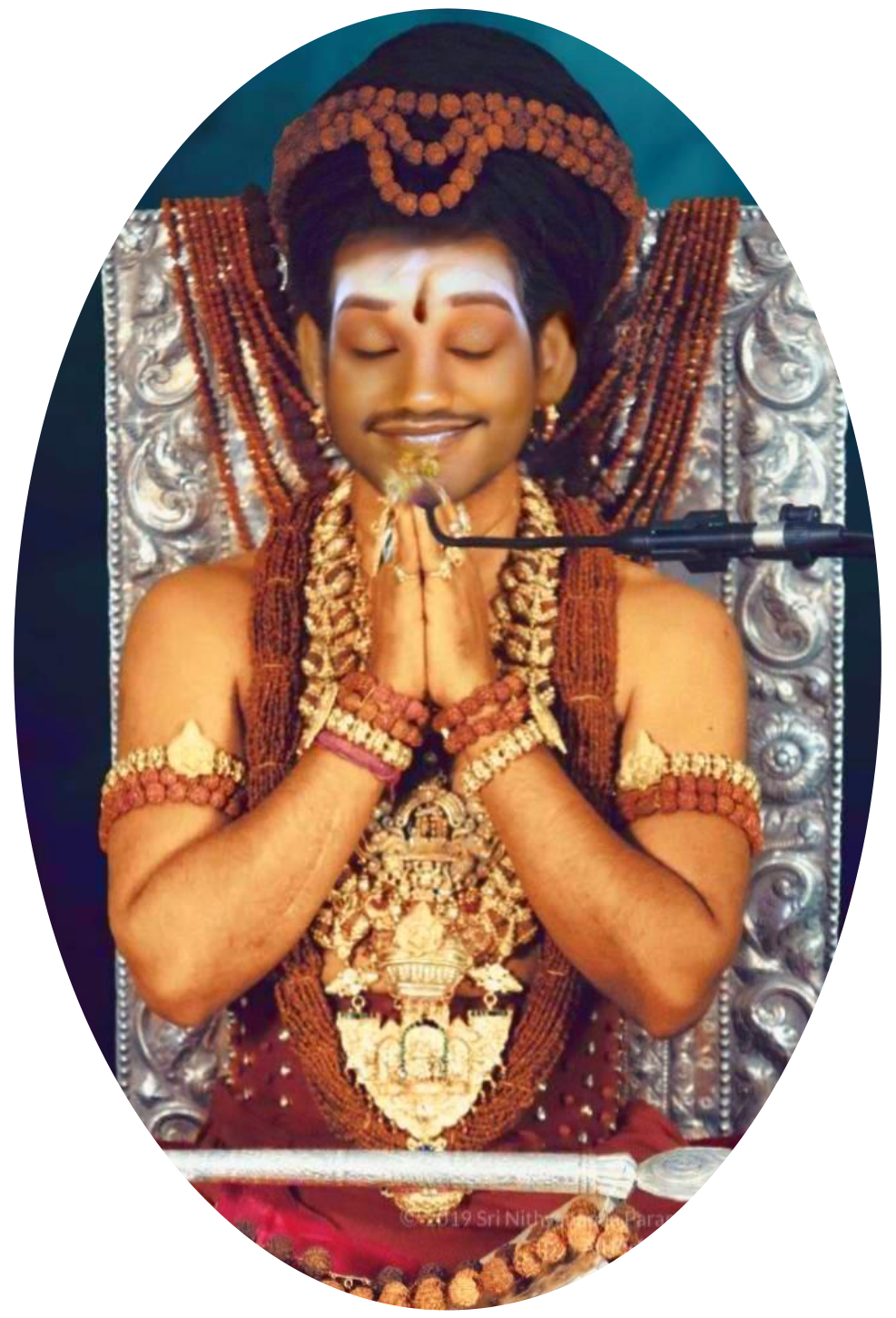
सङ्करो नरकायैव कुलघ्नानां कुलस्य च ।
पतन्ति पितरो ह्येषां लुप्तपिण्डोदकक्रियाः
॥ १-४२॥
saṃkaro narakāyaiva
kulaghnānāṃ kulasya ca
patanti pitaro hyeṣāṃ lupta
piṇḍodaka kriyāḥ
A mixture of blood damns the destroyers of race and the race itself. Deprived of offering of oblations of rice and water the departed souls of the race also fall
POWERFUL COGNITION
If the spirit is enlightened it merges with the infinite energy.
1.43
दोषैरेतैः कुलघ्नानां वर्णसङ्करकारकैः ।
उत्साद्यन्ते जातिधर्माः कुलधर्माश्च शाश्वताः
॥ १=४३॥
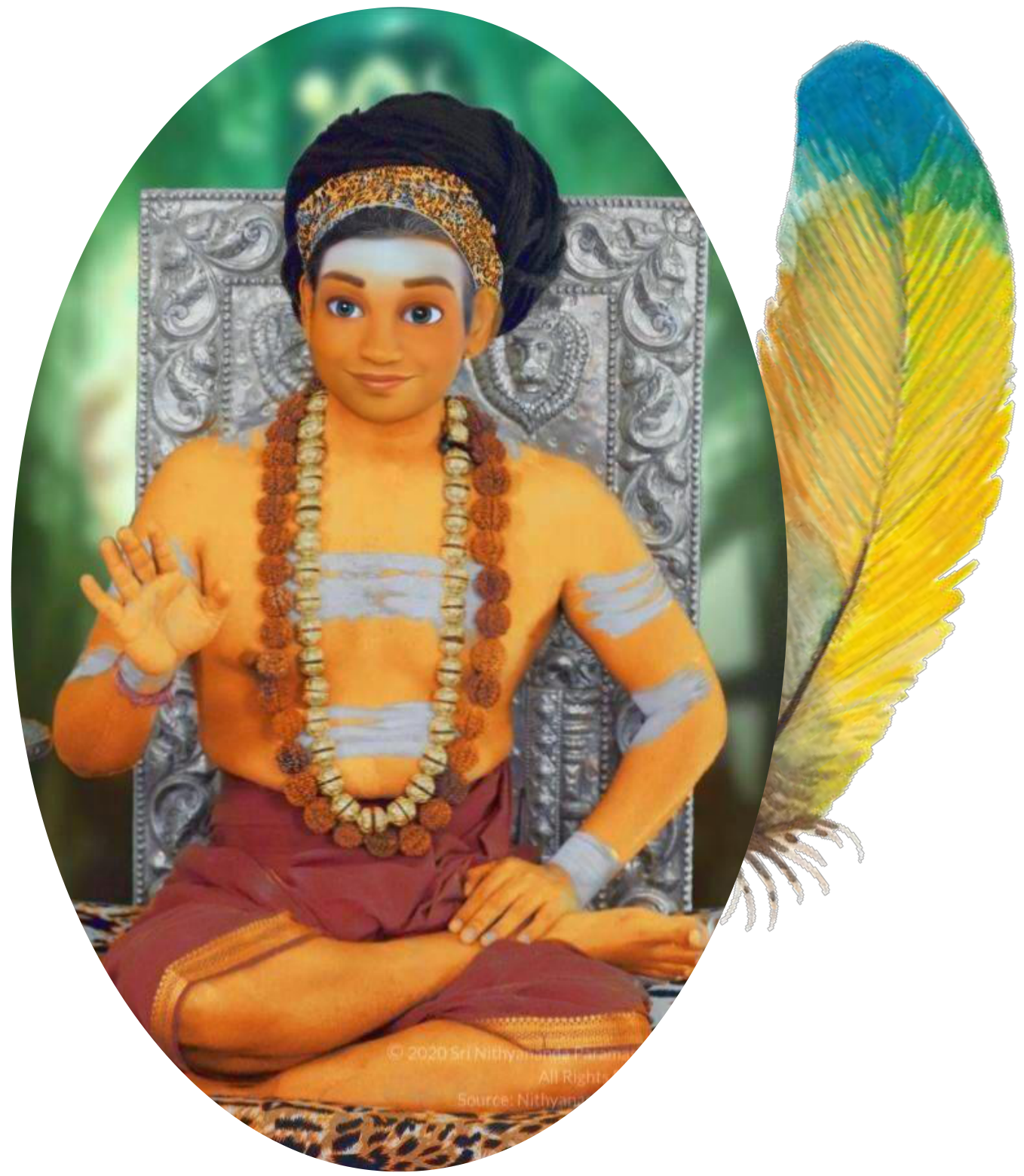
doṣair etaiḥ kulaghnānāṃ varṇa
saṃkarakārakaiḥ utsādyante
jātidharmāḥ kuladharmāś ca śāśvatāḥ
Due to the evil deeds of the destroyers of family tradition, All kinds of rituals and practices of caste and family are devastated.
POWERFUL COGNITION
We are in heaven when we are in completion and feel and express love, joy and gratitude.

INTRODUCTION
By now, Arjuna had become desperate. His arguments seemed weak, even to him. Arjuna starts quoting the scriptures of social laws.
To understand what Arjuna said, it is important to understand the origin of the caste tradition in Hindu religion.
At the age of five, a child was given to the care of a spiritual Master by the parents in the ancient Indian education system called gurukul. In the gurukul itself, the science of completion was taught to the child. The child grows up as a complete being. The child's natural aptitudes formed the basis for the caste classification, varṇāśrama. Brāhmaṇas (priests/teachers), kṣatriyas (kings/warriors), vaiśyas (tradesmen) and śūdras (service) are these four classes.
Irrespective of parentage, children were taught the Gāyatri mantra at age seven, which allowed their natural intelligence to blossom. If the Guru found that the child had the natural aptitude to learn the scriptures, he would be trained as a brāhmaṇa. Others were trained to enrich through materially relevant arts and sciences to re-enter the world with a mature and complete personality.
Over time, this caste system was corrupted through human greed. Those who believed that they were doing more responsible work, and therefore were more respected decided to pass on their caste qualification to their children as if it was their birthright. Such a practice had no scriptural sanction
Arjuna’s doubts about caste pollution had no scriptural base or merit. What he referred to became the societal norm because of human greed, the collective root patterns of society.
Rites and rituals, as prescribed in the scriptures, are an expression of one’s inner completion. Completion is not created by blind practice of rites and rituals. Arjuna voiced the sentiments of organized religion and priesthood, which derive their power and monetary base from such rites and rituals. This is how, in each culture and religion, the power of the priestly class was established, as if they were the sole mediators to God.
The truths expounded in the Gītā are about personal transformation. Each verse of the Gītā is a sūtra, a technique that can work on your being and transform you. That is how Kṛṣṇa brings Arjuna into the space of completion.
Completion is the space and state where you will be totally connected with life and with people in your life in the present moment without any limiting, restraining influence of the past happening in your life.
The essence of the Gītā is living in the space of completion in the present moment. Gītā is about surrendering the past and the future incompletions to the present and experiencing completion.
GOALS:
Help children to understand the
spiritual sanction for the caste
classification, varṇāśrama.
Introduce children to
completion, to transformation
and living in the present.
ASSESSMENTS
1. Explain how the Gurukuls work.
2. What are the classes of the caste classification,
varṇāśrama?
3. What is the difference between scriptural base
and societal norm?
4. Why is it best to avoid blind practice of rites
and rituals?

ART OF THE DAY

ART OF THE DAY:
DRAWING YOUR APTITUDE!
MATERIALS NEEDED:
- Paper
- Pen (or) Sketch pen
- Pictures of people being active in a large variety of different professions
PROCEDURE:
Give each child the material needed. Encourage each child to draw their aptitude. for inspiration they can look at what people are doing in the different professions. For example, a baker is mixing ingredients for bread, or a driver is driving a truck.
INFERENCE:
aptitudes formed the basis for the caste classification.
ACTIVITY OF THE DAY

ACTIVITY OF THE DAY:
MAKE A RANGOLI!
Material Needed:
- Flat surface like an outside floor option: black paper instead of floor chalk coloured
- Rangoli powder
Procedure:
1. Gather the class and discuss the activity. help them understand that to get a good rangoli they need to be highly aware of even their smallest movements.
2. Have some simple patterns. help children draw the outline of a pattern on the floor or black paper, whichever they are using.
3. To easily pour the rangoli powder onto the chalk outline, roll a piece of newspaper into a cone, snip a hole in the narrow end, and fill the hole with the powder. show the children how to Use their finger as a stopper to control the flow from the cone. follow the borders first before filling the design.
4. Those who have already done this before can try pouring by hand. Show them how to rub the powder between the thumb and forefingers. first follow the lines of the design, then fill in the details.
ACTIVITY OF THE DAY:
MAKE A RANGOLI!
INFERENCE:
Rites and rituals
are an expression
of one's inner
completion.
WORKSHOP OF THE DAY

WORKSHOP OF THE DAY:
VAAKYARTHA SADHAS
Procedure:
Each child is asked to write down a list of ten things which went wrong in their life.
• For example, each child can write about their worst experiences like: • How did my favorite toy break? • My best friend went to an another school • My birthday dress got torn I tripped dancing on the stage
Let the discussion start by asking everybody to tell what they felt during that particular movement. What are the patterns created, how life has happened to them?
Inference: This activity gives them an opportunity to re-live that particular incident. This helps them to be aware of the thoughts which lead them to the negative things in life.

WORKSHOP OF THE DAY:
VAAKYARTHA SADHAS
CONCLUSION:
Completion is the space and state where you will be totally connected with life and with people in your life in the present moment without any limiting, restraining influence of the past happening in your life. In many instances, our incompletions may rise due to the feeling of guilt, as such the activities above is structured to help drop such life-negative emotions and move forward in a more complete and positive space to manifest the life we desire.
उत्सन्नकुलधर्माणां मनुष्याणां जनार्दन ।
नरकेऽनियतं वासो भवतीत्यनुशुश्रुम
॥ १-४४॥
utsannakula dharmāṇāṃ
manuṣyāṇāṃ janārdana narake
'niyataṃ vāso
bhavatītyanuśuśruma
O Janārdana, we hear that those who have lost family traditions dwell in hell for an indefinite period of time
POWERFUL COGNITION
Gītā is about surrendering the past and the future incompletions to the present and experiencing completion.
अहो बत महत्पापं कर्तुं व्यवसिता वयम् ।वयम्
यद्राज्यसुखलोभेन हन्तुं स्वजनमुद्यताः
॥ १-४५॥
aho bata mahat pāpaṃ kartuṃ
vyavasitā vayaṃ yad rājya sukha
lobhena hantuṃ svajanam udyatāḥ
Alas, we are prepared to commit
greatly sinful acts of killing our
kinsmen, driven by the desire to
enjoy royal Happiness
POWERFUL COGNITION
Eternal happiness that constantly flows as bliss is always within.
यदि मामप्रतीकारमशस्त्रं शस्त्रपाणयः ।
धार्तराष्ट्रा रणे हन्युस्तन्मे क्षेमतरं भवेत्
॥ १-४६॥
yadi mām apratīkāram aśastraṃ
śastrapāṇayaḥ dhārtarāṣṭrā raṇe
hanyuḥ tan me kṣemataram
bhavet
It would be better if the sons of
Dhṛtarāṣṭra, armed with weapons,
killed me in battle while I am
unarmed and Unresisting
POWERFUL COGNITION
f you imbibe even a little of Bhagavad Gītā, if you drink even a drop of Gaṅgā water, if you think even once about that great Master Śrī Kṛṣṇa, you will never have to face death.
[47
सञ्जय उवाच ।
एवमुक्त्वार्जुनः सङ्ख्ये रथोपस्थ उपाविशत् ।
विसृज्य सशरं चापं शोकसंविग्नमानसः
॥ १-४७॥
sañjaya uvaca evam uktvarjunaḥ saṃkhye
rathopastha upāviśat I visṛ jya saśaraṃ
cāpaṃ śokasaṃvignamānasaḥ
Sañjaya said: Arjuna, whose mind was
agitated by grief on the battle field,
having spoken thus, cast aside his bow
along with the arrow and sat down at the
rear portion of the chariot
POWERFUL COGNITION
The essence of the Gītā is living in the space of completion in the present moment.
INTRODUCTION
Arjuna was ready to give up. He was all set to run away from the battlefield and escape from the reality of his duty. He had convinced himself through his own illusory arguments that what he had embarked upon was pure evil and therefore he wanted no part of it. He said, ‘I am ready to lay down my arms. Let Duryodhana and his men kill me.’ Arjuna’s desperation arose from his dilemma, which was becoming more extreme by the minute.
Arjuna was an intelligent man accustomed to the light of clarity but was now in darkness. He was torn between his duty as a kṣatriya prince and the scriptural codes of morality. Arjuna’s distress was complete. He sat down, unable to bear the weight of his emotions. He put down his bow and arrows, which signified that he was out of the battle.
Arjuna’s delusion was complete. He was as far away from reality and intelligent action as he could possibly get. The greatest warrior of his time, the greatest of men, was in the depths of despair due to his inner turmoil. The conflict between his upbringing and value systems, his samskaras and what he was about to do by waging war against his kinsmen had reduced him to a pitiable wreck who now abandoned his weapons and collapsed inside his chariot. At this point,
Arjuna was no example of a true ksatriya. Arjuna was now a true example of mankind. He was being human. He was experiencing the deep conflict between the unconscious patterns that were driving him and the reality of what he ought to do. The darkness that surrounded Arjuna at this stage was māyā, the illusion that prevents all human beings from perceiving the truth of Reality that pervades all our experiences.

Ya ma iti maya, that which is not real but appears as absolute is maya. Maya is not unreal in the sense that it does not exist. Maya truly exists as reality. It veils, it covers Reality, the ultimate Truth. Had Arjuna been Krsna, had Arjuna been enlightened, he would not have been tormented by the play of his maya.
Had Arjuna been a Duryodhana or even a Bhima whose individual consciousness was not awakened, he would have accepted the maya without question and again not been tormented by it. But, Arjuna is intelligent. He is partially awakened, a seeker. He is in the presence of the greatest of all masters. He is struggling to rid himself of his maya and seeks clarity.

It is Arjuna's ego that created the maya in him. His own along with his conviction that he should preserve his lineage - all these factors created the illusion in him that he was something other than who he was. These created the doubt in him that he should do something other than what he was there to do.
All of us come into this world with no identity. As we grow we collect labels describing ourselves. We become so associated with the labels and their accessories that we forget who we really are. Our life is then about seeking fulfillment in the wrong places. We search for happiness in the external world because that is where we have been taught to look for fulfillment. We have not learned how to look within and experience it. Eternal happiness that constantly flows as bliss is always within you and not in material possessions, relationships or selfish philanthropy. It is a state of no-mind that you experience within yourself.

GOALS:
To help the child understand the
battle scene and the dilemma
Arjuna was facing by having to
destroy his kinsmen
ASSESSMENTS
1. What is the meaning of being a ksatriya as described in
this chapter?
2. What do you understand by maya?
3. Why is Arjuna feeling desperate to leave the battlefield?
ART OF THE DAY
ART OF THE DAY:
BLIND FOLD DRAWING
MATERIALS NEEDED:
- White sheet
- Pencil (or) Sketch pen
- Blindfolds

PROCEDURE:
Give each child the materials needed. Encourage the children to draw any picture blind folded. Children then can see the picture which they have drawn and talk about it.
Inference:
Connect to the concept that guilt makes us blind so that we cannot see the real picture Explain to the children when we are in guilt we will not make correct decisions, we cannot see the real picture.
© 2020 Sri Nithyananda Paramashivam. All Rights Reserved
ACTIVITY OF THE DAY

ACTIVITY OF THE DAY:
CHEAT OTHERS
1, 2 OR NONE
Material Needed:
Somebeads or small stones in a
clothbag
Procedure:
Ask the children to sit in a circle and
explain to the children that one
childhas to take a fewbeads without
showing others with their fist closed
and must ask
others whether they arehaving even, or
oddbeads/stones. They can also avoid
taking anybeads andhave an empty fist
and ask the other children whether
theyhave odd, even or none. Each
child will take turns and play thisgame.
Inference:
The goal is to make the
children understand about
the concept ofguilt.
A child when showing an
empty closed fist
sometimes,
cannothidebecause their
face will show as they
maylaugh orkeep very
quiet. Connect it to the
concept if we do something
whichleads toguilt we
cannothide it.

WORKSHOP OF THE DAY
WORKSHOP OF THE DAY:
VAAKYARTHA SADHAS
Discuss in which colour the children do their day to day activity. 1.Black- Unknown 2.Brown - Fear 3.Green-Greed
- Red - Anger
- Yellow -Happy, Creative, Intuitive 6.Blue - Purpose oflife
7. White -Beyond
Procedure:
Ask the children to contemplate and talk about the colour in which they conduct their day to day activity.
WORKSHOP OF THE DAY:
VAAKYARTHA SADHAS
For Example:
When they brush their teeth in which colour are they established? Whether they are working unknowingly or they are brushing out of ANGER, (or) acting out of GREED or getting something as a gift (or) working out of fear of infection, or is it out of happiness or with the thought that is the purpose of life or beyond that. Encourage each child to analyze in which colour they perform their different activities.
Inference: Explain to the children when you do things out of Anger, without liking it, it only leads to suffering. As we grow bigger it will become a pattern. The brain grows in patterns. Every activity which we perform must be in Yellow colour - happy, creative, and intuitive! We need to be creative in each activity. When we are in Yellow colour, we will be in a happy, creative, open and intuitive spectrum.

CONCLUSION:
That is the process Arjuna was going through. He had lost his awareness of inner bliss because of his samskaras and was in the deep throes of despair. The process of relearning, the process of transformation at the hands of the master was about to begin. If we become aware of that process that the master takes His disciple through, if we follow that process carefully over the eighteen chapters, we too can become aware. Sankara says beautifully: If you imbibe even a little of Bhagavad Gita, if you drink even a drop of Ganga water, if you think even once about that great master Krsna, you will never have to face death.
Ebook ISBN: 979-8-88572-197-4
© 2020 Sri Nithyananda Paramashivam. All Rights Reserved