INTRODUCTION
This text was machine-transcribed from the printed book and may contain errors. Select the words and choose “Report a mistake”.
What is the Why of my Life?' cries Arjuna
It takes a lot of courage of authenticity to bring integrated listening to our thinking, to stop and question our lives, our actions and society’s plan for us. Understand, the attitude of asking ‘WHY’ needs awareness, but we forget to ask the ‘why’. We don’t take our thoughts, words and deeds to the logical conclusion. It takes authenticity, the power of thinking, the inner strength to say to the world, ‘Stop, I want to get off; I want to know why am I doing, what I am doing? I want to seek true inner bliss!’

It takes tremendous courage of authenticity to recognize the transitory nature of life and its limited offer of happiness, to say — ‘I want something more.’ It takes enormous courage to complete with the materialism of the world to seek one’s true purpose in life. I tell you, if just the ‘why’ is kept alive, ‘why am I feeling powerless?’, ‘why am I feeling tired’, ‘why am I feeling sick?’, ‘why am I depressed?’; just if the ‘why’ is strong enough to take you to the logical conclusion, our problems will be solved. If we just keep this one question alive, ‘Why am I doing what I am doing?’ and are able to take this one question to the logical conclusion in our life, I tell you, we will be enlightened. You will radiate enriching!
What is the purpose of my life, Kṛṣṇa?’ wailed Arjuna.
Arjuna is now thinking with integrity and questioning himself, his training and his purpose when faced with the task of fighting against his kinsmen. The scene from his chariot has taken him off balance! In his heart he knows that what he is about to do is correct. All of his training as a kṣatriya confirms this as well. But when faced with the reality of actually killing those who have been near and dear to him, he loses his will. He is feeling completely powerless. Why?

Arjuna is a courageous man.
Only a courageous person will
have the confidence to open
himself up so transparently and
expose his innermost fear
patterns, his lack of integrity and
inauthenticities and seek help.
Arjuna was not depressed, he was
confused. He could certainly
differentiate between right and
wrong. His sudden confusion
grew out of his awareness of his
parental and societal patterns that
what he had been taught
throughout his life, might be
wrong! Fortunately for Arjuna,
his charioteer is none other than
Kṛṣṇa Himself, Lord of all beings
and knower of all! Only He can
see what is at the heart of
Arjuna's grief. Only He could
provide answers to Arjuna's
doubts and completion to his
dilemma.
Arjuna argues that the reason one would fight to gain power and wealth was for the sake of one's near and dear ones. However, his near and dear ones were the people with whom Arjuna should fight! Even if they killed him, he would not consider killing them at any cost, 'If I would not kill them for all the riches of the three worlds, why would I destroy them for the sake of earth, this one world, alone? Arjuna questioned Kṛṣṇa. When asking, Arjuna calls Kṛṣṇa as Madhusūdana, which means the slayer of the demon Madhu. Arjuna implies that Kṛṣṇa may be a destroyer, but Arjuna himself would not like to be one like Him.

Arjuna’s dilemma had now
become deeper and more
complicated. He had now got
into justifications as to why he
should not kill; he began to
justify his lack of integrity and
authenticity. To any observer, his
dilemma had validity. This is a
common cunning, safe game we
all play with ourselves. When the
stakes are high in any
competitive environment, when
we don’t want to expand to our
peak capability, we play this
inauthentic game. We fantasize
about rewards far greater than
what could possibly materialize.
The more unrealistic and
unlikely the reward, the easier it
is to refuse it.
Arjuna is playing this same safe, inauthentic game. Understand, when we are authentic, we will commit words which express our maximum peak capacity, as per our understanding, and as per others' understanding of our peak capacity. When we unlock the power of thinking, we will be able to spontaneously focus our thoughts to achieve our highest potential.
CONSTANTLY
FUNCTiONiNG
AT YOUR PEAK
POSSiBiLiTY iS
AUTHENTiCiTY.
AUTHENTiCiTY
iS THE KEY
THAT UNLOCKS
THE
POWER OF
THiNKiNG,
MANO ŚAKTi.
Arjuna said he would not kill even if he were to be killed. This is just a lie. It is his own loss of identity that would result from the destruction of his lineage that was bothering him. Arjuna then went on to say that he would not consider killing his kinsmen and teachers, even if he were offered all the three worlds of this universe in return. Why then, he queries, would the reward of just this planet earth be attractive to him?
Who was offering Arjuna the three worlds anyway? The notion was a pure figment of his overexcited imagination. If Krsna had actually offered Arjuna the control of the universe, Arjuna's dilemma would have become far worse! However, posing it as a symbolic question as Arjuna did made him look noble.
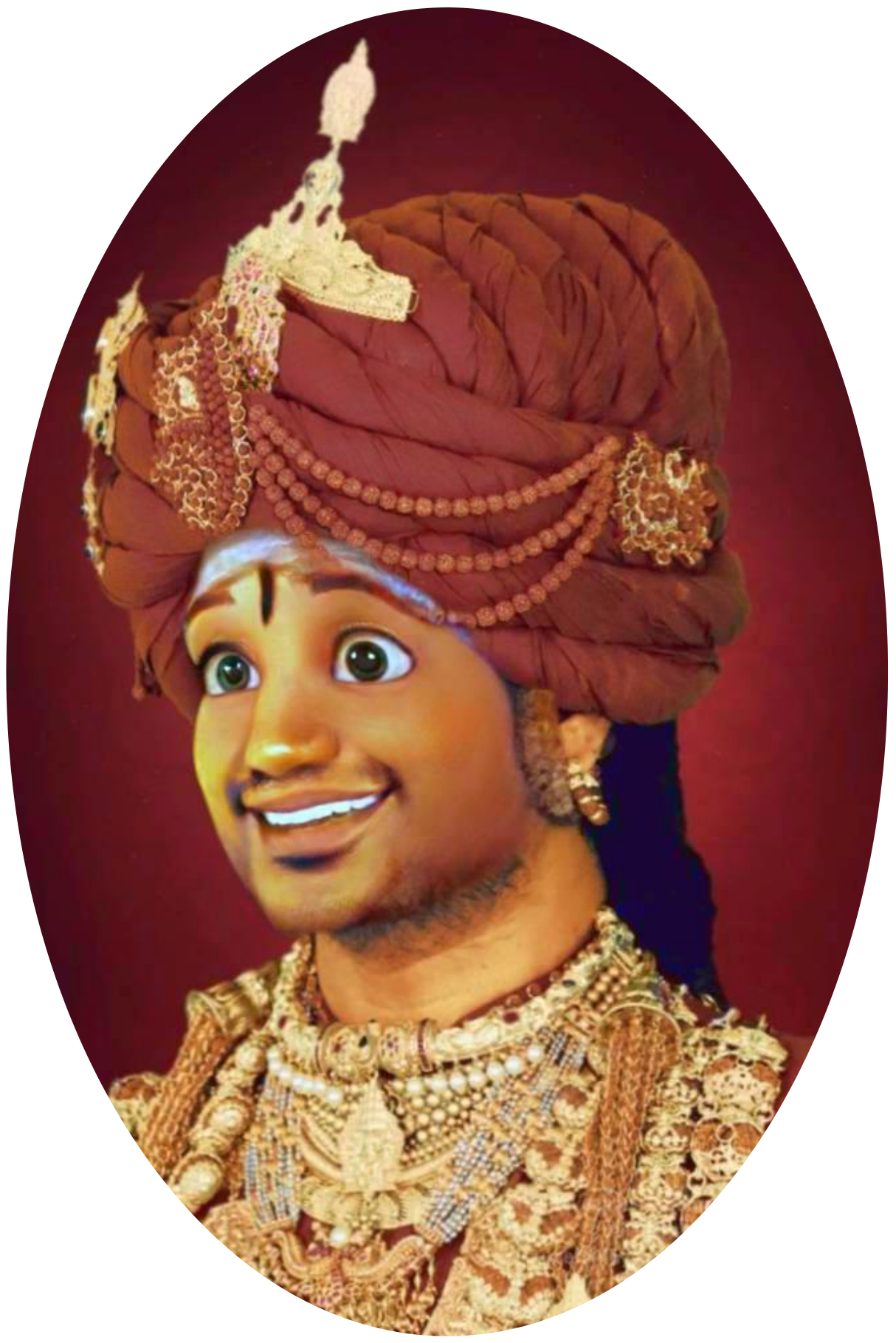
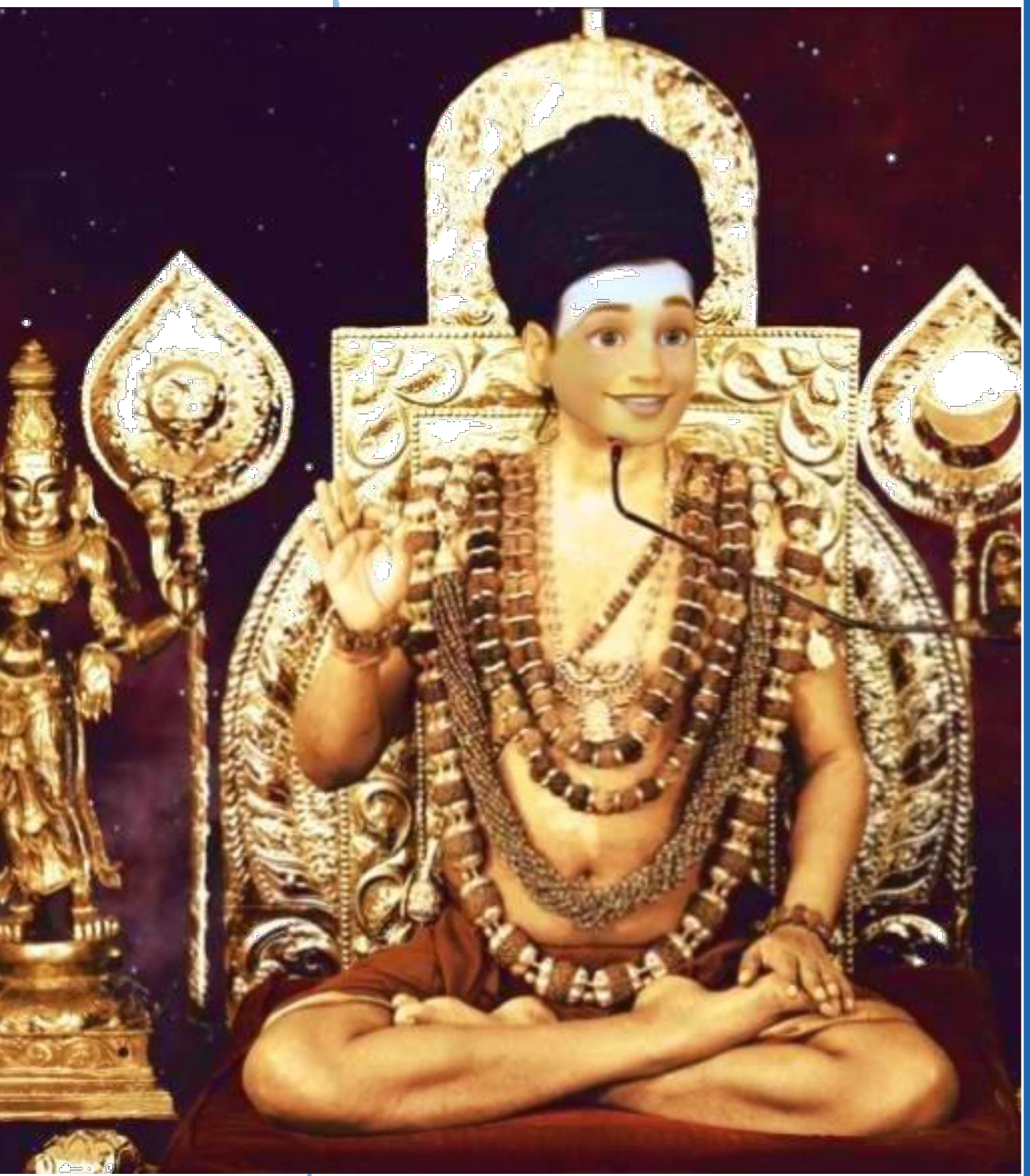
He is consoling himself with the
idea that the rewards of winning
this battle are too small and that
even if he were to be offered
control of the universe, he would
not be tempted. It is a safe
position he is taking, since the
chances of his being offered the
control of the universe are
infinitely small. What matters is
that it calms his bruised mind
and keeps the focus off the real
source of his fear.
Time and again, people play this
game with themselves and
others. It starts when we cannot
face the truth and therefore
cannot tell the truth. So we
camouflage the truth in a more
acceptable presentation. Then we
are caught in denial.
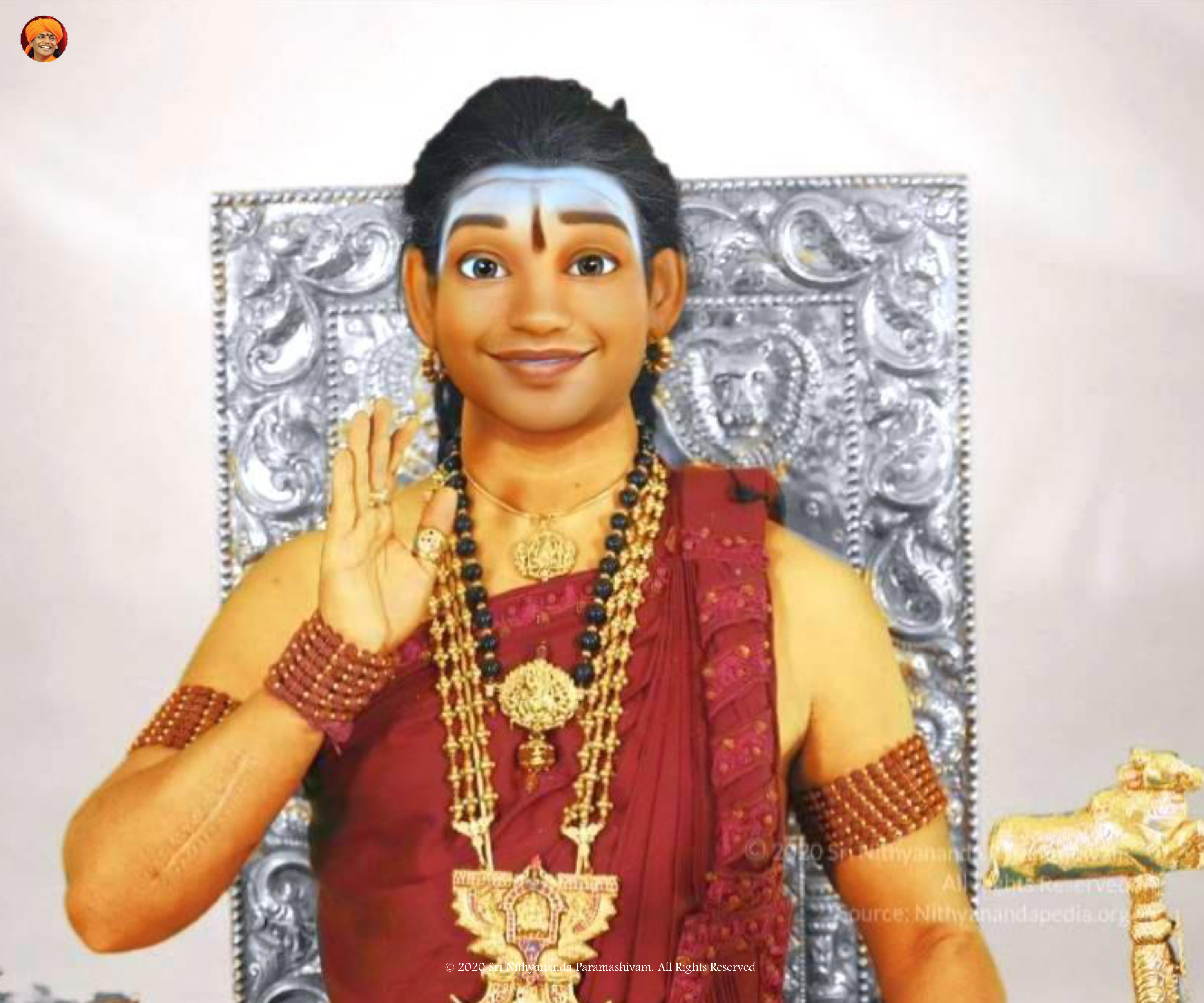

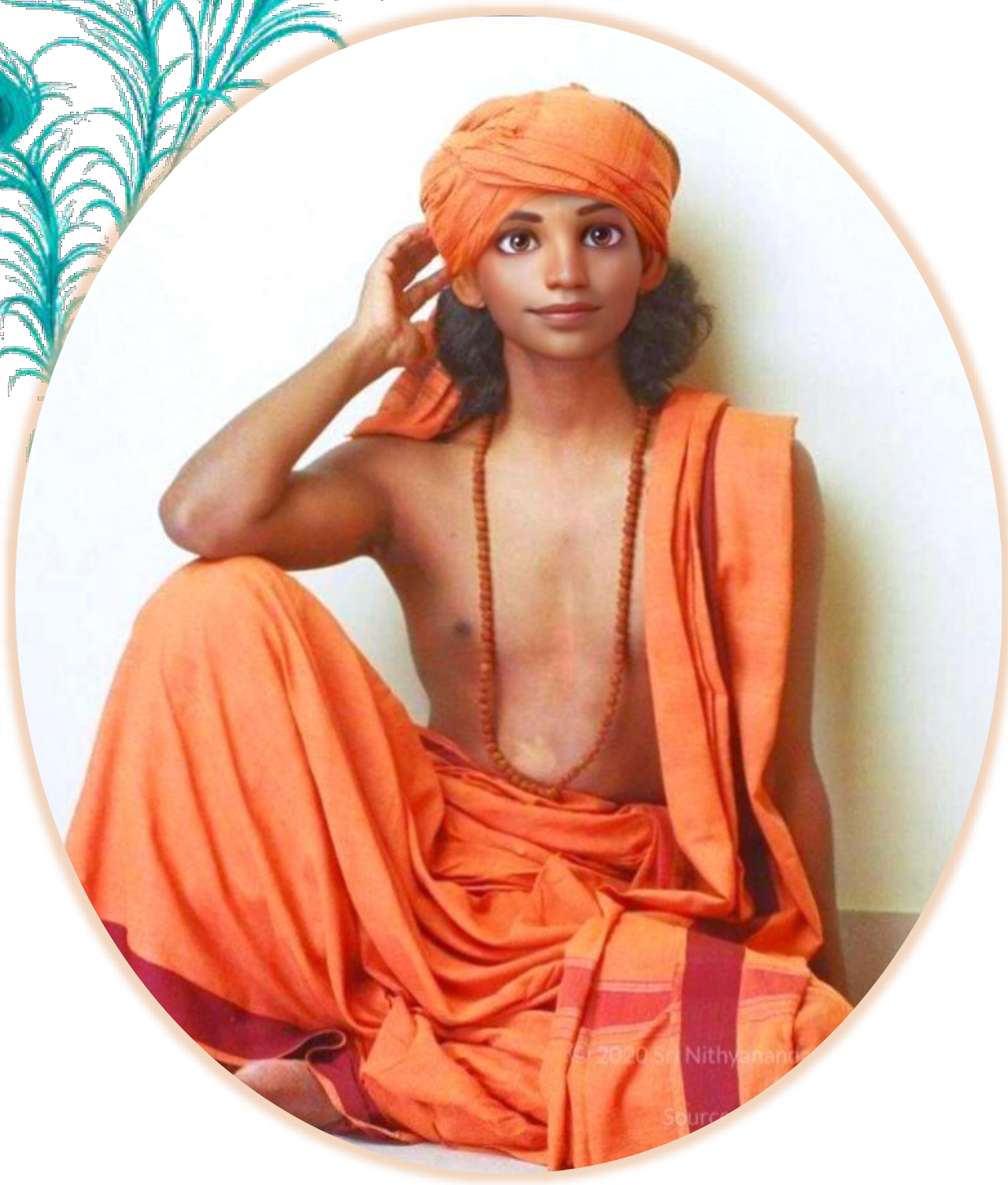
GOALS:
To help the student understand,
how we distract ourselves from
our real fears.
ASSESSMENTS
1. What comparison of a reward did Arjuna mention for being in battle ?
2. Are there any relationships in your life that you had but due to incompletions, that relation was broken?
3. How was Arjuna courageous?
4. What happens when we unlock the power of thinking?
5. What is authenticity?
ART OF THE DAY

ART OF THE DAY:
CHAKRA DRAWING
MATERIALS NEEDED:
- Picture of Muladhara Chakra
- Paper
- Pencil (or) Sketch pen
PROCEDURE:
Talk to the children about the Muladhara Chakra and show the picture of the Muladhara Chakra to the children. Encourage the children to see the picture of Muladhara Chakra and draw the chakra. Muladhara - Desire - Fantasy/ Reality Muladhara means 'the root and basis of existence'. Mula means root and adhara means basis. This chakra is locked by fantasy and imagination and it flowers when you drop your fantasies and welcome reality. Drop your imagination and start living with reality. When this chakra is opened you become so sensitive and loving: When the energy of this chakra is transformed, it will overflow from you as love, just drop your expectations and you will find a tremendous upsurge of energy.
ART OF THE DAY:
CHAKRA DRAWING

INFERENCE:
Understanding about Muladhara Chakra helps children to understand themselves Review the importance of keeping the Muladhara Chakra cleansed and also assuming responsibility to your actions

ACTIVITY OF THE DAY
ACTIVITY OF THE DAY:
BE FULFILLED

Materials Needed:
- Rocks or stones,
- Sand
- Transparent container
- Water
Variation: If the materials are not available, the students can draw the concept on paper and make a collage.
Procedure:
- Gather the class together and discuss the activity and topic. Explain how every second we can learn things and observe if we are in the present and now. Explain that humans only use 8 to 13% of our brains and this is an illustration that will help us understand
- Take the transparent container and ask the class Is it full? Or empty?".
- Take the rocks and stones and fill it to the top and ask again. "Is it full?" (Answer is No)
- Now take the sand and fill it to the top and ask again. "Is it full?" (Answer is No)
- Now take the water and fill it to the top and ask again. "Is it full?" (Answer is now Yes)


ACTIVITY OF THE DAY:
BE FULFILLED
INFERENCE:
Instead of chasing outer
objects and things that
we 'want' trying to
make ourselves happy.
We need to focus on
the things that matter,
the true desires which
can fulfill us.
The point of this illustration is that we are constantly learning, always getting inputs. Our brains are always working and finding new things, we just have to be open to it. One more interpretation of this activity is that our wants and wishes keep on changing and it is very difficult to satisfy all our wants. Our mind always wants more and more, when we understand this we can easily differentiate our true needs from borrowed desires.
WORKSHOP
OF
THE DAY
© 2020 Sri Nithyananda Paramashivam. All Rights Reserved
WORKSHOP OF THE DAY:
VAAKYARTHA SADHAS
Procedure:
Encourage the children to discuss how much of a part of them is a particular person.
For example: How much of you is a worker (ex) Do you feel you are very responsible, finish work on time. How much of you is a person who likes shopping (ex) I did not like to spend more time on shopping (or) I love to go for shopping etc How much of you like to be intelligence, creative (ex) I like to dance, I like to read, I like to create poems (or) I like to sing or draw.
INFERENCE:
This gives a clear view of how much of what forms your body. If intelligence forms you, you will be very happy, energizing and growing rather than having greed or fear forming in you. If anger forms you - you will have lots of negativity.
CONCLUSION:
The concepts of hell and heaven and sin were created to insert guilt and control people. Arjuna is not a fool. Arjuna understands all this perfectly. Yet, he voices his doubts as if ignorant and confused. He acts out of compassion for humanity when he articulates these doubts so that the divine Krsna can answer them, to everyone's benefit.
Ebook ISBN : 979-8-88572-726-6 © 2020 Sri Nithyananda Paramashivam. All Rights Reserved