DESIRE AND GUILT PATTERNS
This text was machine-transcribed from the printed book and may contain errors. Select the words and choose “Report a mistake”.
Desire and guilt are two forms of the same energy. One is related to the future. The other is related to the past. Desire is related to the future. Guilt is related to the past. ‘I should have done that’ plays a major role in our ‘I should do this.’ ‘I should do this’ is determined by ‘I should have done that.’
Guilt that is created by rules handed down to us by our elders creates hell in our life and leads us to tamas. Kṛṣṇa says we are led to antaḥ (the end). We fall into ignorance or into the end.
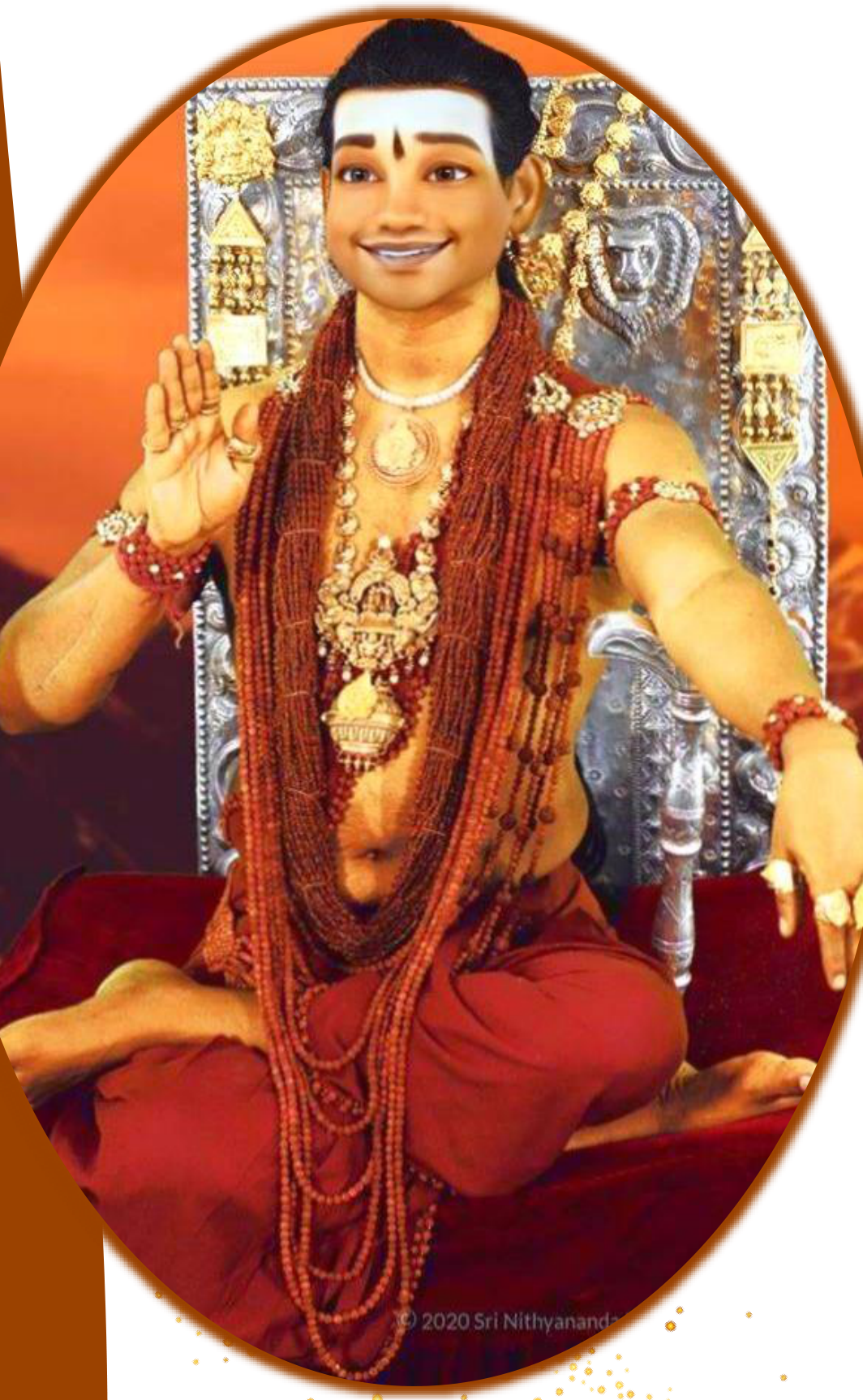
Kṛṣṇa says the manifestations of the modes of goodness can be experienced when all the gates of the body are illuminated by knowledge. This is the technique. The gates of the body are the gates through which we cognize: we receive knowledge or information through the eyes, ears, nose, tongue and the sense of touch or physical pleasure. These are the files through which we receive information from outside. He says that we should keep these five carefully guarded by prākāśa (illuminated knowledge). We should ensure security at these gates and knowledge is that security.
We should have knowledge about what should be taken in and what should not be taken in. Knowing this, we will reside in satva forever. We will reside in bliss forever. He says we should appoint a guard for the gates of our body. There is no security system for our body. We have security for our home. If someone breaks in, automatically the call goes to 911. We reside twenty-four hours every day in this house called our body, yet we don't have a security system!
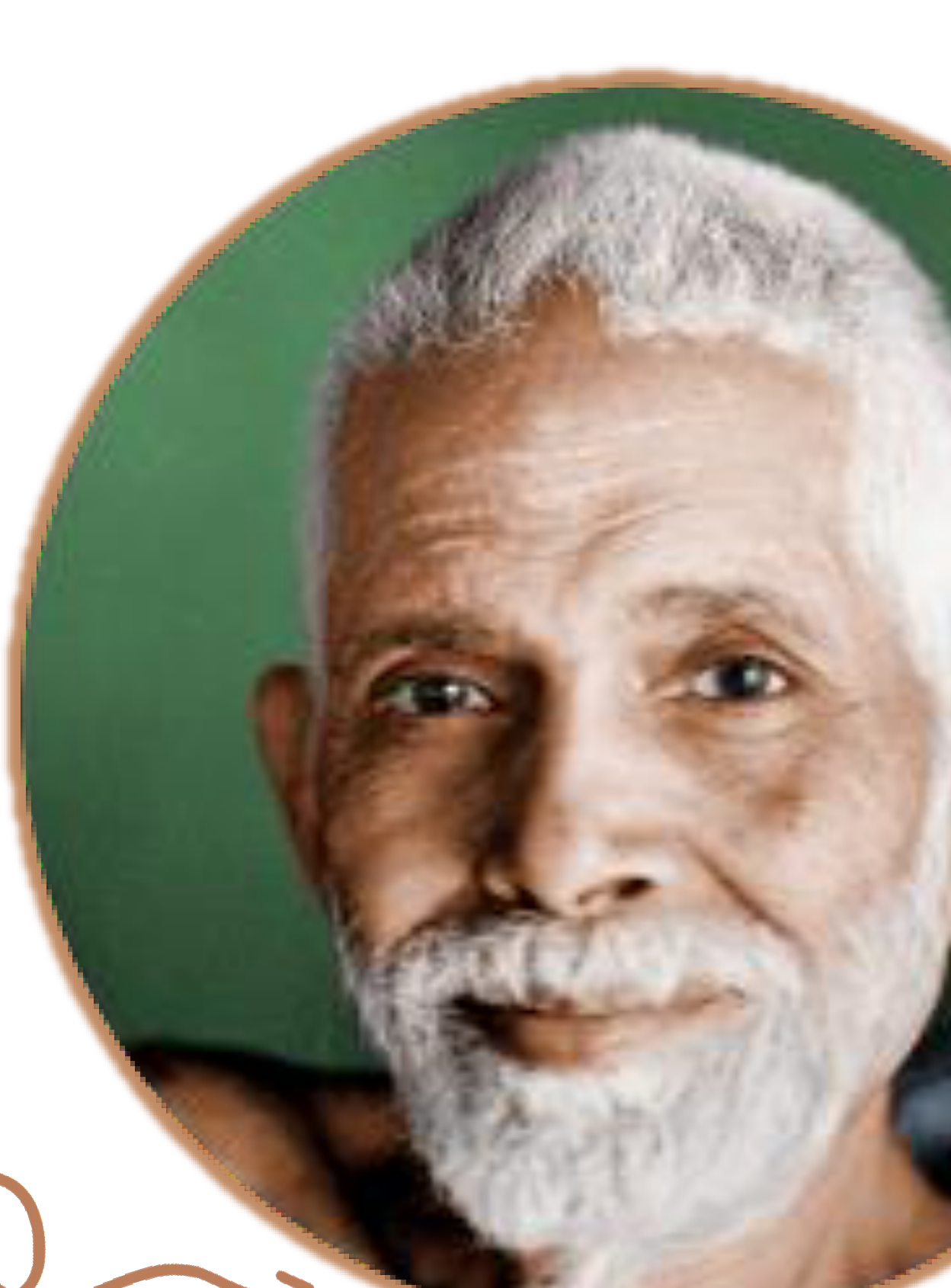
Ramana Maharshi sings in beautiful homage to the sacred Arunachala Hill in Tiruvannamalai in his famous song 'Arunachala Aksaramanamalai', 'When these thieves, the five senses, have entered into the house, Oh Arunachala, were you not at home? How did they enter?' He asks Siva, 'When these five senses entered the house (body-mind), were you not there? Why did you let them enter?'
Kṛṣṇa says, let us have the security, the protection of knowledge at the five gates, and we will reside in continuous bliss. Completion is Bliss. This means that we should not allow the incomplete thoughts that create suffering to enter our inner space through the eyes and other senses. This means, avoid the television or media. At least do not watch programs that create violence, depression, and powerlessness in you. We should only watch programs that give joy and make us complete, blissful. When we protect our senses with satva, we will not allow negative patterns to come in.

© 2020 Sri Nithyananda Paramashivam. All Rights Reserved
Please do not infuse your consciousness
with powerless thoughts that create
suffering in you. Continuously add
thoughts of completion that give power,
bliss and peace. We may think this is
impractical. We may think, ‘How can we
live in society without knowing what’s
going on in the world?’ Be very clear,
knowing what’s going on in the world is
a disease. Collecting information is a
disease.
The other day, someone said, ‘Swamiji, we should watch television to get an idea of the culture.’ However these television shows are trash. They are nonsensical. The more we watch, the more negative patterns we imbibe. We simply suffer. We put ourselves into rajas and tamas again and again.

Life is much too valuable and too
short to be spent worrying. Do not
allow powerless thoughts that create
depression, low mood and longing,
into your system, especially at
sandhyā time - the twilight time at
which day and night meet. Our
ancient masters knew that sandhyā
time, when day and night meet, is a
critical time. There are two sandhyās,
dawn and dusk. Our masters knew
that whatever thought-seeds are
sown inside our being at sandhyā
come out as full-blown trees. That is
why the masters insisted that at
sandhyā time, one should spend time
in a temple, praying, listening to
prayers, reading devotional material.
Meditate or go to a temple and do
something spiritual at this time.
These spiritual ideas go inside as
seeds and become a valuable
complete tree in our life.
© 2020 Sri Nithyananda Paramashivam. All Rights Reserved
Kṛṣṇa gives one technique, one
suggestion: Protect the five senses
from negative ideas of powerlessness,
the incompletions and infuse positive
ideas of completion through the five
senses. Whatever we feed upon
becomes our being and we radiate
that energy.
Next, Kṛṣṇa says that attachment,
greed, craving, and restless actions are
indications of rājasic behavior.
© 2020 Sri Nithyananda Paramashivam
All Rights Reserved
Source: Nithyanandapedia.org
Instead of enjoying the path, we worry about the goal and constantly live in incompletion. We worry about when we will reach, where we will reach. In the process, we do not notice how we are traveling. We miss the beauty of the path. The goal that we are chasing will be a mirage, an illusion. As soon as we reach that goal, we will be forced to chase another goal. Acquisition becomes the goal, not enjoyment. That is why people who are successful have both passion and patience for what they do. They do not care about what happens in the end as long as what they do is from the space of completion.



© 2020 Sri Nithyananda Paramashivam. All Rights Reserved
If we are complete about what we do, we will enjoy what we do. Whatever we do will be wonderful and successful. We can never be happy in rajas. It drives us like a donkey until we are exhausted and we collapse with our incompletion. We need to decide whether or not this is the way we want to live. Ask: Do I wish to be a donkey driven by a carrot dangling in front of me all my life? When we decide, ‘No, this is not what I want,’ it is time to break away from rajas and move towards bliss, nityānanda.
© 2020 Sri Nithyananda Paramashivam. All Rights Reserved

GOALS:
Try to impress upon the
students that we must
try to encourage satva
guna within us by being
very selective about the
type of sensory inputs
we intake from our
external world. We
must reserve our
twilight time in the
mornings and evenings
to our spiritual
practices.