INTRODUCTION
This text was machine-transcribed from the printed book and may contain errors. Select the words and choose “Report a mistake”.
He who is free from wants, who is pure and skilled, unconcerned, untroubled, who is selfless in whatever he does, he who is devoted to Me, he is dear to Me. Kṛṣṇa now moves into higher gear. Once you let go of joy, anxiety and anger, once you transcend these emotions, you reach a state of calmness that takes you close to Him.
Now, He moves from ‘nissaṅgatvam’ to ‘nirmohatvam,’ from emotional non- attachment to non-attachment to desires. We need to understand the difference between ‘wants’ and ‘needs’. Needs are necessary for us to survive on planet Earth, like the basic needs of food, shelter, etc. The great Jain master Māhāvira says, ‘The moment you are born on this planet, the Universe sends everything with you that you need.’ We just need to trust the Universe and we shall get what we need to live. We shall not want anything else. However, we end up seeking more.
Basic needs are no longer enough. Everything we have is a match for what others have. It is a constant cycle of 'What next? What next?' Even before we start enjoying what we have got, we make a plan to get more. There is no joy in having, the joy is in chasing. There is no end point to this chase. When you become the richest in your family, you need to become the richest on the street and then the richest in the town, then the richest in the country and then the richest in the world.
There is no end. Wants are endless. Wants are suffering. Wants are born out of comparison with others. Needs, our basic needs, carry the energy within them for fulfillment. Wants only carry the seeds of our own suffering.
In one of the sessions, people are asked to make a list of their desires, their needs and wants. They fill pages with it. They are asked to review the list many times. Then they do a meditation process. At the end of the meditation, they are asked to recollect from memory their list of desires.
What they can recollect is usually a fraction of what they have written. It is as if they started with a large tree full of leaves, their desires, and during this meditation the tree shed almost all its leaves, as if the leaves were dry and dead. What it retained glowed like golden leaves. Whatever is left in their memories, those desires glow like gold. They are the ones that carry the energy for their fulfillment! These desires are the true desires that they carry.

© 2020 Sri Nithyananda Paramashivam. All Rights Reserved
If the process is done with awareness, these desires are always selfless desires. They may enrich the individual, no doubt, but they always enrich humanity. Only such selfless desires carry the energy of the Universe with them for fulfillment. When our desires are our own true desires, when they reflect our real needs, when they express themselves in our inner energy, we don’t feel any desperation about trying to achieve them. The realization comes that, as a matter of the natural course of events, these desires will be fulfilled. We are not driven and we are not troubled. We accept that these will happen. Therefore, Kṛṣṇa counsels Arjuna, ‘Become free from wants, be selfless and you shall be untroubled, liberated and you will reach Me.’

GOALS:
Impress upon the
students that the
Universe is
programmed to fulfil all
our needs. While our
wants are endless and
driven by comparison
with others and bring
us suffering.
ASSESSMENTS
❖ What is nissaṅgatvam’ or emotional non-attachment?
❖ What is ‘nirmohatvam,’ or non-attachment to desires?
❖ What is the difference
between ‘wants’ and
‘needs’? What are our true
desires? Are they always
selfless?


ART OF THE DAY
© 2020 Sri Nithyananda Paramashivam. All Rights Reserved
ART OF THE DAY:
T-SHIRT PAINT
MATERIALS NEEDED
- Fabric Paint
- Brush
- A clothing item eg. T-shirt, Stoles, Saris etc.
PROCEDURE
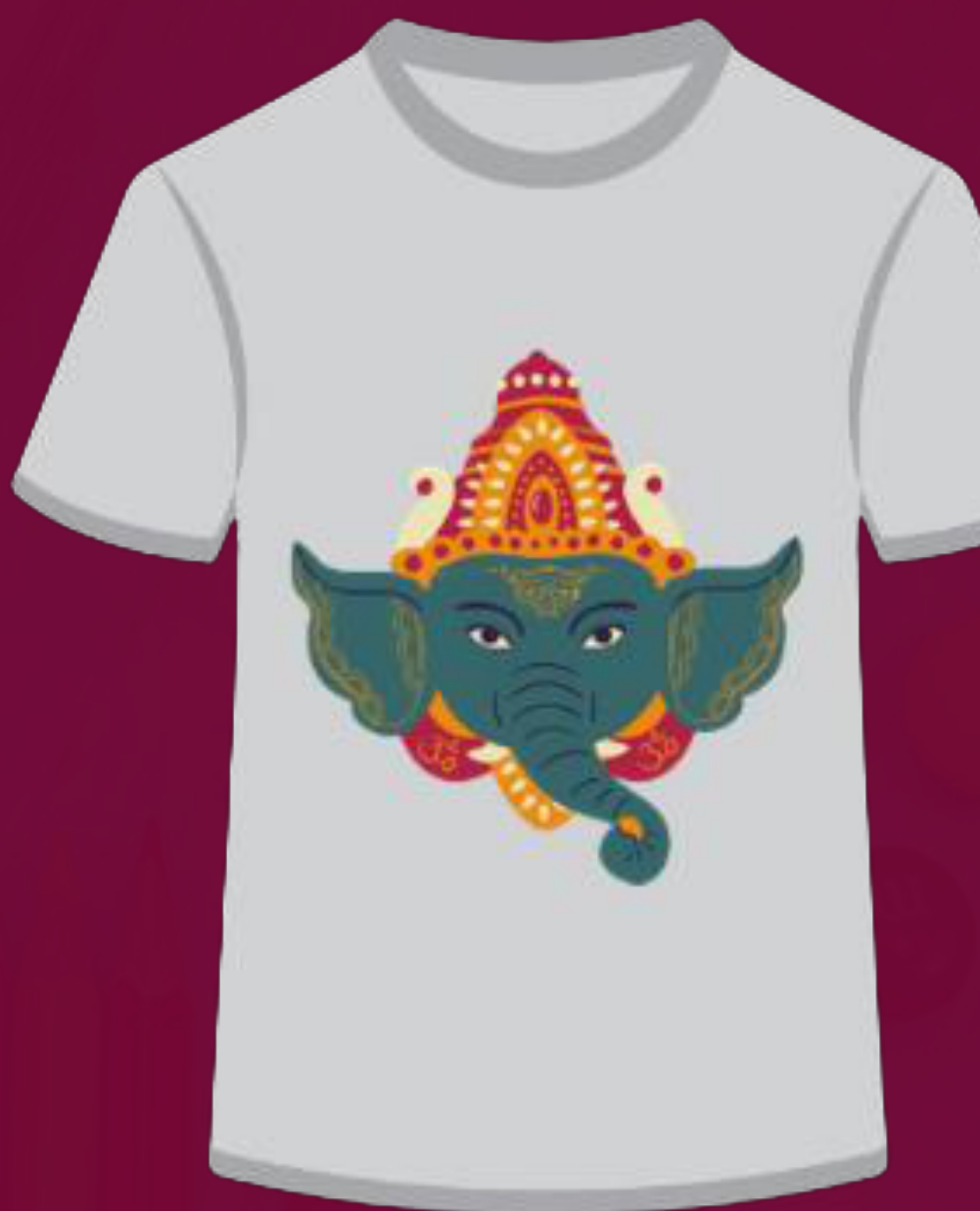
Select a part of the dress that you wish to paint on. Now with a pencil draw any spiritual image or symbol and paint it. An example is shown below to inspire you.
PROCEDURE
Truth begins where logic ends.
© 2020 Sri Nithyananda Paramashivam. All Rights Reserved
ACTIVITY OF THE DAY
ACTIVITY OF THE DAY:
PROCEDURE:
Make a list of all your desires, your needs and wants and write them down in your notebook or on a sheet of paper. Review your list many times . Next, your class coordinator will guide us through a group meditation process for 10 minutes. Relax and settle into yourself in restful awareness.
After the meditation, please
recollect from your memory your
list of desires and rewrite them
on a fresh sheet or page in your
notebook. You will have more
clarity about your desires after
the meditation. Your new list is
usually a fraction the earlier list.
If the meditation process is done
with awareness, these desires will
always be selfless desires.
© 2020 Sri Nithyananda Paramashivam. All Rights Reserved
ACTIVITY OF THE DAY:
INFERENCE:
Our selfless desires carry the
energy of the Universe with them
for fulfillment. we don't feel any
desperation about trying to
achieve them. The realization
comes that, as a matter of the
natural course of events, these
desires will be fulfilled.

© Nithyananda Paramashivam
All Rights Reserved
Source: Nithyanandapedia.org
© 2020 Sri Nithyananda Paramashivam. All Rights Reserved
WORKSHOP OF THE DAY

WORKSHOP OF THE DAY: VAAKYARTHA SADHAS
Topic of discussion is “Wants are endless”
Conclusion: “Needs” carry the energy within them for fulfillment. “Wants” carry the seeds of our suffering. A person who is free of wants is dear to Krishna.
© 2020 Sri Nithyananda Paramashivam. All Rights Reserved