INTRODUCTION
This text was machine-transcribed from the printed book and may contain errors. Select the words and choose “Report a mistake”.
Arjuna is being called Gudakesa in this verse, the one who has transcended sleep, or the need to sleep. Sleep, here, refers to the unconscious mind.
All our embedded memories and beliefs reside in our unconscious mind. Arjuna is being referred to here as one who has conquered his samskaras, as a result of his total surrender to Krsna.
Krsna has been called Hrsikesa, one who controls the senses.
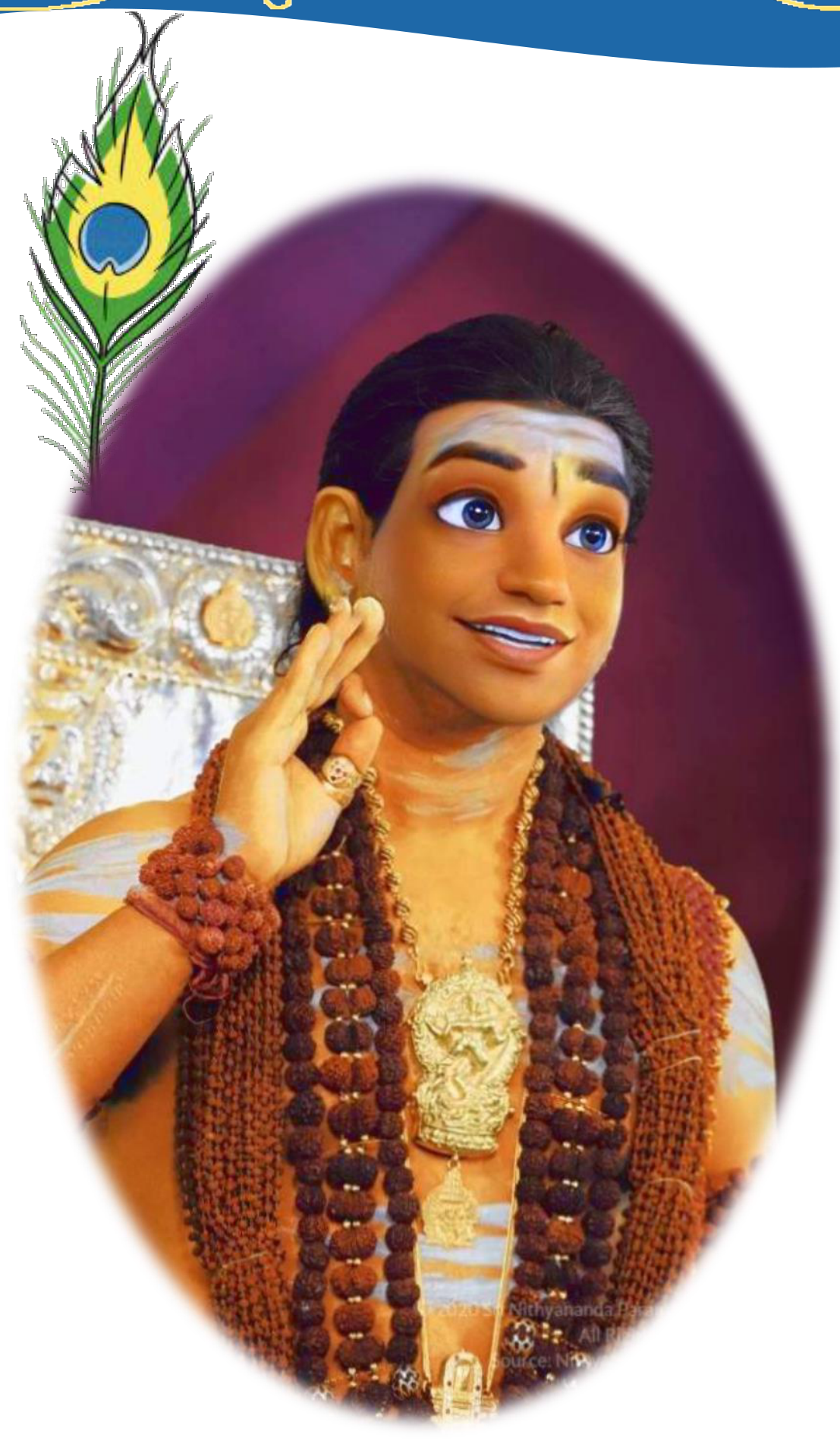
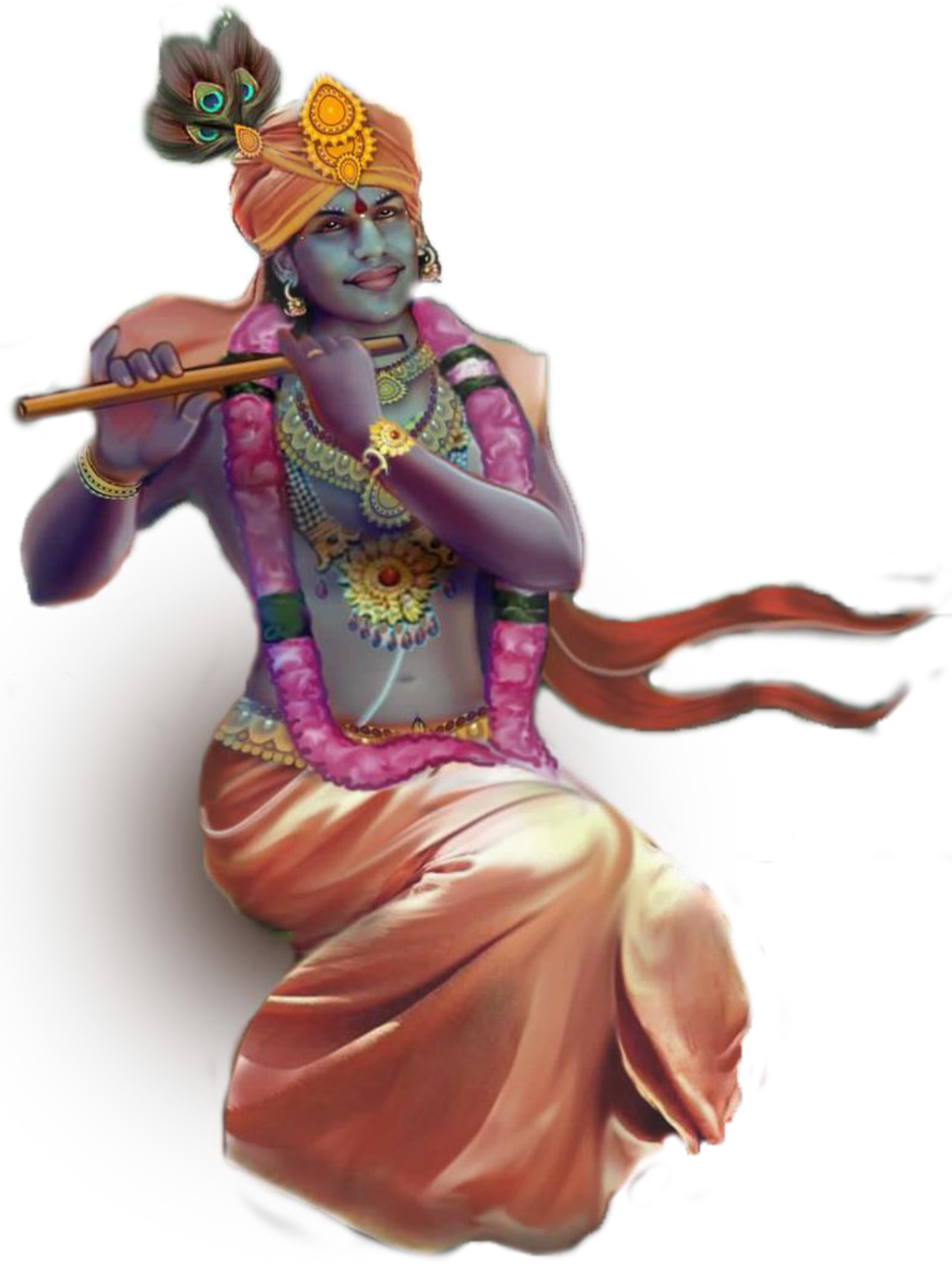
THE RELATIONSHIP BETWEEN KRSNA AND ARJUNA IS THE HIGHEST FORM OF INTERACTION BETWEEN THE DIVINE AND THE HUMAN.
When the disciple is able to completely trust the master's senses that this world is an illusion and not his own senses that give the idea that this world is real and is the source of his happiness, then the surrender is total. Krsna's senses were controlled. He knew that what He experienced through them was not the source of his happiness and therefore He didn't run after sensual pleasures for His fulfillment.
STAGES OF SURRENDER:
When approaching the Divine or one's master, the ultimate step is one of complete surrender. This surrender happens in three stages. At the first level it is an intellectual surrender - the intellectual acceptance of what the master represents and what he means to you. A true seeker reaches this stage when he encounters the real master destined for him. At this stage, when the disciple meets the master, questions start dying down. It is as if answers come to one's mind even before the questions happen. Questions are a reflection of one's internal violence wishing to prove one's control over another person. We ask questions only to tell the other person that we know something. Rarely are our questions like that of an innocent child, who asks out of curiosity
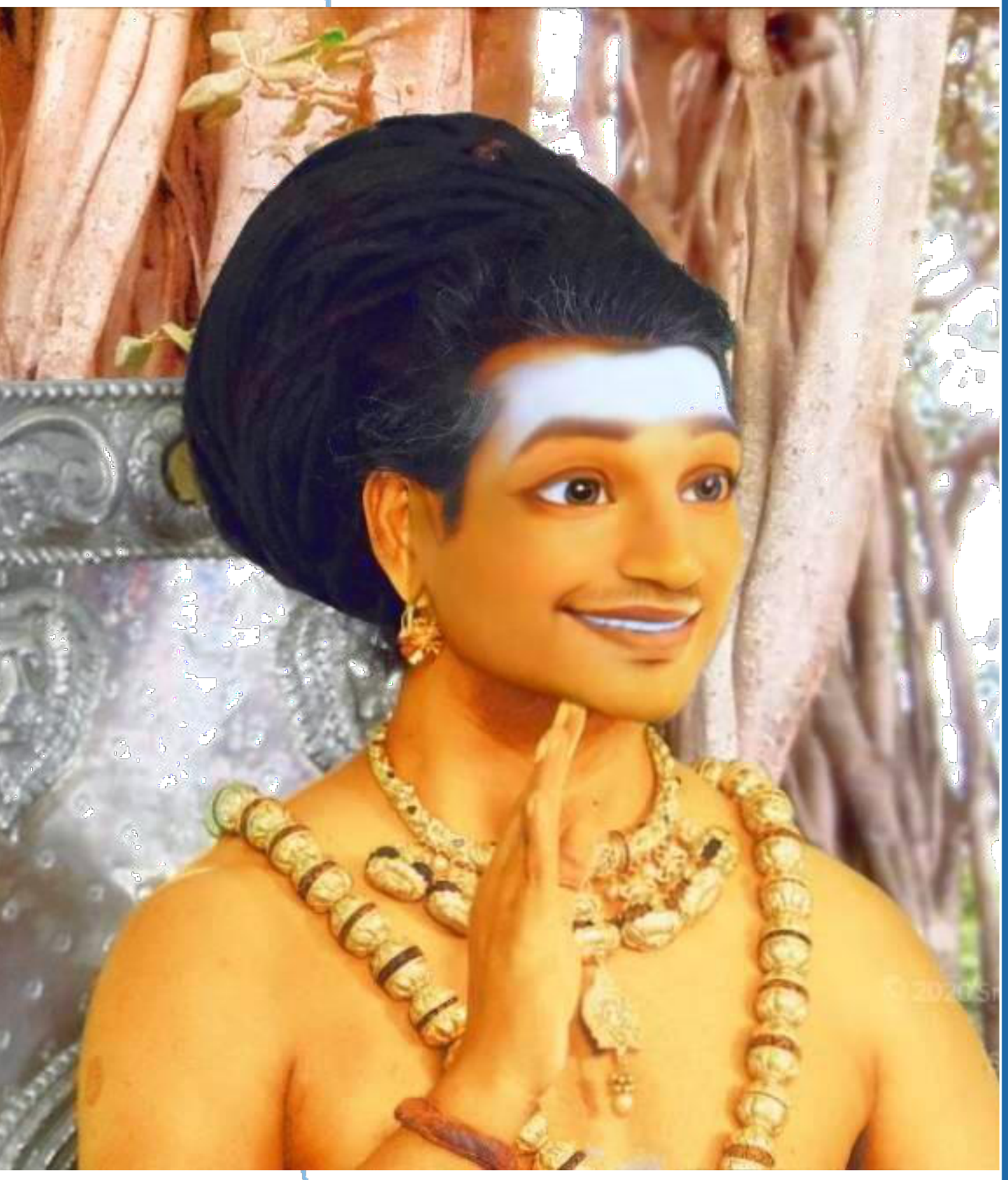
INTELLECTUAL SURRENDER
To the master replaces questions
with doubts. Doubts are not
violent like questions. They arise
from a genuine need to know
and to understand. Doubt and
faith are two sides of the same
coin. One cannot develop faith
in one's master without having
doubts about him. Despite his
high level of surrender, one does
see Arjuna initially in this state of
questioning as well, perhaps as a
lesson to us.
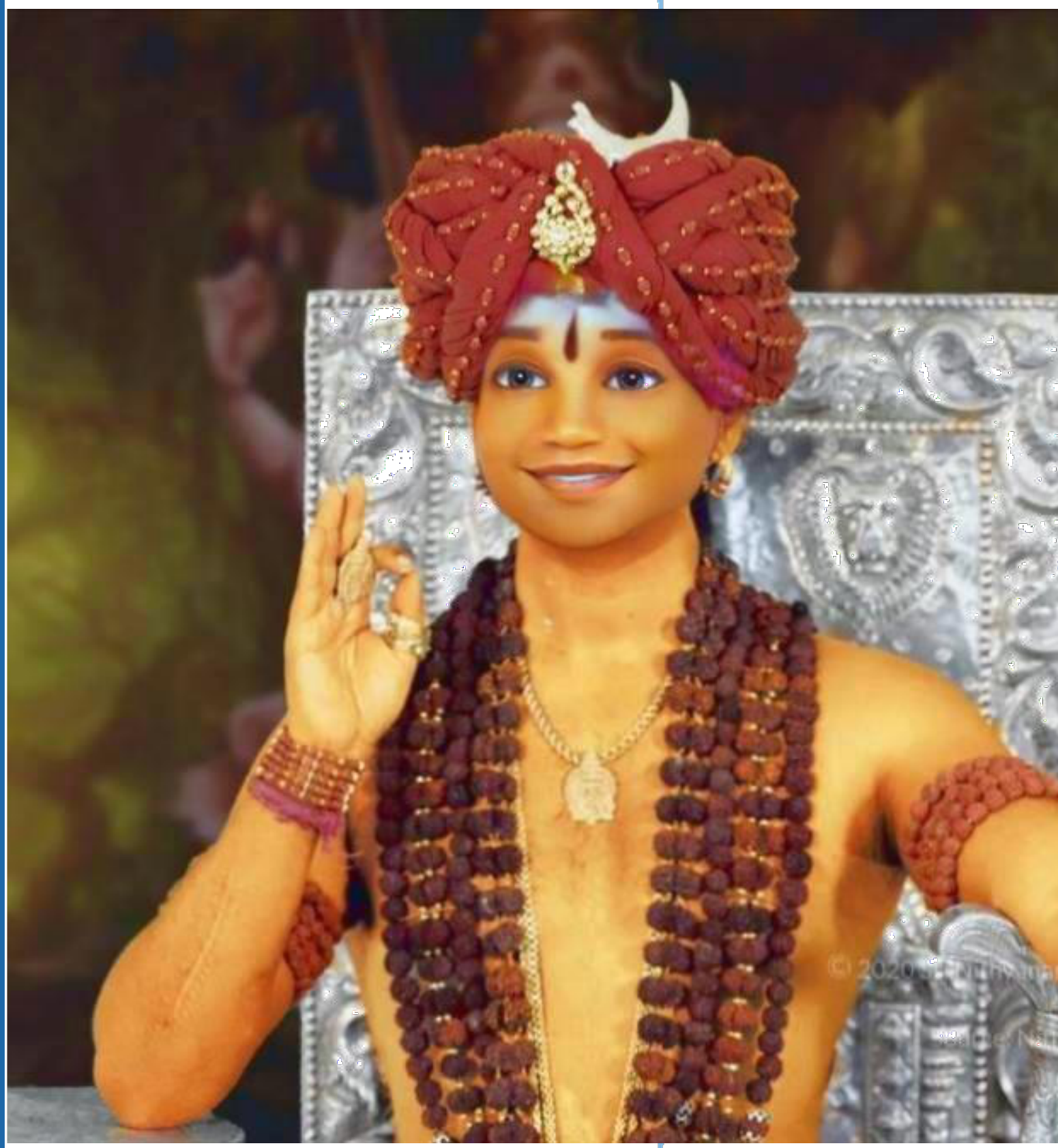
EMOTIONAL SURRENDER.
The person feels a deep connection
with the master. It is impossible to
forget Him. His memory brings tears
to one's eyes, tears of gratitude that
are impossible to hide. Ramakrsna
says so beautifully, 'When thinking of
the Divine or the master, if you have
tears streaming down your cheeks,
be very sure that this is your last
birth.' Emotional surrender leads one
close to liberation.
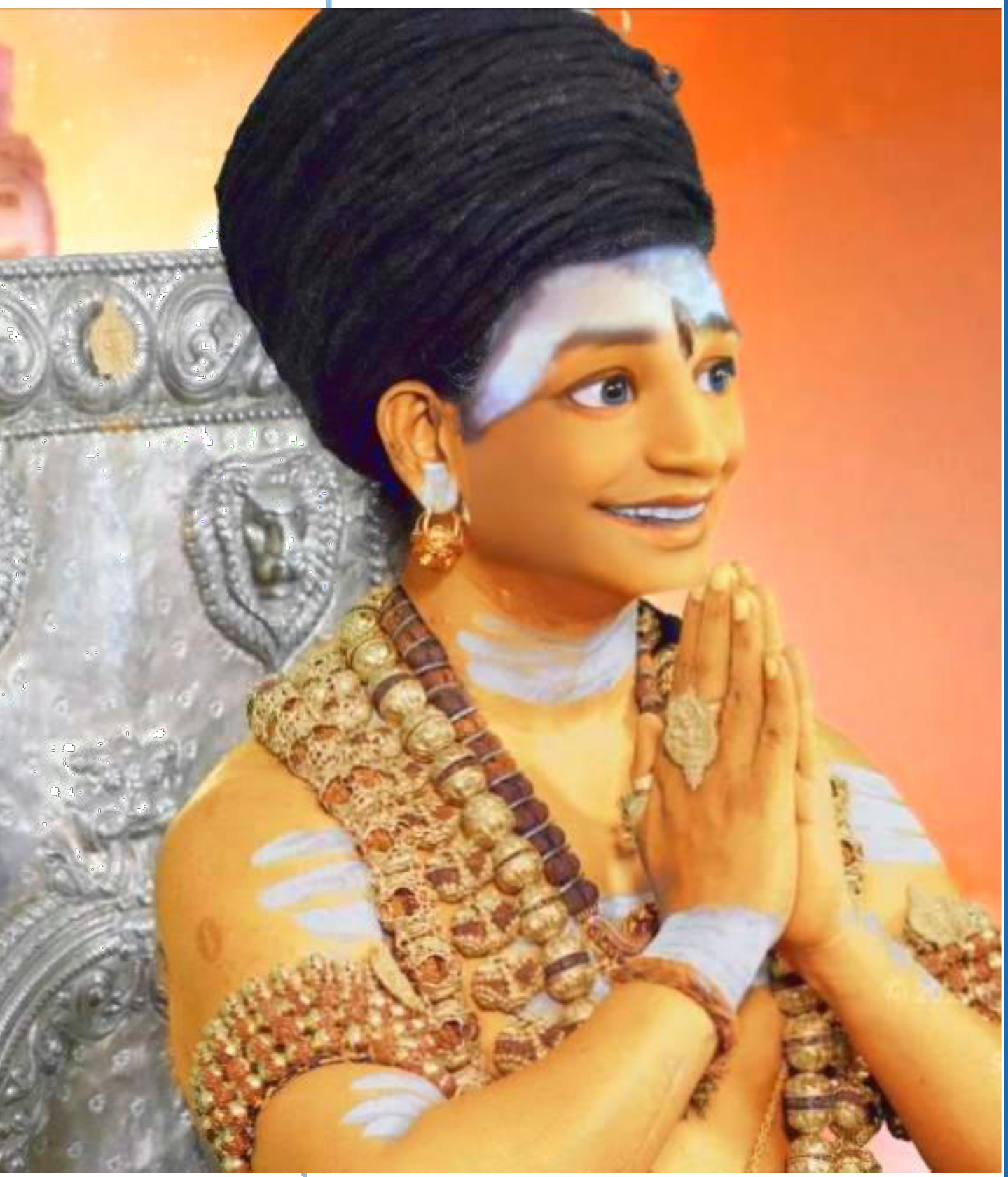
SURRENDER OF THE
SENSES
One truly realizes Hrsikesa and
gives up one's distorted sense of
reality and embraces the truth of
absolute reality. Arjuna is at that
level of surrender and through
the progression of the Gita, we
see Arjuna's transformation take
place. Duryodhana's objectives
were very clear – to do away
with the Pandava princes and
usurp the entire kingdom.
Duryodhana was like an animal,
operating out of instinct. He was
not an intelligent man and did
not suffer from doubts and guilt.
He needed power, and whatever
was the means to achieve that
power he employed without any
reservation.

A human being has a level of
consciousness higher than that of
animals. He can discriminate
between right and wrong and has
the free will to act based on such
awareness. When a human
behaves the way Duryodhana
does, he is in the unconscious
and unaware state. Mired totally
in unawareness, the Kaurava
warriors followed Duryodhana
blindly. Arjuna, on the other
hand, is in turmoil. As Krsna
brings the chariot to a stop
between the two armies, in a
metaphoric sense He brings
Arjuna's mind to a steady state.
GOALS:
To help the child understand the
difference between Arjuna and
Duryodhana and see how this
highlights our own patterns and
incompletions.