DAY: 5
This text was machine-transcribed from the printed book and may contain errors. Select the words and choose “Report a mistake”.
Topic: musicians and musical concerts (western, carnatic music).
Content:
Vocabulary: Musicians, musical concerts, western music, carnatic music.
Material required: Pictures, magazines, cassettes, books etc.
Presentation: • Invite the kids to the topic of musical concerts, about musicians, western and carnatic music. • Musicians are people who use musical instruments and music to entertain people. • There are different kinds of music; western music uses more of drums, guitar, key board. • Carnatic music uses more of tabla, violin, flute, veena etc. • We can make them listen to few musical cassettes and ask them to find out which has drums sound and which has violin or flute etc. • Musicians like Beethoven, Mozart, A R Rahman are famous.
Objectives: • Have you been to musical concerts? • What kind of music do you like to listen, soft melodies or fast beat music? • Name some musical instruments which work on electricity. • Who are musicians? • Do they follow patterns in music?
Closing: Recollect the topic and observe if they understood the topic well.
Evaluation:
Skills: • Math skills: understanding a pattern and humming the tune back • Auditory discrimination skills. • language skills naming some instruments and musicians
Extension: Give each child an instrument and ask them to create a band
DAY 1: ART
SHAPE STICKING
Material required: Different color oil paper, plain sheet, glue.
Procedure: Children are given the oil paper cut in to different shapes (triangle, circle, oval, rectangle, and semicircle). Draw the outline of the shape to make a clown shape on the plain sheet and children can see the outline and stick the shapes in those places. One triangle on top, one circle below, two oval shapes inside the circle for the eyes, one upward crescent for the mouth, one semi circle below the circle for the body , two rectangle for legs and two rectangle for hands. Bigger kids can do the collage sticking without the model.
Skills developed: Develops their fine motor skills, eye hand coordination.
CARBON TRACING
Goal: To develop their pre writing skills, cognitive skills of exploring cause and effect.
Material required: Carbon paper, pencil, plain sheet, shapes or alphabets blocks.
Presentation: Give each child paper and carbon sheet. Guide them to place carbon sheet in right position, placing the ink side on the paper. Ask children to choose their shapes or alphabets. Ask them to place it on the carbon sheet and ask them to trace it. Show them the impressions seen on the white sheet.
Skills Developed: Develops their pre writing skills, cognitive skills of exploring cause and effect.
DAY 1: ACTIVITY
SNAP FINGERS
Goals: To improve their auditory skills, fine motor skills, and cause and effect.
Vocabulary: Sound, hearing, fingers.
Presentation: Make the children to sit near the table and show them how to snap fingers using thumb and the index fingers. Encourage them to do the same using their thumb and index finger and tell them to try it with their left hand also. Then they can try to do together with both hands.
Assessment: ● How we can hear the voice when we snap the fingers? ● Which body part helps us in hearing? ● Can we snap without using thumb finger?
Skills developed: Auditory skills, Sustaining attention, Logical thinking
TALK THROUGH TELEPHONE
Activity: Illustrates the concept of sound traveling through the medium.
Goals: To make them understand the concept of sound traveling through the medium, and to illustrate the way that a telephone was first invented and created. To improve their auditory skills.
Vocabulary: sound, medium, paper, cups, thread, hearing, observing
Material required: Two paper cups, a long thread.
Presentation: Join the two paper cups with the thread, call two children and ask them to hold either cup while standing far away from each other. Ask one of them to talk and the other to listen. Then remove the paper cups and ask one of them to talk slowly through the thread and ask the other person to listen.
Observation & Reason: The voice is audible when heard though the paper cup connected by thread. The receiver cannot hear anything when the paper cup is removed. When a person speaks from a distance without a thread the sound vibrations gets scattered in the air which is why we hear only a feeble sound.
Assessment: ● Why can we hear the voice audibly when heard through a paper cup? ● Which body part helps us in hearing? ● How will our ears feel when someone speaks too loud over the phone? ● What happens when the thread is pulled tight? ● If the thread is loose, will the sound be clearly heard? ● What happens if you cover your ears when someone is speaking to you, will you hear sound?
Skills developed: Auditory skills, Sustaining attention, Logical thinking
Conclusion: This activity improves their auditory skills as well as logical thinking. Conclude the topic by the reviewing the important details.
DAY 1 : GYM
SIMON SAYS
Presentation: Choose one child to be 'Simon'. All the other children stand side by side facing Simon. The child playing Simon gives other children orders that they have to carry out, but only when the orders follow the phrase Simon says (e.g. Simon says clap your hands). If child follows an order that Simon did not say (e.g. clap your hands), then he or she is out and must sit down. The last child standing becomes the new Simon for the next game of Simon says.
Skills developed: Auditory, gross motor, language expressive skills
PASSING SECRET
Goals: To develop their auditory skills, social skills, sustaining attention.
Presentation: Make children sit in a circle and mentors can also join them in a circle. Mentor can pass a secret or any saying in one child's ear. That child will pass it to another child by whispering in ears. They can follow the same and finally the last person will tell the secret aloud.
Skills developed: Develops their auditory skills, social skills and sustaining attention.
DAY 2 : ART
SKETCH PEN BLOW PAINTING
Material required: Sketch pen of different colors, sketch pen blower, uncolored art sheet.
Procedure: Each child is given a sketch pen fixed with a blower and they are asked to blow. Keep it directly just above the art sheet which has to be colored. Children can observe the paint spreading on the paper while they blow.
Skills developed: Oral-motor skills, cognitive skills of understanding cause and effect.
MAKING FLUTE
Material required: Magazine paper or white sheet, wool, safety scissors, fevicol or gum, golden color paper.
Procedure:
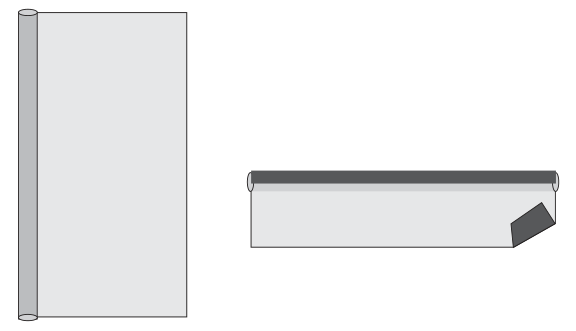
Step: 1:- Roll and stick a magazine paper and cover it with a golden color paper.
Step: 2:- Punch some hole in it and tie one corner with wool for decoration.
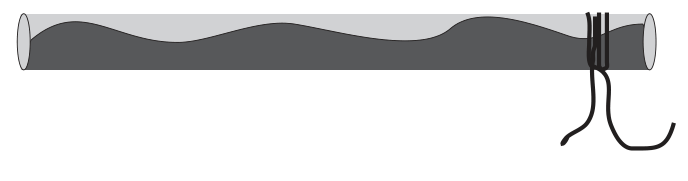
Variation: We can use color paper or paint instead of golden color paper. Encourage the children to be creative with their designs.
DAY 2 : ACTIVITY
REVERSING IMAGES THROUGH MIRROR
Goals: To develop their visual discrimination and visual analytical skills.
Vocabulary: Mirror, image, visualize.
Material required: Chart paper or paper, sketch pen, mirror.
Introduction and Presentation: Prepare the reading cards or papers by writing the children's name or simple words on the paper with mirror image (e.g. TAC). Show the written cards or paper to the children and ask them to try identifying it. Initially use mirror to the right form of words for the children to identify. They can identify their names and their friend's names.
Assessment: ● What is mirror image? ● Which alphabets appear same when shown in mirror?
Evaluation: Evaluate them by observing how well they are able to identify words without mirror.
Skills developed: Visual discrimination. Visual analytical skills.
Variation: They pick name tags of their friends, animals, birds, fruits, vegetables etc.
MAKE DOUGH AND KNEAD
Goals: To improve their Sensory awareness skills, Fine motor skills, olfactory skills
Vocabulary: Dough, flour, essence, wheat, knead
Material required: Water, Flour (wheat/maida), Food color, Plates, Essence (if required), Small rocks or dried leaves (if required)
Introduction and Presentation: Get all the materials ready for the activity and give each child a plate and make them sit at the table. Put a small amount of flour on each plate and ask them to feel it. Add a small amount of food color and ask them to mix. Add little water and tell them to mix it with their fingers and knead it. For good aroma add few drops of any essence to the dough.
Assessment: ● What is the texture of the dough? ● What is the color of the food color? ● What happen when you add color to the flour? ● Does the texture change when you add water to the flour? ● How does the dough smell when you add essence? ● How do you feel soft or rough? ● Is it gooey and sticky or stiff and hard? ● What is the different smell?
Evaluation: To evaluate their sensory awareness skills, tactile skills, olfactory skills, whole hand grasp.
DAY 2 : GYM
DUMB CHARADES
Goal: To develop their cognitive skills, receptive language skills, memory skills, auditory visual skills and gross motor skills, social skills.
Presentation: Divide the children into two teams call one children from one team and ask that child to do animals action (or) to make animals sound. The other team children have to identify which animal actions (or) to make animal sound. Both the team will take their turn's one after the other.
Skills Developed: This game helps to improve their cognitive skills, auditory skills, memory skills, receptive language skills and when the child does animal walk it will improve their gross motor skills, while taking turns they develop their social skills.
SQUATTING RACE
Goals: To improve their gross motor skills and their hip muscles.
Presentation: Encourage the children to stand in a half seated position and move forward in that position.
Skills developed: Develops their gross motor skills and their hip muscles.
DAY 3 : ART
COLLAGE WITH WOOL
Goals: To develop their fine motor skills, pincer grasp, eye hand coordination, spatial awareness, and tactile skills.
Material required: - Glue, uncolored art sheet, wool.
Procedure: Keep the required materials ready before starting an activity. Explain to the children about the art sheet. Encourage them to apply glue inside the picture and ask them to pick the wool and stick on the glue inside the picture.
Skills developed: Fine motor skills, pincer grasp, eye hand coordination, spatial awareness, tactile skills.
TEXTURE PAINTING
Goals: To develop their creativity, fine motor skills, tactile skill, cognitive skills of understanding and exploring cause and effect.
Material required: Uncolored art sheet related to the theme, sand or rava or salt, poster colors, texture toys (like small tyres etc).
Introduction and presentation: Encourage children to sit for the art and present them the ways to do the texture painting. Children can also use texture toys to paint the pictures. They can observe the painting and touch and feel the texture after the paint has dried.
Skills developed: Develops their creativity, fine motor skills, tactile skills, cognitive skills of understanding cause and effect.
DAY 3 : ACTIVITY
PRODUCING THUNDER
Activity: Producing thunder using Polythene bags.
Goals: To develop their oral motor skills and cognitive skills of understanding cause and effect, auditory skills.
Vocabulary: Blow, air, burse, louder etc.
Material required: Normal thin polythene bags or paper bag.
Introduction and Presentation: Provide each child a polythene bag or paper bag. Ask them to hold it near the open mouth of polythene bag. Guide them to keep the opening small and ask the children to blow air in to it till it bulges like a balloon. Then twist the mouth of the polythene bag to avoid leakage of air. Make the children burst the polythene bag to produce a loud sound.
Assessment: • How does the polythene bag become big? • What happens to the bag when it is bursted? • Can we bring its shape back again after bursting?
Evaluation: Evaluate them by observing how well they understood the concept and note down for further reference.
Skills developed: Oral motor skills. Cognitive skills of understanding cause and effect. Auditory skills.
COMPLEX PATTERNING
Activity: Patterning using objects.
Goals: To develop their pre math skills, eye hand coordination, cognitive skills.
Vocabulary: Pattern, sequence etc.
Material required: Different shapes, size, color of objects depending on theme.
Introduction and Presentation: Place the cubby with objects on the table. Take two or one same object and place it on the table for example: 2 orange blocks or two same sized twigs. Keep another different object and place the same two orange blocks. Ask the children to follow the same sequence in an order. e.g.

Assessment: • What do you mean by patterning? • Can you tell in what method did you do patterning? • Name the color of item which you used for patterning.
Evaluation: Evaluate them by observing whether they are able to follow the sequence correctly.
Skills developed: Pre math skills. Eye hand – coordination. Cognitive skills.
DAY 3 : GYM
OBSTACLE COURSE
Goal: To improve their gross motor skills and listening skills, memory skills.
Presentation: Welcome the kids to gather in a place and multiple oral instructions will be given at once to them. For example: Take three jumps from position, crawl into the tunnel, climb the blue sliding board, balance on yellow beam, take the yellow ball drop it into the basket and get back to position. Observe how many commands they can remember and follow in the right sequence.
Skills developed: They develop gross motor skills, receptive language skills, memory skills, spatial awareness, listening skills, balancing skills.
Extension: They can try out different instructions including different games.
TUMBLING
Goal: To improve their balance, co-ordination, spatial awareness and gross motor skills.
Presentation: Children whoever learning to tumble can use the wedge placed on the safety mats to tumble. Place mats on all the sides. They can do tumbling on the grass also.
Skills Developed: Develops their spatial awareness, hip muscles, gross motor skills, balance and co-ordination.
Variation: Children can also do tumbling using their hands.
DAY 4 : ART
MAKING VEENA
Material required: Waste papers, wool, paint, cellotapes, straws.
Preparation:
Procedure:

Step: 1: Crush the paper and make a medium round ball, small round ball and one like a rope, as shown below.
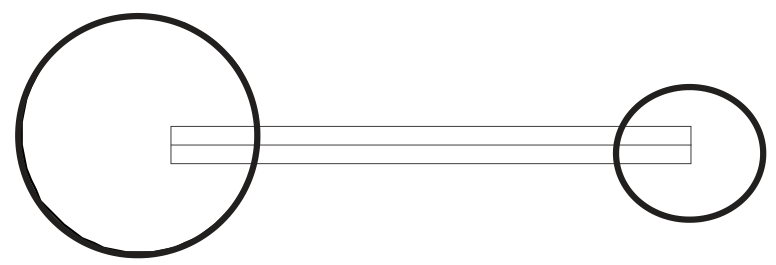
Step: 2: Paint it with brown color paint and dry it.
Step: 3: After it dries, stick the two balls at each end of the rope with a cello tape.
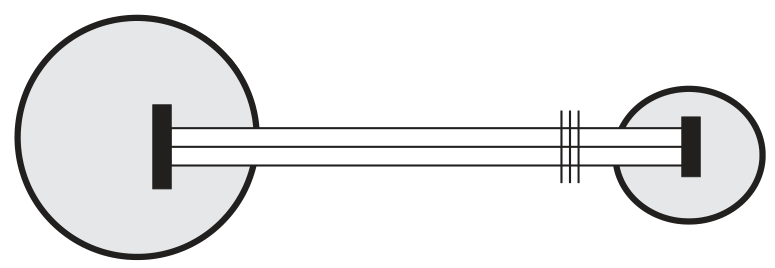
Step: 4: Take straw and cut in to 2 inch length (6 pieces) and stick it side by side in a row (3 rows) near the small ball, and stick 3 inches straws in the middle of each ball.
Step: 5: Now take a thread and stick on each straw of the two balls so that it will look like the string of the veena. Now the veena is ready.
MINI BOOK
Goals: To develop their eye hand coordination, fine motor skills, logical thinking skills.
Material required: Any materials, pictures related to the theme can be chosen, a small book with plain sheet has to be made, glue, crayons.
Introduction and presentation: Children are given one book each and they can be explained about theme and they can stick the pictures or materials or children can draw related to the theme in their book.
Skills developed: Develops their eye hand coordination, fine motor skills, logical thinking skills.
DAY 4 : ACTIVITY
WHO CAN MAKE THE BIG NUMBER?
Activity: Making largest number using the given numbers.
Goals: To develop their pre math skills of knowledge of numbers - large numbers.
Vocabulary: Number, large, create.
Material required: Number puzzle, pieces or box number puzzle pieces or numbers written on chart paper.
Introduction and Presentation: Ask the children to sit around a table and arrange different number cards in the table with various values. Ask each child to make largest number with the number pieces available.
Assessment:
Tell the number which you have made.
Which is the largest number?
Which is the smallest number?
Evaluation: Evaluate their pre math skills of value of numbers.
Skills developed: Develops their cognitive skills of using numbers appropriately in a meaningful way. Knowledge of greater and lesser numbers.
Variation: They can also make the smallest numbers with the numbers available. They can also make odd and even numbers as a variation. Produce animal sounds
Goals: To improve their auditory skills, oral motor skills and cognitive skills.
Vocabulary: Chirp, bark, meows, roar, etc.
Material required: Music book with animal sounds (if possible), animal toys or pictures.
Introduction and Presentation: Make the children sit as a group. Use music book to make animal sounds or mentors or children can make sounds like animals. Ask the children to close their eyes and observe the sounds and they can name the animals or they can match it with the toy animals.
Assessment: • What sound the bird makes? (Chirping). • What sound will a lion make? (Roaring). • How will a dog bark? • How will a horse neighs?
Rhyme: “Old McDonald had a farm”
Evaluation: Evaluate them by making more animal sounds.
Skills developed: Auditory skills. Cognitive skills. Oral motor skills if they make animal sounds.
DAY 4 : GYM
STOP; GO WITH WHISTLE SOUND
Goal: To develop their observing skills, gross motor skills and receptive language skills.
Presentation: Mentor has to blow one whistle to stop and two whistles to go. When mentor blow whistle twice the children have to start running and when mentor blow whistle once they have to stop running. Children have to be very alert & they have to stop and start running listening to the respective sound.
Skills developed: It helps the child to improve the observing skills and be more attentive.
Develops their gross motor skills and co-ordination.
Variation: Children can start and stop running listening to the words green light and red light.
LEMON AND SPOON
Goal: To develop their co-ordination, balance, ability to sustain attention, oral-motor skill, eye-co-ordination.
Presentation: The children have to hold the spoon with the lemon in the mouth. They have to walk carefully without with lemon without falling it. When they drop the lemon they have to wait for the next turn to join the game. Whoever holds the spoon with the lemon correctly and reaches the target will get applause. Make sure that the lemon is not too small.
Skills developed: Balancing, sustain attention, oral motor skills, eye coordination.
Variation: They can do fast walking, walking on toes as a variation.
DAY 5 : ART
SPONGE PRINTING
Material required: Uncolored art sheet, paints of various colors, sponge cut in to various shapes.
Procedure: The children are asked to dip the sponge in the paint and do the sponge printing on the given picture. They can do printing with various shape or size or design sponges dipped in different colors. Encourage the children to do the printing only inside the picture.
Skills developed: fine motor skills, sensory skills, cognitive skills of knowledge of various colors and cause and effect.
WET CHALK COLORING
Material required: Uncolored art sheet, different color chalks dipped slightly in water with chalk holder.
Procedure: Children are told to hold the chalk holder firmly and color inside the given picture with different colored chalk.
Skills developed: Tripod grasp, pre writing skills, eye hand coordination.
DAY 5 : ACTIVITY
MAKING MUSIC WITH DIFFERENT ITEMS
Activity: Identifying, making loud sounds, soft sounds, various different sounds.
Vocabulary: Sound, noise, tapping, wood, granite, metal, plastic.
Material needed: Metal bowl, plastic bowl, metal spoon, and plastic spoon.
Goals: To improve their auditory discrimination skills, fine motor skills, eye hand coordination, concentration, ability to change the activity.
Presentation: Invert a metal bowl and tap it with a metal spoon and ask the kids to listen to the sound –loud sound. Invert a plastic bowl and tap it with a plastic spoon and ask the kids to listen to the sound – soft sound. Invert a metal bowl under a plastic bowl and move it around and ask the kids to listen to the sound – mechanical sound. After demonstration give each child the materials required and ask them to make different sounds.
Assessment: ● What are the sounds you can hear in the nature? ● Which is your favorite sound? ● Why are we able to hear different sounds using the same size cups? ● What is the difference between sound and noise? ● Which is the sense organ that helps us in hearing? ● What are tunes? ● How will you feel when you hear a very loud sound?
Evaluation: Evaluate each child's ability to make different sounds with the materials given, their ability to identify and discriminate the sounds, their coordination involved in listening to instructions and producing the appropriate sounds.
Closing: Show them that different materials can make different sounds. Show them different levels of water in the same size metal cups also bring different sounds.
Variation: Ask them to make noise when the bowls are filled with varying quantity of water. Use different types of bowls such as wooden or granite varying the sizes.
WHISTLING
Goals: To enhance and improve their oral motor muscle power with various activities
Vocabulary: Blowing, whistles.
Material required: Whistle
Presentation: Demonstrate to them how to blow whistle. To blow whistle they have to keep the whistle in their mouth and blow the air in to the whistle with force. Tell them why whistle make sound when we blow.
Assessment: ● Can you show the action of blowing? ● Name the person who blows the whistle in the bus? ● What is a whistle? ● Can we blow heavy items?
Evaluation: Evaluate each child's oral motor strength by asking them to blow different materials like whistle, bubbles, beads, feathers. Ask each child to make different funny faces and watch in the mirror if he or she is able to imitate the same.
Closing: Ask each child to blow different materials like whistle, bubbles and beads. They can make different sounds
DAY 5 : GYM
CLAP DANCE
Goals: To develop their patterning, memory skills, gross motor skills, emotional skills of enjoying and social skills.
Introduction and Presentation: Children can follow a particular rhythm in clapping pattern and dance with their friends. They can sing some rhymes or they can dance to music.
Skills developed: Develops their patterning, memory skills. Gross motor skills. Social and Emotional skills of enjoying
FREEZE DANCE
Goal: To develop their direction skills, gross motor skills and social skills, auditory skills
Presentation: Children are encouraged to stand in a circle. They are asked to do body movements for action rhymes or for the music or to the instructions e.g. freeze to your right, freeze to your left. They hear the word freeze being told by the mentor. They have to stay still in what position they are. Whoever moves will be out of the circle and say freeze as a catcher. When they hear the word melt they can move.
Skills developed: Develops their direction skills, gross motor skills, social skills, auditory skills.