Devotion
This text was machine-transcribed from the printed book and may contain errors. Select the words and choose “Report a mistake”.
Anything related to the intellect can be
reproduced by words. Anything related
to emotion can be reproduced by music,
poetry, etc. But devotion is something
far beyond, far deeper than intellect or
emotion.
In devotion, not only are there no rules, no regulations, even the other is not necessary. To be in love, you need two persons. To be devoted, you don’t need the second person
- that is the great difference.
Devotion frees. In the path of devotion, the very path is so juicy, so tasty, you won’t feel like bypassing it. The very path is the goal. It is an amazing liberating experience every step of the way.
Devotion is the ultimate experience, but not the final experience. It is the ultimate experience but happening every moment
- you are in the peak every moment. Every moment, new doors open in your being.
Devotion is the pure excitement which is not filtered, altered, stopped, calculated, or channeled by engrams. The pure excitement as it is, is devotion. The pure life force as it is, is devotion!
When you trust you can live your life just with that pure life force, without your so-called mind, you experience the ultimate liberation!
- Paramahamsa Nithyananda
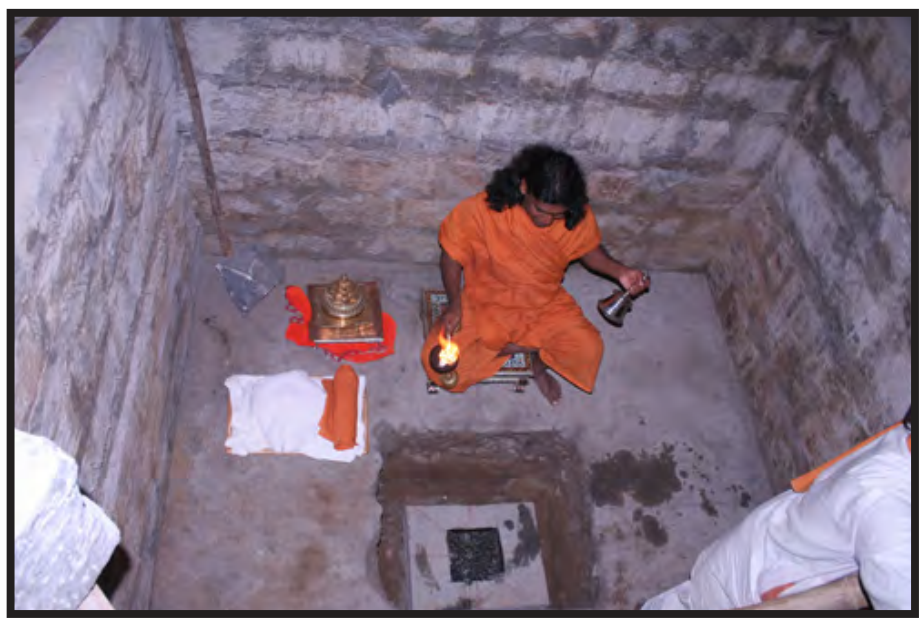
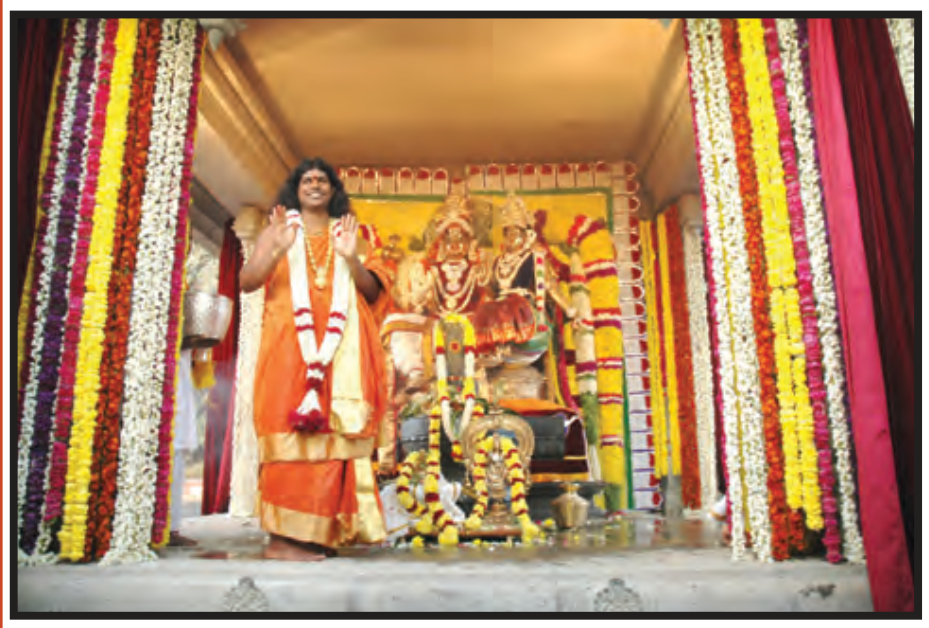
◀ Pranaprathishta in the sanctum sanctorum, Bengaluru ashram When a living Enlightened master energizes the deity and the temple, the deity becomes a living energy that can directly respond to you.
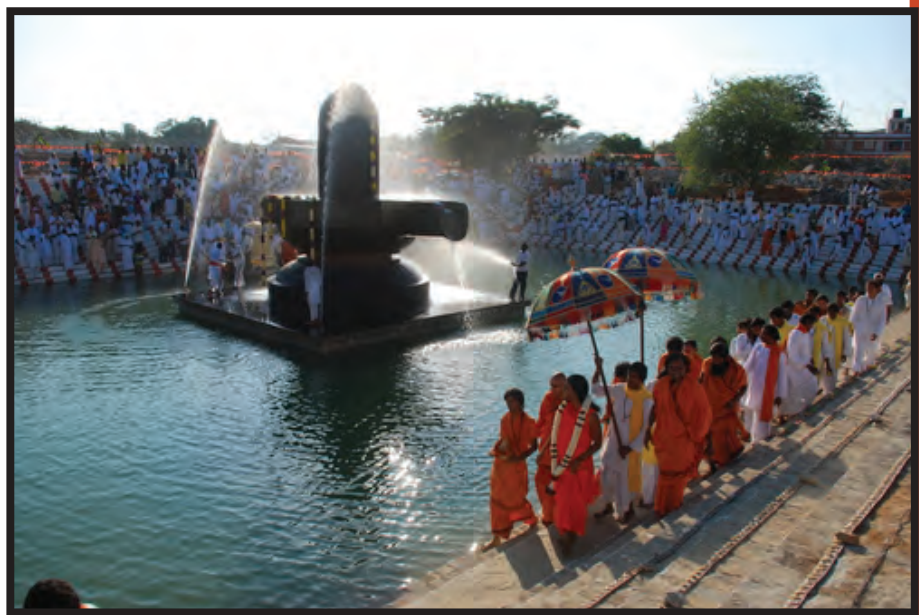
21 feet Healing Ānanda Liṅga in Vaidya Sarovar ▶ The waters from the healing liṅga made of Navapāṣāṇa (medicinal herbs) have healed people of various ailments
- chronic cases of psoriasis and skin diseases, arthritis, respiratory problems, depression, anxiety...
◀ 1008 homa in Mahā saptayāga The sacred fire rituals raise the consciousness of the individuals in the homa as well as of the whole locaity.
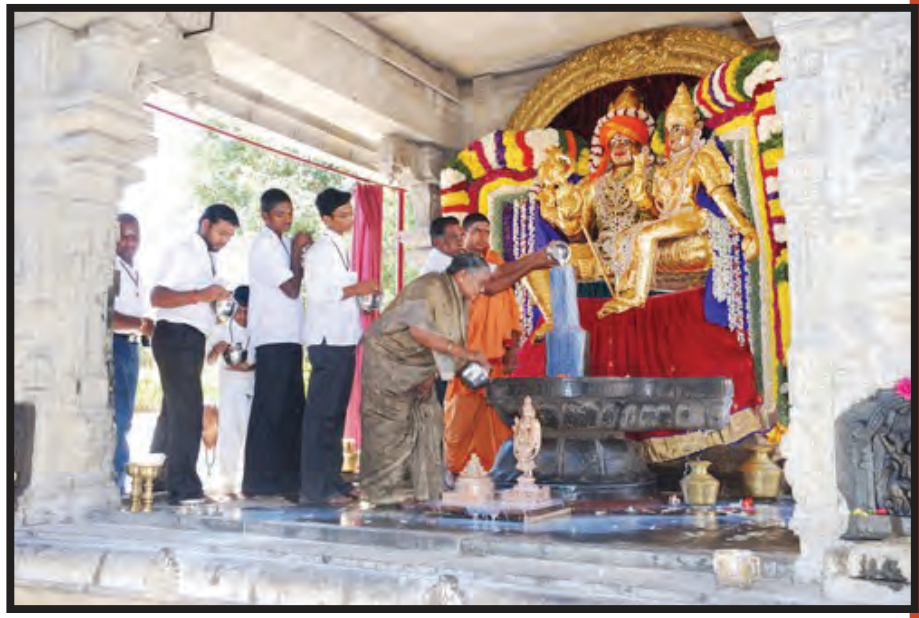
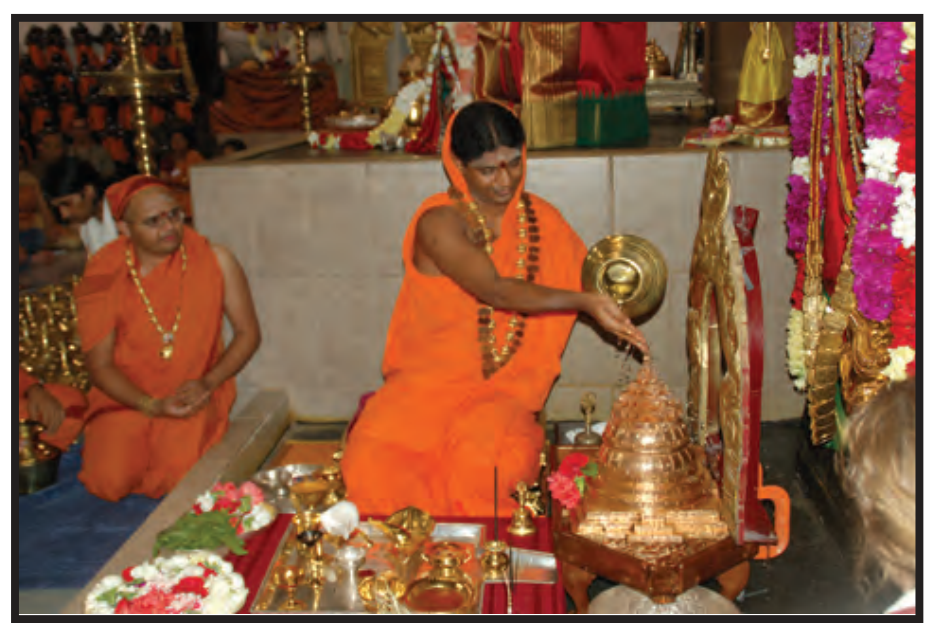
▶ Abhiṣeka (pouring offerings) to the deity Devotees are blessed with the opportunity to perform their personal abhiṣeka, pūjās and homa at the Nithyananda Vedic temples.
◀ Alankār (decoration) of bangles on the festival of Navarātrī Beautiful exquisite traditional decoration of the deities is a meditation technique that directly physically embeds the feeling connection with Existence in your muscle memory.
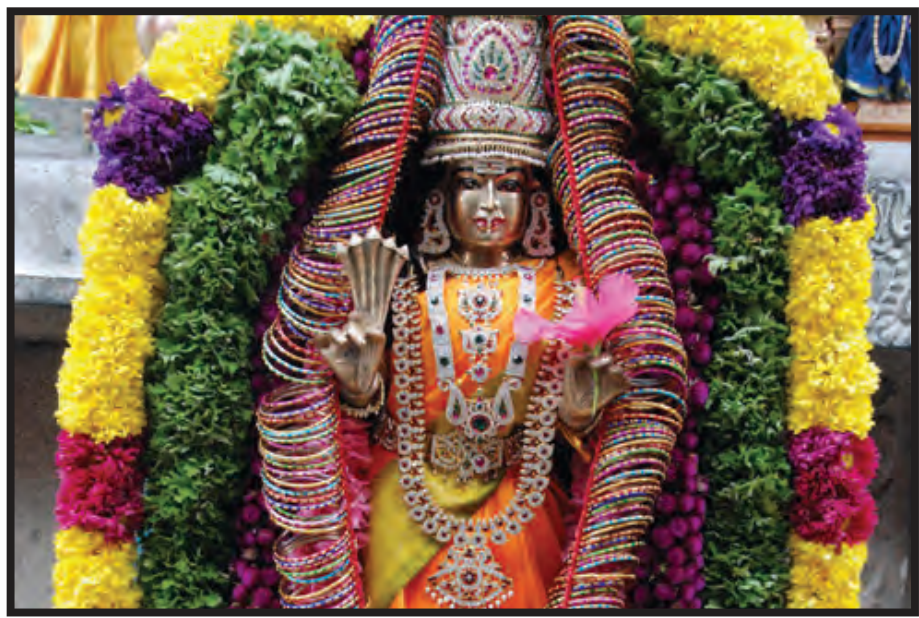
Dakṣiṇāmūrti the Primal Guru in full alankār ▶ The Vedic tradition uses the powerful technique of relating with Existence through deities. Deities energized by a living enlightened Master are archāvatāras - live energy directly responding to you.
Annābhiṣeka (food offering) in Tiruvannamalai ashram. ► On every full moon night, upto 500,000 people visit the ashram. Annadān (free food) is provided through the day and night.
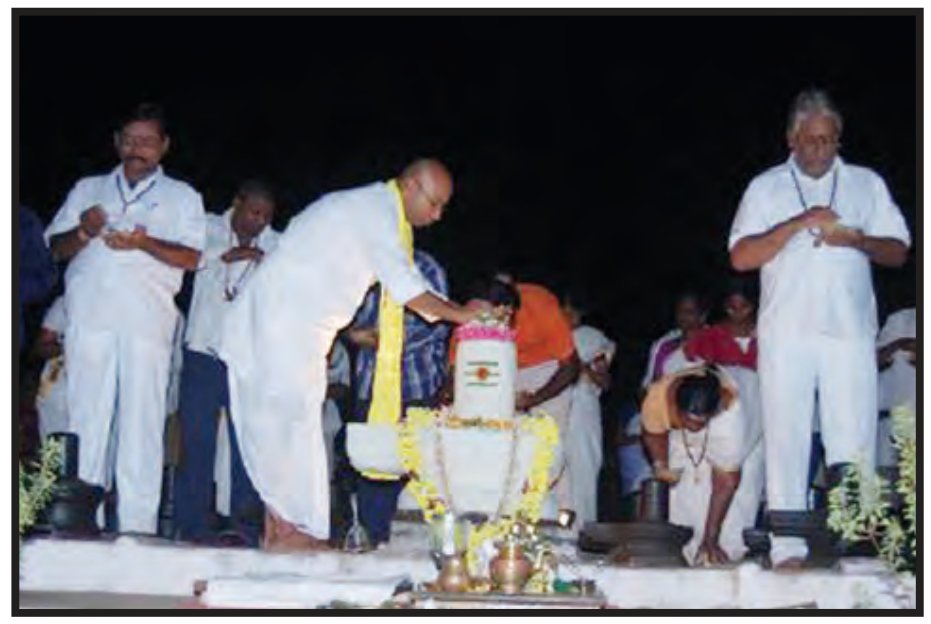
◀ Ārati (ceremonial waving of lamps) The traditional ārati in Nithyananda Vedic temples is an elaborate 21-minute ritual where various items are waved in devotion and respect to the deity.
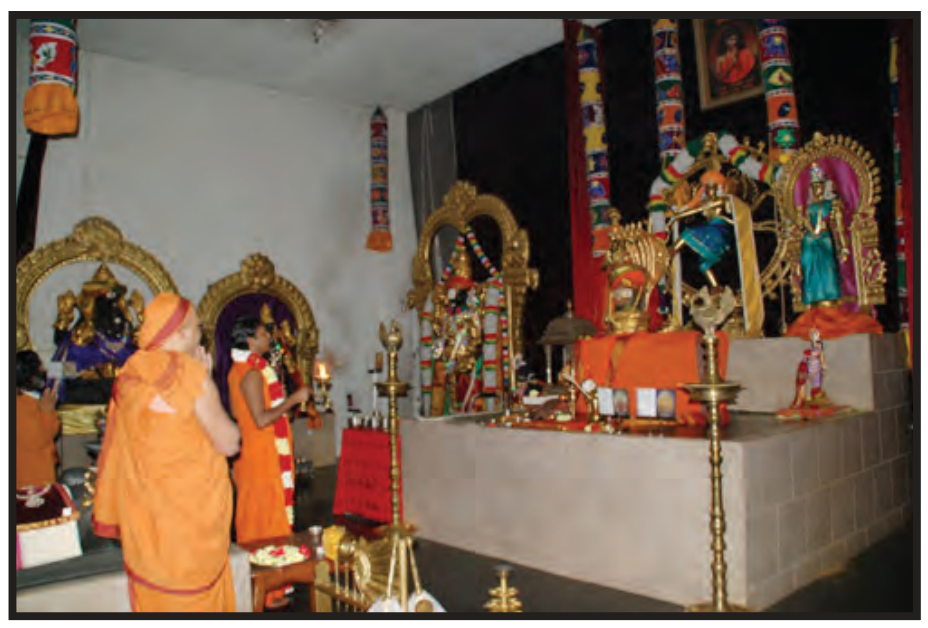
Maheśvara pūjā ► Devotees have the unique opportunity to offer this traditional ritual for their departed loved ones. It is a means of connecting with Existence through the medium of sanyāsīs since they dedicate themselves to Existence.
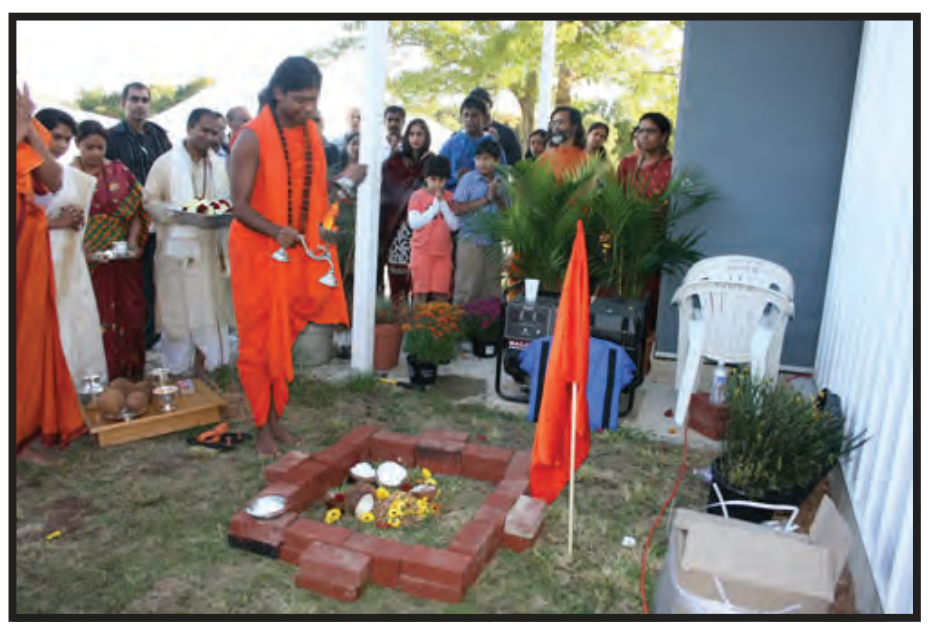
◀ Bhūmī pūjā This is the traditional inauguration of new lands - for ashrams, centers, schools, etc.
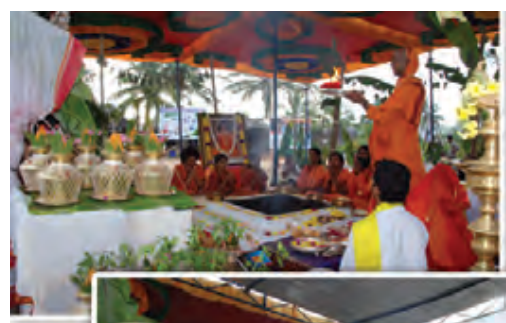
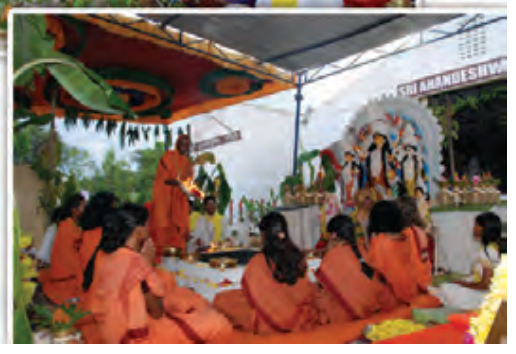
Caṇḍī Homa - Worship of the Cosmic Mother in Her ► various manifestations. Nine brahmacārīs and brahmacāriṇīs sit around the sacred fire and chant the 700 verses of the powerful Devī Māhātmyam. 200,000 homas have been conducted in the last 2 years - spreading health, knowledge, positivity, peace, and devotion.
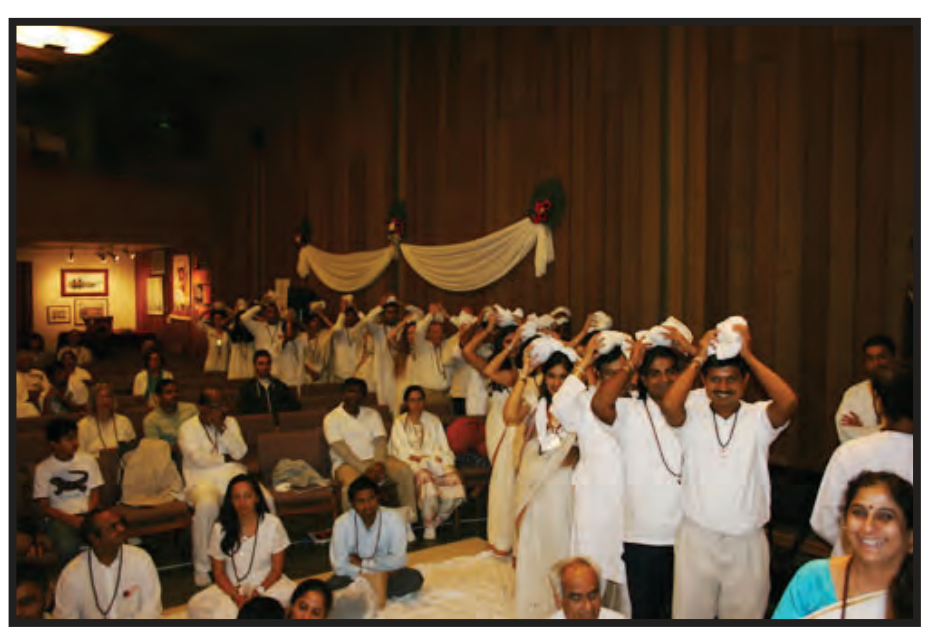
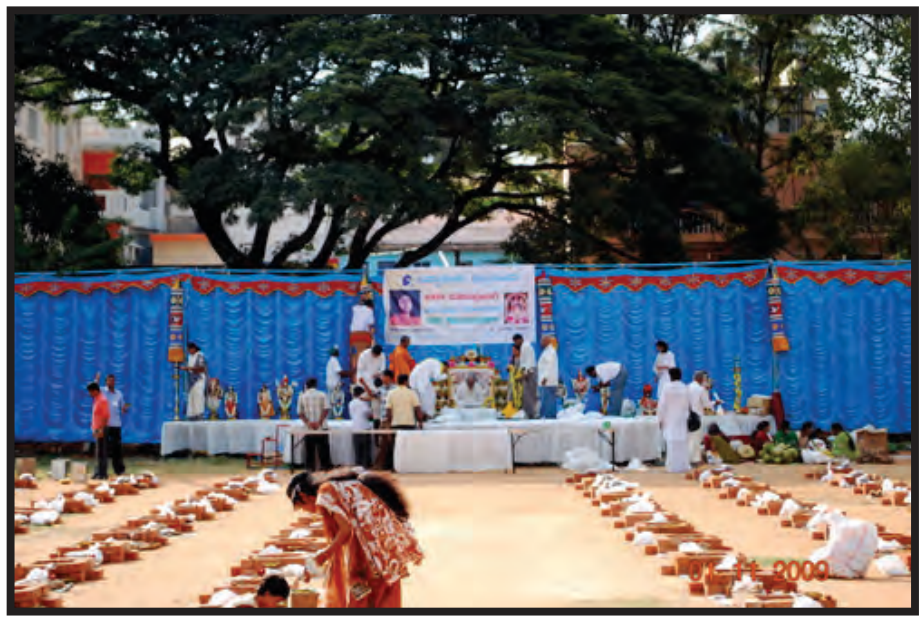
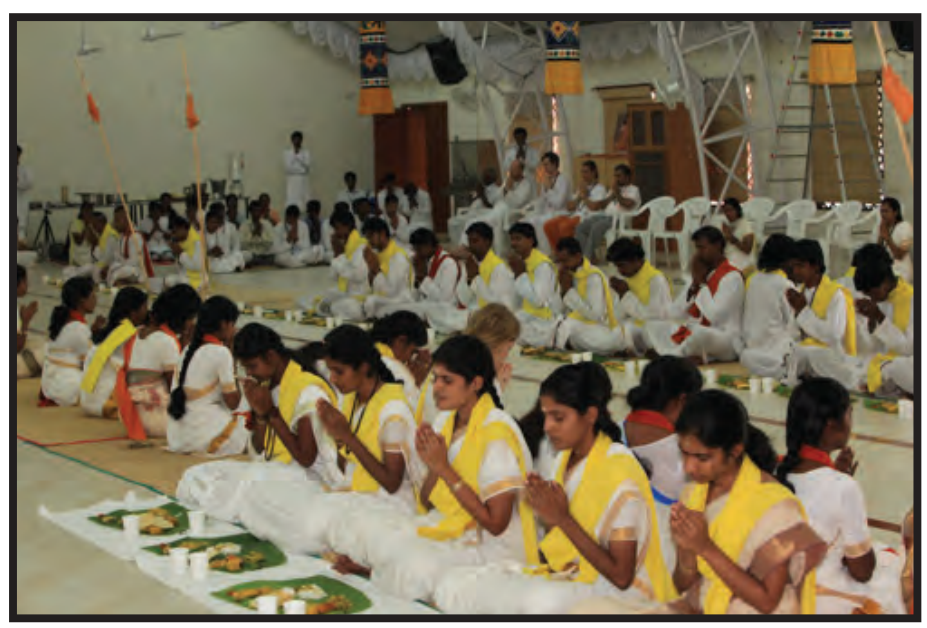
< Offering of Guru Mudi Devotees pour their devotion and gratitude to the Master by offering the guru mudi - carrying packets of rice and coconut on their heads. The rice represents one's karmas and the coconut represents one's ego.
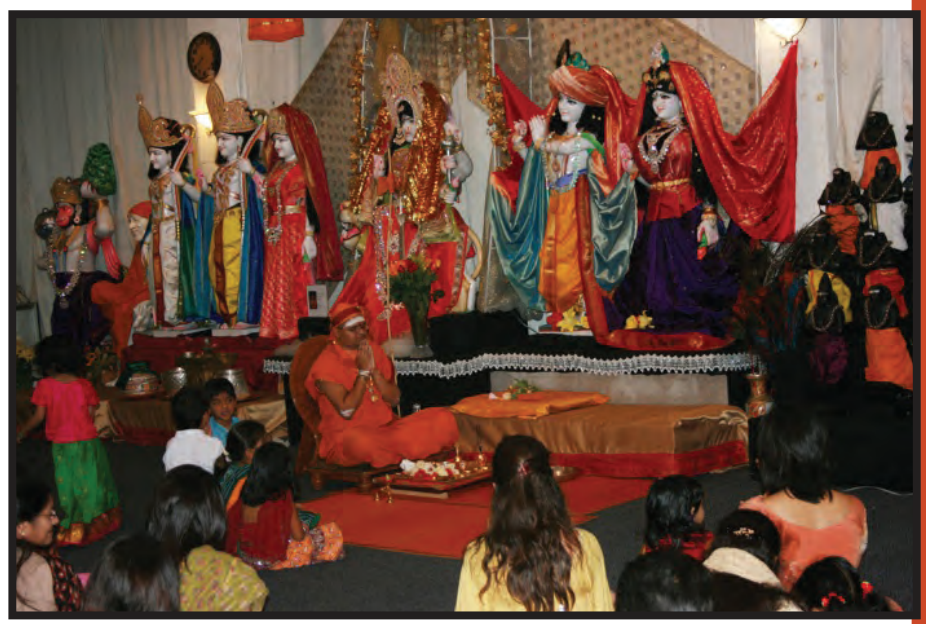
Celebration of various festivals of the Vedic tradition ▶ In the Nithyananda family, it is Nityotsava - every day is a celebration!
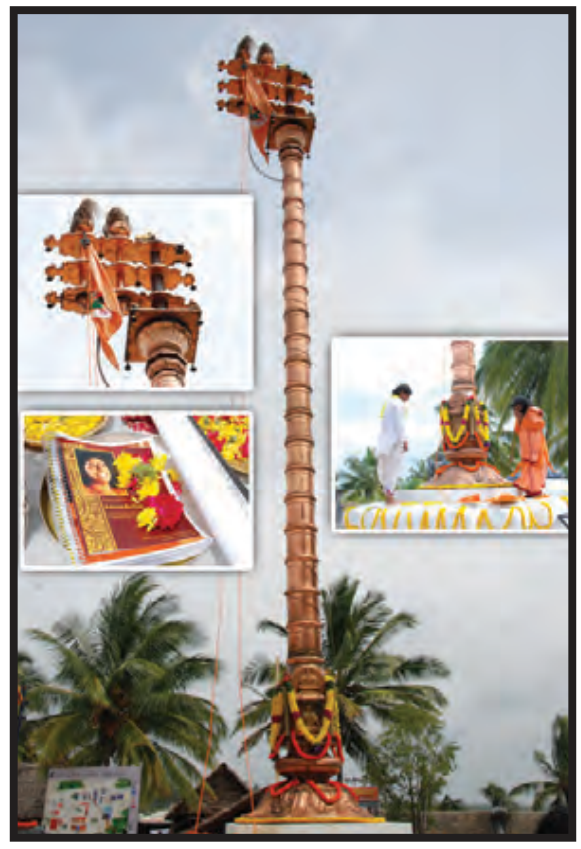
< Flag-hoisting
The Dhyanapeetam flag is
hoisted to mark the start
of the 4 major festivals
- Mahāsivarātrī, Guru Pūrṇimā, Navarātrī and Jayantī celebrations.
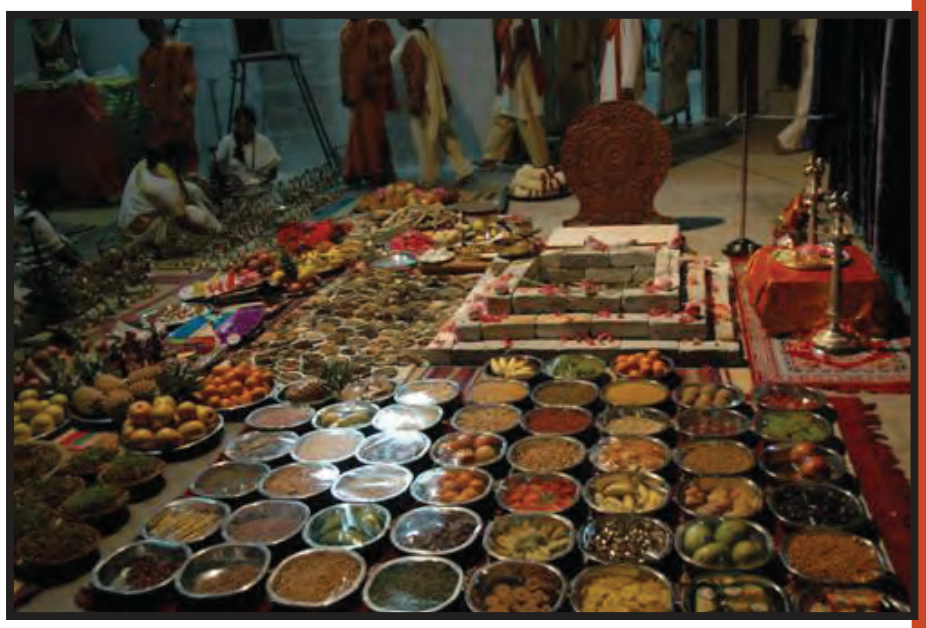
1008 offerings of food for the deity Grand naivedyam (food offering) is made to the deities on various occasions and festivals. ▼
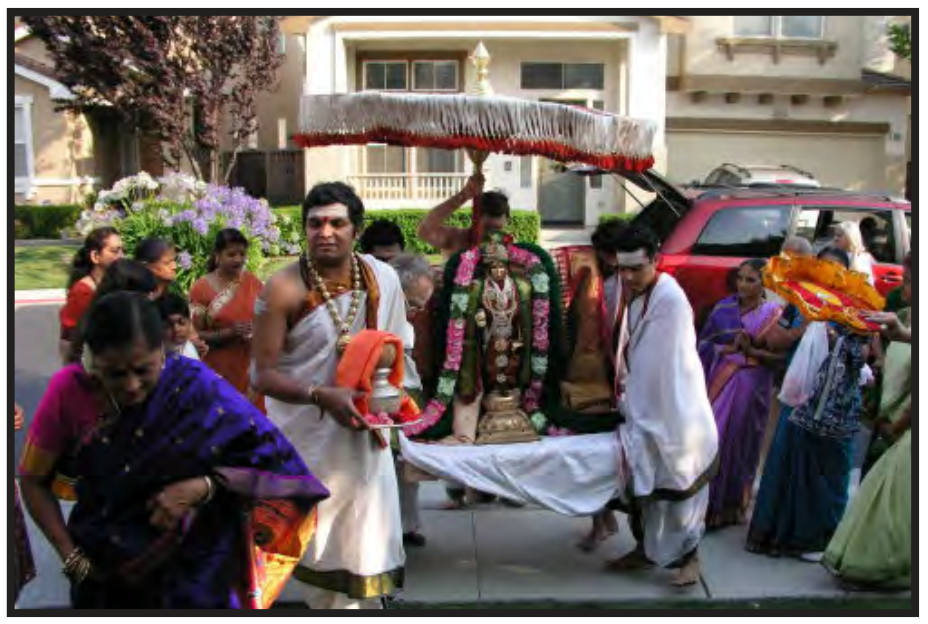
< Home Darshan The energized deities (utsava murtis) are taken in procession to the home of the devotee where puja is performed thus energizing the home with the positive cosmic vibrations.
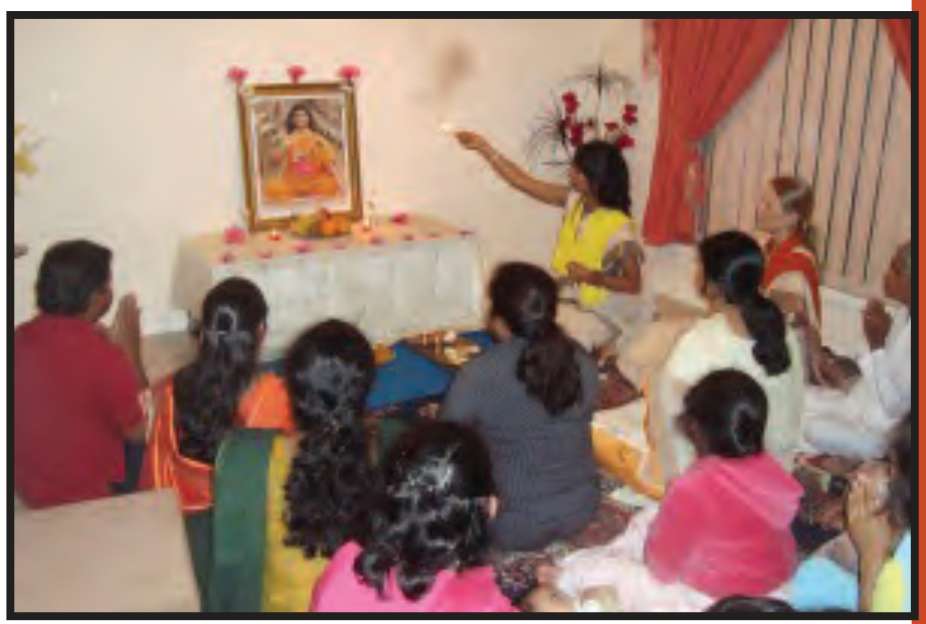
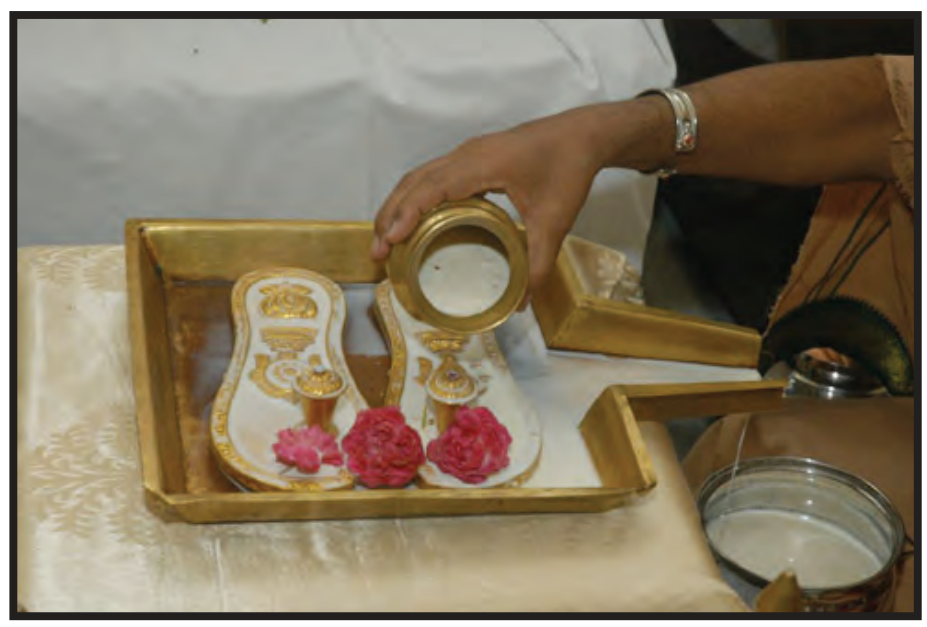
Guru pādukā pūjā, Sydney, Australia ▶ Worshipping the pādukās (holy sandals) of the Master in gratitude and reverence ◀ Homa (fire ritual) We can connect to Existence through any of the five elements of Nature - earth, water, fire, air and space. Homa is a powerful means of connecting to Existence through the fire element. The chanting of the accompanying mantras helps one in directly falling in tune with Existence.
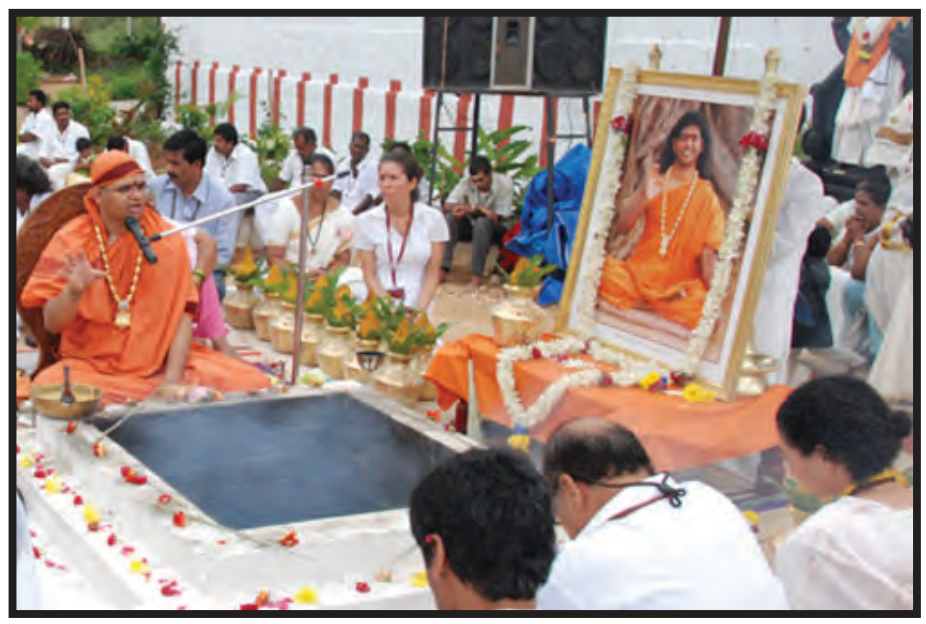
Devotees of all age groups, socio-cultural and economic ▶ brackgrounds join in various celebrations.
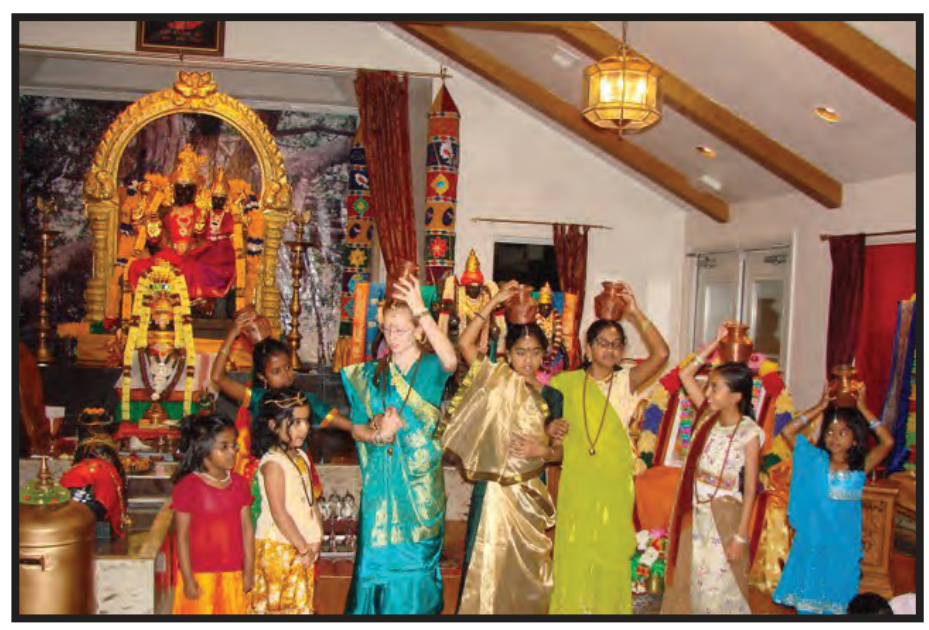
Abhiṣeka - Offering to the deity of water, milk, ▶ fruits, honey, sacred ash, etc.
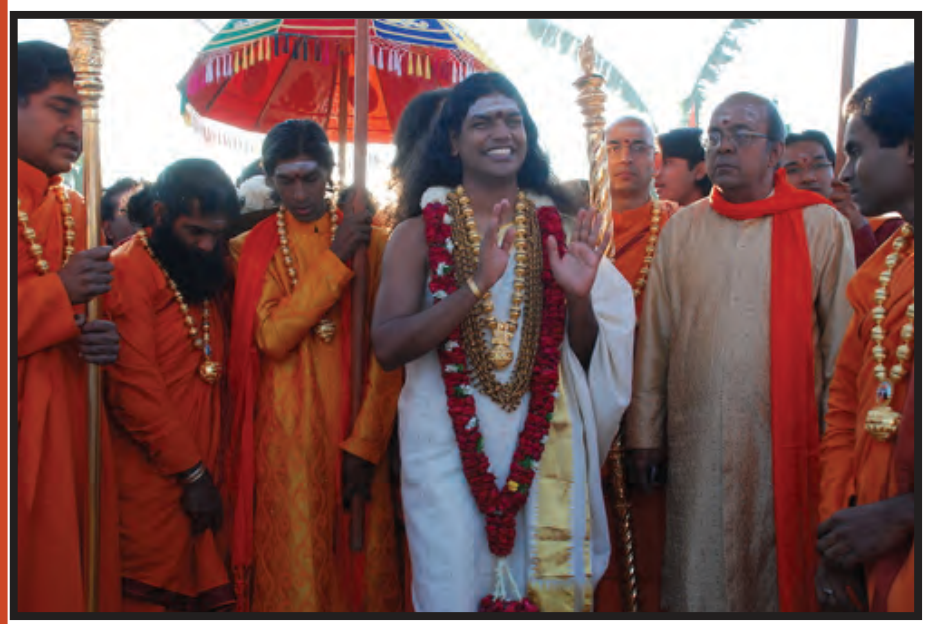
◀ Grand procession led by the Master accompanied by disciples is taken around the ashram during festivals.
Pādukā pūjā ▶ Offering of milk in worship to the Master's sasndals
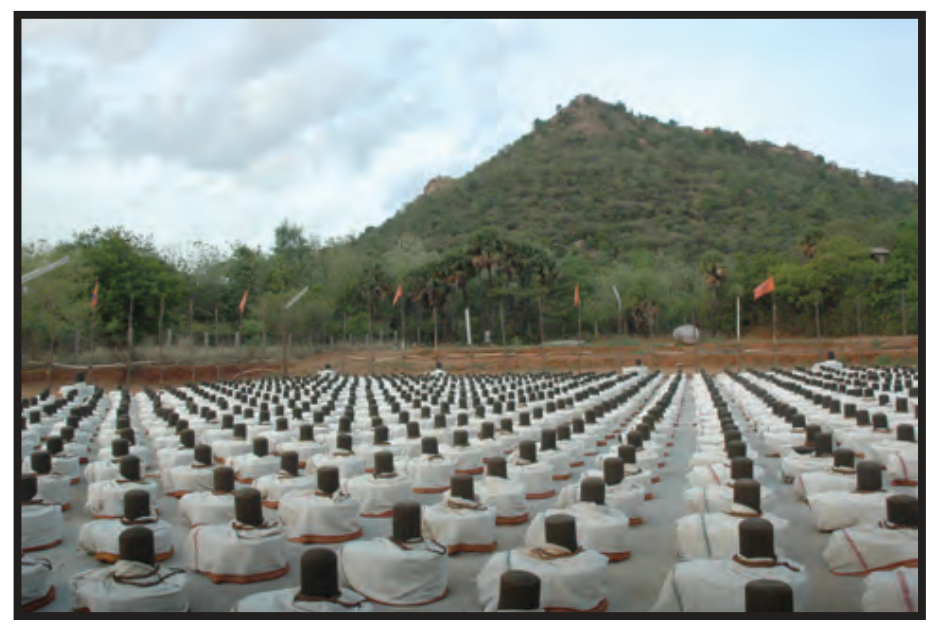
Devotees performing Guru pūjā (traditional worsship of the Master)
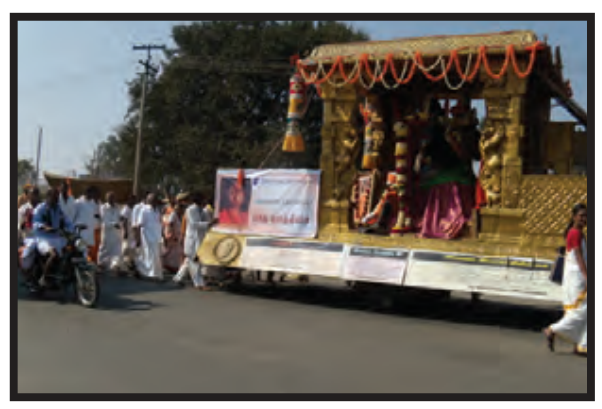
Ratha yātrā The deities Srī Ānandeśva a and Ānandeśvarī are taken in procession across various villages, towns and cities offering darśan to millions of eager eyes.
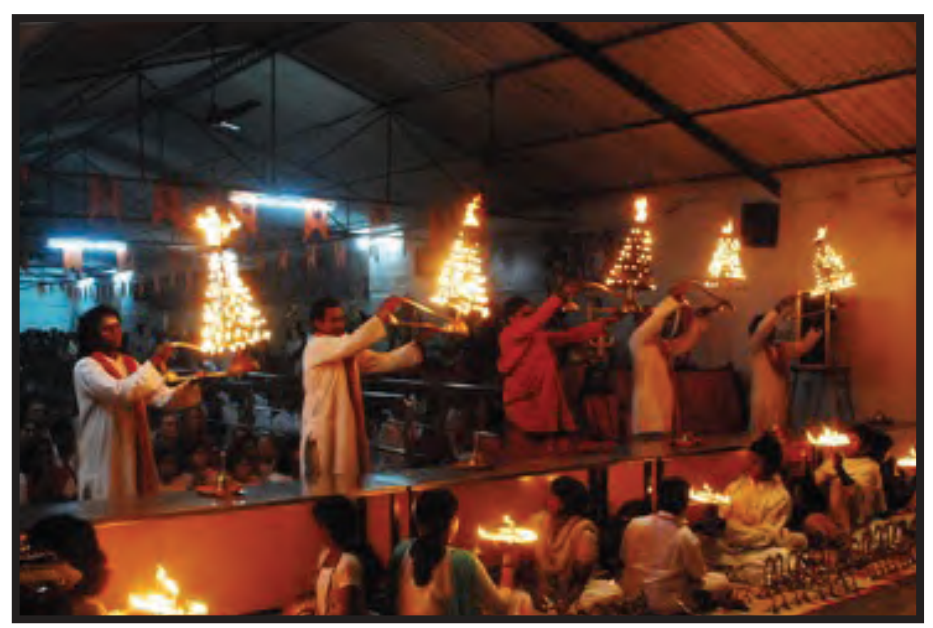
The Vedic temples have deities from different religions of the Vedic tradition.
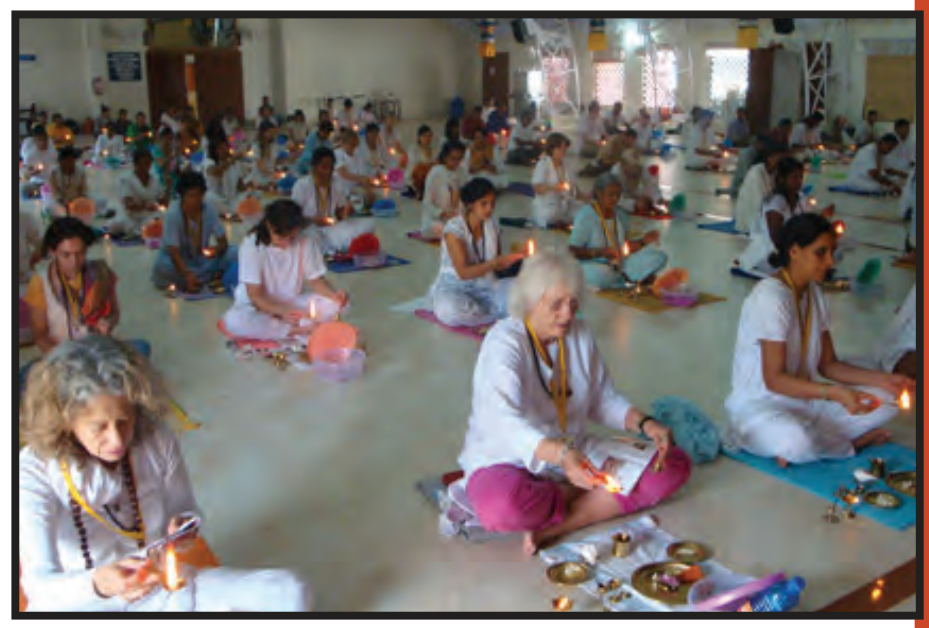
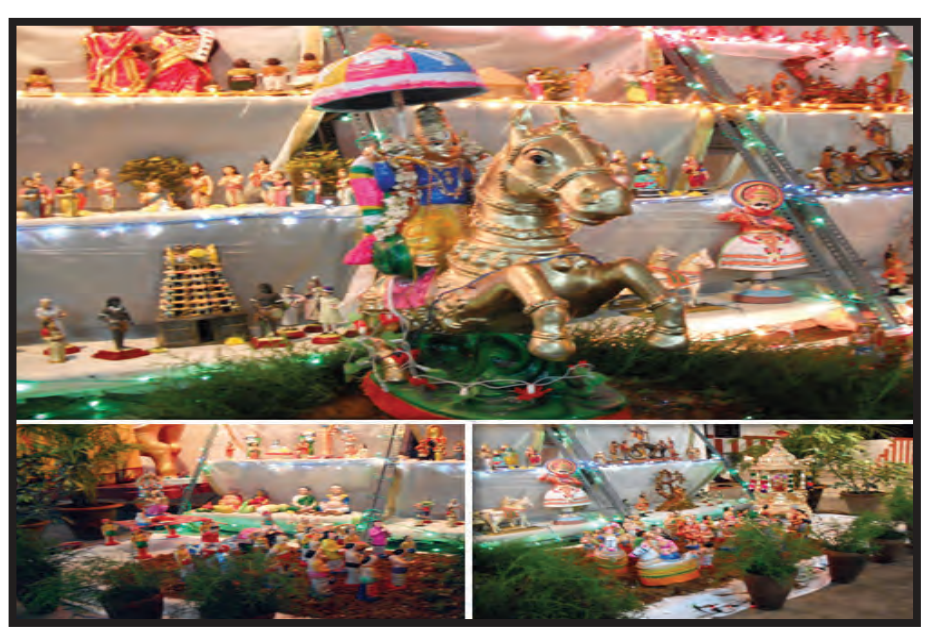
◄ “Golu” - Traditional display of dolls, deities, and art forms.
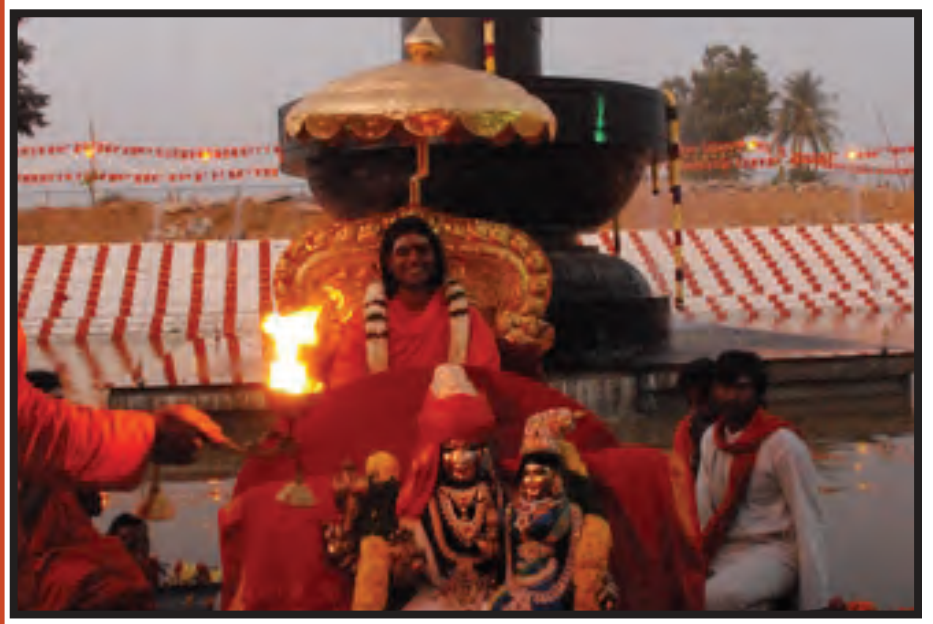
◄ Theppotsavam The traditional float festival where the Master or the deity is taken in a grand procession in a theppam (boat) around the temple tank.
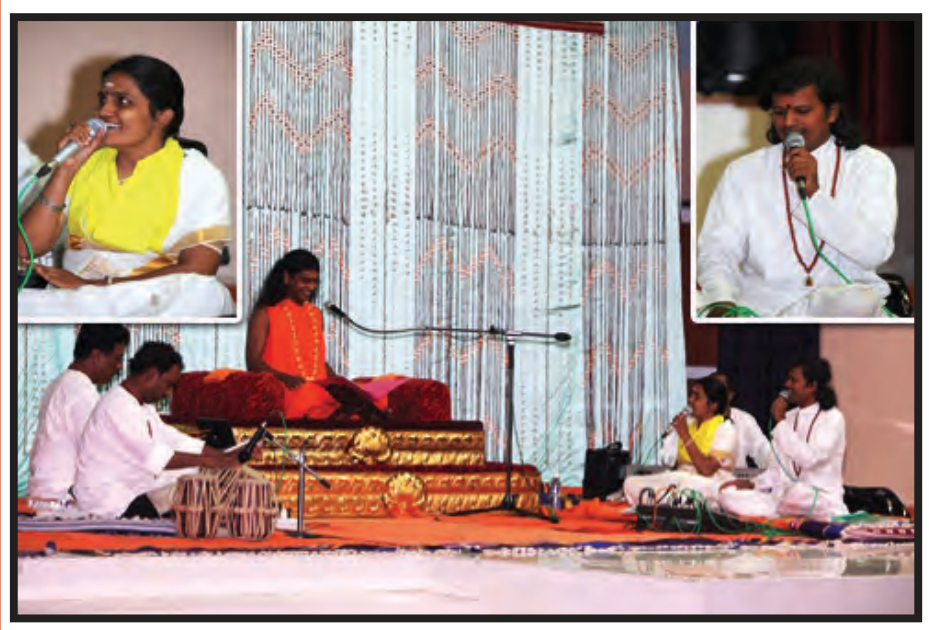
◄ Nāma saṅkīrtana The focus for the whole of Tamilnadu in 2009 is millions of people singing and dancing to kirtans in houses, on the roads... eradicating all the corruption and negativity in the society.