Jayanti
This text was machine-transcribed from the printed book and may contain errors. Select the words and choose “Report a mistake”.
January 1st of every year is a trifold landmark in the history of Nithyananda Dhyanapeetam. It marks the Jayanti (birthday) celebrations of Paramahamsa, the anniversary of His Enlightenment Day and the anniversary of Nithyananda Dhyanapeetam.
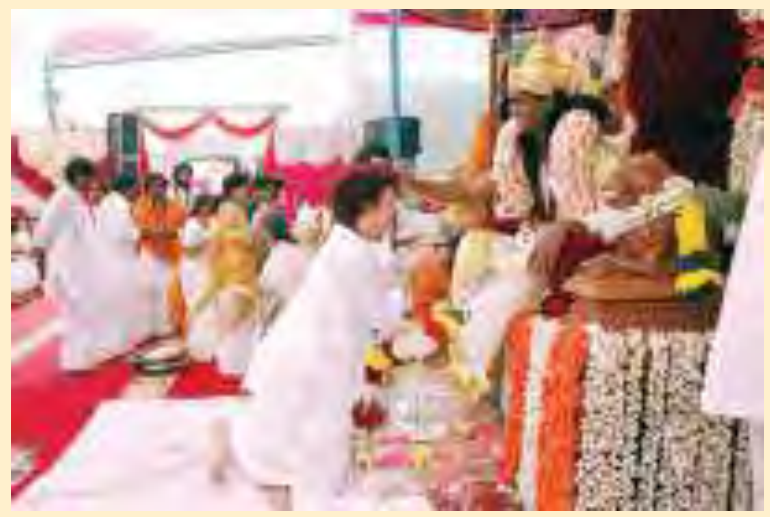
Pancha arati -
offering of 5 sets
of arati - lit
camphor - to the
Master

Paada Puja -
offering to the feet
of the Master -
Jayanti 2005,
Bangalore ashram,
India

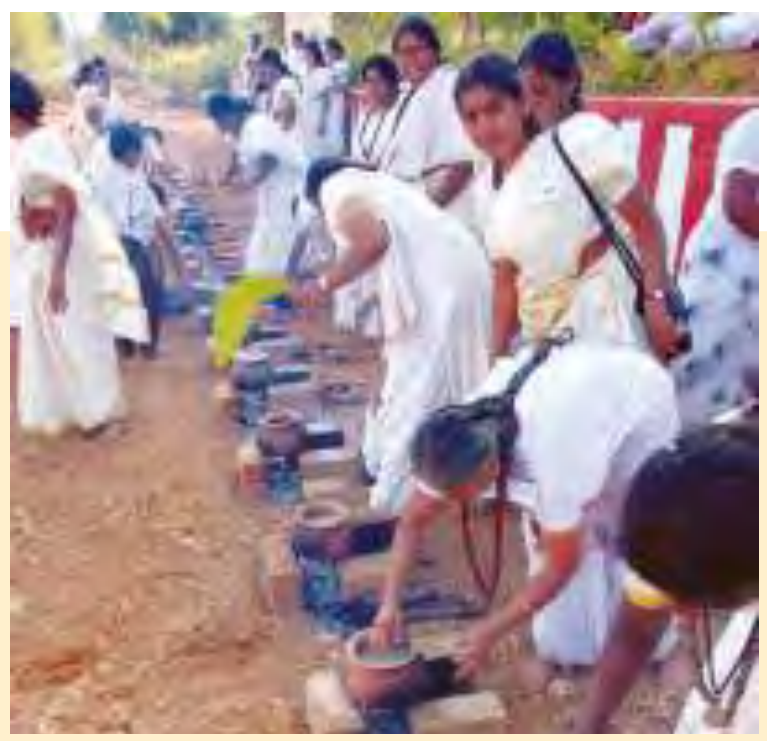
Cooking sweet rice - pongal - and offering it as a mark of gratitude to Existence
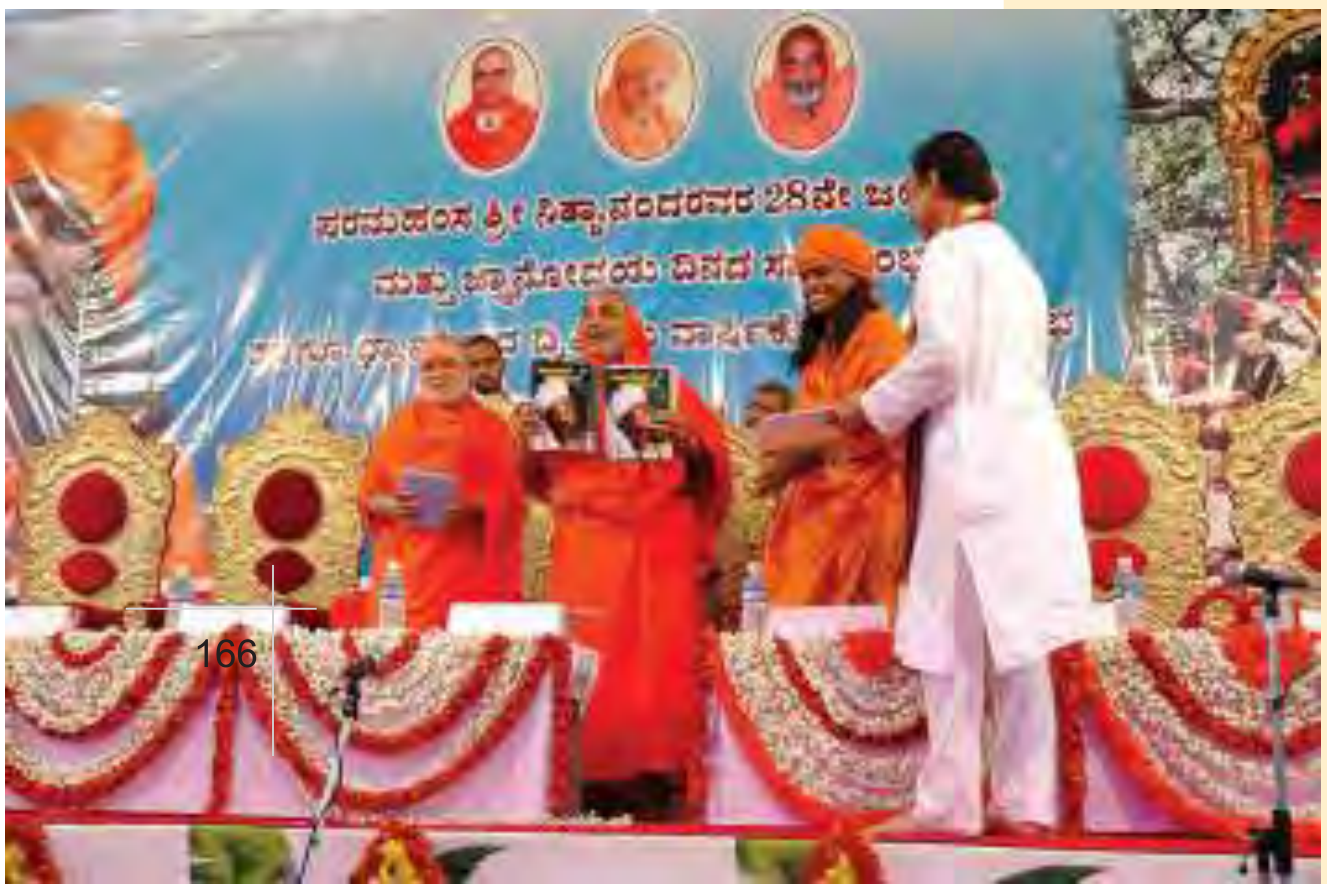
Public function with spiritual and political heads, inaugurating new ashram projects and releasing new literature from the ashram
Individual darshan - blessings
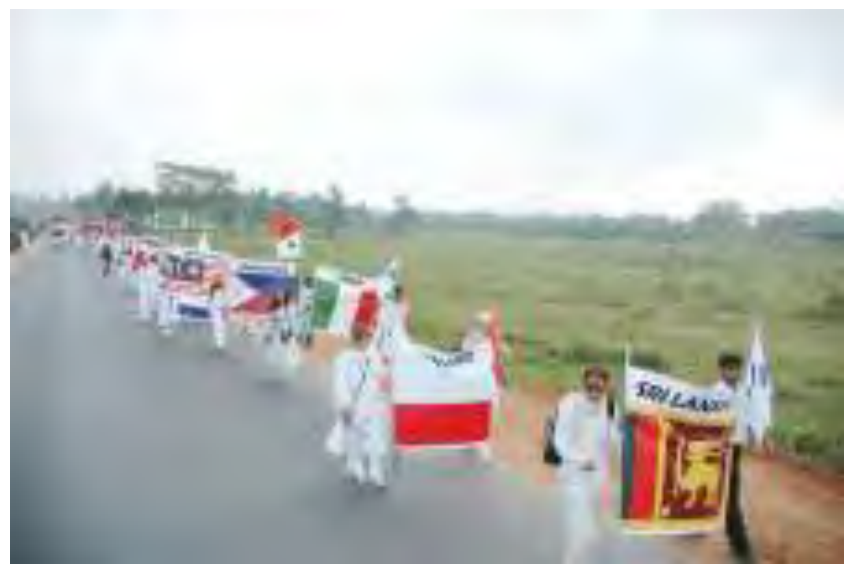
International unity for global harmony
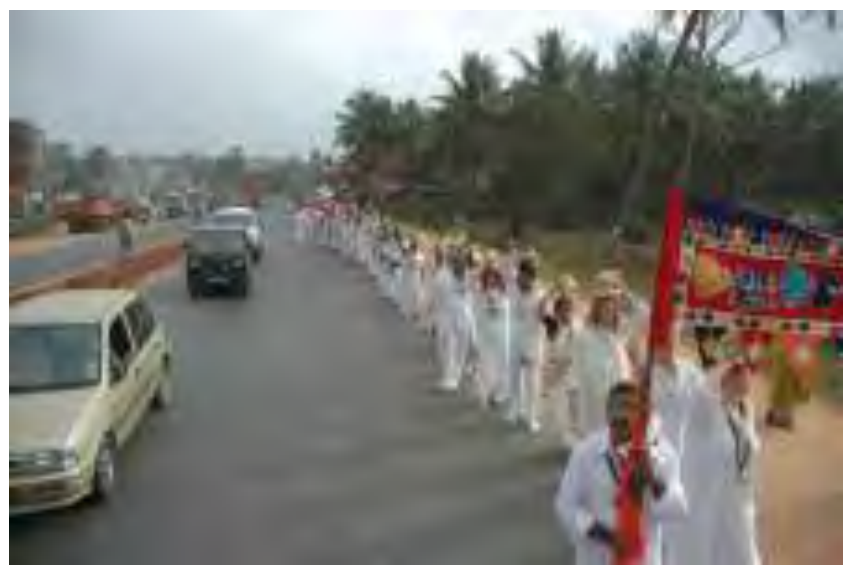
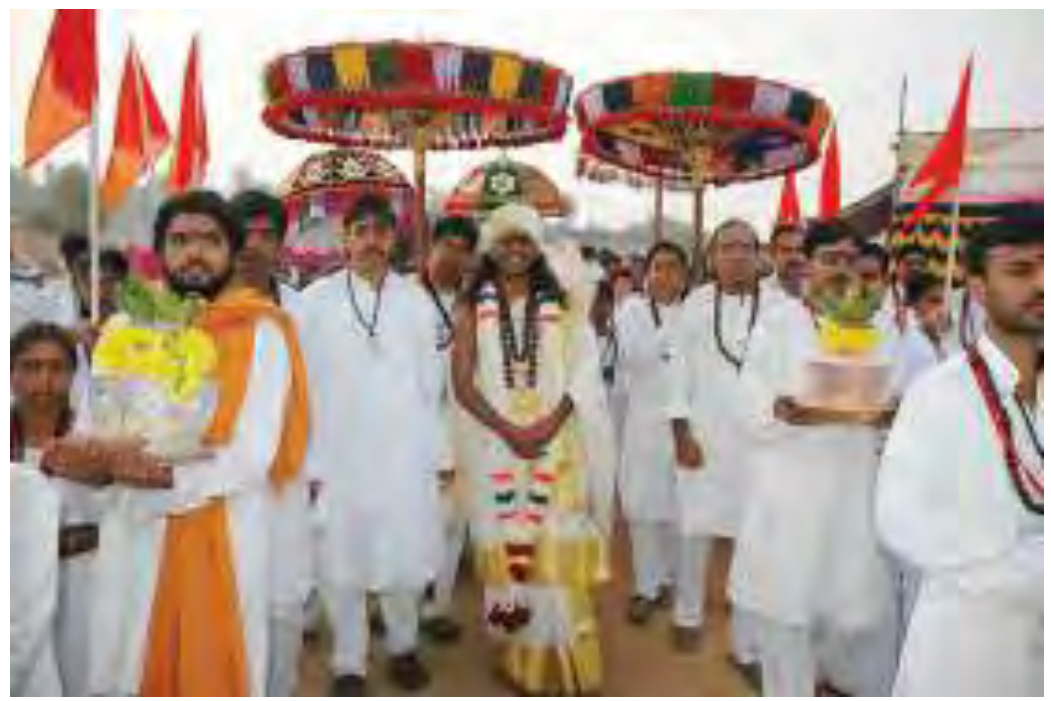
Devotees walk a few kilometers in procession, bearing milk pots, to perform milk abhisheka - holy bath - to Sri Anandeshwar at Bangalore ashram, a vow which helps gratitude and endurance flower from within
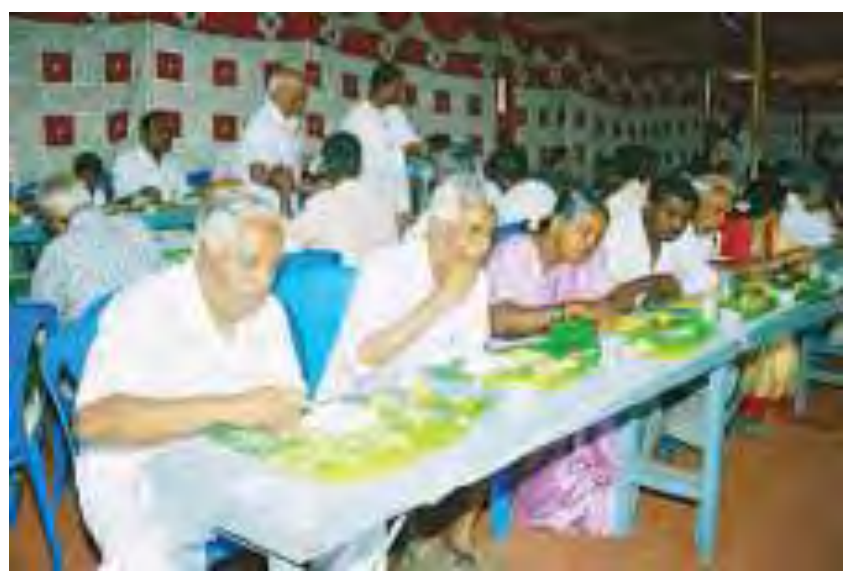
Free food to all including residents of neighboring villages
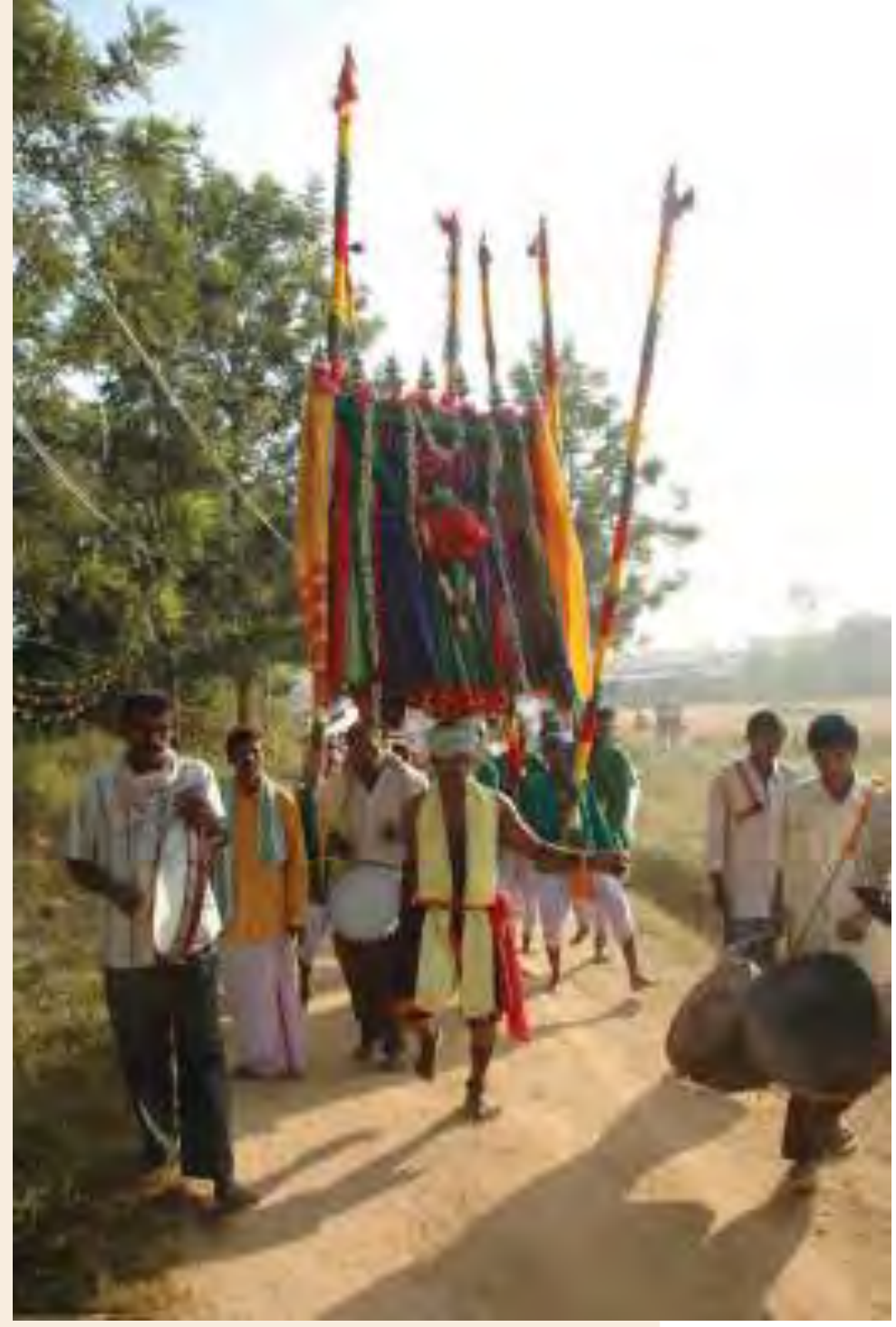
Patada Kunitha, a Karnataka folk dance. Paramahamsa ensures a touch of traditional folk art in all the celebrations of the ashram
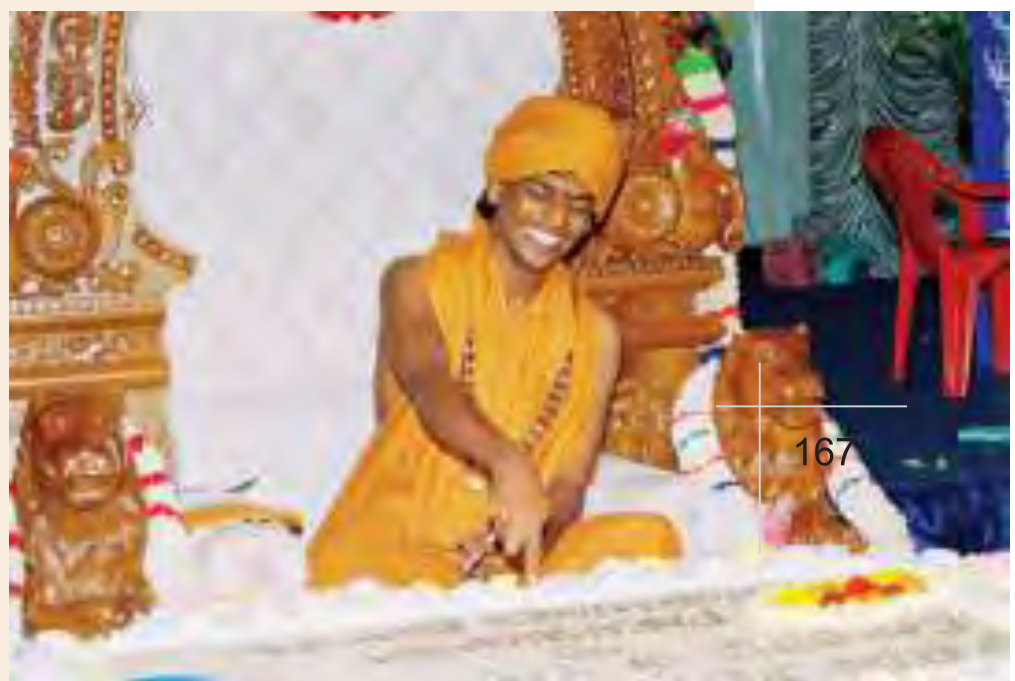
Cutting the
Jayanti cake
2005
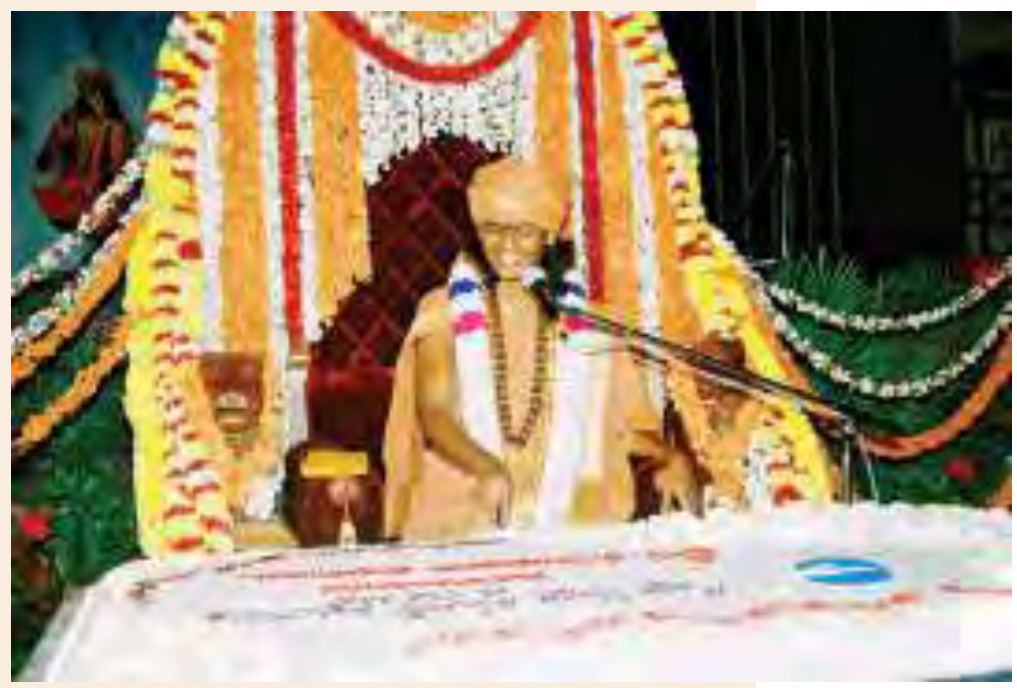
Cutting the Jayanti cake 2004
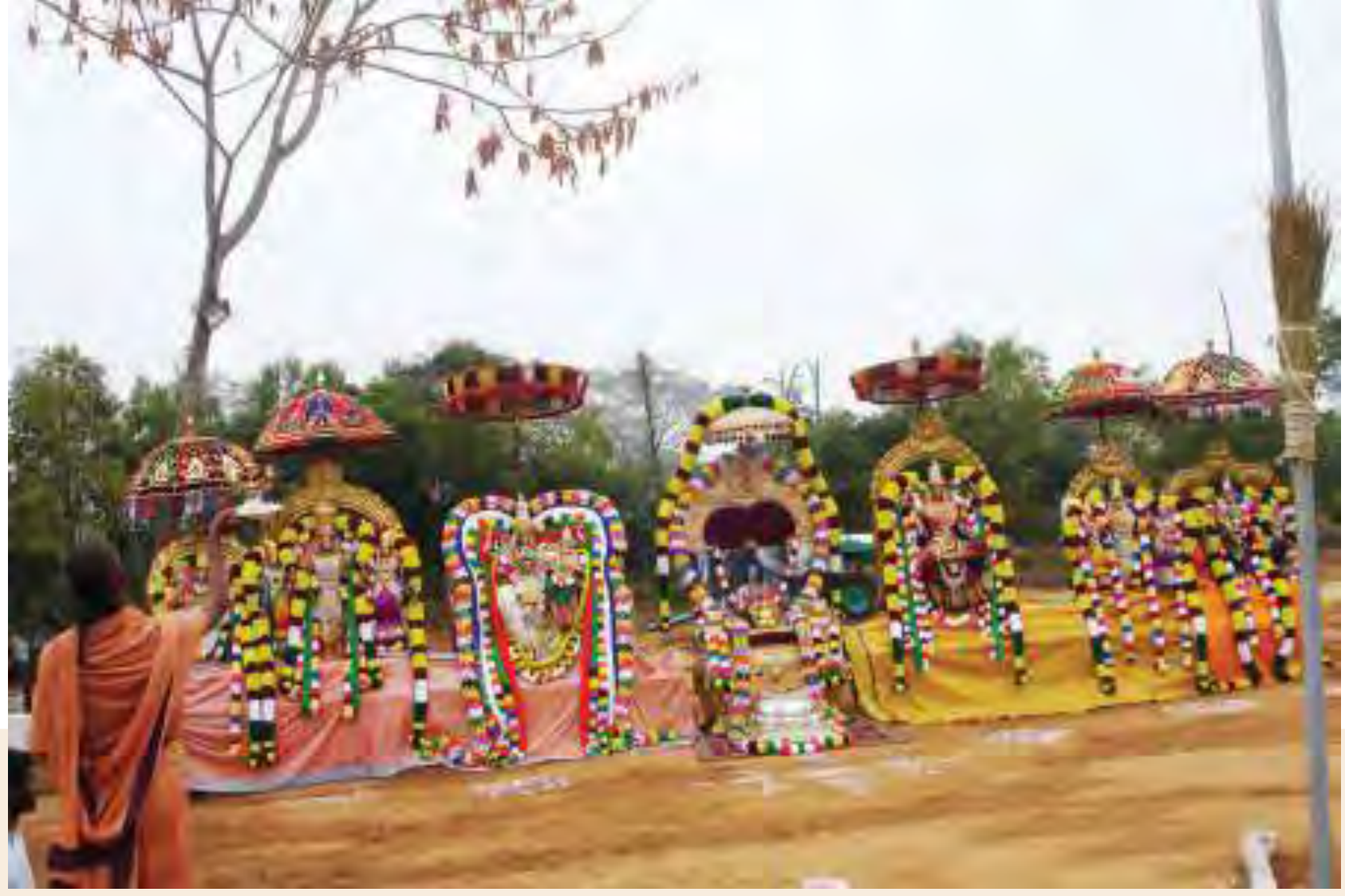
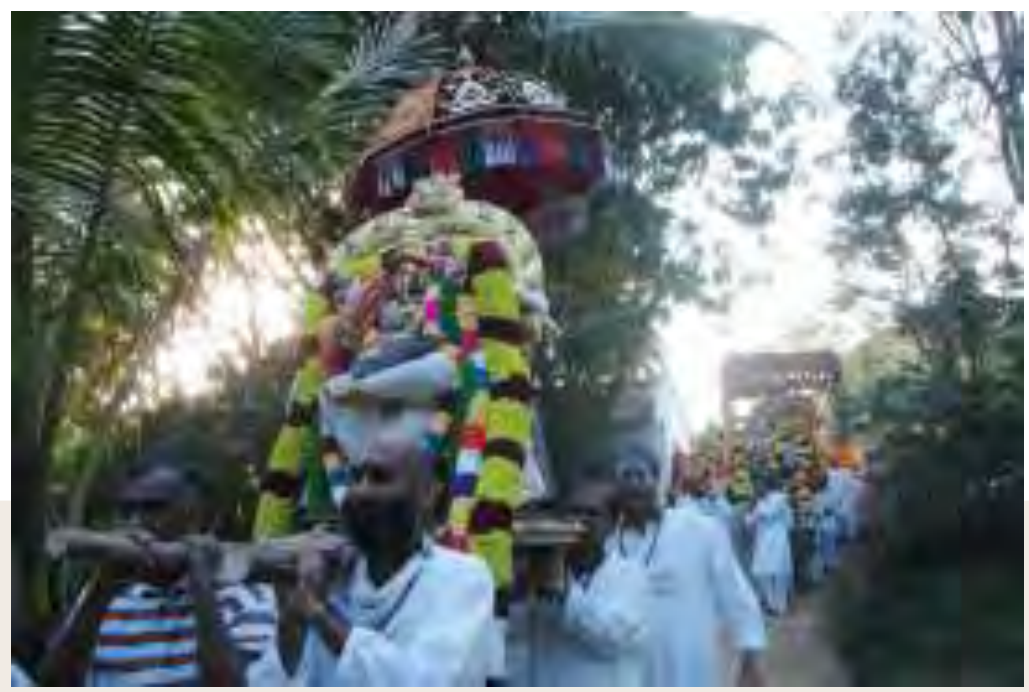
In this festival, the seven presiding deities, one for each of the seven chakras - the vital energy centers in our body - are taken out in festive procession to the neighboring villages, carrying with them peace and goodness. These processions harbour tremendous goodwill and participation from different communities, thereby building group energy and maintaining overall harmony
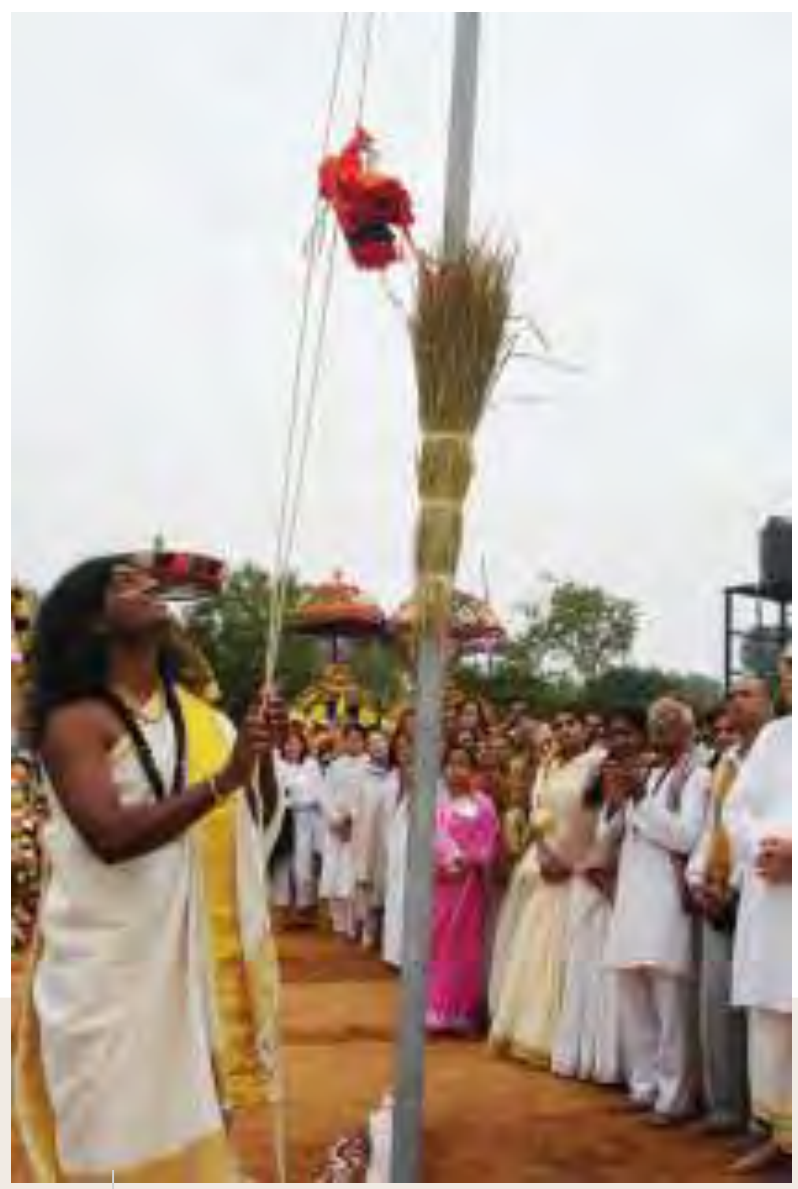
Hoisting the Nithyananda Dhyanapeetam flag for the first time at the ashram in Bangalore