Mitochondria
This text was machine-transcribed from the printed book and may contain errors. Select the words and choose “Report a mistake”.
Mitochondria
Living cell
• Every living cell including in the human body is a complete and intelligent organism by itself.
• In the human body ,50 trillion cells got together to form a sangha which allowed them to specialize and distribute different duties to different groups of cells.
• On the other hand all cells have a number of common components which keep them alive, allow them to replicate, etc irrespective of their specialization
Common component
• Thus each cell have certain components which are common across the board and some which are different and specialized
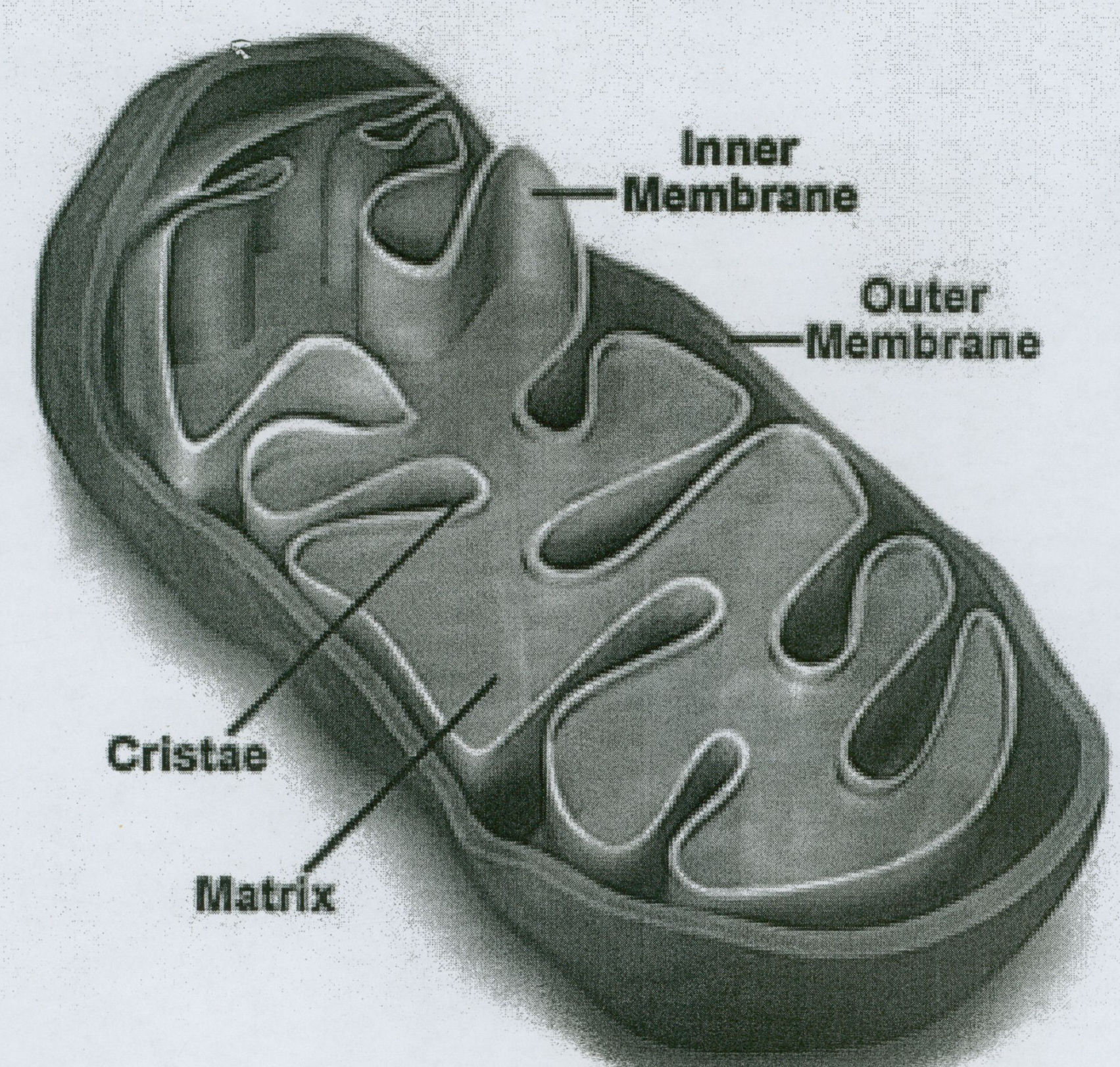
• One such common component is the Mitochondria ,which is found in the cytoplasm, and is about 1 micron long.
• The mitochondria has its own DNA and is believed to have been an independent organism which was engulfed by the living cell and now share a symbiotic relationship
Its primary duty
- The primary duty is to act as the battery or the energy centre of the cell
- For e.g. with out mitochondria, one molecule of glucose can be converted to only 2 ATP's ( energy molecule)
- In mitochondria, same glucose molecule will produce 32 ATP's , which is an increase by 1700 %
DNA of Mitochondria
- Unlike a DNA in the nucleus , which is very well protected by a covering called Histones, mitochondrial DNA is naked and therefore prone to damage very easily
- The repair mechanisms in the mitochondria are not as efficient as in the nucleus.
Ageing and Anti ageing
- A damaged mitochondria will produce less energy and more reactive oxygen species (ROS) which lead to cell damage and ageing.
- Thus ,a highly energized and efficient mitochondria is certainly likely to produce pure ATP and least likely to produce toxic free radicals ( which are a sequelae of unrepaired mitochondrial DNA).
- This certainly could be one of the key factors in anti-ageing